Termite Risk Florida Landscaping: Protect Your Foundation
A neat planting bed can still hide the lower edge of a Florida home. Dense shrubs, thick mulch, and frequent irrigation may cover signs that would otherwise be easy to spot.
Termite risk Florida landscaping can create is usually tied to moisture and concealment, not to the plants themselves. With visible foundation access, controlled watering, and regular inspections, homeowners can reduce conditions that support termite activity without removing attractive landscaping.
How termite risk Florida landscaping can hide around foundations
Florida's warm temperatures, humidity, heavy rain, and irrigation can support termite activity during every season. These conditions don't mean every home has termites, but they make moisture management and inspection access important in communities such as Cape Coral, Fort Myers, Punta Gorda, Bonita Springs, and Sanibel.
Warmth and moisture affect the foundation edge
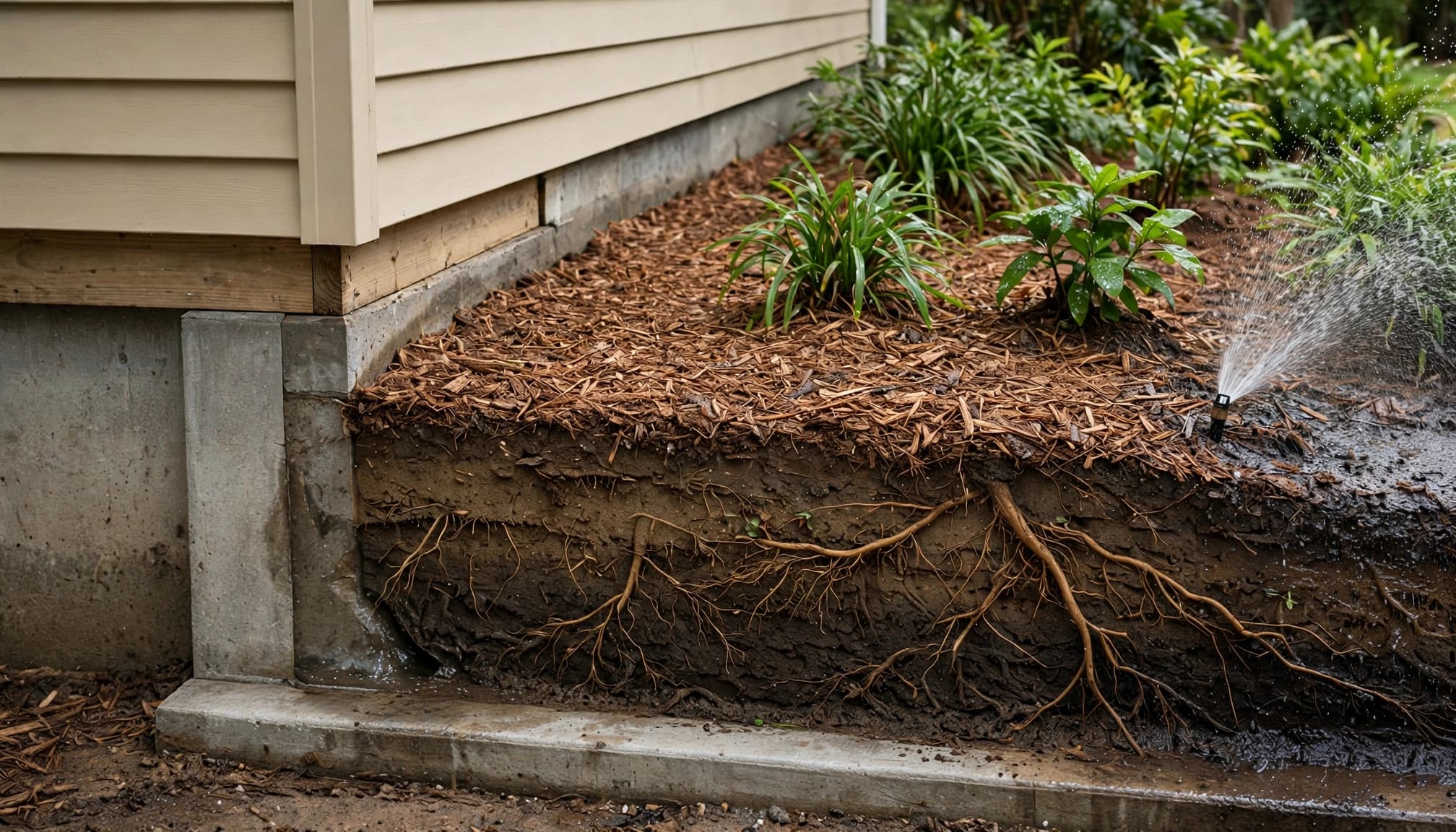
Subterranean termites live in or near soil and may use protected routes to reach a structure. A damp planting bed can provide shelter near the slab, especially when water remains against the wall after rainfall or irrigation.
Foundation beds often contain several features that deserve attention:
- Organic mulch that holds moisture near the lower wall
- Shrubs that block the view of the slab edge
- Irrigation heads aimed toward stucco, siding, or block walls
- Soil that has built up against exterior finishes
- Roots, edging, or pavers that make the foundation harder to examine
These features don't create termites by themselves. They can, however, make conditions more favorable and allow activity to remain hidden longer.
Dense planting can conceal entry points
A termite inspection depends on seeing where soil, walls, slabs, plumbing penetrations, and exterior wood meet. When plants cover those areas, a homeowner may miss a shelter tube, moisture problem, or damaged wood.
A planting bed can look healthy above ground while making the foundation edge difficult to inspect below it.
Moisture paths around Florida slabs
Water management is one of the most practical ways to reduce termite-supporting conditions. It also helps separate termite concerns from wood rot, staining, and other moisture damage.
Irrigation overspray and leaks
Sprinklers should water plants without soaking the home's exterior wall. A misaligned head can spray the slab edge every day, while a broken line may keep the soil wet long after the rest of the yard has dried.
Downspouts and gutter discharge lines should terminate at least 1 foot away from the foundation. Clear gutters and functioning drainage also help prevent water from collecting beside the slab.
Repairing an irrigation leak lowers excess moisture, but it doesn't remove every possible termite pathway. Activity may already be present, and other entry points may remain around plumbing, expansion joints, garages, lanais, or connected slabs. Homeowners who want more detail can review these guidelines for irrigation leaks and termite risk.
Soil, mulch, and structural contact
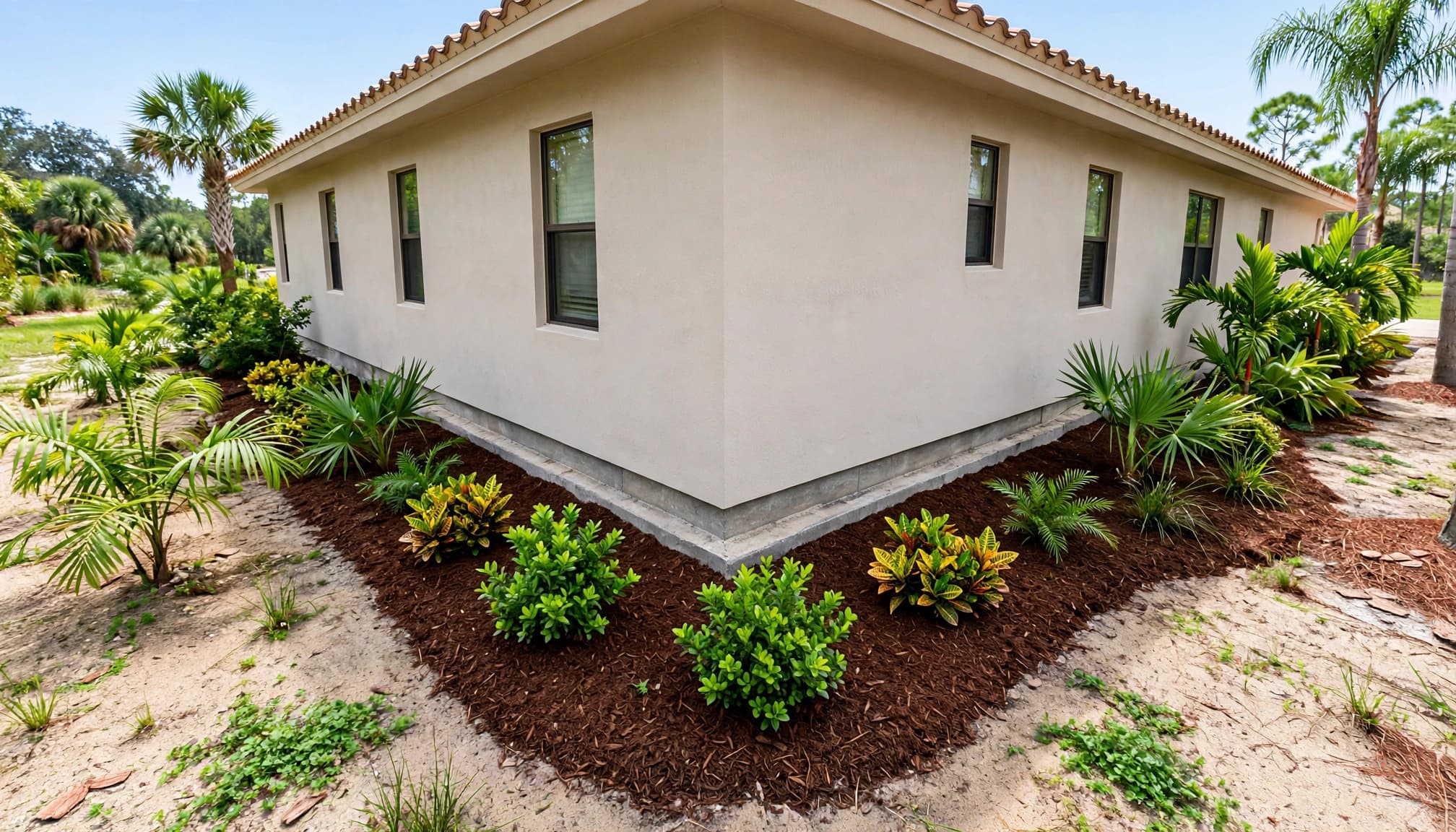
Keep soil and mulch from covering siding, stucco weep areas, foundation edges, or other components that need to remain visible. Plants should also be trimmed so stems and dense foliage don't rest against the exterior wall.
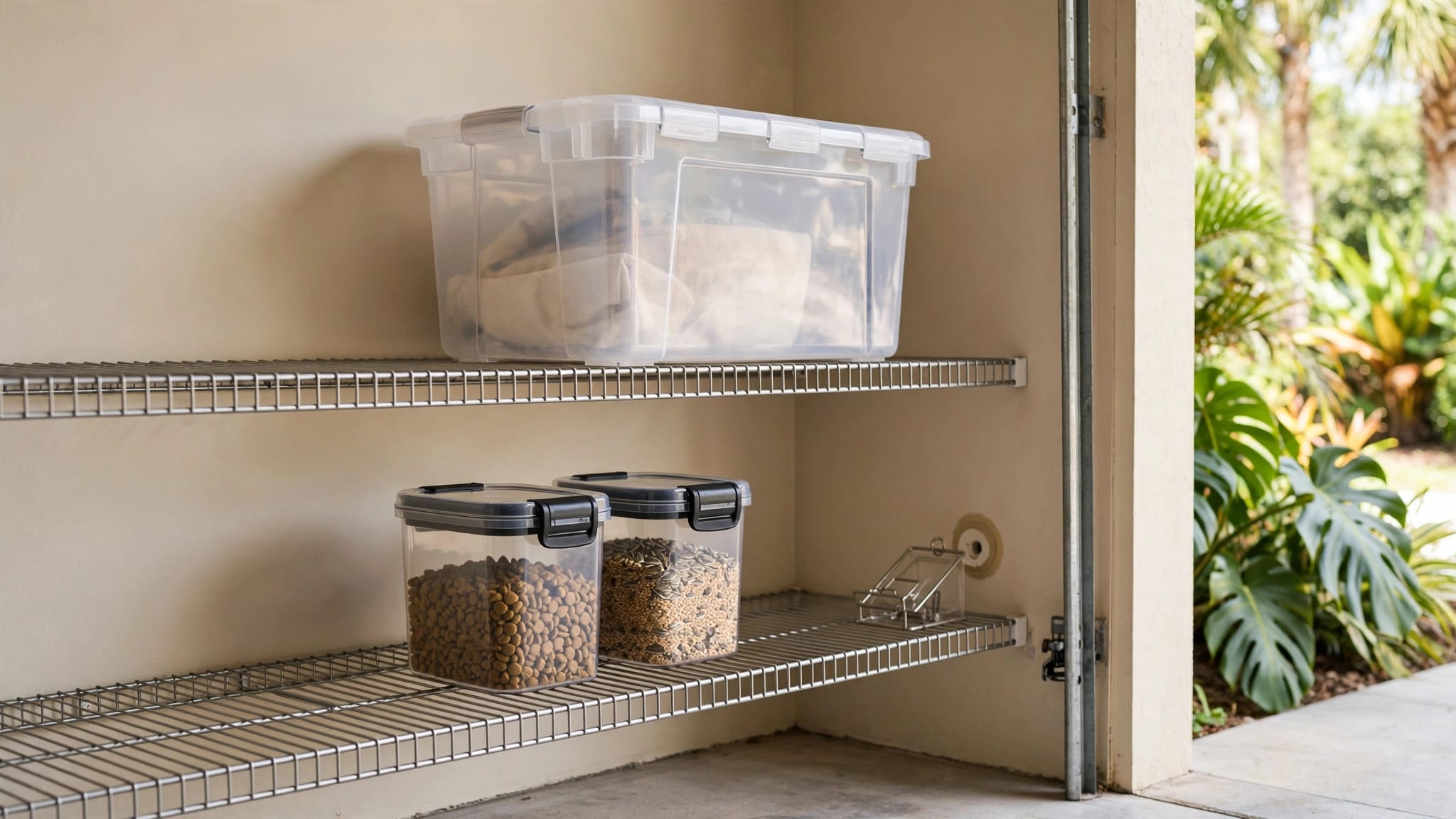
Wood edging, landscape timbers, dead stumps, cardboard, and buried construction debris deserve attention because cellulose material can provide food or concealment. Firewood and spare lumber should remain away from the house.
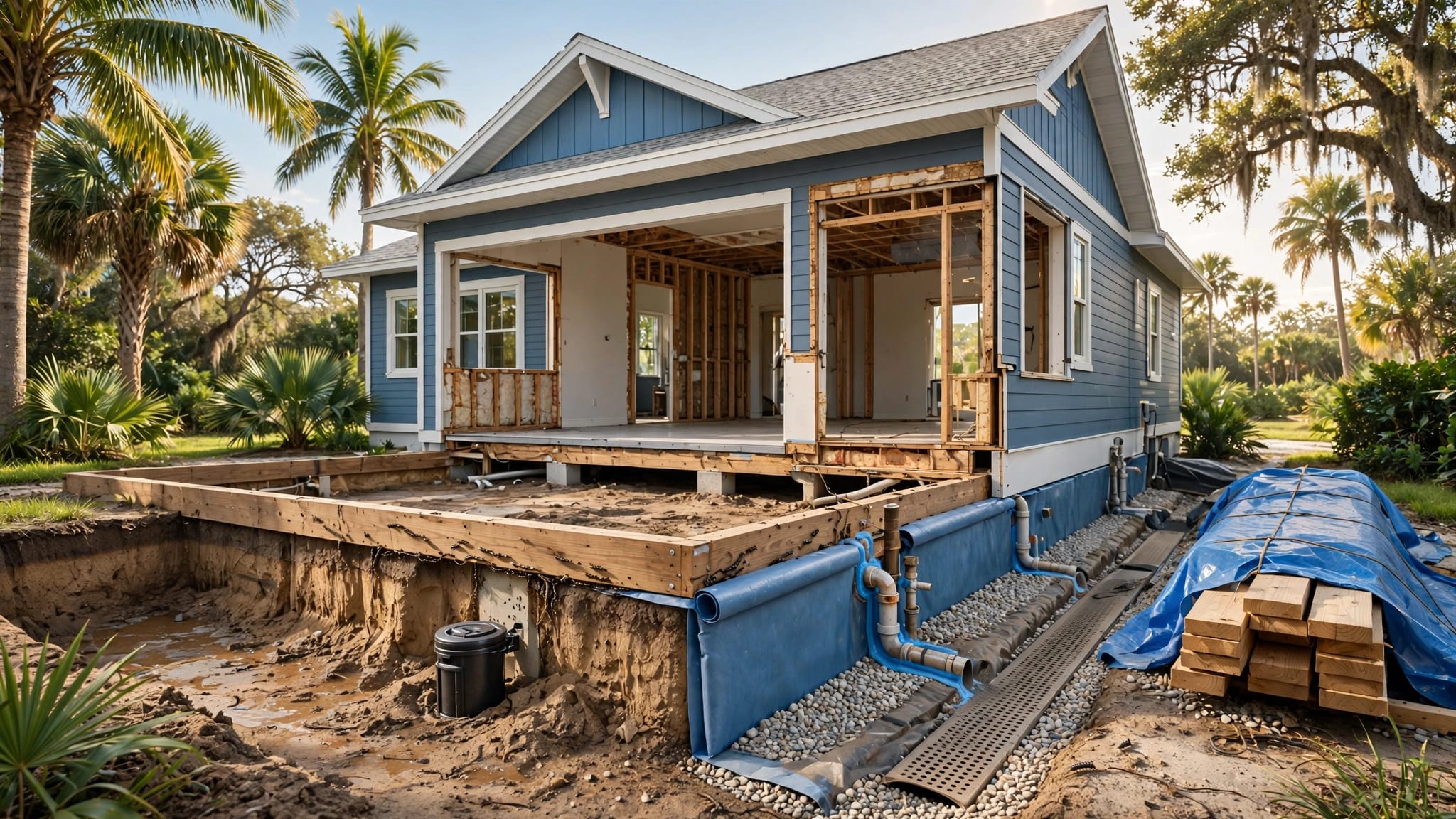
Before landscaping, pavers, mulch, and irrigation are installed, the builder should plan for the inspection clearance required by the home's construction. Many construction details focus on preserving several inches of visible separation above final grade, but the correct arrangement varies with the foundation, wall finish, exterior foam insulation, and local requirements.
Landscaping choices that preserve foundation access
A termite-conscious planting bed doesn't need to look bare. The goal is to keep the structure visible, dry, and reachable for inspection.
Place plants far enough from the wall that mature foliage won't cover the lower exterior. Use shallow mulch near the bed, keep it below siding and stucco details, and refresh it without allowing new layers to build against the foundation. Organic mulch can hold moisture, while rock or gravel may dry faster, although any material can create access problems if it is piled too high.
The right choice also depends on drainage. Gravel against a wall won't solve a grading problem, and changing mulch won't correct a leaking irrigation line. Review these Florida foundation mulch and pest prevention considerations before redesigning a bed.
Pavers and patios require the same care. They may reduce visibility without adding food for termites, especially around slab edges, expansion joints, door thresholds, and screened enclosures. Discuss the layout with the installer and pest professional before construction if the home has bait stations, a liquid treatment, or an existing service plan.
After installation, keep access points open enough for a technician to examine them. A clean, visible perimeter makes it easier to notice changes after heavy rain, irrigation repairs, landscaping work, or foundation maintenance.
What to look for during an exterior walk
A routine visual check can identify conditions that deserve attention. It cannot confirm an infestation, especially when termites are behind walls, beneath flooring, or inside structural wood.
Signs near beds, slabs, and walls
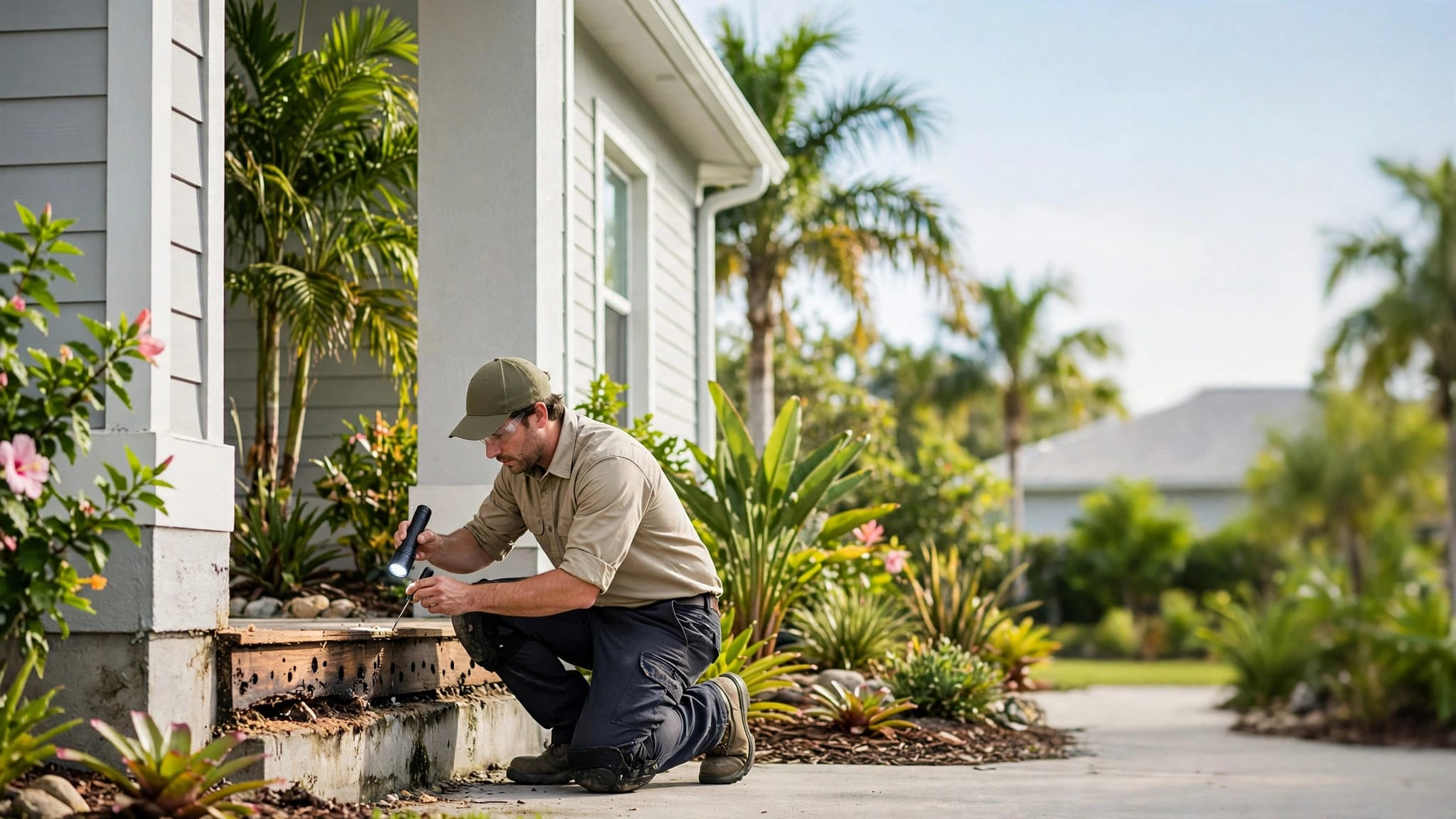
Walk the perimeter when the ground is dry enough to see the foundation clearly. Look along shaded sides, garage corners, lanai posts, plumbing areas, and places where mulch or soil meets the wall.
Possible warning signs include:
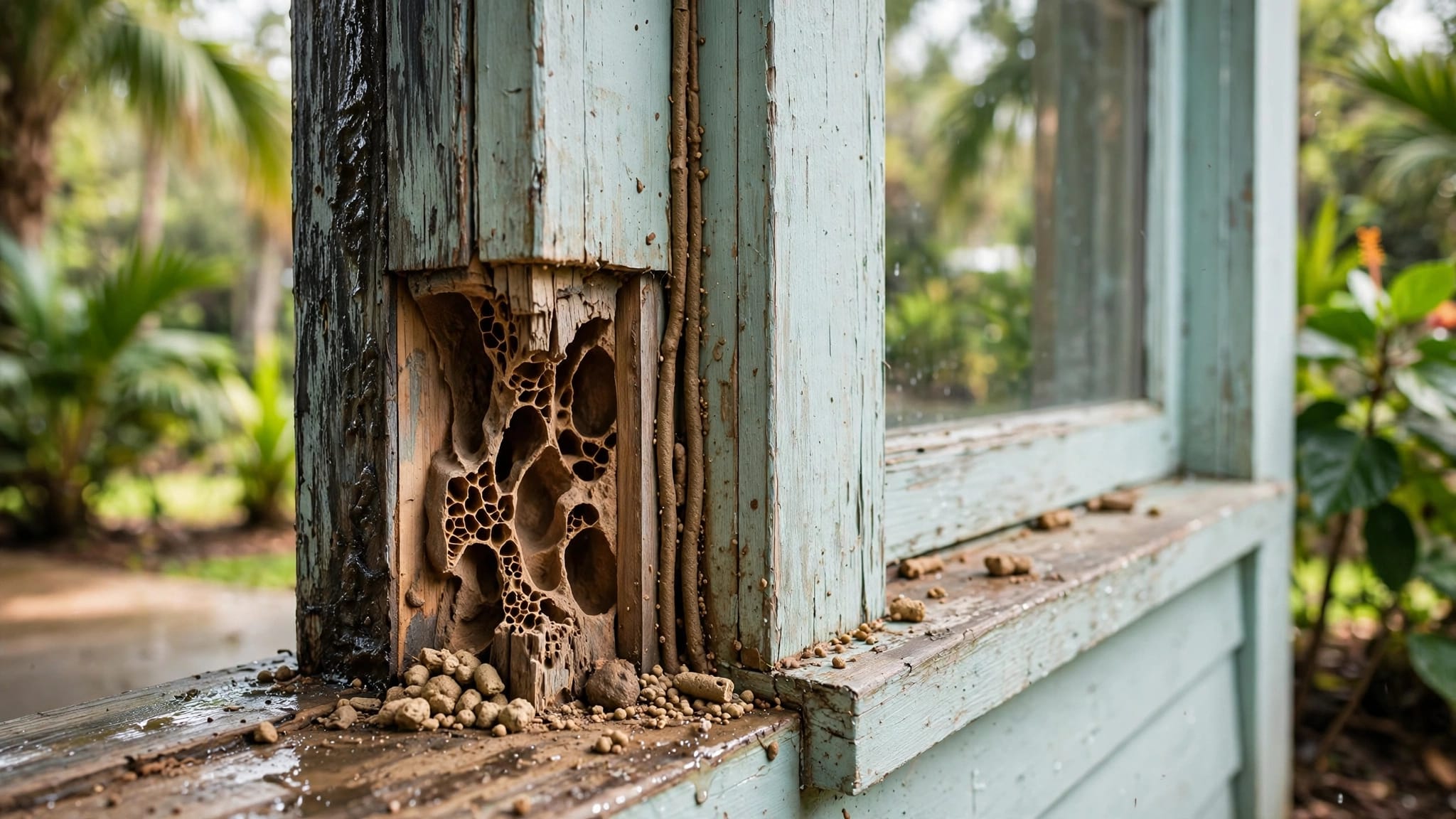
- Mud tubes along a slab edge, block wall, pier, or plumbing penetration
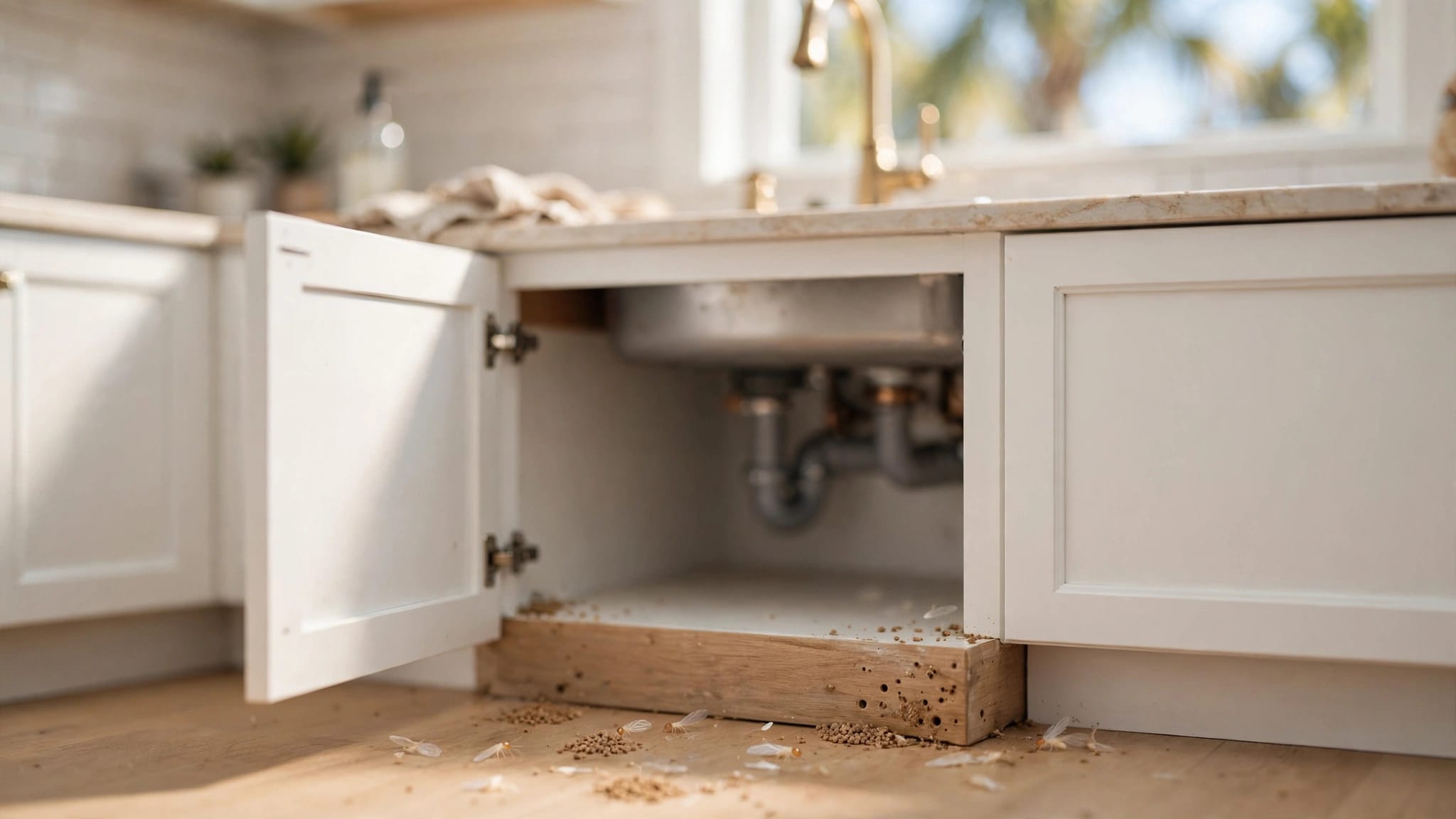
- Discarded wings near windows, doors, lights, or wall openings
- Hollow-sounding wood, bubbling paint, or blistered finishes
- Small piles of hard, dry pellets below wood
- Damp areas that remain wet after the rest of the yard dries
Mud tubes more often point toward subterranean termite activity. Dry pellets can be associated with drywood termites. Ants, moisture damage, and other insects can create similar clues, so professional identification matters. This overview of drywood and subterranean termites in Southwest Florida can help homeowners understand why signs differ.
Protect the evidence you find
Take clear photographs and note the location, date, recent rainfall, and irrigation activity. Avoid pulling apart a mud tube, sealing a suspected entry point, or covering damaged wood before an inspection. Changes can destroy useful evidence or make current activity harder to evaluate.
Don't rely on a store-bought spray to settle the question. It may kill insects that are visible without reaching hidden activity, and it can interfere with monitoring or make the source harder to track.
Schedule a professional inspection when you see shelter tubes, repeated wings, unexplained wood changes, or a persistent moisture problem. More warning signs appear in this guide to signs you need a professional termite inspection.
What a professional inspection can clarify
Local conditions and construction vary. A slab-on-grade home with block walls may have different inspection points from a house with a crawl space, attached garage, patio, or enclosed lanai.
Current activity versus old damage
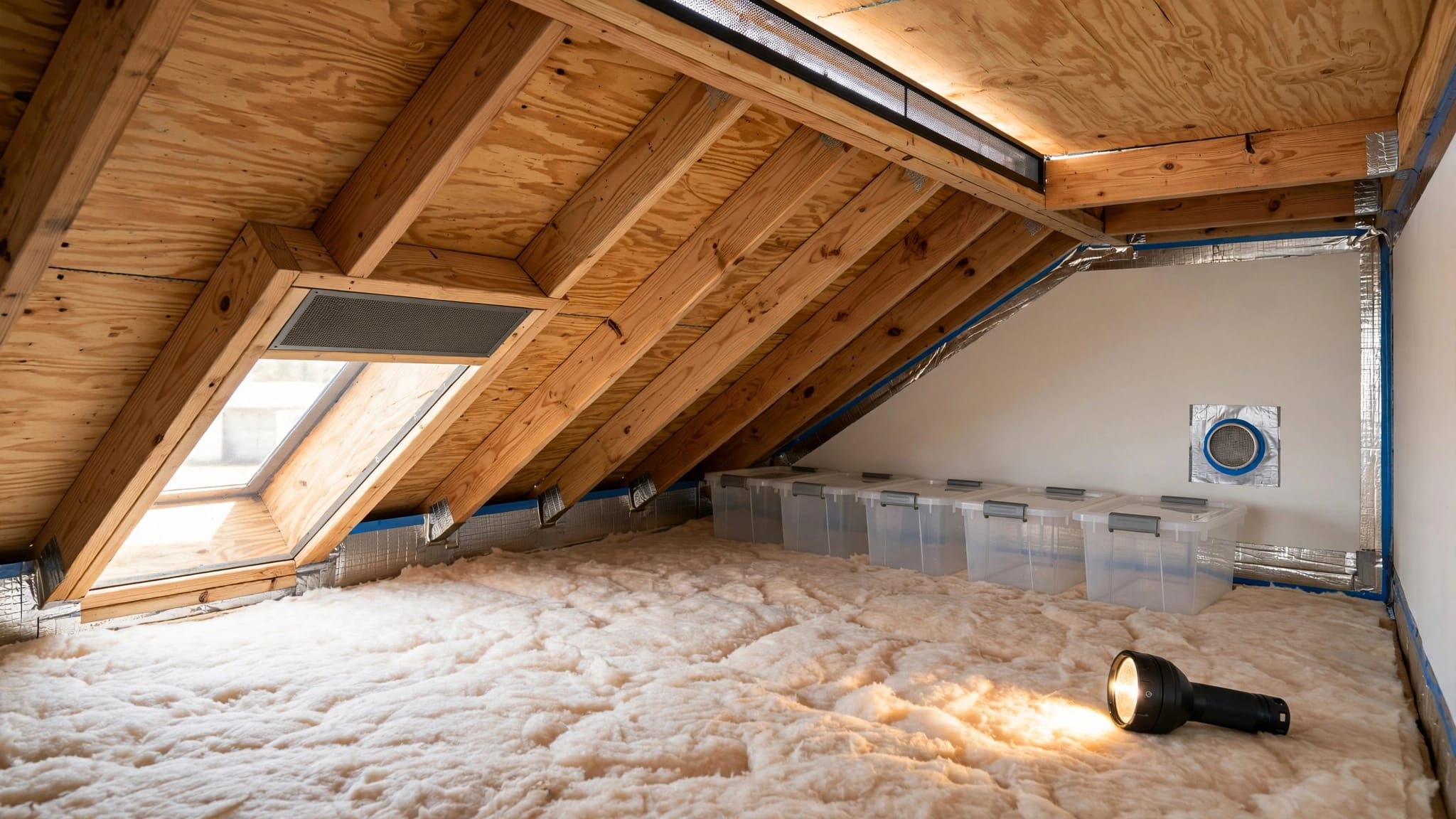
A technician may examine accessible foundation walls, sill plates, garages, porches, attics, crawl spaces, plumbing penetrations, moisture sources, and visible wood damage. They may also check shelter tubes, discarded wings, suspicious wood, and areas where landscaping blocks access.
An inspection can help separate current activity from old damage, water damage, wood rot, or evidence left by another insect. A standard home inspection and a Florida Wood-Destroying Organisms Inspection Report are not the same service. A WDO inspection focuses on visible evidence and conditions associated with wood-destroying organisms, while inaccessible areas may still require separate attention.
Homeowners can read more about Florida WDO inspections, including why foundation moisture and construction features matter.
Treatment decisions follow the findings
Bait stations and liquid treatments work differently. The appropriate approach depends on the termite species, construction, evidence of activity, soil conditions, access, and the follow-up the property needs.
A professional should inspect before recommending a treatment method. That evaluation may also account for pavers, pool decks, attached structures, utility penetrations, and areas where landscaping prevents direct access. Homeowners comparing Florida termite treatment options should ask what was found, which areas are included, how follow-up works, and what maintenance the service agreement requires.
If construction is new or a major renovation is underway, ask for treatment records, permits when applicable, and warranty documents in writing. A treatment certificate and a warranty serve different purposes, so they should not be treated as interchangeable.
Key Takeaways
- Plants don't cause termites, but dense growth can hide the foundation and delay detection.
- Moisture from irrigation, gutters, downspouts, rain, and poor drainage can support conditions associated with subterranean termites.
- Keep soil, mulch, plants, and irrigation from contacting or concealing structural components.
- Preserve visible access along slab edges, wall bases, garages, lanais, plumbing areas, and connected slabs.
- Direct downspouts and gutter discharge lines at least 1 foot away from the foundation.
- Photograph mud tubes, wings, dry pellets, or damaged wood before disturbing the area.
- Professional identification matters because termite signs can resemble damage from water, rot, ants, or other insects.
- Treatment decisions should follow a licensed inspection and account for the home's construction.
FAQ about termite risk and Florida landscaping
Do plants attract termites?
Plants themselves aren't proof of termite activity. However, dense foliage, wet soil, organic mulch, and wood debris can create shelter or concealment near the home. Trim plants so the lower wall and foundation remain visible, and correct watering or drainage problems that keep the bed damp.
How much space should I leave between mulch and the foundation?
There isn't one universal distance for every Florida home. The necessary separation depends on the wall finish, foundation, grade, exterior insulation, drainage, and local construction requirements.
The practical rule is to keep mulch below siding and other inspection features, avoid covering the slab edge, and maintain a visible gap that allows a technician to examine the structure. Ask a qualified professional about the correct arrangement for your property.
Does a sprinkler leak mean I have termites?
No. A leak creates a moisture concern, not proof of an infestation. It can make conditions more favorable for subterranean termites and may hide activity near the slab, so repair the leak and arrange an inspection if you also see mud tubes, wings, or wood damage.
Should I be concerned about a termite sign or yard flag?
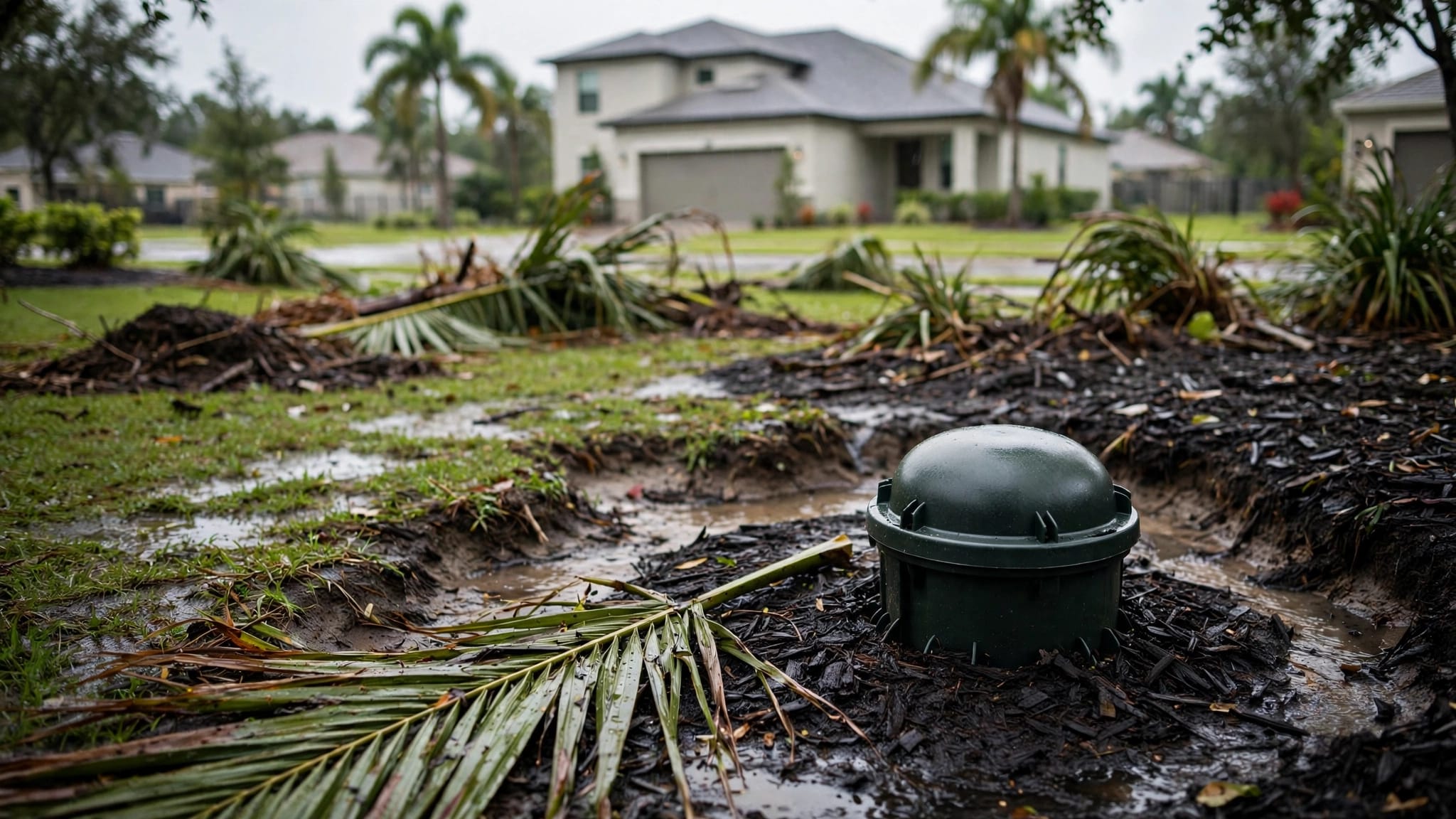
A sign or flag may mark monitoring, preventive service, or an active treatment area. It doesn't prove that the house has structural damage. Don't move stations, disturb marked soil, or remove plugs. Contact the company listed on the marker when possible.
Keep foundation beds visible and dry
Attractive Florida landscaping and termite prevention can work together. The strongest habits are simple: manage water, keep mulch and plants away from structural contact, preserve inspection access, and pay attention to changes after storms or landscaping work.
Termite risk Florida landscaping creates is easier to manage when warning conditions remain visible. If you find mud tubes, discarded wings, unexplained wood damage, or persistent moisture near the foundation, document what you see and arrange a professional inspection before choosing a treatment.
Schedule a Free Inspection: