Termite Bait Stations vs. Liquid Treatments in Florida
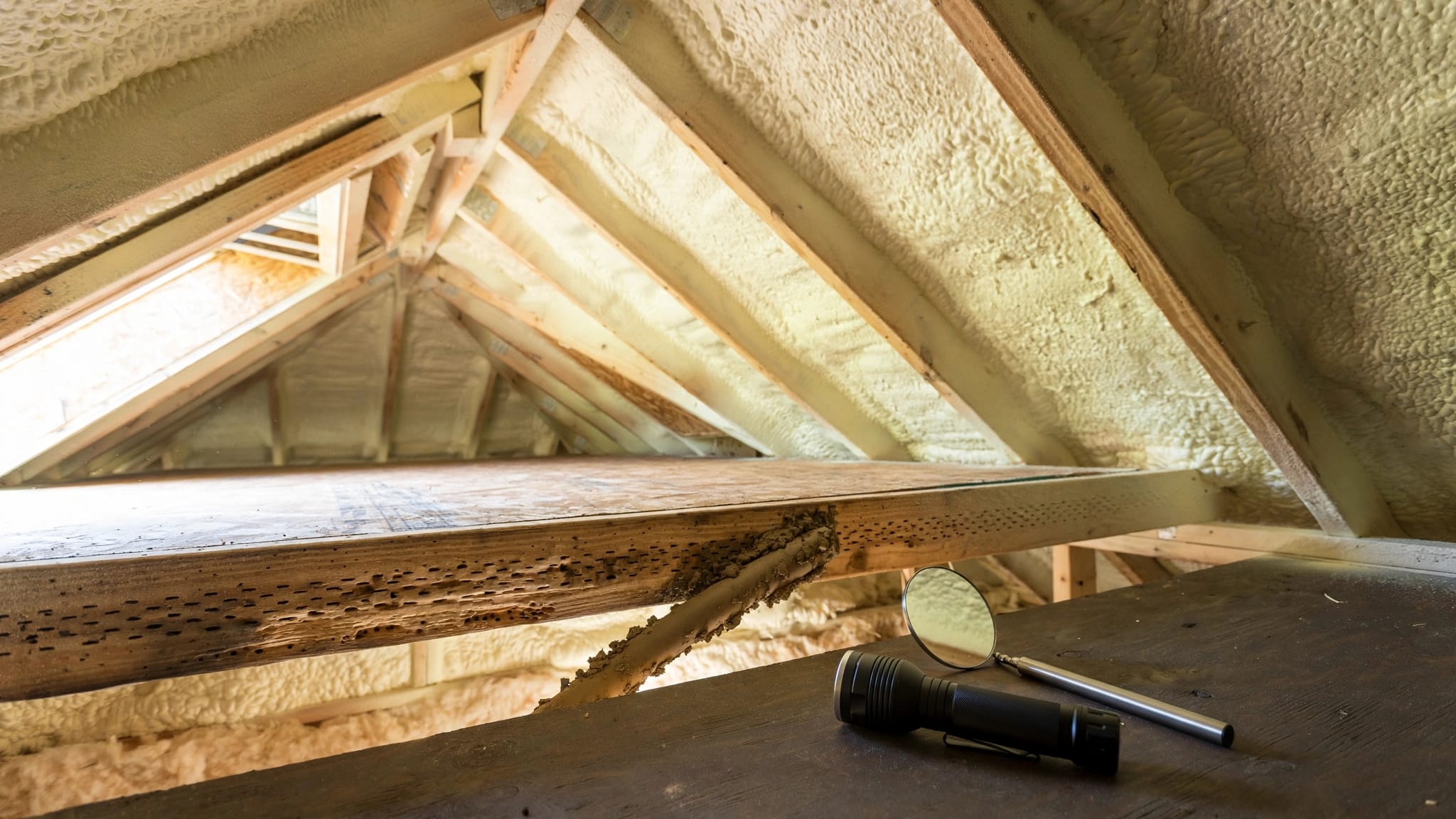
Florida's warm, humid weather gives termites favorable conditions nearly every month of the year. If you find mud tubes, discarded wings, hollow wood, or swarmers indoors, choosing the right termite treatment matters.
Bait stations and liquid treatments work in different ways. The better option depends on the termite species, construction of your home, evidence of activity, soil conditions, and how much follow-up service your property needs. A licensed professional inspection should guide that decision.
Key Takeaways
- Bait stations target termite colonies over time and usually require scheduled monitoring.
- Liquid treatments create a treated zone in soil or construction areas and may reduce activity faster.
- Neither method fits every Florida home, especially when drywood termites are involved.
- A licensed inspection should identify the species, activity level, access points, and moisture problems first.
- Treatment price depends on property size, construction, treatment method, and warranty terms.
How Termite Bait Stations Work
Termite bait stations are placed in the soil around a home's perimeter. Some systems also use above-ground stations when termites are actively feeding inside a structure. The stations contain cellulose material with a slow-acting insect growth regulator or another termiticide designed for termite control.
Worker termites feed on the bait and carry its effects back to the colony. Over time, the treatment can reduce the colony's ability to produce workers and maintain itself. This approach focuses on the colony rather than creating a continuous chemical zone around the entire foundation.
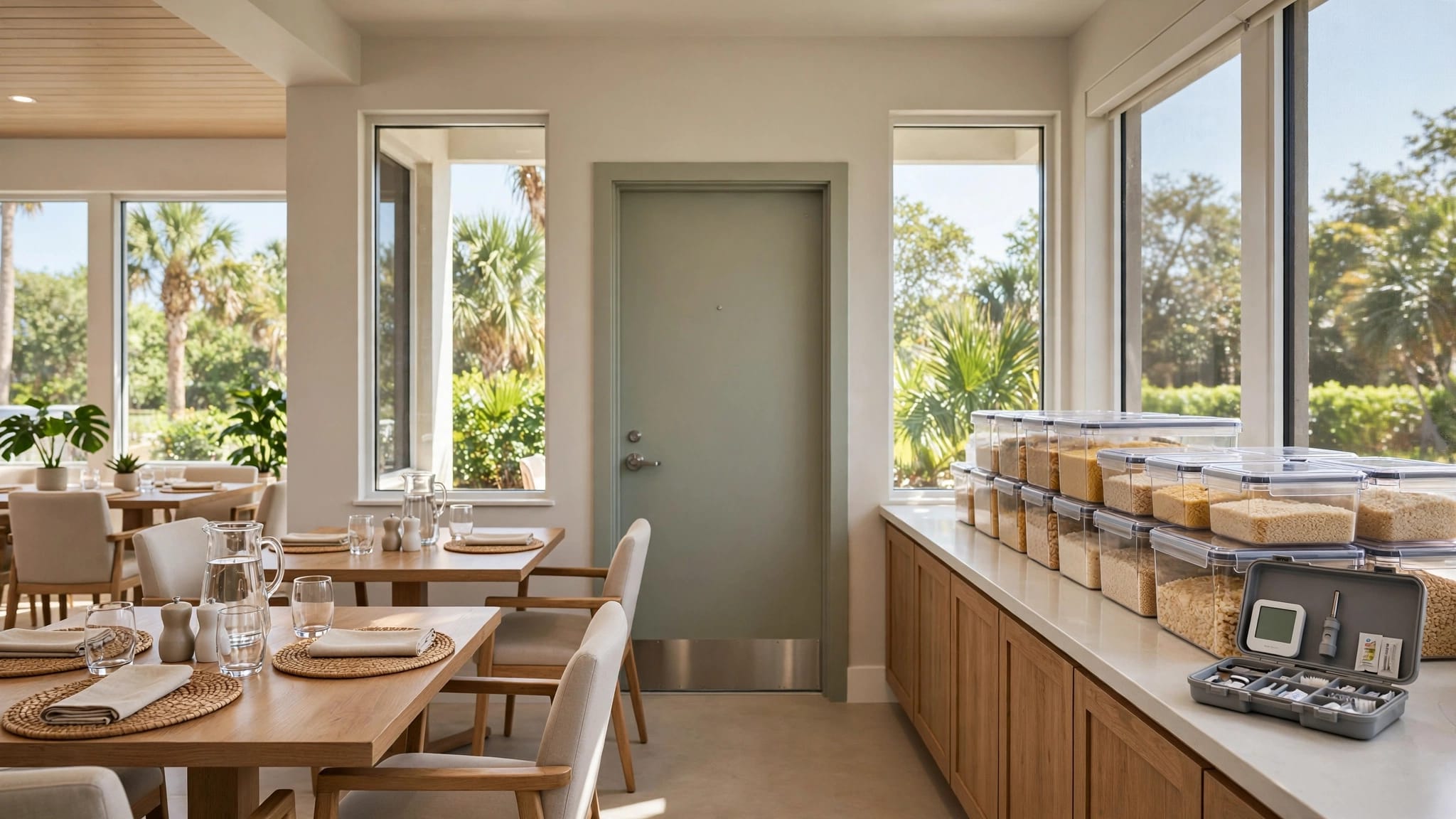
A bait program normally includes an initial installation and regular inspections. During each visit, the technician checks stations for termite activity, replaces consumed bait, and looks for new conditions around the home. Landscaping, irrigation, mulch, construction changes, and heavy rain can affect station access and activity.
Systems such as Sentricon and Trelona are examples of professional termite bait programs. Product labels, station placement, inspection schedules, and service terms vary, so homeowners should review the written plan before signing an agreement.
Baits can be useful when a homeowner wants limited soil treatment or when a liquid barrier would be difficult to install. However, they generally don't provide instant results. Termites must find the stations, feed, and distribute the bait through the colony. A property with active interior damage may need additional measures while the bait program takes effect.
How Liquid Termite Treatments Work
Liquid treatments apply termiticide to soil, foundation areas, wall voids, or other locations where termites may enter. Depending on the home's design, a technician may trench along the foundation, drill through concrete slabs, treat soil near plumbing penetrations, or apply a localized treatment to an active area.
The goal is to create a treated zone between the soil and the structure. Some products repel termites, while non-repellent products allow termites to pass through the treated area and pick up the active ingredient. The technician's product choice should match the termite species, building design, soil, and label requirements.
Liquid treatments can address an active entry route without waiting for termites to discover an exterior station. They may be a practical choice for homes with accessible soil around the foundation, visible mud tubes, or construction features that make a soil barrier effective.
Still, liquid treatment isn't a single, uniform process. A slab foundation, crawl space, attached garage, paver patio, pool deck, and extensive landscaping can all change the work required. Drilling and trenching may leave small repair points, and technicians must account for wells, drains, irrigation lines, and other site features.
Homeowners shouldn't apply professional liquid termiticides themselves. These products require careful handling and application according to the label. A licensed pest professional can also explain where treatment will occur and what residents, pets, or service animals need to avoid during the work.
Bait Stations vs. Liquid Treatments: A Quick Comparison
The main differences become easier to see when the two methods are placed side by side.
| Factor | Termite bait stations | Liquid termite treatment |
|---|---|---|
| Main purpose | Targets termite colonies through feeding | Creates a treated zone near entry points |
| Time to affect activity | Usually gradual | Often acts faster at treated areas |
| Property disruption | Usually low during installation | May involve trenching or drilling |
| Follow-up | Requires scheduled monitoring | May involve inspections and warranty service |
| Soil treatment | Little or none, depending on the program | Commonly includes treated soil |
| Colony control | Can affect the colony over time | May kill termites that cross treated areas |
| Best fit | Homes suited to ongoing monitoring | Homes with accessible treatment zones |
| Main limitation | Termites must find and feed on bait | Access and construction can limit coverage |
The table doesn't identify a universal winner. Baits can offer a lower-disruption approach, while liquid treatments can provide a more direct response at known entry points. In some cases, a professional may recommend a combination of methods.
Why Florida Homes Need a More Careful Assessment
Florida's climate affects both termite behavior and treatment planning. Warm temperatures support termite activity for much of the year, while humidity and frequent rain help maintain the moisture termites need. Irrigation systems, leaking hose bibs, clogged gutters, and air-conditioning condensation can add moisture near foundations.
Subterranean termites are common concerns because they live in or near the soil and travel through protected pathways. Eastern subterranean and Formosan termites can damage structural wood, although only an inspection can determine which species is present. Drywood termites require a different assessment because they can live in dry wood without direct soil contact.
Construction details matter as much as climate. Termites can enter through foundation cracks, utility penetrations, expansion joints, porch connections, and areas where wood sits too close to soil. Dense mulch, tree stumps, stacked firewood, and wood debris can also create conditions that support activity.
A homeowner in Cape Coral may face different access issues than someone in an older Fort Myers property with a crawl space. Homes in Punta Gorda, Bonita Springs, or Sanibel may also have additions, screened lanais, pavers, seawall-related moisture, or landscaping that affects treatment access.
For practical ways to reduce attractants around the property, review these termite prevention tips for homeowners. Prevention won't replace treatment for an active infestation, but it can reduce conditions that make termite entry easier.
Which Treatment Fits Your Home?
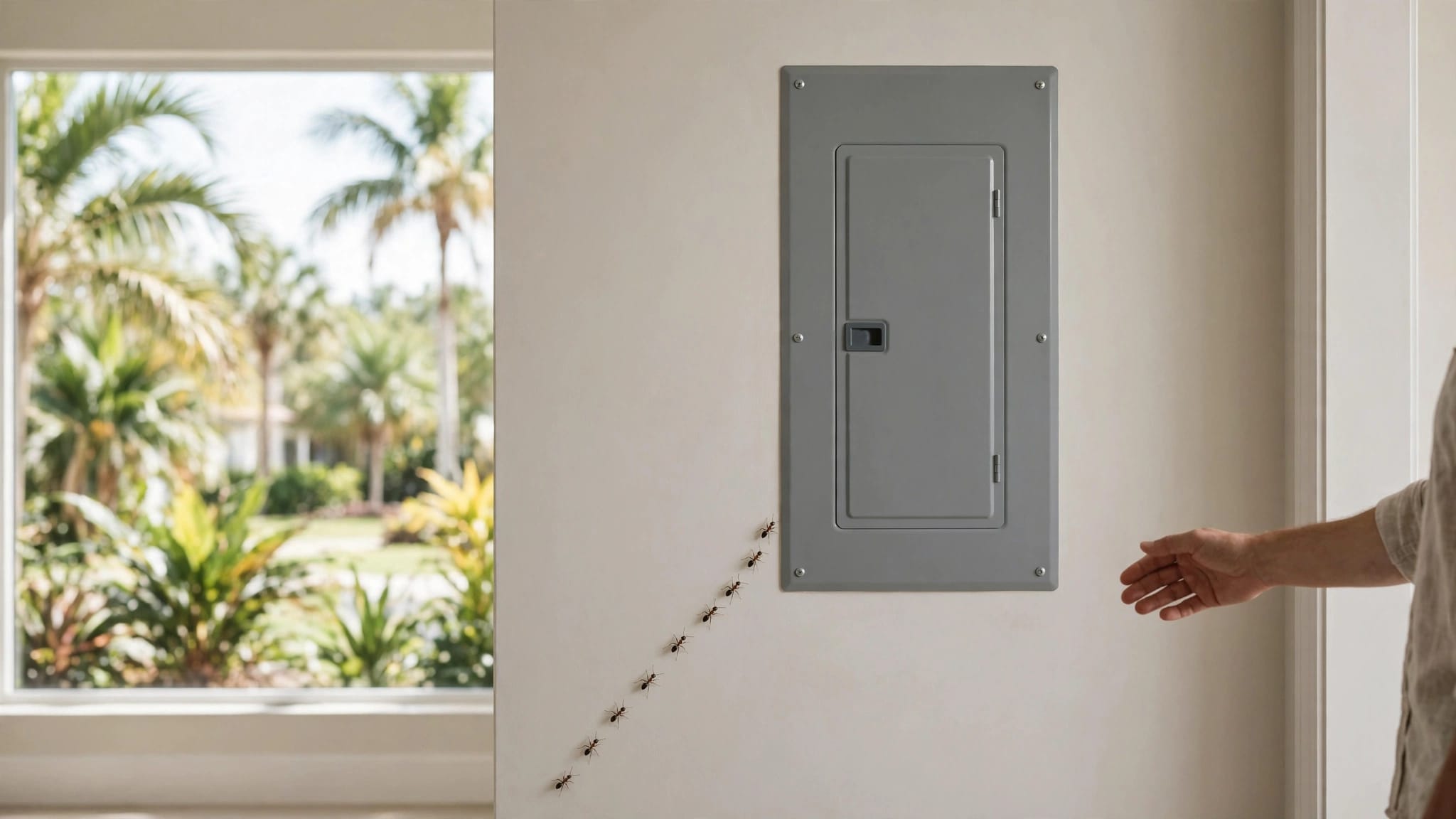
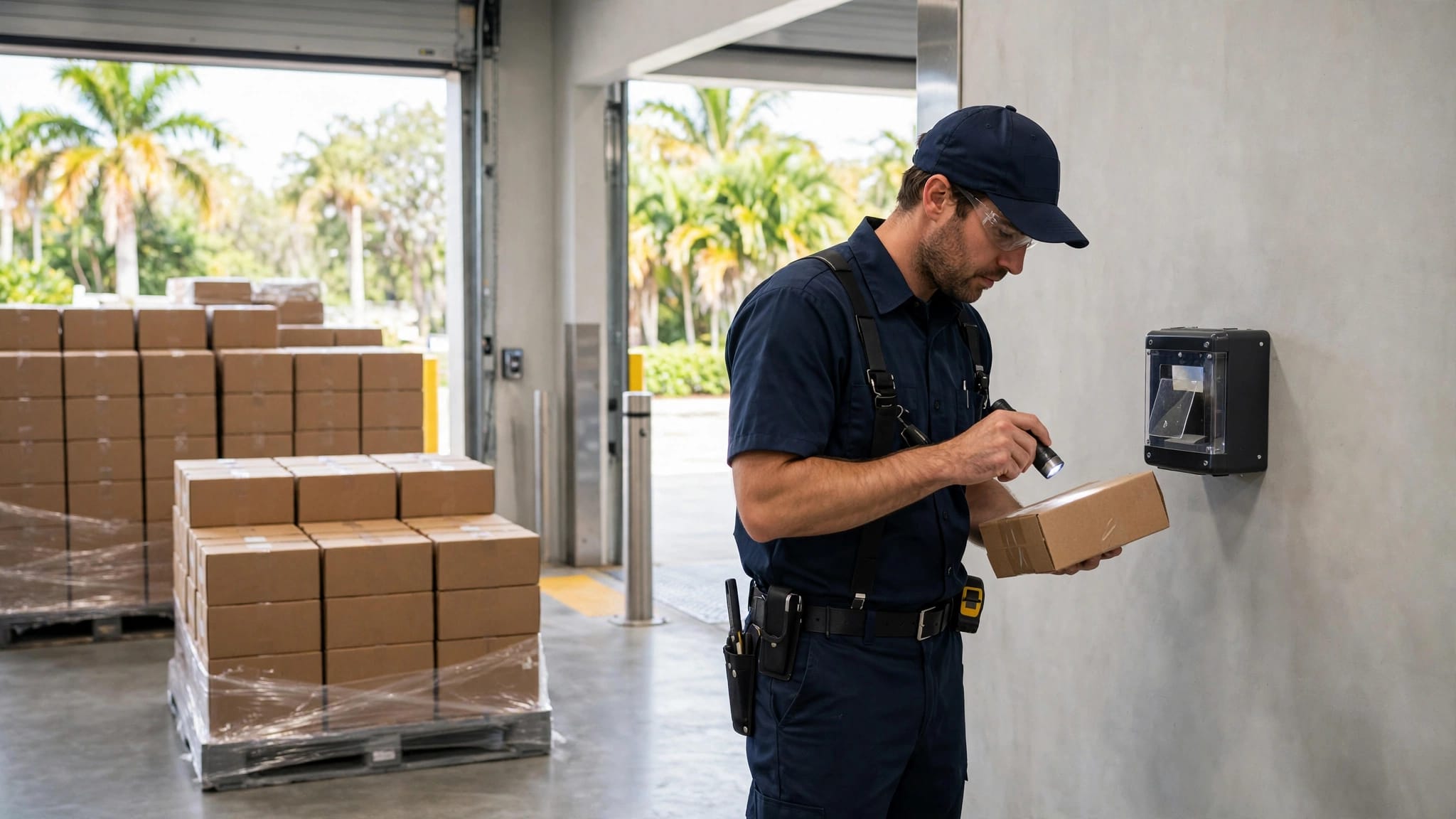
The right termite treatment starts with evidence, not preference. A licensed technician should inspect the foundation, accessible interior areas, attic or crawl space, garage, plumbing penetrations, moisture sources, and visible wood damage. The inspection should also identify whether activity is current, old, or associated with another insect.
Bait stations may fit a home when:
- The homeowner can commit to scheduled monitoring visits.
- The property has suitable soil access around the structure.
- Reducing drilling or widespread liquid application is a priority.
- The inspection finds conditions that support a perimeter bait program.
- The home needs ongoing termite monitoring after an earlier treatment.
Liquid treatment may fit a home when:
- The technician finds active mud tubes or clear entry points.
- The foundation and surrounding soil allow effective treatment.
- The property needs a faster response at known activity areas.
- Construction details make stations difficult to place or monitor.
- A localized treatment can address a defined area without broad work.
Some homes need more than one step. A technician might recommend liquid treatment at an active foundation area and monitoring stations around the rest of the perimeter. Another property might need wood treatment, moisture correction, or repairs before a long-term plan can work.
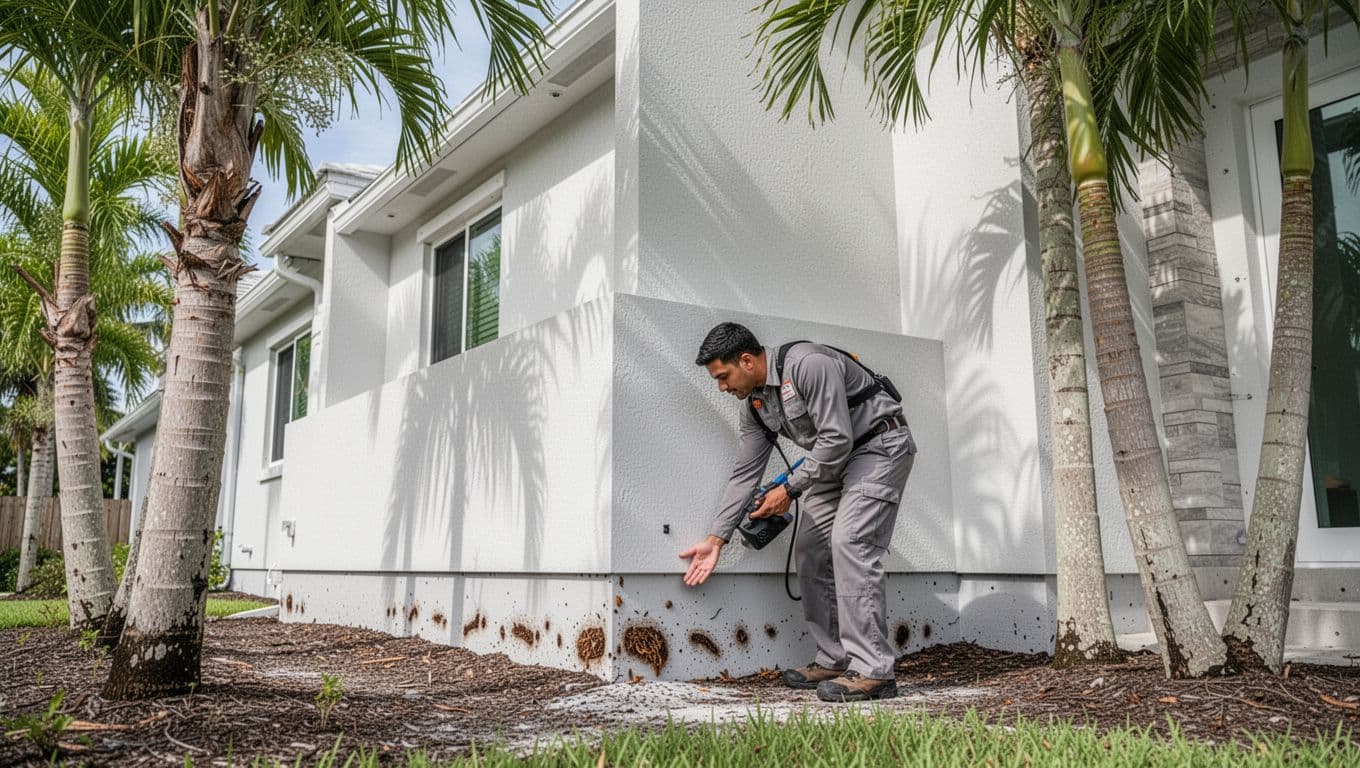
A professional inspection also helps separate termite damage from carpenter ant damage, wood decay, plumbing leaks, and old evidence that no longer shows active termites. Homeowners who want a visual reference can review these common indicators of termite activity.
Compare Service Plans, Not Only Treatment Types
The product is only one part of a termite program. Ask what the service agreement covers, how often inspections occur, whether retreatment is included, and whether the company offers a repair warranty. Coverage can vary for structural damage, inaccessible areas, detached buildings, additions, and future construction.
Bait plans often include recurring monitoring because station checks are part of the method. Liquid plans may include a follow-up inspection, warranty renewal, or retreatment terms. A lower starting price may not reflect the full cost of inspections, repairs, renewals, or required site preparation.
Ask the technician these questions before approving work:
- Which termite species or evidence did the inspection identify?
- Where will the treatment be applied?
- Will the work require drilling, trenching, or interior access?
- How long should residents and pets avoid treated areas?
- What follow-up visits are included?
- What does the warranty cover, and what exclusions apply?
- What moisture or repair problems should the homeowner correct?
Pricing varies with home size, foundation type, activity level, soil access, treatment materials, and service frequency. A small spot treatment can cost far less than a whole-structure program, while an ongoing bait plan has recurring monitoring costs. For a local pricing discussion, see this guide to the cost of termite treatment.
What Homeowners Can Do Before and After Treatment
Before the inspection, clear stored items away from foundation walls when possible. Make the perimeter accessible, identify recent leaks, and tell the technician about remodeling, additions, irrigation changes, or previous termite service.
After treatment, keep mulch, soil, firewood, and wood debris below the recommended clearance from siding and foundation areas. Repair plumbing leaks, maintain gutters, and avoid moving or covering bait stations. Contact the pest company if you see new mud tubes, swarmers, damaged wood, or station disturbance.
Avoid sealing suspected termite entry points before the inspection. Blocking a visible tube can hide activity without addressing the colony or the moisture condition that helped termites reach the structure.
Conclusion
Florida's year-round warmth makes termite protection a maintenance decision, not a seasonal task. Bait stations provide gradual colony-focused control with scheduled monitoring, while liquid treatments address treated soil and entry zones more directly.
The best termite treatment in Florida follows a licensed inspection that identifies the species, activity, access, and property conditions. Once those facts are clear, you can compare the treatment method, follow-up plan, warranty, and total cost with greater confidence.
Schedule a Free Inspection: