Mansonia Mosquitoes in Cape Coral Canal Vegetation
Waterfront living in Cape Coral can bring a hidden mosquito problem that starts in the plants, not the puddles. When reeds, hyacinths, and other shoreline growth crowd a canal edge, Mansonia mosquitoes can find the conditions they need to develop and stay close to the waterline.
That matters around docks, seawalls, retention edges, and quiet corners where water moves slowly. A clean-looking yard can still have a problem if the shoreline is thick with vegetation. The good news is that this type of mosquito leaves clues, and the right inspection usually points to the source fast.
Key Takeaways
- Mansonia mosquitoes are tied to aquatic vegetation , especially plants that stay rooted in the water.
- Dense canal edges, dock corners, and shaded seawall pockets can support mosquito development.
- Trimming shoreline overgrowth and clearing trapped plant mats can reduce pressure.
- Professional mosquito control helps most when it focuses on the shoreline source, not just adult mosquitoes in the air.
Why Mansonia Mosquitoes Like Canal Vegetation
Mansonia mosquitoes are different from the kind that show up after a rainy afternoon in a bucket or birdbath. They depend on shoreline plants that stay in contact with the water, so their immature stages can attach to roots and stems.
That is why emergent aquatic vegetation matters. In plain terms, these are plants that rise out of the water, such as reeds, cattails, and floating weeds that press against the edge. When those plants grow thick along a Cape Coral canal, they can turn a quiet shoreline into mosquito habitat.
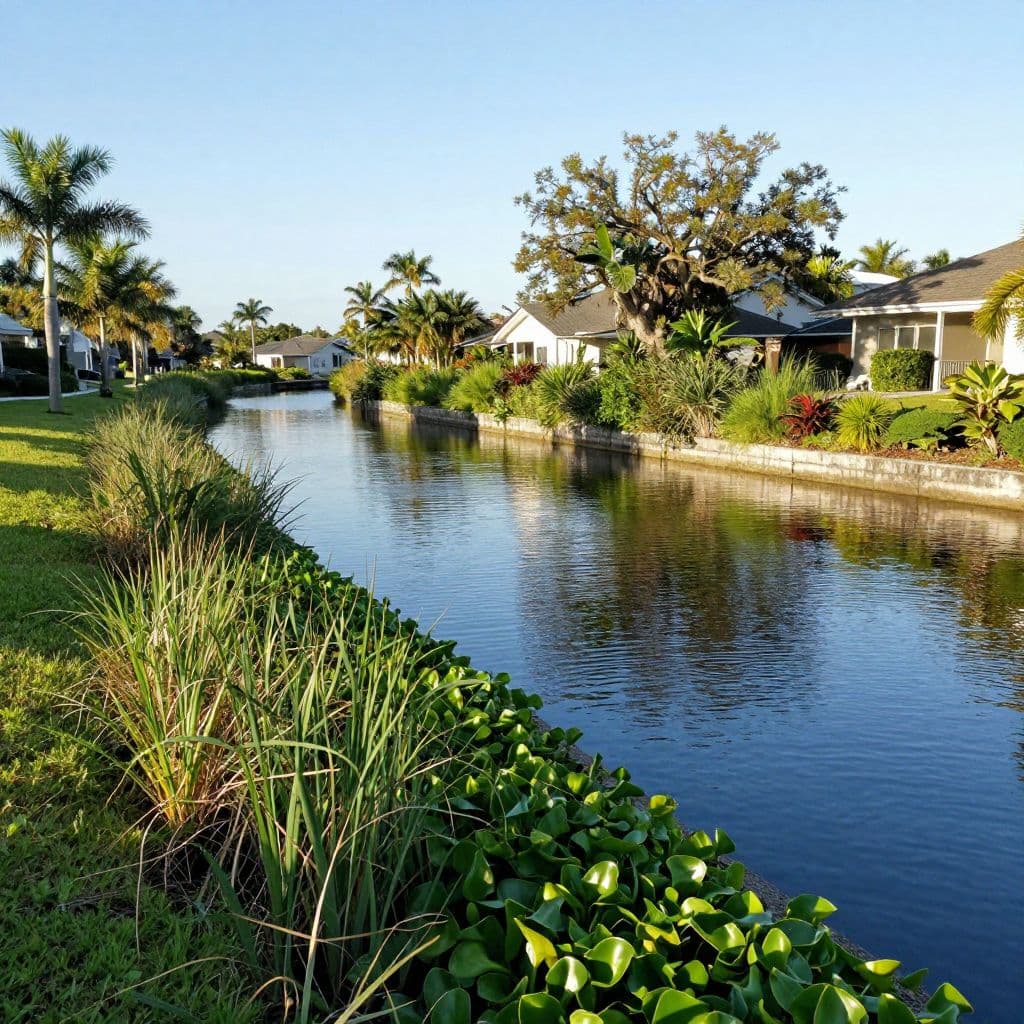
A trim lawn does not cancel a weedy canal edge. If the waterline stays packed with growth, the problem can keep going even when the rest of the property looks well kept.
If the roots stay in the water for days at a time, the shoreline can keep feeding the mosquito cycle.
Shorelines with slow water movement give these mosquitoes even more help. That includes places where wave action is low, where runoff collects, or where vegetation forms a soft wall against the canal.
Shoreline Conditions That Raise the Risk
Not every canal edge creates the same level of trouble. Some spots dry faster, move more, or stay too open for heavy mosquito development. Others trap roots, shade, and still water in ways that favor Mansonia mosquitoes.
Here's a quick way to see the difference.
| Shoreline condition | Why it matters | What you may notice |
|---|---|---|
| Dense reeds or cattails at the waterline | Gives mosquitoes plant contact and shelter | A thick green edge along the canal |
| Floating mats of weeds or hyacinth | Traps calm water and hides roots | Plants pressed against the seawall |
| Shaded dock corners or lift pockets | Stays cooler and calmer longer | Bites near the dock at dawn or dusk |
| Overgrown retention edges | Holds moisture and blocks airflow | Tall growth along a low-lying strip |
| Trimmings or debris left in the water | Adds more cover and slows circulation | Floating clumps after yard work |
The pattern is simple. Where vegetation stays wet and dense, mosquito pressure can rise. Where the edge stays open, sunlight and water movement can help reduce that pressure.
Cape Coral waterfront homes often have a mix of seawalls, boat lifts, docks, and planted edges. That mix creates plenty of hiding spots, especially when a shoreline gets a little neglected after heavy rain or a stretch of fast plant growth.
What to Check Around Docks, Seawalls, and Retention Edges
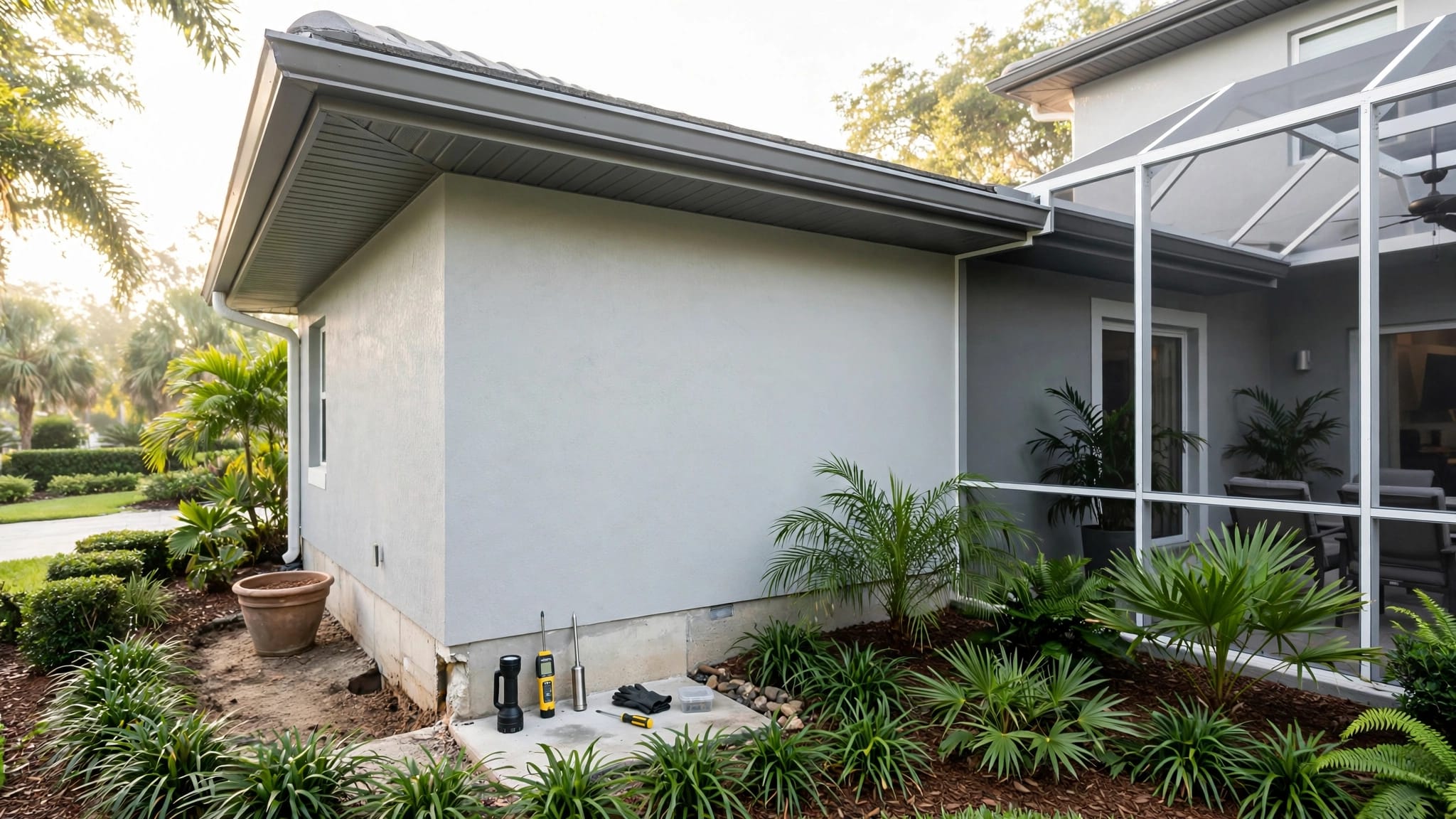
The first inspection should stay practical. Start where the yard meets the water, because that is where the problem usually starts.
- Walk the shoreline after rain and again a few days later. Look for plants that stay pressed into the water instead of drying out.
- Check for roots, stems, or floating mats touching the seawall. Mansonia mosquitoes use that plant contact, so the waterline matters more than the lawn.
- Look under docks, around boat lifts, and in the corners where shade lingers. These spots stay calmer and can hide mosquito activity.
- Watch for irrigation spray or runoff that keeps one section damp. A wet edge with fresh growth can become a repeat problem.
- Note where bites show up most. If they cluster near one side of the property, the shoreline on that side deserves a closer look.
A shared shoreline needs extra attention. If the canal edge belongs to an HOA, a neighbor, or a common retention area, one overgrown stretch can affect several homes.
How Targeted Mosquito Control Fits In
A shoreline issue usually needs more than a quick spray. The best approach starts with source reduction, then adds treatment where it makes sense.
That may include trimming or removing shoreline vegetation, treating standing water where it cannot be drained, and handling adult mosquitoes around outdoor living areas. For homes with lanais, patios, and dock space, mosquito control for pools and lanais can help connect the habitat problem with the places you use every day.
A local technician can also tell the difference between a breeding site and a resting area. That matters because a mosquito resting under a dock is not the same as one developing in plant roots along the canal edge.
A quick spray can lower adult activity for a while, but the shoreline still decides whether the problem comes back.
That is why habitat reduction should lead the plan. Without it, the same vegetation can keep feeding the cycle after each treatment.
Keeping Canal Shorelines Less Welcoming
Long-term control around Cape Coral canals works best when you stay ahead of growth. Trim shoreline plants before they turn into thick mats, and remove clippings instead of pushing them into the water. A neat edge dries faster and leaves fewer places for mosquitoes to settle in.
After storms, check for fresh debris, fallen branches, and weed growth against the seawall. Warm weather speeds plant growth, so a shoreline that looked fine last month can change quickly.
If your property borders a shared canal or retention edge, coordinate with neighbors or an HOA. One neglected stretch can keep mosquito pressure on several homes, especially when it sits near docks, lifts, or shaded corners.
Professional inspections help here because they separate the real source from the noise. A strong plan focuses on the waterline first, then on the adult mosquitoes that keep showing up around the home.
Conclusion
Mansonia mosquitoes around Cape Coral canals usually point back to the shoreline. Dense aquatic vegetation, shaded dock corners, and slow water at the edge create the conditions they use first.
When you keep the canal edge open, watch for overgrowth after rain, and deal with trapped plant mats early, you cut off the places they depend on. That is the most practical way to protect a waterfront property, and it starts at the waterline, not the middle of the yard.
Schedule a Free Inspection: