Vacation Home Pest Checklist for Southwest Florida
Leaving a Southwest Florida vacation home empty takes more than turning the key and walking away. In heat and humidity, pests keep working while you're gone, and they need very little time to move in.
Roaches, ants, rodents, and termites all look for the same things, food, water, and shelter. A solid vacation home pest checklist helps you take those away before your home sits quiet for weeks or months.
Start outside, then move room by room. That simple order catches the problems most owners miss.
Start With the Outside Before You Lock Up
Exterior prep matters because Southwest Florida pests usually enter at the weakest points first. A tiny gap at a door, garage seal, or utility opening can turn into a much bigger problem when no one is there to notice.
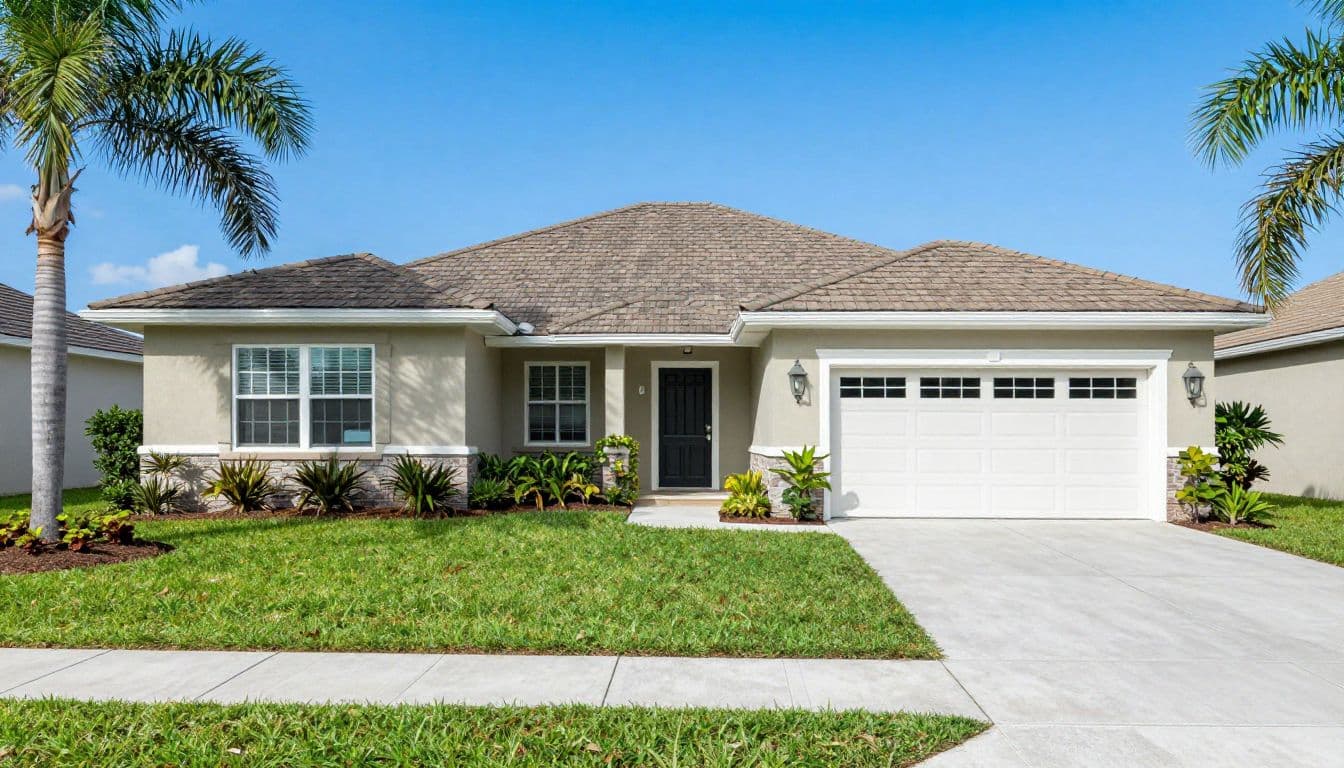
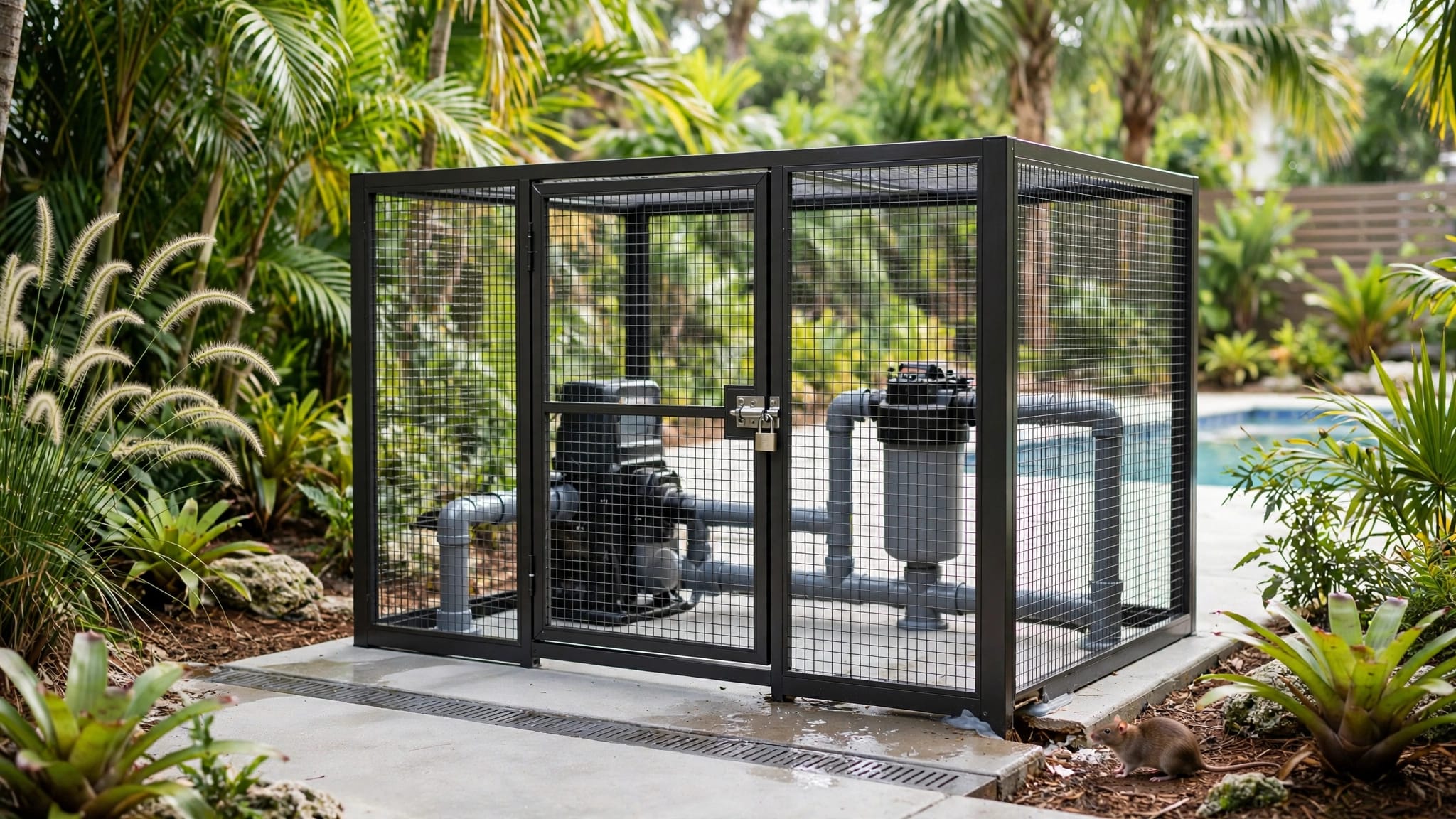
Walk the perimeter before you leave and look for anything that gives pests an easy path in or a place to hide. Dense shrubs, stacked planters, and mulch pushed against the foundation all create cover for ants, roaches, and even rodents. Standing water is just as important, because it draws mosquitoes and gives pests the moisture they need in a dry spell.
Use this exterior checklist before departure:
- Empty plant saucers, buckets, and watering cans.
- Trim shrubs and tree limbs away from the roofline.
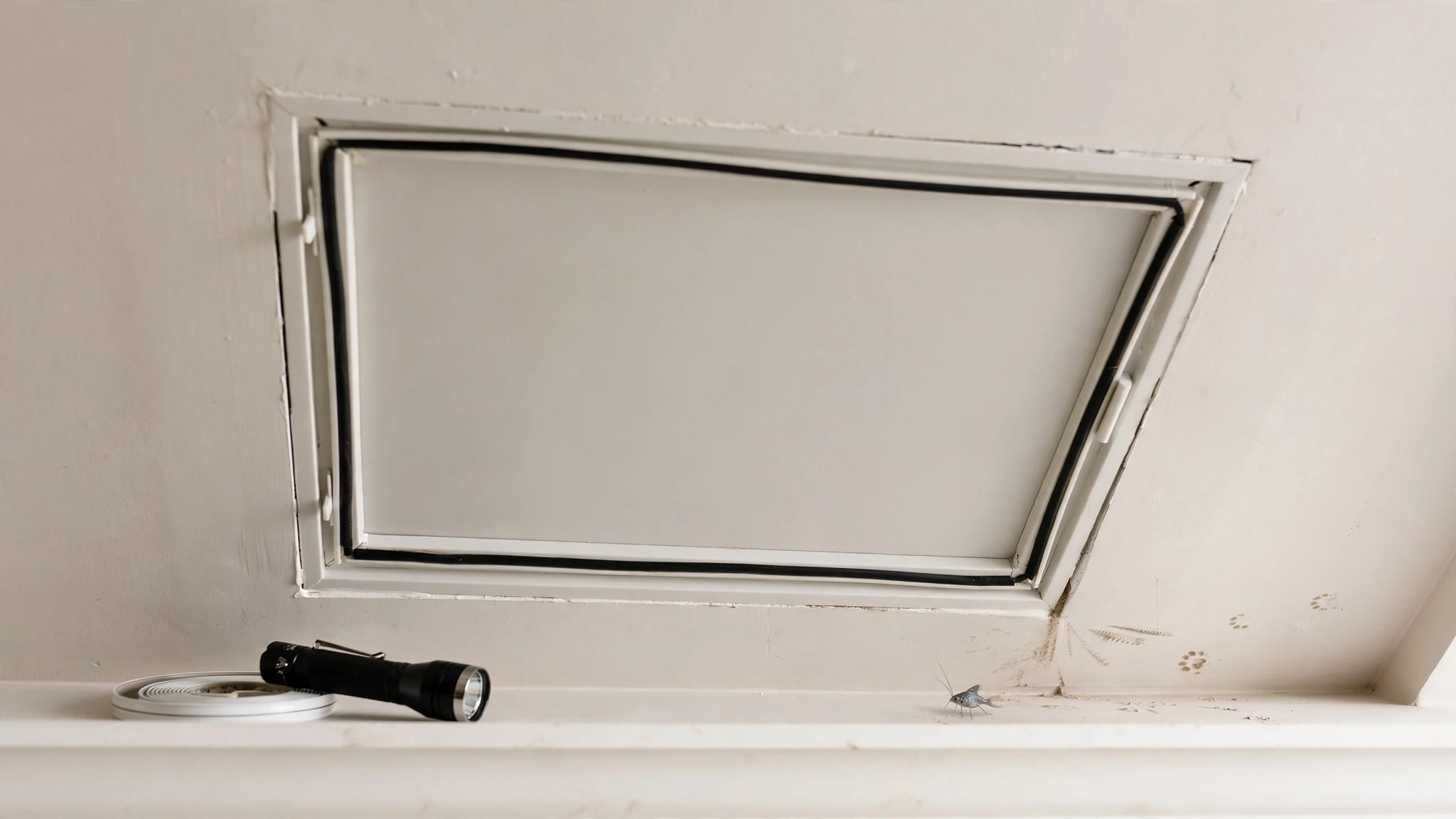
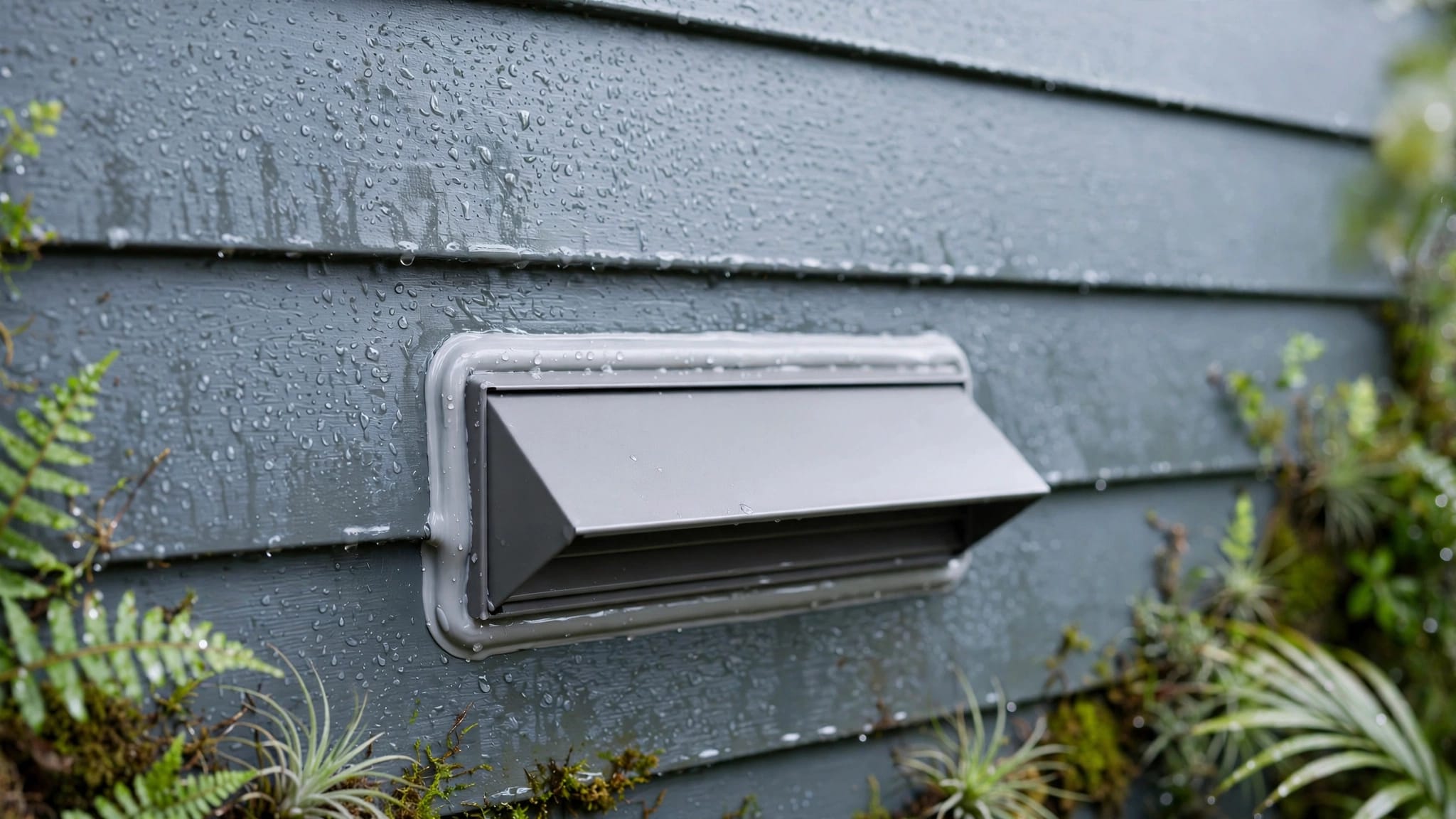
- Check screen tears, door sweeps, and garage seals.
- Move stored items away from the walls and off the lanai floor.
- Clear bird seed, pet food, and fruit from patios and porches.
- Make sure irrigation heads are not spraying the foundation.
If you have an AC condensate line that tends to clog, have it checked before a long trip. Moisture around the home is an open invitation in this climate.
Clean the Kitchen and Pantry Like You Mean It
The kitchen is the easiest place for pests to settle in because it always offers crumbs, grease, and hidden moisture. Even a spotless-looking kitchen can hold enough residue under appliances or behind trash bins to keep ants and roaches interested.
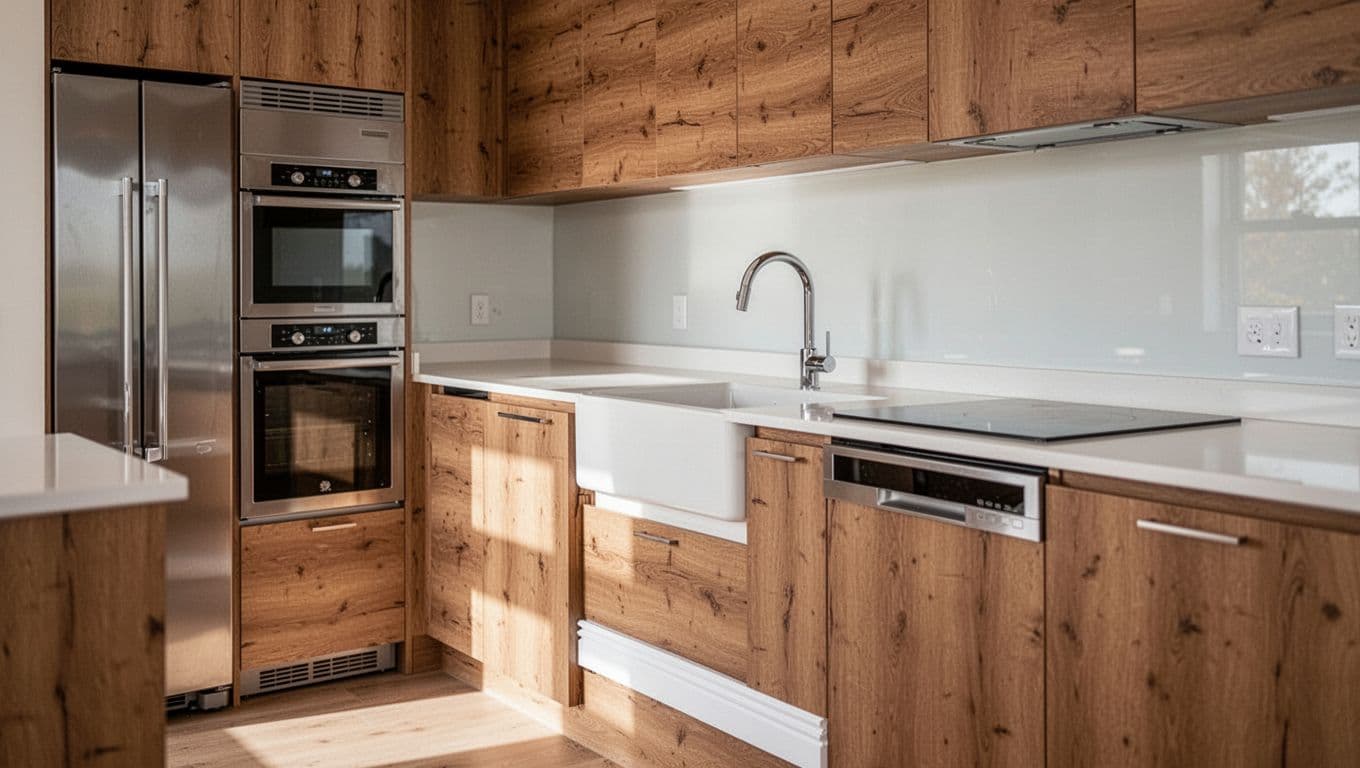
Before you leave, work through the kitchen with a sharp eye. Wipe counters, clean the stove edge, and vacuum the floor where crumbs gather near cabinets and under the refrigerator. Seal flour, cereal, rice, snacks, and pet food in hard containers. Cardboard boxes are easy for pests to chew through, so do not leave them in the pantry if the house will sit empty.
Use this indoor checklist for food areas:
| Task | Why it matters |
|---|---|
| Empty trash and recycling | Leftover food smells pull roaches, ants, and rodents in fast. |
| Wipe sinks and counters | Moisture and grease are two of the biggest pest magnets. |
| Clean under appliances | Crumbs and spills often collect where you can't see them. |
| Close pantry containers tightly | Sealed food removes an easy food source. |
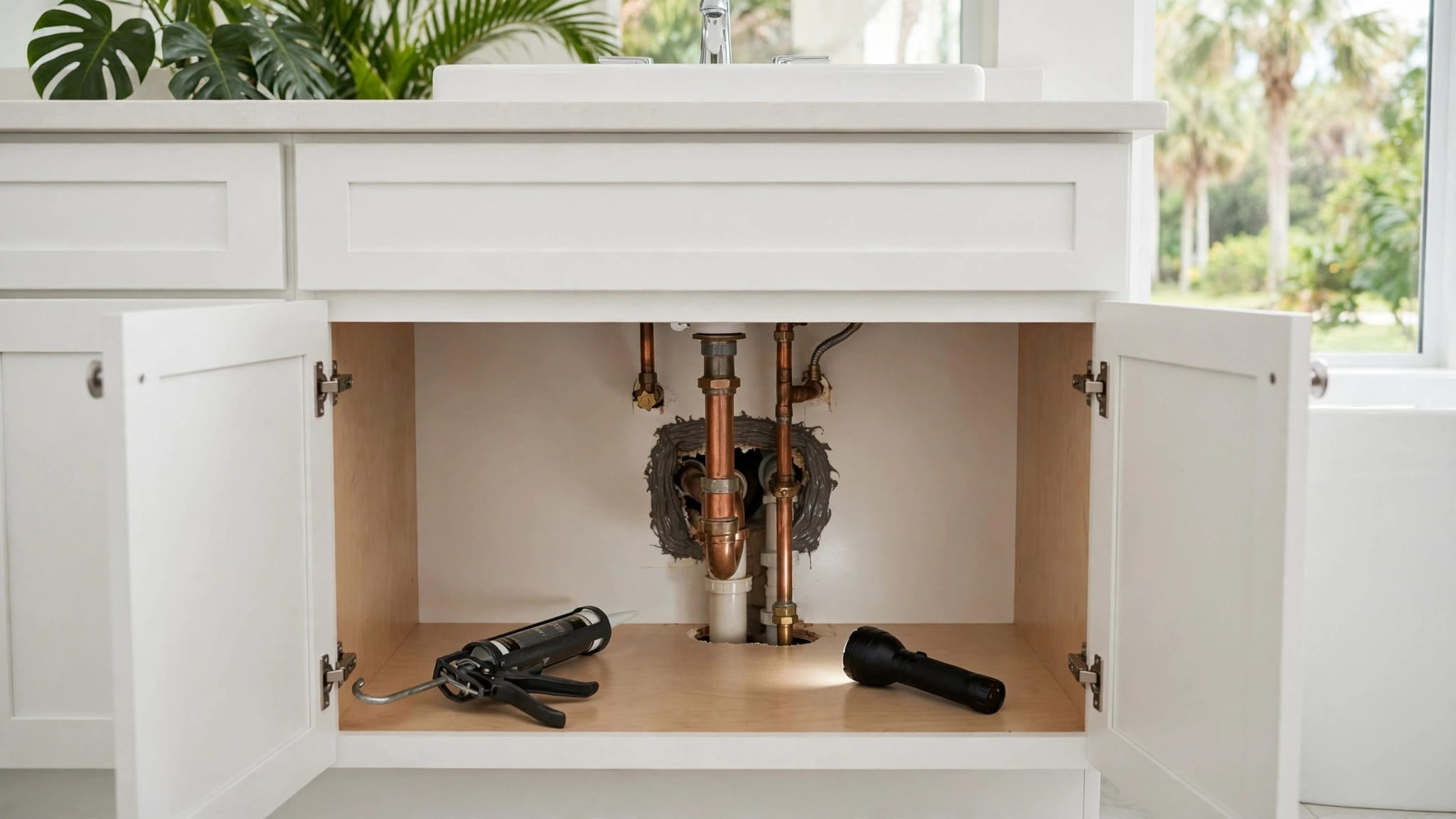
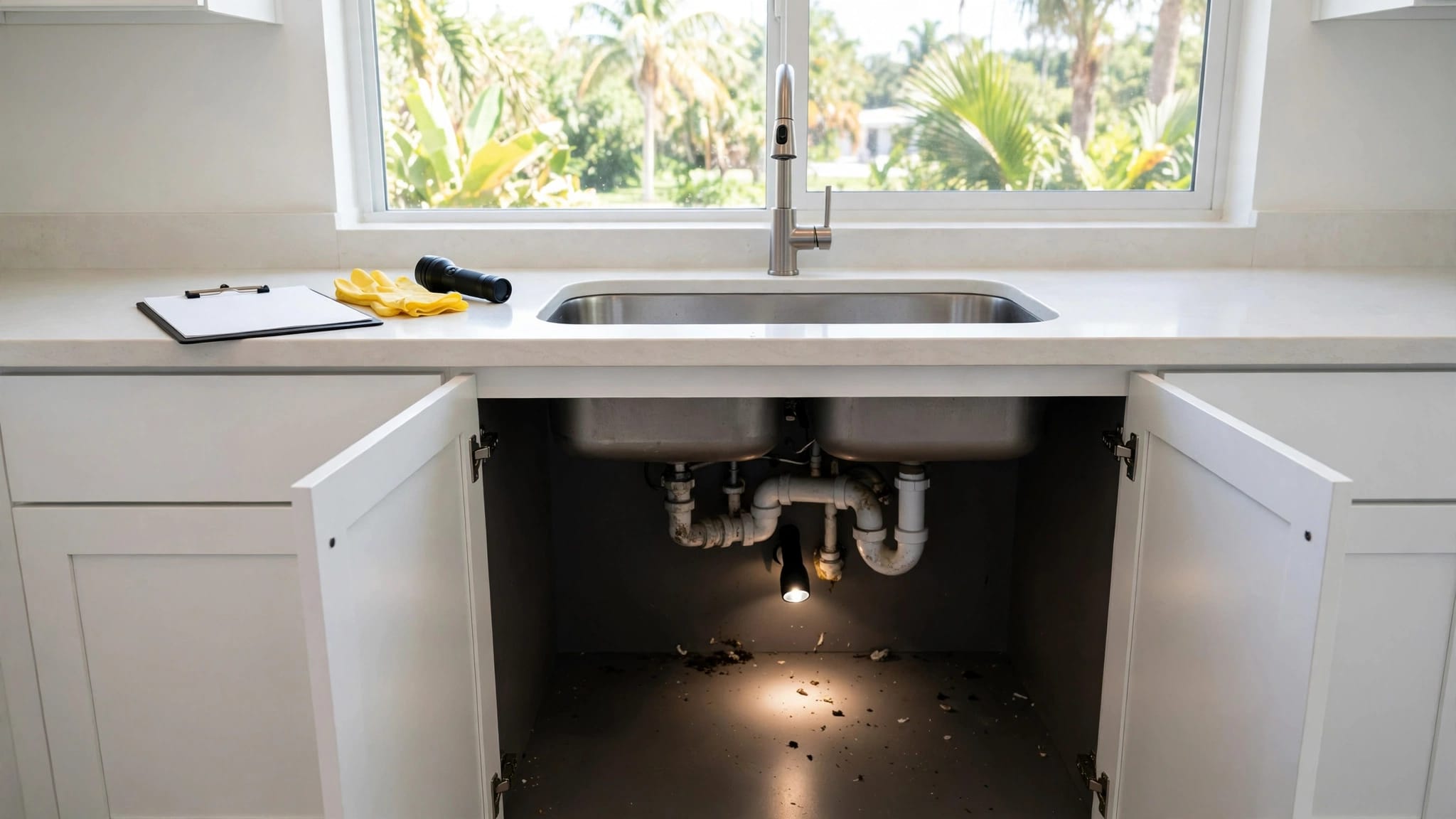
| Check under the sink | Small leaks and damp pipes draw pests into cabinets. |
| Run and clean the disposal | Food scraps in drains can keep pests active near the sink. |
After that, take one more look at baseboards, cabinet corners, and the gap around the dishwasher. These spots often stay quiet until a pest trail appears.
A home can look clean and still feed pests if crumbs, moisture, and hidden spills stay behind.
Check the Rooms That Stay Quiet the Longest
Bedrooms, guest rooms, closets, and laundry areas often get ignored before a trip. That works in the pests' favor, because quiet spaces give them time to hide, nest, and spread.
Vacuum under beds and along wall edges. Then pull furniture away from the walls just enough to inspect corners, baseboards, and outlets. In Southwest Florida, roaches and spiders often travel along these edges, especially when the air stays warm and damp.
Closets deserve a slow look too. Cardboard storage boxes, fabric bins, and piles of seasonal clothes can hold moisture and create cover. If you use the home as a rental, inspect mattresses, headboards, and upholstered furniture for anything unusual before the property sits unused. A bed bug problem is easier to stop early than after guests complain.
Bathrooms and laundry rooms need the same attention. Check for dripping faucets, soft caulk, damp rugs, and lint buildup near the washer. Lint may seem harmless, but it gives insects a place to hide, and moisture keeps them there.
A short room-by-room sweep can look like this:
- Vacuum corners, baseboards, and under furniture.
- Empty hampers and take out dirty linens.
- Check closets for cardboard, fabric piles, and damp spots.
- Inspect bathrooms for leaks under sinks and around toilets.
- Look behind nightstands, mirrors, and wall decor for signs of pests.
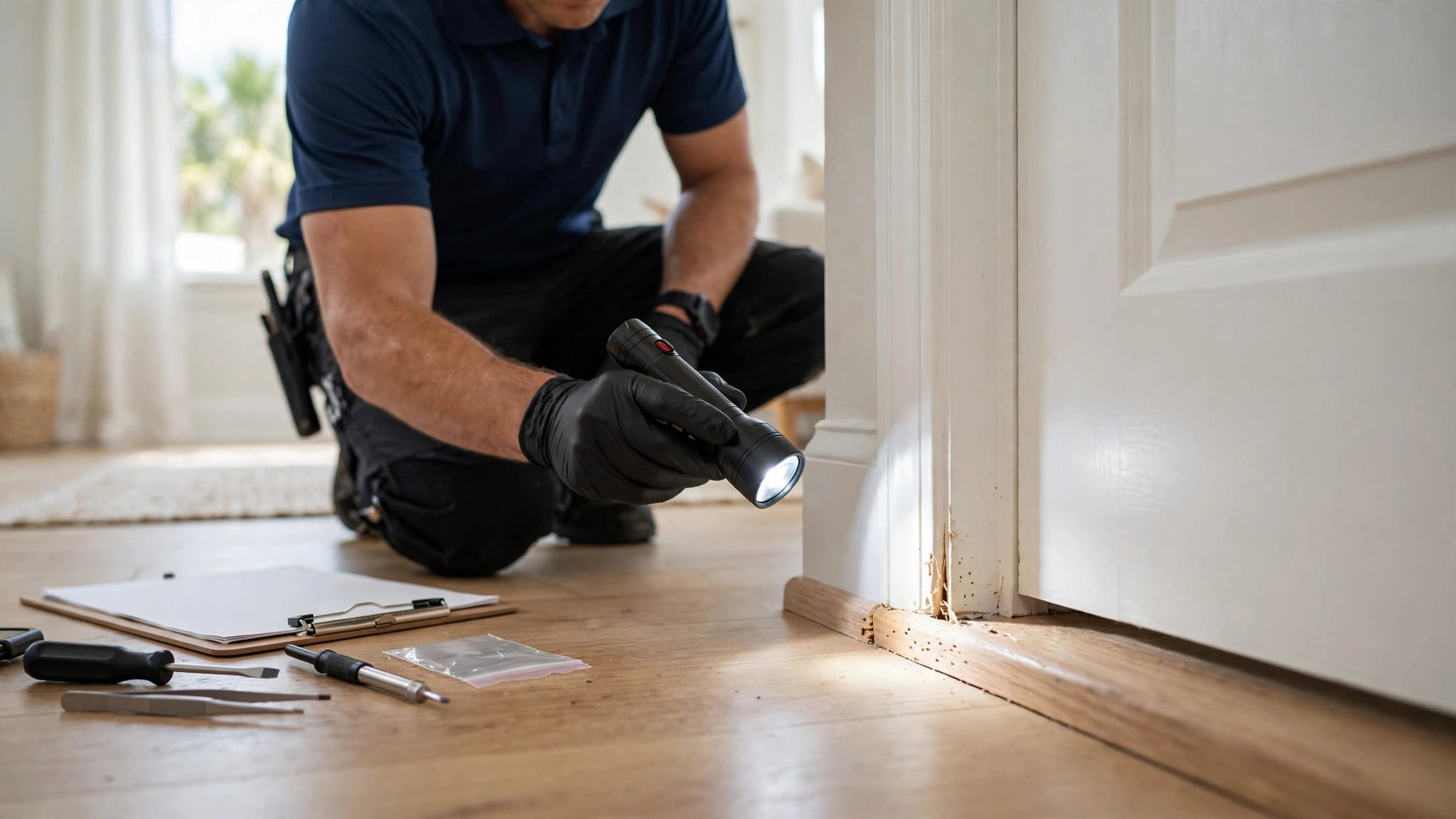
If you spot droppings, shed skins, gnaw marks, or small nests, deal with it before leaving. Those signs usually mean pests have already found a way inside.
Know When a Professional Visit Makes Sense
Some homes need more than a quick cleaning and a few repairs. If your vacation home will sit empty for a month or longer, a plan for professional pest control services gives you a cleaner starting point before the house goes quiet.
That matters even more in Southwest Florida, where humidity keeps pest pressure high year-round. A one-time treatment can help, but many owners need perimeter service, rodent protection, or termite monitoring before long trips. If you have seen roaches in the kitchen, ants on the lanai, or rodent activity near the garage, don't leave the problem for later. Empty homes give pests room to spread.
A local plan is also smart for vacation rentals and seasonal homes with frequent turnover. Guests bring luggage, groceries, and sometimes pests. Regular service helps catch issues before they become a review problem or a last-minute repair bill.
For homeowners in Cape Coral, a residential pest control in Cape Coral plan can be a practical option before you head north. It fits homes that need interior treatment, exterior defense, and a local eye on recurring trouble spots.
Before you schedule, think through these situations:
- The home sits empty for several weeks at a time.
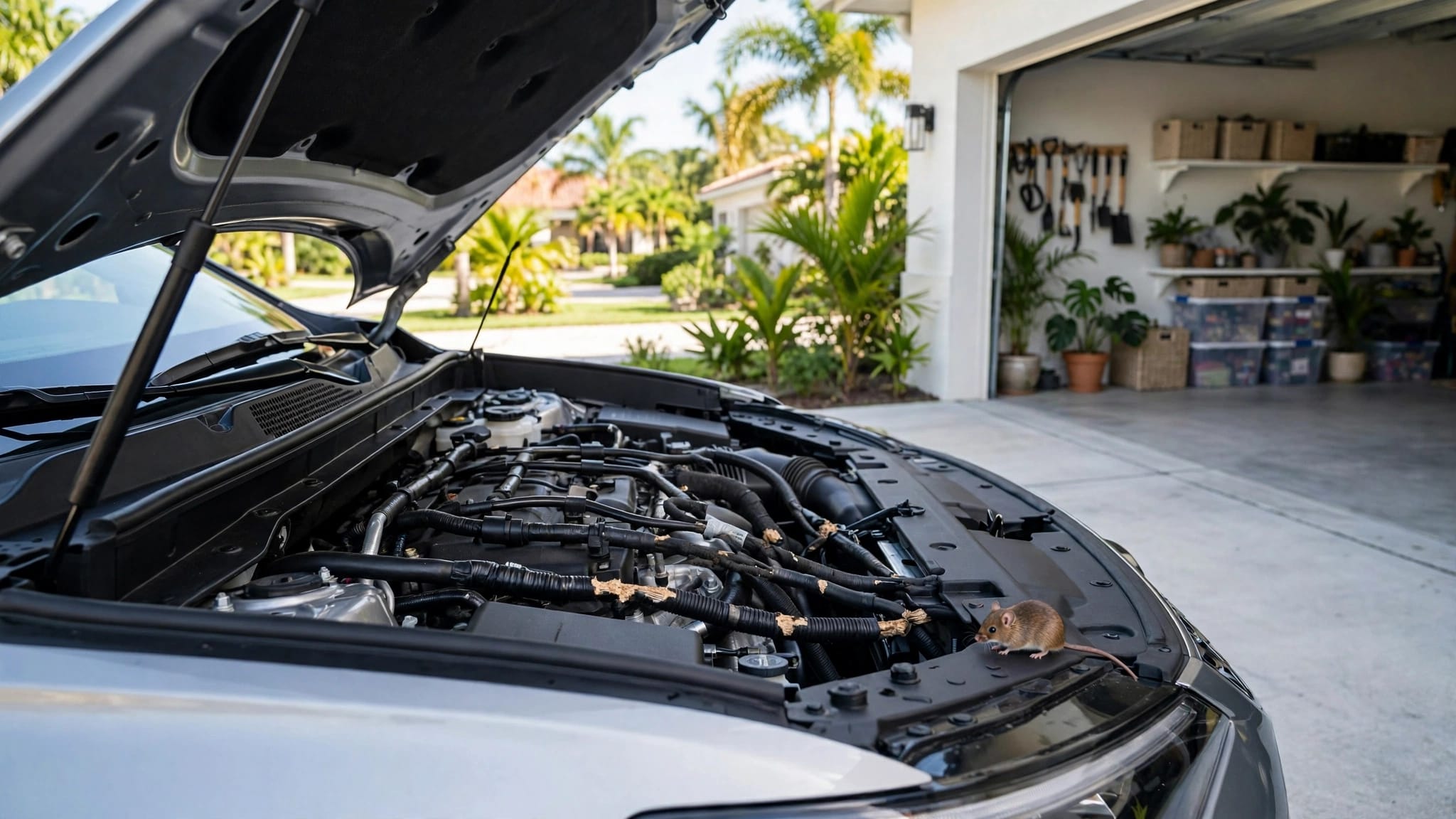
- You've had rodent activity, droppings, or chewing damage.
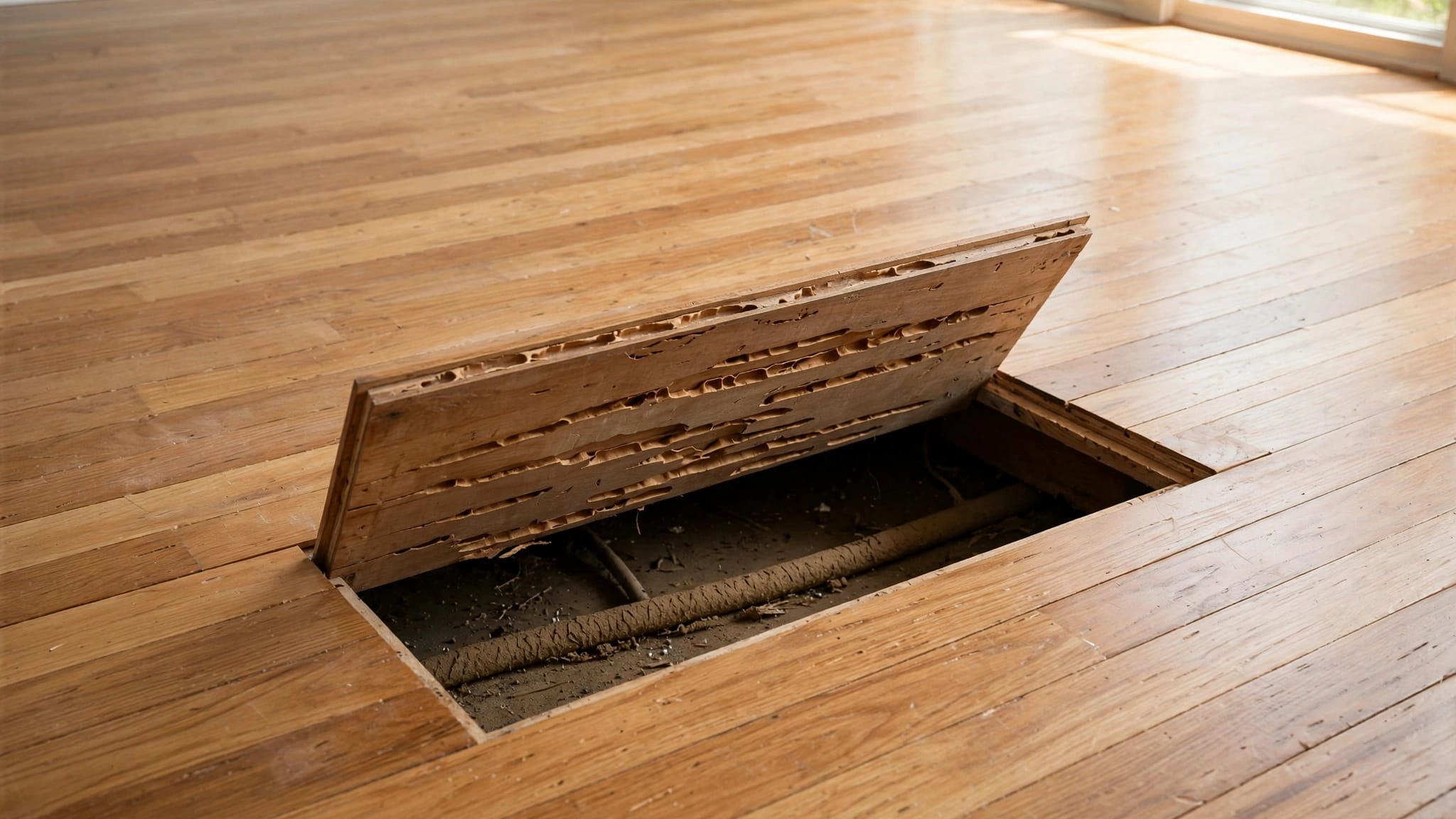
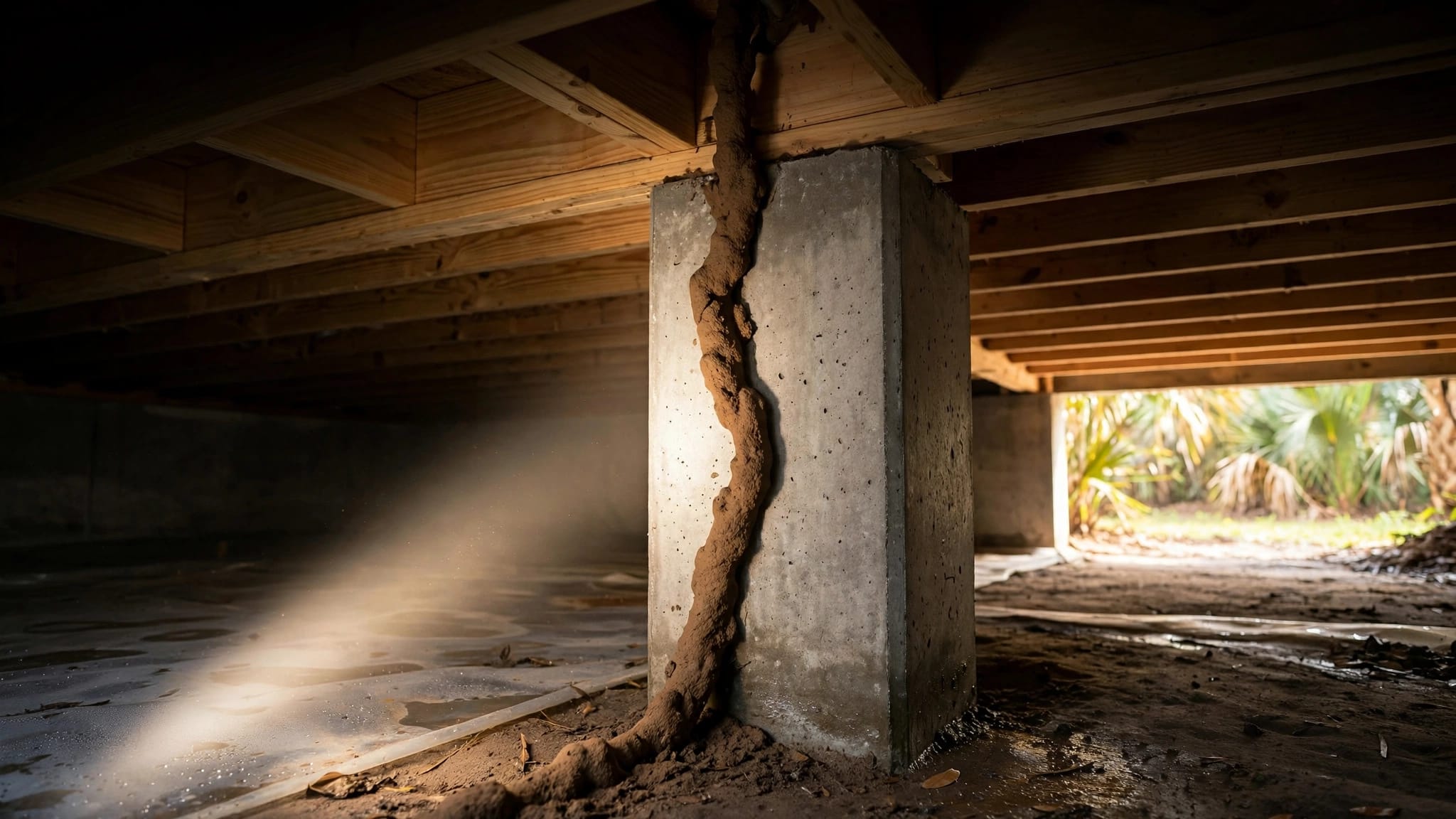
- Termite protection is overdue or missing.
- The property backs up to water, thick landscaping, or a preserve.
- You manage guests, cleaners, or maintenance visits on a rotating schedule.
Pest control is easier when the home is still occupied and accessible. Once a house closes up, small issues become harder to see and slower to fix.
The Last Walkthrough Before You Leave
The final walkthrough should be slow, simple, and repeatable. It's the last chance to catch a leak, a food source, or an open entry point before the house sits empty.
Start in the kitchen, then move to bathrooms, closets, the garage, and the lanai. Make sure every trash can is empty, every door closes tightly, and every screen is intact. Check the floor near sinks and appliances for moisture. Then look outside one more time for pooled water, garden hose drips, or items left against the house.
A short final pass can save a long headache later:
- Turn off or secure anything that leaves food out, including pet bowls and countertop snacks.
- Close pantry doors and cabinet doors.
- Check window latches, garage seals, and sliding door tracks.
- Walk the exterior for fresh water, torn screens, or fresh pest activity.
- Ask a neighbor or property manager to look for obvious changes if you'll be away for months.
The best time to stop a pest problem is before the house empties out. A few careful minutes now can keep the home cleaner, drier, and far less attractive to pests while you're away.
Conclusion
A vacation home in Southwest Florida needs a different kind of leaving routine. Heat, humidity, and empty rooms make pests bolder, so a quick lock-up is never enough.
Use your checklist before every long trip. Remove food, cut moisture, seal entry points, and inspect the rooms that stay quiet the longest. If the home will sit empty for weeks or you've already seen signs of activity, schedule treatment before you go.
A little prevention now keeps your return simple, and your home far less inviting to pests.
Schedule a Free Inspection: