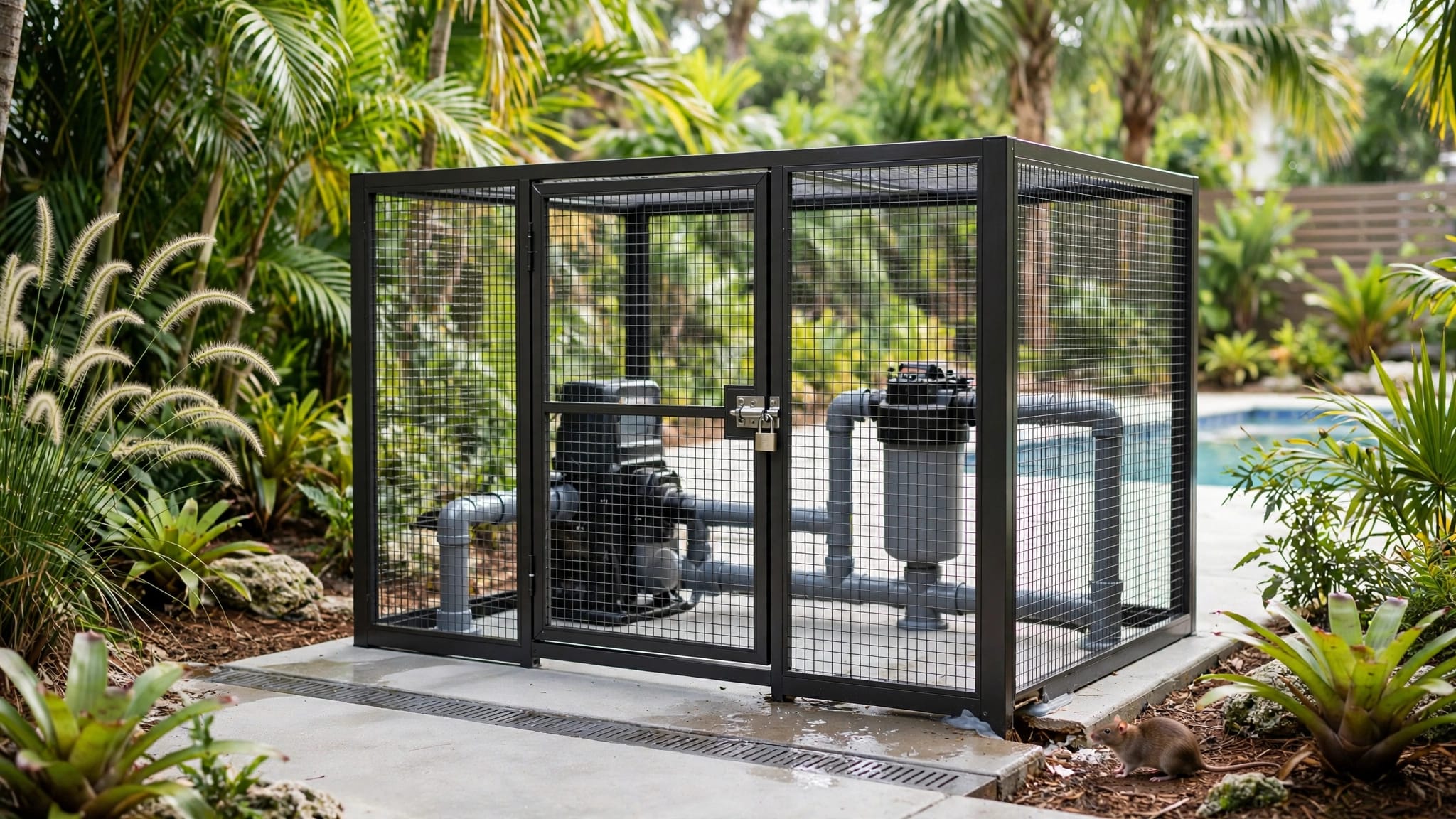
Why Rat Poison Harms Owls Near Southwest Florida Canals
Rat bait can do more than kill a rodent. Near Southwest Florida canals, it can move up the food chain and poison owls that never touched the bait at all.
In Cape Coral, Fort Myers, Punta Gorda, Bonita Springs, Sanibel, and other waterfront neighborhoods, canals, seawalls, mangroves, docks, and storage areas create cover for rats. Those same corridors concentrate rodent activity and hunting raptors in the same narrow strip, so a poisoned rat can become an owl's next meal.
Why canals create easy travel routes for rodents
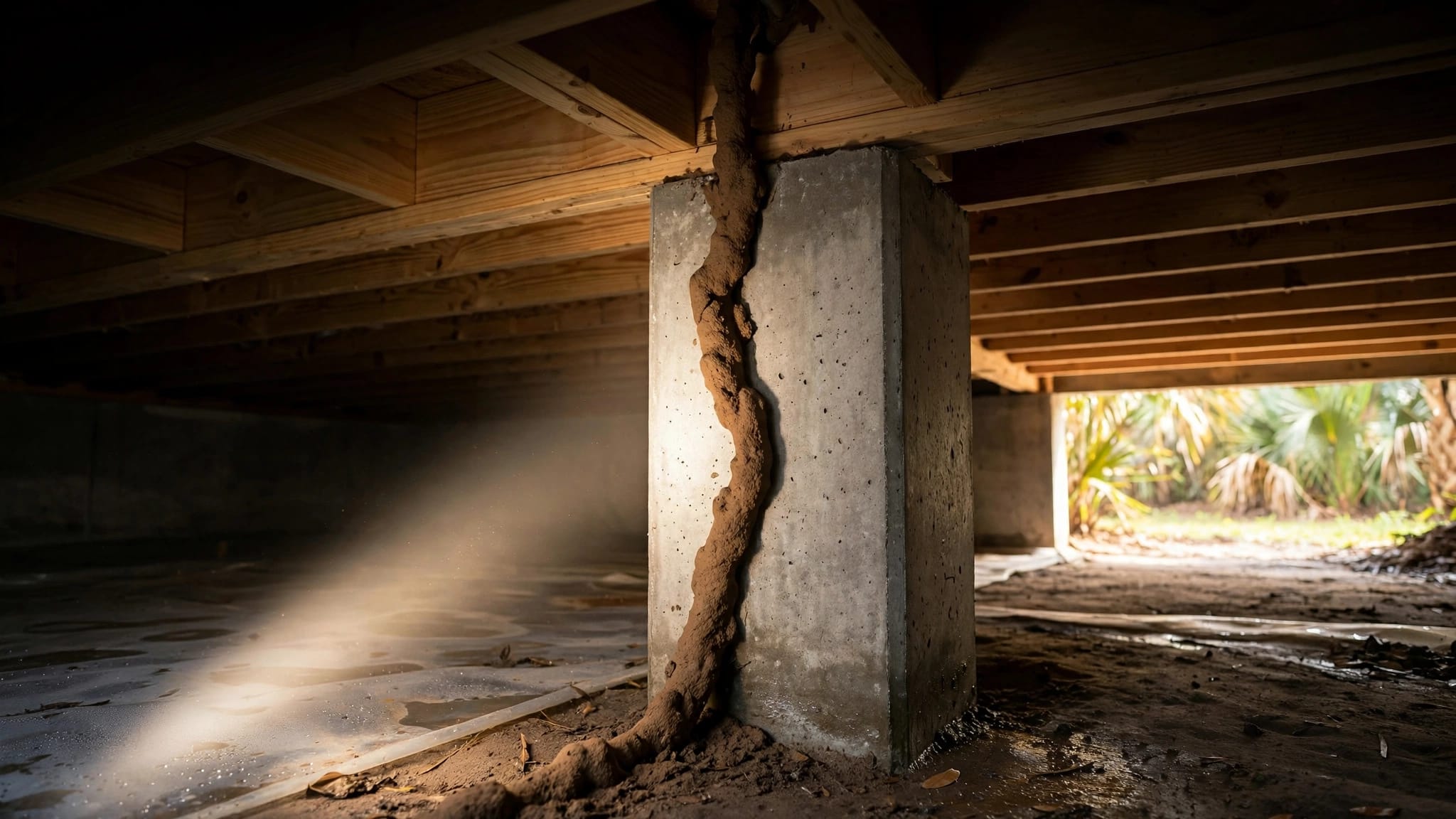
Rats do better where they can move fast and stay hidden. A canal bank, a dock edge, a seawall seam, or a thick hedge gives them a protected route from one food source to the next.
That matters in Southwest Florida because waterfront homes often mix open water with pockets of shelter. Trash cans, pet food, fallen fruit, bird seed, pool cages, and piles of yard debris all give rodents reasons to stay close. Once they settle in, they use the same walls, pipes, and landscaping day after day.
Canal neighborhoods also give owls an easy place to hunt. Open water and low ground cover make it simpler for a raptor to spot movement at dusk. That creates a tight overlap between rodent habitat and owl hunting space.
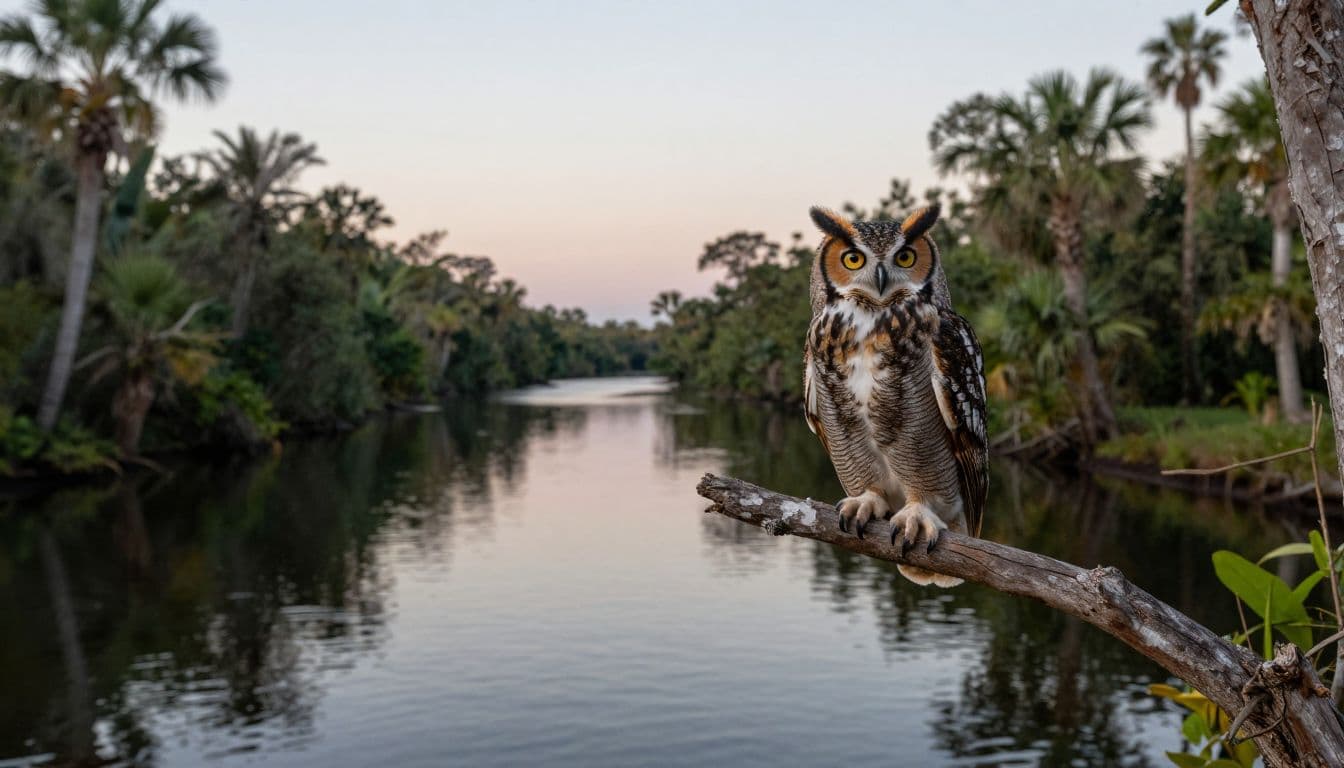
Owls often hunt the same edges where rodents travel, which is why canal properties need careful rodent control.
How secondary poisoning reaches owls
Owls usually aren't after bait blocks. They are after mice, rats, and other small animals. That is where the danger starts.
When a rodent eats an anticoagulant rodenticide, the toxin can stay in its body. If an owl eats that rodent later, the owl can absorb the poison too. This is called secondary poisoning , and it is the main reason rat poison and owls are a bad mix near canals.
An owl doesn't need to eat bait to be harmed. One contaminated rodent can carry the poison into the food chain.
Anticoagulant rodenticides interfere with blood clotting. In plain terms, they can make an animal bleed internally without an obvious wound. The bird may still look alert at first, which is one reason the problem gets missed. By the time weakness, anemia, or trouble flying shows up, the bird may already be in serious trouble.
Some owl species in this region, including great horned owls, barred owls, and barn owls, hunt along fence lines, open lots, drainage paths, and canal banks. They don't need a big territory shift to run into a contaminated rodent. One night of feeding can be enough.
Why canal neighborhoods raise the stakes for raptors
A canal corridor isn't just a place where rats live. It is also a travel lane for wildlife. Owls use it because it gives them clear sight lines and steady prey movement.
That same geography can spread risk. A rat that feeds near a garage may move toward a dock, a shed, or a mangrove edge before an owl catches it. If poison is part of the control plan, the bird that does the cleanup can become the next victim. Other wildlife can also be exposed when carcasses remain outdoors, so the whole property feels the effect.
For homeowners, the biggest challenge is that poison often seems simple. Put out bait, wait, and the rats disappear. The problem is what happens after that. Canal homes sit in an ecosystem, not a sealed box.
Humane rodent control that protects owls
The safest rodent plan starts with making the property less inviting. That means blocking access, removing food, and reducing shelter. It also means using control methods that don't put poison into the food web.
Seal the entry points first
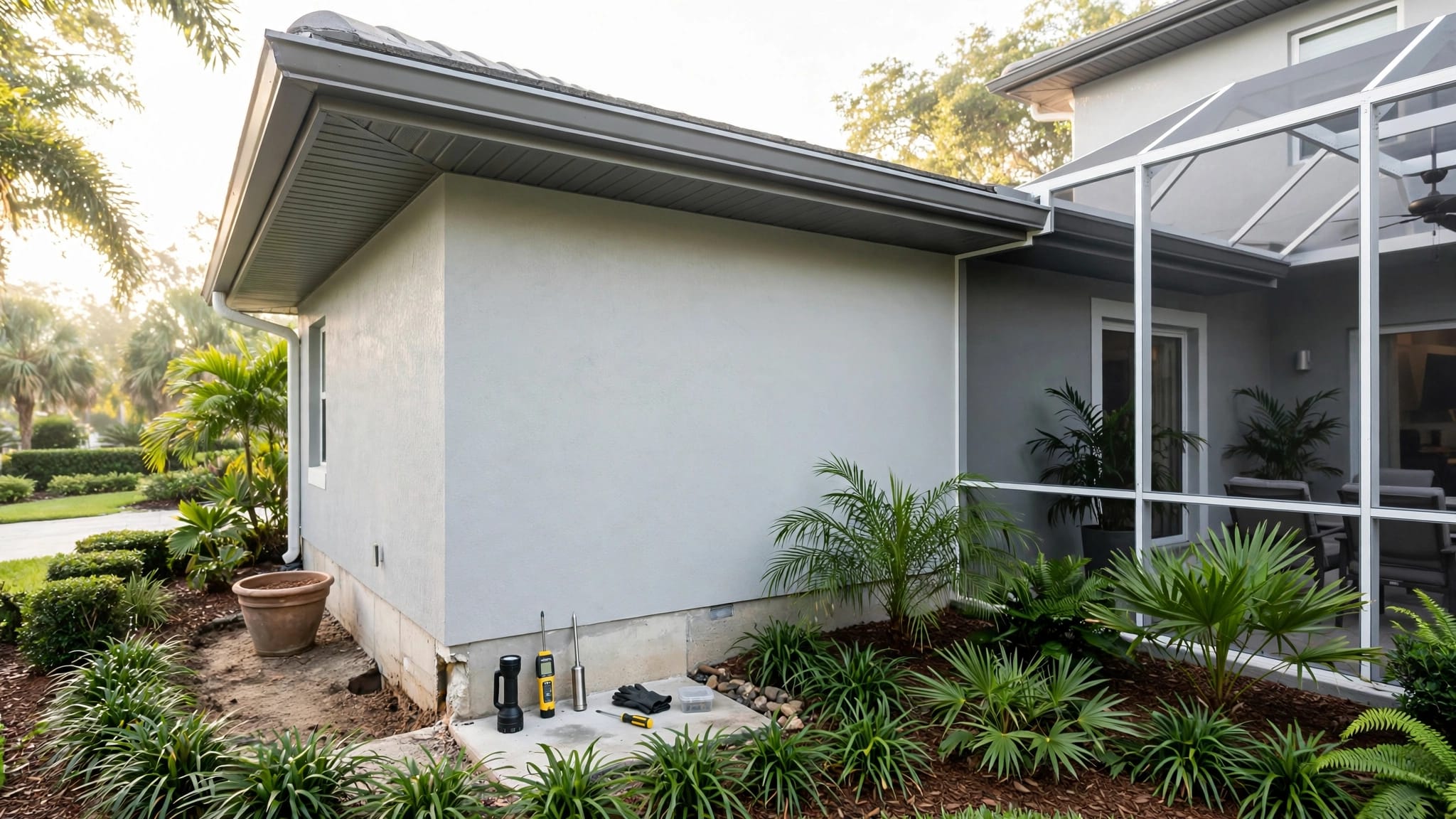
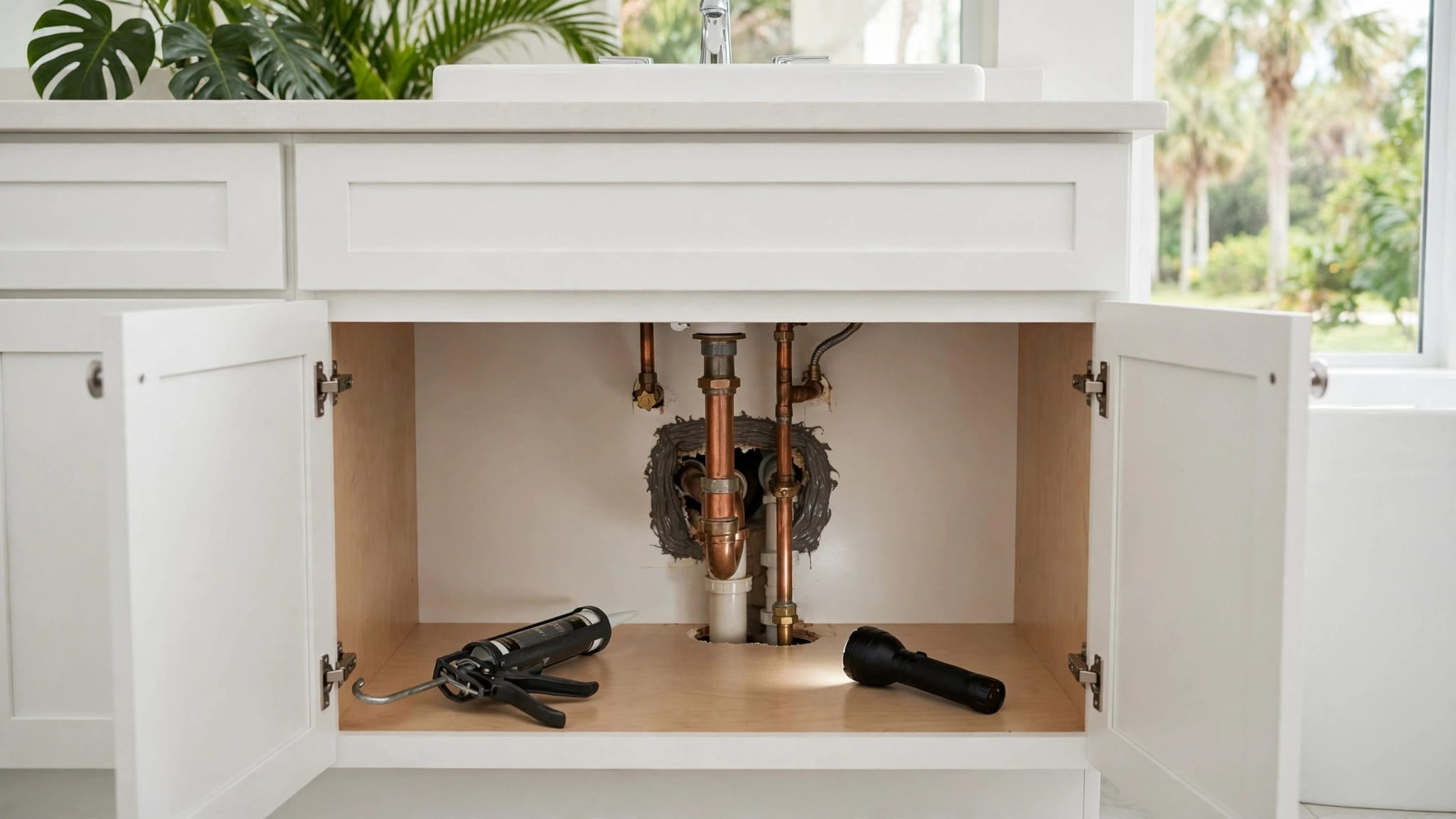
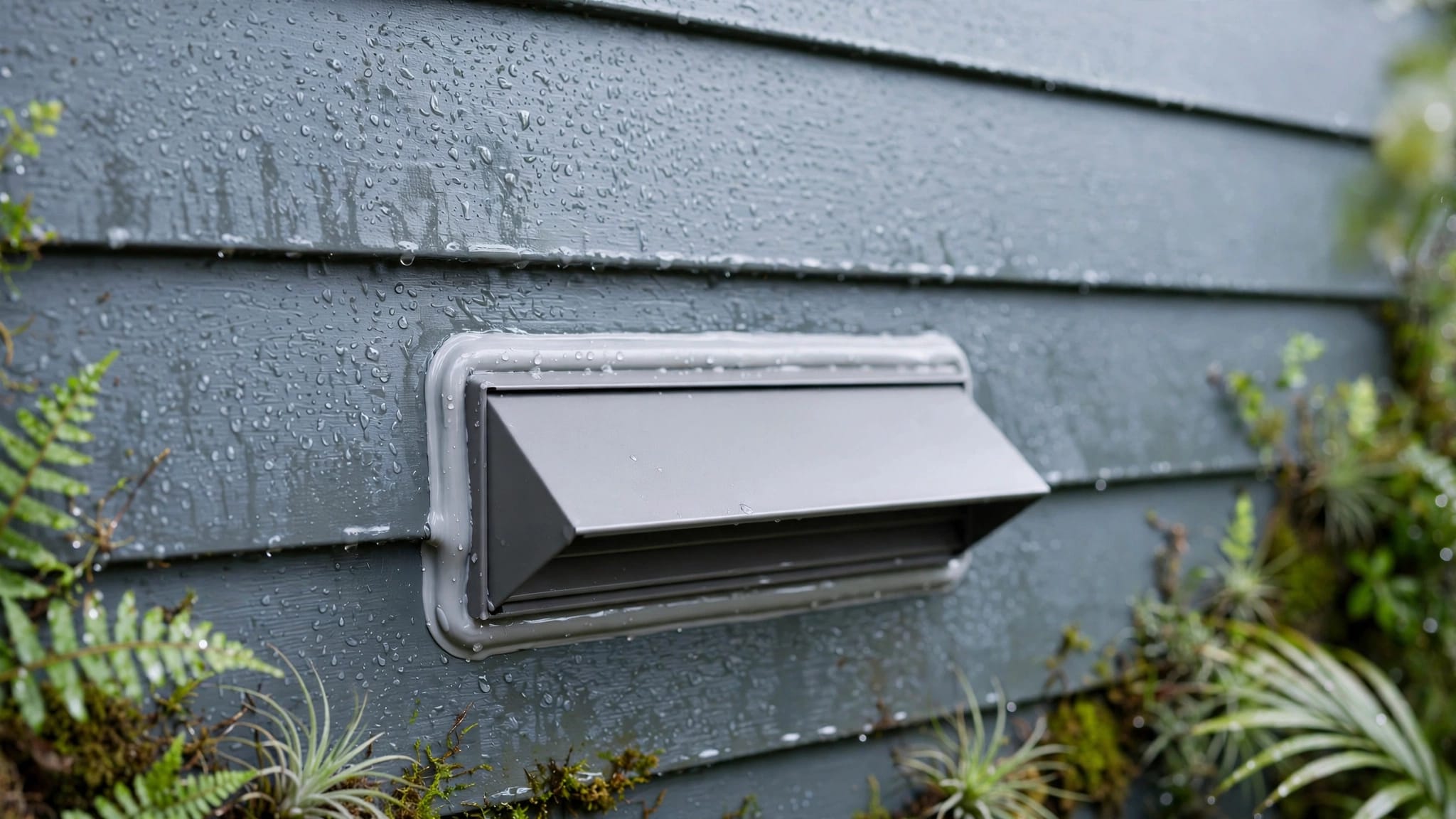
Rats only need small openings. Gaps around soffits, roof edges, utility lines, garage doors, vents, and pipe penetrations can all become entry routes.
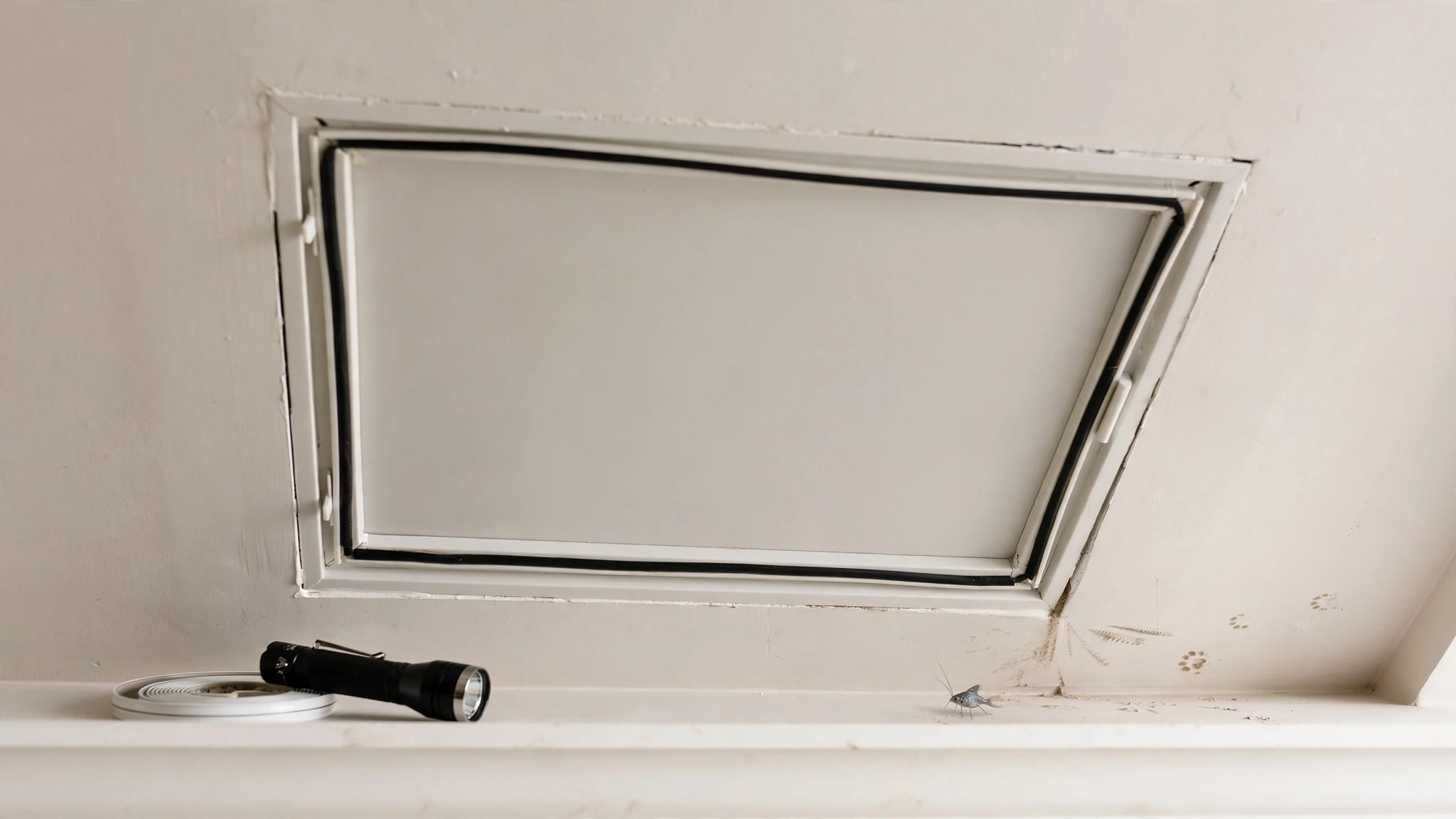
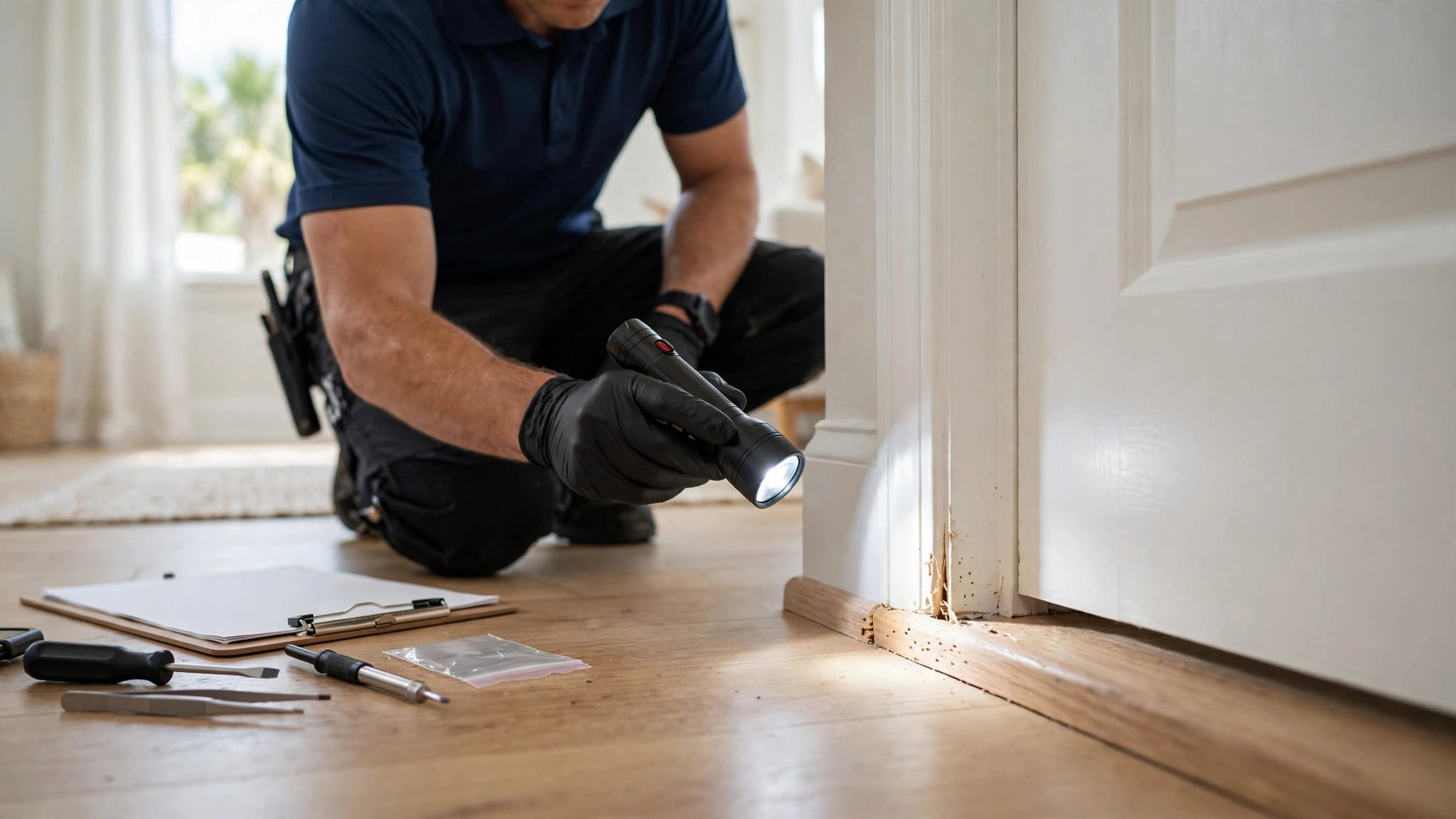
A good inspection looks at the whole structure, including attic spaces, because hidden activity often starts above the living area. If you're hearing scratching, finding droppings, or seeing gnaw marks, professional attic rodent removal in Cape Coral can help identify where the animals are getting in and what needs to be sealed.
Clean up food and shelter
Sanitation makes a bigger difference than many people expect. Store pet food in sealed containers, pick up fallen fruit, clean up bird seed, and keep garbage lids tight. Outside, reduce clutter under patios, sheds, and docks, because stacked items give rodents a place to hide.
Around canals, trimming back heavy groundcover and removing brush piles can help too. Rodents like protected runs. Take those away, and the property becomes less useful to them.
Trap with purpose, not with bait stations full of poison
Trapping works best when it targets active areas and gets checked often. That lets you remove the rodent quickly without leaving poison behind for owls or other wildlife.
Skip glue boards in outdoor or wildlife-rich areas. They can catch non-target animals and create a cruel mess. Instead, use a trap plan that fits the structure and the infestation level. Professional placement matters here, because the wrong trap in the wrong spot often misses the problem.
Manage the habitat around the home
Habitat management sounds technical, but the work is simple. Keep vegetation trimmed away from walls, reduce dense hiding spots near fences, and avoid letting piles of lumber, palm fronds, or storage clutter sit undisturbed for long periods.
On canal properties, this is especially important near seawalls, sheds, pool enclosures, and utility areas. Those are the places rodents use as cover, and they are also the places owls may scan from above.
Choose integrated pest management
Integrated pest management, or IPM, uses inspection, sealing, sanitation, monitoring, and targeted control in the right order. It focuses on solving the reason rodents are there, not just removing the ones you can see.
For homeowners who want a poison-free option, poison-free rodent control in Cape Coral uses exclusion and deterrence instead of bait. That approach fits canal neighborhoods well because it reduces the chance of secondary poisoning while still addressing the rodent problem.
When rodent control needs a second look
If a property keeps getting rats after repeated baiting, the real issue may be food, access, or shelter, not the number of bait blocks. More poison won't fix a gap in the roofline or a pile of clutter under the dock.
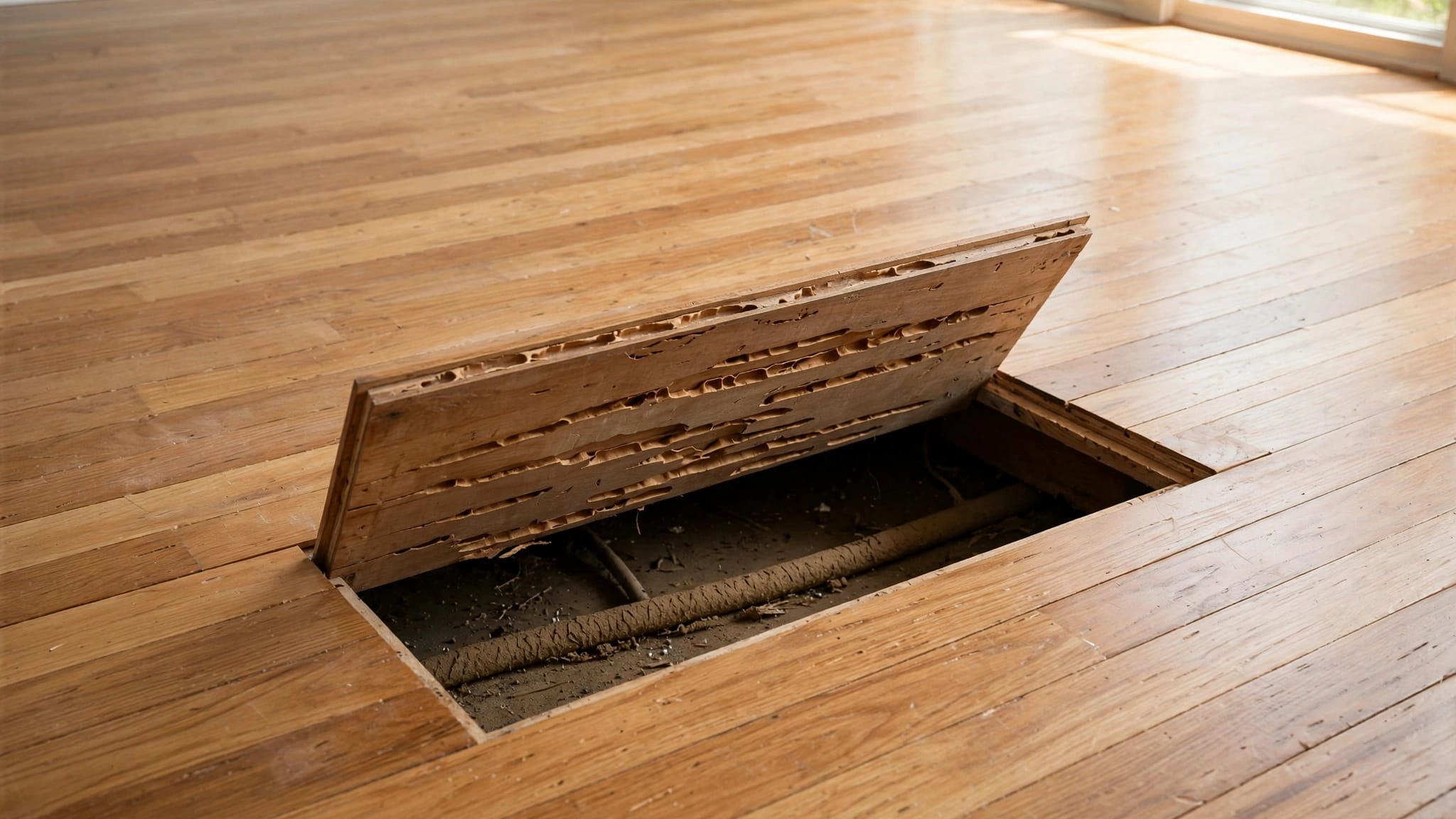
Watch for repeated droppings, fresh gnaw marks, shredded nesting material, greasy rub marks along baseboards, or scratching in the attic at night. Those signs point to an active route, not a random visitor. At that stage, the job is to find the entry point, clean up the attractants, and set a control plan that doesn't put owls at risk.
A careful rodent inspection should look at the structure, the yard, and the spaces in between. In canal communities, that often means the roof edge, the garage, the dock area, and the landscaping that connects them.
Conclusion
Rat poison harms owls near Southwest Florida canals because the damage often happens one meal at a time. A contaminated rodent can move from a wall void or seawall edge straight into an owl's hunting path, and that turns a simple pest problem into a wildlife problem.
The better answer is a rodent plan built on exclusion, sanitation, trapping, habitat management, and integrated pest management . Near water, the safest fix is the one that protects your home without feeding poison into the food chain.
Schedule a Free Inspection: