Cape Coral Rodent Control for Attics: Signs, Entry Points, and Safe Cleanup
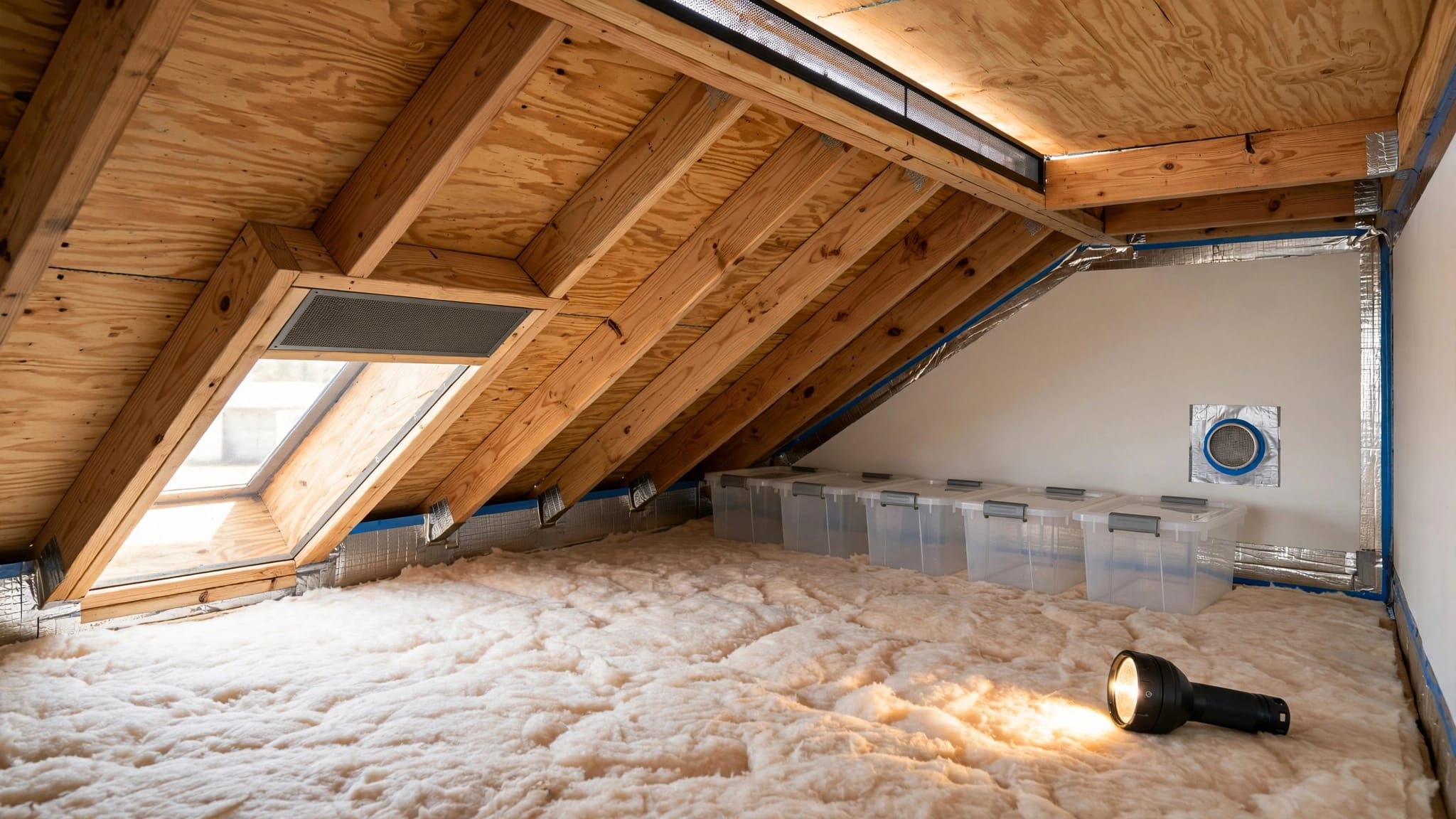
If you’ve heard scurrying noises above the ceiling at night, you’re not imagining things. In Cape Coral, warm winters and plenty of palms make attic spaces a cozy “hotel” for rodents looking for shelter, nesting material, and quiet, ideal for rodents in the attic.
The tricky part is that attic rodent problems often stay hidden until there’s a smell, stained ceilings, or chewed electrical wiring. This guide covers the signs of attic rodents , the most common entry points around Cape Coral homes, and a safer cleanup process that doesn’t spread contaminated dust.
Signs you’ve got rodents in your Cape Coral attic (and why they matter)
Cape Coral homeowners, rodents don’t tiptoe. They leave clues, and most show up in the same places: near attic access points, along truss lines, and close to roof edges.
Here are the signs homeowners report most often:
- Night noises : Light scratching can be the common house mouse, heavier thumps can be roof rats (the most frequent culprits in local attics). Noise that ramps up right after dusk is a classic pattern.
- Rodent droppings : You’ll find them in clusters near nesting zones and travel paths. Fresh rodent droppings look dark and slightly shiny; older ones look dry and dusty.
- Gnaw marks : Rodents chew constantly. Look for tooth marks on wood, stored boxes, ducting, and wiring.
- Rub marks : Along beams or entry holes, repeated contact can leave dark streaks.
- Shredded nesting material : Insulation, paper, and fabric get pulled into a loose mound.
- Strong ammonia-like odor : Urine buildup can stink up an attic fast, especially in humid weather.
A quick way to make sense of what you’re finding:
| What you notice | Where it shows up | What it usually means |
|---|---|---|
| Scratching at night | Over bedrooms or garage | Active movement and nesting |
| Rodent droppings in one area | Corners, near vents, along trusses | A regular runway or nest site |
| Chewed insulation or electrical wiring | Near entry points and pathways | Damage risk, including fire hazards |
| Musky or sharp smell | Around the attic hatch or ceiling vents | Urine saturation and contamination |
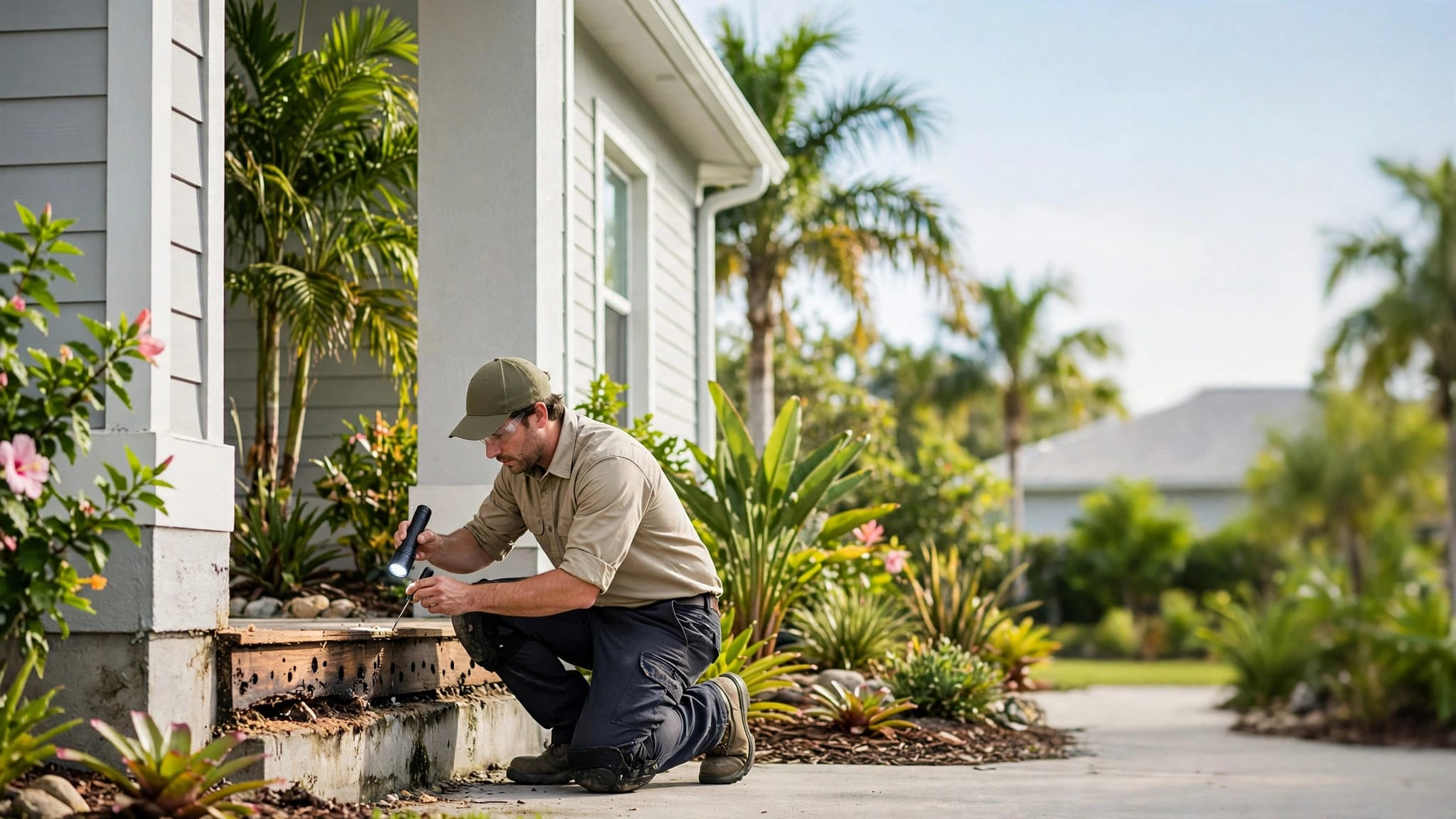
If you suspect activity but can’t safely access the attic, it’s smart to schedule a professional inspection. Shield’s team can identify entry points and risk areas as part of Cape Coral attic rodent removal services.
Where rodents get in: Cape Coral attic entry points you can actually measure
Most homeowners are shocked by how small an entry point can become a doorway for rodents.
- Mice can squeeze through entry points around 1/4-inch (about the size of a pencil).
- Rats can fit through about 1/2-inch (closer to a quarter-width gap).
In Cape Coral homes, attic entry points often come from wind wear, salt air corrosion, and small construction gaps that expand over time. The most common trouble spots include:
Roof returns, soffits and vents
: Loose soffit panels, rotted edges, and corners where soffit meets fascia are frequent entry zones.
Gable vents and roof vents
: Vents are necessary, but wide screening or damaged covers are an easy pass-through.
Pipe and electrical penetrations
: Small rings around plumbing stacks, conduit, or cable lines can be all it takes.
Garage and attic transitions
: Rodents may enter the garage first, then follow gaps into wall voids and up into the attic.
Trees touching the roof
: Roof rats are climbers. Trim tree branches to prevent roof rats from using a branch as a ladder to roofline openings.
For materials that hold up in heat and humidity, aim for rodent-proof and rust-resistant options:
- Steel wool and caulk to seal cracks and gaps
- 1/4-inch hardware cloth (galvanized or stainless) for vent reinforcement
- Metal flashing for larger chewed edges or corners
- Exterior-grade polyurethane or hybrid sealant for small gaps (it stays flexible better than cheap caulk)
- Screws with washers to secure screening and flashing
- Expanding foam only as a support , not the main barrier (rodents can chew it)
If you’re rodent-proofing to seal entry points, don’t block attic ventilation. The goal is controlled airflow through protected vents, not a sealed attic.
A practical Cape Coral rodent removal plan: exclude first, then trap, then clean
The primary methodology for lasting results is trapping and exclusion. If you want the problem to end, start where the rodents start: the entry points. Trapping without exclusion is like bailing water without fixing the leak.
Step 1: Confirm activity and map the “runways”
Look for droppings, rub marks, and compressed insulation. Rodents tend to travel edges, so pay extra attention to perimeter lines.
Step 2: Do exclusion work before heavy trapping
Seal gaps, reinforce vents with 1/4-inch hardware cloth, and repair soffit corners. If you trap first but leave entry points open, new rodents can move in right away.
Safety note: Roof and ladder work is risky, especially on tile roofs or steep pitches. If you’re not confident, don’t push it. Also, some attic visitors aren’t rodents (bats and other wildlife require special handling). When you’re unsure, use a licensed professional.
Step 3: Trap with purpose (and skip attic poisons)
For most attic infestations of rodents in the attic, snap traps placed along runways work well when paired with exclusion. Snap traps outperform bait stations in tight attic spaces, where bait stations can be less effective and still risk secondary issues. Use enough traps to match the problem, one or two rarely makes a dent. Avoid glue boards in hot attics (they’re messy and can be inhumane).
It’s best to avoid poison baits in attics . Dead rodents can end up in inaccessible spots, creating odor and fly problems. Poison also raises the risk of secondary poisoning for pets and wildlife.
If you’re comparing providers, this checklist helps: Key questions to ask before hiring an exterminator in Cape Coral.
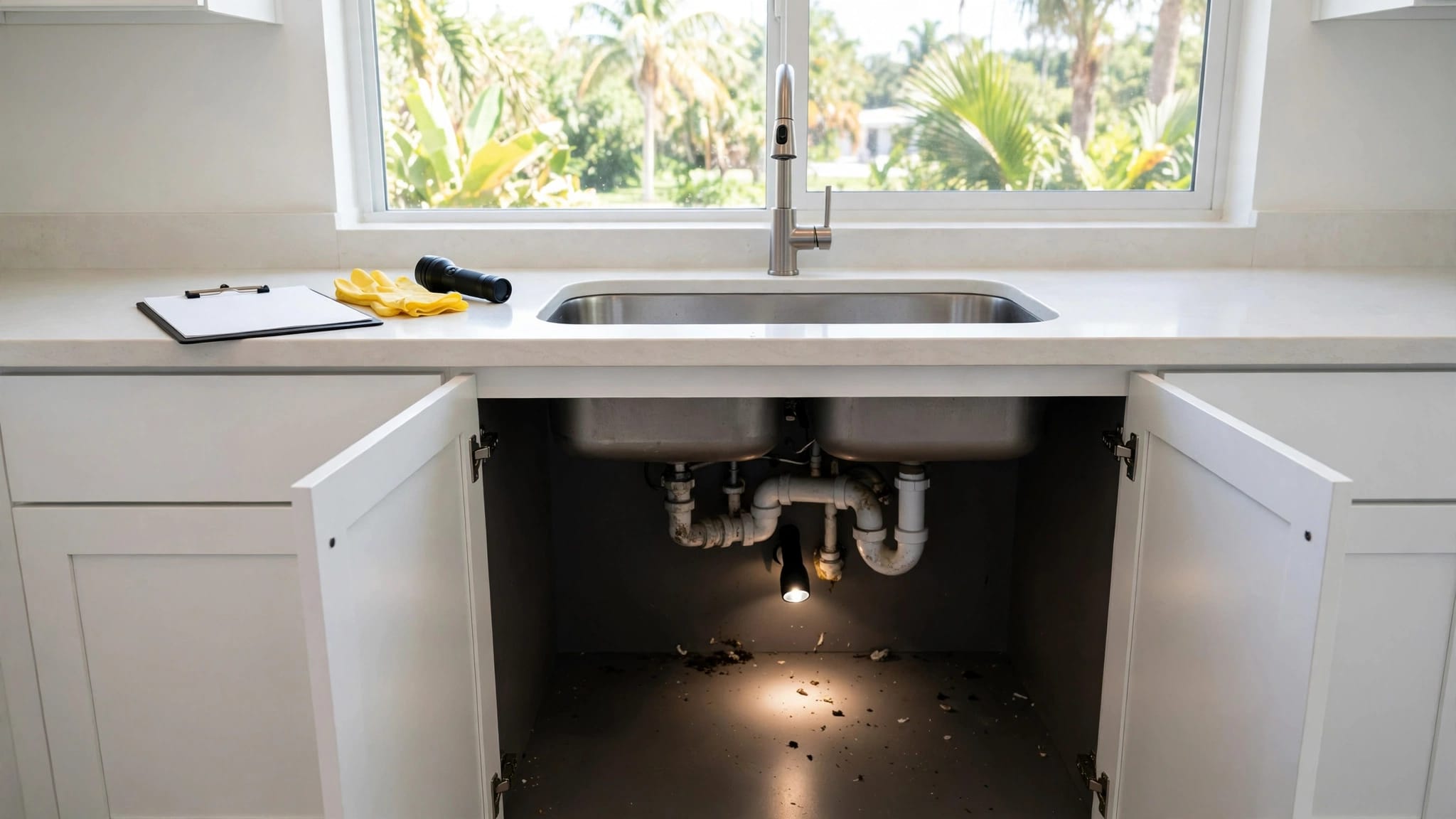
Step 4: Attic decontamination (don’t sweep or dry-vac droppings)
Rodent droppings and urine pose serious health risks, carrying germs and triggering allergies. The biggest mistake is stirring it into the air.
A safer process:
- Suit up : Gloves, eye protection, and a well-fitted respirator (N95 or better).
- Ventilate if possible : Open the attic hatch, and let the space air out.
- Mist, don’t blast : Lightly spray droppings and soiled areas with a disinfectant until damp (not dripping).
- Remove solids carefully : Use paper towels, then double-bag waste.
- HEPA vacuum after wiping : A true HEPA unit helps capture fine particles. Don’t use a standard shop vac.
- Assess insulation : If insulation is flattened, heavily soiled, or smells, replacement may be the best long-term fix, as damaged insulation reduces energy efficiency and compromises indoor air quality.
- Deodorize and re-check : Odor often means urine saturation, not just a single nest.
For infestations involving palm rats, common in Florida, professional pest control is recommended to handle removal and exclusion effectively. Better sanitation habits, like securing food sources and trash, also help prevent future issues. For many homes, cleanup and insulation decisions depend on how long the infestation has been active.
Quick FAQ for Cape Coral homeowners dealing with attic rodents
How long does attic rodent removal take?
For effective rodent control Cape Coral services use proper exclusion and active trapping, so many situations improve within 1 to 2 weeks. Larger infestations or multiple entry points can take longer.
Should I use poison in the attic?
It’s usually a bad idea for rodents in the attic. Odor, hidden carcasses, flies, and secondary poisoning risks often create a bigger problem than the rodents.
Will rodents come back after trapping?
They can, if entry points aren’t sealed. Rodent-proofing is what makes results stick.
What does professional service cost in Cape Coral?
Pricing depends on access, repairs, cleanup needs, insulation replacement, and attic restoration. This Cape Coral pest control cost guide explains what typically affects estimates.
Conclusion: Stop the attic problem at the source
Effective Cape Coral rodent removal comes down to three things: confirm the signs, seal the entry points with the right materials, and complete attic restoration safely without kicking dust into the air. If ladder work, roof access, or wildlife identification is uncertain, bring in professional pest control.
Ready to get your attic checked, entry points mapped out, and rodent-proofing completed for a pest-free environment your family deserves? Schedule an inspection today for a clear plan that protects your home for the long run.
Schedule a Free Inspection: