Florida No-See-Ums in Cape Coral: How to Stop Bites Around Patios and Lanais
You step onto the lanai to enjoy the evening breeze, and a few minutes later you’re scratching like you walked through a patch of nettles. Welcome to Cape Coral in Southwest Florida’s tiny terror: biting midges, better known as no-see-ums (Culicoides).
What makes these invisible pests so frustrating is how sneaky they are. These biting nuisances can slip through small gaps, hover in still air, and leave itchy bites that feel out of proportion to their size. The good news is you can reduce no-see-um bites without turning your backyard into a chemistry project.
This guide follows an integrated pest management (IPM) approach: fix the space first (exclusion and airflow), then use targeted treatments only where they matter.
Why no-see-ums love Cape Coral lanais (and why the bites feel worse)
No-see-ums are tiny flies, often just 1 to 3 mm long. On a screened lanai, they’re like smoke: invisible pests you don’t notice until you feel them. In Cape Coral, they’re common because the environment stays warm and humid, and many neighborhoods sit near canals, mangroves, salt marshes, brackish water, and damp landscaping.
A few Cape Coral realities that stack the deck in their favor:
- Still air inside pool cages : They’re weak fliers, but they do just fine when the air is calm, especially since they’re attracted to the carbon dioxide humans exhale. A quiet corner with patio furniture is a perfect landing zone.
- Moist soil and organic matter : Many Culicoides species of the Ceratopogonidae family develop in damp ground, mulch, leaf litter, and soggy edges of landscaped areas. Overwatered beds and shaded, wet soil keep them going.
- Dawn and dusk activity : If your favorite patio time is sunrise coffee or sunset grilling, you’re out during dawn and dusk. Warm spells in January can still bring them out.
- Screens that weren’t built for midges : Standard pool-cage screening can block mosquitoes but still allow midges through, especially if it’s aging, stretched, or torn.
If you’re trying to figure out whether it’s no-see-ums or mosquitoes, here’s a practical clue: no-see-um bites often show up as red welts in clusters on ankles, lower legs, and along tight clothing lines. The itching can linger, and some people react strongly.
IPM Step 1: Exclusion and airflow (the fixes that change your lanai fast)
If you only do one thing, start here. Exclusion and airflow don’t just reduce bites, they make your patios and lanais feel livable again.
Tighten up your screen barrier (without guessing)
No-see-ums can slip through larger fiberglass mesh. For many Florida pool cages, which often feature Florida Glass panels at the base for privacy and blockage, upgrading to no-see-um mesh (often 20x20 screen or finer, like Super Screen for durability) helps, but fine mesh can also cut airflow. That tradeoff matters in Cape Coral, where comfort depends on moving air; standard fiberglass mesh allows better breeze flow compared to fine mesh options.
Focus first on fixes that don’t require a full re-screen:
- Patch tears, seams, and corners (especially near kick plates and door frames).
- Check screen doors for sagging and gaps along the latch side.
- Replace worn door sweeps so there’s no daylight under the door.
- Seal small openings where the cage meets the home, like around hose bibs, light fixtures, and soffit edges.
Make the air do the work
No-see-ums struggle in moving air. A steady breeze is like a treadmill set too fast.
A simple airflow plan:
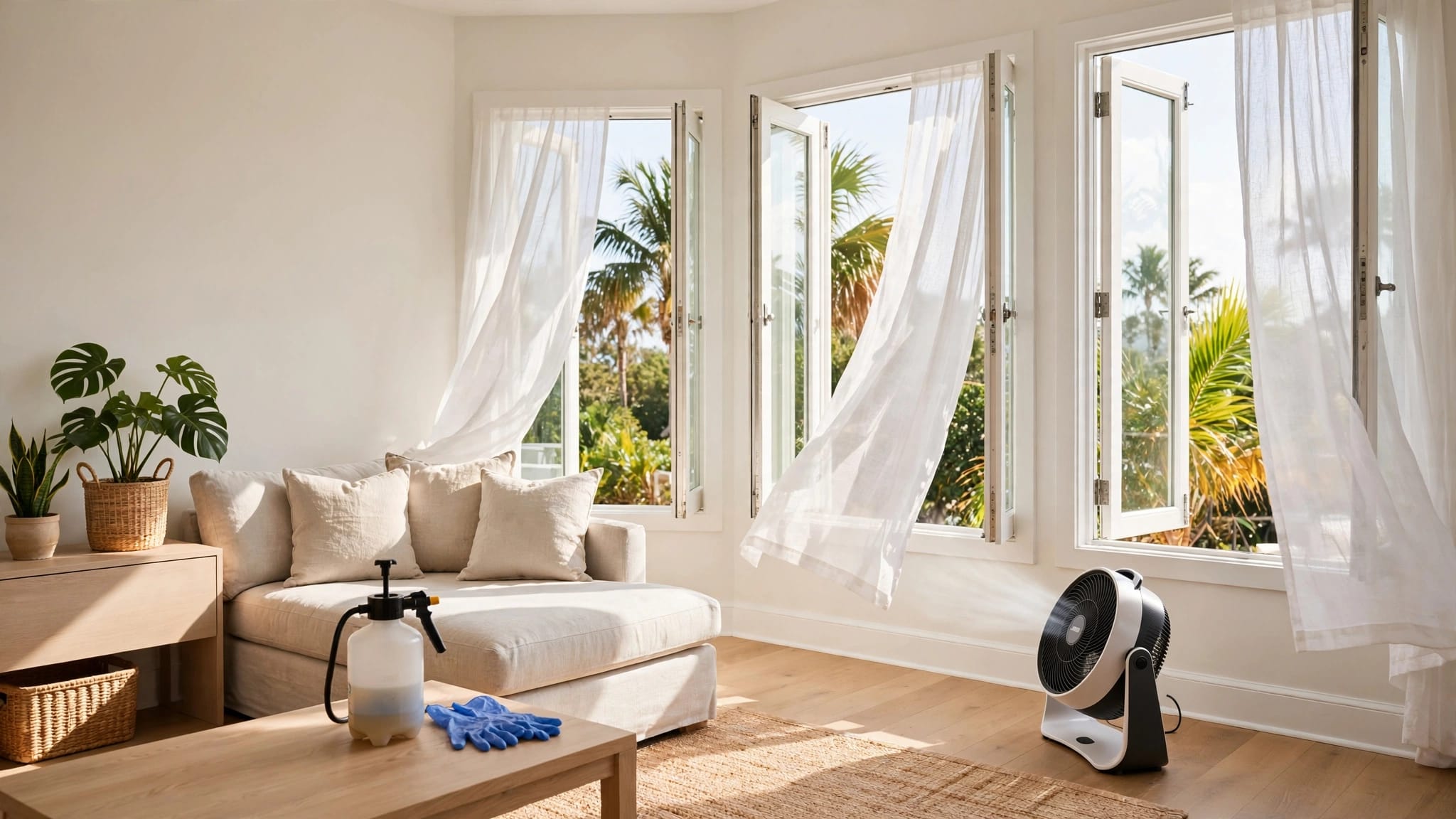
- Put a pedestal outdoor fan aimed across seating at shin to waist height (that’s where they target).
- Add a ceiling fan or wall-mounted outdoor fan if your lanai wiring allows it.
- For parties, use a second fan to create a cross-breeze, not a direct blast in one face.
This pairs well with mosquito reduction too. If you also fight mosquitoes around the cage and yard, keep this handy: mosquito prevention tips for Cape Coral homeowners.
Quick lanai checklist (10 minutes, once a week)
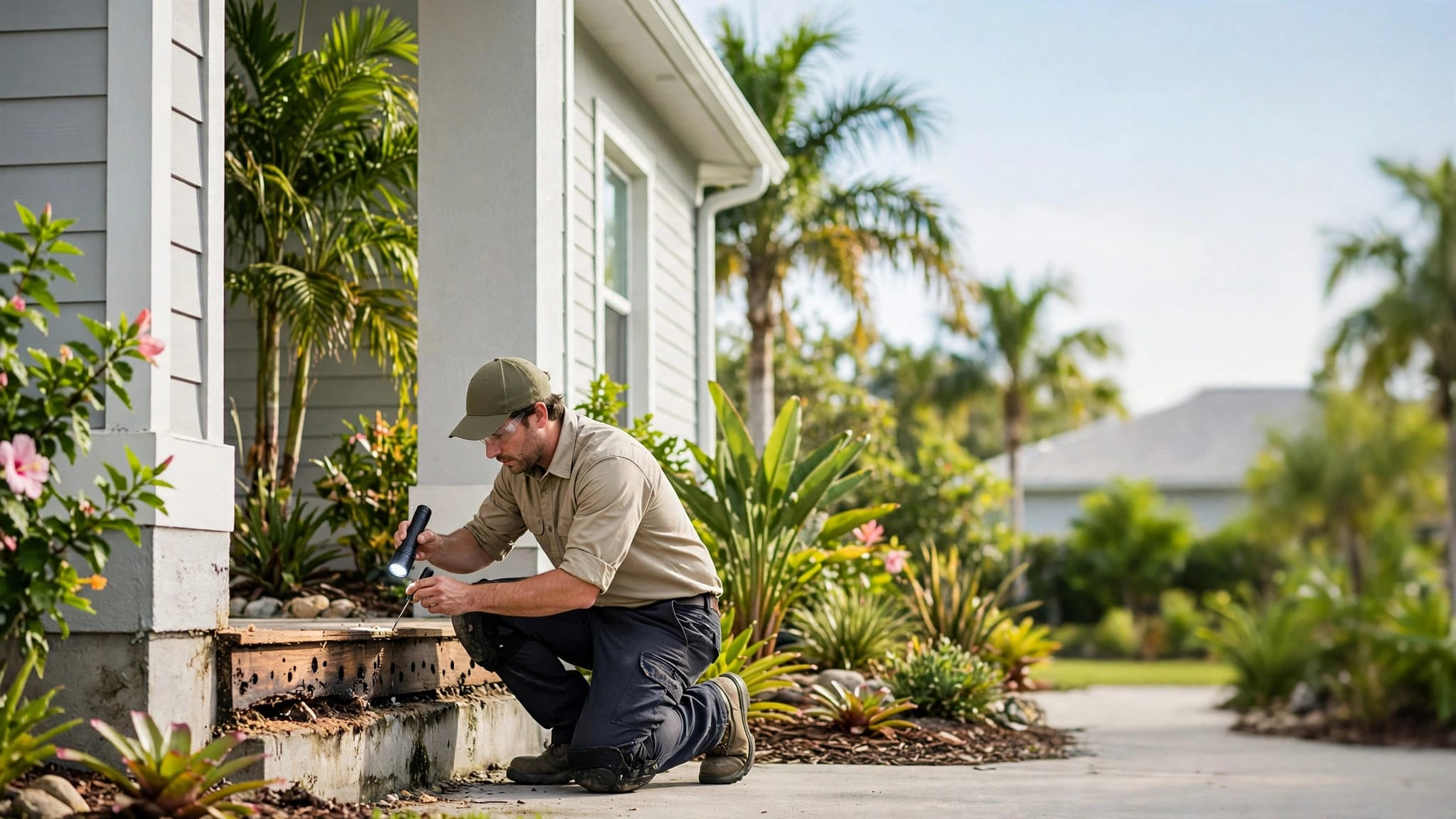
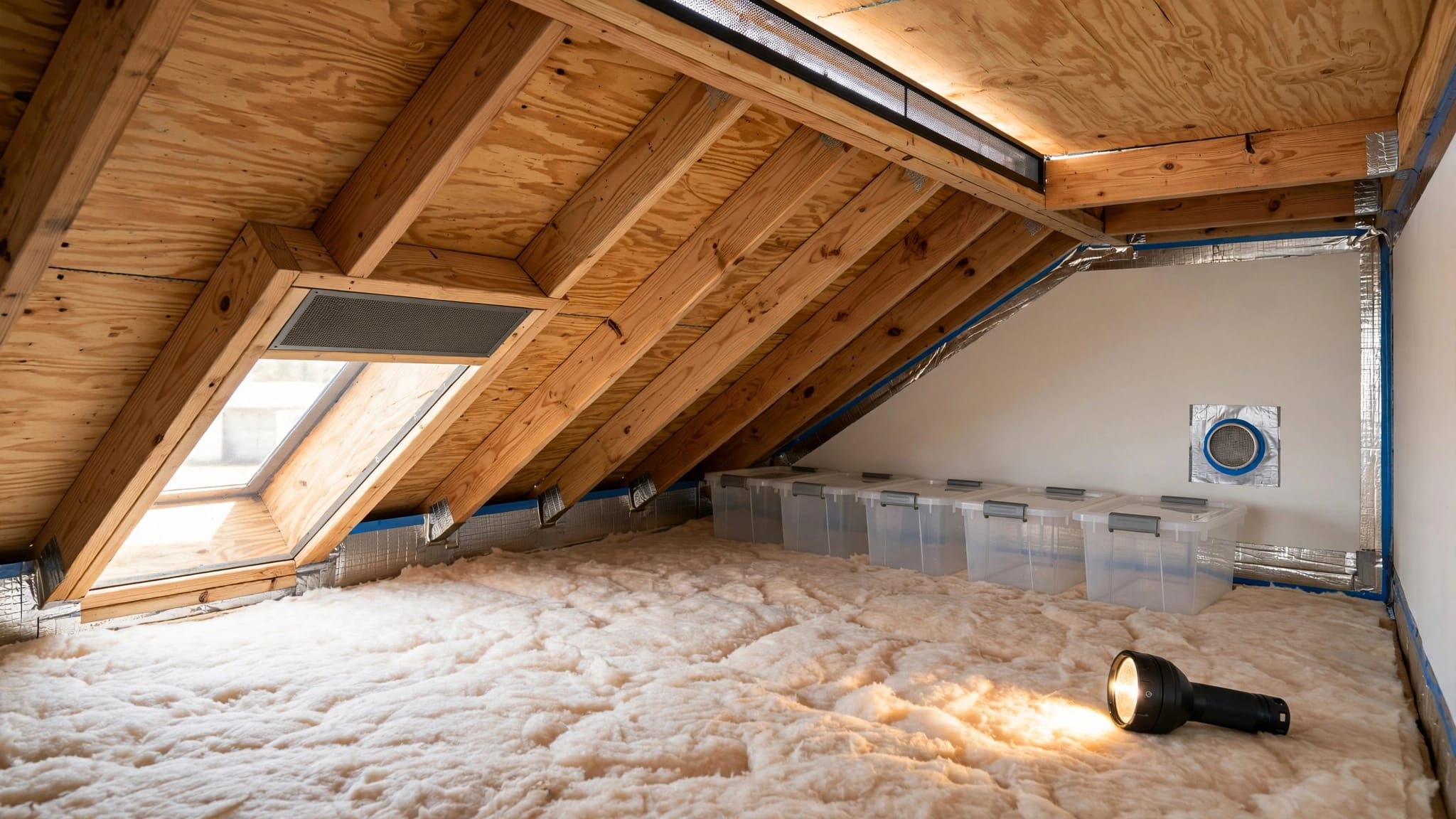
- Walk the cage perimeter at dusk with a flashlight and look for gaps and tears .
- Empty breeding grounds, and also look for wet soil that never dries.
- Rinse pollen and debris from screen panels so airflow stays strong.
- Move planters away from seating areas, especially those with damp saucers.
IPM Step 2: Targeted treatments around patios, pools, pets, and canals
Once the space is tighter and breezier, treatments work better and you can often use less.
Start by drying out “midge-friendly” spots
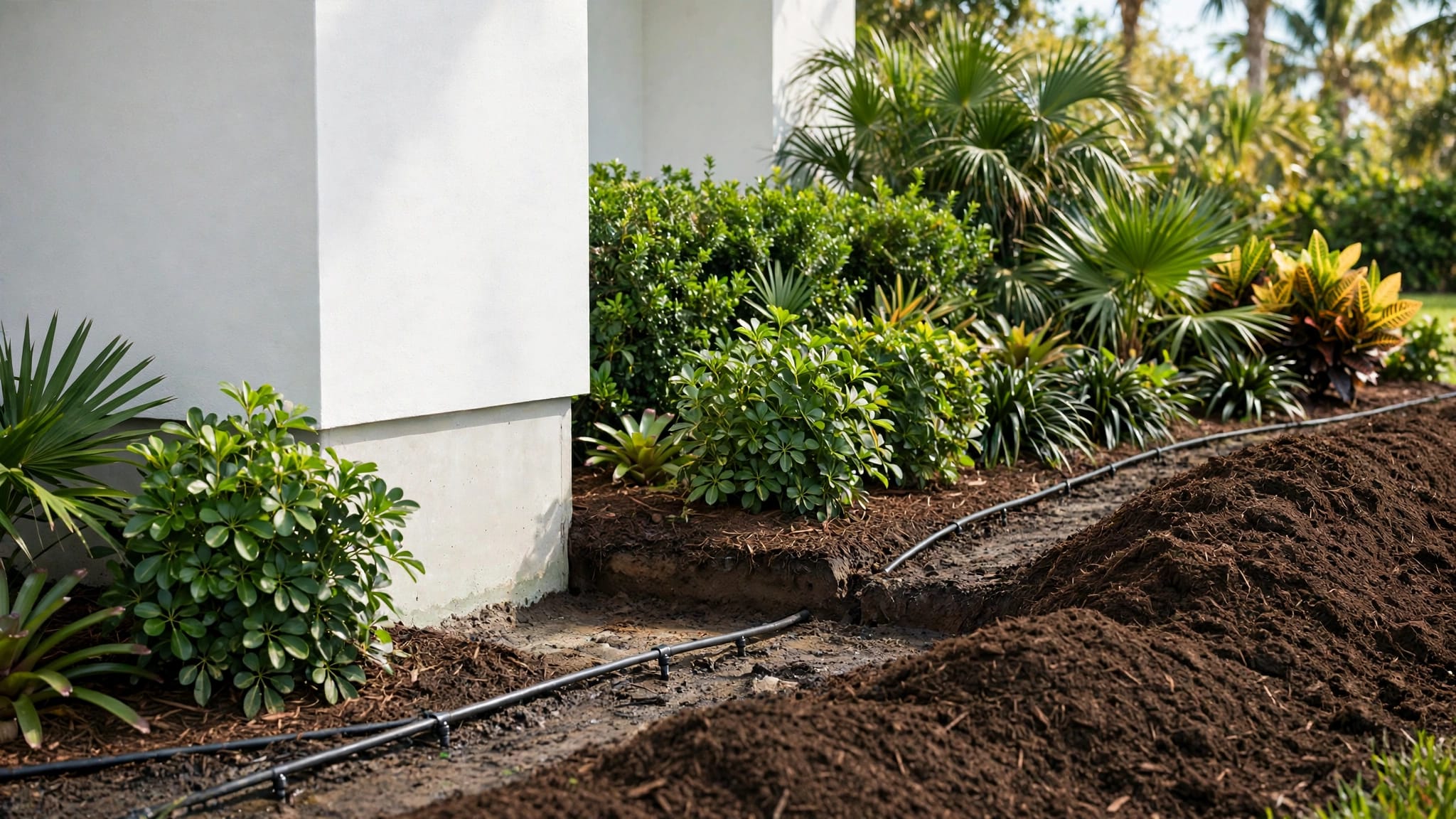
Because many no-see-ums develop in moist ground breeding grounds, moisture control matters:
- Reduce irrigation in shaded beds so soil dries between watering.
- Remove wet leaf litter, especially in corners near the lanai.
- Keep mulch from piling against walls, and avoid chronically soggy mulch.
- Trim dense shrubs near the cage so sun and air reach the soil.
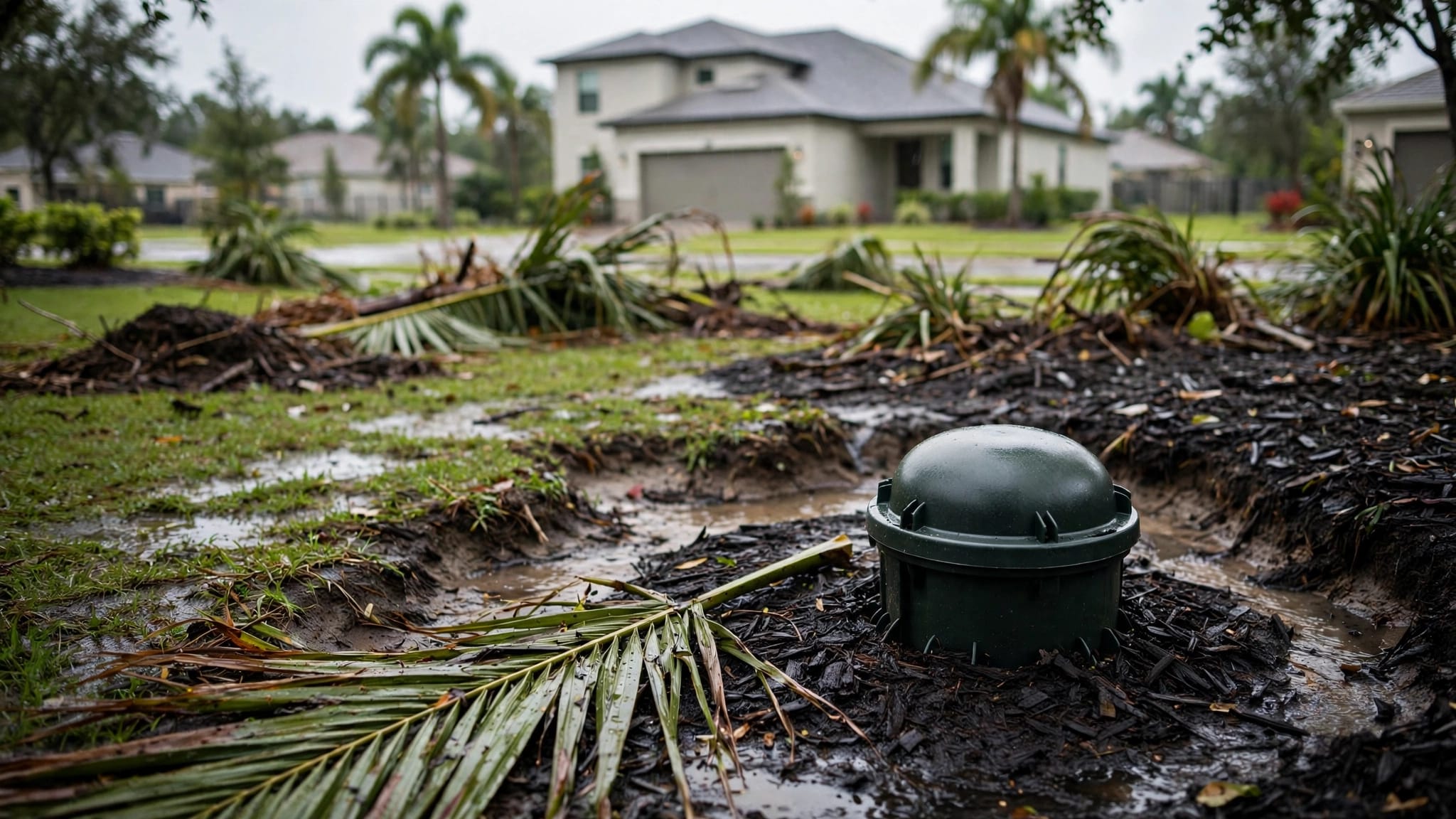
If your home backs up to a canal, aim to prevent runoff from your yard into the water. Don’t blow clippings into the canal, and don’t rinse pesticide residue toward drains.
Product categories that can help (without heavy brand chasing)
For Cape Coral homeowners, these categories are the most common in professional programs:
Residual barrier treatments (exterior only) : These are applied to resting areas where midges hang out, like shaded lower walls, the base of dense shrubs, and perimeter zones near lanai entry points. Results vary, but this is often the most practical “treatment” tool when paired with fans and screening.
Insect growth regulators (IGRs) : Used for certain pests to disrupt life cycles. They’re not a magic button for no-see-ums, but in an IPM program they may be used in combination approaches depending on the site and label.
Granular yard products : Sometimes used in mulched beds or turf areas, depending on the target and the label. These can reduce insect activity where pests rest, but they must be used carefully to avoid runoff.
Misting systems : These are an option for automated delivery, but they require careful placement to target midges without affecting pools or pets.
Personal repellents : For short windows (sunset dinner, quick swim), EPA-registered insect repellent containing DEET or Picaridin can reduce bites on exposed skin. Some residents use skin-so-soft. Pair it with protective clothing like long sleeves for evening activities, and keep hydrocortisone cream handy to soothe itchy bites. They don’t fix the yard, but they help you enjoy it.
Safety notes that matter around pools, kids, pets, and pollinators
- Read the label every time . The label is the law in Florida, and it tells you where you can apply, how much, and what to avoid.
- Keep treatments out of pool water and off pool toys. Cover or move items before any application.
- Keep kids and pets off treated areas until sprays have dried (or for the re-entry time listed on the product).
- Avoid spraying flowering plants where bees and other pollinators are active, and never spray open blooms.
- Do not apply products where they can wash into canals, storm drains, or seawalls .
If you’re seeing constant biting pressure, it’s usually time for a professional plan that combines inspection, exclusion advice, and careful exterior treatments. That’s exactly what ongoing Cape Coral residential pest control service are meant to support.
FAQ: No-see-ums around lanais in Cape Coral
Do bug zappers work for no-see-ums?
Not much. Zappers attract many harmless insects and often don’t target the biting midges causing the problem. Airflow and screening changes usually do more.
Will citronella candles stop no-see-um bites?
They can help a little in a very small area, but they’re unreliable in humid, calm conditions. A fan plus skin repellent is more consistent.
What’s the best screen mesh for no-see-ums?
Look for no-see-um screen (no-see-um mesh that's commonly a 20x20 screen or fine mesh). Just remember: the finer the mesh, the more it can reduce airflow, so plan on fans.
Are no-see-ums worse after rain?
Often, yes. Rain boosts humidity and keeps soil damp, which supports breeding and increases activity around shaded patios.
When should I call a pro?
If you’ve fixed obvious screen gaps, added airflow, and you still can’t use the lanai comfortably, get a structured inspection from a professional pest control service. Use this list of questions to ask Cape Coral exterminators to make sure the plan fits your property, especially if you’re near a canal.
No-see-ums may be tiny, but you don’t have to surrender your lanai to itchy bites at dawn and dusk. Start with exclusion and airflow , then use targeted, label-following treatments where they actually help. Wear protective clothing, apply insect repellent with DEET or Picaridin, and with the right setup, your patios and lanais can go back to being a place to relax, not a place to itch.
Schedule a Free Inspection: