Carpet beetles in Cape Coral homes, how to spot the larvae, find the source, and stop fabric damage
You pull out a favorite sweater and notice tiny, random holes. Or a wool rug looks “shaved” along the edge near a closet. In many Cape Coral houses, that kind of mystery damage points to one quiet culprit: carpet beetles Cape Coral homeowners often don’t notice until the larvae have already been feeding.
The good news is you can usually stop the damage without tearing your house apart. The key is learning what the larvae look like, tracking down what they’re feeding on, and cleaning with purpose so you’re not just chasing symptoms.
Carpet beetle larvae: the clues most homeowners miss
Adult carpet beetles are small, oval beetles that often show up near windows and light fixtures. Adults aren’t the main problem. The larvae are the fabric-eaters, and they prefer dark, calm spots where lint, pet hair, and natural fibers collect.
What Cape Coral homeowners usually find looks like “tiny fuzzy worms” in a closet corner, under a bed, or along baseboards. Here’s what to look for:
- Size and shape : most larvae are about 1/8 to 1/4 inch long, often carrot-shaped (wider at one end).
- Color and banding : brown to tan, often with light and dark bands across the body.
- Bristles/hairs : noticeable stiff hairs, sometimes with a little “tail” tuft at the back.
- Shed skins : you may see dry, papery, hollow skins that look like a larva “ghost.” That’s a strong sign the area is active.
- Where they hide : along carpet edges, under furniture, inside closet corners, in floor cracks, and around HVAC returns where dust gathers.
One more Cape Coral-specific detail: open doors to the lanai, older window screens, and garage-to-house traffic can increase the odds of adult beetles getting inside and laying eggs in just the right spot.
Larval hairs can also trigger itchy skin in some people. It can feel like bites, but it’s often irritation from those tiny bristles. If someone in the home has a new rash and you’re also seeing fabric damage, treat it as a real lead, not a coincidence.
| What you found | What it looks like | What it usually means |
|---|---|---|
| Carpet beetle larva | Brown, banded, bristly, slow-moving | Active feeding site nearby |
| Shed larval skin | Dry, hollow “shell,” same shape as larva | Larvae have been there a while |
| Lint clump | Soft, no banding, falls apart easily | Cleaning issue, not proof of pests |
| Clothes moth case (look-alike) | Smooth or lint-covered “tube,” not bristly | Different pest, different plan |
If you keep seeing adults at windows but can’t find larvae, don’t assume you’re in the clear. Adults near windows often means they emerged from somewhere inside.
What carpet beetle damage looks like on fabrics and furnishings
Carpet beetle damage rarely looks neat. It’s more like someone took a tiny nibble here and there. Larvae prefer animal-based materials because of keratin (a protein found in hair, wool, feathers, and fur). They’ll also feed on blends or plant fabrics if there’s skin oil, sweat, pet dander, or food stains.
Common Cape Coral household targets include:
Wool rugs, wool sweaters, and felt items often show irregular holes , thinning patches, or worn-looking edges. Silk and silk blends can look “scraped,” especially along folds. Down pillows, feather décor, and stored holiday pieces with natural trim can become a hidden buffet in a bin that hasn’t been opened since last season.
Upholstered furniture can be sneaky. Larvae may feed where you don’t sit, like the underside dust cover, the seam where cushions meet the frame, or along baseboards behind a couch.
Clues that help you separate carpet beetles from everyday wear:
- Holes plus shed skins in the same area points strongly to larvae.
- Damage in undisturbed storage (back of closets, bins, guest rooms) is classic carpet beetle behavior.
- Bare spots near rug edges (especially near walls and under heavy furniture) often match where larvae travel and hide.
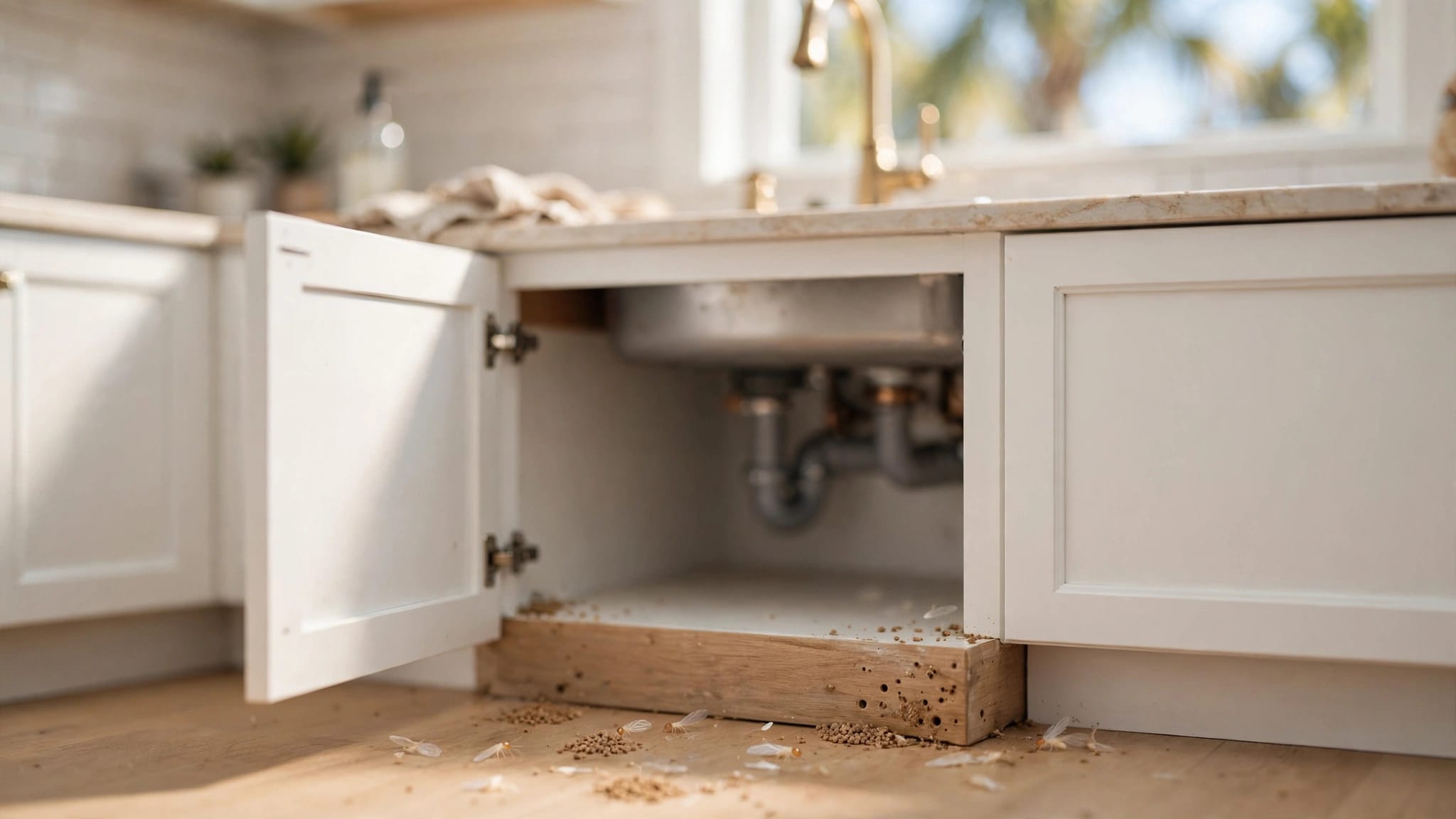
If you’re comparing problems, it helps to know termites are about wood, not fabric. If you’re also worried about structural pests in Southwest Florida, termite prevention in Cape Coral is worth reviewing, so you’re not mixing two very different issues.
Find the source: a Cape Coral home checklist that actually narrows it down
Carpet beetle control gets much easier when you stop thinking “whole house” and start thinking “one food source.” Your job is to locate the spot where lint, hair, and natural fibers collect and stay put.
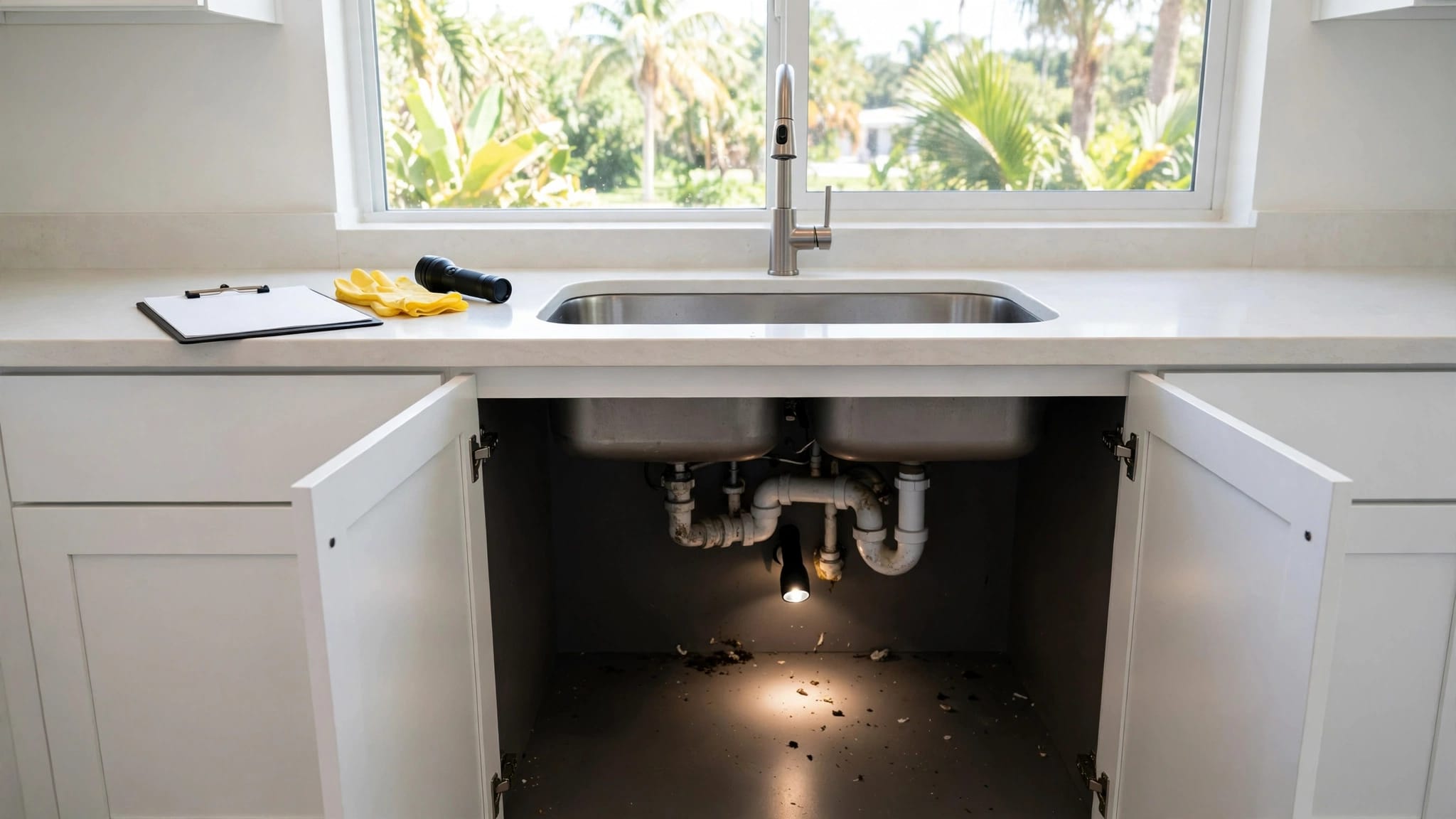
Start where the damage is worst, then work outward. Use a flashlight, and check edges and undersides, not the open floor.
- Closets and stored clothing : Pull everything off the floor. Inspect baseboards, corners, and the closet’s carpet edge. Check wool, cashmere, silk, leather, and anything with fur trim.
- Wool rugs and runners : Flip corners and check the underside, rug pad, and the floor where the rug meets the wall.
- Air vents and returns : Look for dust mats along the edges of returns, and check inside the closest accessible section. Larvae love airflow dust.
- Lint under appliances : Pull out the dryer (unplug first) and check the lint trail under and behind it. Also check under the washer, fridge, and oven if reachable.
- Upholstered furniture : Inspect under cushions, along seams, and under the couch or chair. Look for shed skins stuck to fabric.
- Stored holiday décor : Wreaths, garlands, stockings, and décor with feathers or wool felt can be ground zero inside a plastic tote.
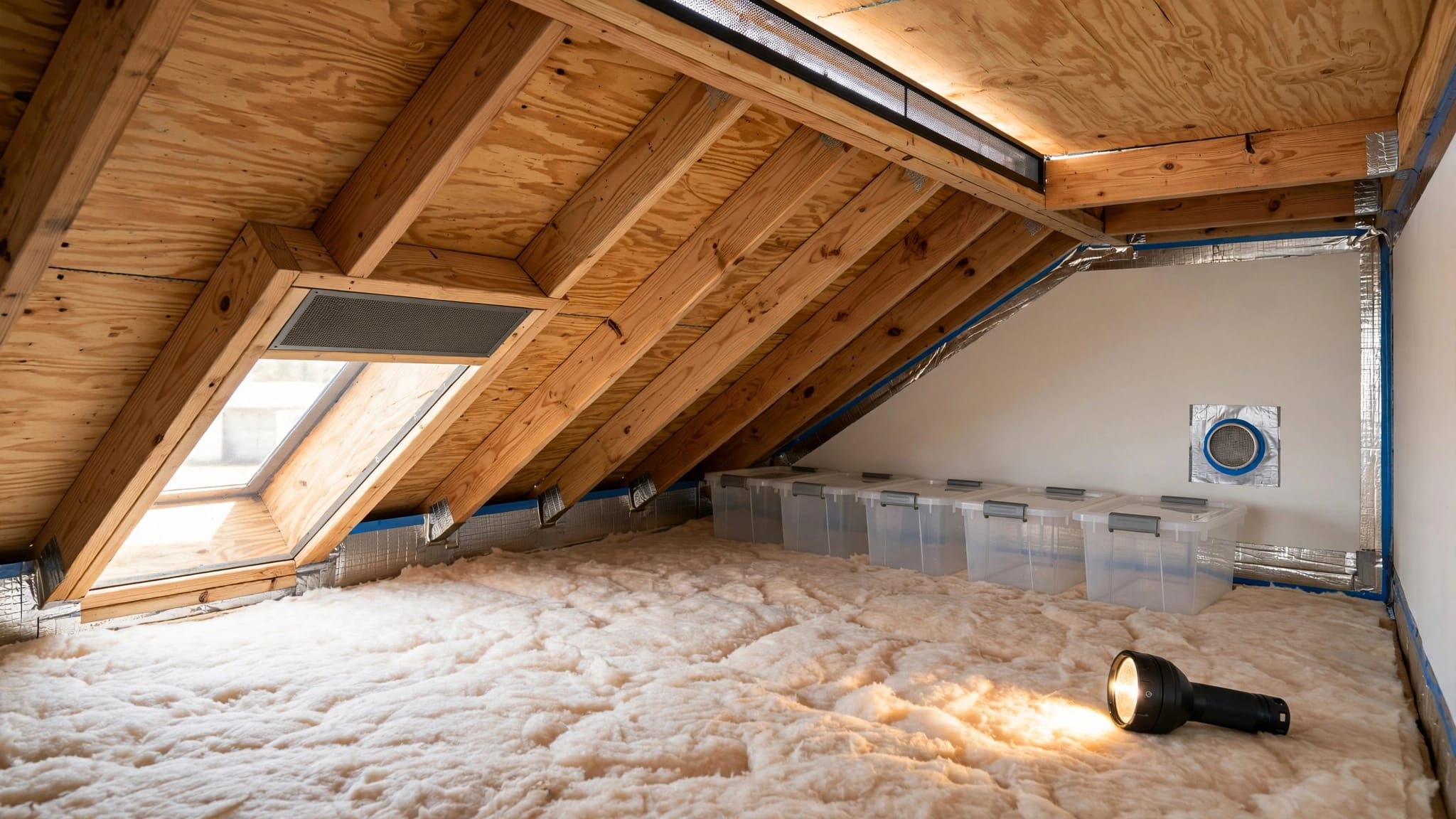
- Attic access areas : Check the ceiling hatch, the floor around it, and insulation edges for shed skins or dead insects.
- Bird nests and roofline activity : Nests in soffits, vents, or nearby trees can support carpet beetles. Adults can wander inside, then larvae settle where the dust is.
- Pet bedding and toy baskets : Hair and dander build up fast, especially in quiet corners.
If you find larvae in more than one room, don’t panic. It often means the same “ingredient mix” is present in multiple places (lint, pet hair, and stored natural fibers), not that your whole home is infested beyond help.
Stop fabric damage: safe cleaning, targeted treatment, and long-term prevention
Think of carpet beetle control like pulling weeds. If you only spray the leaves (adults), they come back. You have to remove what feeds the larvae.
Cleaning that works (and doesn’t spread them):
Vacuum first, and vacuum like you mean it. Use a crevice tool along baseboards, carpet edges, closet corners, under furniture, and around HVAC returns. Go slow, since larvae and hairs cling to fibers.
Dispose of vacuum contents right away. If you have a bagged vacuum, remove the bag, seal it in a separate trash bag, and take it outside. If it’s bagless, empty into a bag outdoors, wipe the canister, and wash filters if the manual allows.
For washable items, launder using the hottest settings the care label allows , then dry completely. Heat helps, but you don’t want to ruin delicate fabrics trying to “cook” a pest problem.
For delicate items you can’t wash:
- Freezing can work if your freezer is cold enough and the item is sealed tightly. Leave it frozen for several days, thaw, then repeat to improve results.
- Dry cleaning is often a safer choice for structured wool, silk, or specialty pieces.
Targeted treatment options (use labels, protect people and pets):
If you’re using products, focus on cracks and crevices, not open-room spraying. Look for a product labeled for carpet beetles and apply to baseboard gaps, closet corners, and other hiding spots after cleaning.
An insect growth regulator (IGR) can help because it interrupts the larval stage, which is the damaging stage. It’s not a magic spray, but it can reduce repeat cycles when paired with cleaning.
Diatomaceous earth can be useful in wall voids and gaps, but use caution. Apply a very light dust, avoid breathing it, and keep it away from kids and pets. It also doesn’t work well in damp spots, which matter in humid Florida homes.
Skip total-release foggers for this problem. Larvae hide in protected areas, and foggers often miss them while adding pesticide to surfaces you touch.
If the source points to an attic, a bird nest, or widespread activity across rooms, bring in a professional. A focused inspection saves time and helps avoid over-treating living spaces. For local help, residential pest control Cape Coral options can include inspection, targeted treatment, and a plan to prevent repeat activity. You can also review broader pest control services if you’re dealing with multiple pest issues at once.
Prevention is the boring part that pays off. Declutter closets, store wool and seasonal décor in airtight bins , keep screens in good shape, and vacuum edges and under furniture on a schedule. In Cape Coral, it also helps to reduce bird nesting near soffits and vents, since that can support the same materials larvae feed on.
Carpet beetles don’t destroy a home overnight, but they can quietly ruin the things you value. Spot the larvae, track the source, clean with intent, and use targeted treatment only where it counts. If you’re still seeing shed skins and new damage after a couple of weeks, professional inspection is the fastest way to stop the cycle and protect your fabrics for good.
Schedule a Free Inspection: