Scorpion Control in Cape Coral, Where They Hide, What Attracts Them, and How to Seal Your Home
Finding a scorpion in your Cape Coral home can feel random, like it “came out of nowhere.” Most of the time, it didn’t. It followed a predictable path: food, shelter, and easy entry points .
The good news is that scorpion control isn’t about blasting your house with chemicals. The most reliable plan is integrated pest management: block entry (exclusion), remove the things that support them (habitat reduction), then use targeted treatments only where they make sense.
Below is a practical, safety-first guide for scorpion control Cape Coral homeowners can actually use, starting today.
Why scorpions show up in Cape Coral homes (what attracts them)
Scorpions don’t come inside because your home is “dirty.” They come inside because Florida’s warmth keeps their prey active, and Cape Coral neighborhoods provide lots of hiding cover.
The biggest attractant is food . Scorpions mainly hunt other pests, especially roaches, crickets, and other insects. If your home has steady insect activity, scorpions have a reason to stick around. This is why scorpion issues often show up alongside roaches in garages, laundry rooms, and kitchens.
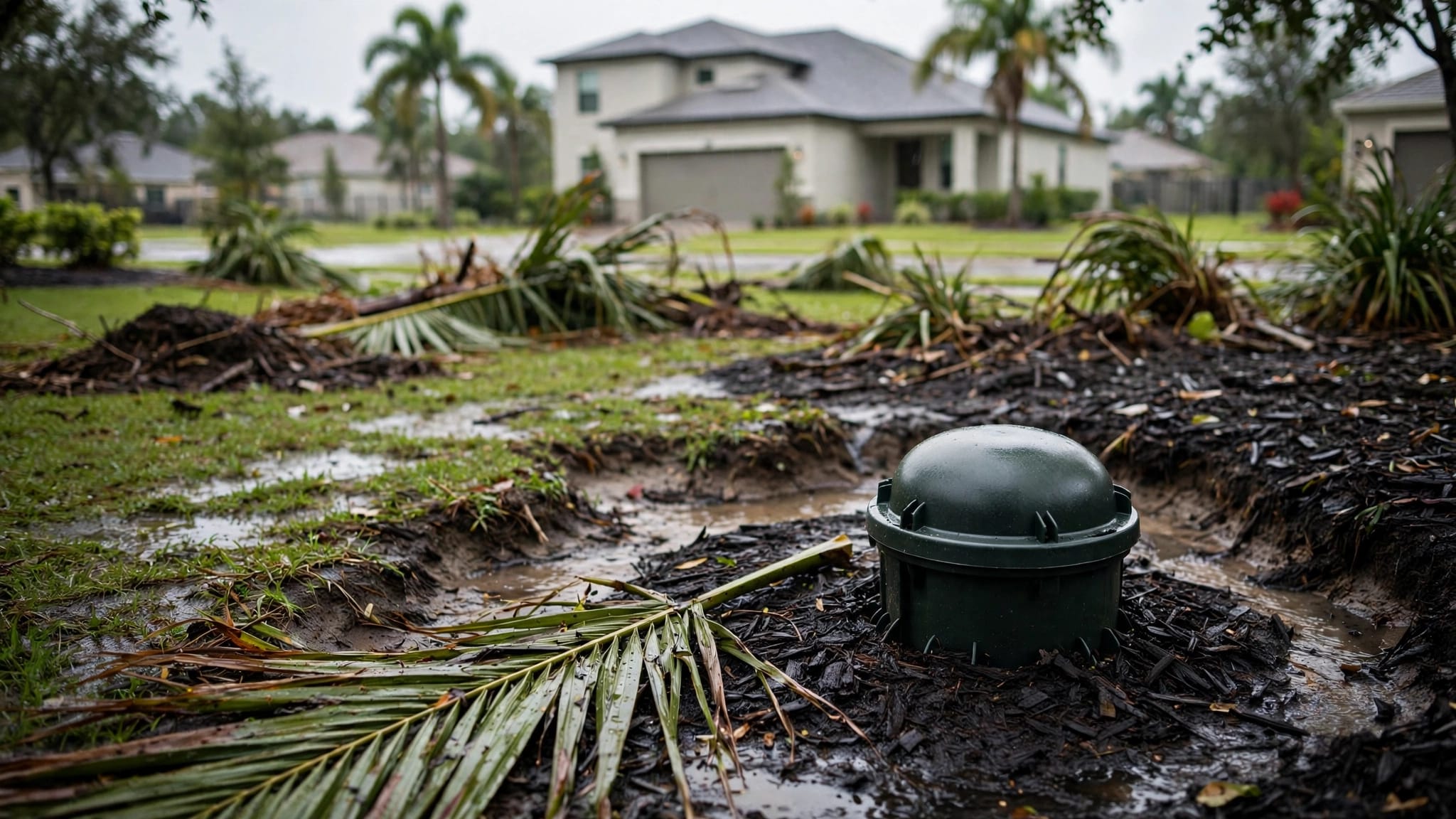
Next is shelter . Scorpions like tight, protected spaces that stay cooler and slightly humid. Outdoors, that can be mulch, leaf piles, palm fronds, stacked pavers, clutter along the side yard, or anything sitting on bare soil. In Cape Coral, seawalls, canal edges, and rock borders can also create perfect “crack and crevice” cover.
Lighting matters too. Bright exterior lights pull in flying insects at night. That builds a buffet near doors, garage corners, soffits, and lanais. If you’ve ever noticed more bugs around a porch light, you’ve seen the first step of the chain.
Water and moisture are a quieter driver. Scorpions don’t “love water,” but they do better where prey is common, and insects thrive around leaks, damp mulch, condensation near AC equipment, and over-watered landscaping .
A final factor is simple: access. Many Cape Coral homes have multiple entry opportunities, including garage door edges, attic and soffit gaps, plumbing penetrations, and small cracks around windows and block walls. A scorpion doesn’t need a big hole, it needs an unsealed one.
Where scorpions hide around Cape Coral properties (your inspection map)
Scorpions are typically active at night and hide during the day. Think of them like a coin sliding into a tight slot. If a space is dark, sheltered, and undisturbed, it’s worth checking.
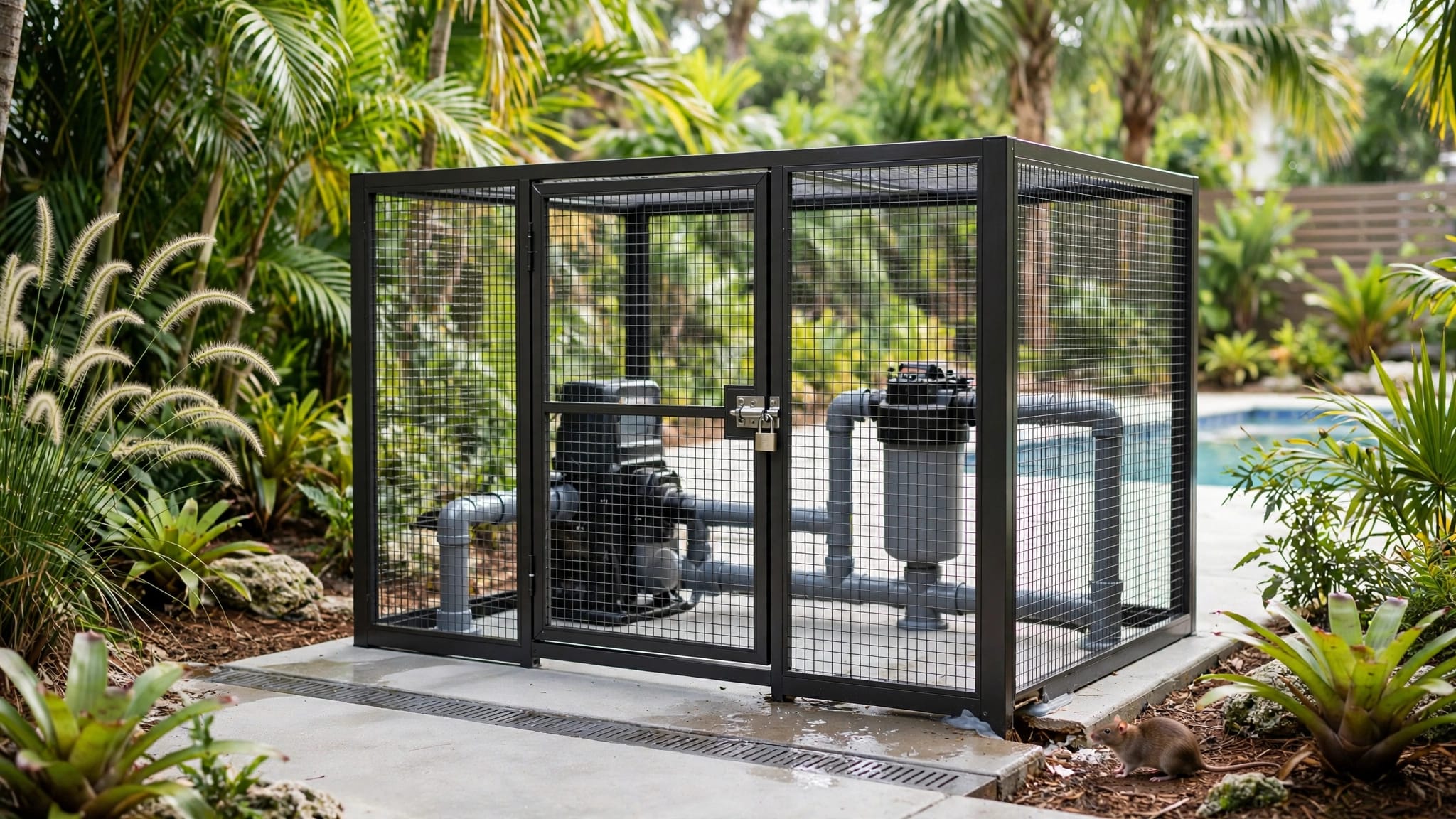
Outside, focus on ground-level cover near the home. Check under stored items, landscape timbers, loose edging, thick mulch, and any stacked materials. Walk the perimeter and look for spots where debris touches the wall, especially near the garage and lanai doors. Pool cages and screen enclosures can hide insects, which can indirectly support scorpions nearby.
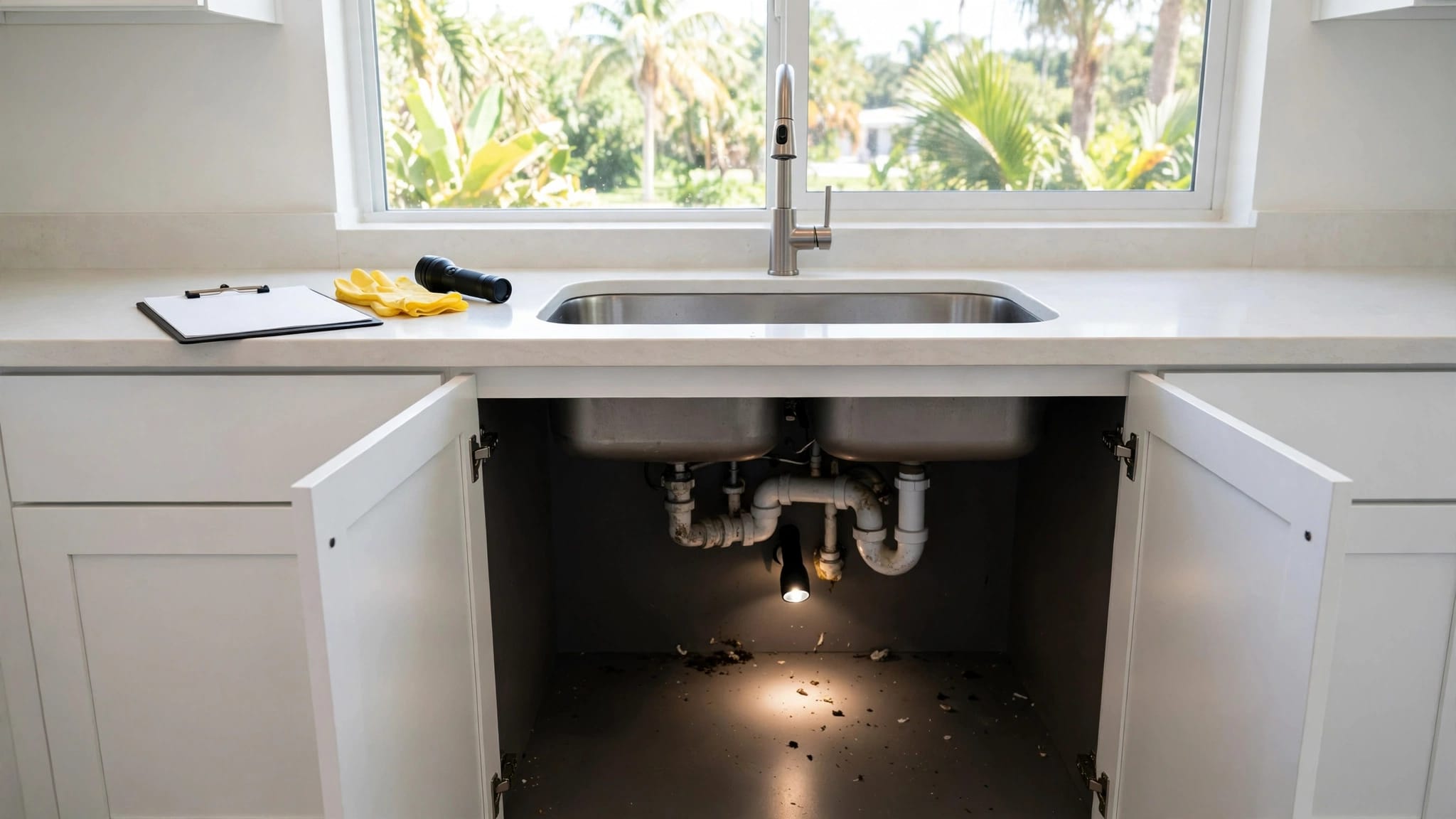
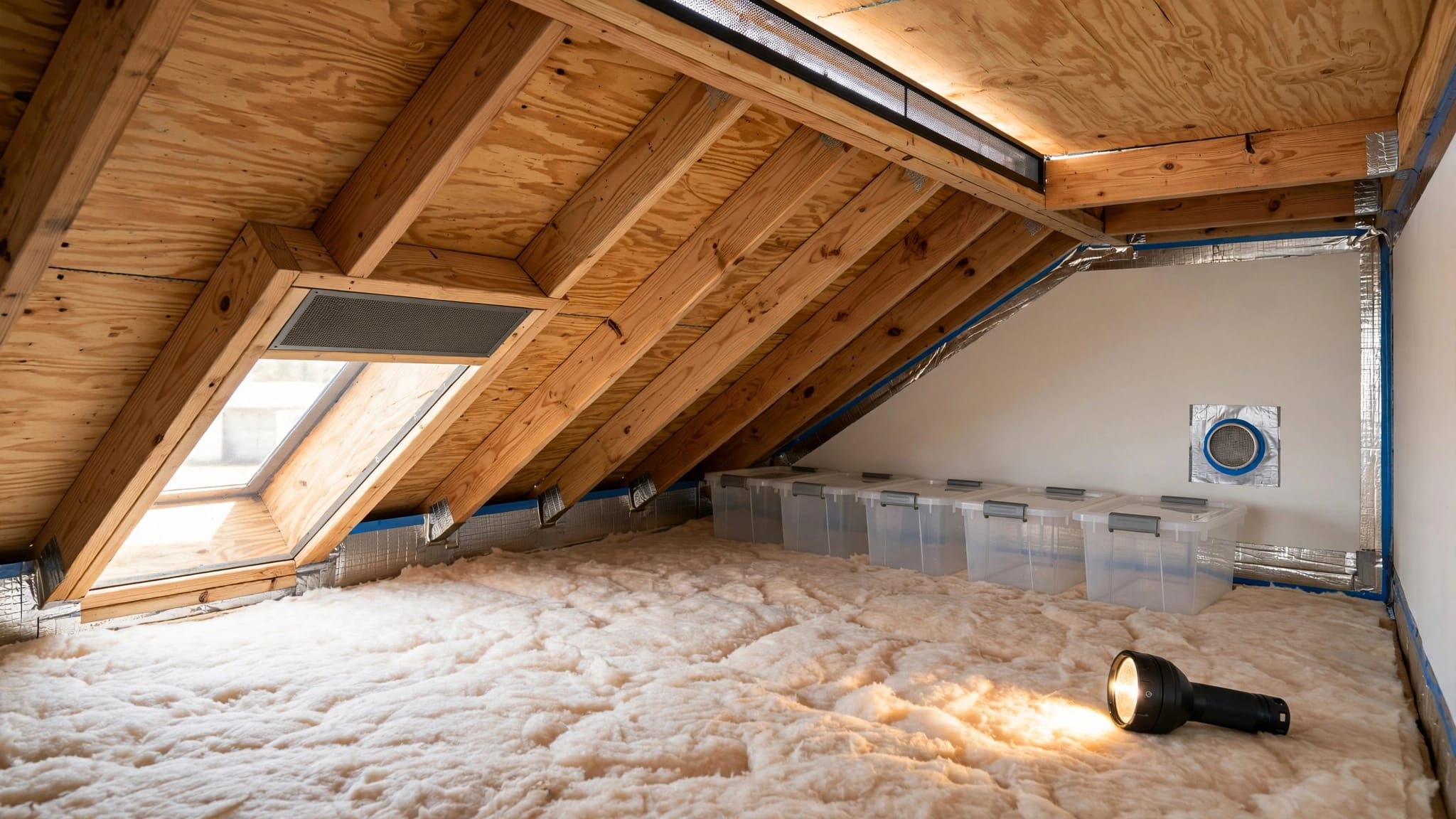
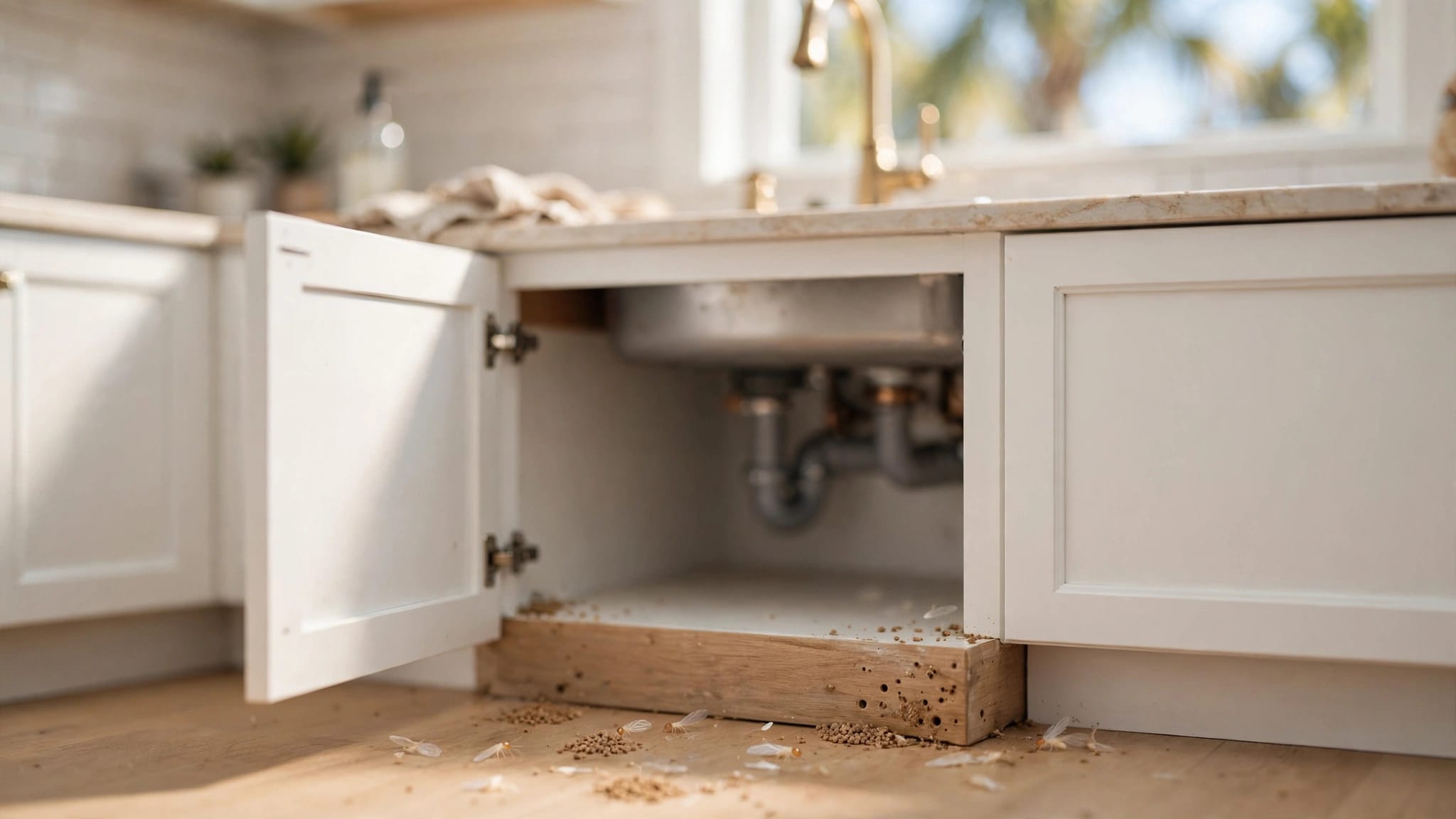
Inside, prioritize the “quiet zones” where people don’t look often: garages, laundry rooms, utility closets, and under-sink cabinets. Scorpions also show up near entry points that stay slightly open, like garage side doors, sliding door tracks, and worn weatherstripping. Attics can be a surprise hotspot if there are soffit gaps or unsealed penetrations for wiring and pipes.
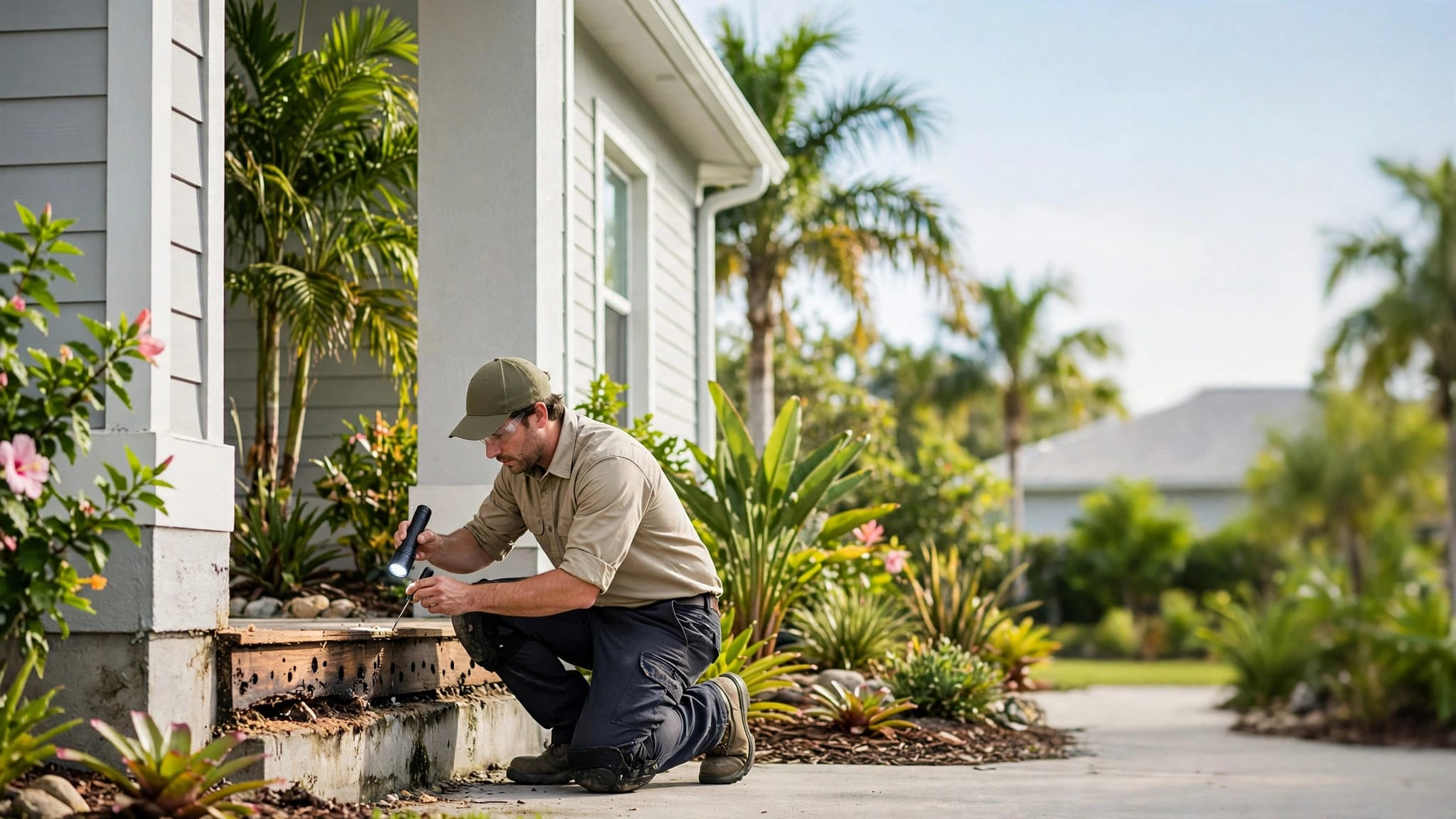
A simple inspection plan helps you stay organized:
| Area to check | What to look for | Why it matters |
|---|---|---|
| Garage corners and door edges | Gaps, daylight, clutter against walls | Garages combine entry gaps and prey insects |
| Under sinks and behind toilets | Pipe gaps, moisture, roach activity | Easy access through wall penetrations |
| Sliding doors and lanai thresholds | Worn seals, dirty tracks, gaps at corners | Tracks and thresholds are common entry lanes |
| Attic access and soffit lines | Openings around vents, wiring, returns | Small gaps can connect attic to wall voids |
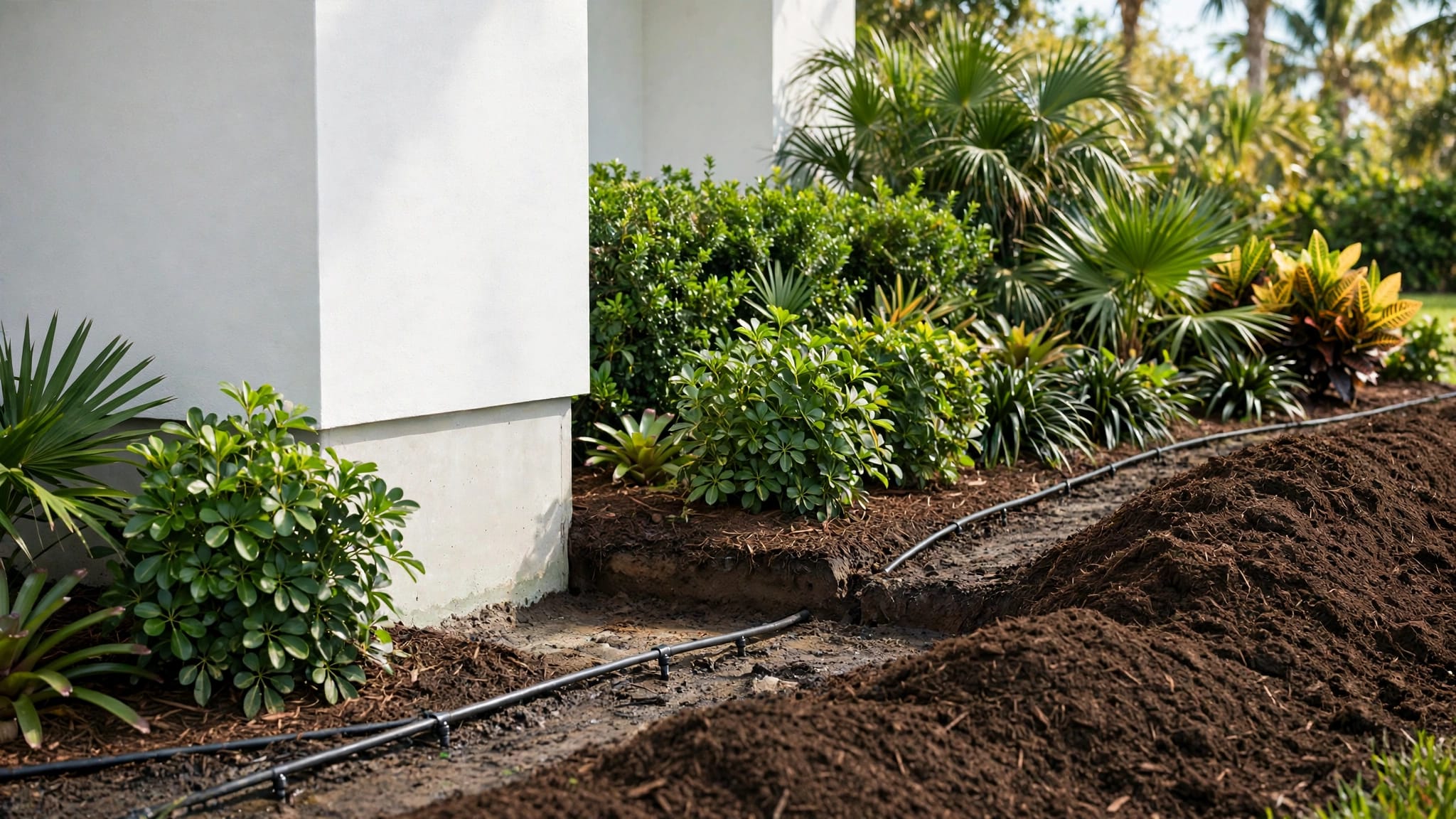
| Yard clutter and mulch line | Leaf piles, stacked pavers, thick mulch | Shelter close to the foundation raises risk |
If you’re trying to confirm what you saw, keep ID cautious. Don’t handle it. Snap a clear photo, note where it was found, and consider reaching out to your local UF/IFAS Extension resources or a licensed pest professional for confirmation.
How to seal your home for scorpion exclusion (materials, steps, and safe follow-up)
When homeowners ask what works best for scorpion control Cape Coral homes, the answer is usually boring, and that’s a compliment: seal the gaps and keep the exterior clean . Treatments help, but sealing changes the outcome long-term.
Sealing materials that actually help
Use materials that match the gap and the location:
- Silicone caulk (exterior, wet areas) : Great for windows, trim joints, and areas that see moisture.
- Polyurethane sealant (exterior, wider cracks) : Tough and flexible for masonry cracks and expansion joints.
- Paintable acrylic latex caulk (interior, dry areas) : Good for baseboards and small indoor cracks.
- Backer rod (foam rope) : Fills deep gaps before caulking so you don’t waste sealant.
- Weatherstripping : For doors that don’t seal tight, including garage side doors.
- Door sweeps : Blocks the gap at the bottom of exterior doors.
- Stainless steel or copper mesh : Packs into weep gaps and odd holes (then seal around it where appropriate).
- Screen repair mesh : Fixes small tears in window screens and pool cage panels.
Tip: Don’t seal drainage weep paths that are designed to shed water. If you’re unsure, get guidance before sealing.
A prioritized checklist (start here)
- Fix door bottoms first (door sweep, threshold, weatherstripping). This is a top entry point.
- Seal plumbing and cable penetrations under sinks, behind toilets, and at exterior hose bibs.
- Tighten the garage (side door seals, corners, and the line where slab meets wall).
- Seal window and trim gaps on the exterior, especially on windy sides of the home.
- Reduce outdoor hiding spots within 3 to 5 feet of the house (thin mulch, remove piles, store items on shelving).
- Cut back vegetation so branches and dense plants don’t press against the structure.
- Reduce insect draw at night by switching bright white bulbs to warm LEDs and turning off unnecessary lights.
Common mistakes that keep scorpions around
- Overusing pesticides indoors : Foggers and heavy sprays don’t solve entry gaps, and they raise exposure risk.
- Ignoring garage and attic gaps : Many infestations start with “unfinished” spaces.
- Leaving debris and ground clutter : Stacked materials create permanent shelter near the wall.
If you want professional help, it’s reasonable to ask for an inspection that focuses on exclusion, not just spraying. Here’s a helpful breakdown of what to expect from Cape Coral pest control services.
Kids, pets, and sting safety
For families, the safest approach is exclusion plus housekeeping, with targeted exterior treatments if needed. Keep toys, pet bowls, and bedding away from treatment zones, and follow the product label exactly if you use any over-the-counter options.
If a sting happens, seek medical advice . Wash the area with soap and water, apply a cool compress, and monitor symptoms. Call 911 right away for emergency signs like trouble breathing, severe swelling, vomiting, muscle twitching, weakness, or a worsening reaction, especially for young kids, older adults, and anyone with allergy history.
Conclusion
Scorpions are manageable when you treat the problem like a map, not a mystery. Cut off their food supply, clean up the shelter they like, and seal the entry points that turn “outside” into “inside.” Done well, exclusion is the part that keeps paying you back.
If you’ve sealed the basics and still see activity, a professional inspection can pinpoint the gaps you can’t see and recommend targeted treatment that fits your home and your family.
Schedule a Free Inspection: