What to Expect When Hiring an Exterminator in Cape Coral
What to Expect When Hiring an Exterminator in Cape Coral
Understanding Pest Issues in Cape Coral
Cape Coral, with its warm and humid climate, is a hotspot for pest activity. Residents often deal with common invaders like termites, ants, and roaches, which thrive in the area's tropical conditions. The consistent warmth and moisture create an ideal environment for pests to breed and spread, making infestations a frequent concern for homeowners. Unfortunately, these pests don't just cause nuisance—they can also damage property and pose health risks.
The local climate plays a significant role in exacerbating pest problems. For instance, the rainy season can lead to water pooling, attracting mosquitoes and other moisture-loving pests. Meanwhile, the heat encourages termite swarms and ant colonies to expand rapidly. Understanding these factors helps residents recognize why professional pest control is often necessary to manage and prevent infestations effectively.
When Is It Time to Hire a Professional Exterminator?
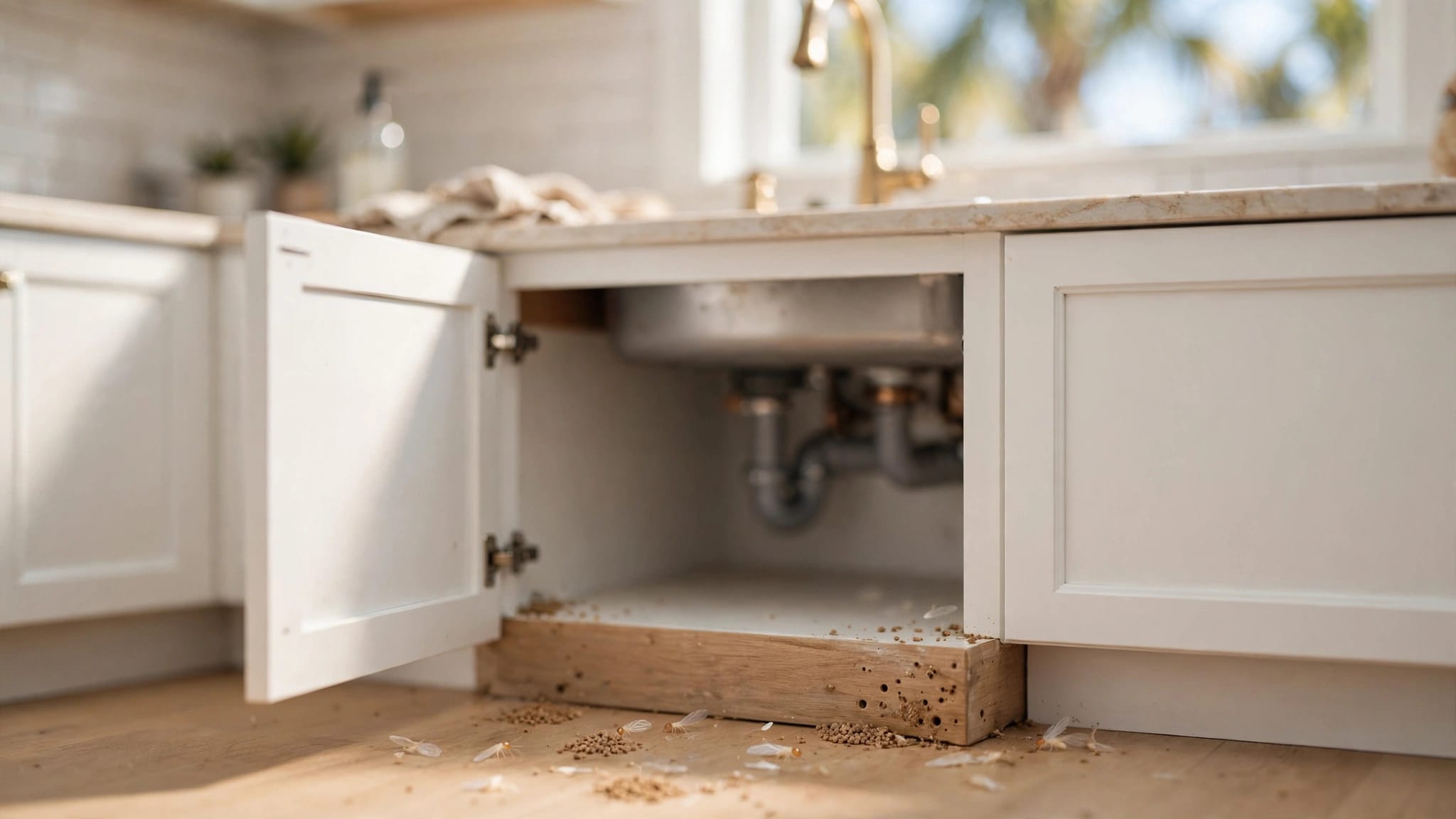
Knowing when to call in a professional exterminator can save homeowners time, money, and stress. Persistent infestations are one of the biggest red flags. If you've tried store-bought sprays or DIY remedies without success, it's time to bring in the experts. Additionally, visible signs of structural damage, such as hollow-sounding wood or sagging floors, indicate a serious pest problem that requires immediate attention.
Another sign that professional help is needed is when pests start affecting your quality of life. For example, if you're constantly battling roaches in your kitchen or waking up to bug bites, it’s clear the issue is out of hand. By addressing the problem early with a qualified exterminator, you can avoid further damage and restore peace to your home.
How to Choose a Reputable Exterminator
Selecting the right exterminator starts with verifying their credentials. Look for companies that are licensed and insured, as this ensures they meet industry standards and can handle any liabilities. Experience is another key factor—companies familiar with Cape Coral’s unique pest challenges will be better equipped to offer effective solutions tailored to your needs.
Customer reviews and local reputation also play a crucial role in choosing a reputable exterminator. Reading testimonials or asking neighbors for recommendations can provide valuable insights into a company’s professionalism and reliability. A trustworthy provider will be transparent about their methods, pricing, and guarantees, giving you confidence in their services.
The Extermination Process: What Happens During a Visit?
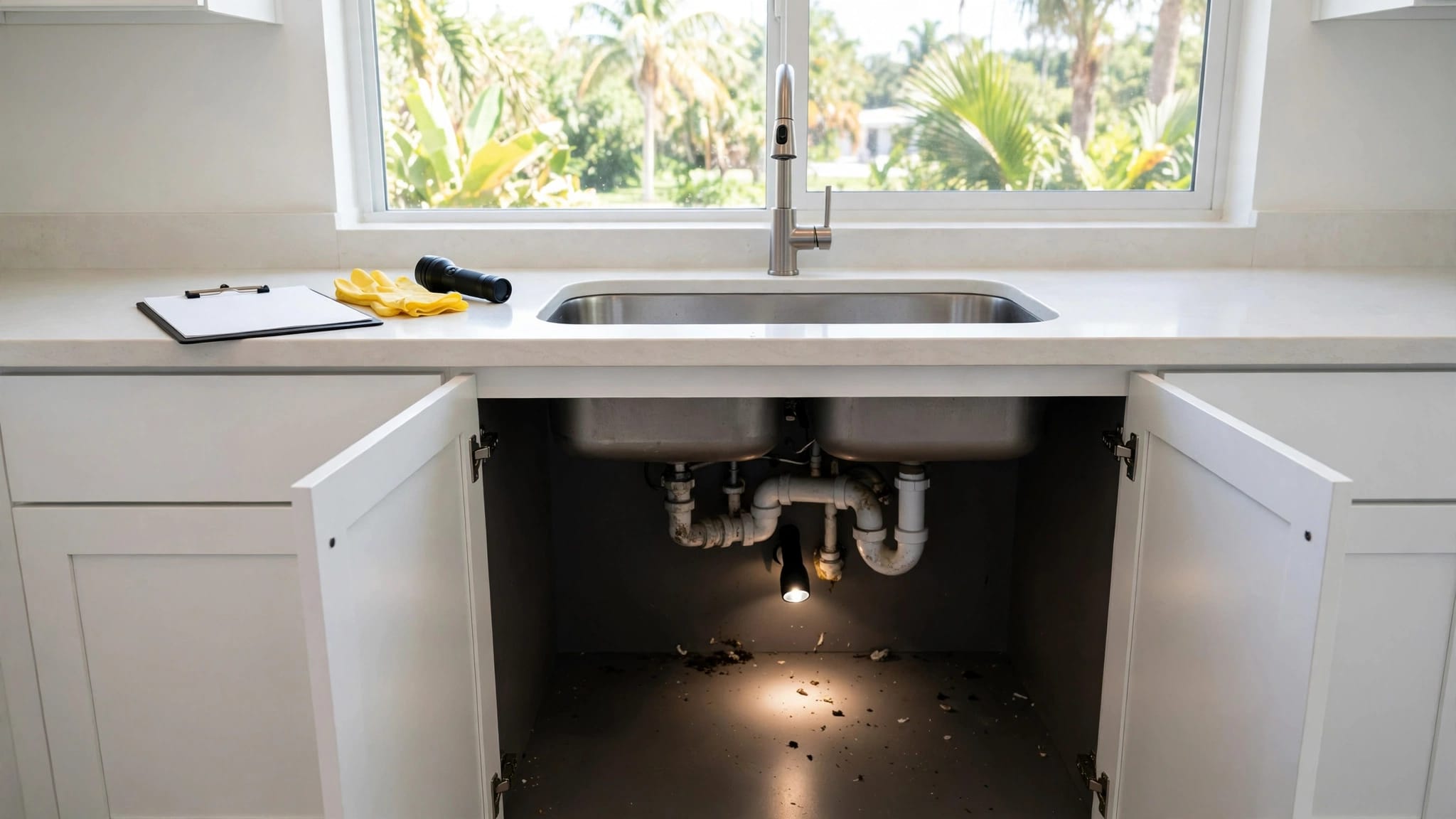
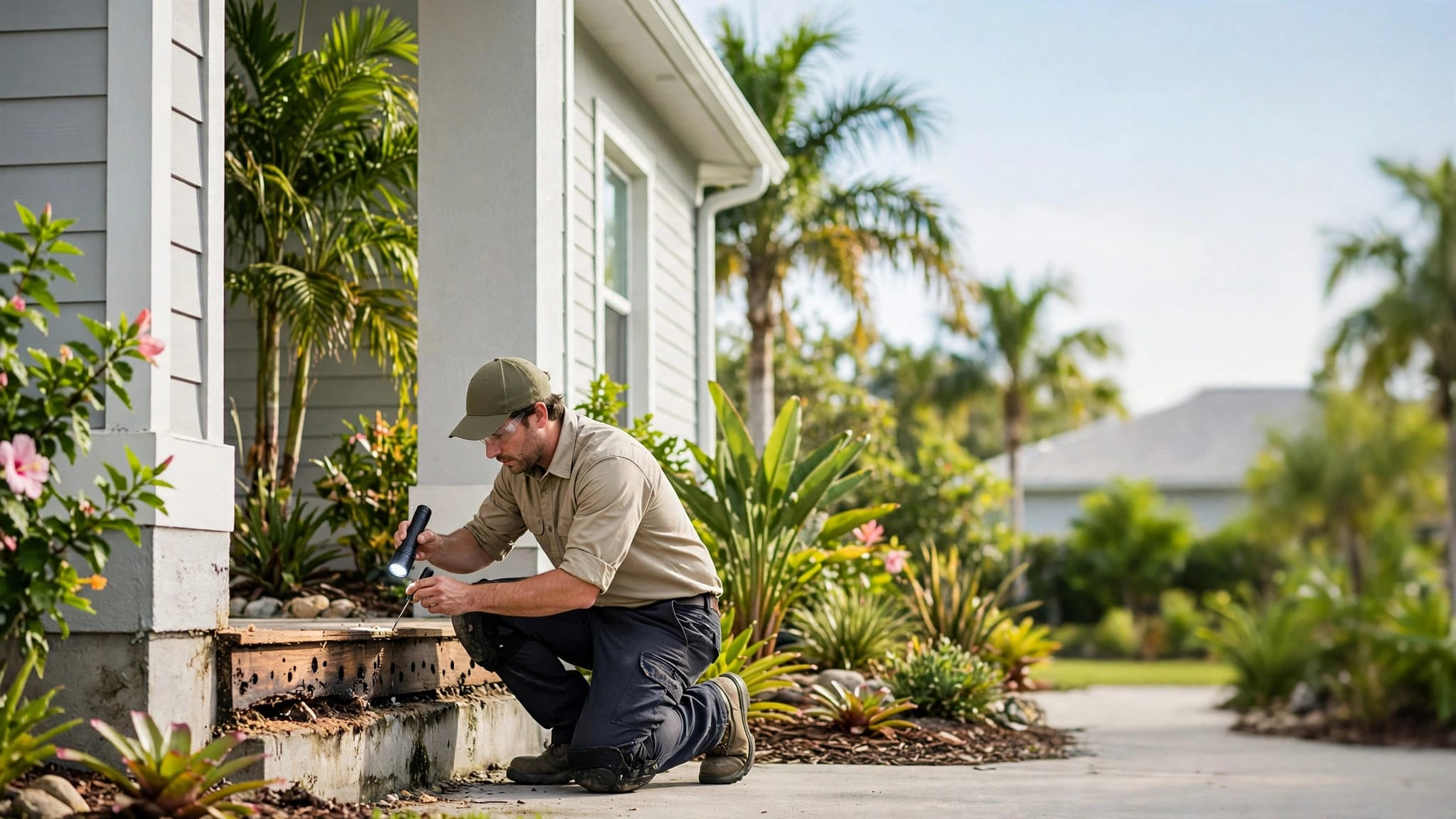
When an exterminator arrives at your home, the first step is usually a thorough inspection. This involves checking both the interior and exterior of your property to identify the type of pest and the extent of the infestation. The goal is to gather enough information to create a customized treatment plan that addresses your specific situation.
Once the inspection is complete, the exterminator will discuss their findings and outline the proposed treatment strategy. This may include targeted applications of pesticides, baiting systems, or other specialized techniques. Safety measures are always a priority, so expect the technician to take precautions to protect your family, pets, and belongings during the process.
After the treatment is applied, the exterminator will explain what to expect next. They might schedule follow-up visits to monitor progress or reapply treatments if necessary. Clear communication throughout the visit ensures you understand the steps being taken to eliminate the pest problem and how you can assist in maintaining a pest-free environment.
Pest Control Methods Used in Cape Coral
In Cape Coral, pest control professionals employ a variety of methods to tackle infestations. Chemical treatments remain one of the most common approaches, using EPA-approved products to target specific pests while minimizing environmental impact. However, many companies now offer organic options for homeowners seeking eco-friendly alternatives.
Integrated Pest Management (IPM) is another popular strategy in the area. This approach combines multiple tactics, such as habitat modification, physical barriers, and minimal chemical use, to achieve long-term results. IPM not only addresses current infestations but also focuses on preventing future issues by reducing conditions that attract pests.
What Should Homeowners Do to Prepare?
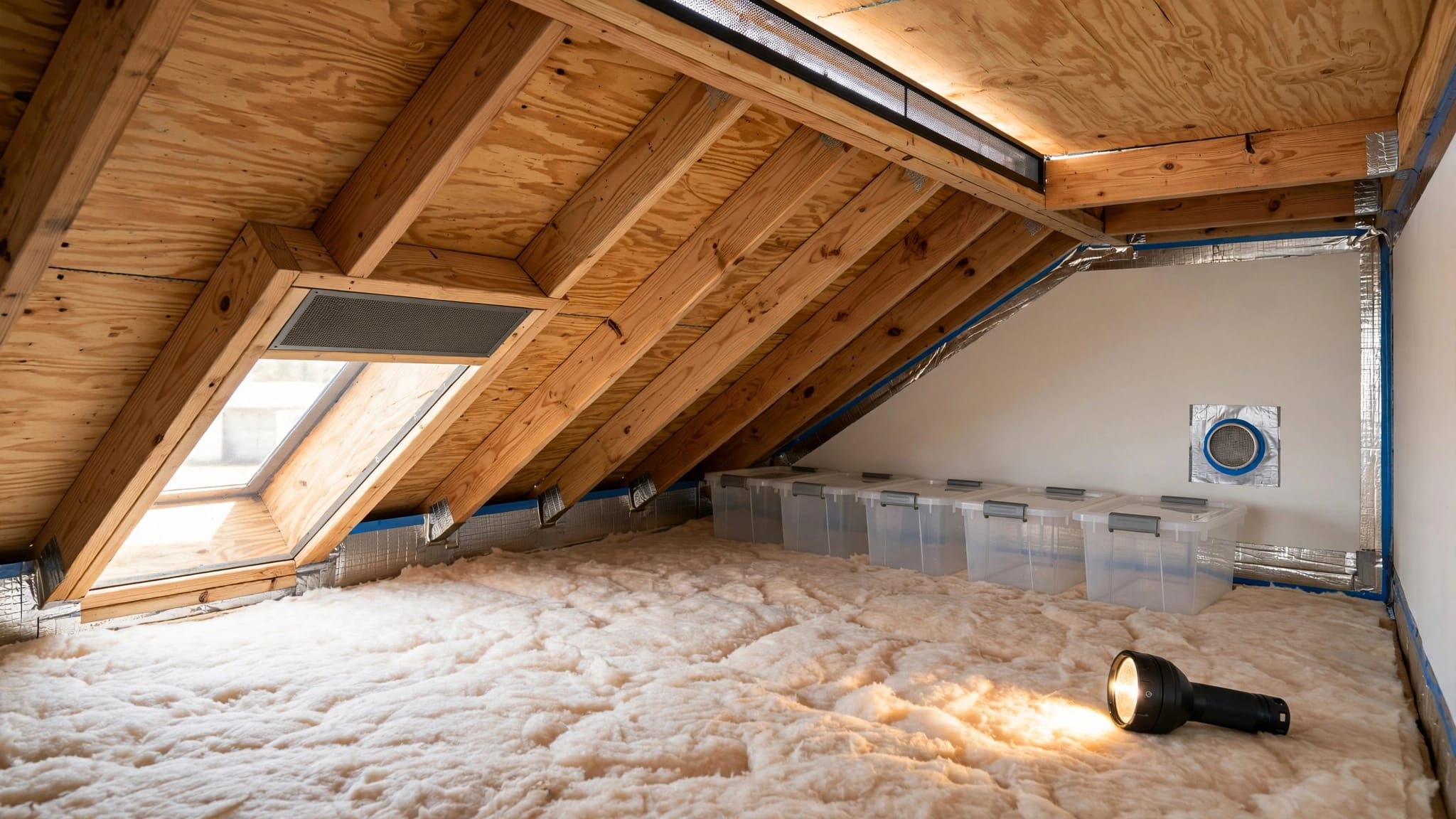
Preparing your home before an exterminator's visit can significantly enhance the effectiveness of the treatment. Start by decluttering areas where pests are likely to hide, such as basements, attics, and garages. Removing piles of paper, old boxes, and unused items eliminates potential nesting spots and makes it easier for the technician to access affected areas.
It’s also important to secure pets and keep children away from treated zones during and immediately after the service. Some treatments may require you to cover food items or remove indoor plants temporarily. Following the exterminator’s preparation guidelines ensures a smooth process and maximizes the chances of successfully eradicating the pests.
What Happens After Treatment?
After the treatment, homeowners should expect some follow-up activity from the exterminator. Many companies schedule return visits to assess the effectiveness of the initial application and make adjustments if needed. You’ll likely receive documentation detailing the work performed, including any warranties or guarantees offered for the service.
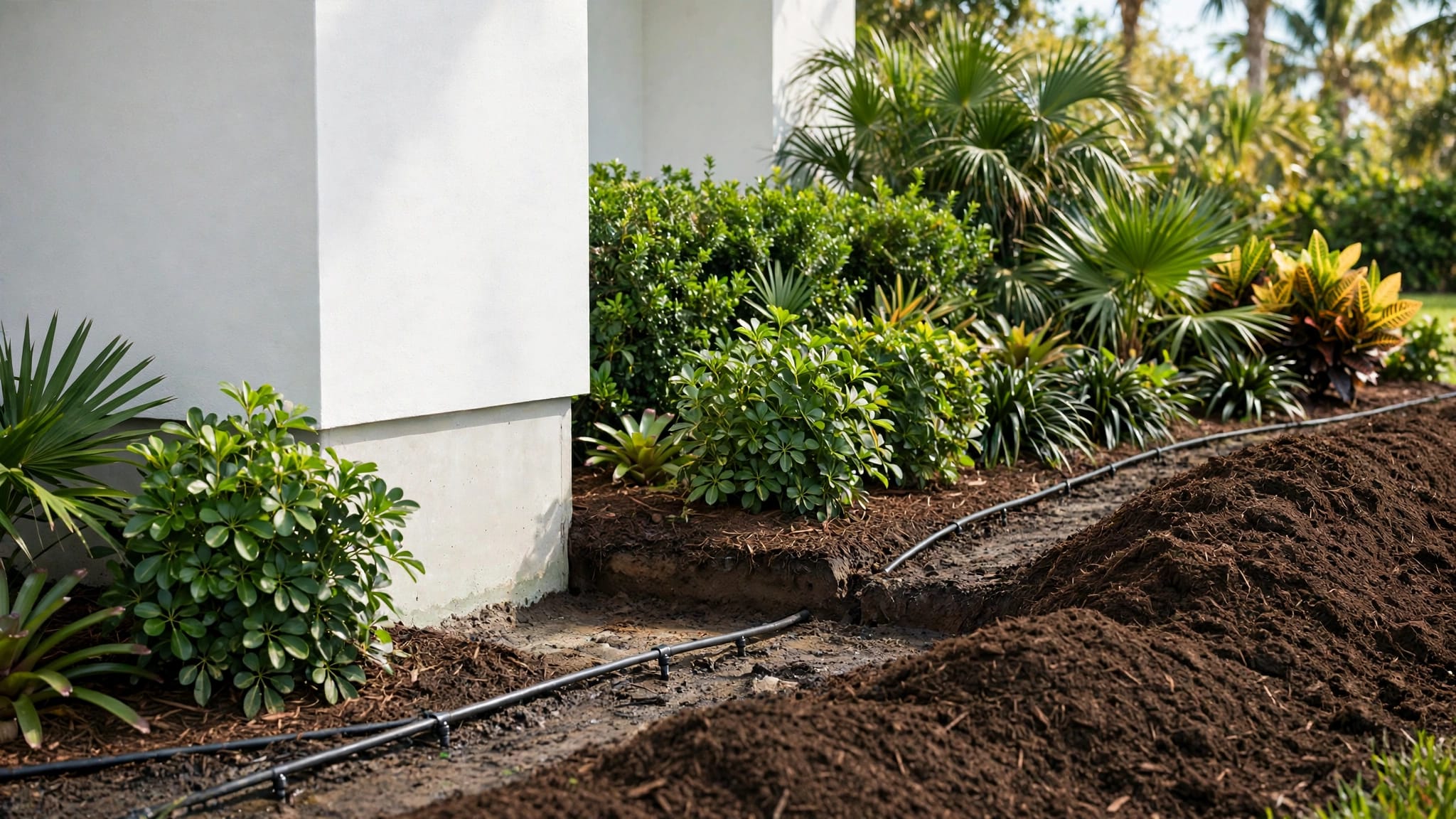
To maintain a pest-free home, it’s essential to follow the exterminator’s recommendations for ongoing prevention. This might include sealing cracks, trimming vegetation near the house, or scheduling regular maintenance visits. By staying proactive, you can reduce the likelihood of future infestations and protect your investment in professional pest control.
Pricing and Contracts: What to Expect
Pest control services in Cape Coral typically operate under different pricing models, depending on the scope of the job. One-time treatments are priced based on the severity of the infestation and the size of the property, while recurring services often come with discounted rates. Service contracts may include quarterly or monthly visits, providing continuous protection against pests.
Be sure to ask about what’s included in the quoted price and whether there are additional costs for things like emergency calls or specialized treatments. Transparency is key, so reputable companies will provide detailed estimates upfront. Understanding these financial aspects helps you budget effectively and avoid unexpected expenses down the line.
Dealing with Termite Problems in Cape Coral
Termites are a particularly destructive pest in Cape Coral, causing millions of dollars in property damage annually. Their ability to go undetected for long periods makes them especially dangerous. Early detection through professional inspections is critical to preventing extensive harm to your home’s structure.
Common termite treatment solutions include liquid barrier treatments, baiting systems, and fumigation. Each method has its advantages, depending on the type of termite and the level of infestation. Prompt intervention by a qualified exterminator can save homeowners from costly repairs and ensure long-lasting protection against these silent invaders.
Qualifications and Training of Exterminators
Becoming a certified exterminator requires rigorous training and adherence to state regulations. Technicians must complete coursework covering pest biology, safe chemical handling, and integrated pest management strategies. Licensing exams ensure they possess the knowledge and skills needed to perform their duties safely and effectively.
Ongoing education is also vital in this field, as new pest control technologies and regulations emerge regularly. Reputable companies invest in continuous training for their staff to stay ahead of industry trends. Hiring a qualified professional guarantees that your pest problem will be handled by someone who understands the complexities of modern pest management.
Safety Concerns for Families and Pets
Pest control companies prioritize safety by using products and methods designed to minimize risks to humans and animals. Technicians are trained to apply chemicals carefully, avoiding high-traffic areas and ensuring proper ventilation during treatments. They also advise homeowners on precautions to take before and after the service.
Homeowners should follow these guidelines closely, such as keeping pets confined during treatment and waiting until surfaces are dry before resuming normal activities. If you have concerns about specific products or procedures, don’t hesitate to ask your exterminator for clarification. Open communication ensures everyone feels comfortable and confident in the safety of the process.
How to Evaluate Results and Customer Satisfaction
To evaluate the effectiveness of pest control services, monitor your home for signs of recurring activity. Most reputable companies offer guarantees, allowing you to request follow-up treatments if pests return within a specified timeframe. Providing feedback to the company helps them improve their services and maintain high standards of customer satisfaction.
Frequently Asked Questions
How often should I schedule pest control services in Cape Coral?
In Cape Coral, scheduling pest control services every three months is generally recommended for optimal protection. However, homes with severe infestations or those located near wooded areas may benefit from more frequent visits. Your exterminator can tailor a plan to suit your property’s unique needs.
Are the chemicals used by exterminators safe for children and pets?
Modern pest control products are formulated to be safe when used according to label instructions. Exterminators take extra care to apply chemicals in low-risk areas and provide guidance on post-treatment precautions to further reduce exposure. Always consult your technician if you have specific concerns about product safety.
What should I do if the problem returns after treatment?
If pests reappear after treatment, contact your exterminator promptly. Most companies have policies in place for addressing recurring issues, including free re-treatments under warranty. Maintaining open communication ensures the problem is resolved quickly and effectively.
Do I need to leave my home during treatment?
For most routine treatments, leaving your home isn’t necessary unless otherwise instructed by your exterminator. However, certain intensive procedures, like fumigation, require temporary evacuation for safety reasons. Your technician will inform you of any special instructions beforehand.
Will a single treatment eliminate my pest problem?
A single treatment can resolve minor infestations, but severe or widespread problems often require multiple sessions. Factors like the type of pest, the size of the infestation, and environmental conditions influence the number of treatments needed. Discuss expectations with your exterminator to set realistic goals.
Conclusion
Hiring an exterminator in Cape Coral involves understanding the local pest landscape, preparing your home, and selecting a qualified professional. From identifying common pests to implementing effective treatment strategies, the process requires collaboration between homeowners and technicians. By following recommended guidelines and staying proactive, you can enjoy a pest-free living space year-round.
If you’re facing a pest issue, don’t wait until it worsens. Reach out to a reputable pest control company today for a comprehensive assessment and personalized solutions. Taking action now protects your home, your health, and your peace of mind. Contact a trusted exterminator in Cape Coral to get started on safeguarding your property.
Schedule a Free Inspection: