Florida Condo Pest Control for Shared Spaces
Florida condo pest control works best when daily cleaning, building repairs, and professional inspections work together. Shared spaces give pests several ways to move through a property, so treating one sighting without addressing its source can leave the problem unresolved.
For boards and property managers, the starting point is a consistent routine that covers the places residents use and the service areas they rarely see. Here's how to put one in place.
Pest pressures in Florida condominiums
Florida's warmth, humidity, and heavy rain can create conditions that attract insects and rodents around shared buildings. Food waste, standing water, and gaps around doors or pipes give pests places to feed, hide, or enter.
Cockroaches, ants, and termites
Cockroaches and ants may find food and moisture in community kitchens, trash rooms, and damp utility spaces. A trail near a sink or repeated sightings along a hallway baseboard deserve attention, even when the room looks clean.
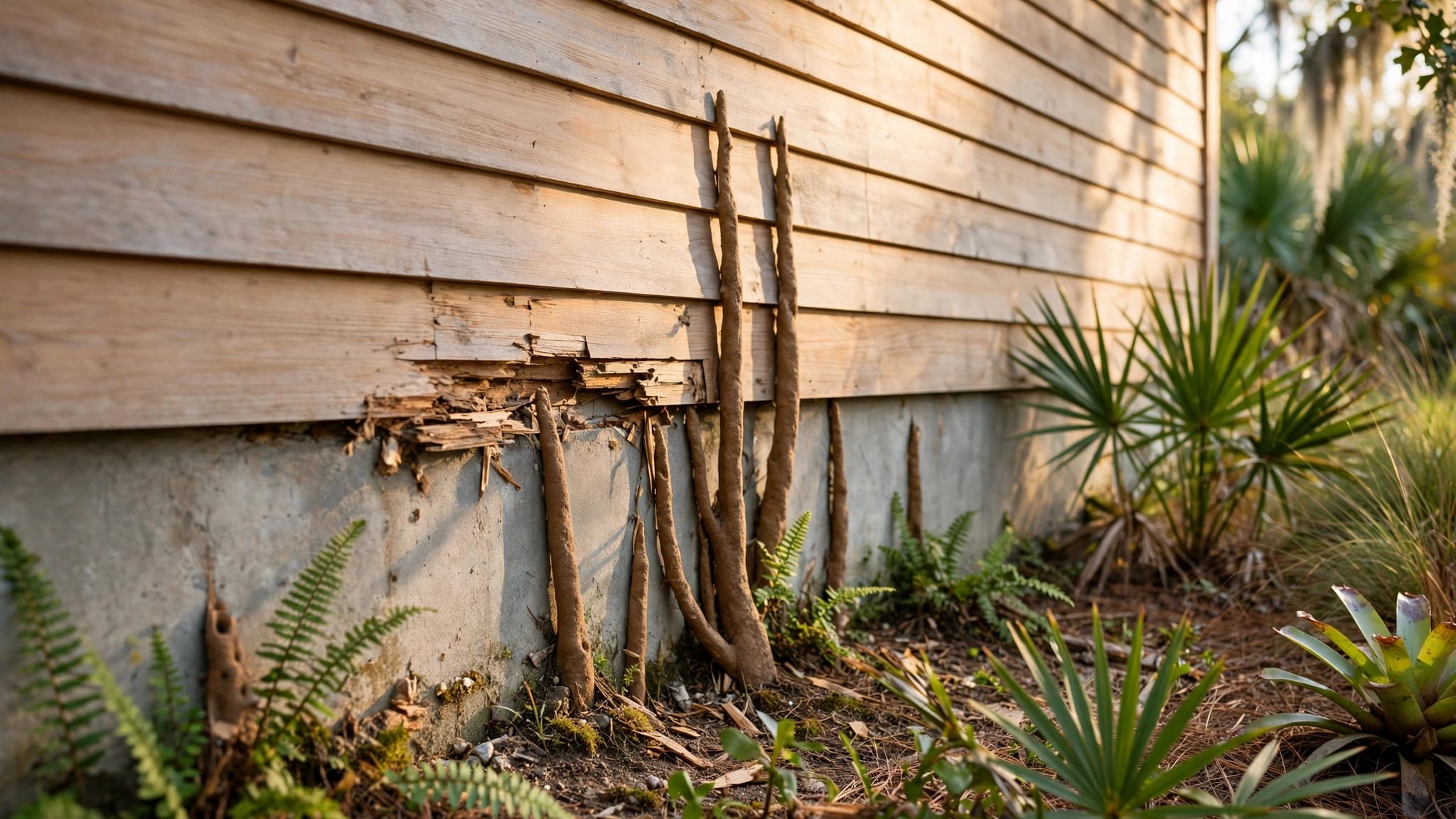
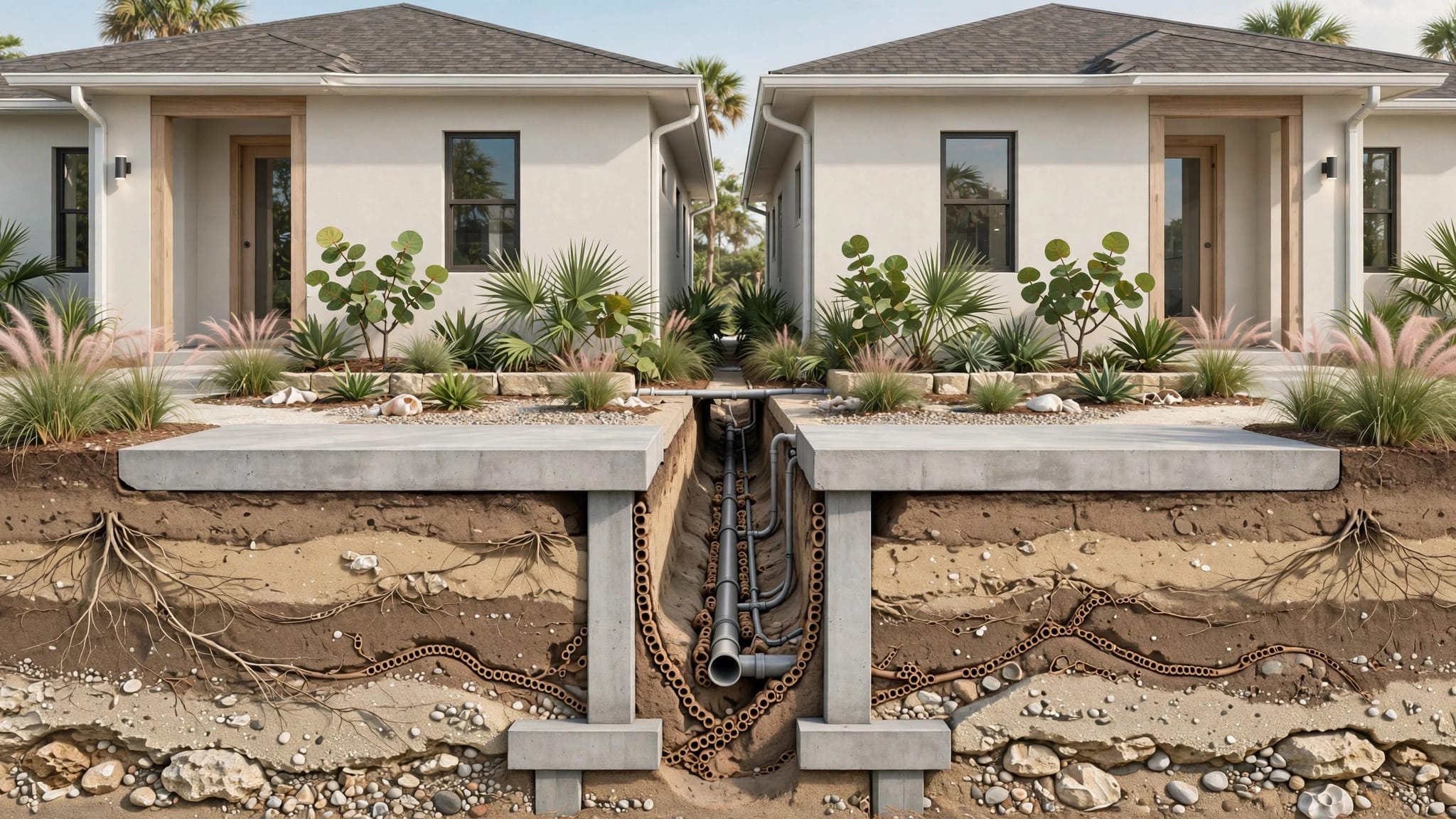
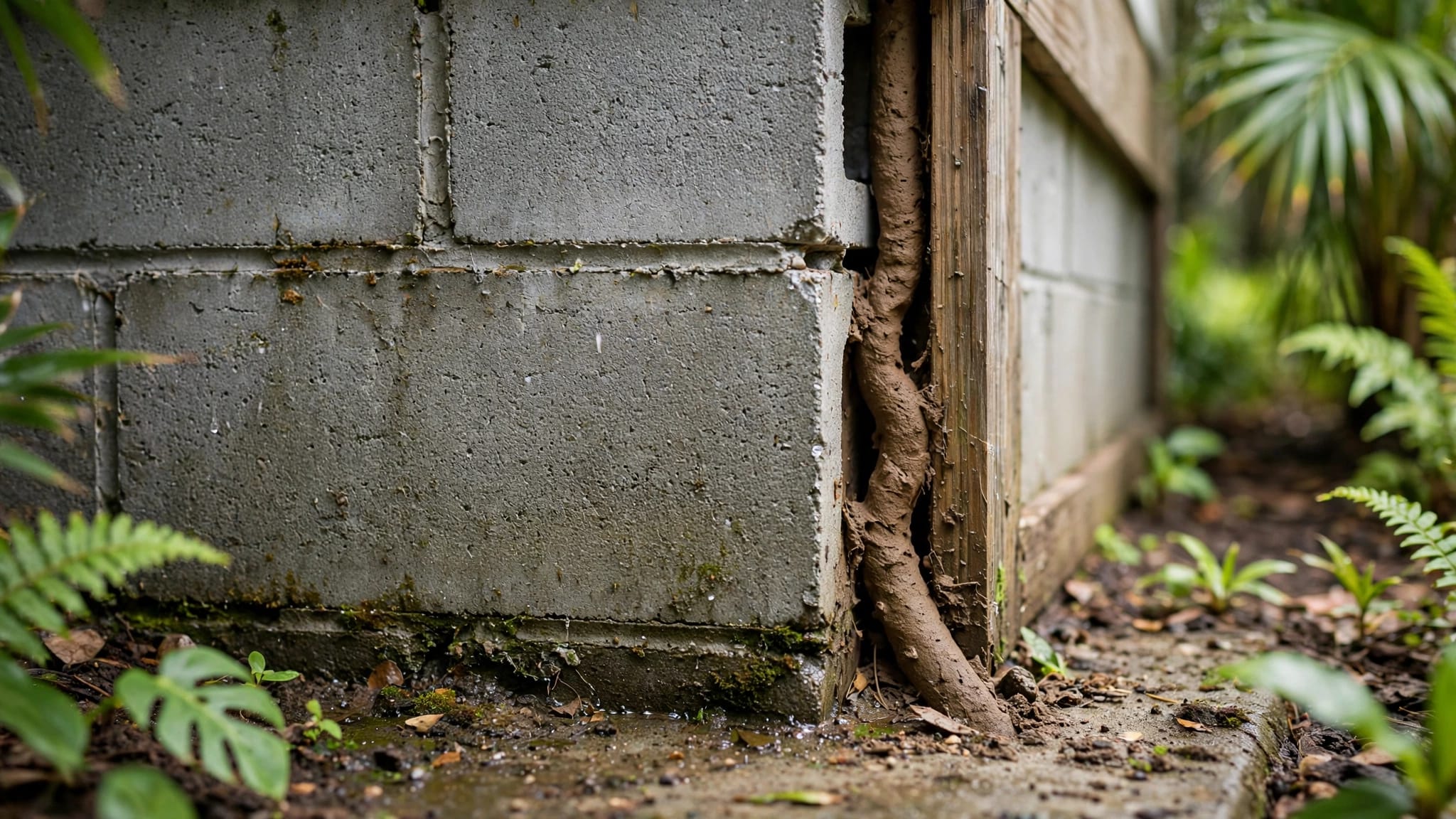
Termites call for a different response. Mud tubes, discarded wings, or damaged wood should prompt a professional inspection rather than a general insect treatment. Keep termite inspection and treatment records with the property's maintenance documents so the board can track what work took place.
Rodents and mosquitoes
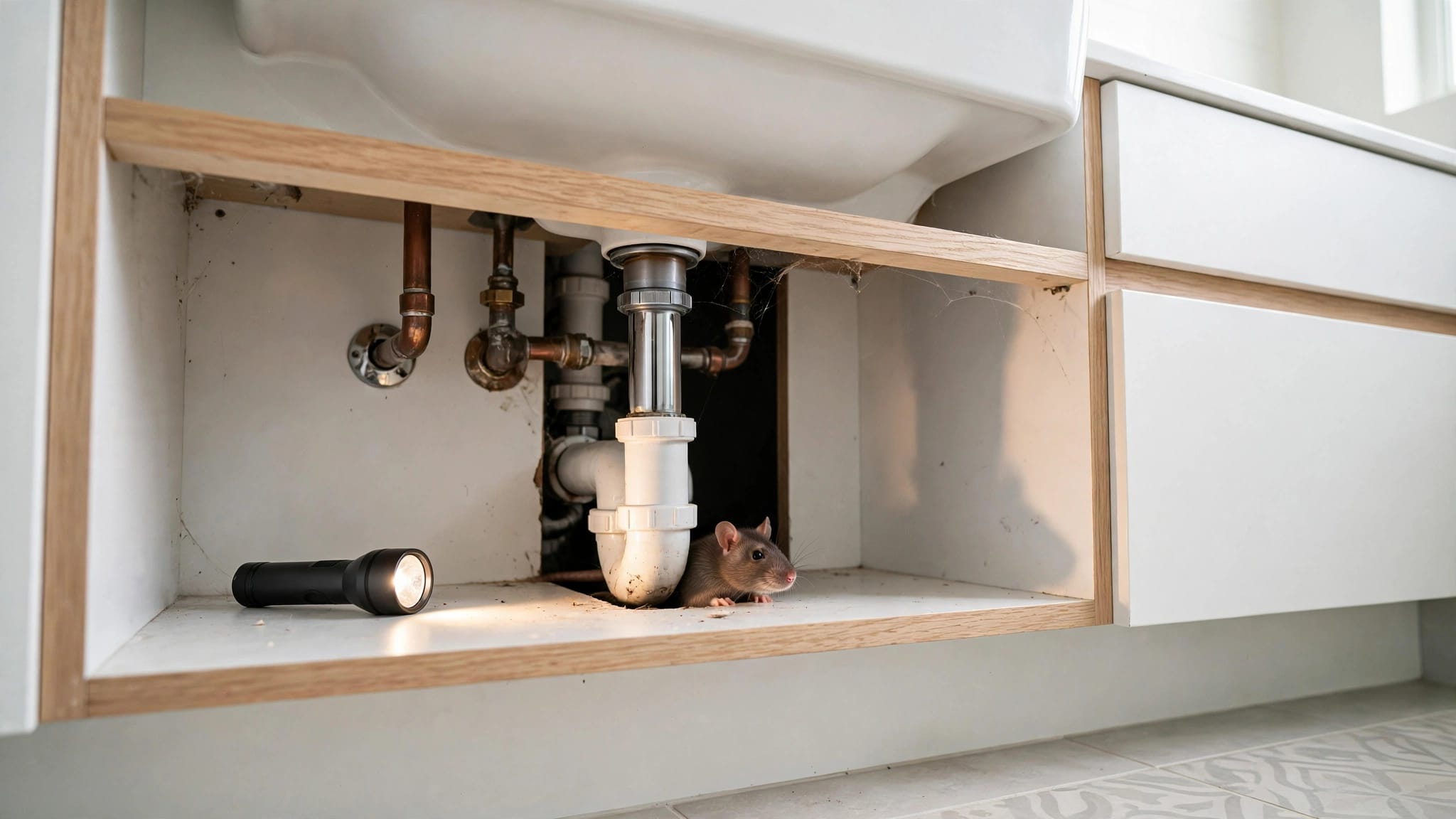
Rats and mice can use openings around garage doors, pipes, and utility lines to reach sheltered areas. Droppings, gnaw marks, or disturbed stored materials can indicate activity.
Mosquitoes need standing water to breed. After rain, small collections of water around planters, pool furniture, or covered equipment deserve attention alongside larger drainage problems.
A practical inspection routine for shared spaces
A useful inspection looks for the conditions that support pests as well as the pests themselves. Give staff a consistent route, a way to record findings, and a person responsible for assigning repairs.
Start with frequent visual checks
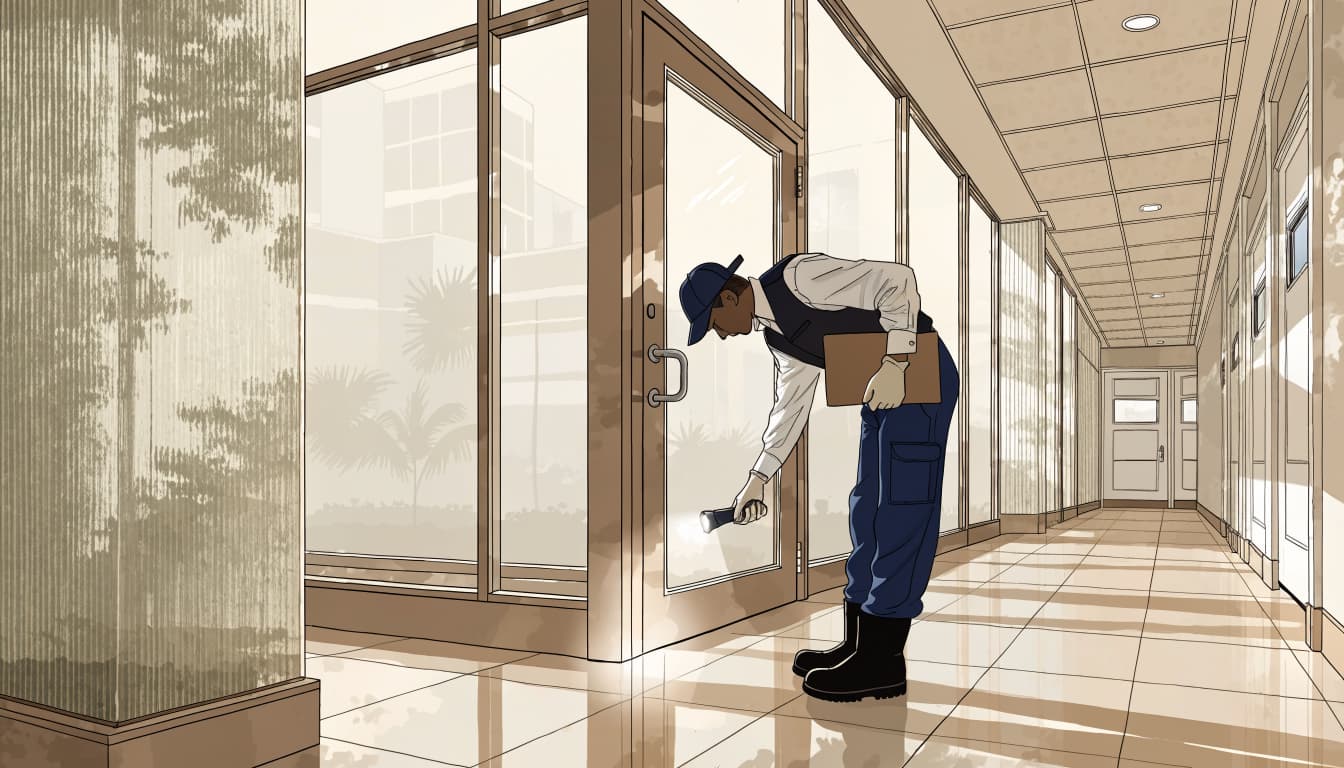
During daily cleaning, staff can look for spills, overflowing bins, leaks, and obvious pest activity. A more detailed weekly walk-through can cover door sweeps, storage areas, drains, landscaping edges, and other spots that are easy to miss.
After heavy rain, add a check for standing water, clogged drains, and new leaks. Keep the route consistent so staff can spot changes instead of relying on memory.
Document the location and evidence
Record the date, exact location, and what was seen. A photo of an ant trail or damaged door sweep can help the manager and pest control provider understand the issue before a visit.
Note whether the problem appears near a food source, plumbing line, or exterior opening. Our property manager pest inspection checklist offers additional areas to include on a walk-through.
Keep trash rooms clean and closed
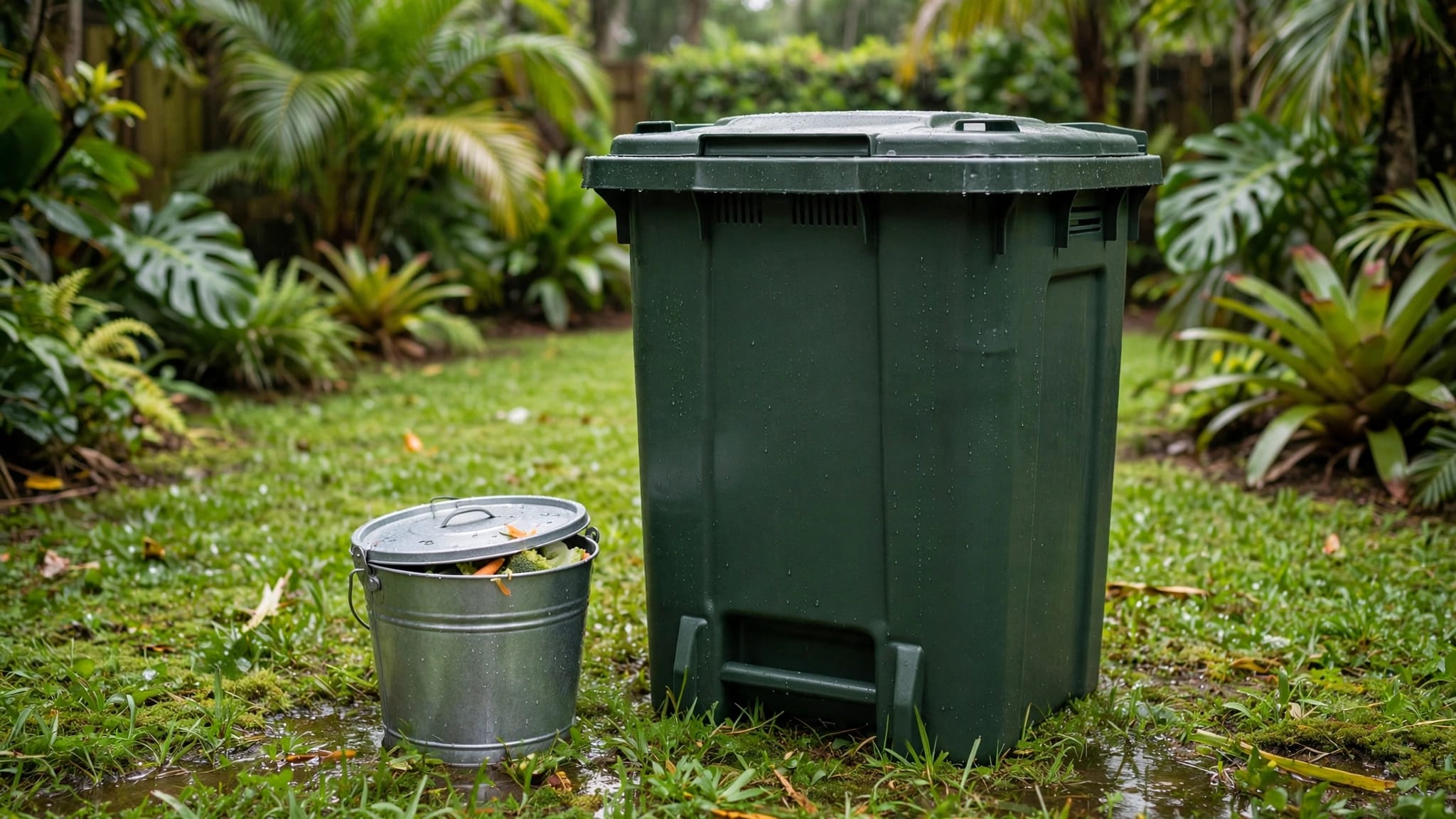
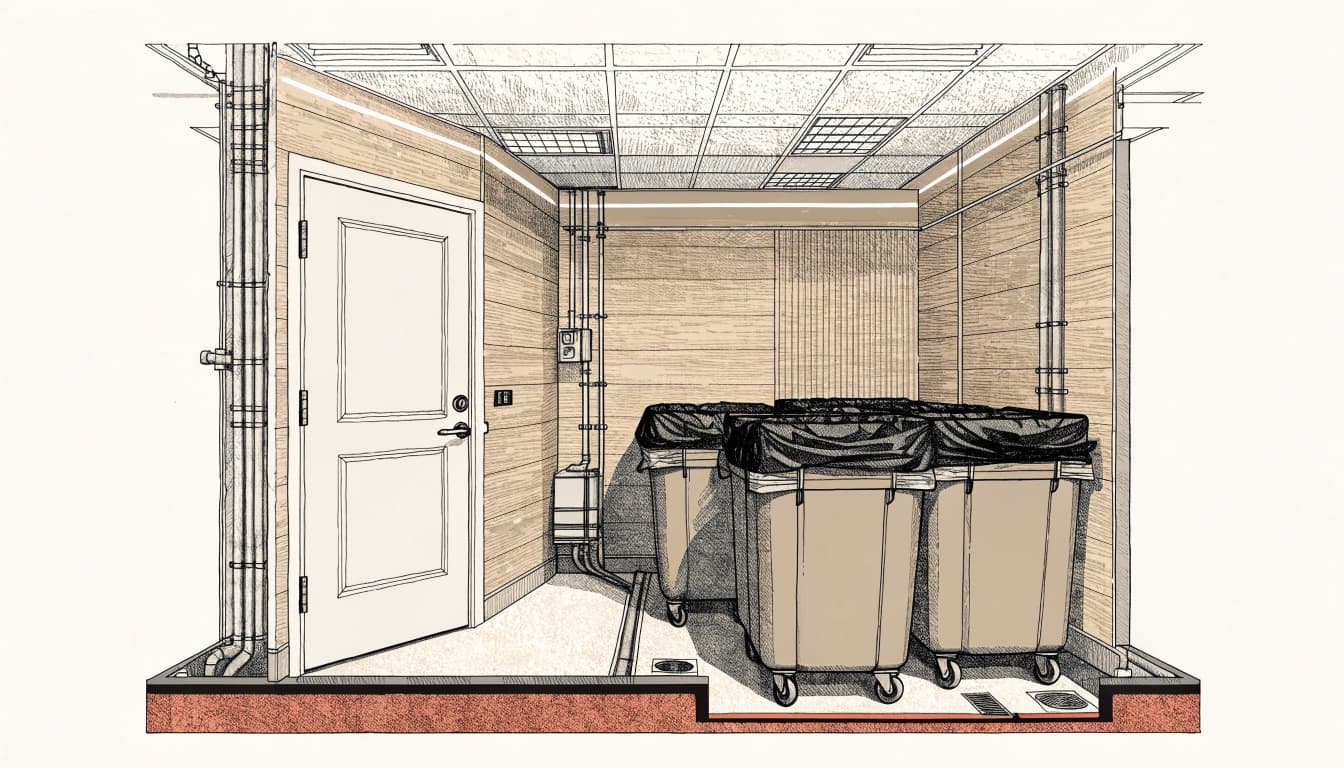
Trash rooms and dumpster areas deserve close attention because food waste can remain accessible between collections. Even a small spill under a cart can become a repeat food source if it isn't cleaned up.
Contain waste between pickups
Ask residents to bag food waste and close cart lids. Maintenance teams should clean spills around bins, remove loose trash, and wash containers as needed. If a lid won't close because a cart is damaged or overfilled, arrange a repair or adjust the property's waste-handling plan.
Keep cardboard and other stored materials away from the floor where practical. That makes the room easier to clean and gives staff a clearer view of walls and corners.
Repair routes into the building
Inspect the trash room door, floor drain area, vents, and openings around pipes. Replace worn door sweeps and seal suitable gaps with durable materials. Larger openings or active rodent problems may need professional attention before repairs begin.
For waterfront properties, our guide to rats around seawalls and dumpsters covers additional places to inspect.
Protect lobbies, hallways, and garages
Common entrances connect outdoor pest pressures with indoor spaces. A damaged threshold or an open service door can give pests a route into a lobby, while utility openings may connect that area to other parts of the building.
Maintain doors and shared corridors
Look for gaps beneath exterior doors, damaged weatherstripping, and openings around cables or plumbing. Repair loose screens and keep service doors closed when they're not in use.
In hallways, pay attention to repeated sightings near the same baseboard, ceiling area, or utility closet. Instead of treating each report as an isolated event, share the pattern with the pest control provider. The source may be beyond the spot where a resident first noticed activity.
Reduce shelter in garages
Keep garage storage orderly and remove unnecessary cardboard or loose materials. Food, including pet food kept in a storage area, should be secured in tightly closed containers.
Inspect garage door edges and utility penetrations for openings. If staff find droppings or nesting material, avoid sweeping or vacuuming them, which can put contaminated particles into the air. Arrange safe cleanup and professional help for significant rodent activity.
Clean community kitchens and fitness centers
Shared amenities can collect food and moisture in places that regular surface cleaning misses. A cleaning plan should identify who handles the less visible areas, especially after events or busy periods.
Community kitchens
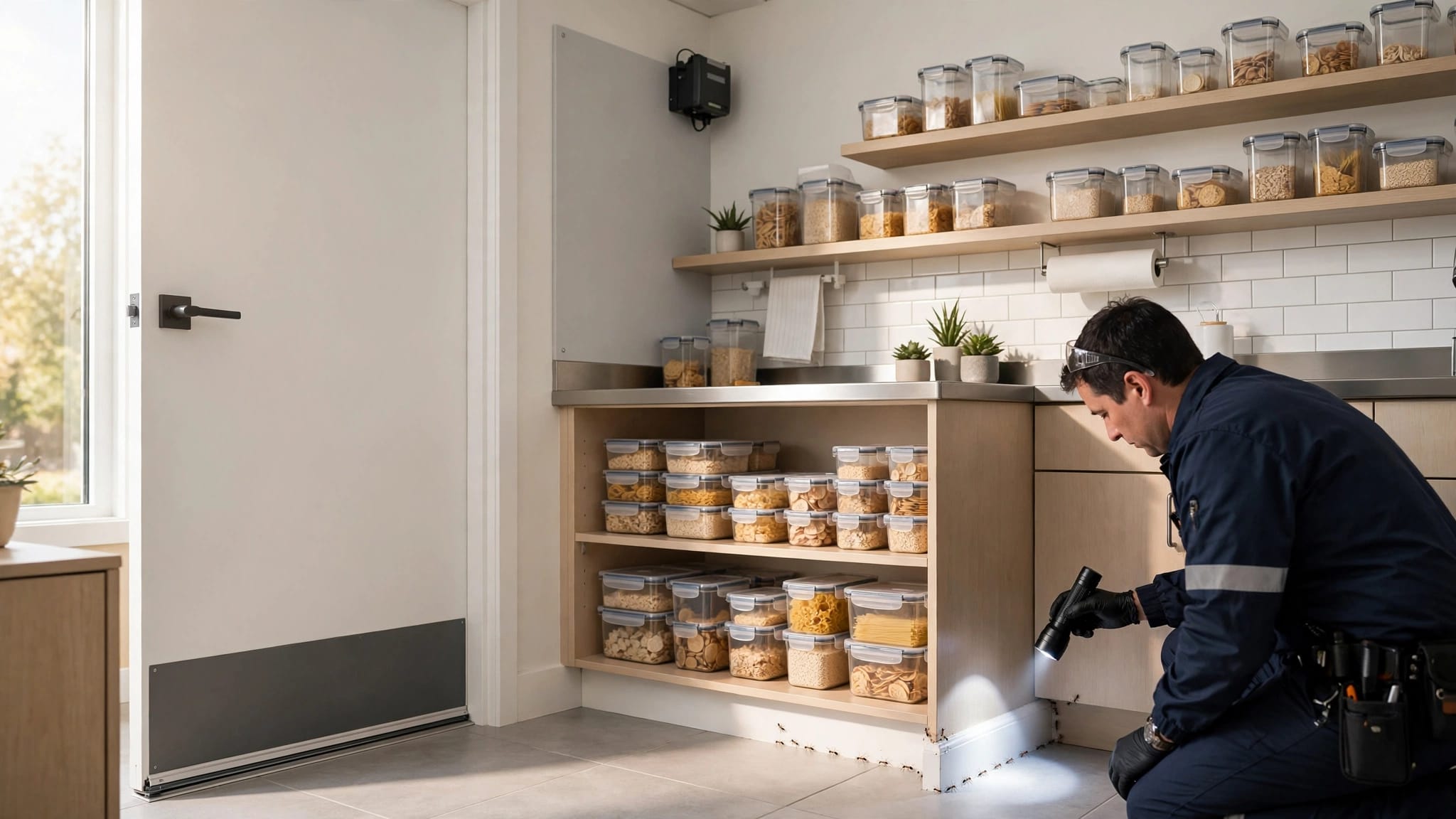
Clean counters and floors after use, then pay attention to crumbs beneath appliances and inside cabinets. Empty food waste promptly and keep stored supplies in sealed containers.
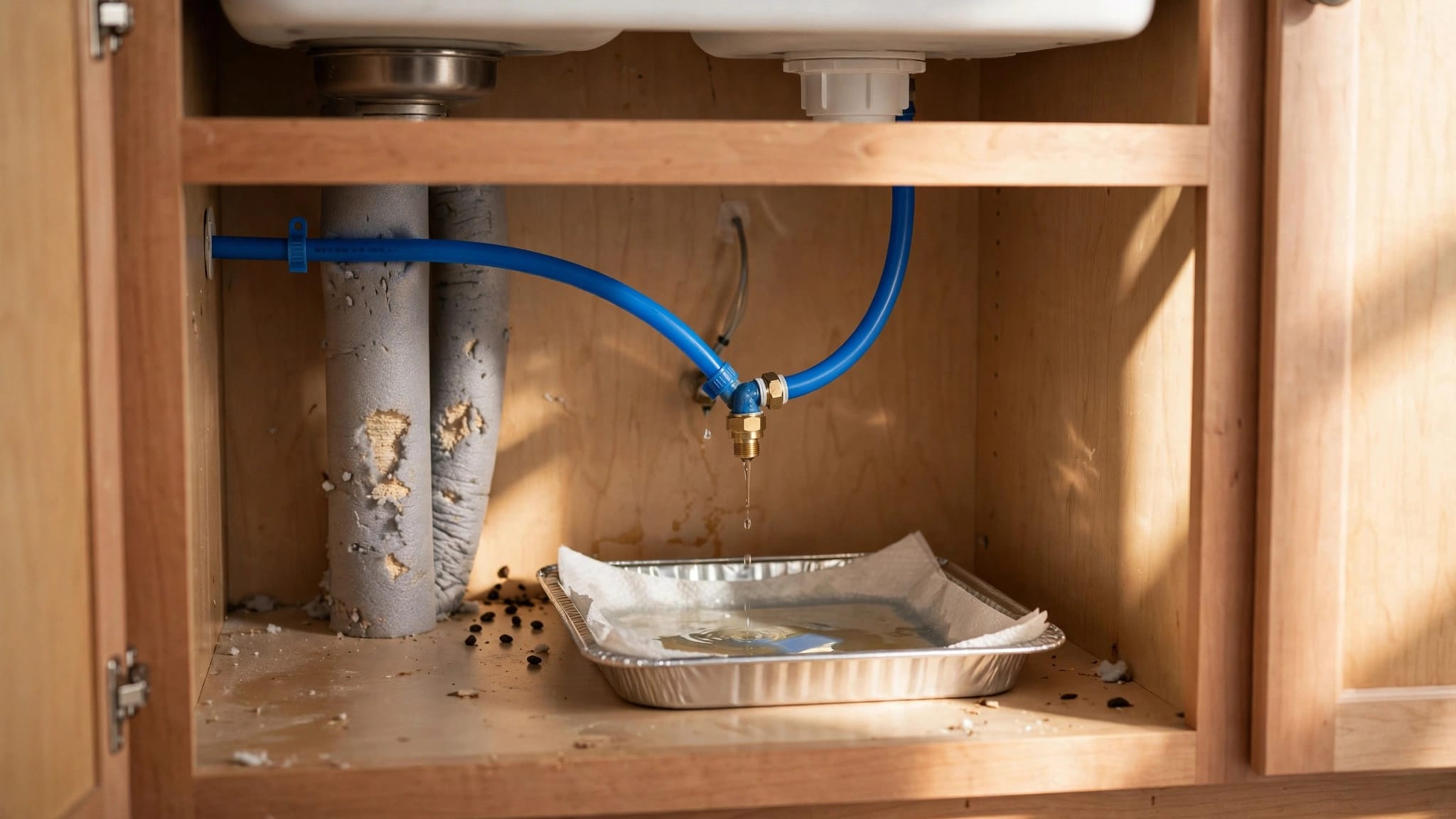
Maintenance should also inspect under sinks for leaks and around plumbing for gaps. If cockroaches keep appearing, tell the provider where and when staff see them. The type of roach and the source of the problem can affect the treatment approach.
Fitness centers
In a gym, check wastebaskets, drink stations, lockers, and the floor beneath equipment. Spilled drinks and forgotten snacks can attract pests, while damp towels or leaking water fixtures add moisture.
Keep cleaning supplies accessible to staff and give residents a straightforward way to report spills. When a room is closed for treatment, follow the provider's instructions before reopening it to residents and pets.
Manage moisture around pools and landscaping
Pool decks and landscaped areas need regular attention after rain. The goal is to remove water that collects in small containers and repair conditions that allow damp areas to persist.

Look beyond the pool
A maintained pool is only one part of the outdoor area. Inspect plant saucers, unused buckets, folded covers, and furniture where rainwater can collect. Empty removable containers and clear debris from drains so water can move away.
Report persistent puddles or leaks for repair. If water cannot be removed, a pest professional can assess suitable mosquito control options for that location.
Maintain the building edge
Trim vegetation so staff can see the foundation and reach doors, vents, and utility entries. Also look for irrigation overspray that leaves walls or walkways damp.
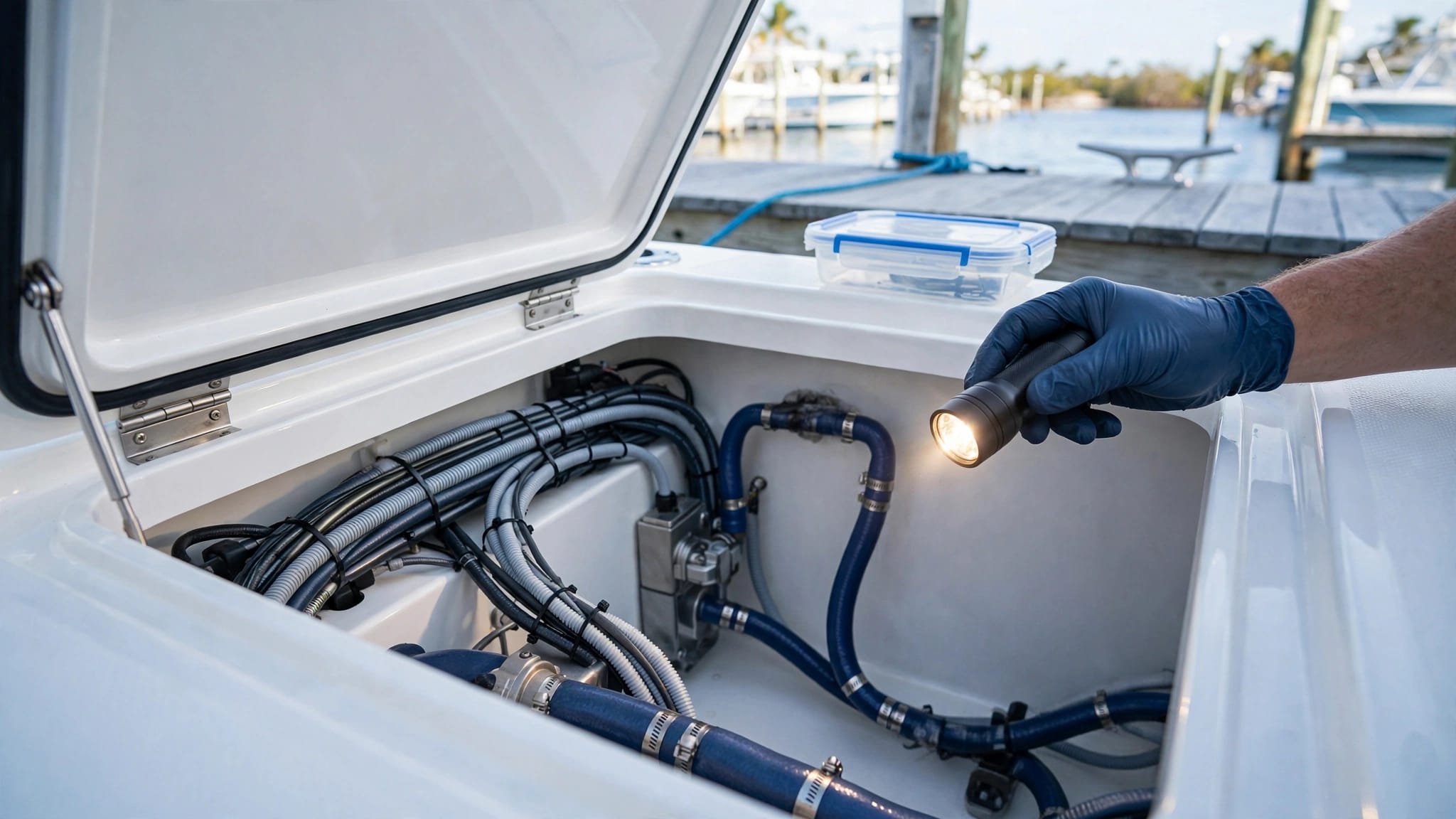
Waterfront communities should include docks, boat covers, and nearby storage areas in their checks. Our guidance on mosquitoes in boat covers explains where rainwater can collect around those amenities.
Give every participant a clear role
A Florida condo pest control plan is easier to maintain when the board assigns responsibility rather than leaving each sighting to whoever happens to find it.
Boards and property managers
The board can approve a prevention plan and budget for inspections, repairs, and treatment when needed. Property managers can turn that plan into work orders, coordinate access to shared areas, and maintain a record of reports.
Keep inspection findings, service reports, and repair records together. This helps the board see whether the same opening, leak, or location keeps appearing in reports.
Maintenance teams and residents
Maintenance staff handle routine cleaning and suitable repairs, including replacing damaged sweeps and clearing drains. They should report signs of a larger issue rather than relying on repellents to cover it up.
Residents can help by closing trash lids, cleaning up after using amenities, and reporting sightings promptly. They should avoid placing their own pesticides or rodent bait in common areas, where other residents, children, pets, and wildlife could encounter them.
Report sightings and follow through
A report needs an owner and a next step. Without follow-up, a cleaned spill or a sealed gap can appear resolved even if pest activity continues nearby.
Route urgent findings promptly
Give residents one contact method, such as the management office or an existing maintenance portal. Ask for the location, date, and a photo when available. Staff should pass repeated sightings, rodent evidence, or suspected termite activity to the pest control provider promptly.
Protect resident privacy when a report involves a unit. Coordinating access to a private space may be necessary when evidence suggests a problem extends beyond the common area.
Use the provider's findings
A pest professional can identify the pest, look for its source, and recommend targeted treatment alongside cleaning or repairs. Ask for a written report that distinguishes work completed from actions the property team needs to take.
After repairs or treatment, revisit the affected area and record whether activity continues. Keep the report open until the assigned work is complete and the provider's recommended follow-up has taken place.
We offer free inspections and commercial pest control services in Southwest Florida. An inspection gives the board a starting point for discussing the property's shared spaces and pest concerns.
Keep prevention part of property care
Effective condo pest prevention depends on the work between service visits. Clean trash areas, dry shared spaces, and maintained entry points make professional treatment more useful.
Give every report a clear next step and keep the records together. A consistent routine helps your community address small conditions before they become larger problems.
Schedule a Free Inspection: