Rodents and PEX Water Lines in Florida Homes
Rodents chew some plastic materials, but a leaking PEX water line alone doesn't prove rodent damage. If you find an active leak, shut off the water when you can safely reach the valve and call a licensed plumber.
In Florida homes, plumbing and pest problems can overlap behind walls, inside cabinets, and around attic access points. Protecting your home means addressing both the leak and rodent access . Start with the evidence you can spot safely.
Key Takeaways
- Rodent clues include droppings, gnaw marks, dark rub marks, and shredded nesting material.
- Damaged plumbing needs a licensed plumber, while rodent activity needs inspection and control.
- Exclusion and sanitation work together; foam alone isn't a dependable rodent barrier.
Rodent Chewing Near PEX: What It Means
Rodents leave chewing damage on wood, boxes, ducting, and wiring. They can also chew through soft foam and some plastics. Nearby gnawing therefore deserves attention when you discover a plumbing problem.
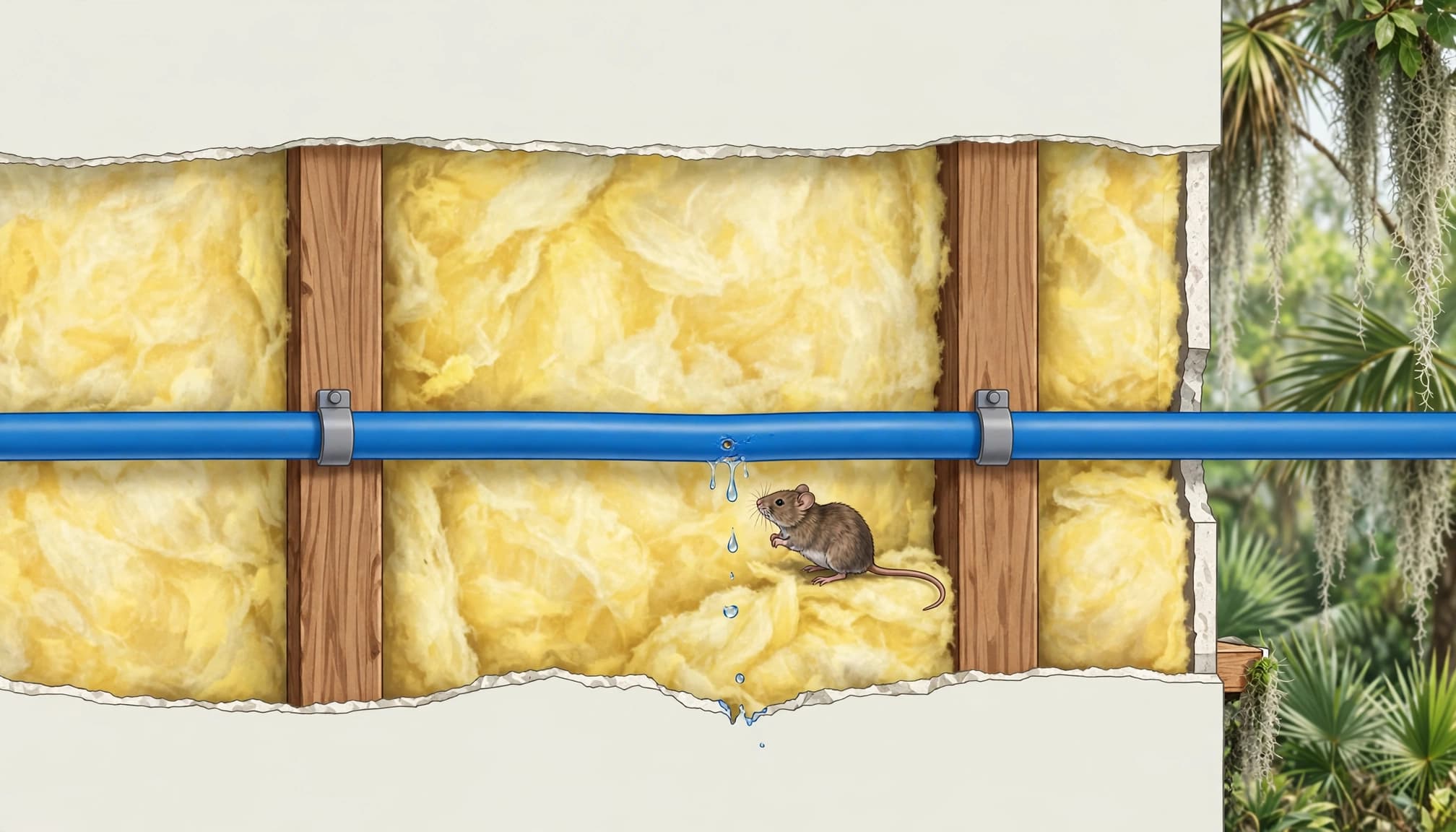
However, droppings beside a water line don't establish how that line started leaking. A plumber should assess the pipe and surrounding connections rather than treating pest activity as a diagnosis.
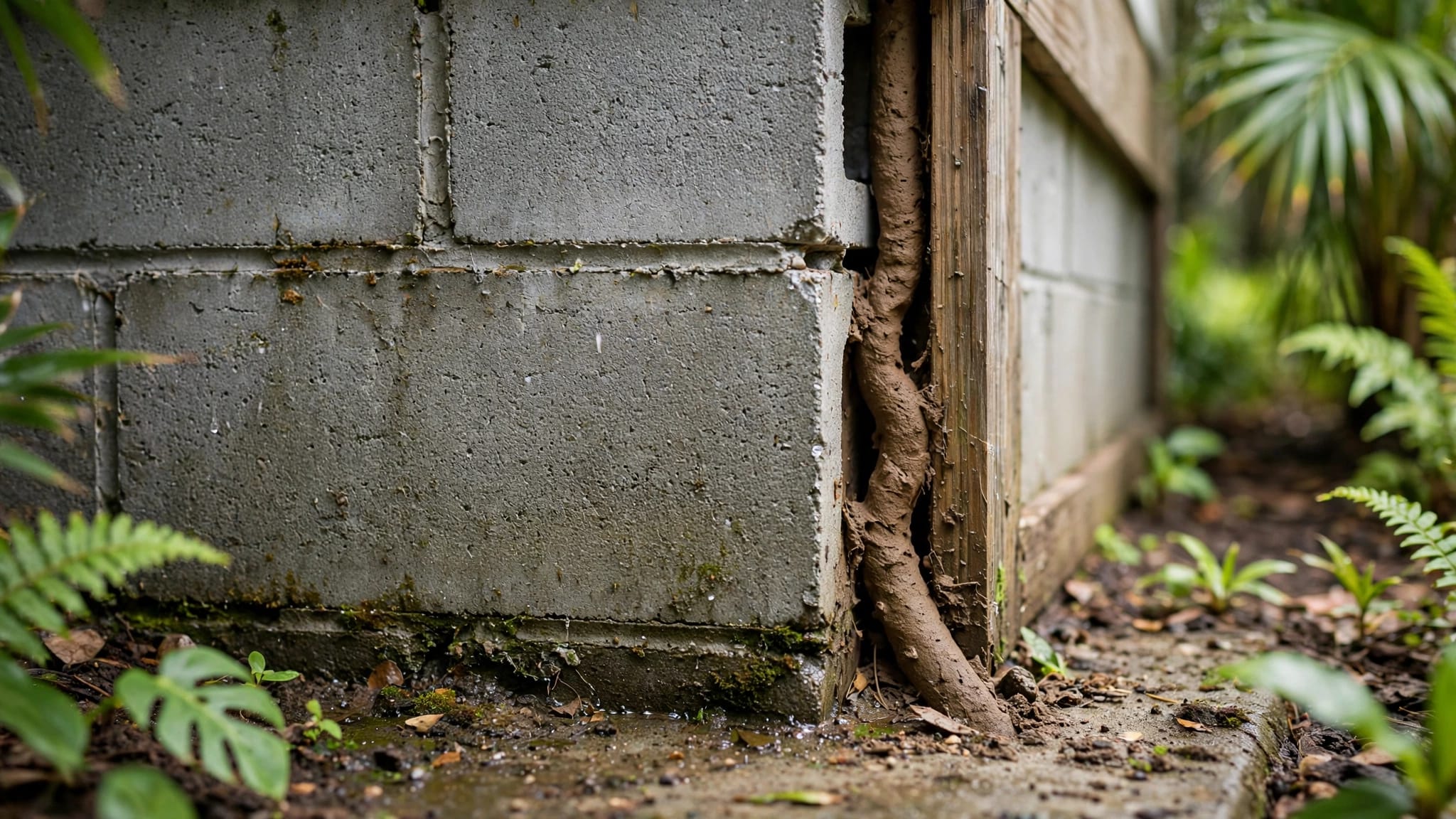
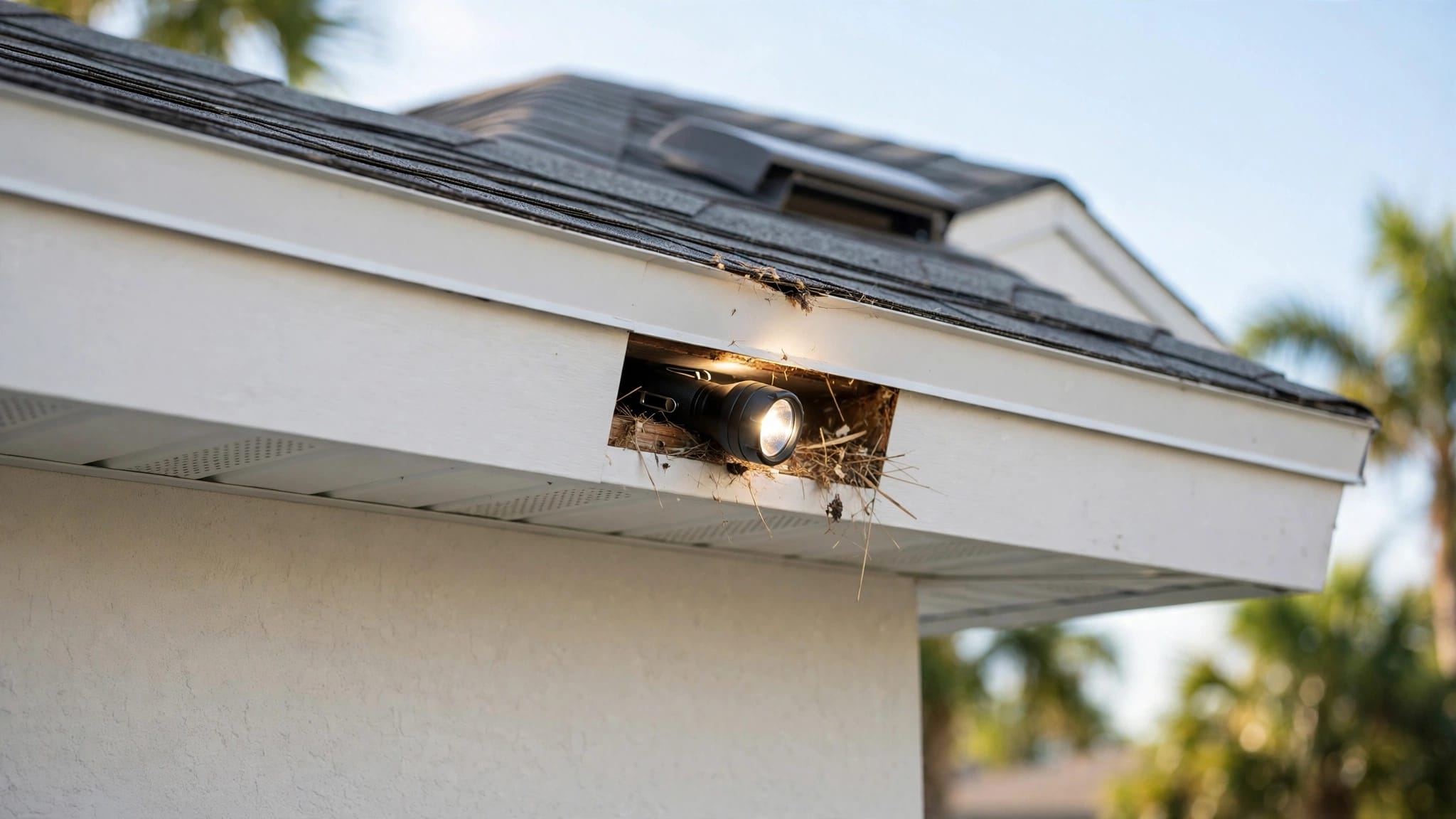
Meanwhile, a pest inspection should trace how rodents reached the area. In Southwest Florida, possible routes include roofline openings, damaged soffits, vents, and gaps around utility penetrations.
Signs Around Plumbing That Deserve Attention
Look for several rodent clues together
Droppings, shredded insulation, and tooth marks on stored items suggest rodents have been using the space. Dark smudges along beams or openings can also reveal repeated travel.
Scratching after dusk adds another clue, especially around roof edges and attic spaces. However, sound alone doesn't identify the animal or locate plumbing damage. Our guide to signs of attic rodents covers these patterns.
Avoid disturbing droppings or crawling into a contaminated attic to investigate.
Separate water damage from pest evidence
Damp cabinet floors, ceiling stains, dripping sounds, and unexplained moisture deserve prompt attention. A musty smell can also indicate a hidden moisture problem.
These signs identify a need for investigation, not a particular cause. Roof leaks, condensation, and plumbing failures can produce overlapping symptoms.
If accessible without touching damaged materials, photograph the moisture and nearby pest clues. Keep children and pets away, and leave concealed areas for the appropriate professionals to inspect.
What to Do if You Find a Leak
An active leak takes priority over identifying the pest. Follow this sequence without entering an unsafe area:
- Stop the water supply if you can safely reach the appropriate shutoff valve. Don't cross standing water near electrical equipment.
- Keep clear of wet outlets, exposed wiring, and sagging ceilings. If water has reached electrical components, keep people away and call an electrician.
- Contact a licensed plumber to locate the leak and repair damaged water lines. Tape or improvised patches aren't a substitute for a plumbing repair.
- Arrange a rodent inspection if you also find droppings, gnaw marks, nesting material, or repeated scratching.
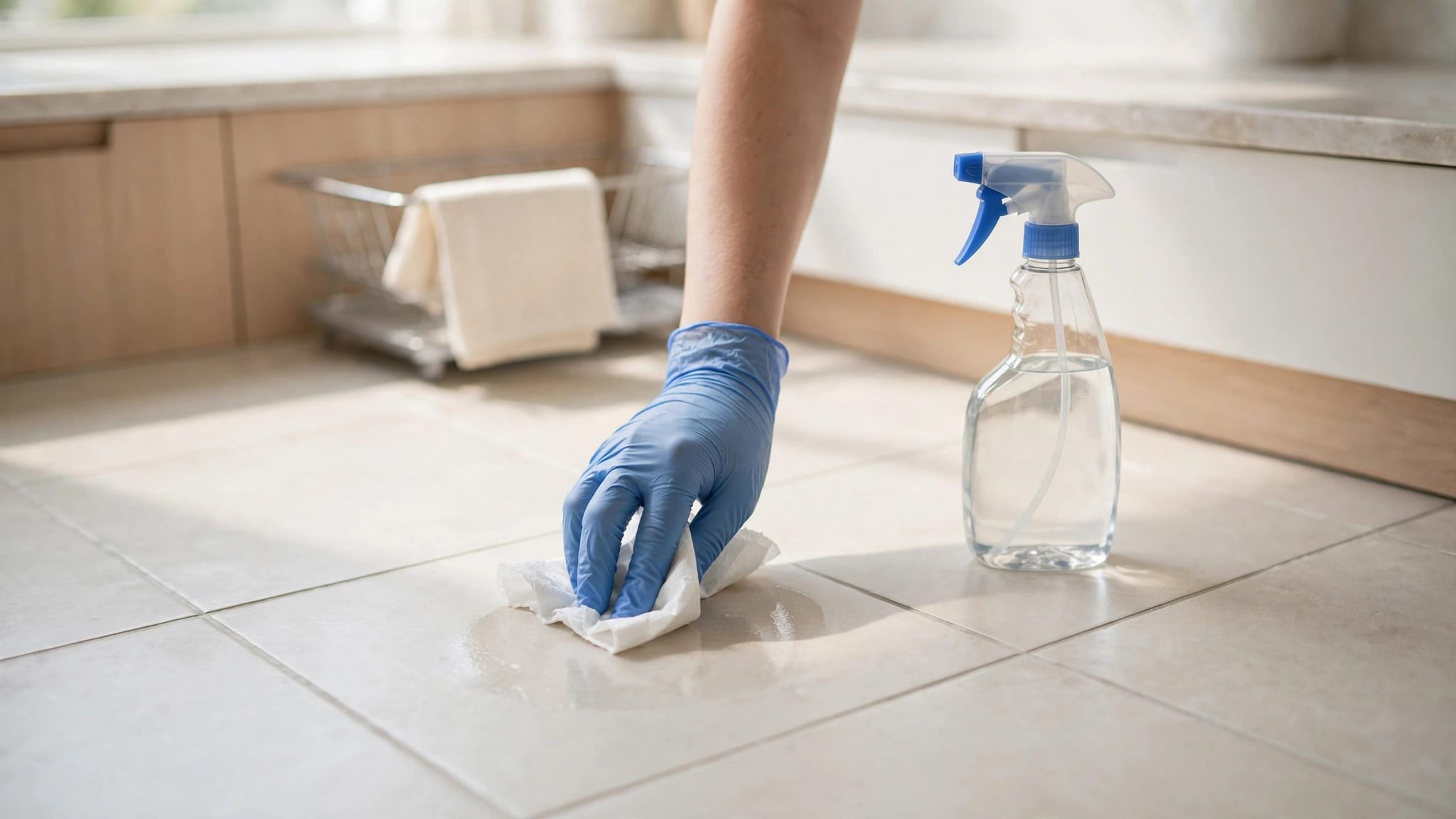
Once the leak stops, wet building materials still need attention. Water trapped behind cabinets or drywall can remain hidden after visible surfaces dry.
Coordinate plumbing repairs with pest control rather than assuming one service resolves both problems. Restoring water service doesn't close a rodent entry point.
Reduce Rodent Access in Florida Homes
Seal routes with suitable materials
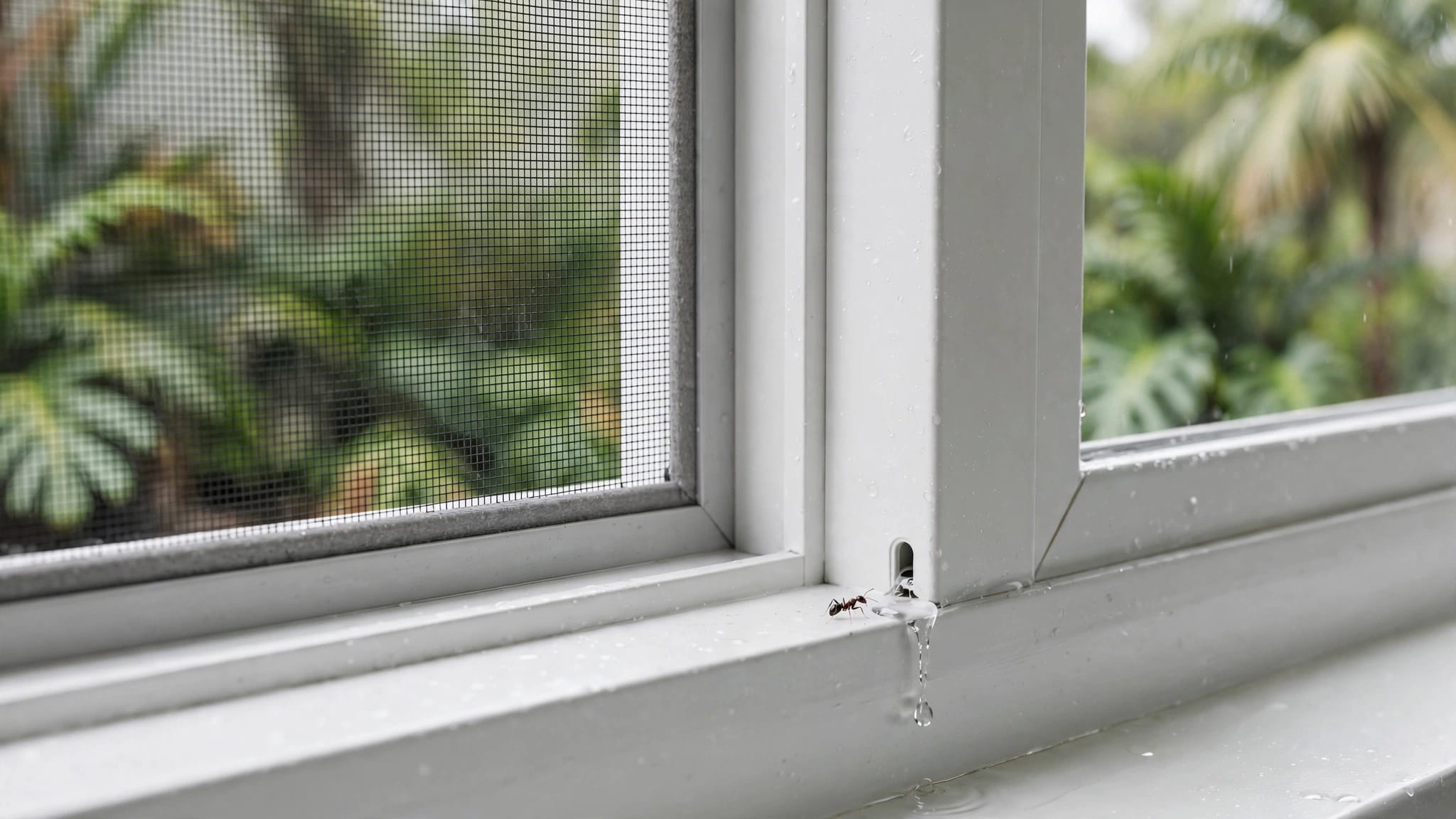
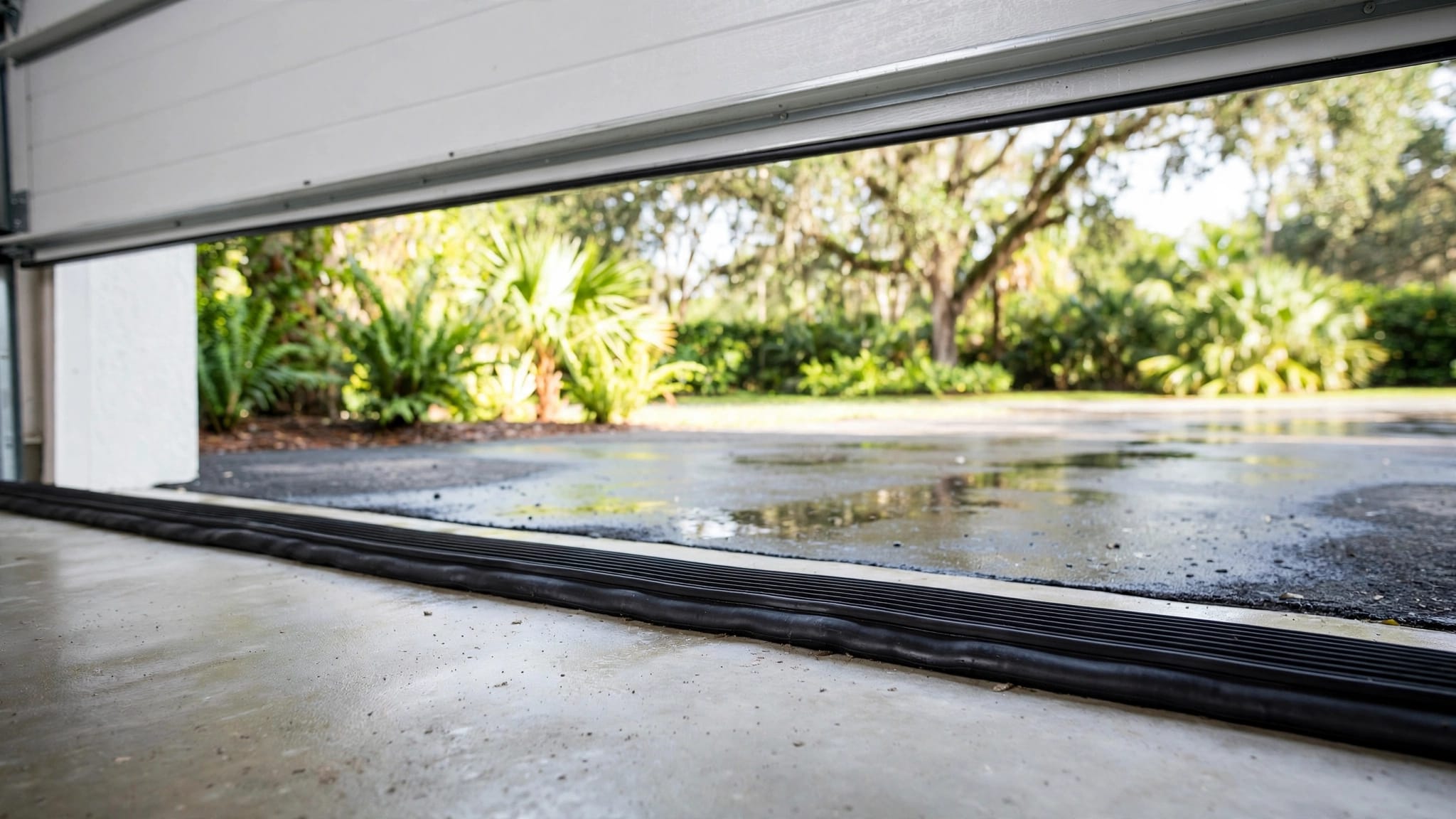
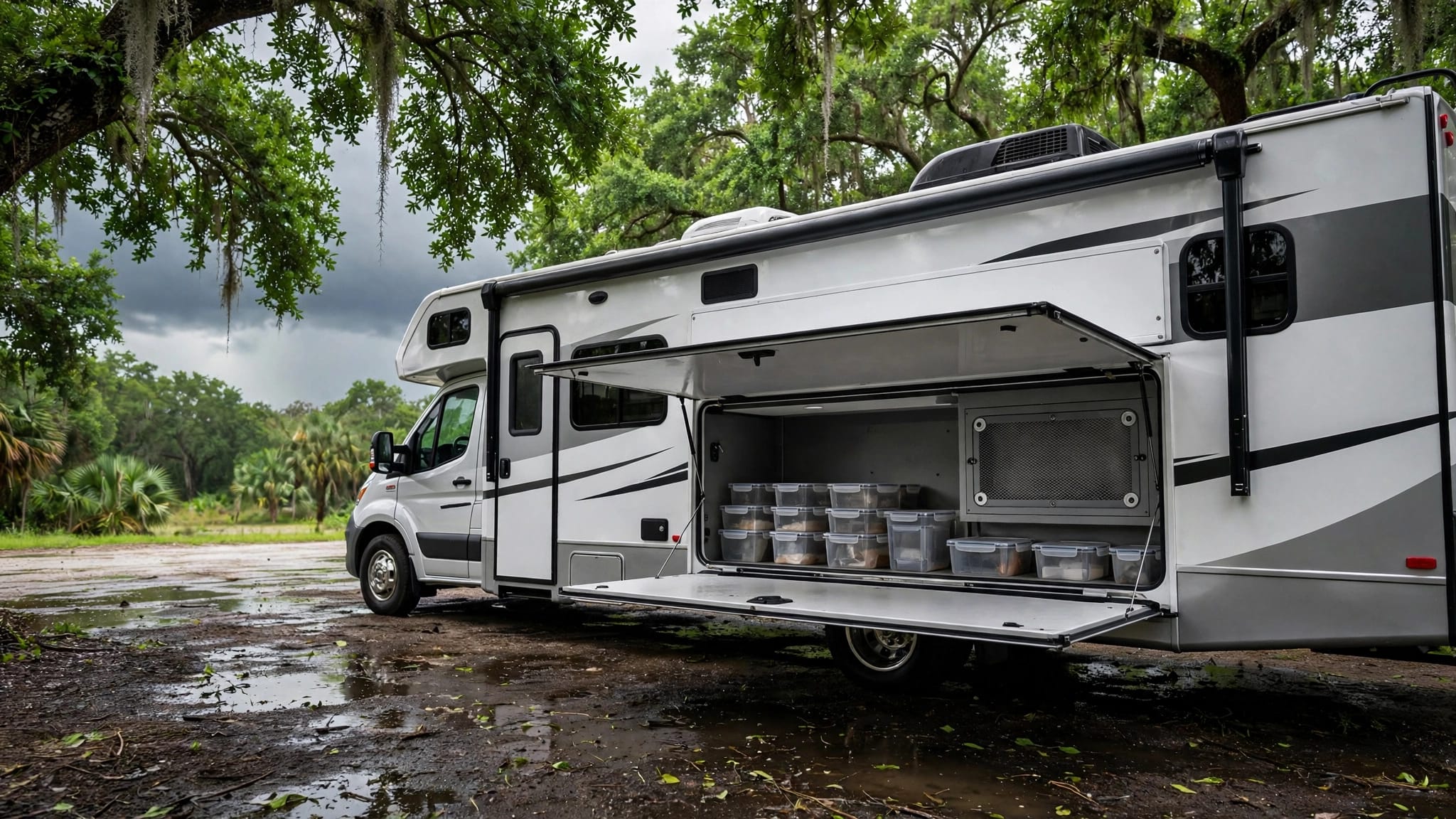
A concrete slab doesn't close every opening into a house. Garage door gaps, pipe penetrations, soffits, and roofline defects can still provide access. After heavy rain or storm damage, pay attention to newly damaged screens and openings.
For suitable gaps, metal flashing, 1/4-inch hardware cloth, mortar, and exterior-rated sealant provide more dependable barriers than foam alone. Materials must suit the opening without blocking ventilation or drainage.
Our guide to Florida home pest entry points identifies areas worth addressing. When rodents are active, have a pest professional coordinate removal and sealing.
Remove food rewards and hiding places
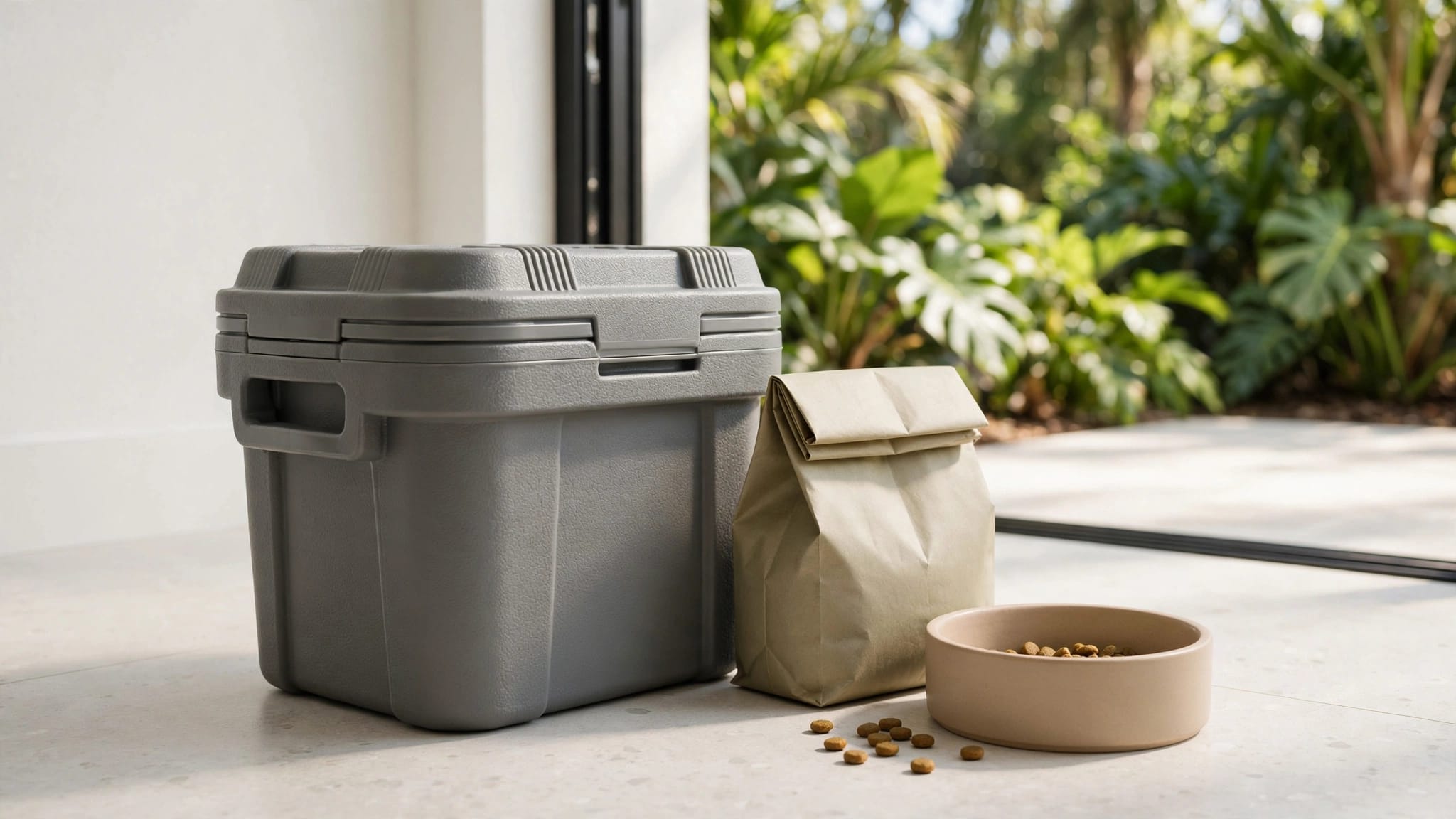
Keep pet food dry in tightly closed containers, and clean up spilled kibble around feeding areas. A secure lid helps, but crumbs and an accessible feeding station can still attract pests.
Also, secure trash lids and collect fallen citrus or mangoes. Reduce clutter in garages and storage areas so inspections don't require moving piles of nesting material.
Our ECO Rodent Shield service combines inspection with exclusion and sanitation. We inspect areas such as attics, garages, rooflines, vents, and pipe gaps to identify activity and entry routes.
Frequently Asked Questions
Should I seal every opening as soon as I hear scratching?
Arrange an inspection first when you suspect an active infestation. Sealing needs to fit the removal plan so rodents aren't trapped inside. Don't block vents, drains, or other necessary openings.
Should I put loose rodent bait beside the plumbing?
Avoid unsecured rodenticides, which can expose pets and wildlife. If baiting belongs in the control plan, trained professionals should manage placement using secured stations. Food removal and exclusion remain important because bait doesn't repair the route into your home.
Protect the Plumbing and Address Rodent Access
A leaking PEX line needs a plumbing diagnosis, while nearby rodent signs need a separate pest assessment. Treating either problem alone can leave the other unresolved.
Prioritize safe leak response , then address entry points and food sources. A licensed plumber handles damaged lines; a coordinated rodent-control plan addresses how animals reached the space and what keeps them returning.
Schedule a Free Inspection: