Florida Rodent-Proof Pet Food Storage for Humid Homes
A tight lid helps, but rodent-proof pet food storage in Florida also depends on keeping food dry, cleaning up crumbs, and choosing a sensible location. Heat and damp air can affect a feeding area, while exposed food can draw rodents and other pests.
A sound routine protects the food and makes your home less inviting to pests. Start with a container rodents can't easily access, then keep the surrounding area clean and dry.
Why Florida's climate changes pet-food storage
Warm, humid weather can make a pantry, garage, or lanai feel damp even when there's no leak. Moisture can enter through a loose lid, a torn bag, or condensation on a container near a hot exterior wall. Once food gets damp, it may lose quality or develop an unpleasant smell.
Rodents are drawn by available food, but they don't need an open bag to find it. They can investigate spills, chew through weak packaging, or follow a familiar route into a home. For that reason, storage works best as one part of a broader prevention routine.
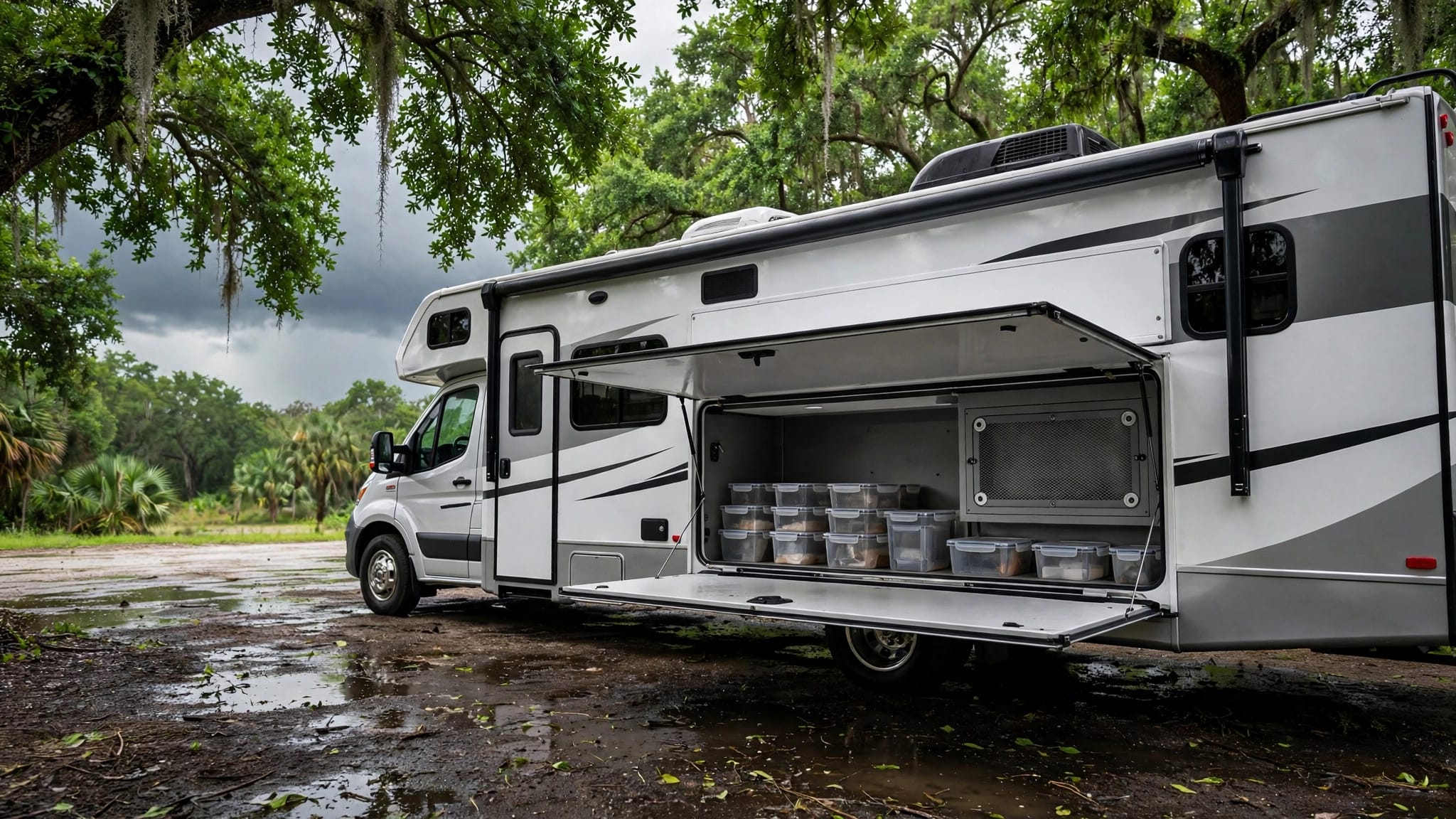
A dry indoor spot is usually a better choice than a garage, patio, or screened lanai. These areas can face more temperature swings, rain exposure, and pest activity. If indoor space is limited, choose the driest, most protected location available and keep the container off the floor.
Choose a rodent-resistant container with a tight seal
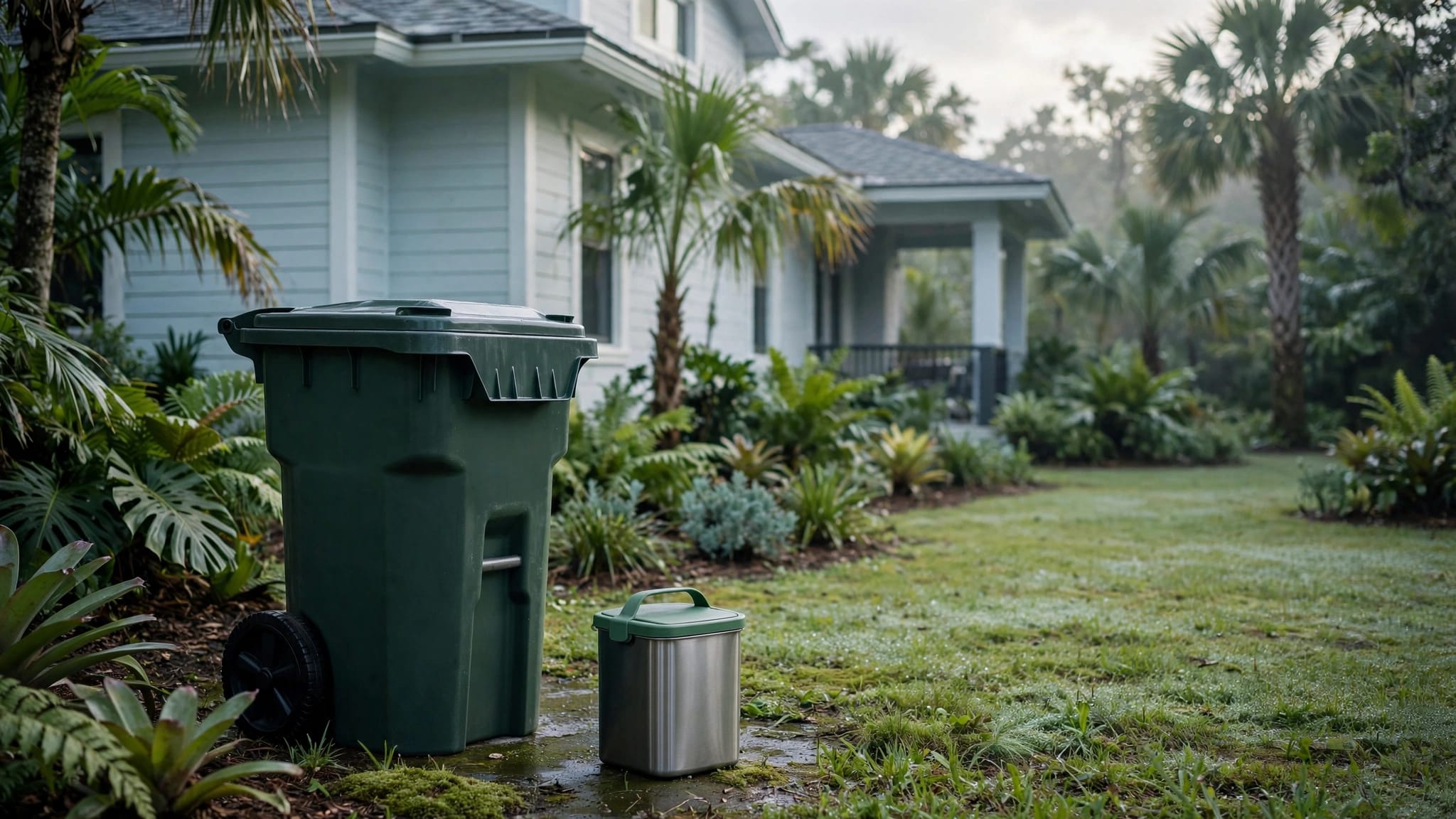
The container should protect against both access and moisture. Look for a sturdy body, a secure lid, and a seal that closes evenly around the rim. A lid that rests loosely on top can leave gaps, even if the container looks closed.
Compare materials and lid designs
Metal, glass, and heavy-duty plastic can all work for dry pet food when the lid seals well. A strong metal container can resist gnawing better than thin plastic. Heavy plastic is lighter and easier to move, but it should have a rigid body and a locking lid. Glass can seal well, though it's heavy and may break if knocked over.
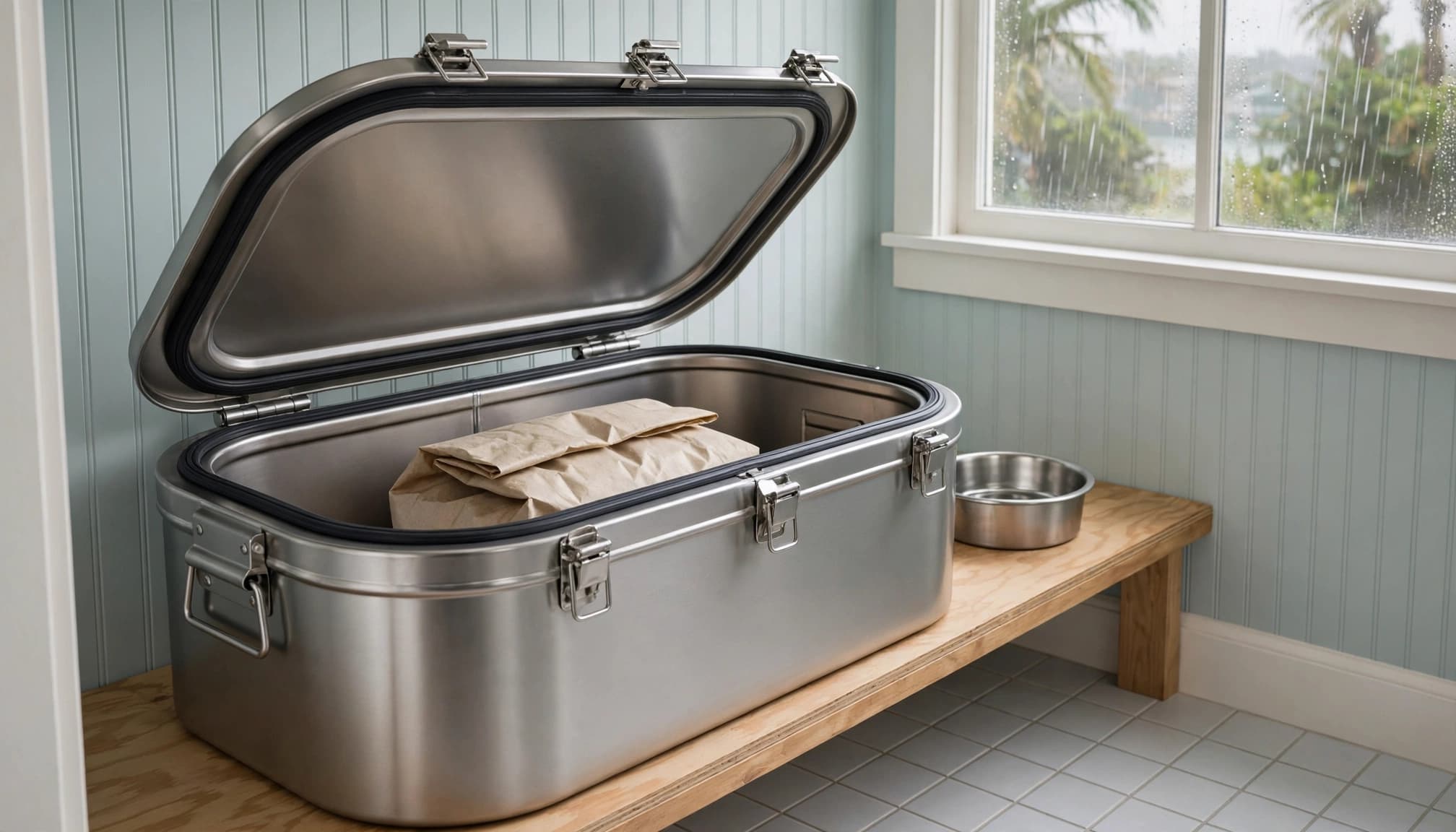
Choose food-grade storage with a gasket or similar sealing edge. Check that the lid cannot be nudged open easily and that its latches still hold after repeated use. Avoid fabric bags, cardboard boxes, and bins with cracked sides or warped lids. No household container should be treated as a guarantee against rodents, so inspect it as part of your routine.
Keep the original bag inside the bin
Instead of pouring kibble directly into the storage container, keep it in its original bag and place the bag inside the bin. The package includes product details and date information, and the bag helps limit residue from food oils inside the container. Fold or clip the top closed before sealing the lid.
If a bag has a tear, pinhole, or weak seam, move it into a sealed container promptly. Don't leave damaged packaging exposed while deciding where to store it. For more on pet food storage to deter pantry pests, inspect bags before bringing them into the pantry and keep dry goods sealed.
Keep kibble dry and fresh
A tight lid only helps when the container itself is dry. Before filling it, wash it if needed and let every surface dry completely. Trapped water or food residue can affect the next batch, especially in a humid room.
Rotate food and clean between bags
Use older food before opening a new bag. When a container is nearly empty, remove crumbs and oily residue rather than topping it off indefinitely. Wash the bin with mild soap and water when needed, then let it air-dry fully before replacing food.
Buy an amount your pet can use at a reasonable pace. A large bag may seem convenient, but food that sits open for a long time gets more chances to encounter moisture, pests, or handling contamination. Keep the package closure secure between feedings, even when the bag is inside a bin.
Control damp air around storage
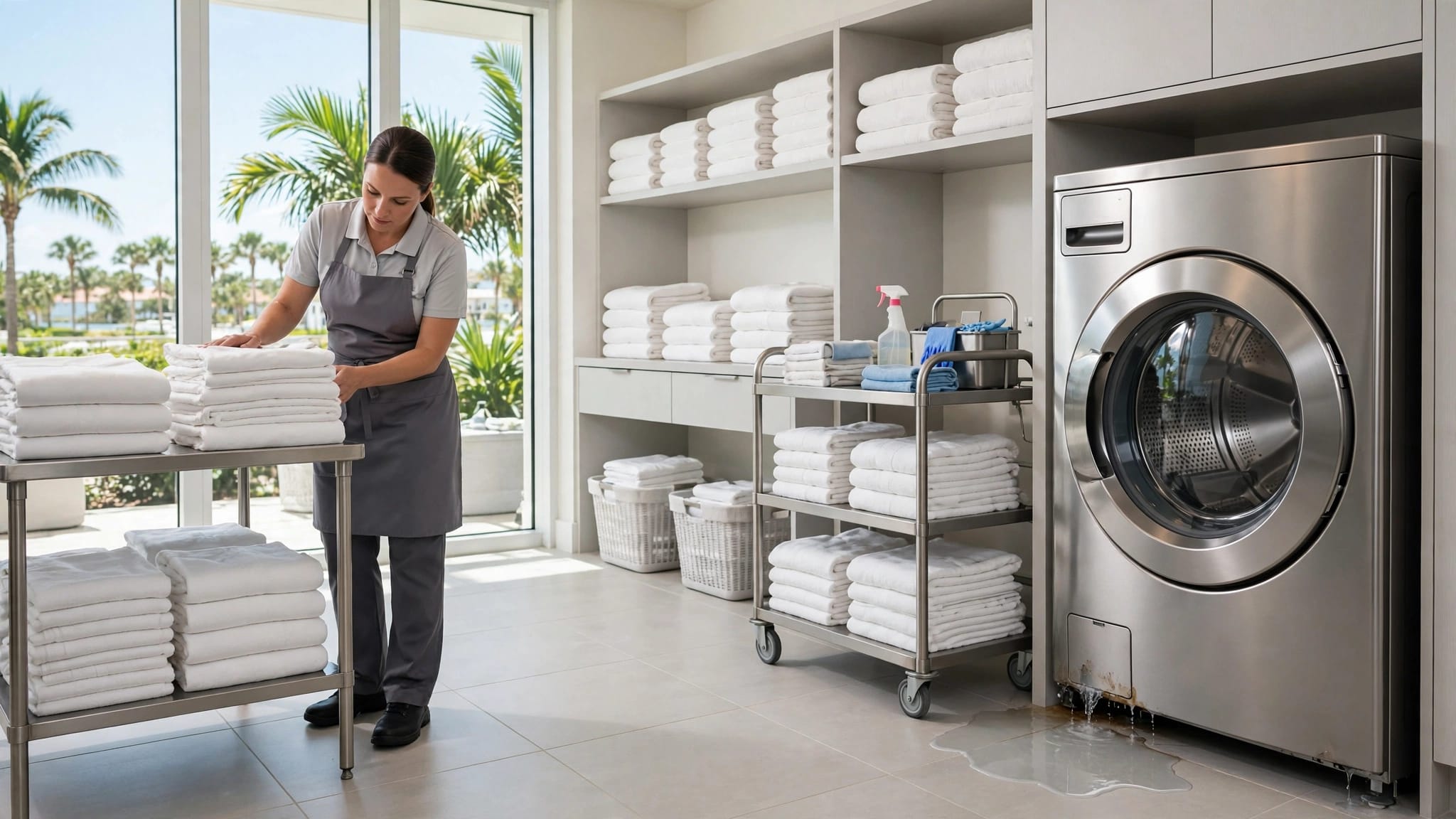
Keep the bin away from a sink, washing machine, damp wall, or area that gets direct sun. Don't store pet food beside a leaking pipe or on a floor that collects water after heavy rain. If the room tends to stay humid, improve airflow or use a dehumidifier where appropriate.
Cape Coral pantry guidance also recommends dry air, regular spill cleanup, and sealed storage. See these airtight storage tips for spices and pet food. If kibble smells musty, looks damp, or has changed texture, don't serve it to your pet.
Place the container away from pests and moisture
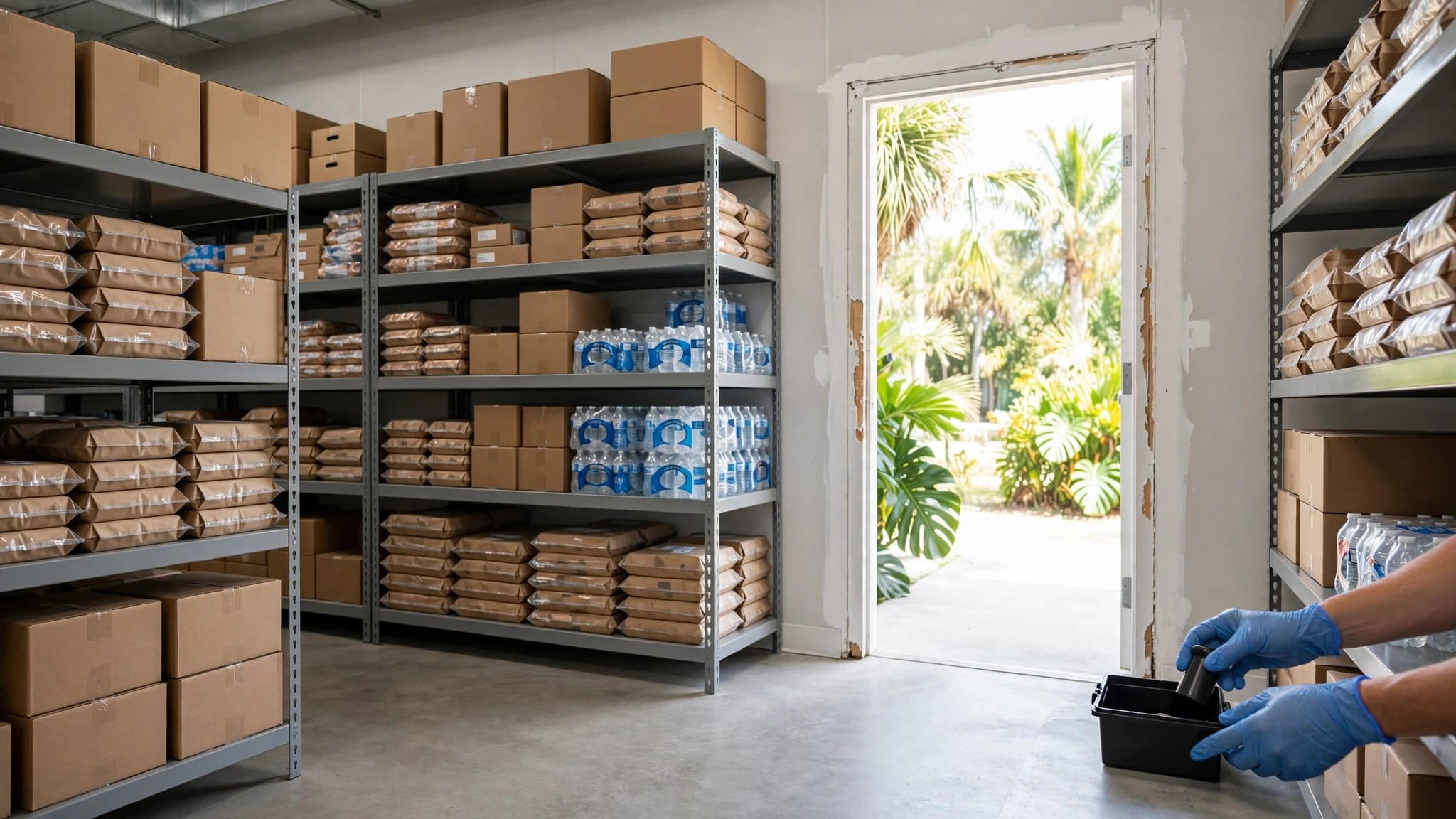
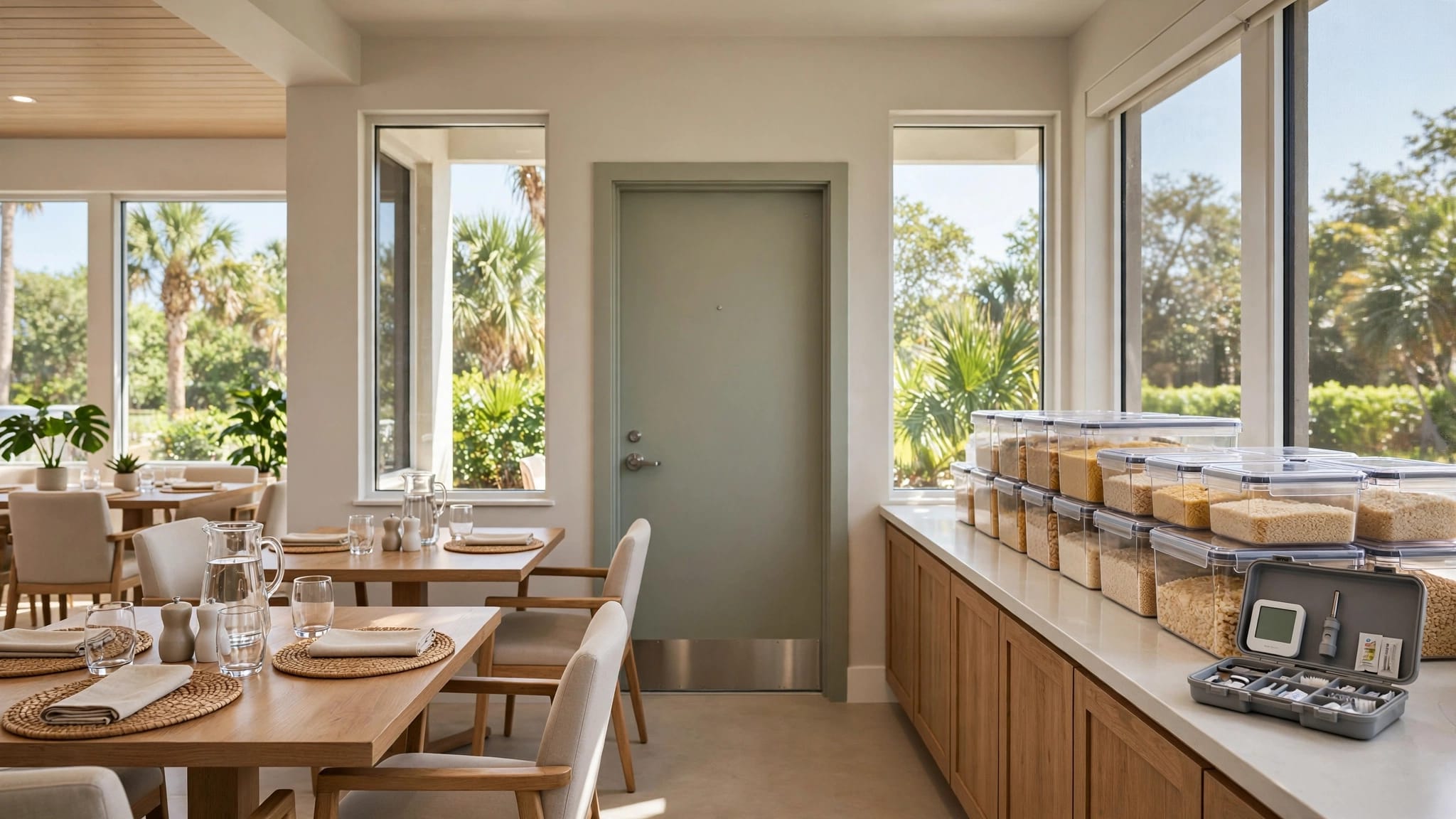
Set the container in a dry indoor pantry or cupboard where you can reach it easily and notice changes. Keep it away from exterior doors, wall openings, and areas where droppings or gnaw marks have appeared. A secure bin is less useful if rodents can reach the surrounding food or hide nearby.
Whenever practical, store the container on a stable shelf rather than directly on the floor. That makes it easier to spot spilled kibble, water, or pest activity underneath. Make sure the shelf can hold the full container safely, and don't put heavy bins where they could fall on a pet.
Garages can be convenient, but they often expose food to hotter conditions and more pest routes. Lanais and patios bring added exposure to rain, wildlife, and insects. If a pet eats outdoors, bring the food container inside after feeding rather than leaving it beside the bowl.
Clean the feeding area after every meal
A clean storage bin won't help much if kibble stays scattered around the bowl. Rodents can feed on small crumbs, and spilled food can attract insects as well. Sweep or vacuum the feeding area, then wipe away residue that sticks to the floor or nearby baseboards.
Make cleanup part of feeding
After each meal, remove leftover wet food and wash the bowl. For dry food, return unused kibble to the sealed container instead of leaving it out overnight. Wipe visible spills promptly, including crumbs under furniture or beside the feeding mat.
Use a washable mat if food tends to scatter, but clean beneath it regularly. A mat can hide crumbs and moisture if it stays in place for days. Keep water bowls from spilling near stored food, and dry any damp patch before returning the container.
Check semi-outdoor spaces regularly
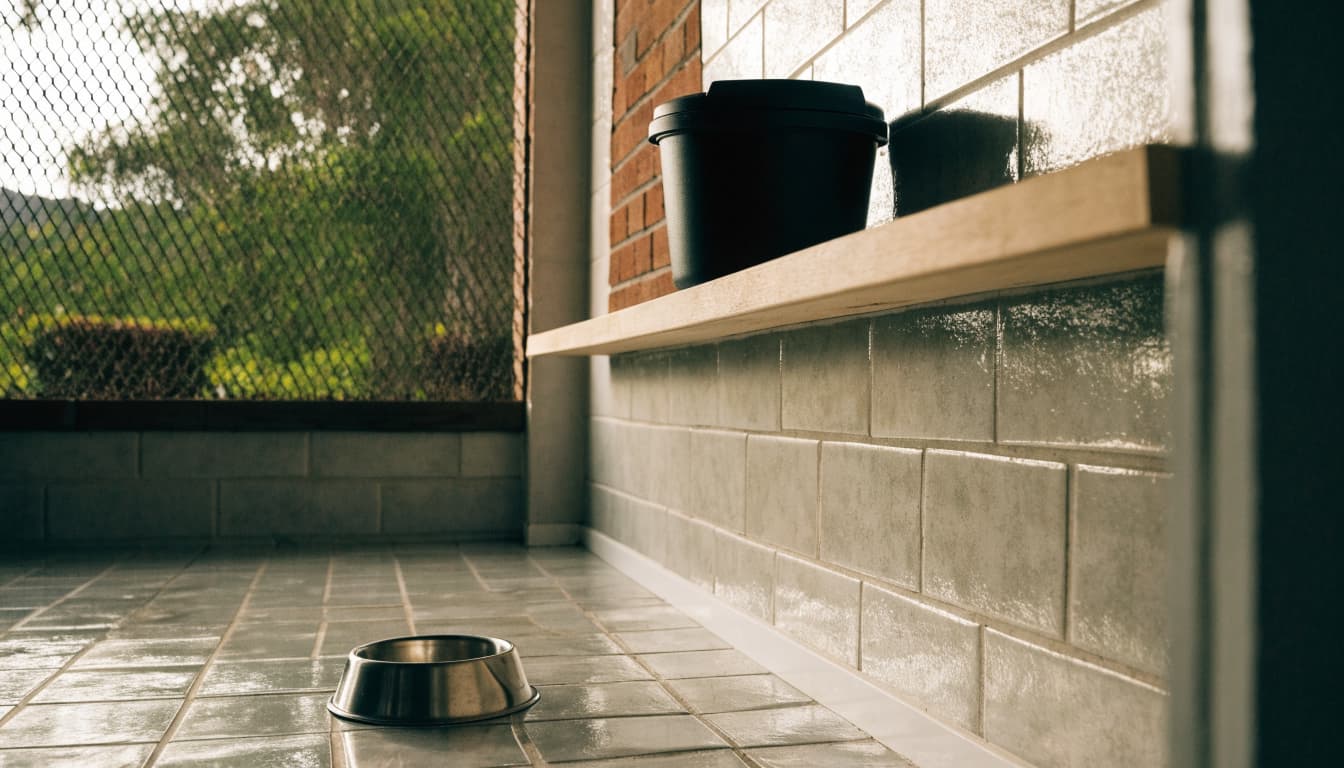
Lanais, pool cages, and garages can hold food scraps or provide quiet places for pests. Look around these areas for spills, gnawed packaging, droppings, and gaps near doors. If you feed a pet on a lanai or back patio, bring the bowl inside after the meal.
A Southwest Florida pest prevention checklist can help you build these checks into regular home care. Pay attention to trash and bird seed too. If other food sources remain accessible, rodents may continue returning even after pet food is sealed.
When storage alone isn't enough
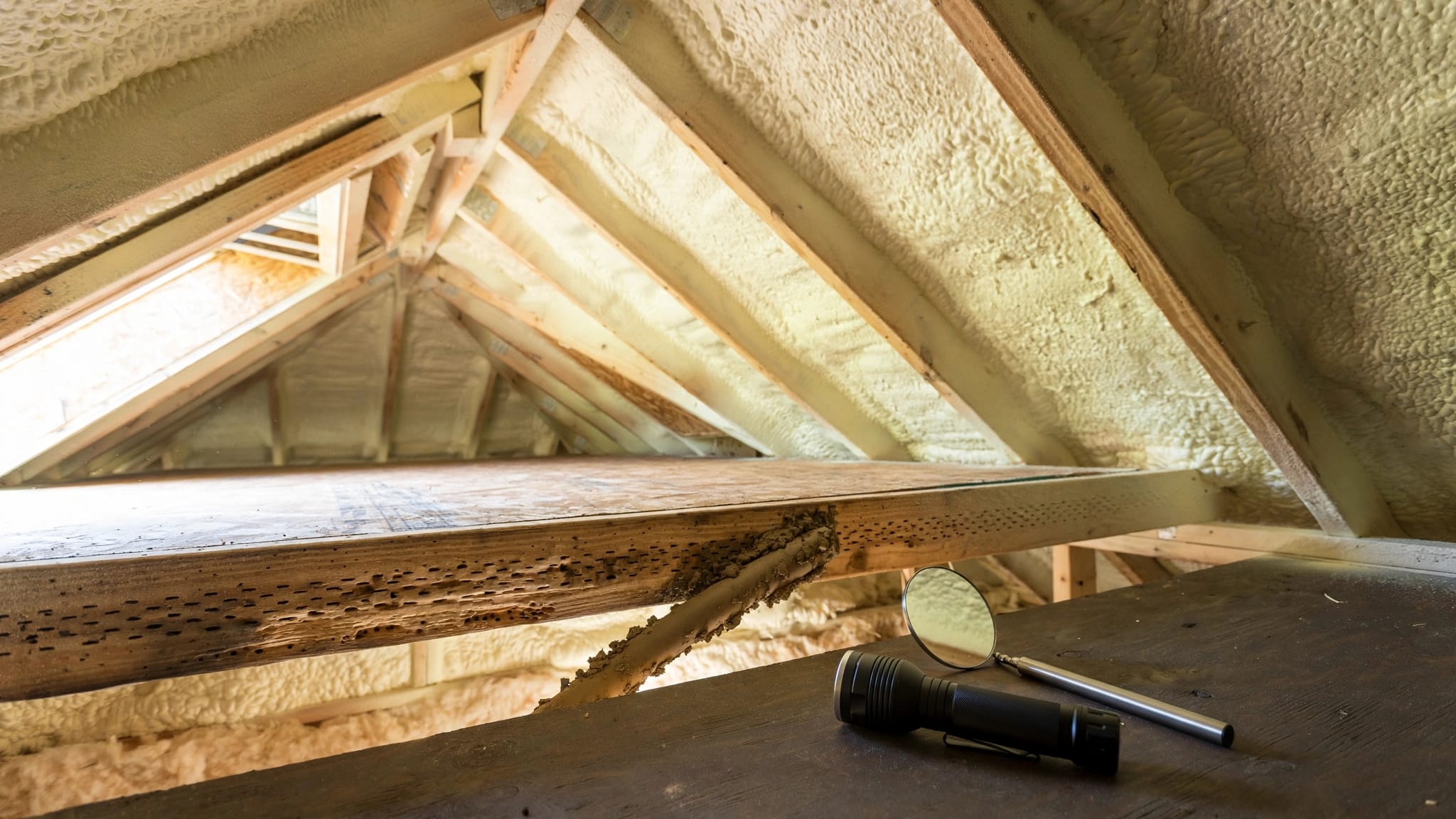
A sealed bin limits access to one food source. It won't close an entry gap or resolve rodent activity elsewhere in the property. Repeated droppings, chewing, scratching sounds, damaged packaging, or a persistent odor call for a closer look at the room and the building.
Rodents may travel along utility routes, around storage areas, or between nearby properties. Check door sweeps, vents, pipe openings, and other gaps, but don't seal an opening if rodents may still be inside. Exclusion should address the entry route without trapping animals in a wall or ceiling.
Avoid unsafe pest-control shortcuts around pets
Don't place loose rodenticide or an unsecured trap near pet food, bowls, or areas your animals can reach. Bait can put pets and wildlife at risk when it's handled or placed carelessly. If a control plan includes bait, trained professionals should use secured stations and deliberate placement.
Get help with signs of repeat activity
When rodent signs continue, a professional inspection can help identify routes, hiding places, entry points, and sanitation conditions. In Cape Coral and nearby communities, we offer professional rodent exclusion and prevention as part of addressing activity at its source.
For households seeking an approach without traditional poisons, our ECO Rodent Shield service uses a deterrent system. A pest professional can recommend options suited to the activity and the household, including the need to protect pets and wildlife.
Key takeaways for storing pet food in Florida
- Choose a sturdy, food-grade bin with a secure lid and a seal that closes evenly.
- Keep kibble in its original bag inside the container, and close the bag between meals.
- Store food indoors in a dry place, away from direct sun, plumbing, and damp floors.
- Clean crumbs after feeding, and bring outdoor bowls inside after meals.
- Treat recurring rodent signs as a building or pest-control concern, not a storage issue alone.
Frequently asked questions
Is a plastic bin enough to keep rodents out?
It depends on the bin's construction and how securely its lid closes. Heavy-duty plastic with a tight-fitting, latched lid is more suitable than a thin tub, but rodents can damage some plastics. A sturdy container limits access; it doesn't replace checking the home for entry points.
Should pet food stay in its original bag?
Keeping the bag inside the bin is a practical option. Close the package between feedings, then seal the bin. This keeps product information with the food and reduces residue inside the container. If the bag is damaged, place it in a secure container promptly.
Can I store pet food in a Florida garage?
A garage may be less suitable because it can get hot, damp, or accessible to pests. An indoor dry cupboard is preferable. If the garage is your only option, choose the driest protected area, keep the food sealed and elevated, and inspect the space often.
A steady routine protects food and your home
A sturdy, sealed container is the starting point for rodent-proof pet food storage, but Florida's humidity makes placement and cleanup just as important. Keep food dry, put it away after each meal, and remove crumbs before they attract pests.
If signs of rodents persist despite careful storage, look beyond the pet-food bin. Addressing food sources and entry routes together gives your home a stronger defense.
Schedule a Free Inspection: