Drugstore Beetles in Cape Coral: Protect Spice Cabinets and Pet Treat Bins
You open your spice cabinet in Cape Coral. Tiny reddish-brown bugs scatter from the paprika jar. Or check the pet treat bin, and fine dust covers the bottom. Drugstore beetles turn everyday storage into a hassle. These pests sneak in from store-bought packages, not dirty shelves. Cape Coral's warm, humid air speeds their spread. You can stop them with simple checks and smart habits. Let's cover signs, removal, and prevention so your pantry stays clear.
What Are Drugstore Beetles?
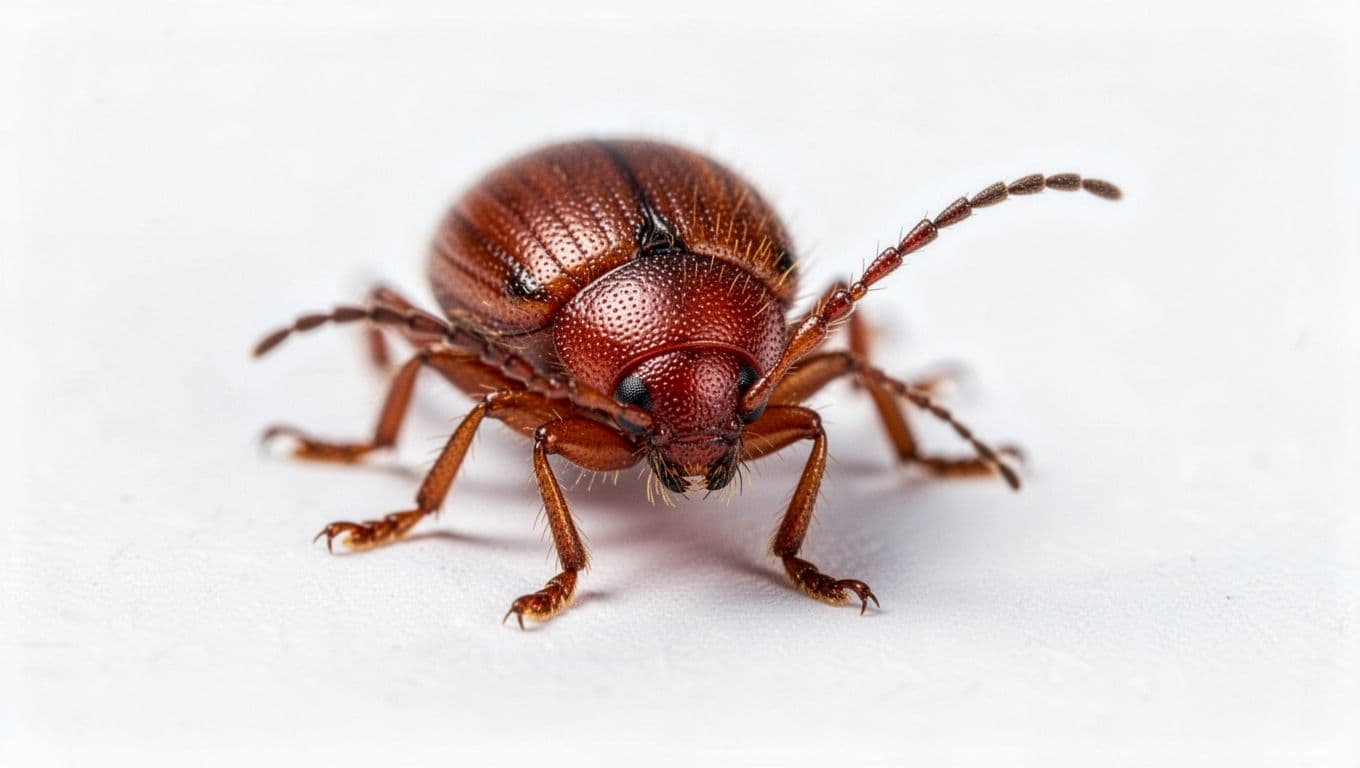
Drugstore beetles measure about 1/8 inch long. They have oval reddish-brown bodies covered in fine hairs. Long, segmented antennae stick out from their heads. Adults fly short distances. Females lay up to 100 eggs near food sources. Larvae hatch fast and chew into dry goods.
These beetles target spices, grains, pet treats, and bird seed. They bore through packaging like foil or plastic. In Florida homes, one pair starts a cycle that lasts months. Adults live 2-4 months. Eggs hatch in 7 days at room temperature. Larvae feed 4-6 weeks before pupating.
Spot them by their humpbacked shape. They differ from cigarette beetles by darker color and longer antennae. Cape Coral residents often confuse them with pantry weevils. But drugstore beetles hit a wider range of items, from paprika to dry pet food.
They thrive inside homes year-round. Outdoors, humidity keeps them active. Indoors, your kitchen offers perfect cover.
Signs of Drugstore Beetles in Spice Cabinets
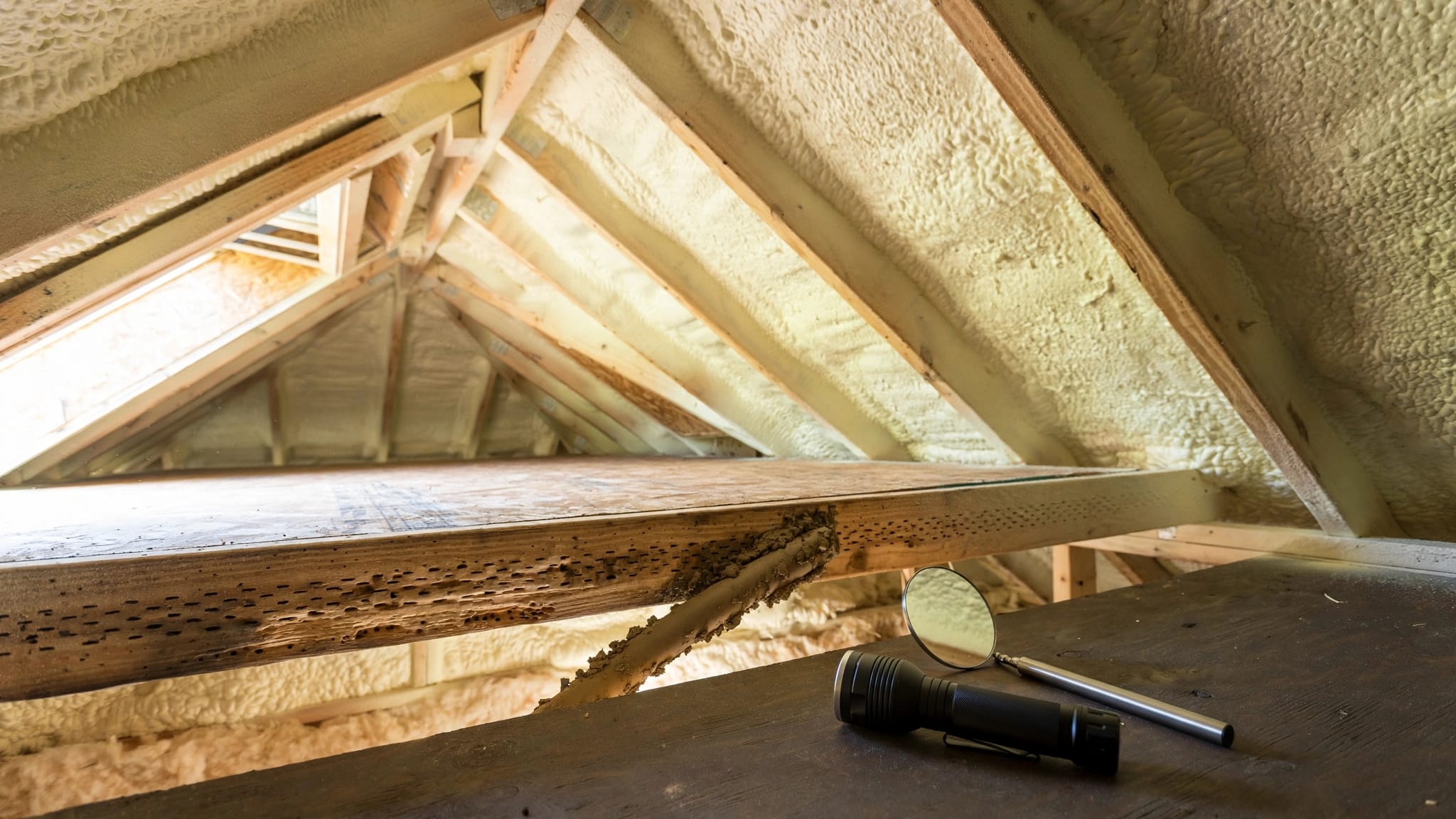
Look for fine, powdery frass under jars. It resembles flour dust. Beetles leave it as they chew spices like cumin or oregano. Check seams on pet treat bags too. Tiny holes appear where larvae exit.
Adults crawl on walls at night. They head to lights. Open a bin, and they play dead, legs tucked in. Spices clump or taste off. Pet treats show hollow kernels. Bird seed bags sag with damage inside.
In Cape Coral spice cabinets, old jars hide eggs longest. Humidity keeps frass moist and sticky. Pull out every item. Shine a flashlight on shelf edges. Frass collects in corners. Larvae, creamy-white grubs, wiggle if disturbed.
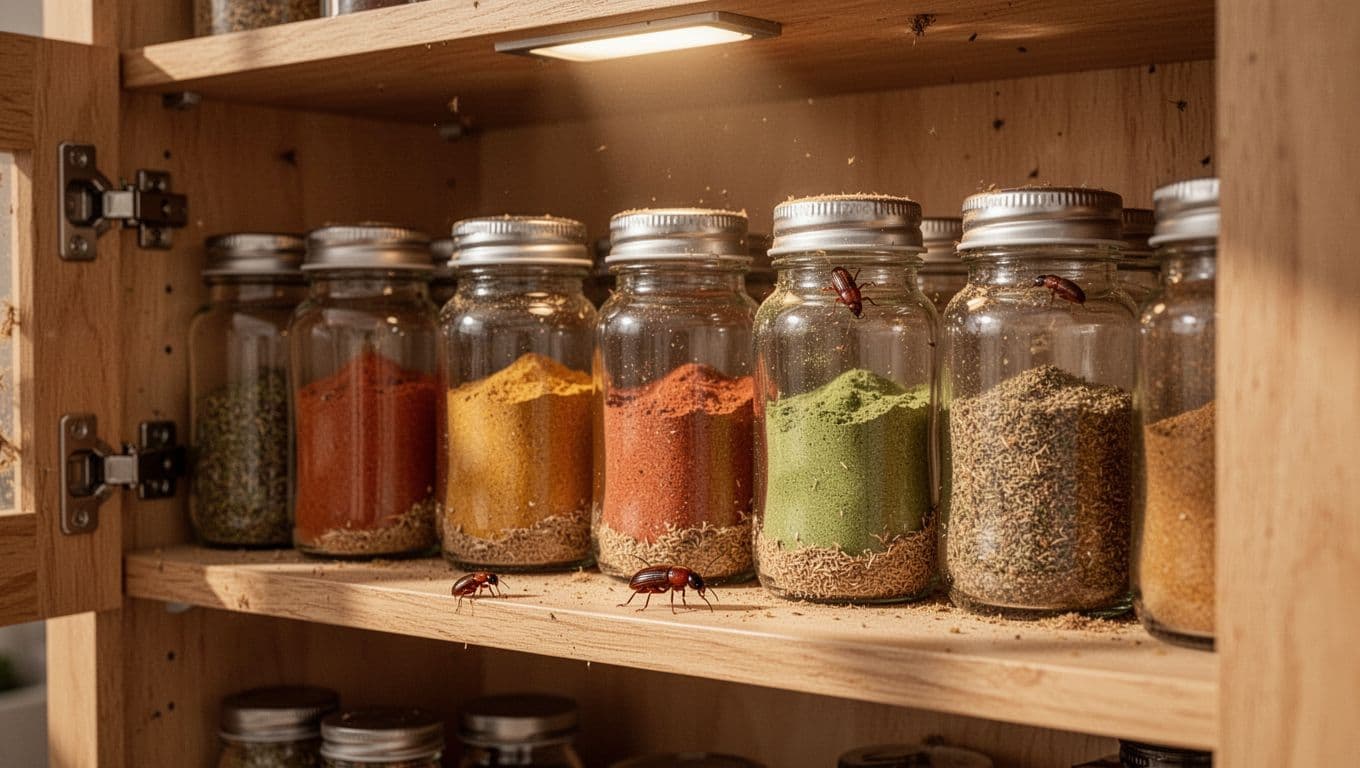
Pet treat bins near garages worsen fast. Bulk bags from stores carry the start. Check dates on packages. Old ones breed trouble first.
Why Drugstore Beetles Thrive in Cape Coral Homes
Cape Coral's heat hits 80-90°F often. Drugstore beetles need 75-95°F to multiply. Humidity over 60% speeds egg hatch. Pantries trap that warmth. No cold winters slow them.
Groceries bring them in. Infested spices or pet food from bulk bins starts it. Not your cleaning. Bird seed for backyard feeders hides eggs too. Garages store extras, where temps stay high.
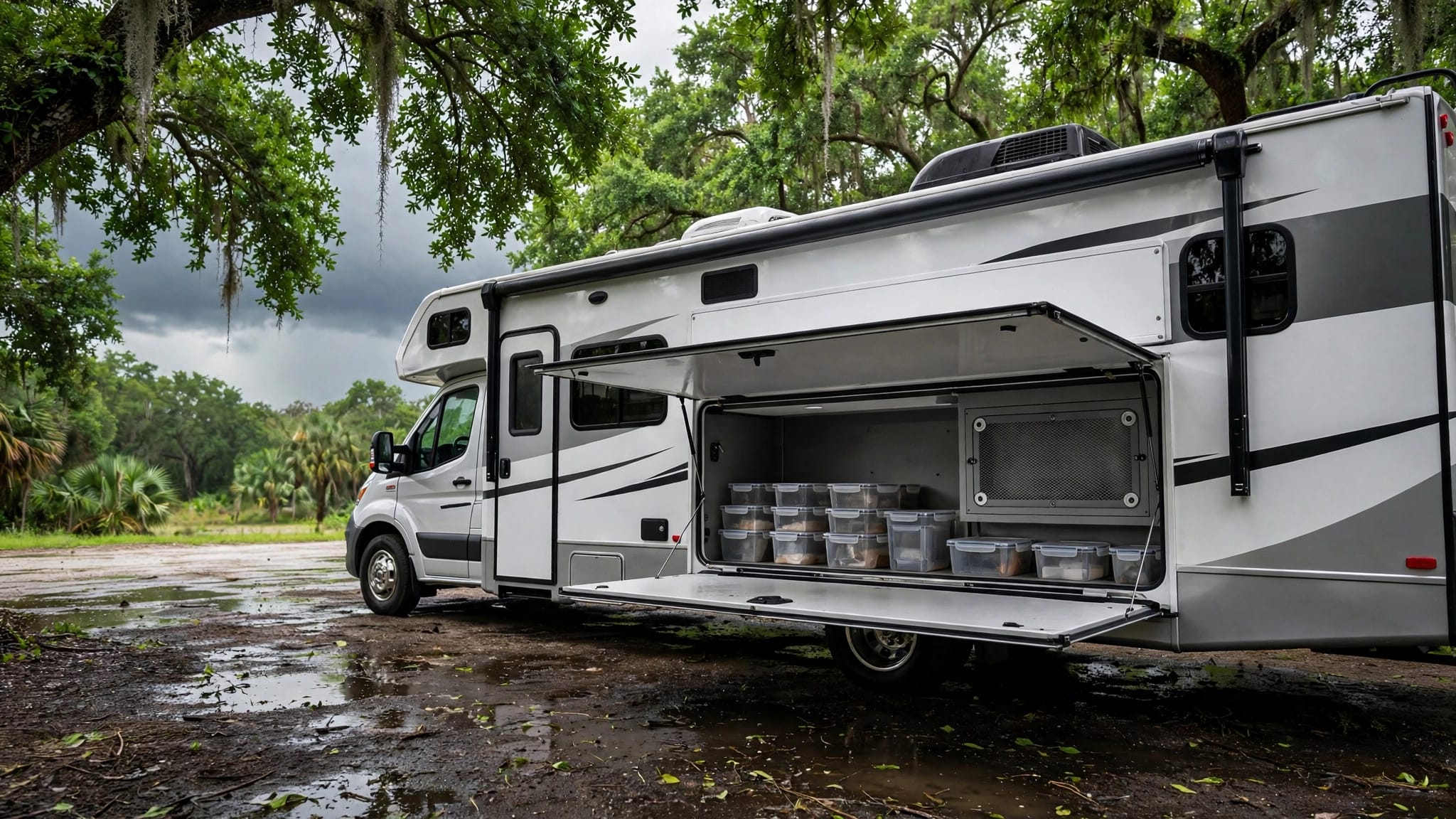
Similar pests hit here too. Rice weevils in Cape Coral pantries chew grains nearby. Pantry moths in Cape Coral kitchens add webbing. Drugstore beetles bore deeper. Local habits like long-term storage raise risks. Hurricane prep stacks dry goods. They sit months, perfect for beetles.
You control storage. Weather stays constant, so habits matter most.
Safe Steps to Remove Drugstore Beetles at Home
Start with inspection. Empty cabinets and bins fully. Toss anything with holes, frass, or bugs. Seal discards in bags outside. Don't compost; larvae survive.
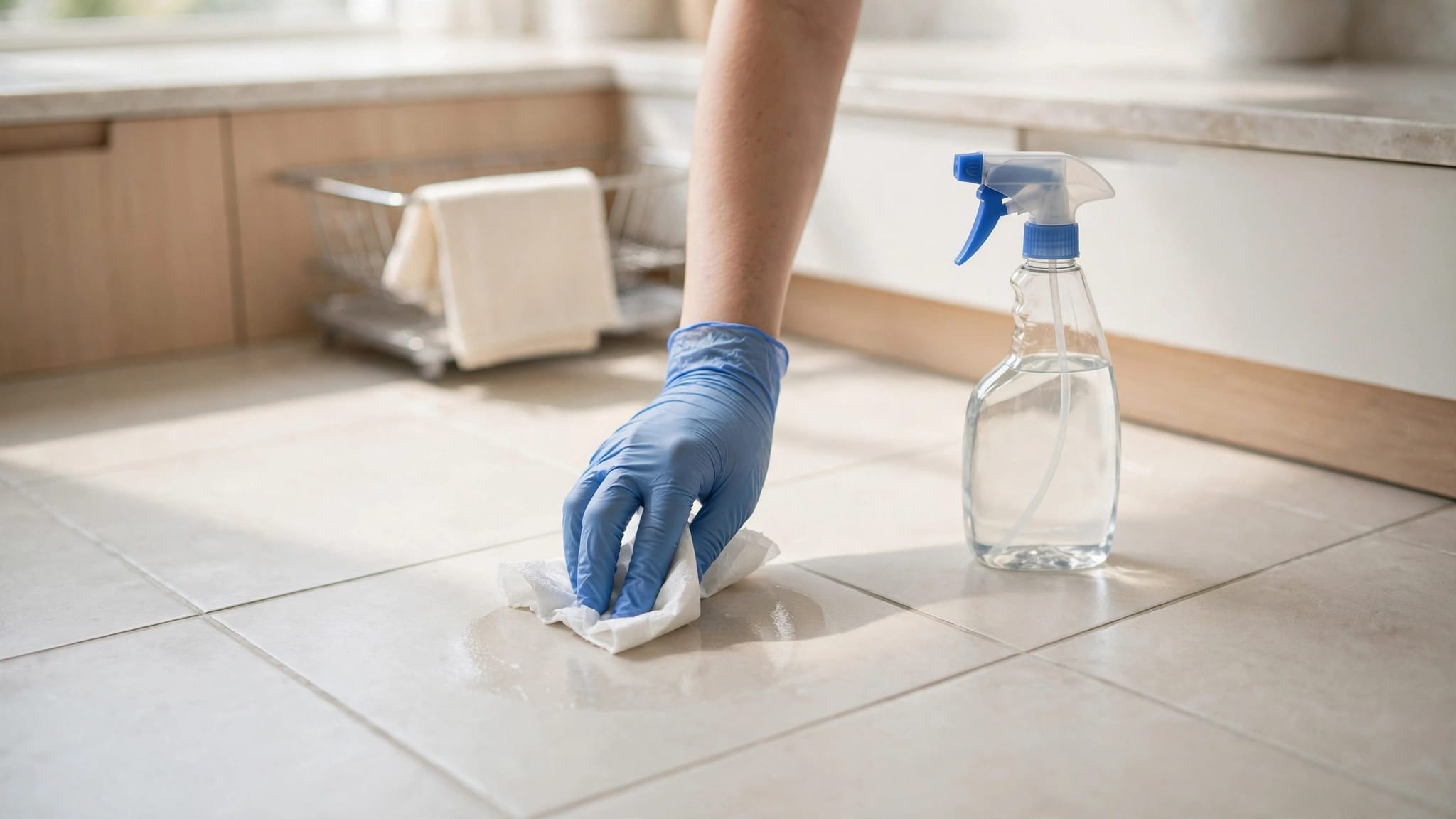
Vacuum shelves deep. Use crevice tool on cracks and edges. Empty bag outdoors right away. Wipe with soapy water. Dry completely. No sprays near food. They taint surfaces.
Freeze suspects 4 days at 0°F. Or heat at 120°F for an hour. Kills all stages. Isolate new items 7 days. Pheromone traps catch adults. Place near lights, not on shelves. Check weekly.
Repeat in 4 weeks. New adults emerge slow. Monitor pet bins extra. Bird seed goes first often. Most cases clear this way. Patience stops the cycle.
If beetles return, call pros. They check hidden spots like wall voids. Safe treatments fit food areas.
Prevention Strategies for Cape Coral Pantries
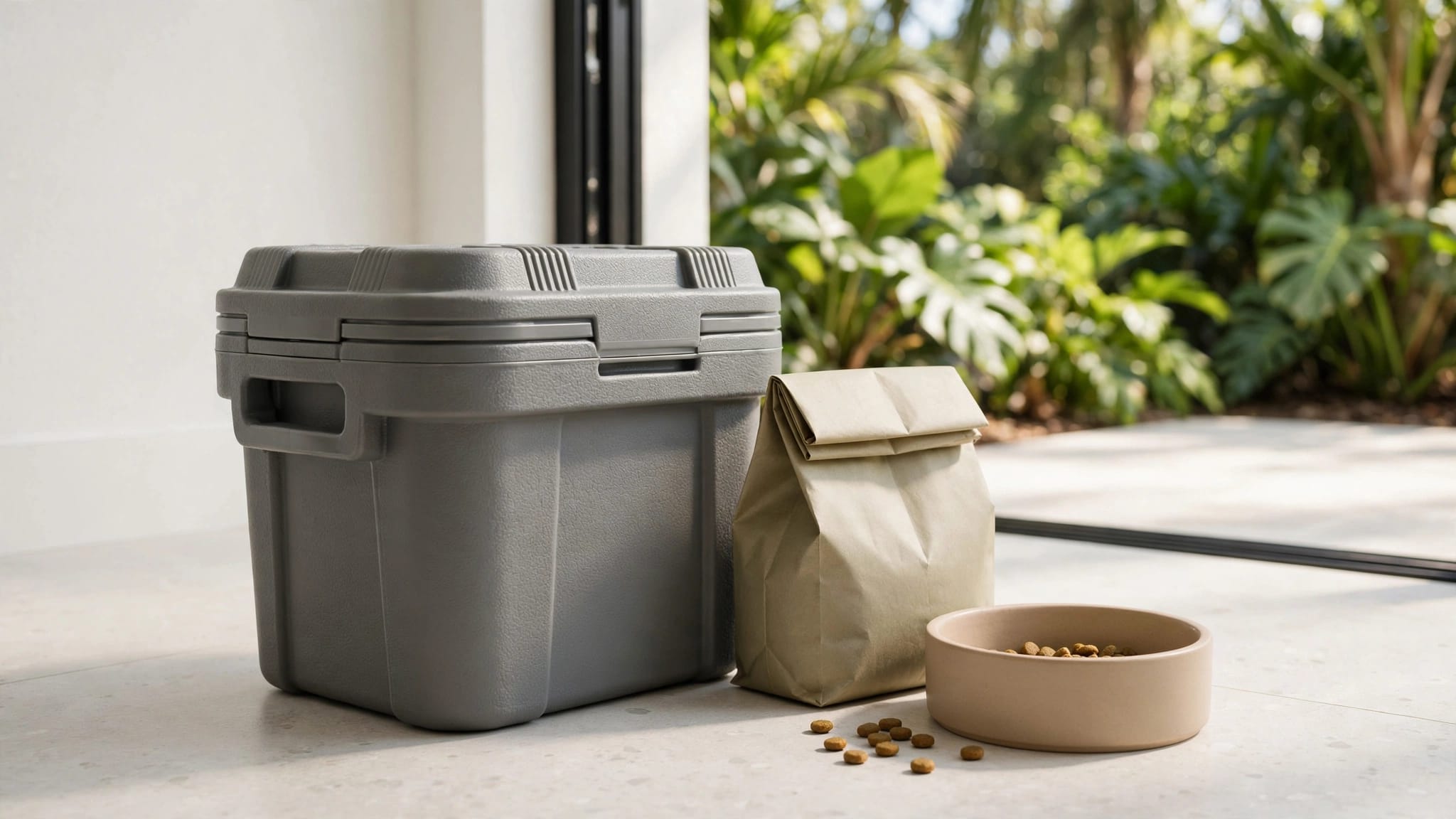
Store spices in airtight glass jars. Thick plastic works for pet treats. Metal bins seal bird seed tight. Check package seams before buying. Shake into a tray; watch for bugs.
Vacuum shelves monthly. Wipe spills daily. Rotate stock; use oldest first. Buy small amounts. Freeze bulk 2 weeks before shelf time.
Cape Coral humidity demands dry air. Fans or dehumidifiers help. Bay leaves repel a bit, but seals do more. Inspect garages too. Bulk pet food lives there often.
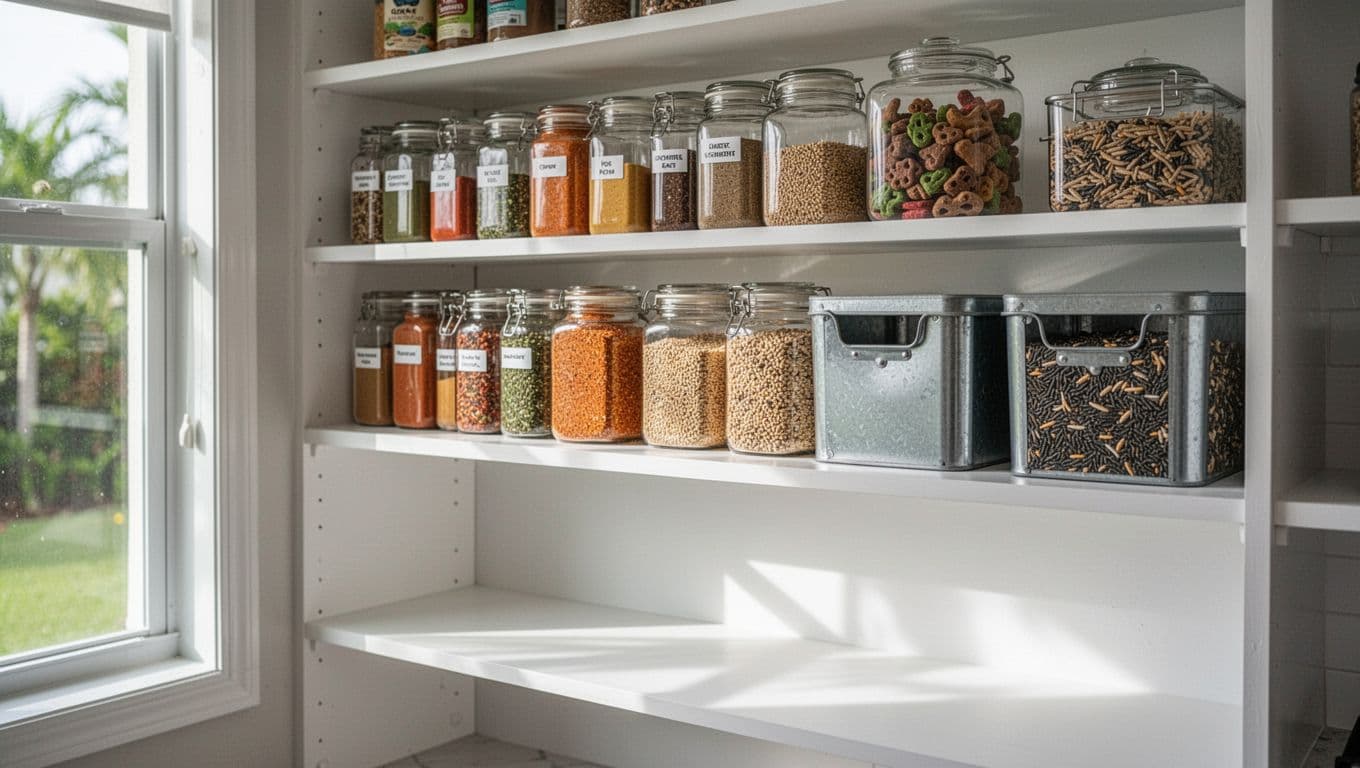
These steps block entry. Your kitchen stays fresh.
Drugstore beetles start from packages, but smart storage ends them. Toss infested items, clean deep, and seal everything airtight. Cape Coral warmth demands vigilance, yet simple habits win. Check dates and seams weekly. Your spice rack and pet bins deserve it.
Schedule a Free Inspection: