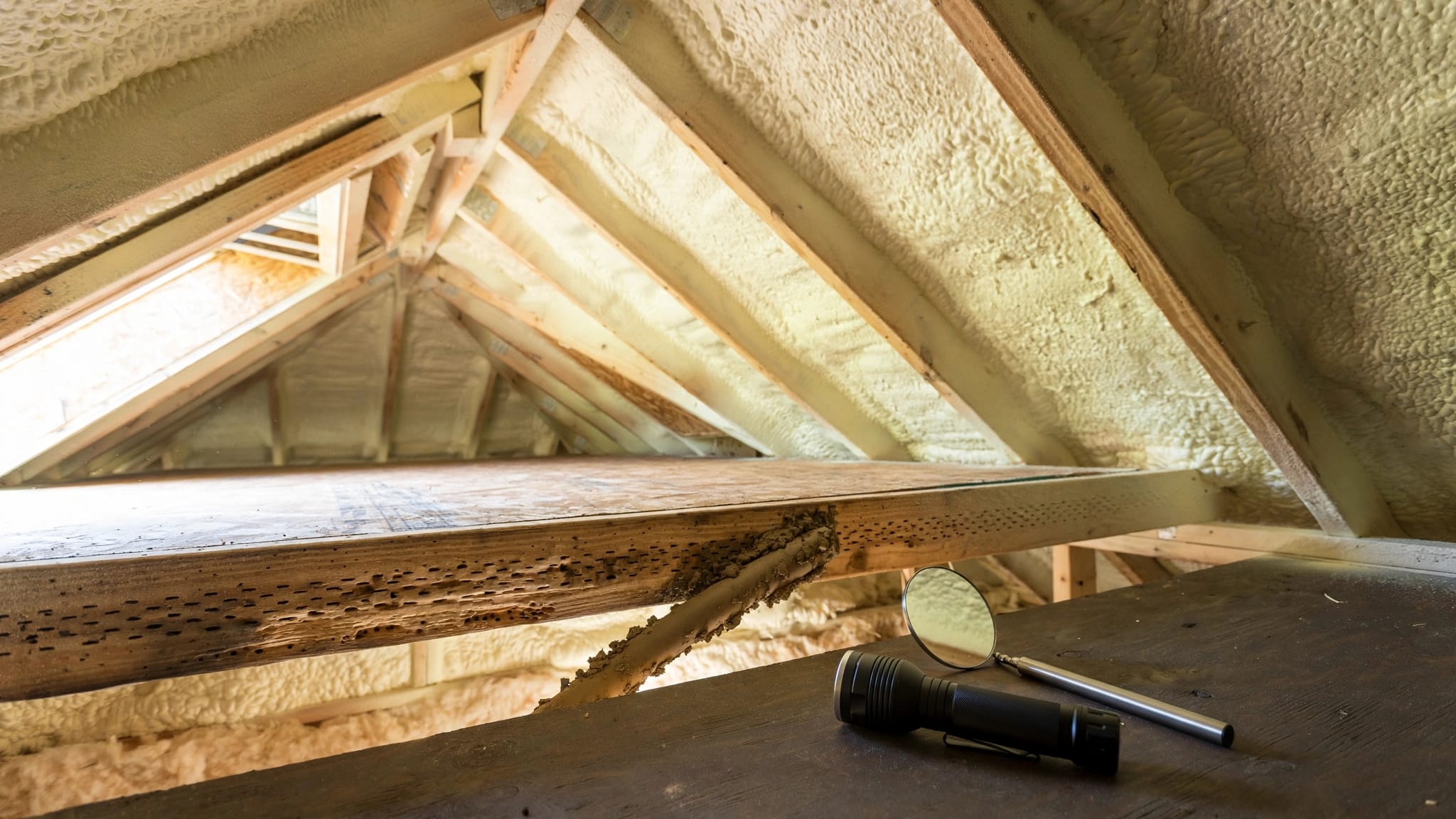
Sri Lankan Weevils on Cape Coral Patio Furniture and Pool Screens
If tiny beetles keep showing up on your lanai, pool cage, or patio furniture, you're not alone. Sri Lankan weevils are a common nuisance around Cape Coral homes, and they love the same outdoor spaces you use every day.
They often gather on screens, walls, and entry areas after sunset. The good news is that you can cut their numbers with a few simple changes, and you do not need to turn your patio into a sealed room to do it.
Why Sri Lankan Weevils Keep Showing Up Around Cape Coral Homes
Cape Coral gives these pests plenty of what they want: warmth, plants, lights, and sheltered outdoor surfaces. Sri Lankan weevils usually live around landscaping, then wander onto homes when conditions feel right.
That is why they show up so often on pool cages, patio furniture, and screened enclosures. The screen mesh, light-colored furniture, and nearby walls give them easy landing spots. Once they are there, they can collect in small clusters and make an otherwise clean patio look infested.
They are mostly an outdoor nuisance, but they can be stubborn. If your lanai sits near dense shrubs, palms, or ornamentals, you may see more of them than neighbors across the street. Even a tidy patio can attract them if the surrounding landscape is a good host site.
A few common reasons they gather near homes include:
- Outdoor lights that pull them toward patios and entry points
- Host plants near the house, especially thick or overgrown ornamentals
- Shelter on screen corners, wall edges, and under furniture
- Warm evening conditions that send them moving after dark
The pattern matters. If they show up in waves, the source is often outside the patio itself. That is why cleaning the visible bugs is only part of the fix.
How to Spot Them on Pool Screens, Walls, and Patio Furniture
Sri Lankan weevils are small, but they are easier to notice than to identify at first glance. They usually look like tiny gray-brown beetles with a compact body and a short snout. On a screen or wall, they often appear as dark specks until you get close.
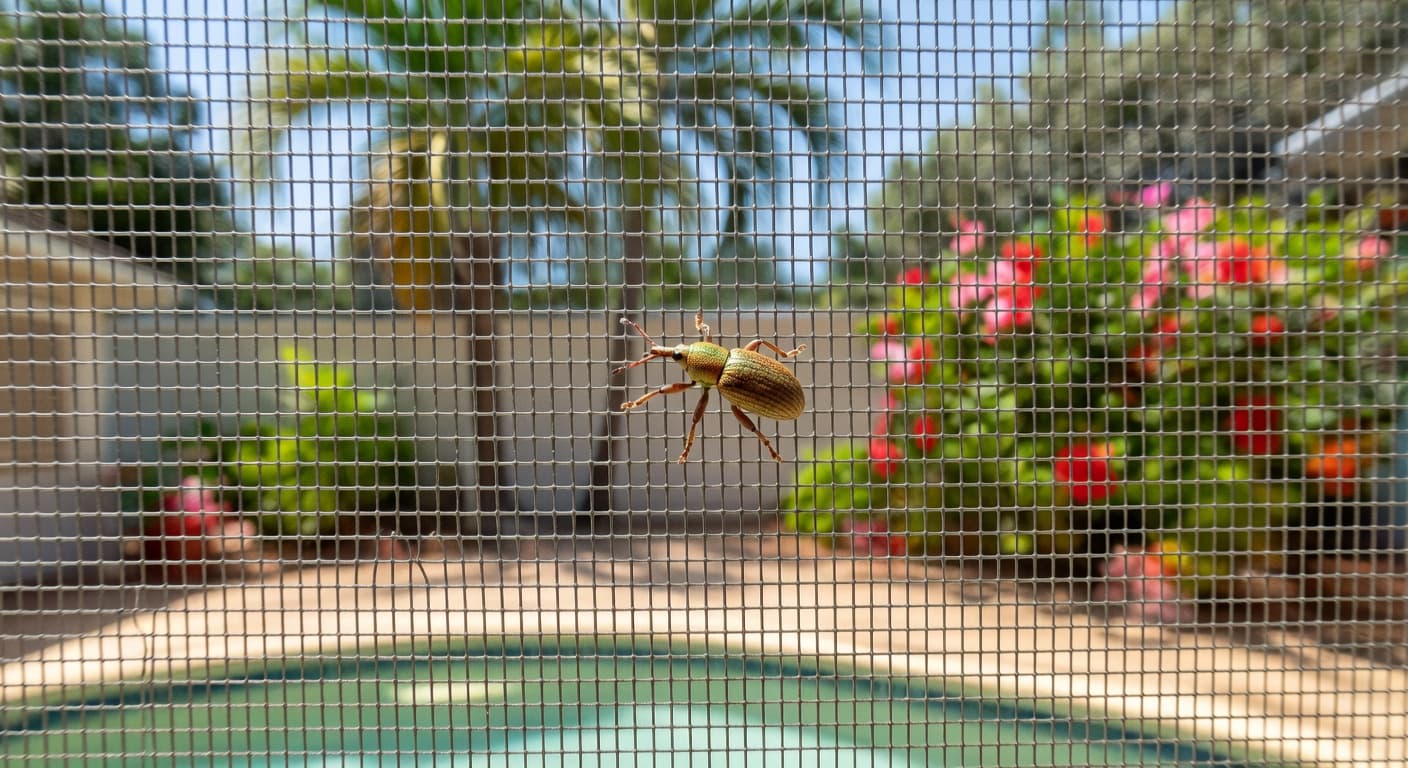
Most homeowners first notice them in the same places each time. Look closely at:
- Pool screens and pool cage frames
- Patio chair arms and table edges
- Lanais near sliding doors
- Exterior walls beside entryways
- Light fixtures and the areas around them
They often rest in plain sight. Sometimes they cling to the screen mesh, and sometimes they tuck into corners where the frame meets the wall. During the day, you may find fewer of them. At night, the lights can bring them back fast.
If the same small bugs keep returning to the same screen panels, the problem is usually coming from nearby plants or outdoor lighting.
That is why accurate spotting matters. A few insects on one screen panel can be easy to miss. A repeated pattern across multiple patio surfaces tells a different story.
What Pulls Sri Lankan Weevils Into Lanais and Screened Enclosures
A screened enclosure gives you comfort, but it also creates a bright, protected target. If the home has exterior lights, nearby shrubs, and a sheltered patio, the weevils have several reasons to stay close.
Light is one of the biggest draws. Porch lights, floodlights, and decorative bulbs can pull insects toward the house. Once they land near the lanai, they crawl along the frame, settle on furniture, and circle the same entry points again and again.
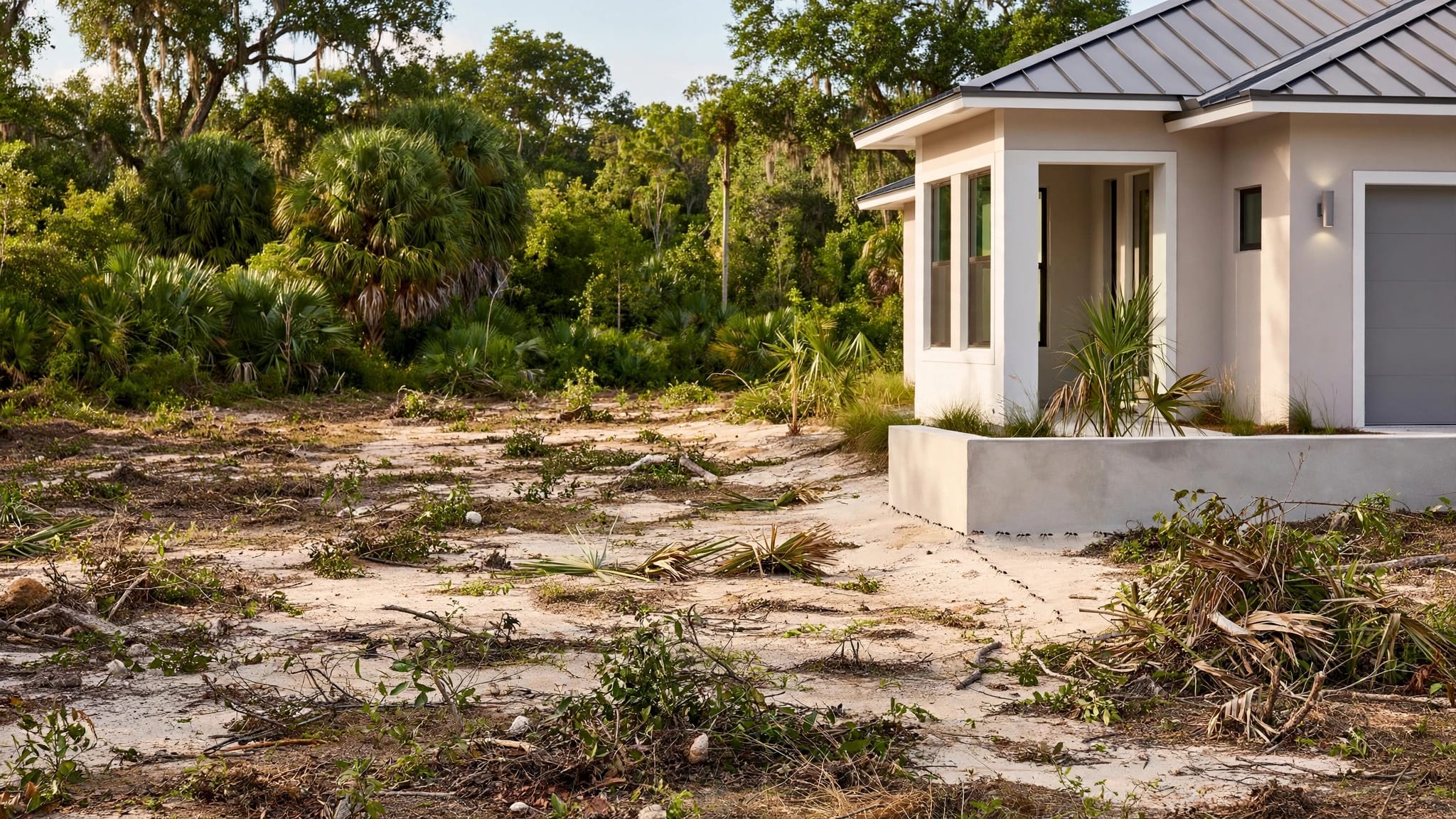
Landscape plants matter too. Sri Lankan weevils feed on a range of ornamental plants, so overgrown beds near the home can keep the pressure high. If branches lean over the pool cage or touch the screen, the pests have a direct path onto your outdoor living area.
Moist, shaded spots also help them stick around. That is why you may see more activity near:
- Irrigation zones
- Thick hedge lines
- Decorative planters
- Palm bases and low shrubs
- Screened corners with little airflow
Even a well-kept patio can feel overrun if the yard around it stays attractive to pests. In other words, the screens may be where you see them, but the landscaping is often where the problem starts.
Simple Ways to Reduce Weevil Activity Outside
The fastest way to make your patio less appealing is to change the things that draw them in. Start with the easy wins, then work outward from the home.
Use these steps around the patio, pool cage, and entry areas:
- Replace bright white bulbs with lower-attraction options.
- Turn off unnecessary lights after dark.
- Trim shrubs and branches away from the screened enclosure.
- Remove plant debris from patio corners and along walls.
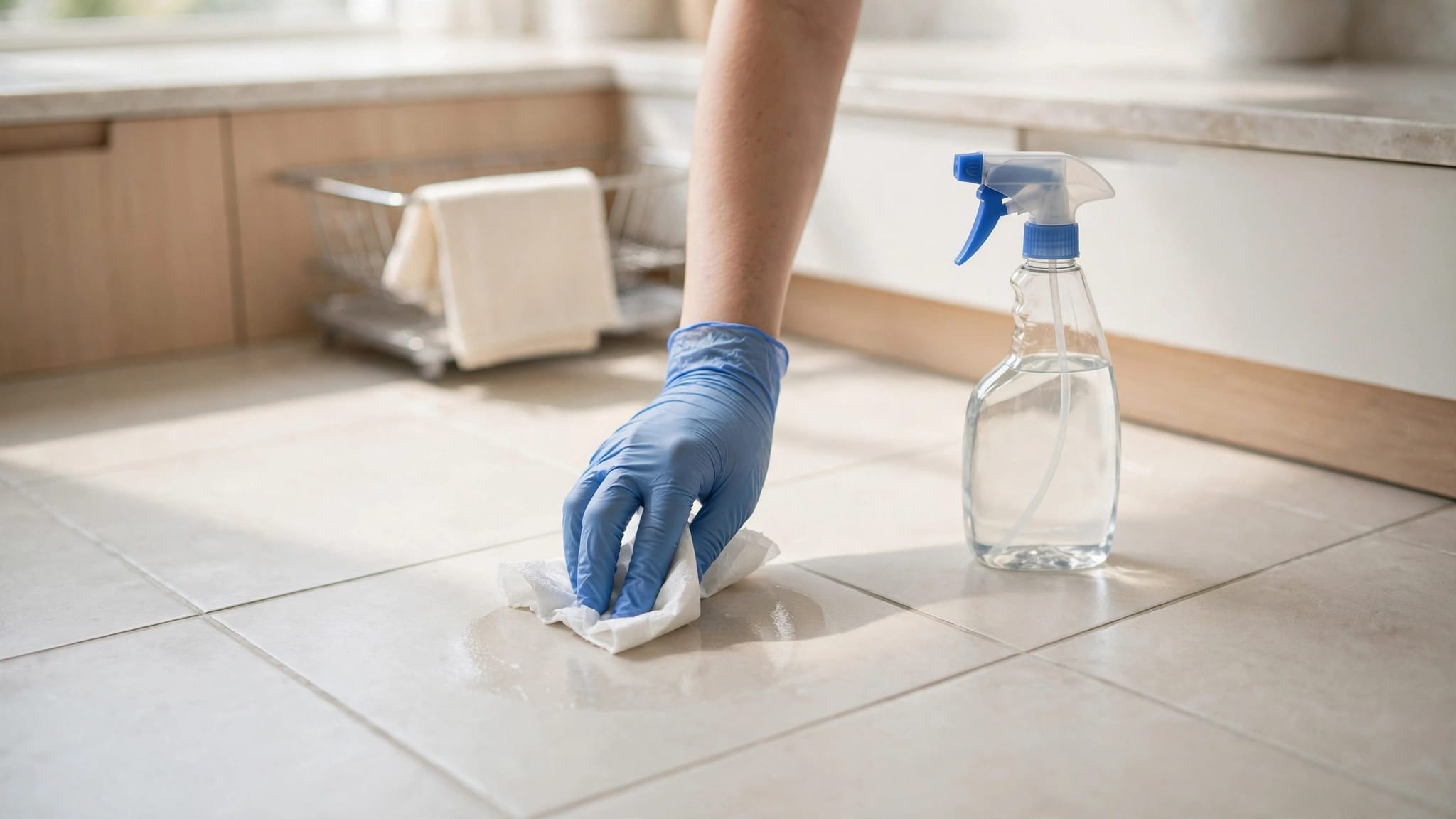
- Rinse or wipe down patio furniture, screen frames, and railings.
- Check potted plants and decorative greenery near the lanai.
Those steps work best when they happen together. A cleaner screen helps, but a bright light over a thick hedge can undo the effort. Likewise, trimmed plants help, but they work even better when the patio stays free of leaf litter and dead debris.
Regular cleaning matters more than most people think. If you see weevils on the screen, brush or hose them away before they pile up. Use a soft cloth on patio furniture so you do not spread plant sap or dirt that may attract more insects. For pool screens, a gentle wash can remove both the bugs and the residue that keeps them nearby.
It also helps to keep the area around doors clear. Weevils often wander toward lighted entry points, so sliding doors, side doors, and garage-adjacent patios should stay clean and well sealed.
A few habits make a difference over time:
- Keep exterior lights lower and fewer.
- Avoid leaving curtains or doors open near glowing fixtures.
- Prune host plants before they touch the cage.
- Clean spills, crumbs, and standing water quickly.
- Inspect furniture and screen edges after heavy evening activity.
Small changes add up. When the patio no longer feels like the brightest, shadiest, best-fed spot in the yard, the insects tend to move on.
When a Persistent Infestation Needs Professional Help
Some homes keep seeing Sri Lankan weevils no matter how often the screens get cleaned. That usually means the source is still active nearby. If you keep finding them around the same lanai panels, wall seams, or patio furniture, the problem may be tied to landscaping, lighting, or a hidden population close to the house.
This is the point where a professional inspection helps. A trained technician can look at the exterior of the home, check likely entry areas, and focus treatment where the insects are entering or resting. That approach is especially useful when the bugs return after every cleanup or spread beyond one patio area.
If you want help with recurring outdoor activity, residential pest control in Cape Coral can help identify the source and reduce pressure around your screened enclosure.
Professional treatment is also a smart move when the problem reaches multiple outdoor spaces. If the weevils are on the pool cage, patio furniture, walls, and nearby entryways at the same time, the issue is no longer isolated. At that stage, a targeted plan is easier than repeated spot cleaning.
Homeowners often wait too long because the insects seem harmless. That can backfire. A light nuisance can turn into a nightly routine if the source stays untouched.
Conclusion
Sri Lankan weevils in Cape Coral are usually a patio problem, not a panic problem. They gather on pool screens, lanais, walls, and patio furniture because those spaces give them light, shelter, and access to nearby plants.
The best defense is simple and steady. Cut the light they follow, trim the plants that feed them, clean the surfaces where they gather, and get help when they keep coming back. When you handle the outside conditions, your screened enclosure starts feeling like part of your home again, not a landing zone for pests.
Schedule a Free Inspection: