Squirrels in Cape Coral Attics: Gable Vent Damage Explained
A damaged gable vent can give squirrels a direct route into your attic. Once inside, they may build a nest, chew wiring, contaminate insulation, and return through the same opening each day.
Reports of squirrels in Cape Coral attics often involve more than a simple repair. A mother may be raising young inside, so sealing the vent too soon can trap the family or separate dependent babies from her. Safe removal starts with a careful inspection, then exclusion and repairs in the right order.
Key Takeaways
- Squirrels can enter through torn screens, loose louvers, and gaps around damaged gable vents.
- Daytime scratching, chewing, nesting material, and droppings can point to squirrel activity.
- Never seal an active entry point until a professional confirms that no squirrels or dependent young remain inside.
- Gable vent repairs must use durable wildlife-resistant materials without blocking designed attic ventilation.
- A complete inspection should include nearby roof edges, soffits, fascia, and other possible entry points.
Why Squirrels Target Cape Coral Gable Vents
Gable vents sit high on the exterior wall, near the roofline. Their location protects attic airflow, but it also places them within reach of squirrels climbing trees, roofs, and nearby structures. A vent may fail after age, storm damage, animal chewing, or a loose installation.
The most common openings include:
- Torn or missing vent screen
- Broken wood, vinyl, or metal louvers
- Gaps along the vent frame
- Loose fasteners
- Damaged trim where the vent meets the siding
- Openings created when a previous repair used weak plastic or foam
Squirrels can chew through some screens and enlarge small gaps around the frame. They may also use a roof edge, soffit, or fascia opening before moving through the attic and appearing near the gable vent. Finding damage at one location doesn't prove that the vent is the only entry point.
Cape Coral homes also face heavy rain, humidity, and strong winds. Water can weaken wood around a vent, while wind can loosen exterior components. Once a small gap forms, an animal may turn it into a usable doorway.
The attic offers shelter from rain and heat, along with insulation that can become nesting material. Squirrels may pull apart insulation, paper, leaves, and other debris to create a nest. Their activity often increases around dawn and late afternoon when they leave and return.
A damaged vent creates another problem besides wildlife access. Rain can enter the attic, and the opening may allow birds, insects, or other animals inside. That makes a prompt inspection more useful than a quick patch.
Signs Squirrels Entered Through a Gable Vent
Squirrels are active during the day, so homeowners often hear them when the house is otherwise quiet. Scratching, running, gnawing, or rolling sounds above a bedroom can point to an attic visitor. Chewing usually sounds sharper and more concentrated than the soft movement caused by wind or tree branches.
Look at the exterior vent from the ground first. Use binoculars if needed, but don't climb onto the roof without proper equipment. Signs may include a ragged hole in the screen, bent louvers, dark rub marks around an opening, or nesting material visible behind the vent.
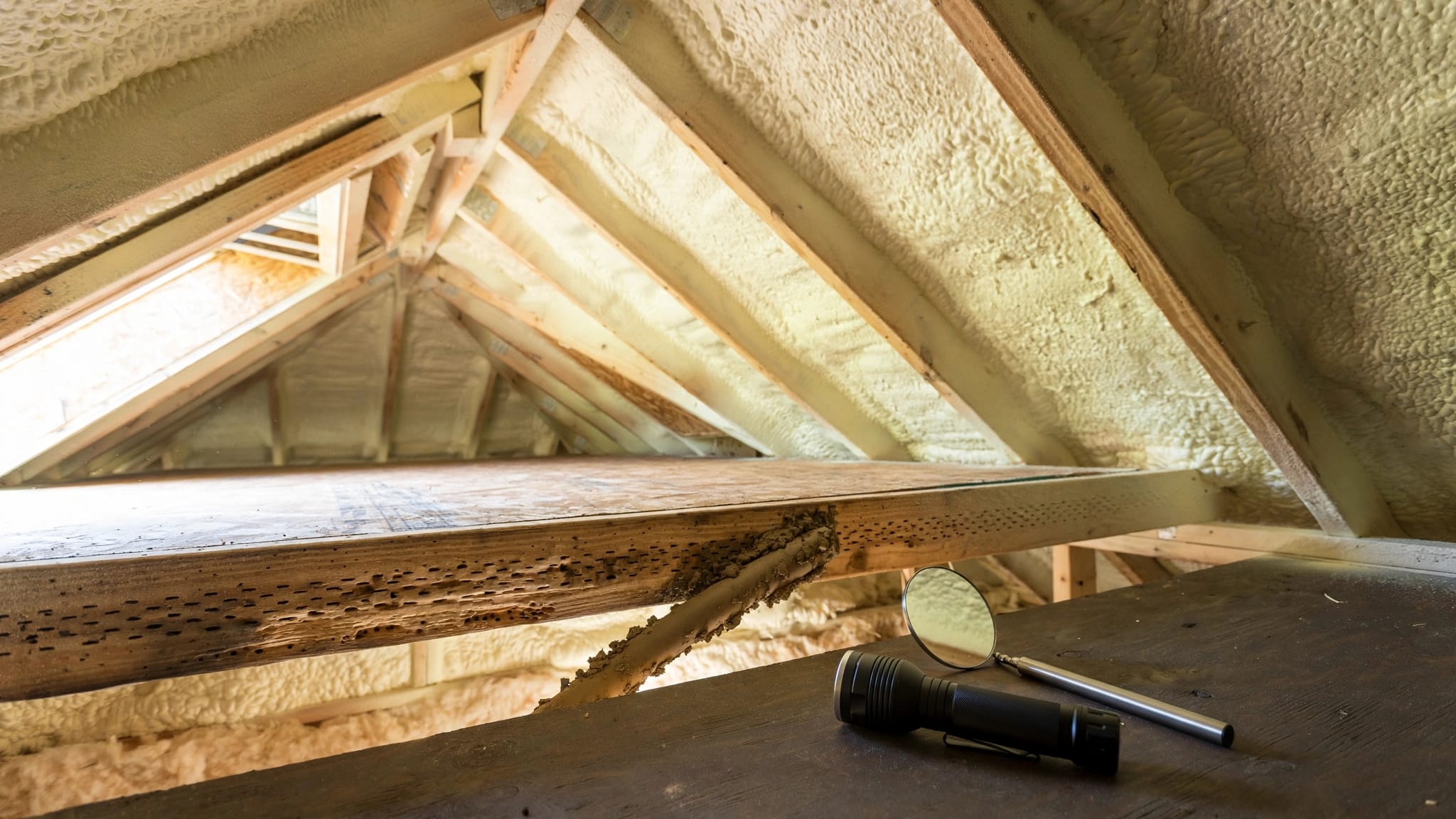
Inside the attic, check for clues near the gable wall and along rafters. Squirrel activity can leave:
- Shredded insulation or loose nesting material
- Droppings and urine-stained areas
- Chewed wood or plastic
- Gnaw marks on wiring
- Greasy rub marks near travel routes
- A strong animal odor
- Daylight coming through the vent or another gap
You may also hear high-pitched squeaks. Those sounds can indicate young, especially when they remain in one area while an adult moves around the attic. A mother squirrel may leave for food and return later, so an empty attic during one inspection doesn't confirm that the space is clear.
Other animals can create similar signs. Raccoons may cause heavier impacts and larger openings. Bats often gather near roof gaps and leave different droppings. Birds can bring nesting material through open vents. A pest professional can identify the animal before selecting an exclusion method.
Avoid touching droppings, nests, or insulation without gloves, eye protection, and suitable respiratory protection. Keep children and pets away from the attic until the inspection is complete.
A quiet attic isn't always an empty attic. Young squirrels may stay hidden while the mother searches for food.
Young Squirrels Change the Removal Plan
Squirrels may be raising young in an attic, and that possibility changes every step of the job. If a mother gets locked out, she may scratch at the repaired vent, damage another part of the home, or remain separated from her babies. The young can also die inside the structure, creating odor and sanitation problems.
A careful inspection looks for nests before anyone seals the gable vent. The inspector may listen for squeaks, watch the entry point, and check sheltered areas near the roofline. Because a mother may be outside during the visit, timing matters.
The safest plan depends on the nest location, the age of the young, and the number of active entry points. In some cases, a professional can delay exclusion until the young can leave with the mother. In others, the nest may need careful handling under applicable wildlife rules. Homeowners shouldn't move a nest or attempt to raise baby squirrels themselves.
Florida wildlife regulations can affect how nuisance animals are handled. A licensed wildlife control provider can explain the available options and the timing required for humane removal. Rodent control products aren't a substitute for exclusion, and poison creates serious risks when a squirrel dies inside an inaccessible wall or attic.
Before repair begins, the professional should confirm that the family has left or that a safe removal plan is in place. A one-way exclusion door may be appropriate in some situations, but it should never block a mother from dependent young. It also needs monitoring because another opening may allow the animal to re-enter.
The goal is to remove the squirrels without forcing them into the living space or leaving babies behind. That requires patience, observation, and a repair plan based on what the inspection finds.
Repairing a Damaged Gable Vent Safely
Gable vent repair should happen after all squirrels have safely exited . Sealing first may trap an animal inside, separate a mother from her young, or push the squirrel toward a weaker part of the roofline.
Once the attic is clear, the damaged vent and surrounding structure should be examined. A small screen tear may need a metal patch, while cracked louvers, rotten framing, or a loose vent assembly may require replacement. The repair should address the actual weakness instead of covering only the visible hole.
Durable repairs often include galvanized or stainless steel hardware cloth, metal flashing, replacement vent components, and corrosion-resistant fasteners. The right material depends on the vent design and the surrounding siding or trim. Plastic mesh and expanding foam can help with limited gaps in some repairs, but squirrels may chew through them when they are the only barrier.
Ventilation must remain part of the repair. A gable vent allows hot, moist attic air to move through the roof system. Covering the entire vent with an overly dense barrier, blocking the louvers, or filling the opening with foam can reduce airflow and create moisture problems.
A proper repair should:
- Replace or reinforce damaged vent sections.
- Secure metal screening behind or within the vent without blocking its open area.
- Seal gaps around the frame with materials suited to the building surface.
- Replace weakened trim, wood, or fasteners.
- Preserve the vent's intended airflow and drainage paths.
The contractor should also inspect nearby soffits, fascia, roof returns, and utility penetrations. Squirrels can use more than one access point, and repairing only the gable vent may not solve the problem.
Afterward, keep trees and large branches trimmed away from the roof where practical. Store birdseed and pet food in sealed containers, and remove food sources that attract wildlife close to the house. These steps won't replace structural repairs, but they can reduce repeat visits.
When to Call a Pest or Wildlife Professional
Call for an inspection when you hear repeated attic noise, see vent damage, or find nesting material. Professional help is especially important when you suspect young squirrels, notice chewed wiring, or can't safely reach the gable vent.
An inspection should identify the animal, locate every likely entry point, check for babies, and assess damage. Ask whether the proposed work includes removal, monitoring, vent repair, and follow-up inspection. These details matter because trapping an animal without closing access often leads to another intrusion.
Electrical damage deserves prompt attention. Squirrels may chew wire insulation, which can create a shock or fire hazard. If you see exposed wiring, avoid the area and have a qualified electrician inspect it after wildlife removal.
Homeowners who need broader protection can also review local rodent control services for related attic and entry-point concerns. A complete service plan should focus on exclusion and repairs, not only on removing the animal currently inside.
The best repair is timed around the animals, then built around the home's ventilation needs.
Conclusion
A damaged gable vent can turn a Cape Coral attic into a squirrel shelter, but the solution involves more than closing a hole. First identify the entry point and confirm whether a mother is caring for young. Then complete humane exclusion and repair the vent with strong materials that protect the opening without restricting airflow.
If you hear scratching or see torn screening, don't seal the vent on your own. A careful inspection protects the squirrels from unnecessary harm and helps prevent damage from returning to your attic.
Schedule a Free Inspection: