Anopheles Mosquitoes in Cape Coral Ruts and Hedges
Cape Coral yards can look neat and still grow mosquitoes fast. Anopheles mosquitoes do well where water lingers, shade stays heavy, and air barely moves.
That mix shows up in irrigation ruts, low spots, and dense hedges. It can show up around homes, rentals, and commercial properties too, especially after rain or a long watering cycle.
If mosquitoes keep biting in the same corners of your yard, the problem is usually in the site conditions. The fix starts with water, shade, and plant growth.
The hidden habitats in a Cape Coral yard
Irrigation ruts are easy to miss. A sprinkler that runs too long, points the wrong way, or hits a compacted patch can slowly cut small channels into turf. Those shallow grooves collect water, and that water can sit long after the sprinklers shut off.
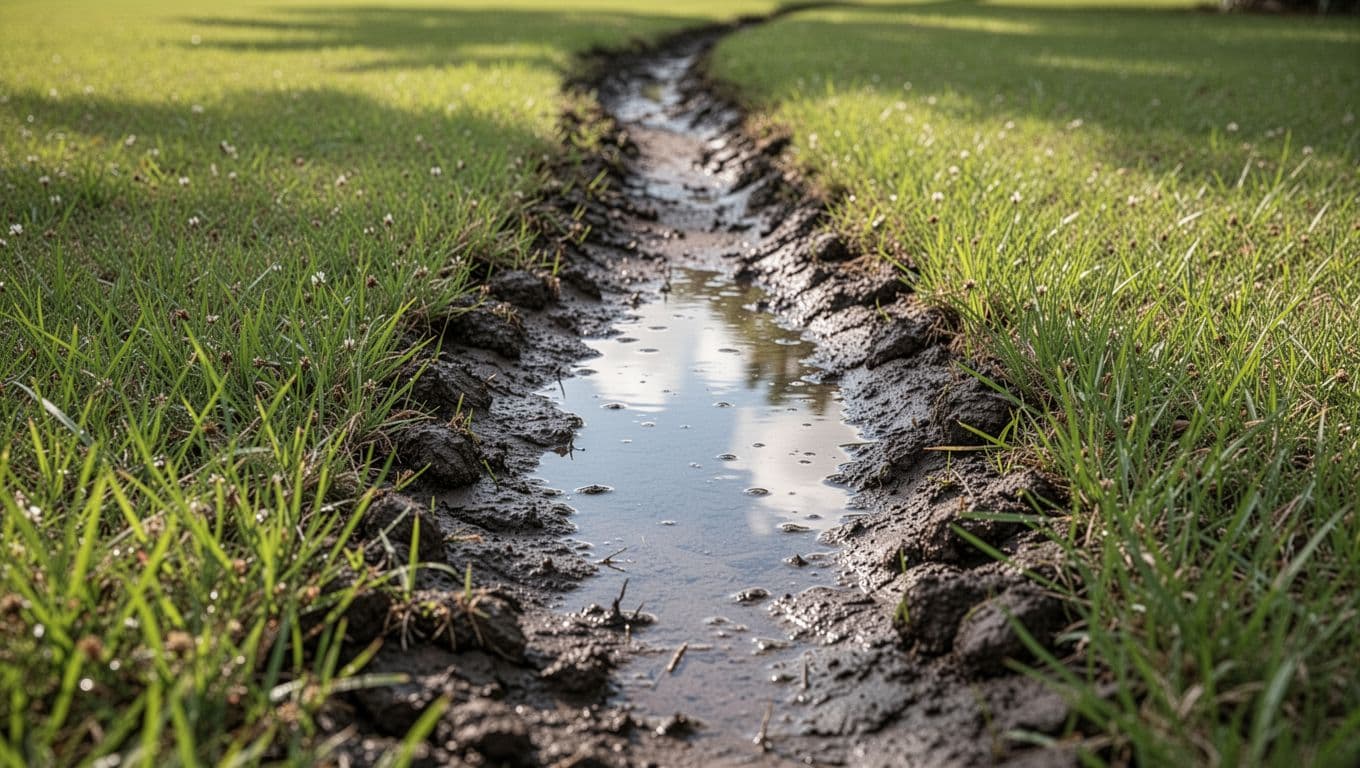
In Cape Coral, that matters more than people think. Summer rain, daily irrigation, and packed soil around walkways or fence lines can keep those low spots damp for hours or days. A rut near a side yard gate may look harmless, but it can keep feeding the mosquito cycle.
Anopheles mosquitoes are important biting mosquitoes, and they stay close to the wet places a yard provides. They do not need a pond to become a problem. They need a pocket of water that lasts long enough to matter.
Low drainage areas work the same way. Water that should move toward a swale, drain, or street can stall in the yard instead. Once that happens, the rest of the property starts working against you.
Dense hedges create a cool resting zone
Hedges do more than block views. They hold shade, trap moisture, and cut airflow. That makes them a comfortable resting area for adult mosquitoes, even when they are not the breeding source.
In Cape Coral, thick landscaping often creates a humid pocket along the side of a house or the back fence. Morning watering makes that worse. Leaves stay wet, the soil under the hedge stays damp, and the air under the canopy gets still.
That combination gives mosquitoes a place to hide during the day. It also makes it easier for them to stay close to people, pets, patios, and entry doors. A hedge row that looks healthy from the street can still shelter a steady mosquito population.
The real issue is density without air movement. When branches touch the ground, mulch piles too high, or shrubs grow into a solid wall, the space underneath turns into a shaded lounge for pests. Trimming hedges for airflow helps dry the area faster and removes some of that shelter.
What a useful inspection looks for
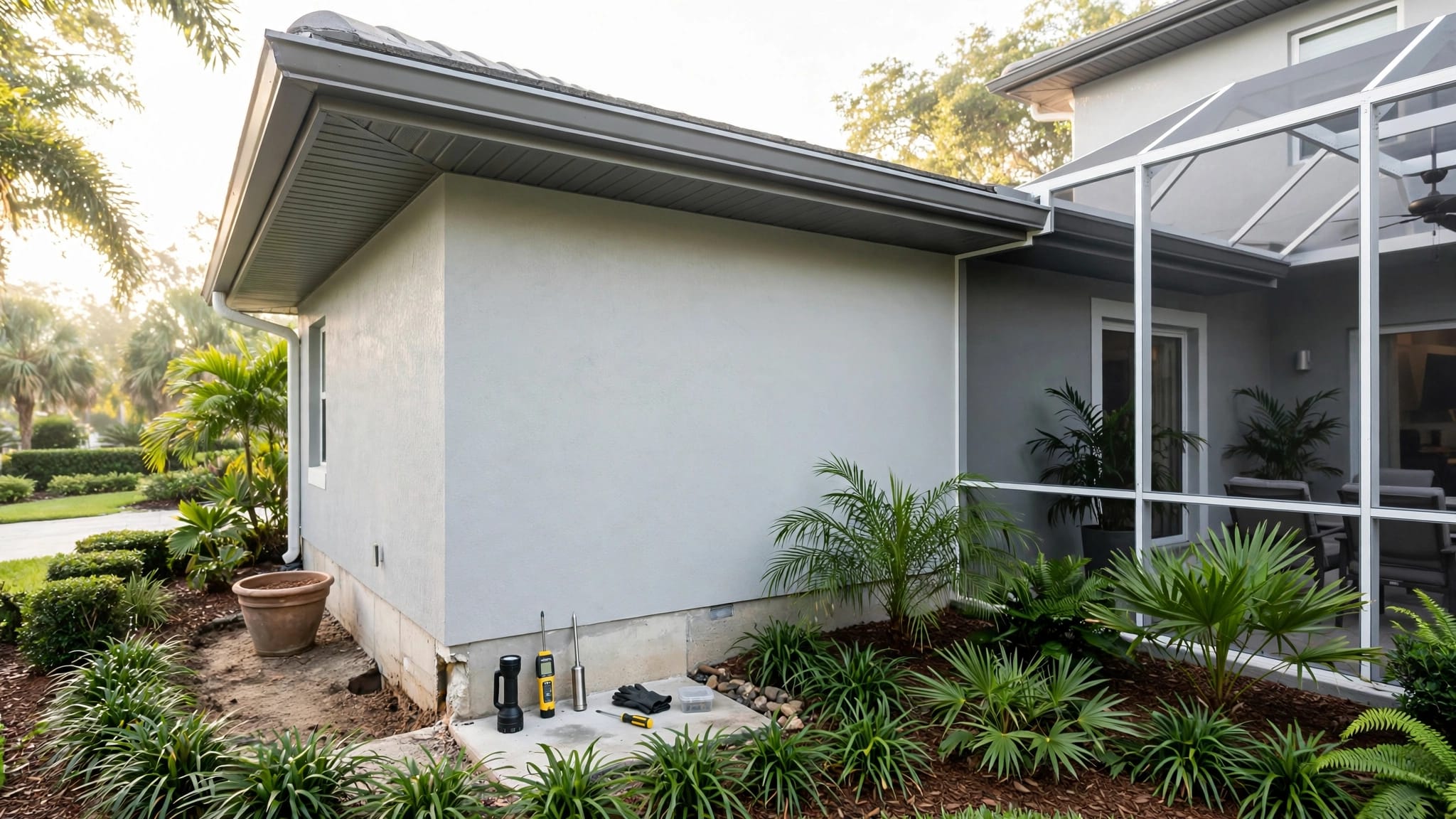
A good mosquito inspection starts with the places that hold water and the places that stay shaded. A practical starting point is identifying mosquito breeding sites at home, because the same yard often has more than one problem spot.
Look for these common trouble areas:
- Low lawn patches that stay wet after irrigation.
- Ruts near fences, walkways, or driveway edges.
- Hedge bases with soggy soil or heavy leaf litter.
- Clogged drains, gutters, or downspouts.
- Mulch beds that feel damp beneath the surface.
If the water is still there after the sprinklers stop, the mosquito problem is still there too.
That simple check helps homeowners and property managers avoid guesswork. If a spot dries out quickly, it is less likely to keep producing mosquitoes. If it stays wet, it deserves attention.
For rental homes and managed properties, a fast walk-through after rain tells you a lot. One neglected hedge row or one low yard section can become the place where tenants notice bites first.
Fix the conditions, not just the mosquitoes
Sprays can help, but they work best after the yard problem is reduced. Start with drainage, then adjust watering, then clean up the vegetation that keeps things wet.
| Trouble spot | What it does | What helps |
|---|---|---|
| Irrigation ruts | Holds shallow water after every watering cycle | Regrade low spots and correct sprinkler coverage |
| Poor drainage | Leaves the yard wet long after rain | Improve runoff, clear drains, and fill persistent depressions |
| Thick hedges | Traps shade and humidity | Trim for airflow and thin dense growth |
A yard that drains well dries faster, and that alone changes mosquito pressure. Sprinklers should water the landscape, not create channels in the soil. If a zone always leaves puddles, the heads may need adjustment or the grade may need work.
Hedges need the same attention. Cut them back so air can move through the branches. Remove debris at the base, and keep mulch from banking too high against stems. When the lower growth stays open, sunlight and airflow do more of the drying for you.
If the problem reaches patios, pool cages, or screened lanais, the outdoor living area can need its own plan. Mosquito control for lanais and pools in Cape Coral helps when adults keep resting around the spaces you use most.
When ongoing mosquito management matters
Some yards need more than a one-time cleanup. Cape Coral weather changes fast, and a yard that looks better in one week can slide back after the next storm or watering cycle.
That is where ongoing mosquito management comes in. A homeowner-focused plan like understanding mosquito control options for homeowners can help separate quick fixes from longer-term control. The right approach usually combines inspection, source reduction, and targeted treatment.
For mosquito-prone properties, that means checking after heavy rain, watching irrigation patterns, and revisiting hedge growth through the season. It also means treating adult resting areas and nearby breeding spots instead of spraying every square foot of the yard.
Property managers have an extra reason to stay on top of it. One hidden rut or overgrown hedge can turn into a repeat complaint from several units or several tenants. A regular inspection schedule keeps those problem areas from building up again.
Conclusion
Anopheles mosquitoes take advantage of the same yard features that make Cape Coral landscapes look full and green. Irrigation ruts, poor drainage, damp hedges, and tight landscaping create the shade and water they want.
The strongest fix is simple. Find the water, fix the drainage, trim for airflow, and keep checking the yard after rain and irrigation. When those conditions improve, mosquitoes have a harder time settling in.
Schedule a Free Inspection: