A Homeowner's Guide to Mosquito Control in Cape Coral
A Homeowner's Guide to Mosquito Control in Cape Coral
Understanding Mosquito Risks in Cape Coral
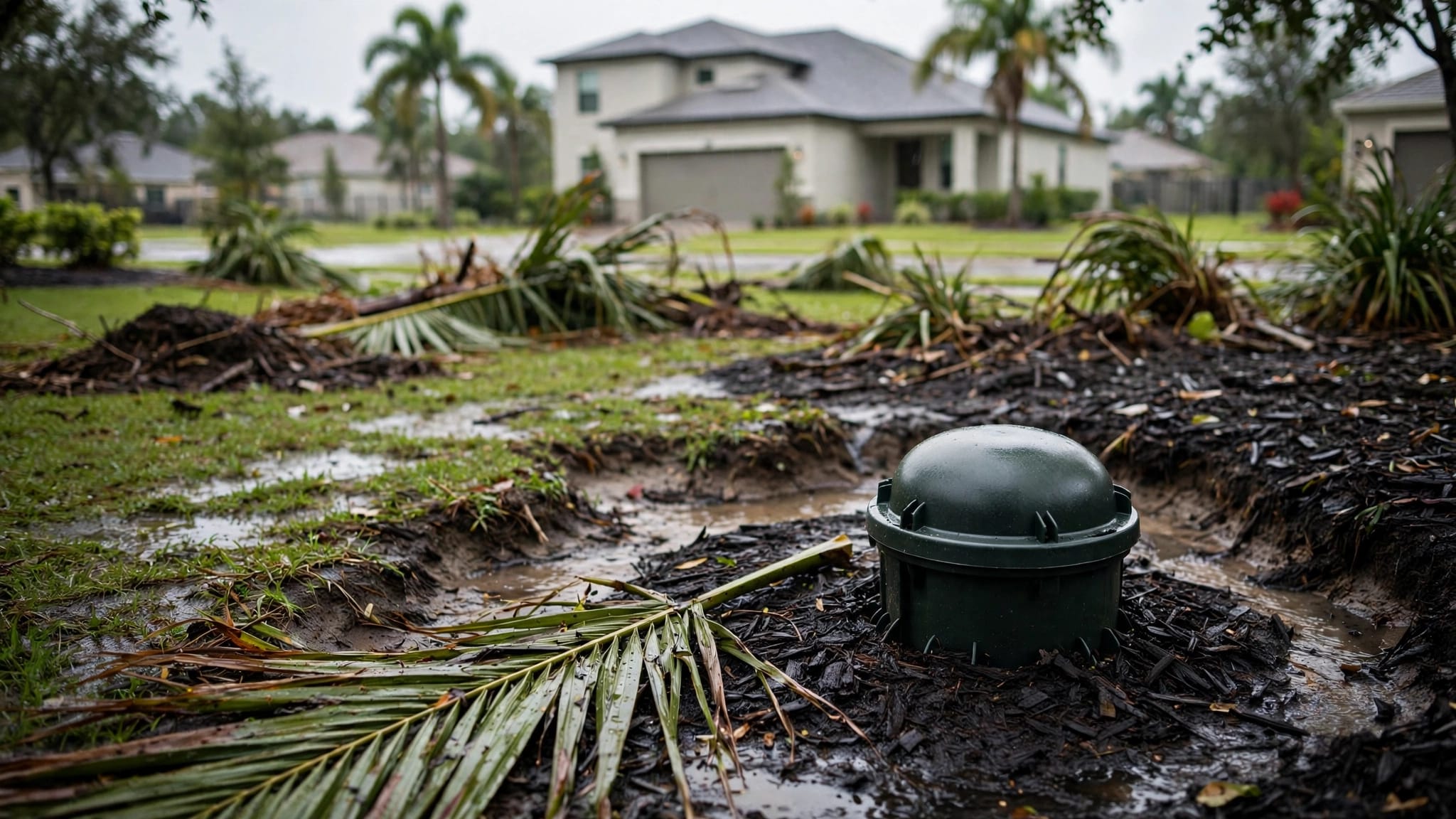
Mosquitoes are more than just an annoying buzz in Cape Coral; they pose serious health risks. The warm, humid climate of Southwest Florida creates the perfect environment for mosquitoes to thrive year-round. These pests are known carriers of diseases such as Zika, West Nile virus, and dengue fever, which can have severe consequences for individuals and families. With Cape Coral’s extensive canal system and frequent rainfall, mosquito populations can grow rapidly, making it essential for homeowners to take proactive measures.
Living in Cape Coral means being vigilant about mosquito control. The combination of tropical weather and standing water from canals and rain makes the area a hotspot for mosquito activity. Understanding these risks is the first step toward protecting your family and ensuring your outdoor spaces remain safe and enjoyable. Taking action now can prevent potential health issues down the line.
Identifying Common Mosquito Species in Cape Coral
Homeowners in Cape Coral may encounter several common mosquito species, each with unique habits and risks. The Aedes aegypti, for example, is notorious for spreading diseases like Zika and dengue fever. This species is most active during the day and prefers urban environments, often breeding in small containers of standing water. Another frequent visitor is the Culex quinquefasciatus, which thrives in polluted water sources and is a vector for West Nile virus.
Recognizing these species helps homeowners understand their behavior and target control efforts effectively. For instance, knowing that Aedes mosquitoes breed in small water sources can guide you to check flower pots and gutters regularly. By staying informed, you can better protect your family and reduce the chances of mosquito-borne illnesses.
How Mosquitoes Thrive: Habitats and Life Cycle
The life cycle of a mosquito consists of four stages: egg, larva, pupa, and adult. Each stage is heavily dependent on water, especially the larval stage, where mosquitoes develop in stagnant water sources. In Cape Coral, the abundance of canals, retention ponds, and frequent rainfall provides countless breeding grounds for these pests. Even something as small as a bottle cap filled with water can become a nursery for hundreds of larvae.
Understanding this cycle highlights the importance of eliminating standing water around your property. By disrupting their habitat, you can significantly reduce mosquito populations before they even reach adulthood. Regular maintenance of your yard and water features can go a long way in keeping these pests at bay.
Prevention First: Essential Steps to Make Your Yard Mosquito-Unfriendly
One of the most effective ways to control mosquitoes is by preventing them from breeding in the first place. Start by eliminating standing water in your yard—check gutters, empty plant saucers, and ensure pool covers are free of puddles. Even small amounts of water can attract mosquitoes, so regular inspections are key. Additionally, maintaining your landscaping by trimming overgrown shrubs and grass can reduce shaded areas where mosquitoes rest. You can find more tips in our ultimate guide to bug prevention in Florida homes.
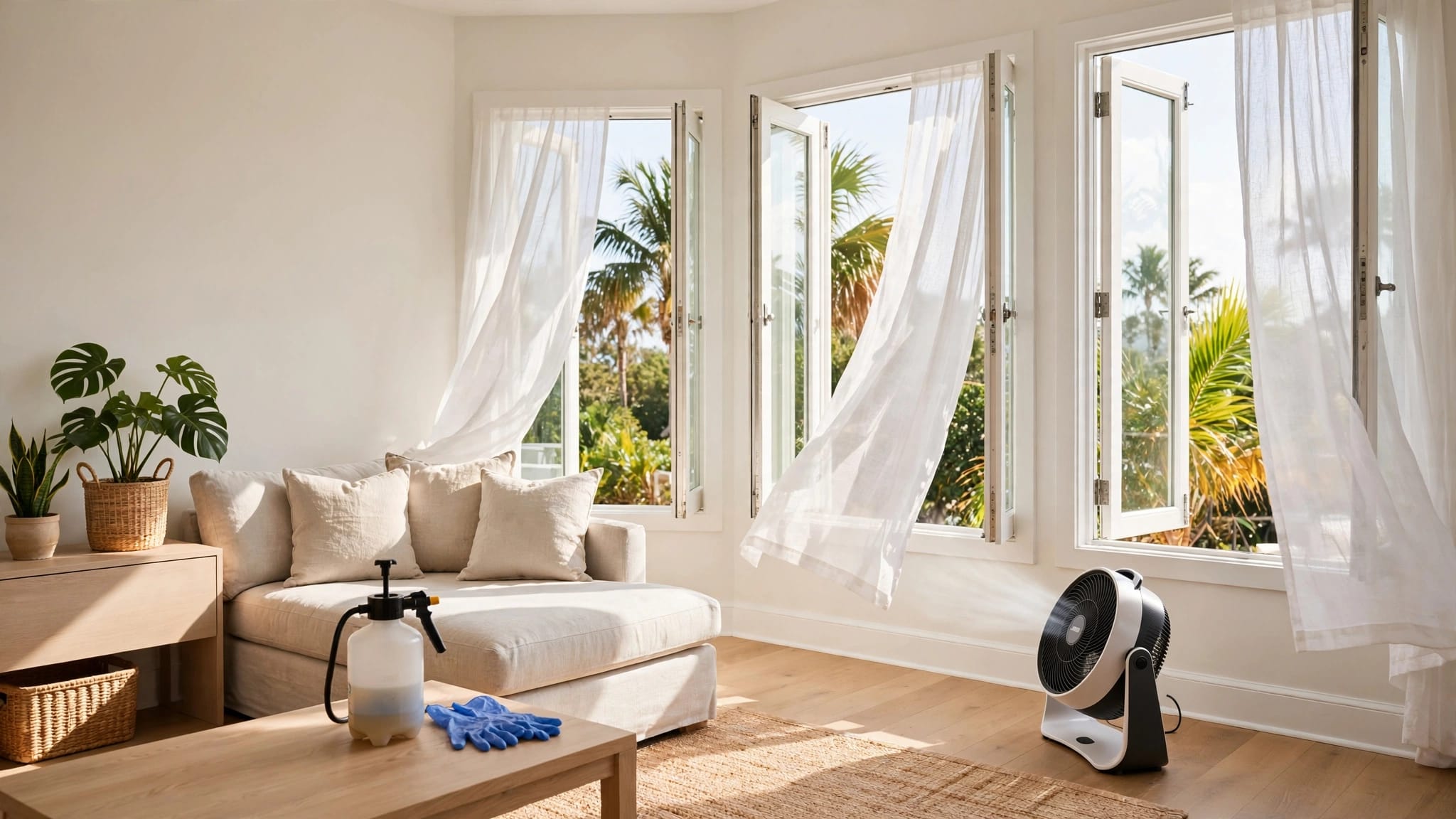
Another practical step is installing or repairing window and door screens to keep mosquitoes out of your home. You can also use fans on patios and porches since mosquitoes are weak fliers and struggle against airflow. For homes with water features, consider adding mosquito-eating fish or using products like mosquito dunks to treat the water safely.
Taking these preventative actions not only reduces mosquito populations but also creates a more comfortable outdoor living space. While DIY methods can help, professional residential pest control services can provide additional peace of mind with tailored treatments.
DIY Solutions vs. Professional Mosquito Control
DIY mosquito control methods, such as natural repellents, traps, and citronella candles, can be appealing due to their lower cost and accessibility. However, these solutions often provide limited effectiveness and may require constant upkeep. For example, while citronella candles can deter mosquitoes in small areas, they won’t address larger infestations or tackle breeding sites.
On the other hand, hiring professionals ensures comprehensive treatment plans tailored to your property’s needs. Services like larvicide application, barrier sprays, and automated misting systems offer long-lasting results. Although professional services come at a higher upfront cost, their efficiency and ability to target hard-to-reach areas make them a worthwhile investment for many homeowners.
Professional Mosquito Control Options in Cape Coral
Professional mosquito control companies offer a range of services designed to combat infestations effectively. Larval control involves treating standing water with eco-friendly products that prevent mosquito larvae from maturing. Adulticide treatments, such as barrier sprays, create a protective shield around your property, killing adult mosquitoes on contact. Automated misting systems, like MistAway, provide continuous protection by releasing fine mists at scheduled intervals.
When choosing a provider, look for companies that prioritize environmentally conscious approaches and tailor their services to Cape Coral’s unique challenges. Shield Pest Control Solutions is one such company, offering customized plans that balance effectiveness with safety for pets and wildlife. Investing in professional services can save time and effort while delivering superior results.
Integrated Pest Management: A Holistic Approach
Integrated Pest Management (IPM) combines multiple strategies to achieve sustainable and effective mosquito control. This approach emphasizes prevention, monitoring, and the use of least-toxic methods to minimize risks to humans, pets, and beneficial insects. By integrating techniques like habitat modification, biological controls, and targeted treatments, IPM offers a balanced solution that addresses both current infestations and future risks.
Maintaining Mosquito Control Year-Round
Mosquito activity fluctuates with the seasons, peaking during Cape Coral’s rainy months and decreasing in drier periods. To stay ahead, homeowners should adjust their strategies throughout the year. During the wet season, focus on eliminating standing water and scheduling more frequent professional treatments. In drier months, maintain vigilance by inspecting hidden areas where water might accumulate, such as under decks or in unused containers.
Consistent effort is key to year-round success. By adapting your approach to seasonal changes, you can keep mosquito populations under control and enjoy your outdoor spaces without interruption. Partnering with a reliable service provider ensures ongoing support tailored to Cape Coral’s climate. You can read more on our blog.
Protecting Your Family: Personal Prevention Tips
Personal protection is crucial when spending time outdoors in Cape Coral. Use EPA-approved insect repellents containing DEET, picaridin, or oil of lemon eucalyptus to ward off mosquitoes. Wearing long sleeves and pants, especially during dawn and dusk when mosquitoes are most active, adds another layer of defense. Light-colored clothing is less attractive to mosquitoes and can further reduce bites.
Scheduling outdoor activities strategically can also help minimize exposure. Plan gatherings or workouts during midday when mosquito activity tends to be lower. Combining these personal prevention tips with broader yard management strategies creates a comprehensive approach to mosquito control.
Special Considerations for Waterfront Properties
Homes near canals or waterways face unique challenges in mosquito control. These properties often have more standing water and vegetation, creating ideal breeding habitats. Regular inspections and maintenance of docks, boats, and waterfront features are essential to prevent infestations. Consider working with a professional who understands the specific needs of waterfront properties, including vacation rentals, to implement targeted solutions.
How to Choose a Mosquito Control Provider
Selecting the right mosquito control provider starts with researching their credentials and reputation. Look for licensed companies with experience serving Cape Coral residents. Ask about their methods—are they eco-friendly and safe for pets? A good provider will offer guarantees and transparent pricing, ensuring you know exactly what to expect.
Reading customer reviews and asking for recommendations from neighbors can also help gauge reliability. Companies like Shield Pest Control Solutions pride themselves on customer satisfaction and environmentally responsible practices. Choosing wisely ensures your investment delivers lasting results.
Cost Expectations and Budgeting for Mosquito Control
The cost of mosquito control services varies based on factors like property size, treatment frequency, and chosen methods. While DIY options may seem cheaper initially, professional services often provide better value through consistent, long-term results. Budgeting for regular treatments can prevent costly infestations and enhance your quality of life. Prioritize providers that offer flexible plans suited to your needs and budget.
Frequently Asked Questions (FAQ)
-
How often should I schedule professional mosquito control treatments?
Typically, professional treatments are recommended every 21-30 days during peak mosquito season. Adjustments may be necessary depending on weather patterns and property conditions. Consistent scheduling ensures maximum effectiveness and minimizes the risk of infestations. Contact us to set up a schedule.
-
What eco-friendly mosquito control options are available?
Eco-conscious homeowners can opt for natural solutions like mosquito dunks, biological larvicides, and essential oil-based repellents. Many professional services also offer eco-friendly treatments that target mosquitoes without harming beneficial insects or the environment.
-
Can mosquitoes develop resistance to sprays or treatments?
Yes, mosquitoes can develop resistance if the same method is used repeatedly. Rotating treatment types and adopting integrated pest management strategies helps mitigate this risk. Professionals stay updated on resistant strains and adapt their approaches accordingly.
-
Do mosquito control systems harm pets or beneficial insects?
When applied correctly, modern mosquito control systems are designed to minimize risks to pets, pollinators, and wildlife. Always choose providers committed to using safe, targeted methods and follow label instructions carefully for DIY products.
-
What should I do if I have a recurring mosquito problem despite treatments?
If mosquitoes persist after treatments, reevaluate potential breeding sites and consult your provider for adjustments. Additional inspections or alternative methods may be needed. Persistent issues could indicate underlying factors requiring expert assessment.
Conclusion: Enjoying Mosquito-Free Living in Cape Coral
Controlling mosquitoes in Cape Coral requires a proactive and multifaceted approach. From understanding local risks and identifying common species to implementing preventative measures and seeking professional help, every step contributes to a safer, more enjoyable outdoor experience. Whether you manage mosquito control yourself or partner with experts like Shield Pest Control Solutions, consistency is key to long-term success.
By staying vigilant and informed, you can protect your family and reclaim your outdoor spaces. Don’t wait until mosquitoes become a nuisance—start today by incorporating the tips and strategies outlined in this guide. Take action now to enjoy a mosquito-free lifestyle in beautiful Cape Coral. Visit our website to learn more about how professional services can enhance your efforts.
Schedule a Free Inspection: