West Nile Prevention for Southwest Florida Homes
One forgotten bucket can hold enough water for mosquitoes to breed after a Southwest Florida rainstorm. For homeowners, effective West Nile prevention starts with removing water, maintaining screens, and limiting bites before outdoor time.
Hot, humid conditions make small maintenance lapses easy to miss. A practical routine keeps mosquito control manageable without turning your yard into a daily project. Start with the property, then protect everyone who spends time outside.
West Nile prevention starts with weekly property care
West Nile virus spreads through the bites of infected mosquitoes. The Florida Department of Health says most people infected with West Nile virus don't develop symptoms. When illness occurs, symptoms can include fever, headache, body aches, vomiting, diarrhea, or a rash.
That doesn't mean every mosquito around your home creates a serious health event. It does make bite prevention sensible, especially when your property offers water and shelter for mosquitoes.
Build a seven-day habit
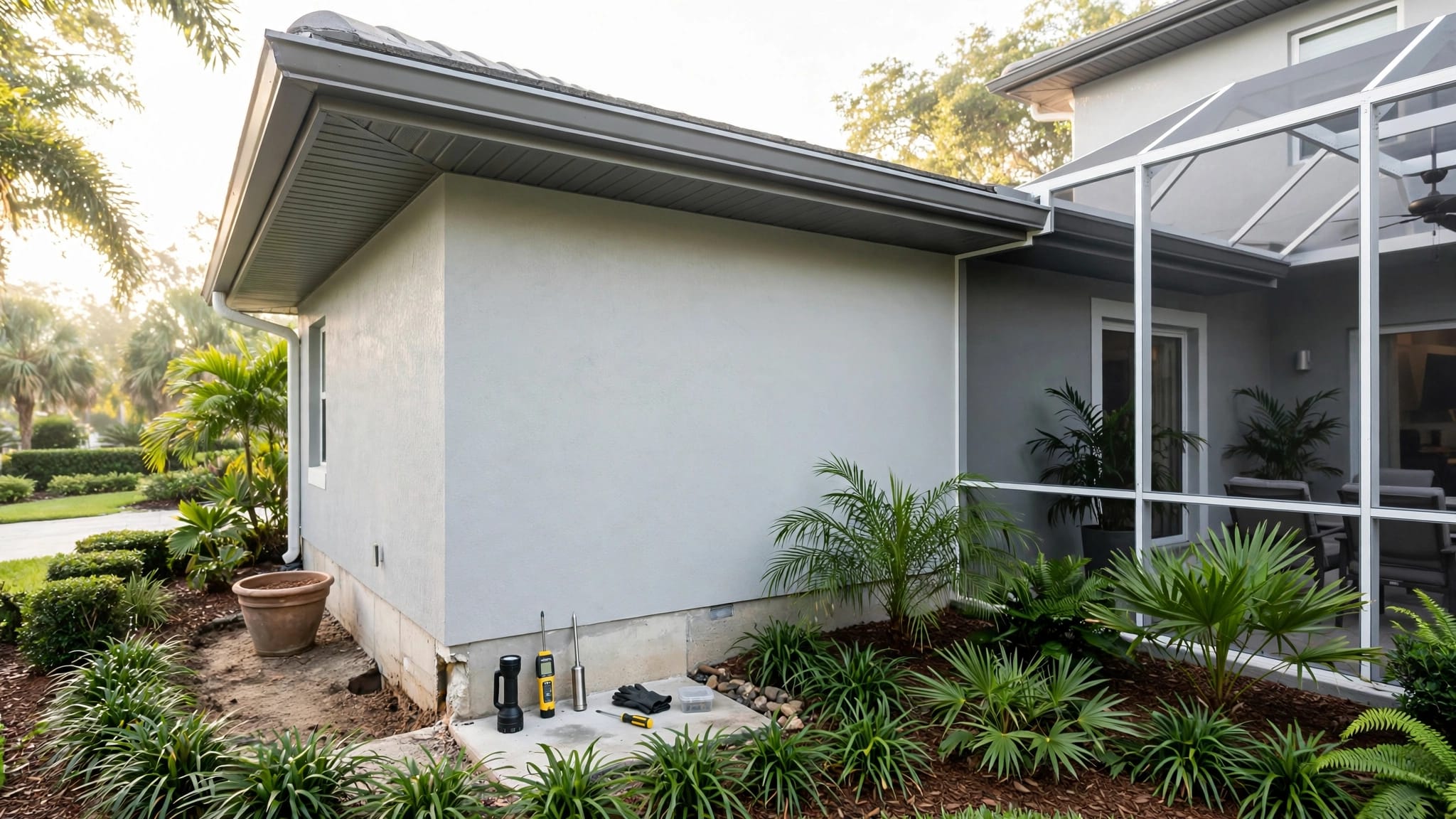
Walk around your property once a week, then repeat the inspection after heavy rain or a period of frequent storms. Check the lanai, driveway, side yard, pool area, garage entrance, and any place where rain or sprinkler water can collect.
A weekly schedule works because mosquito larvae can develop in small amounts of standing water. Add the inspection to another regular task, such as taking out the trash or checking outdoor lights. Consistency matters more than spending a long time on any single visit.
Find overlooked water
Homeowners often check buckets and forget the smaller items. Flowerpot saucers, children's toys, clogged gutters, grill covers, tarps, coolers, trash containers, and pool covers can all collect water.
Turn containers upside down when possible. Empty and scrub items that must hold water. If an object serves no purpose and repeatedly collects rain, remove it from the yard.
Remove standing water after Southwest Florida rain
Water control is the most important part of a home mosquito plan. The CDC and Florida Department of Health recommend emptying, scrubbing, covering, or discarding water-holding items at least once a week.
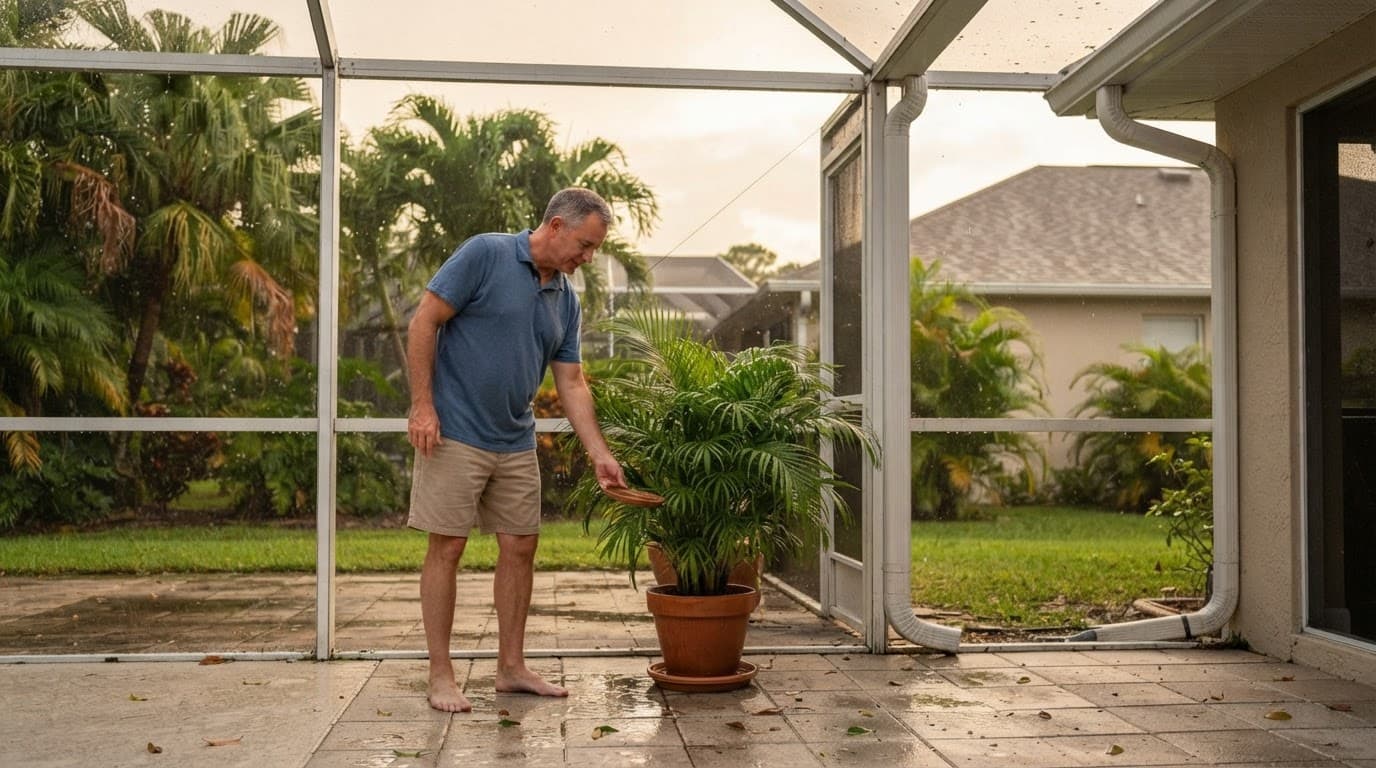
Inspect containers, gutters, and drainage
Clear leaves from gutters and downspouts so water can drain. Check low spots near outdoor faucets, air-conditioning equipment, sheds, and fences. Even a shallow puddle that remains after irrigation deserves attention.
Empty buckets, tires, toys, planters, and unused containers. Cover stored items so rain can't reach them. If you use a tarp over a boat, vehicle, or equipment, keep it tight enough that water doesn't pool in the folds.
A mosquito inspection should include small saucers and toys, not only ponds or large puddles.
Maintain pools, birdbaths, and pet bowls
Keep swimming pools clean and properly maintained. Drain small plastic pools when nobody uses them, and check pool covers after rain. A cover that sags can hold water for days.
The Florida Department of Health recommends emptying and cleaning birdbaths and pet water bowls at least once or twice a week. Refreshing a bowl isn't enough if a slippery film remains on the sides. Scrub it, rinse it, and refill it with clean water.
A clean water bowl still needs attention because pets need fresh water, but mosquitoes don't need much water to lay eggs.
Keep mosquitoes outside with screens and barriers
Southwest Florida homes often depend on screened lanais and enclosed patios for comfortable outdoor living. Those screens work only when they remain intact and doors close fully.
Repair screens and door gaps
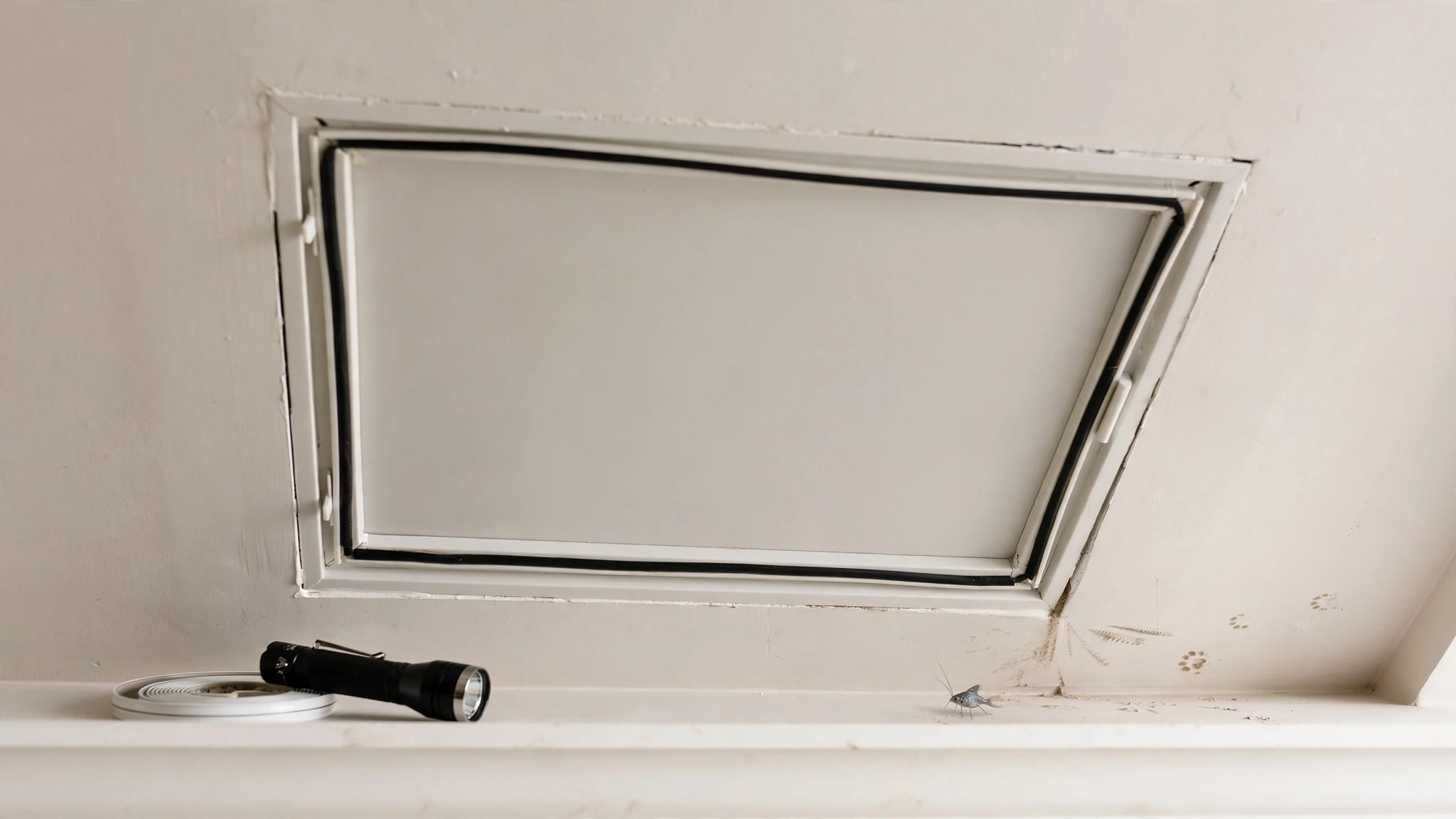
Inspect window screens, screen doors, and lanai panels for tears. Patch small holes with screen repair material, and replace sections that have separated from the frame. Check the bottom of screen doors for gaps and make sure doors don't remain propped open.
The same repairs also help limit flies, roaches, and other pests. If insects enter around exterior doors, review these Florida home bug prevention tips for additional entry-point checks.
Use air conditioning when available, particularly when mosquitoes are active outside. Keeping doors and windows closed also reduces indoor exposure.
Make the lanai less inviting
Keep vegetation trimmed away from screened walls and doors. Dense plants near the structure can create shaded, humid resting places for adult mosquitoes. Remove weeds and debris that stay damp after rain.
Outdoor lighting doesn't prevent bites, but reducing unnecessary light near open doors can limit the number of insects gathering at an entry point. More importantly, close the door behind you and repair damaged weatherstripping.
Screens and sealed openings reduce indoor bites, but they don't replace standing-water removal. Both steps work together.
Use EPA-registered repellents correctly
Repellent is useful when you need to work in the yard, walk the dog, or sit outside during periods of higher mosquito activity. Choose an EPA-registered insect repellent and follow its label.
Choose an active ingredient
Florida Department of Health guidance names DEET, picaridin, IR3535, oil of lemon eucalyptus, and para-menthane-diol among repellent options that can provide lasting protection. Products vary, so read the label for the concentration, application instructions, and age restrictions.
DEET products commonly contain 10% to 30% DEET for everyday protection. Oil of lemon eucalyptus and para-menthane-diol products aren't the same as homemade essential oils. Use a registered product with a clear label.
Apply repellent only to exposed skin and clothing as directed. Don't spray it near the eyes or mouth, and don't apply it to cuts or irritated skin. Adults should put repellent on their own hands before applying it to a child's face.
Use clothing as another layer
Long, loose-fitting shirts and pants reduce exposed skin. Socks and closed shoes help when grass, mulch, and damp areas surround the home. For outdoor work, clothing treated with 0.5% permethrin can provide additional protection.
Permethrin products made for clothing and gear aren't skin products. Never apply them directly to your body. Follow the product instructions for treatment, drying, washing, and storage.
Protect children and pets during outdoor time
Children need the same bite protection as adults, with closer attention to product labels. Don't apply repellent to a child's hands because children may rub their eyes or put their fingers in their mouths. Use the smallest amount needed for exposed skin, and wash treated skin after outdoor activity when the label recommends it.
Infants younger than 2 months should use mosquito netting instead of repellent. A properly fitted net can protect a stroller, carrier, or sleeping area when outdoor travel is necessary.
Pets need separate precautions. Human repellents aren't automatically safe for dogs or cats, so don't apply DEET, permethrin, or another human product to an animal unless the product label clearly permits it. Ask your veterinarian about pet-specific prevention products. Keep outdoor pet bowls clean, and remove water that animals no longer need.
Limit exposure at dawn and dusk
Mosquitoes that spread West Nile virus are often most active between dusk and dawn. Plan yard work, outdoor exercise, and recreational time for other hours when possible. If you must be outside at dawn or dusk, wear loose, covering clothing and use an EPA-registered repellent as directed.

Use screened areas wisely
A screened porch gives you another way to enjoy the outdoors with fewer exposed bites. Keep the screen door closed, repair tears quickly, and inspect the porch after storms for water in furniture bases, planters, toys, or floor drains.
Mosquitoes can bite at other times, so don't treat dawn and dusk as the only risk periods. Repellent, clothing, and screens still matter during daytime yard work.
Southwest Florida home inspection checklist
Use this short checklist once a week and after heavy rain:
- Empty or cover buckets, toys, tires, planters, coolers, and trash containers.
- Remove water from flowerpot saucers, pool covers, tarps, and outdoor furniture.
- Clear leaves and debris from gutters, drains, and downspouts.
- Check boats, trailers, and stored equipment for water trapped beneath covers.
- Scrub birdbaths and pet bowls before adding fresh water.
- Maintain pools and drain small plastic pools when they're not in use.
- Inspect window screens, screen doors, lanai panels, and door sweeps for gaps.
- Put away items that repeatedly collect water and can't drain properly.
After the walk, look at the places you normally skip. The area behind a shed, beneath a grill cover, or beside an air-conditioning unit may hold water longer than the rest of the yard.
When prevention needs professional help
If mosquitoes remain heavy after you remove standing water and repair screens, contact the mosquito-control authority serving your county. Residents of Lee, Collier, Charlotte, and Sarasota counties can ask their local mosquito-control district or county program about persistent conditions and available reporting options.
A licensed pest professional can inspect private property for hidden breeding sites and discuss targeted treatments. Ask which areas will be treated, what product will be used, how often service is needed, and how long children and pets should remain away from treated areas. For local property advice, this Cape Coral mosquito control guide covers common treatment approaches and yard-prevention steps.
Mosquito treatments work best when they support water removal and screen repairs. Spraying alone won't solve a bucket, clogged gutter, or pool cover that continues collecting rain.
Know when to seek medical care
Most West Nile infections cause no symptoms. However, contact a healthcare professional if you develop fever, headache, body aches, vomiting, diarrhea, or a rash after mosquito exposure.
Seek urgent medical care for high fever, neck stiffness, confusion, unusual drowsiness, tremors, seizures, muscle weakness, vision loss, numbness, or paralysis. These symptoms need prompt evaluation.
Conclusion
The strongest West Nile prevention steps are simple: remove standing water weekly, repair screens, use EPA-registered repellent as directed, and cover exposed skin during outdoor activity. Give extra attention to dawn and dusk, while keeping children and pets away from products not labeled for them.
A short property inspection after rain can prevent many mosquito problems before they grow. When bites persist despite your efforts, contact local mosquito-control authorities or a licensed pest professional for a closer inspection.
Schedule a Free Inspection: