Florida Library Pest Control for Archives and Collections
Florida library pest control starts with moisture management, building maintenance, and regular monitoring. These steps help protect books and records while reducing the need for pesticide applications near sensitive materials.
Florida's warmth, humidity, and heavy rain can create conditions that encourage pests. A prevention plan gives library staff a way to spot problems early and act before collections are affected.
Build a library pest prevention plan
Integrated pest management, or IPM, combines inspection, sanitation, repairs, monitoring, and targeted control. For a library or archive, the plan should account for public spaces, staff areas, storage rooms, and the building exterior.
Assign responsibilities
Choose a staff contact to receive reports and coordinate with facilities personnel and your pest-control provider. Staff members who handle returns or donations should know how to report damaged materials, insects, or unusual debris.
Facilities staff also need a clear way to report leaks, drainage problems, and damaged door seals. A pest issue may involve both a collection and the building around it, so those reports should reach the same contact.
Keep a shared record
Record the date, room, exact location, and evidence for each sighting. Include a photograph when practical, along with any action taken and the person responsible for follow-up.
Keep pest-control reports, repair records, and termite documents together. Over time, the record can show whether activity is concentrated near a particular door, pipe, or storage area.
Control humidity and moisture
Moisture control protects collections and makes storage areas less inviting to pests associated with damp conditions. In Florida, pay attention to leaks after heavy rain as well as condensation around cooling equipment and pipes.
Track conditions in storage rooms
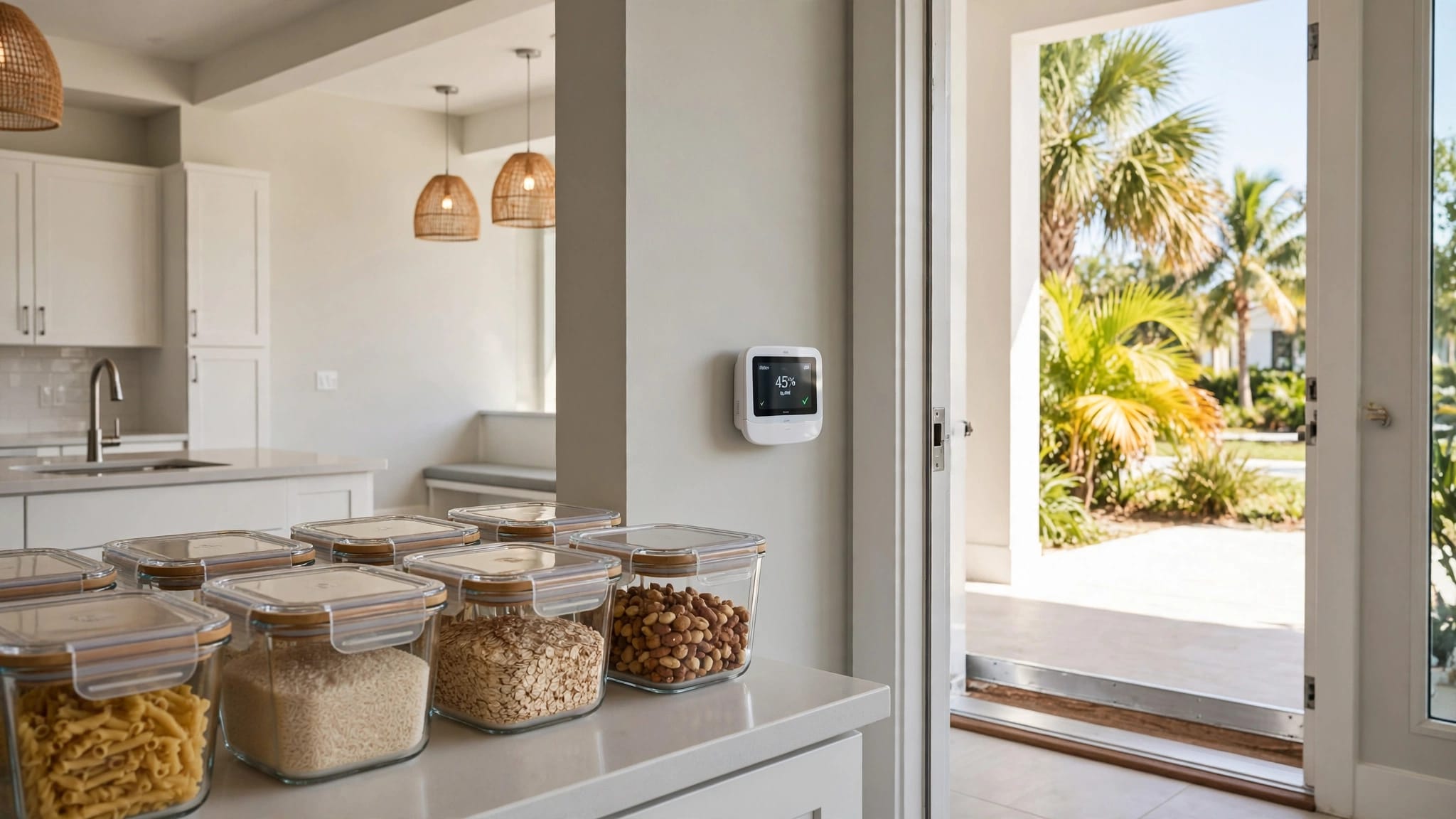
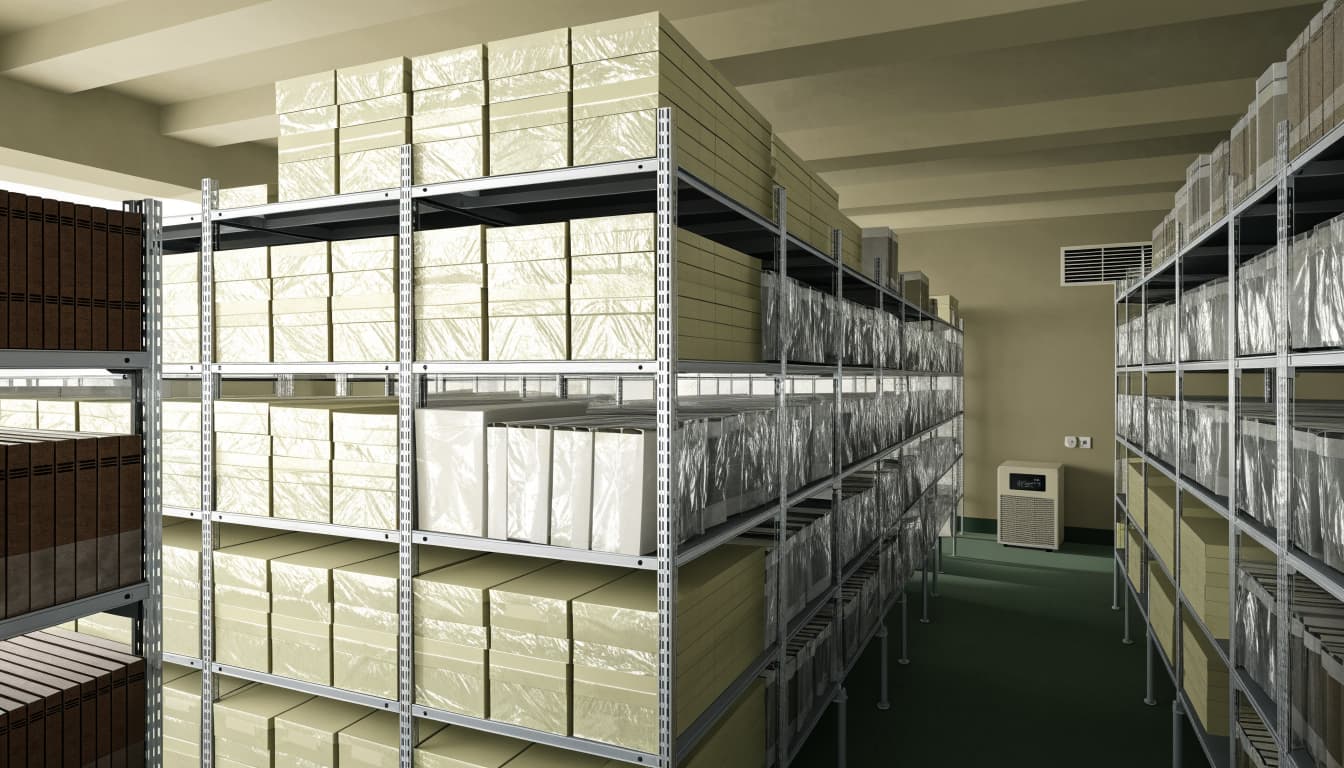
Use humidity and temperature monitors in collection areas, including rooms that staff don't visit often. Look for changes over time rather than relying on how the air feels during a walkthrough.
Share unusual readings with the person responsible for the building's heating and cooling equipment. A preservation professional can help set environmental conditions for the materials in your collection.
Address the source of dampness
Water stains, musty odors, condensation, and damp boxes all deserve attention. Look for the source, arrange repairs, and move vulnerable materials away from the affected area when staff can do so safely.
Keep air vents clear and leave enough space around shelving for circulation and inspection. If mold is visible or materials are wet, limit handling and consult a conservator before attempting cleanup. Disturbing fragile or moldy items can spread contamination or cause damage.
Inspect the building for pest entry
A pest can reach collections through gaps that seem unrelated to the archive itself. Inspect the full building, including loading areas, utility rooms, attics, and spaces next to collection storage.
Look at doors, walls, and utility openings
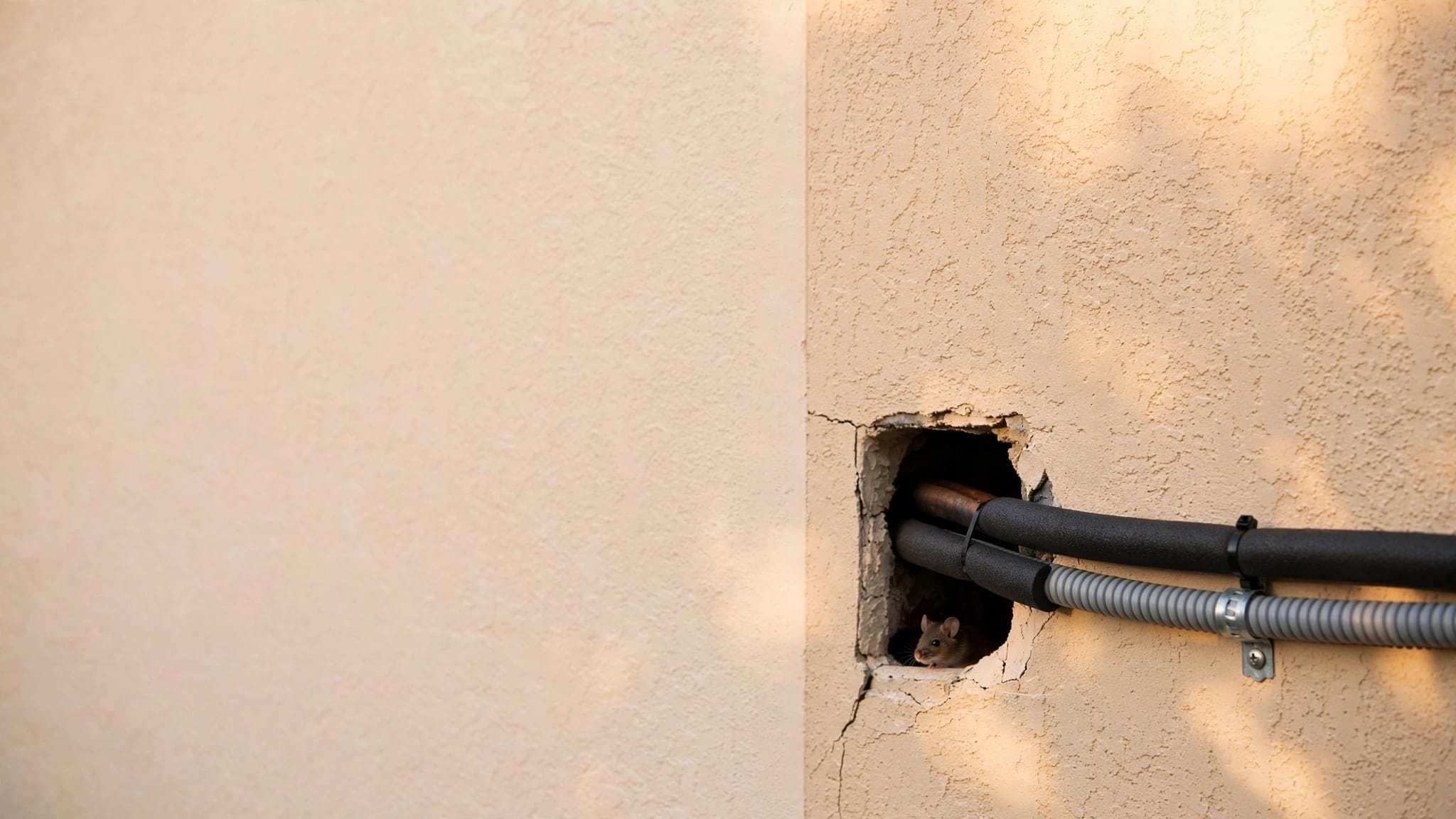
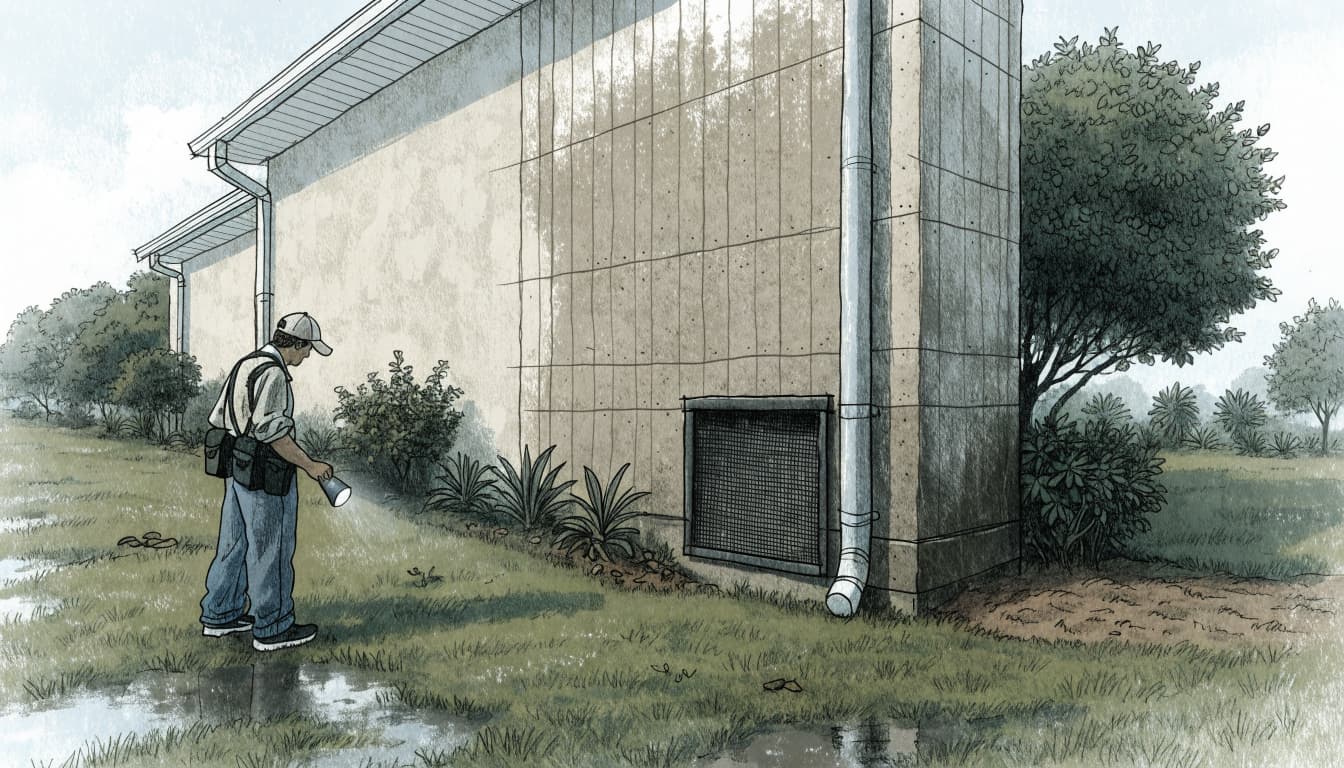
Examine door sweeps, window screens, vents, and openings around pipes or cables. Note damaged seals and gaps, then assign repairs to qualified facilities staff.
Look for water stains and damaged materials along walls and ceilings. Keep inspection areas accessible, especially around structural wood and utility penetrations. Foam insulation or stored supplies can conceal surfaces that need attention.
Review drainage and landscaping
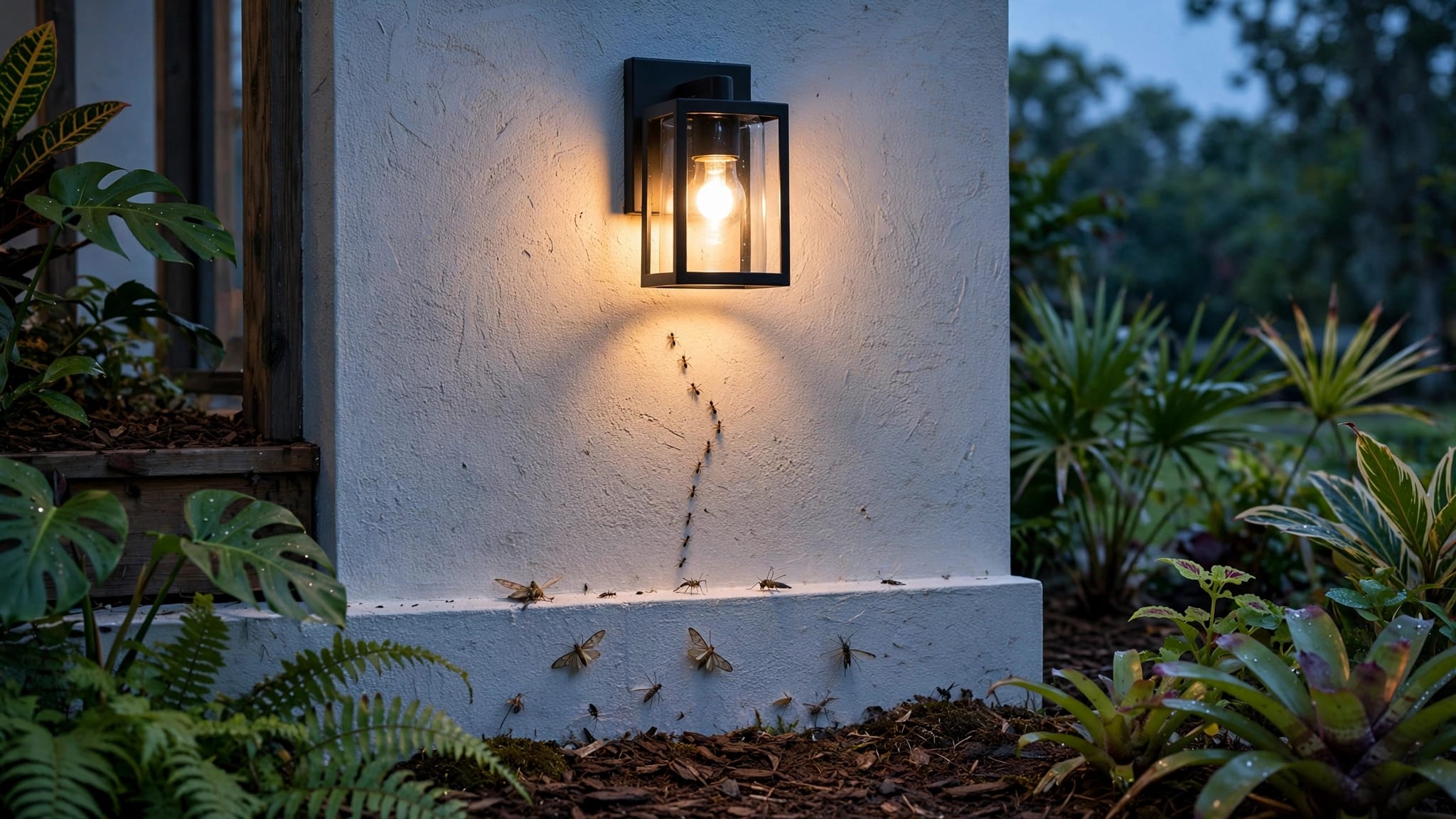
Clogged gutters, poorly directed downspouts, and standing water near a wall can leave building materials damp. Clear drainage problems and keep vegetation away from the structure so staff can inspect the perimeter.
Mulch against a foundation can make inspection harder. Our guide to Florida foundation mulch choices covers ways to manage landscaping near the building.
After heavy rain, look for new leaks or changes in drainage. Report findings with their locations so repairs don't get lost between departments.
Protect collections in storage and transit
Good storage keeps materials accessible while limiting places where pests can hide. Use appropriate archival enclosures and shelving for the collection, and keep boxes off the floor.
Leave space between stored materials and walls where practical. This makes it easier to spot moisture, clean the area, and inspect for pest activity without moving an entire collection.
Screen incoming materials
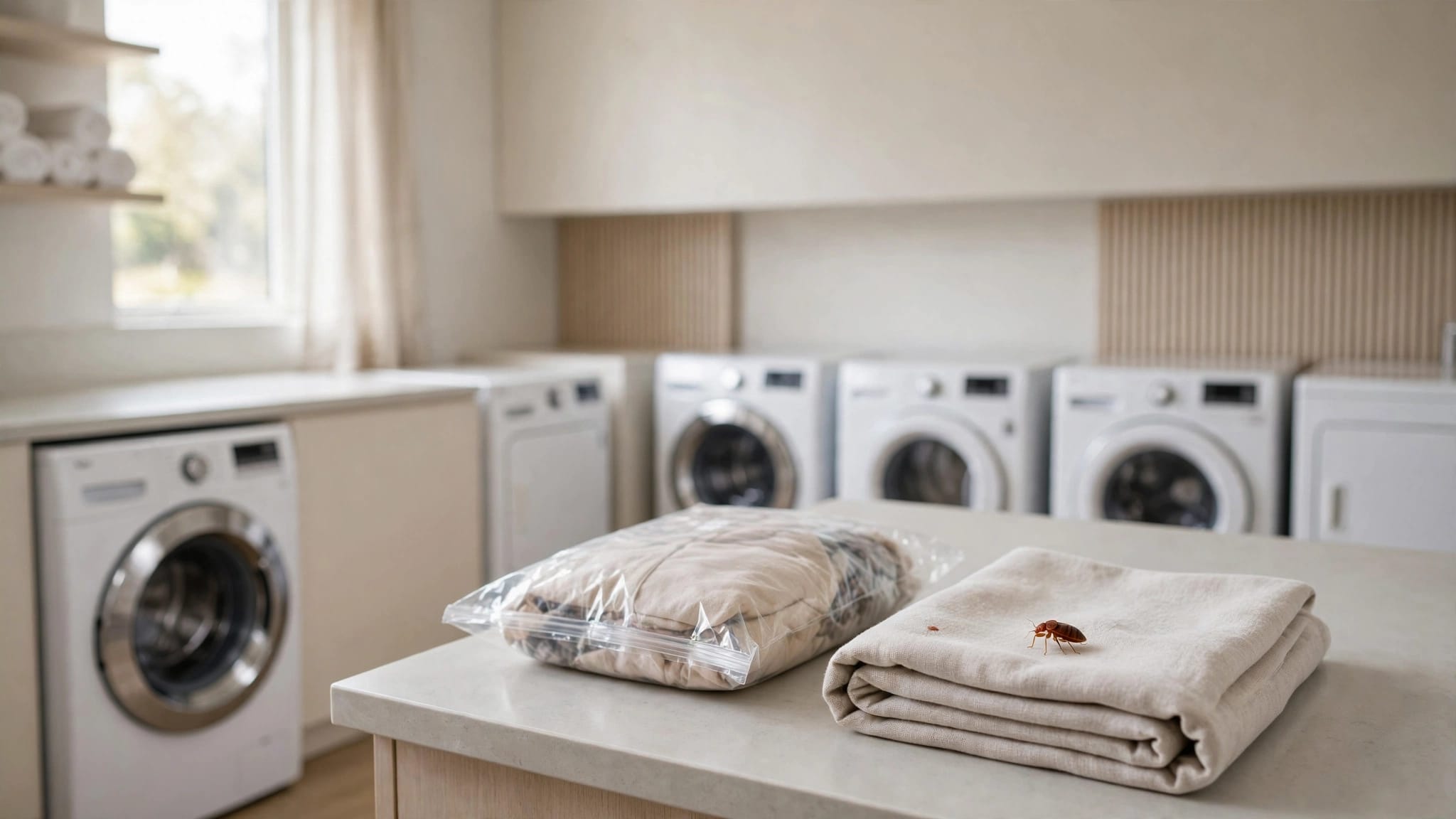
Returns, donations, and transfers can arrive with insects, damaged packaging, or moisture. Examine incoming items in a designated area before placing them among other collections.
Look for live insects, loose debris, staining, and dampness. Separate questionable items from unaffected materials and alert the staff member responsible for collections. Keep the items identified and contained while a conservator or pest-control professional assesses them.
Handle vulnerable items carefully
Avoid shaking fragile books or records to dislodge suspected insects. Rough handling can damage bindings and loose pages.
Don't apply household sprays, powders, or other pest products to books or archival boxes. A conservator can advise on preserving the item, while a pest-control professional addresses activity in the surrounding space.
Keep food and waste away from collections
Food and drink give cockroaches and rodents another reason to enter a building. Limit eating to designated areas away from collection storage, processing tables, and shelving.
Store staff food in closed containers, clean spills, and remove food waste. Pay attention to break rooms, event spaces, and public areas where snacks may be permitted.
Outside, keep dumpster lids closed and clean up spills around waste containers. Damaged lids or overflowing bins can make waste accessible to pests and wildlife. Our guidance on business waste-storage practices offers practical steps for Southwest Florida properties.
Cleaning staff can help identify problem areas, but they need a clear reporting route. A recurring spill or damaged trash container is easier to address when it is recorded and assigned for repair.
Make staff monitoring part of the workflow
Monitoring helps distinguish an isolated sighting from activity that needs a broader response. It also gives a pest-control provider information about where to focus an inspection.
Place insect monitors in consultation with your pest-control provider, away from collection materials and areas where visitors could disturb them. Useful locations can include room edges, utility areas, and spaces near doors. Mark their locations on a simple floor plan.
Staff should record what they find, including an empty monitor, a damaged trap, or evidence that has increased. Avoid relying on a count alone: note whether the activity is near a leak, incoming deliveries, or a particular shelf.
A monitor provides location evidence, but it doesn't identify the source of an infestation on its own.
Share the log with facilities staff and your pest-control provider. Follow-up should include both the pest evidence and any building condition that may be contributing to it.
Recognize silverfish and booklice
Silverfish and booklice can be easy to overlook in a storage room. Identifying the pest helps staff choose an appropriate response and avoid unnecessary treatment.
Silverfish
Silverfish are small, wingless insects with elongated bodies. They can feed on materials containing starch, including some paper products and bookbinding adhesives.
If staff find one near collections, record the location and inspect nearby materials for damage. Look for damp conditions and stored clutter in the same area. A pest-control professional can help identify the insect and assess whether activity extends beyond the initial sighting.
Booklice
Booklice are tiny insects often associated with damp conditions and mold. Their presence is a reason to look closely at moisture and the condition of nearby materials.
Separate affected items when safe, and report any mold or dampness to the collections contact. Correcting the moisture source is an important part of the response. For fragile or moldy objects, involve a conservator before cleaning or handling them further.
Take termite evidence seriously
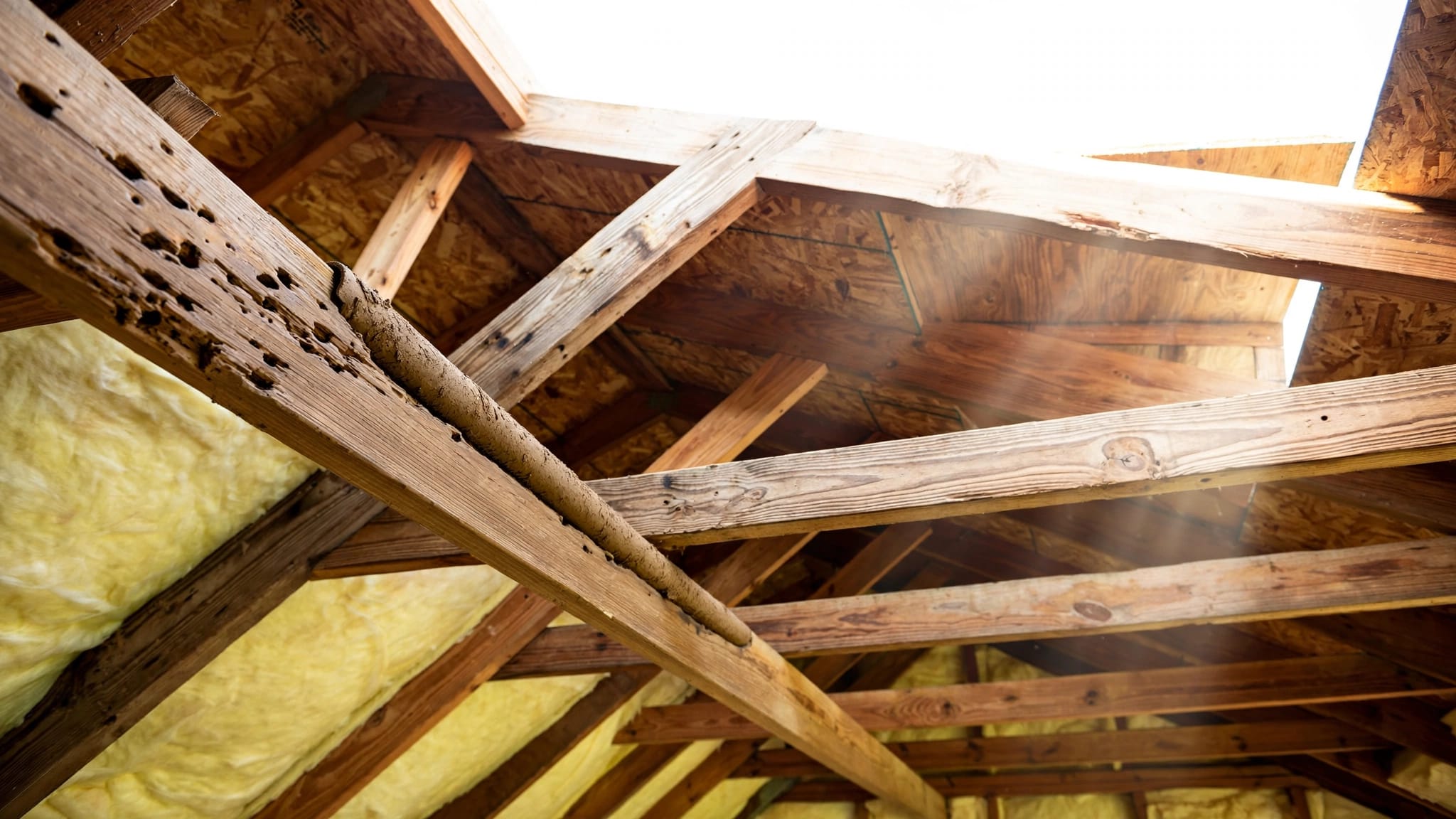
Termites can damage structural wood and may also affect materials containing cellulose. Evidence can include damaged wood, shelter tubes, or discarded wings, depending on the termite involved.
Don't assume that removing visible insects resolves the problem. Document the location and arrange a termite inspection. Keep shelving and stored supplies clear of areas that need to be examined.
Treatment depends on the termite and the building. Our comparison of termite bait stations and liquid treatments explains how the approaches differ.
Keep the inspection report, treatment records, contract, warranty terms, and repair documents together. Those records give staff a clearer picture of what work was completed and which areas need attention.
Respond to cockroaches and rodents
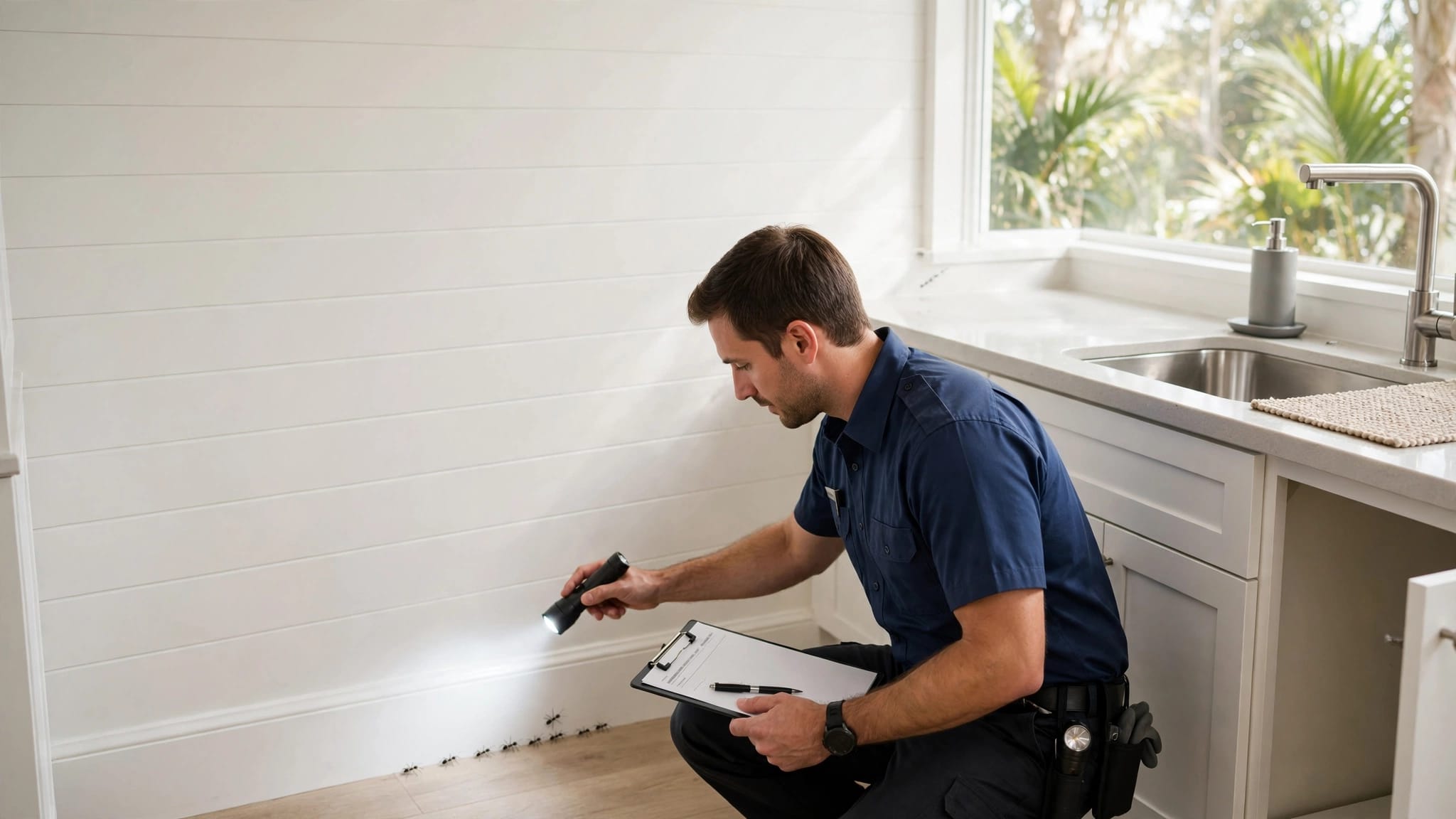
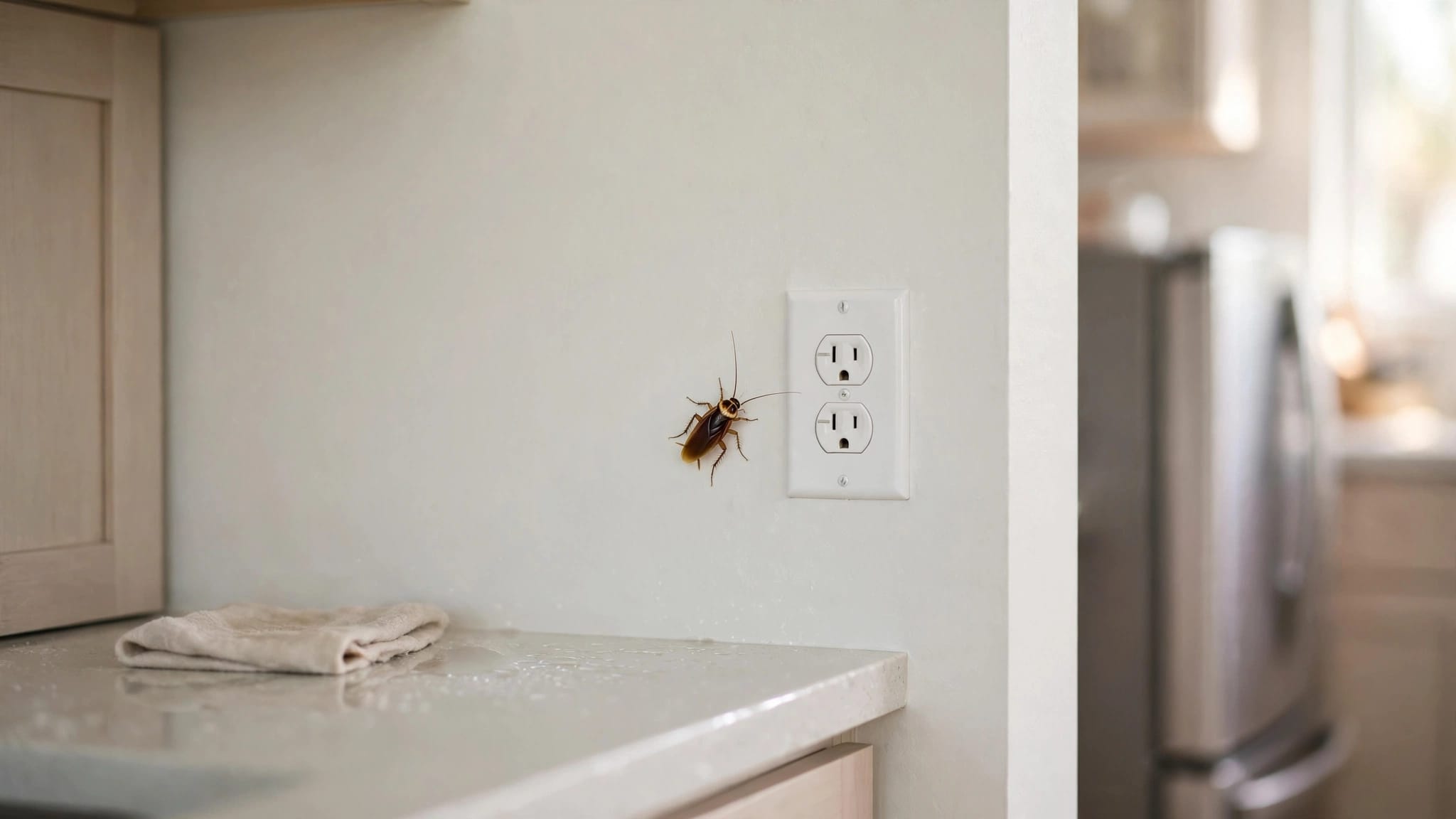
Cockroaches can shelter near food, moisture, and clutter. Look for signs around break rooms, sinks, utility spaces, and delivery areas, then report the exact location.
Cleaning and repairs matter alongside professional treatment. Remove food residue, address leaks, and reduce clutter that makes inspection difficult. A pest-control provider can identify the pest and plan a targeted response.
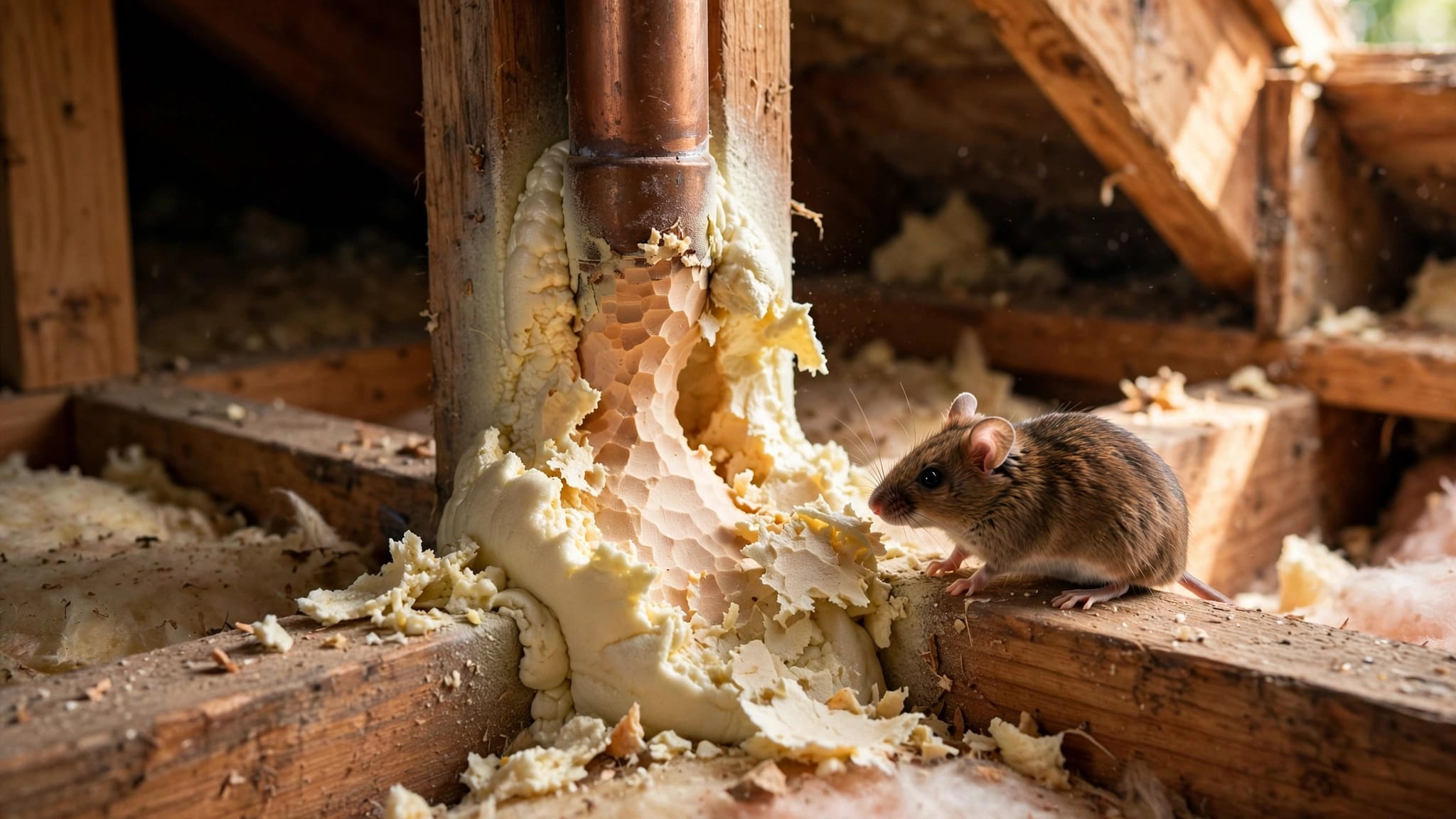
Rodents can contaminate surfaces and damage stored materials. Signs may include droppings, gnaw marks, or disturbed packaging. Keep people away from affected collections and report the evidence to your facilities contact.
Don't sweep or vacuum rodent droppings, which can put contaminated particles into the air. Have trained personnel handle cleanup, and consult a conservator when collection materials are affected. A rodent-control plan should also address entry points and food sources.
Coordinate a response when pests reach collections
When staff find pest activity near books or records, contain the immediate problem without exposing unaffected materials. Document the location and separate affected items when they can be moved safely.
Next, involve the right people. Facilities staff can address leaks and openings, a conservator can advise on vulnerable materials, and a pest-control professional can identify pests and recommend control measures.
Share collection locations and handling concerns before any treatment is planned. Pesticide selection and placement should account for staff, visitors, and sensitive materials. Avoid broad applications around collections when a targeted approach can address the identified problem.
After the initial response, continue monitoring the area and record repairs and findings. The record helps the team see whether the action worked or whether activity has shifted elsewhere.
Protect the collection with consistent prevention
Effective pest prevention depends on shared responsibility . Staff sightings, moisture reports, building repairs, and professional inspections all contribute to the same goal: keeping pests away from collections.
If your library or archive needs help in Cape Coral, Fort Myers, Punta Gorda, Bonita Springs, Sanibel, or a nearby community, we offer free inspections and estimates. We can help you identify conditions that attract pests and plan a targeted response.
Schedule a Free Inspection: