Why You May See Pests After Treatment in Florida
Seeing pests after treatment can be unsettling, but a sighting alone doesn't tell you whether the service worked. Pests may still be present, and Florida weather or conditions around your home can affect where you notice them.
The most useful clue is the pattern over time : what you're seeing, where you're seeing it, and whether activity changes. Here's how to monitor your home and recognize when it's time for follow-up.
Why pests after treatment may be more noticeable
Visibility doesn't reveal the full population
Many household pests spend time in places you rarely see, such as wall voids, cabinets, attics, and gaps around plumbing. A pest on a kitchen floor is easier to notice than one hidden behind an appliance.
You may also pay closer attention after service. Once you're looking around baseboards or under sinks, you might notice activity that previously went unseen. That doesn't establish whether the population has increased or decreased.
Treatment results depend on the pest
A treatment doesn't necessarily reach every pest in a home at the same moment. The pest's hiding places, the size of the infestation, and the method used all affect how the population responds.
For example, an insect that moves between indoor shelter and an outdoor food source presents different challenges than a rodent using an attic. Your service plan should account for the pest being treated rather than rely on a single expectation for every situation.
What Florida homeowners may notice
Ants and roaches
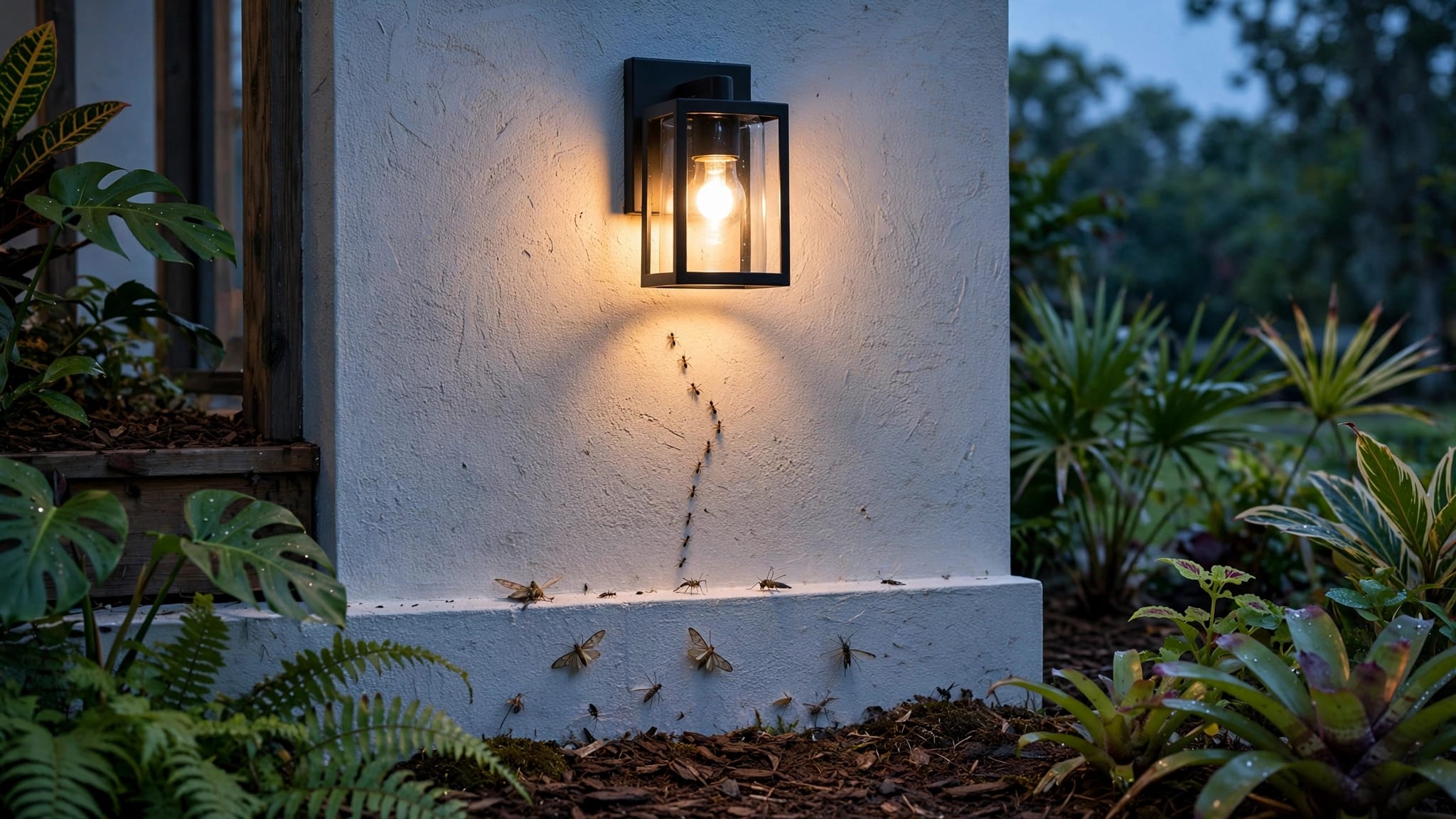
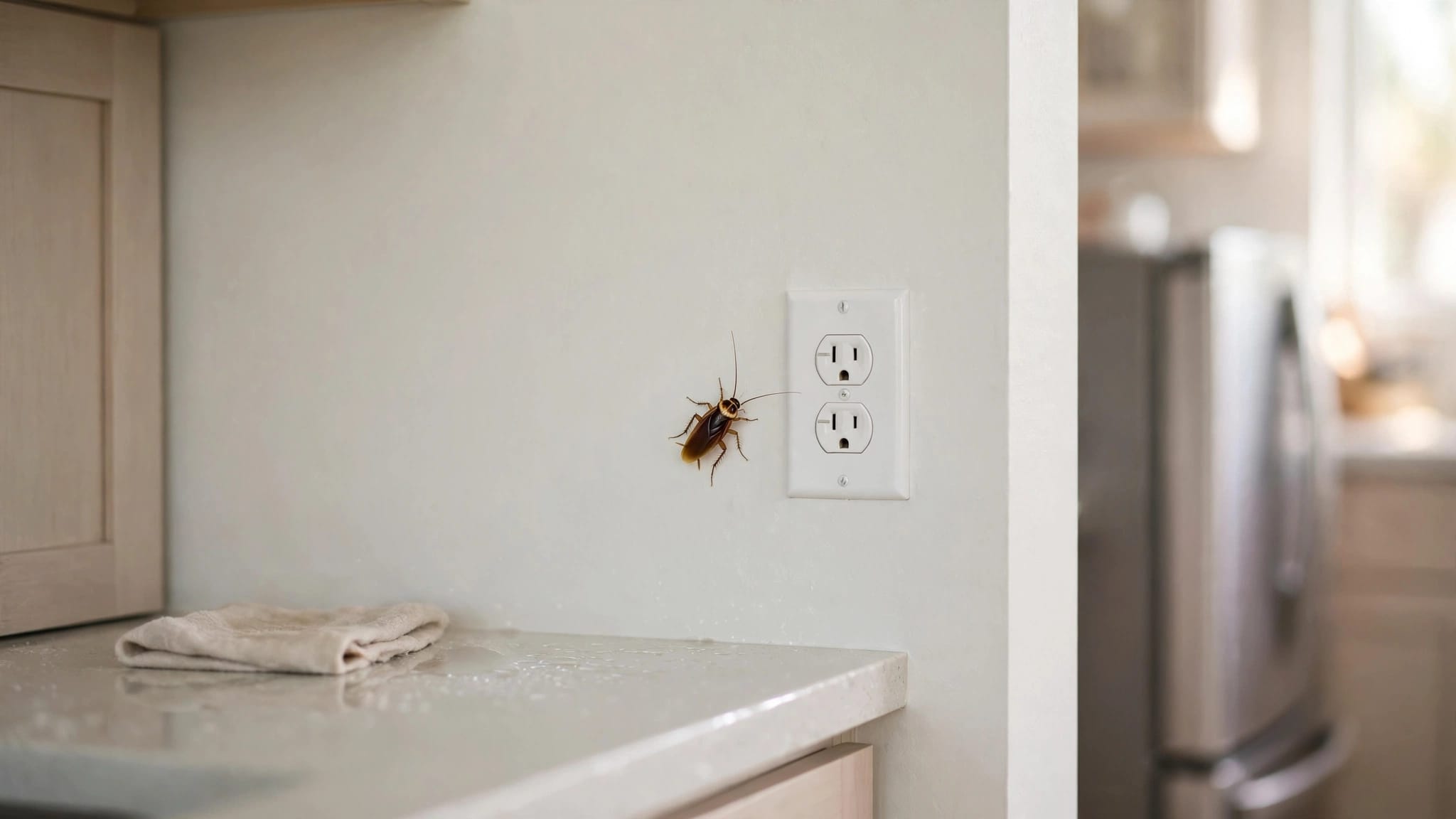
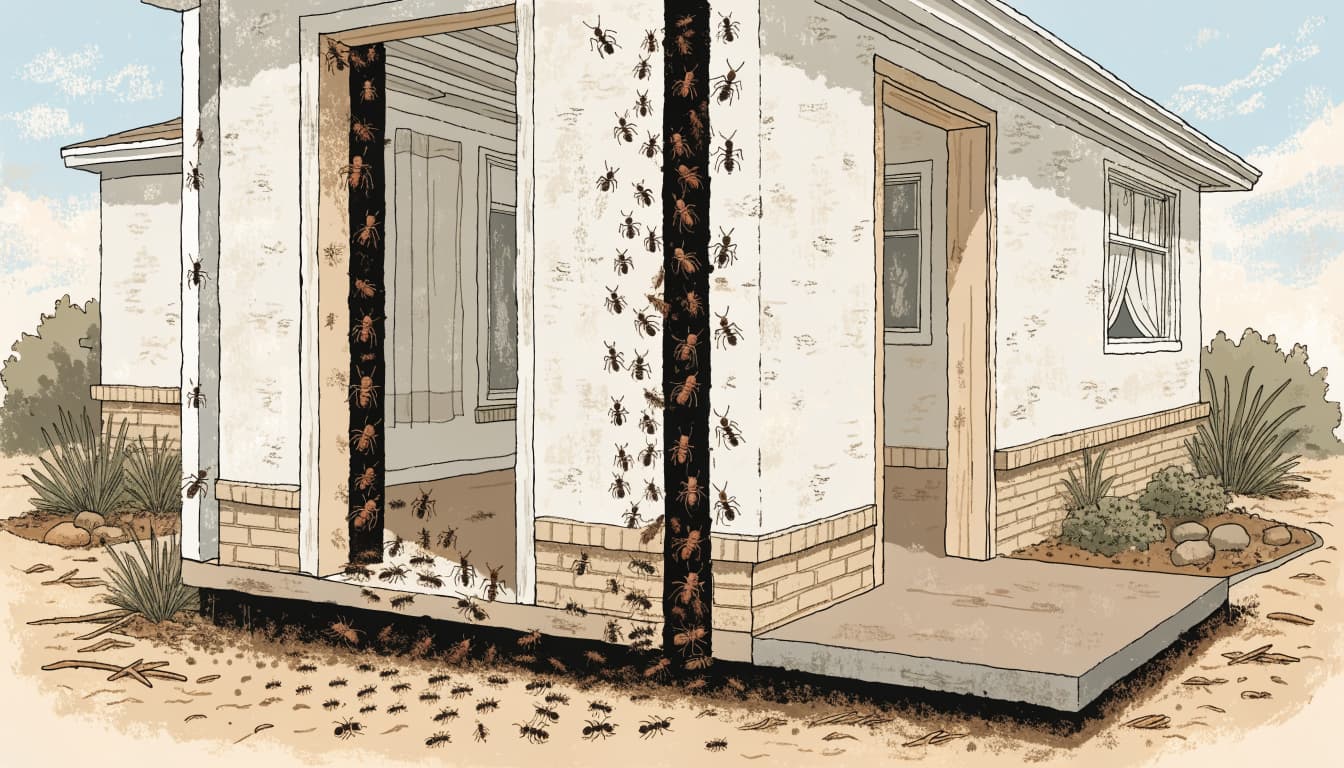
You might spot ants along a counter, window frame, or exterior wall. Roaches may appear near kitchen appliances, bathroom plumbing, a garage door, or other sheltered areas.
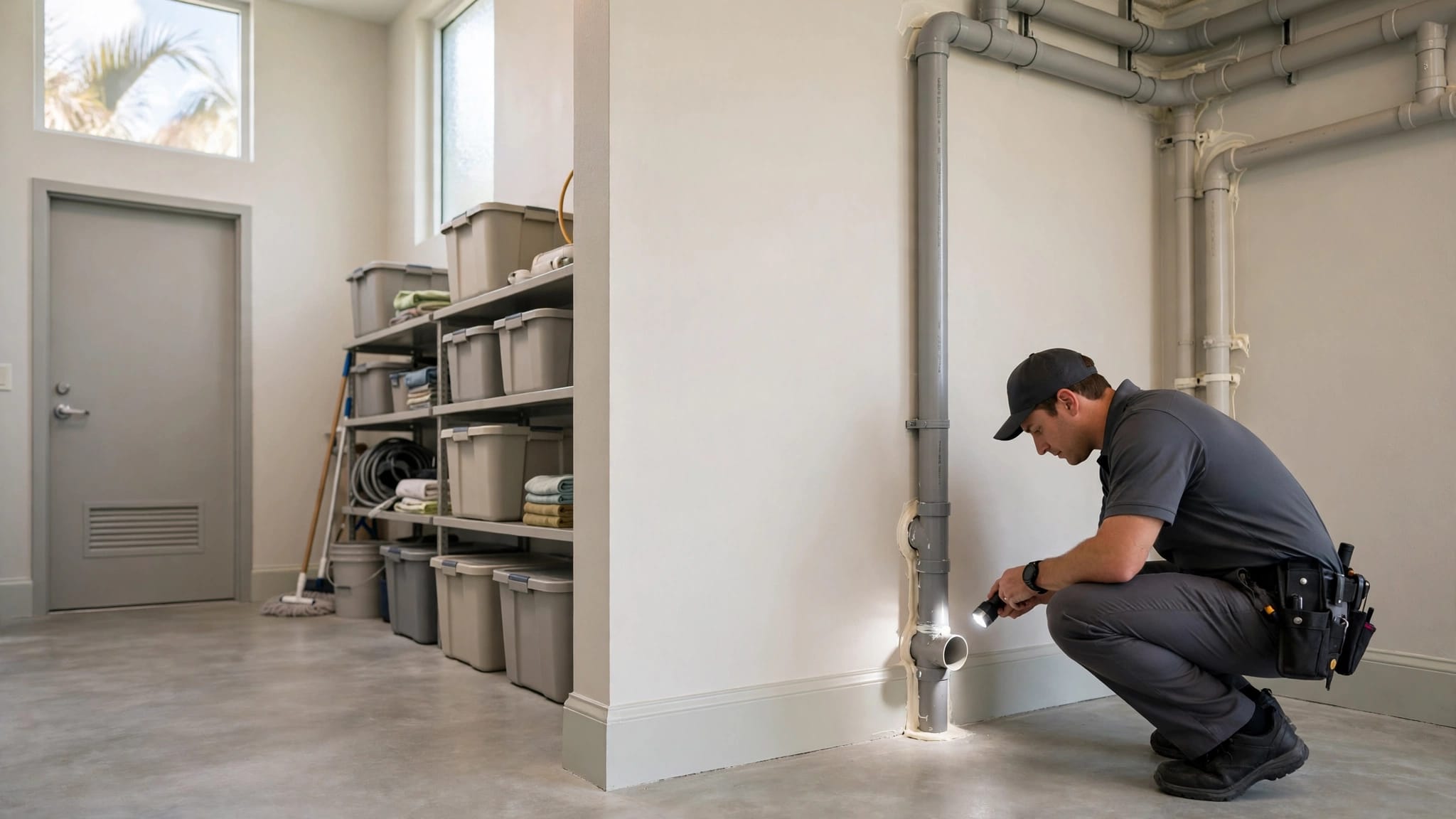
Pay attention to the location as well as the number. Repeated sightings under the same sink can point your technician toward a moisture problem or an opening around a pipe. A large outdoor roach near an exterior door can suggest a different route into the home than small roaches repeatedly seen inside a cabinet.
If you can safely take a photo, keep it with your service records. Identification matters because different ants and roaches don't all respond to the same approach.
Rodent signs
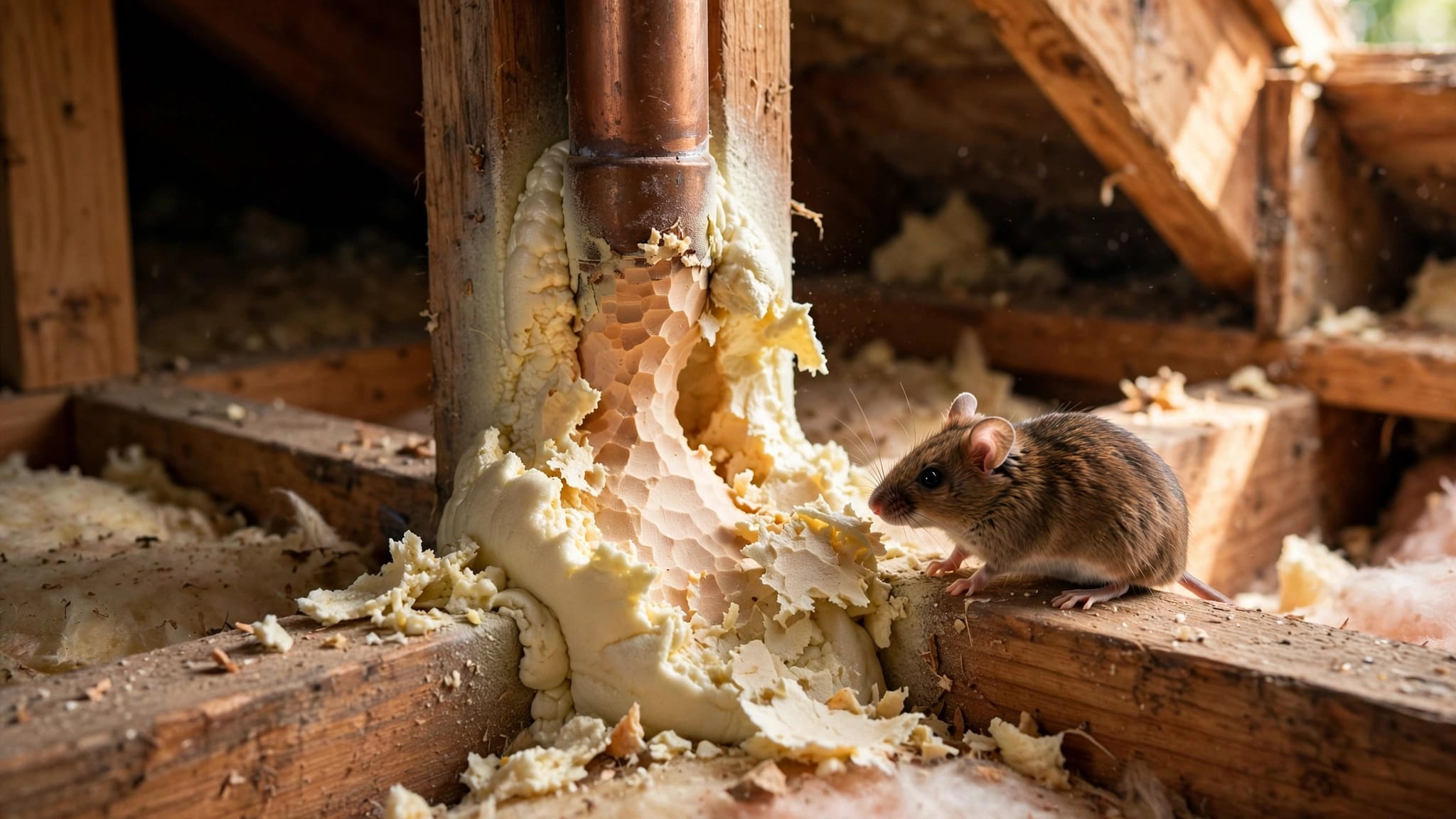
Rodent activity can be less visible than insects. You might hear movement in an attic or notice droppings, gnaw marks, or damaged food packaging. Fresh signs deserve attention even if you haven't seen a mouse or rat.
Don't handle droppings with bare hands or sweep or vacuum them dry. Keep children and pets away from the area and contact a professional if the contamination is extensive or in a difficult-to-reach space.
Rodent control can require attention to entry points as well as the animals already inside. Follow your treatment plan before closing an active opening, since sealing it at the wrong stage can interfere with removal.
How Florida weather affects pest activity
Rain changes conditions around a home
Heavy rain can disrupt outdoor nests and change where insects find shelter. Ants may move toward higher ground, while openings around doors, garages, and utility lines give pests routes into a building.
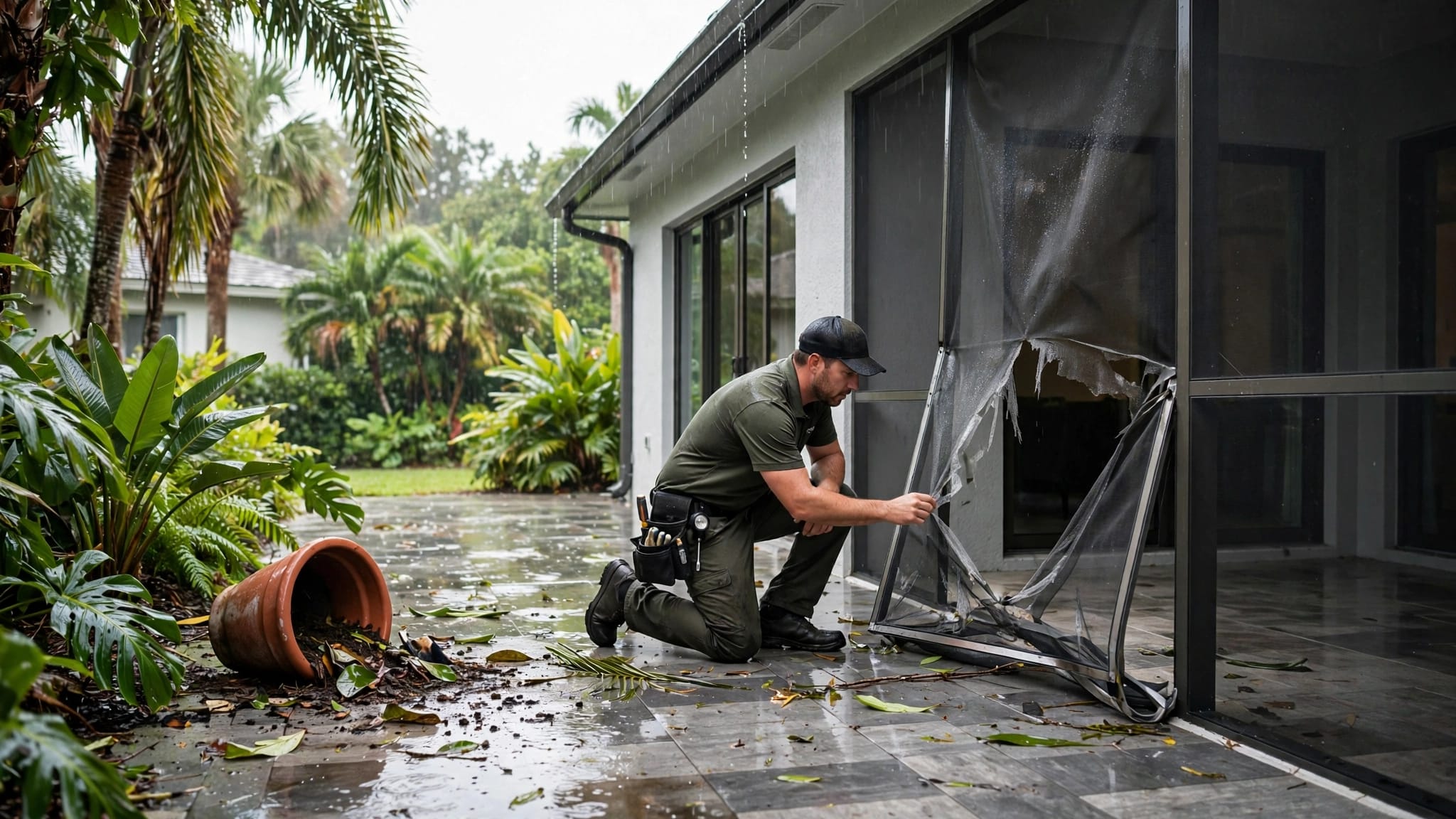
After a storm, look for damaged screens, loose weather stripping, and areas where water collects. Flooded soil and wet landscaping can change pest movement, but a sighting after rain doesn't prove the storm caused it.
Standing water around a patio, pool cage, or clogged gutter can also support mosquitoes. Mosquito activity may require attention to outdoor water sources alongside any other pest service.
Dry conditions can draw pests toward moisture
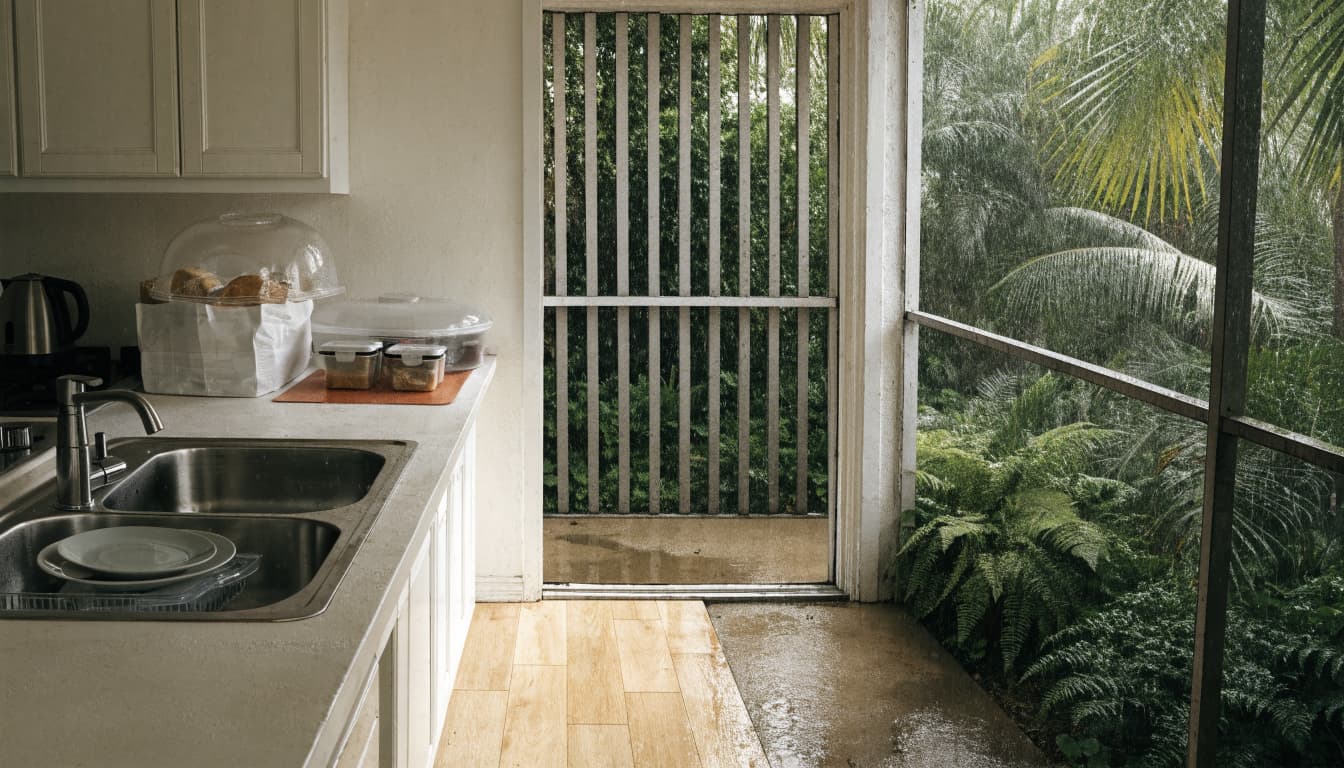
During dry periods, a leaking outdoor faucet or damp area beneath a sink can become more attractive to pests searching for water. Pet food, open trash, and shelter in a garage can add to that pressure.
Nearby canals, preserves, dense vegetation, and construction can also affect the conditions around a Southwest Florida home. These factors don't explain every sighting, but they help show why two properties on the same street can have different pest problems.
What to expect in the days and weeks after service
In the first few days
Keep the service instructions handy and observe the areas where you previously noticed activity. You may see individual pests or other signs during this period. Record what you find rather than judging the entire treatment by one sighting.
Some services require follow-up, while others depend on continued monitoring. The treatment method, pest, and extent of the problem determine the plan. Our guide to what to expect after pest treatment covers preparation and the role of return visits.
Over the following weeks
Look for a meaningful change in the overall pattern. Fewer sightings in the original problem area can be useful information; repeated activity in the same place or signs in new rooms also deserve attention.
There isn't one deadline that applies to ants, roaches, rodents, fleas, and every other pest. If activity isn't improving as expected under your service plan, contact the provider. A follow-up visit may involve reassessing the pest, inspecting for entry points, or adjusting the approach.
Protect the treatment while you clean
Follow re-entry and cleaning instructions
Keep children and pets away from treated areas for the period specified in your service instructions. Different products and application methods have different requirements, so a general rule about when an area is ready won't fit every treatment.
Clean food-preparation surfaces as directed, and follow any instructions about mopping or wiping areas where treatment was applied. Don't remove bait, traps, or monitoring devices unless your technician's instructions say to do so.
Avoid adding store-bought sprays to the treated area on your own. They can interfere with the planned approach, especially where bait has been placed. If someone has a suspected pesticide exposure, move away from the area and contact Poison Control or emergency services as appropriate.
Remove food and water sources
Routine cleaning helps reduce the resources pests can use. Store pantry items and pet food in containers with tight-fitting lids, wipe up spills, and take out household trash regularly.
Dry the sink, repair plumbing leaks, and address damp cabinets when practical. You don't need to empty every room after a general service, but keeping the affected areas accessible makes future inspection easier.
Reduce the conditions that invite pests inside
Address gaps and household clutter
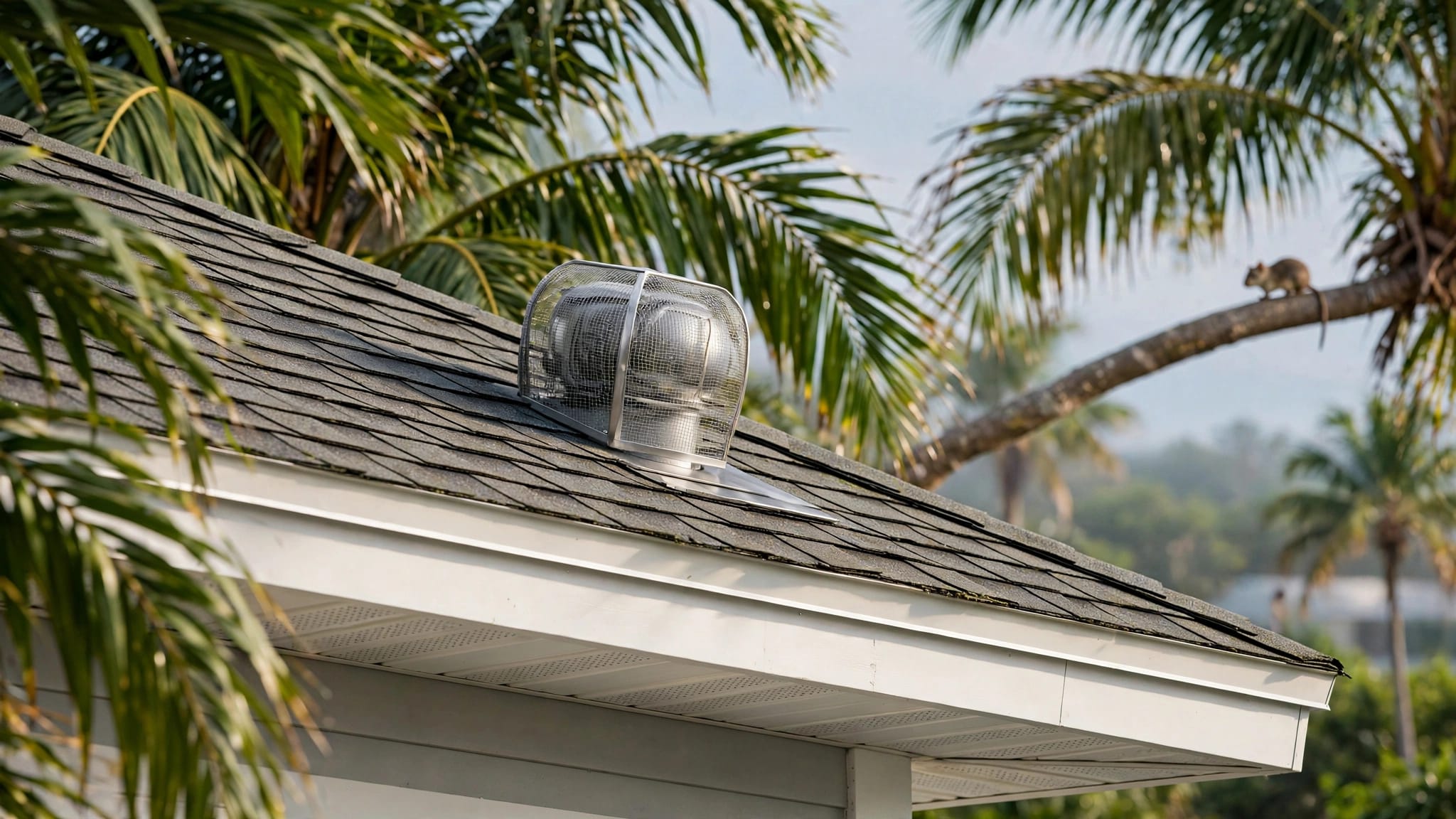
Look for worn door sweeps, torn screens, and openings around pipes or utility lines. These spots can let pests enter even when the interior has been treated.
Repairing an opening can be a separate task from pest treatment. For active rodent problems, follow the removal and exclusion plan before sealing gaps. In storage areas, reduce unnecessary cardboard and clutter so hiding spots and new signs are easier to see.
Maintain the area outside
Dense mulch against a wall, debris near the foundation, and leaking outdoor faucets can provide shelter or moisture close to the house. Trim vegetation away from the structure where possible, clear gutters, and remove containers that collect rainwater.
Pay attention to the garage, lanai, and pool cage as well as the main living space. A damaged screen or gap beneath a garage door can give pests access to sheltered areas before they reach the interior.
These steps support a treatment plan, but they don't replace one. A persistent infestation may need a targeted inspection and additional service.
Keep a useful record of pest activity
Note what you see and where
A short record gives your pest control provider more to work with than a general report that bugs are still around. Write down the date, location, approximate number, and whether the pests were alive or dead. Photos can help with identification.
For rodents, note sounds, droppings, or damaged packaging and where you found them. Keep the record factual: a noise in the attic is useful information, even if you can't identify its source.
Also note changes around the property, such as heavy rain, a new leak, or nearby construction. They may help the technician understand the conditions without assuming any one event caused the activity.
Compare activity with the original problem
Look back at the areas involved before treatment. Are you seeing the same pest near the same cabinet, or a different insect near an exterior door? That distinction can help determine whether the concern is connected to the original service.
Keep your treatment paperwork with the record. It provides context about the work performed and any follow-up arrangements. A clear history also helps you describe the problem without relying on memory during a call.
When to contact your pest control provider
Report persistent or worsening signs
Contact your provider if activity continues without the improvement expected under your plan, or if sightings become more frequent or widespread. New droppings, repeated rodent sounds, damaged food packaging, or pests appearing in additional rooms are also good reasons to report the problem.
Don't wait for a routine appointment if there's an immediate safety concern. Keep people and pets away from an affected area when needed, especially if you find a rodent, significant contamination, or an accessible pest control product.
Share enough detail for a useful follow-up
When you call, describe the pest, the rooms involved, and when you noticed the signs. Mention relevant changes such as a leak, damaged screen, or recent storm. Your notes and photos can help the technician decide what to inspect.
A follow-up may include looking for untreated harborages, entry points, or conditions that support pests. The response depends on the situation, as outlined in our guide to pest control service expectations.
Give the pattern time and report concerns
Seeing a pest after service can have several explanations. The most useful response is to follow the treatment instructions and watch for changes in the places where activity occurred.
If signs persist or spread, contact your provider with the details. A clear report helps guide the next inspection and any adjustments your home needs.
Schedule a Free Inspection: