Roof Vent Screening for Pest Control in Florida
Roof vent screening helps keep rodents and other pests out while allowing your attic to breathe. The right screen covers the opening securely without blocking airflow or drainage .
Florida's heavy rain, humidity, salt air, and strong winds can damage vents and the materials around them. Before you cover an opening, look for signs that an animal is already inside.
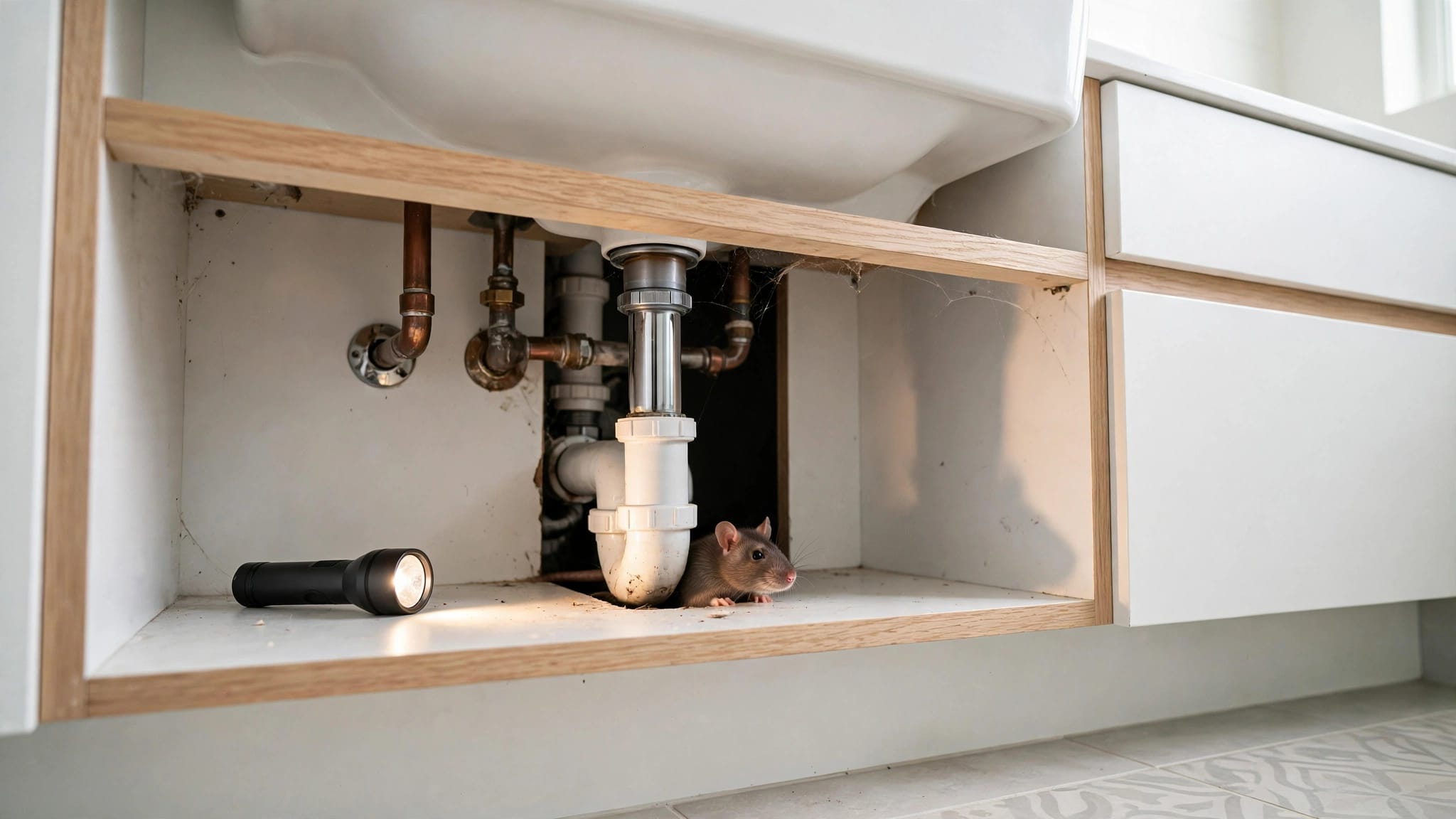
Look for pests and entry points first
Roof rats are skilled climbers that can reach a roof along palm fronds, branches, and other nearby structures. Once there, they may enter through a damaged vent, a loose soffit panel, or a gap around a pipe.
Squirrels can also damage vent covers or use openings along the roof edge. Birds and insects may take advantage of exposed gaps, although a screen designed to stop rodents won't necessarily stop every insect.
Look for torn screening, chewed edges, droppings, disturbed insulation, or scratching sounds in the attic. Squirrels often move around during the day, especially near dawn and late afternoon. Noise at night can point to a different animal, but sound alone doesn't identify the pest.
A damaged vent may be one entry point among several. Closing it without finding the others can leave pests with another route inside.
If you notice activity, arrange an inspection before covering the opening. An animal trapped inside may damage the house while trying to escape. Our guide to Cape Coral attic rodent control covers common signs and the role of exclusion in preventing repeat visits.
Identify the roof vent before screening it
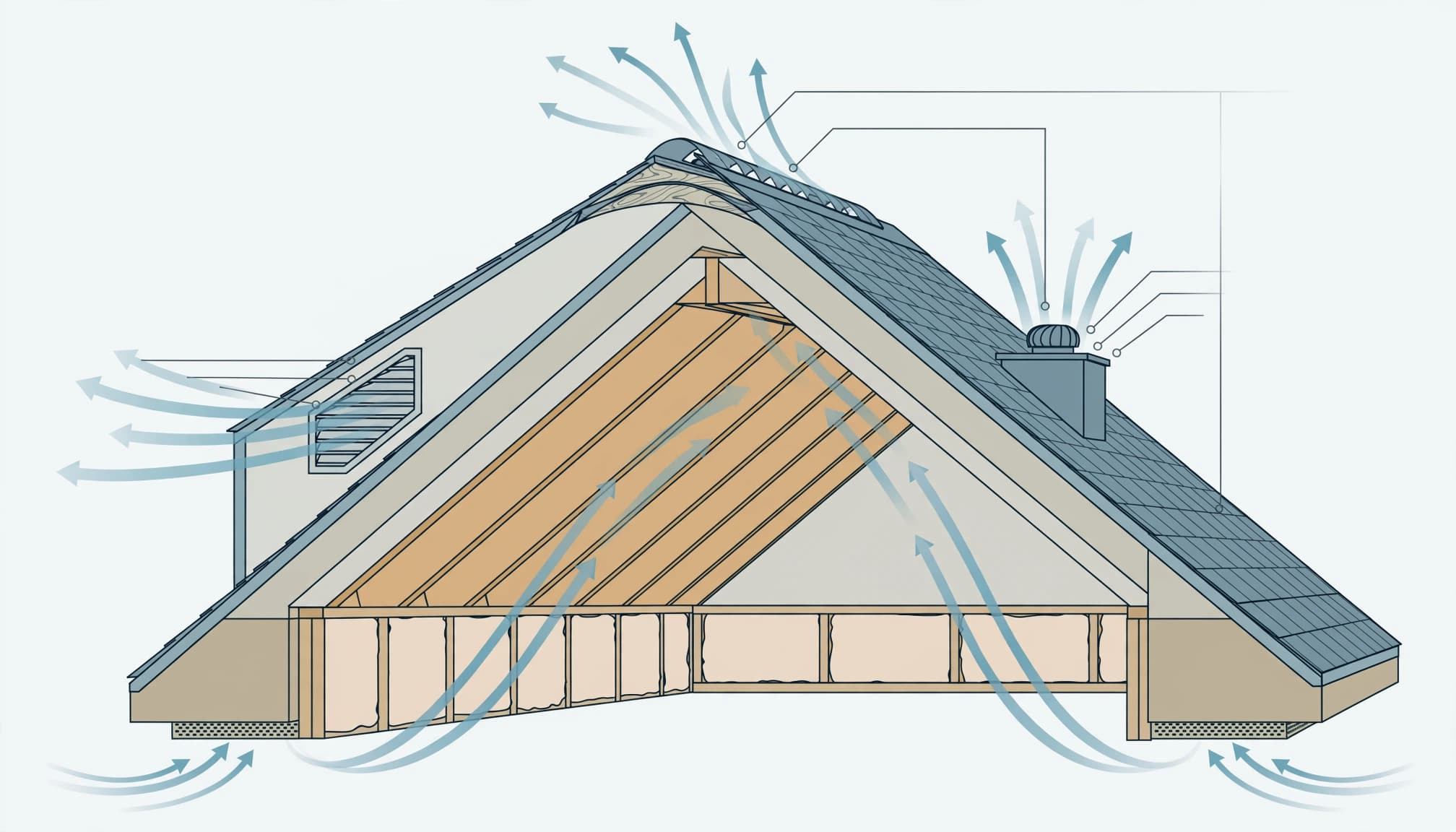
Different vents move air through different parts of the attic. Their shapes and locations determine where a protective screen can fit.
Ridge and roof vents
A ridge vent runs along part or all of the roof's peak. It usually sits beneath a low-profile cover that blends into the roofline. Because it forms part of the roof assembly, an improvised screen can interfere with the vent or its weather protection.
Box vents, also called roof louvers, sit on the sloped roof as individual covered openings. Some have screening built into the assembly. A loose cover, damaged edge, or opening around the vent may create access even when the screen itself looks intact.
Gable and soffit vents
A gable vent sits in the triangular end wall beneath a pitched roof. You may recognize it by its slats or louvers. Damage can occur behind those slats, where it's harder to see from the ground.
Soffit vents are under the roof overhang. They may appear as small individual vents or longer vented panels. Look at the surrounding soffit and fascia, too. A pest may enter beside a vent rather than through it.
Separate attic vents from exhaust outlets
An attic vent moves air through the attic space. A dryer, kitchen, or bathroom exhaust outlet carries air out of an appliance or room.
Don't treat those outlets like ordinary attic vents. A screen that catches lint or interferes with a damper can create a separate problem. Damaged exhaust covers need a repair suited to their purpose.
Choose roof vent screening for Florida conditions
A useful screen needs to resist the pest you're trying to keep out and hold up outdoors. It also needs to fit the vent without reducing airflow beyond what the vent system can accommodate.
Match the barrier to the pest
Choose sturdy, chew-resistant screening when rodents are the concern. Ordinary insect window screen can tear or give way when a rodent works at it. A rodent-resistant barrier, in turn, may still allow small insects through.
For an existing vent, a compatible pest-resistant cover or replacement vent can be a better choice than adding a second layer over the original screen. Extra layers can restrict air and collect debris.
Plan for rain, humidity, and salt air
Florida's heat and humidity expose roofline materials to repeated wetting and drying. Homes near the coast also face salt air, which can speed corrosion.
Choose outdoor-rated, corrosion-resistant screening that can retain its shape and stay secure in the vent's exposed location. Inspect the vent frame as well: a durable screen won't stay secure if the surrounding material is loose or deteriorated.
If water has softened the wood around a gable vent, repair the moisture damage before relying on a new screen. Covering a wet or damaged edge can conceal a problem that continues behind it.
Measure and fit the screen to the opening
Measure only where you can reach safely. A ground-level view can reveal obvious damage, but roof-mounted vents and high gables often require professional access.
Measure the opening and its support
Record the width and height of the opening that needs protection, along with the shape of the vent and the depth available behind or around its cover. For an irregular opening, note the widest and tallest points and any obstructions.
Also look for a solid, continuous area where the screen or fitted cover can be secured. The barrier needs enough contact around its perimeter to prevent an animal from pushing through an edge. A measurement of the visible louvers alone may not describe the opening behind them.
If a vent cover is bent or the frame is broken, replacing the damaged component may be more practical than trying to fit screening around it.
Fit the screen without leaving gaps
A fitted screen should cover the access opening without a loose corner or a gap around the edge. Keep it flat enough that it doesn't bow into the vent passage, interfere with moving parts, or collect against the louvers.
Use a screen or cover intended for the vent's design, with a secure attachment method suited to the existing structure. Don't rely on a loose piece wedged behind the cover. Wind and animal pressure can shift it out of position.
Protect airflow and drainage
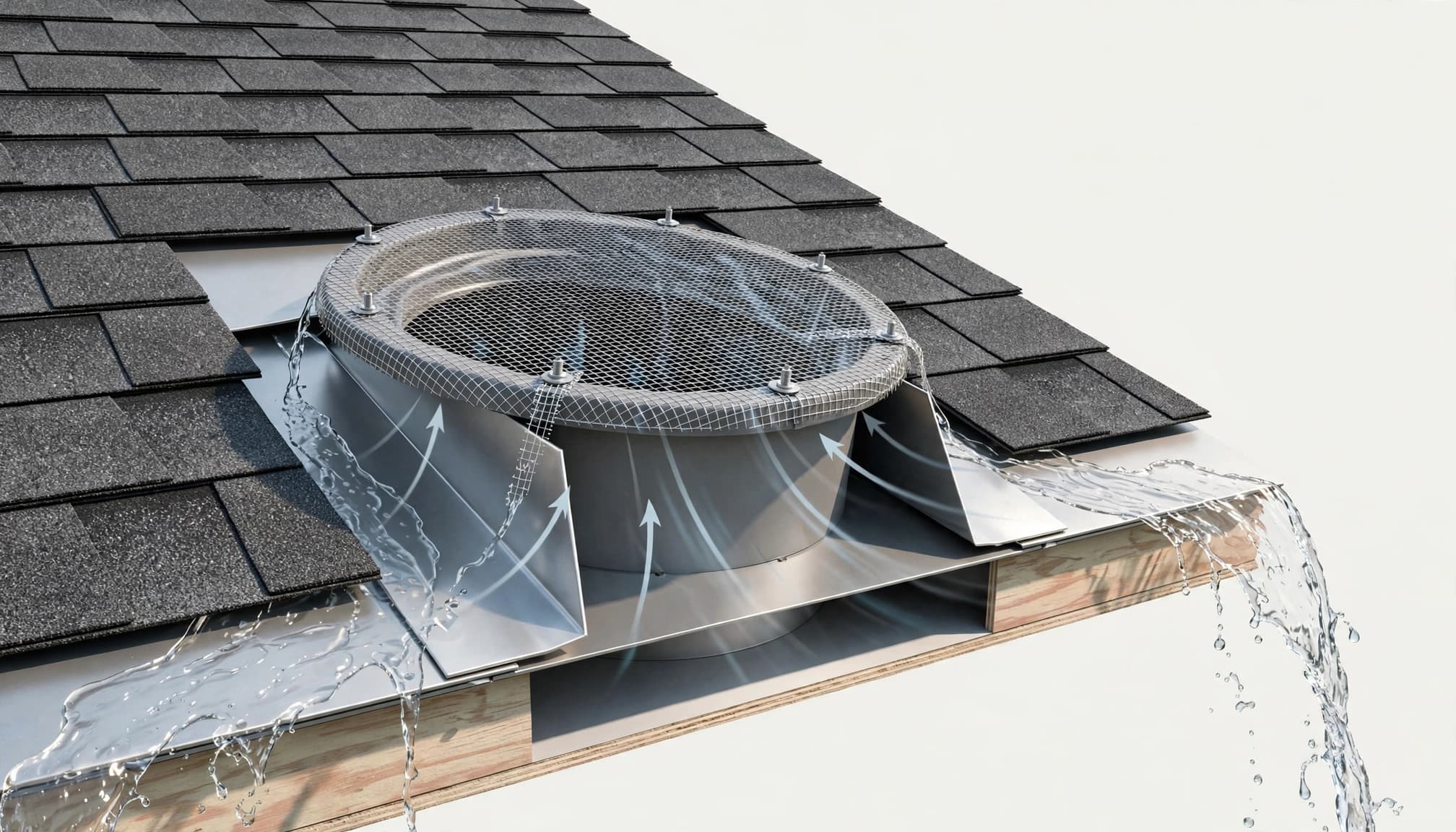
Attic vents are openings for a reason. They allow air to move through the roof space, so sealing them shut can contribute to heat and moisture problems.
A screen reduces the open area available for air to pass through. The effect depends on the vent and the screen, which is why covering a vent with several layers or packing material behind it is a poor fix. Keep the vent passage clear of insulation, nesting material, leaves, and other debris.
Water needs a path out, too. Avoid covering drainage openings or altering flashing around a roof-mounted vent. If the cover, flashing, or roof surface is damaged, a roofing repair may be needed before pest screening can work properly.
Pay particular attention to soffit and ridge vents, which can be part of the same airflow system. Our guide to common Florida pest entry points explains why roofline repairs need to protect ventilation as well as block pests.
Inspect screens and rooflines after storms
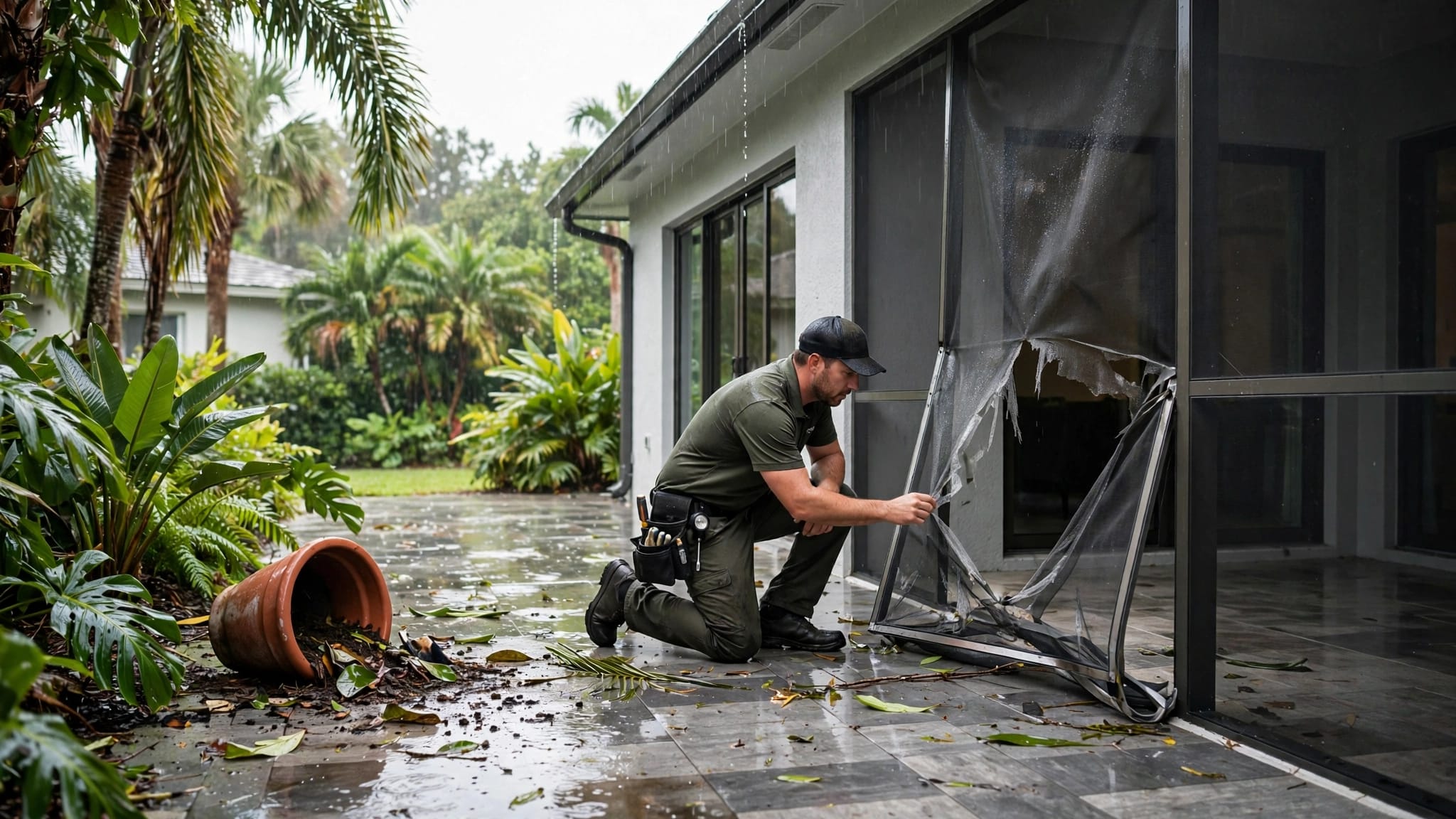
Wind can loosen soffit panels, lift vent components, and move debris against a screen. Heavy rain can expose leaks or weaken material around an existing opening.
Once conditions are safe, walk around the house and look from the ground for displaced panels, bent covers, fallen branches, and gaps at roof corners. Inside, look for new ceiling stains or signs of moisture near the attic access. Don't climb onto a wet roof or approach a damaged roofline with loose material.
Watch for activity as well as damage
Storm damage and pest activity don't always appear at the same time. After heavy rain, rodents may seek dry shelter in attics and soffits. A newly opened gap can give them a route inside.
Listen for scratching and look for droppings or disturbed insulation where you can safely see them. Avoid sweeping or vacuuming rodent droppings, since that can put contaminated dust into the air. Extensive contamination is a job for a professional.
Keep access routes away from the roof
Trim palm fronds and branches back at least several feet from the roof. This reduces the routes roof rats can use to reach vents and soffits.
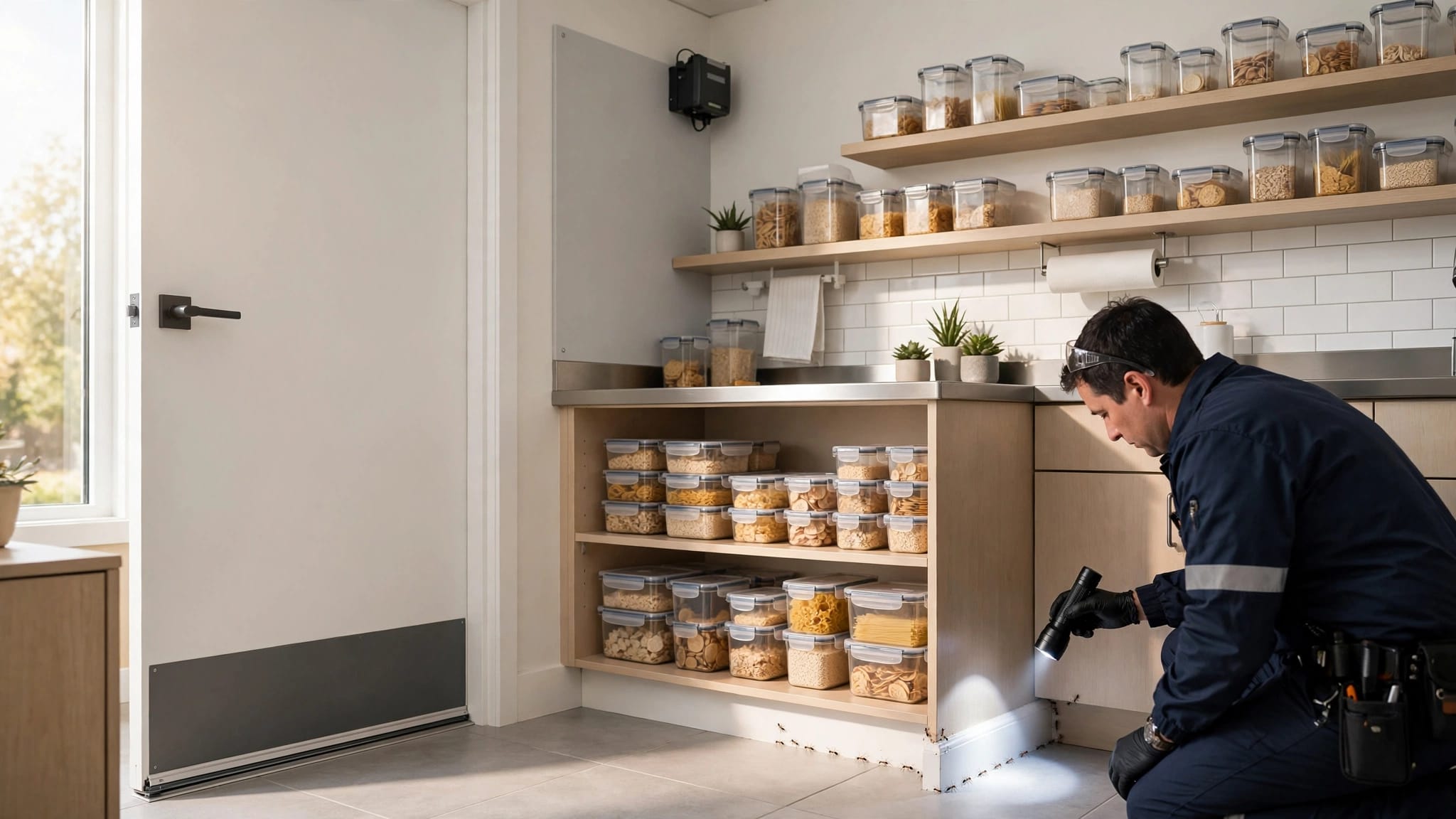
Also bring pet food indoors and keep trash contained. These steps won't repair a gap, but they make the area around your home less inviting. Our article on roof rat signs and entry points covers other ways rats reach Cape Coral attics.
Know when to call a professional
Call for help when the vent is high, the roof is steep, or the repair requires disturbing shingles, flashing, or a ridge vent. A roofing professional can address leaks and damaged roof components without treating the vent as an isolated patch.
A pest or wildlife professional is the right starting point when you hear animals, see fresh damage, find nesting material, or suspect young are present. The response should identify the animal and its access points before the final opening is closed.
For example, squirrel damage to gable vents can extend beyond the visible screen. A closer inspection can reveal whether the animal is using the vent itself or an opening nearby.
At Shield Home & Pest Control Services, we offer free inspections for homeowners in Cape Coral and nearby Southwest Florida communities. We can help identify pest activity and the openings contributing to it.
Keep the opening protected and functional
Good roof vent screening covers the pest entry point while preserving the vent's job. The fit matters as much as the screen itself, especially around edges exposed to wind and rain.
Start with signs of activity, then address damaged vents and surrounding gaps. A secure, well-fitted barrier is easier to maintain than a rushed patch over an active problem.
Schedule a Free Inspection: