Florida Pest Prevention for Nail Salons and Spas
Florida pest prevention for nail salons and spas starts with removing food and moisture, closing entry points, and reporting signs of pests early. A consistent routine can help protect your clients, staff, and supplies without disrupting appointments.
Warm, humid conditions give pests plenty of places to hide, including areas behind sinks and inside storage rooms. The most useful prevention plan assigns clear tasks to staff and addresses trouble spots before a sighting becomes a larger problem.
Why Salons and Spas Attract Pests
A salon can look spotless at the front desk while a leaking pipe or overflowing break room bin creates trouble in the back. Pests need food, water, and shelter, and they can find all three in places staff use throughout the day.

Food and drinks
Coffee spills, snack crumbs, and food wrappers can attract ants and cockroaches. Sweetened drinks left at reception or on a manicure table can also draw insects, even when the rest of the station is clean.
Keep staff meals in a designated break area. Wipe spills promptly and empty bins containing food waste at closing. If you offer clients drinks, collect used cups between appointments rather than leaving them on counters.
Moisture and hiding places
Pedicure stations, sinks, laundry rooms, and restrooms provide water. Leaks under cabinets may go unnoticed because cleaning supplies and towels block the view.
Cardboard deliveries, crowded shelves, and gaps behind equipment can give pests shelter. Keep storage organized so staff can see the floor and spot problems without moving a pile of supplies.
Common Pests to Watch For
Different pests leave different clues. Knowing where to look helps your team report useful details instead of treating every sighting as an isolated incident.
Ants and cockroaches
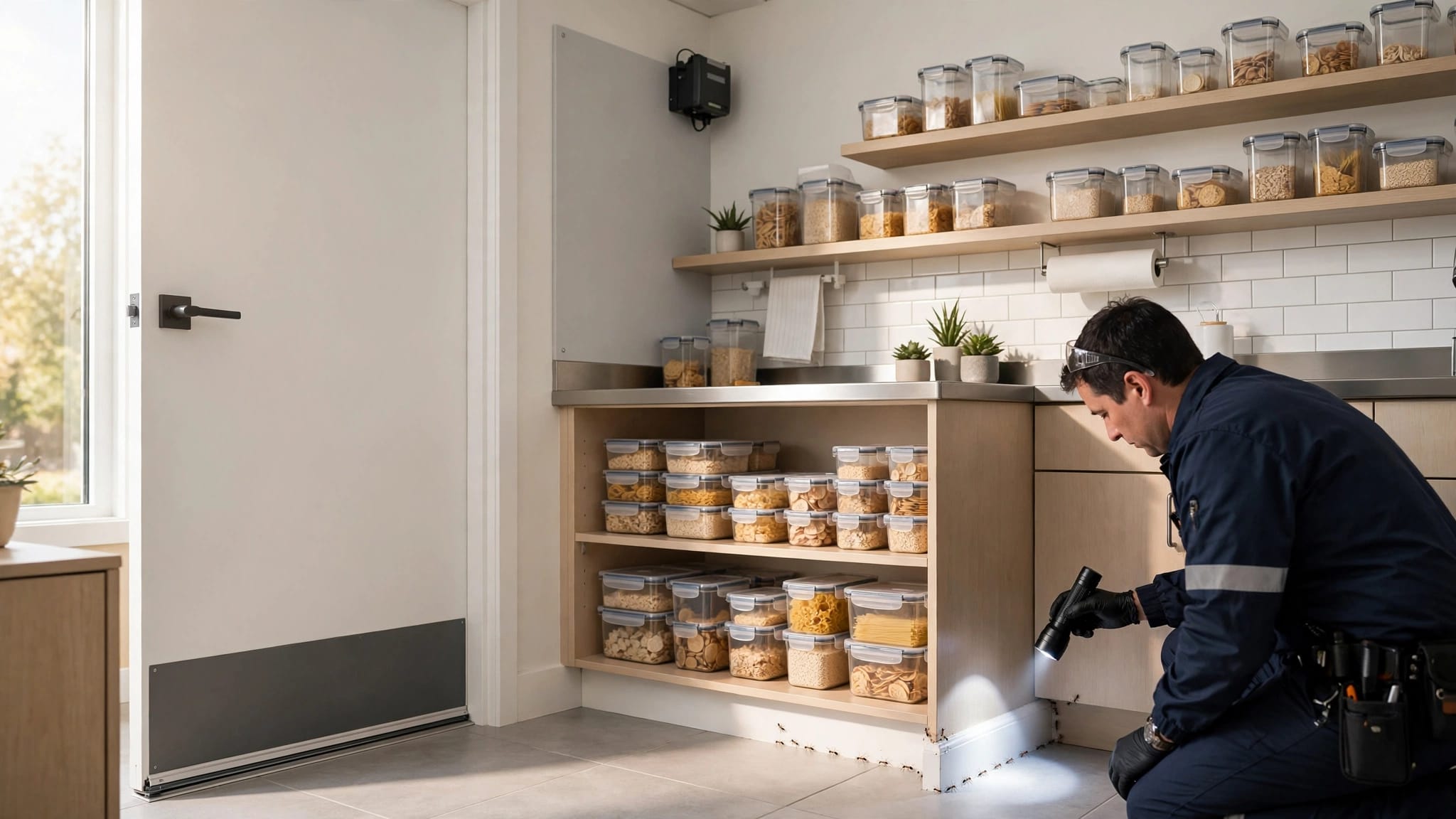
Ants may follow trails to drink spills, food, or moisture around sinks. Follow the trail visually to identify where it enters, then clean the spill and report the opening for repair.
Cockroaches often hide in warm, protected spaces near water and food. Look for live insects, shed skins, or small dark droppings behind appliances, under sinks, and near the break room. German cockroaches can also arrive in boxes or equipment brought indoors.
A clean floor alone won't address a nest hidden inside a wall or appliance. Repeated sightings call for an inspection of the surrounding area.
Flies and rodents
Small flies around a sink may breed in organic buildup inside drains or in neglected waste. Other flies can enter through open doors or gather near outdoor trash. Finding the source matters because spraying visible adults won't remove the material attracting them.
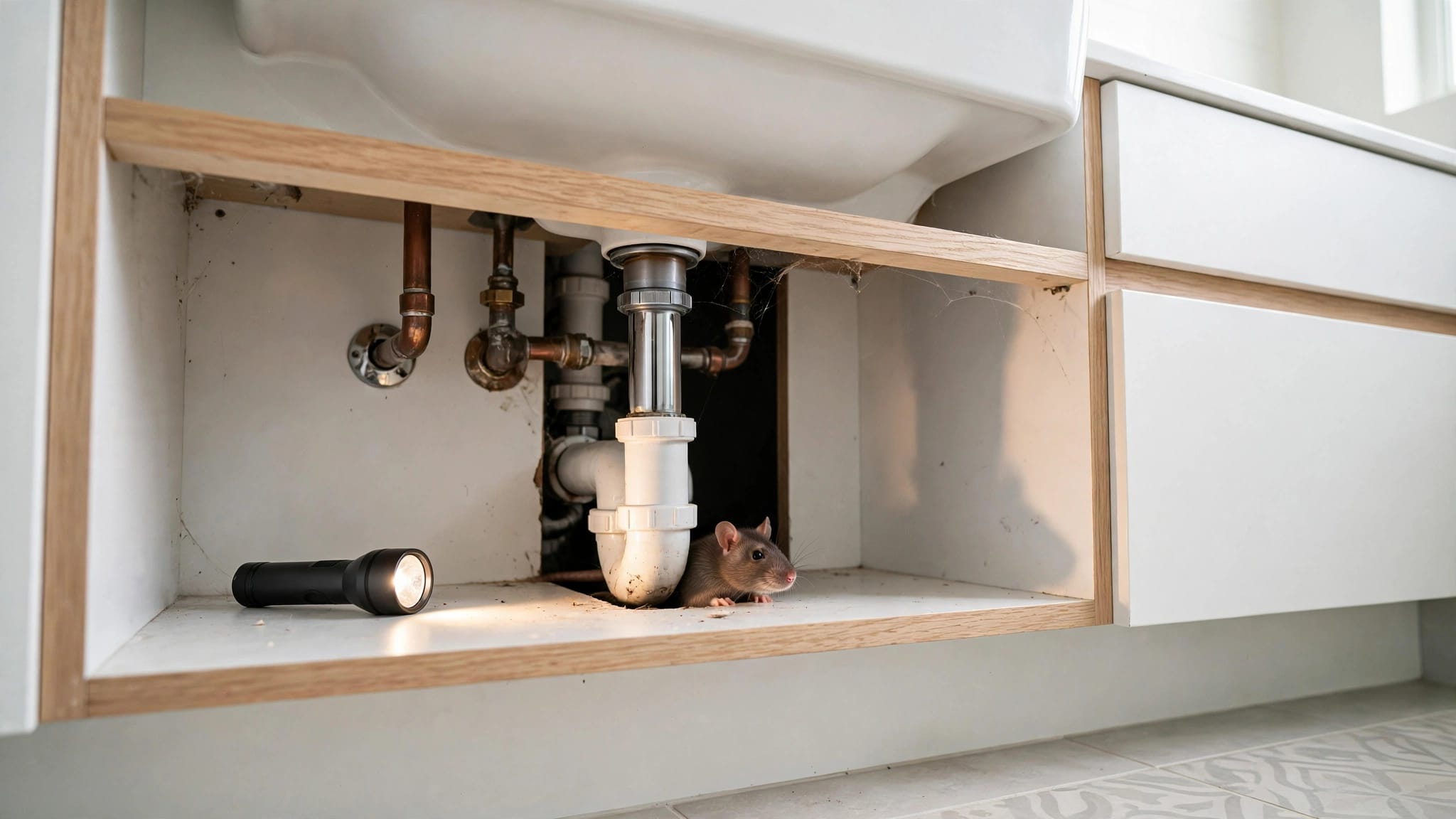
Rodent clues include droppings, gnawed packaging, and scratching sounds in walls or ceilings. Rats and mice can enter through building gaps and travel between units in a shared property. If staff find droppings, keep clients away and avoid sweeping or vacuuming them.
Store Salon Products and Deliveries Carefully
Closed containers and uncluttered shelves make pest activity easier to spot. They also help keep supplies away from spills and contaminated packaging.
Organize products and supplies
Keep lotions, scrubs, wax products, and other supplies in their original containers with lids closed. Store disposable items in closed cabinets or containers, away from the floor where possible.
Wipe product drips from shelves and bottle exteriors. Some residues may attract pests, while clutter gives insects places to hide. Keep edible items separate from salon products, and don't store snacks in manicure drawers.
Manage incoming boxes
Examine deliveries for damaged packaging, insects, or droppings before putting them on shelves. Remove products from shipping boxes when practical, then take empty cardboard to the appropriate outdoor collection area.
Cardboard can provide hiding places for cockroaches, especially when it accumulates near a warm appliance or damp wall. Keep a clear view along storage-room edges so staff can notice new activity.
Control Moisture Around Drains and Laundry
Water is a daily part of salon work, but it shouldn't collect beneath a pedicure chair or stay on a laundry room floor. Assign someone to report leaks as soon as they appear.
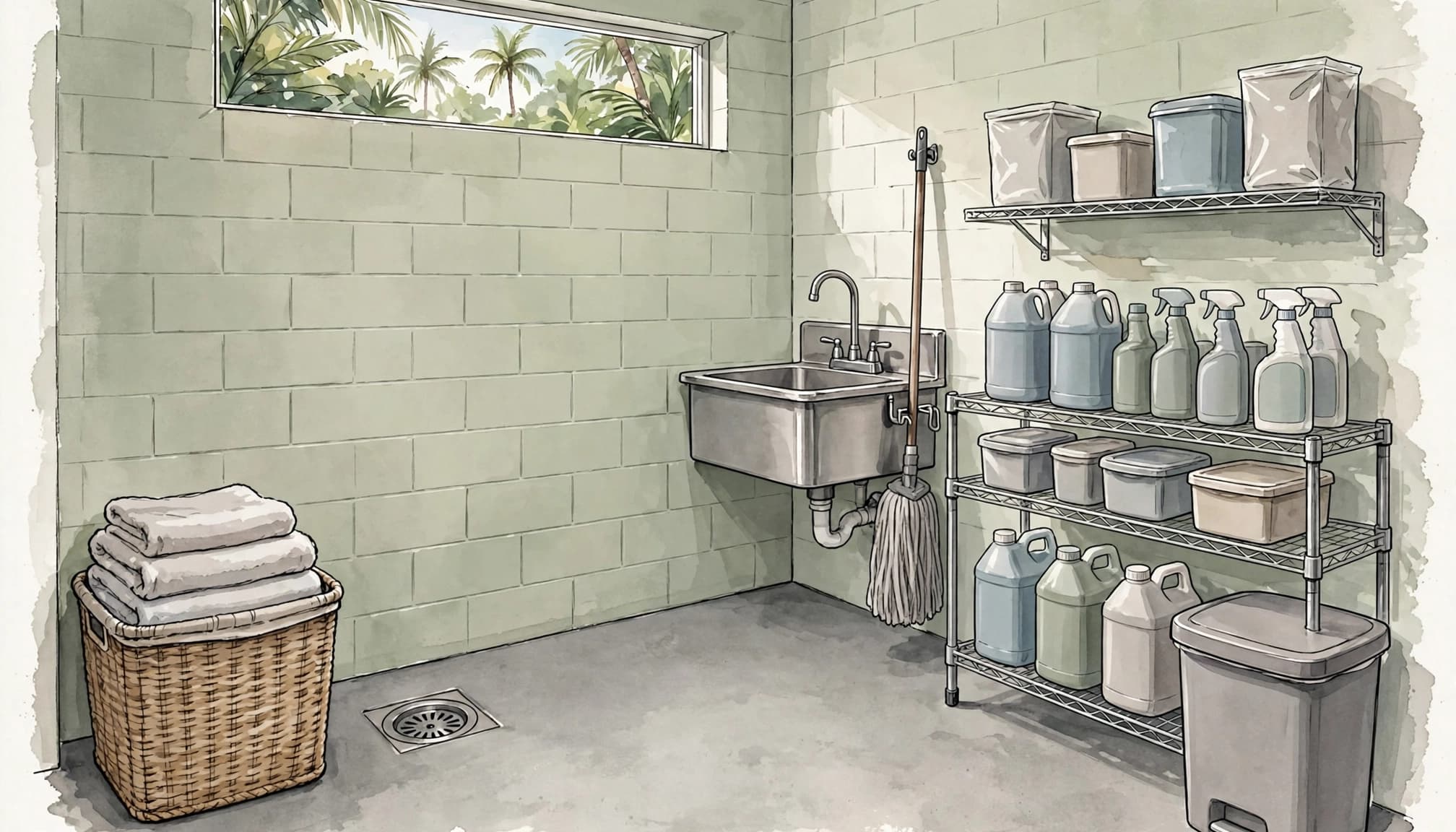
Sinks, drains, and pedicure areas
Wipe up standing water around sinks and foot baths. Look beneath plumbing for wet cabinet bases, drips, or staining, and arrange repairs rather than relying on a towel to catch a leak.
Clean accessible drain covers and remove accumulated hair and debris. If small flies persist around a drain, have the drain and nearby plumbing assessed for organic buildup or a leak. Don't mix cleaning chemicals or pour pesticides into a drain.
Continue following your normal pedicure equipment cleaning and disinfection procedures. Pest prevention adds moisture control to that work; it doesn't replace sanitation.
Towels and humid spaces
Move used towels to a designated laundry container instead of leaving damp piles beside stations. Wash and dry them promptly, and store clean linens in a dry cabinet or closed storage area.
Inspect around washers, mop sinks, and water heaters for leaks. Ventilation and functioning air conditioning can help limit excess indoor humidity, while prompt plumbing repairs remove a water source pests can use.
A Daily Pest Prevention Routine for Staff
A short routine at opening and closing helps staff catch spills and pest signs before they go unnoticed. Assign each area to a person or shift so tasks don't depend on whoever has time.
During the workday
Wipe drink spills and food crumbs when they occur. Keep snacks in the break area, and collect cups from reception and treatment rooms.
Between appointments, look around stations for insects and report anything unusual. Staff should note the location rather than spraying a pest near a client or a work surface. Close exterior doors after deliveries, and keep clean towels and supplies covered.
At closing
Empty food waste into a closed outdoor bin. Clean break room counters, sink areas, and the floor around trash cans. Remove standing water around pedicure stations and mop sinks.
Finally, look for leaks, damaged packaging, or insects in the areas staff can access safely. Record anything that needs repair or follow-up, even if the issue seems small. A recurring drip or repeated ant trail is easier to address when the next shift knows about it.
Weekly and Seasonal Tasks for Florida Businesses
Daily cleaning works best alongside a closer look at areas that don't get attention between appointments. Florida's rain and humidity make the building exterior part of that routine.
Each week
Move accessible items away from storage-room edges and look for droppings, dead insects, moisture, and damaged packages. Clean beneath break room appliances and around the bases of bins.
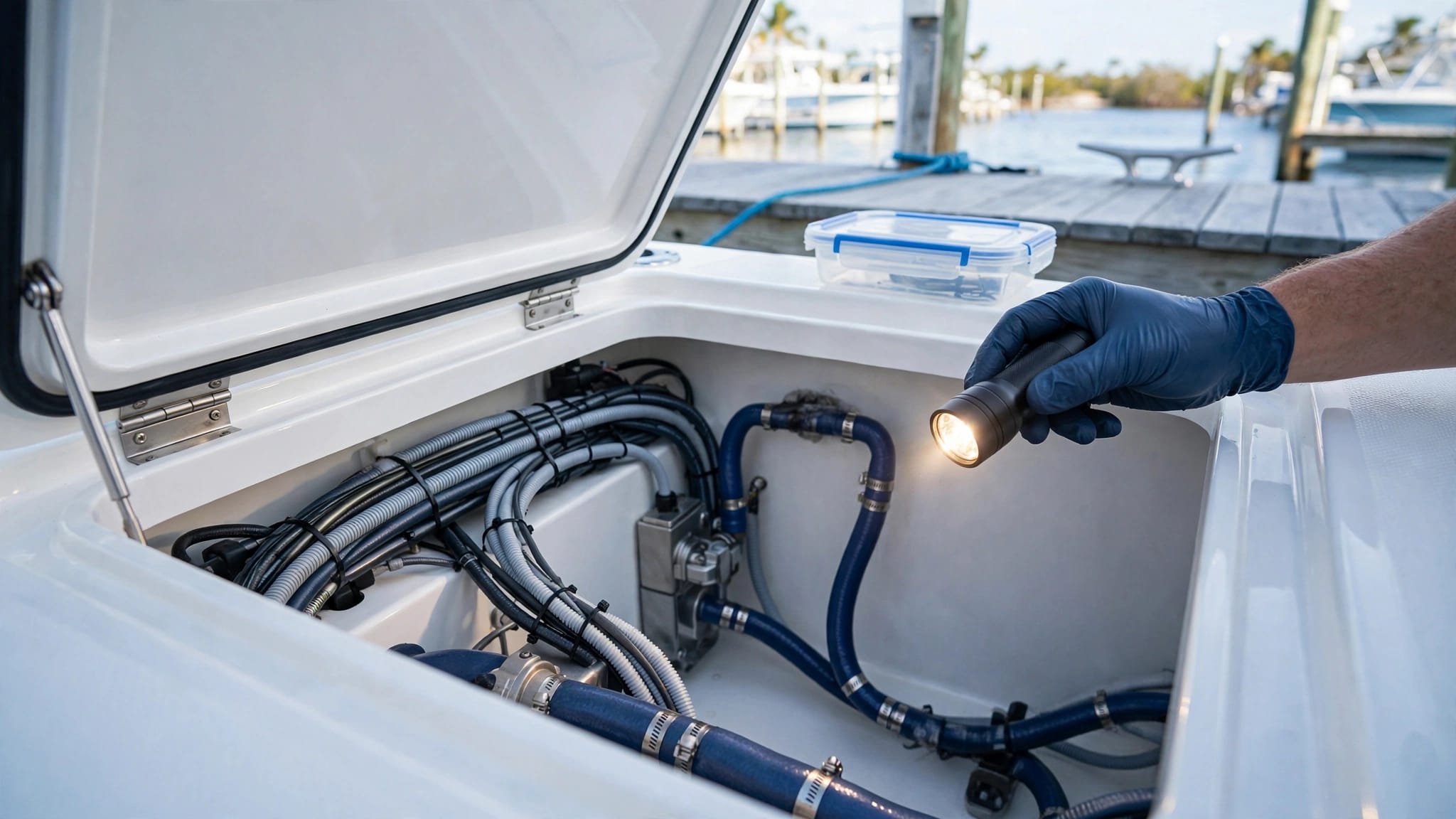
Look behind accessible cabinets and equipment for leaks or gaps, without disconnecting plumbing or electrical equipment. Note recurring pest sightings in the same log so you can see whether activity is concentrated in one area.
Before and after heavy rain
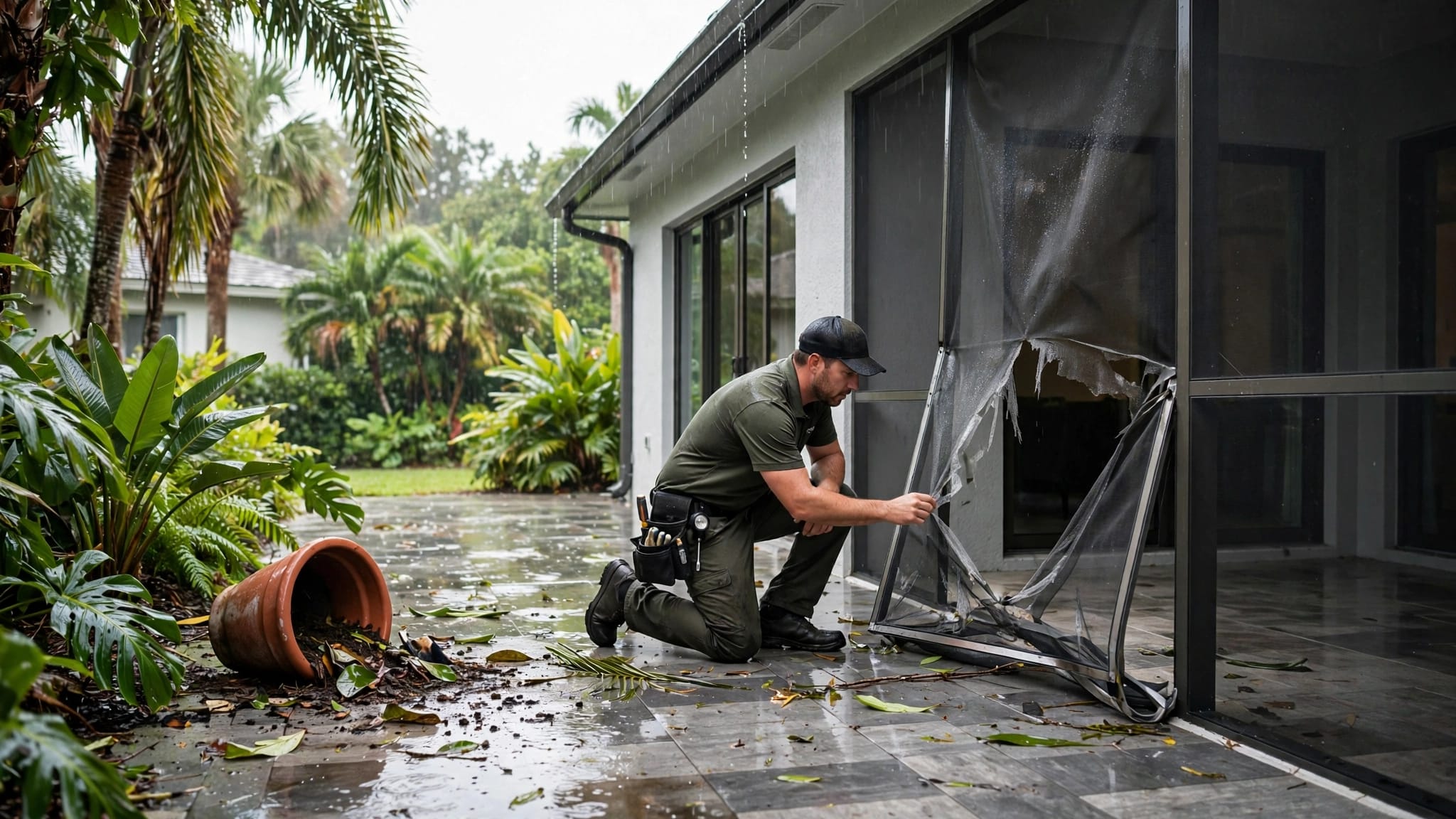
Walk the exterior before the rainy season and after heavy storms. Look for standing water near the building, overflowing gutters, damaged screens, and gaps under doors.
Heavy rain can expose drainage problems or send pests looking for drier shelter. Remove debris near entrances, arrange repairs, and report shared-property issues to the landlord or property manager. Continue monitoring throughout the year rather than treating pest prevention as a rainy-season task.
Close Entry Points and Manage Outdoor Waste
Pests may find their way inside through a gap that staff rarely notice. A closer look at the building can reveal repairs that support your cleaning routine.
Doors, pipes, and shared walls
Look for daylight beneath exterior doors and damage around screens. A properly fitted door sweep can reduce the gap under a door, while repairing screens helps keep flying insects outside.
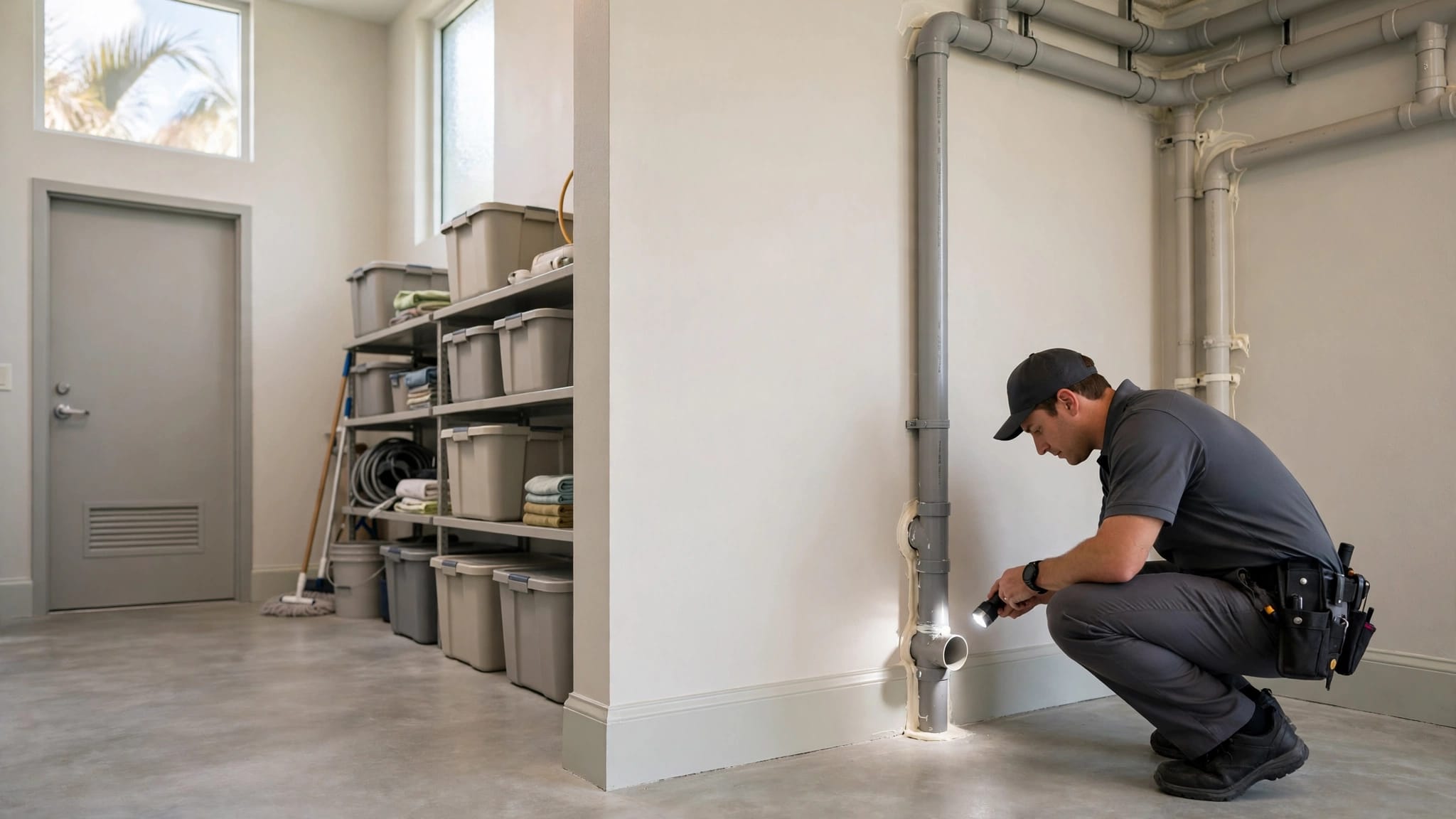
Inspect accessible openings around utility pipes and wall penetrations. Use appropriate repair materials, and involve the property manager when the gap is in a shared wall or exterior structure. If rodents are already active, consult a pest professional before closing suspected routes so the response accounts for animals inside.
Trash and landscaping
Keep outdoor trash lids closed and remove spilled waste around collection areas. Arrange pickup often enough that bags and food waste don't pile up beside the container.
Trim vegetation away from exterior walls and entrances where practical. This makes the building perimeter easier to inspect and reduces sheltered areas next to the structure. Pay attention to rear doors used for deliveries, which may receive less foot traffic than the main entrance.
What to Do When You Find a Pest
A sighting doesn't automatically mean the whole salon is affected. It does mean someone should document it and decide whether the area can remain in use.
Protect the affected area
Keep clients away from contaminated surfaces and supplies. Set aside affected items for assessment, and discard food or disposable materials that show signs of contamination.
For rodent droppings, don't sweep or vacuum. Keep people away and contact a pest professional for help assessing the area and safe cleanup. If a live rodent or widespread activity is present, avoid handling it yourself.
Record and report the evidence
Write down the date, location, pest description, and number seen. A photo can help with identification if you can take one safely. Include details such as a nearby leak, damaged package, or sighting after a delivery.
Tell the owner or manager and contact a pest-control provider when activity repeats or evidence suggests an infestation. In a shared building, notify property management as well. Keep inspection notes, treatment records, and repair dates together so the team can follow up.
When to Bring in Commercial Pest Control
Professional support is useful when staff see repeated ants, cockroaches, flies, or rodent evidence, especially when the source isn't visible. An inspection can identify conditions in storage areas, restrooms, utility rooms, and other parts of the property that need attention.
At Shield Home & Pest Control Services, we offer commercial pest control in Cape Coral and serve businesses across Southwest Florida. We also offer free inspections.
Share your sighting log and explain where clients, towels, and supplies are kept. That information helps guide a plan around the salon's operations. Our guide to commercial pest management and health standards covers the broader business concerns.
Keep Prevention Part of Your Salon Routine
Effective Florida pest prevention depends on what happens between appointments as well as what happens after a sighting. Clean up food and water, keep supplies organized, and repair openings that give pests access.
Give staff a clear way to report problems, then act on the information. A consistent daily routine makes it easier to spot changes before they interrupt your business.
Schedule a Free Inspection: