Florida Childcare Pest Control Beyond Mosquitoes
Florida childcare pest control needs to address ants, cockroaches, rodents, and other pests alongside mosquitoes. The strongest approach combines daily prevention , building repairs, monitoring, and targeted treatment when needed.
Mosquito service won't stop a mouse entering through a damaged door sweep or cockroaches sheltering behind a refrigerator. Start by identifying what attracts pests and how they enter, then build prevention into your center's everyday routines.
Key Takeaways
- Pair mosquito management with inspections for crawling insects, rodents, and pests around food storage.
- Reduce access to food, water, and shelter through cleaning, leak repairs, sealed storage, and building maintenance.
- Keep monitoring devices and treatments inaccessible to children, and leave pesticide decisions to qualified professionals.
Florida Childcare Pest Control Starts With Prevention
Use integrated pest management
Integrated pest management, or IPM, starts with inspection and pest identification. Next, it addresses the conditions supporting the problem before selecting control methods.
The EPA's childcare IPM guidance recommends this prevention-first approach. Sanitation, exclusion, and monitoring work together; pesticides remain an option when intervention is necessary.
For a childcare center, that means examining snack areas, kitchens, diapering rooms, storage closets, and exterior doors. A technician needs to understand where children eat and play before recommending treatment locations.
Keep mosquito prevention in its own lane
Standing-water removal remains important, especially after Florida storms. Empty portable water-play equipment after use, and store containers so rain can't refill them.
However, these steps won't remove the food residue or building gaps supporting indoor infestations. Our guidance on mosquito prevention for Florida daycares complements a broader pest plan.
Treat outdoor biting complaints and indoor pest sightings as separate reports. Each requires identification rather than assuming one service will solve both.
Close Gaps Around Buildings and Playgrounds

Repair entry points before pests establish themselves
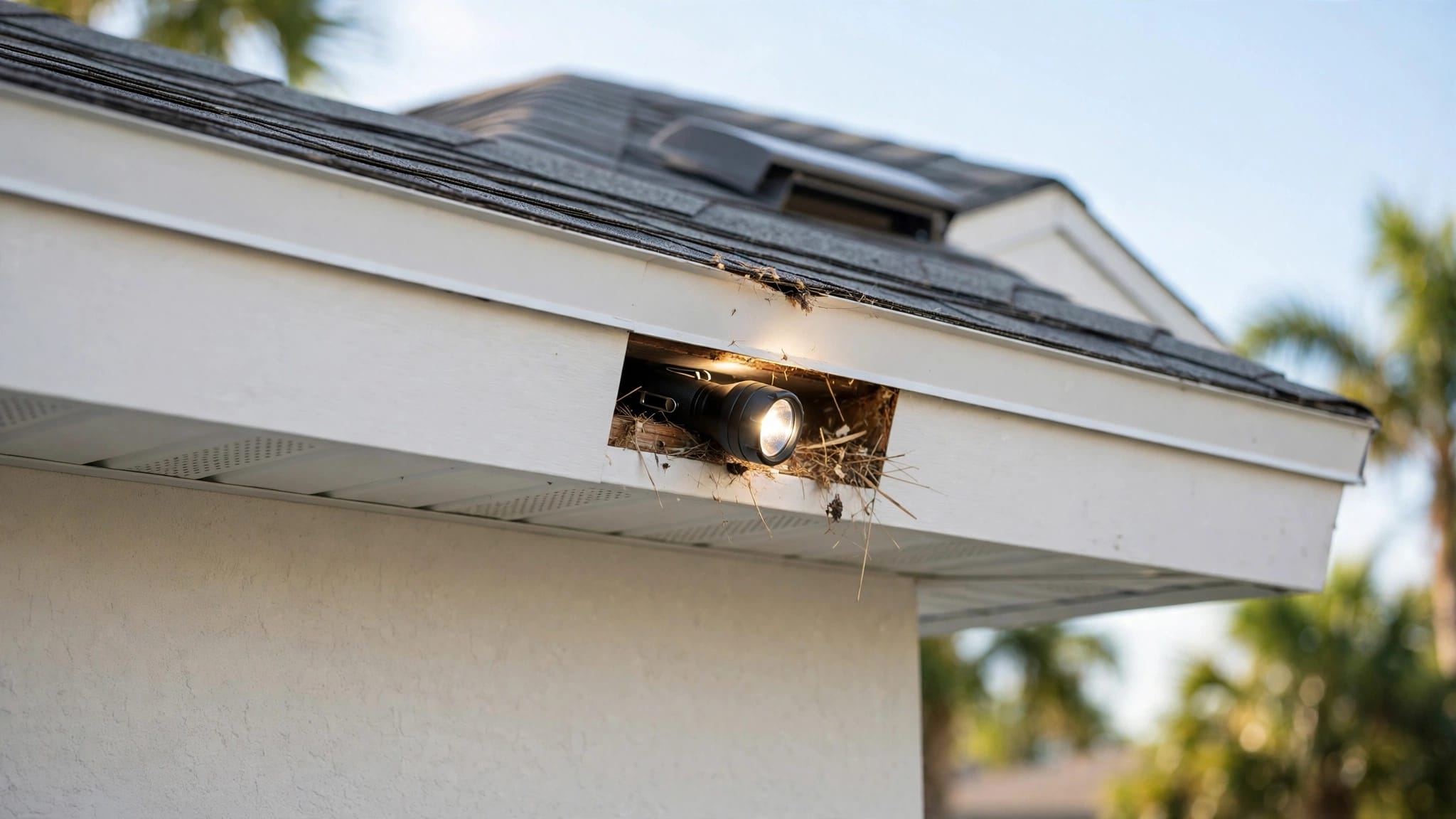
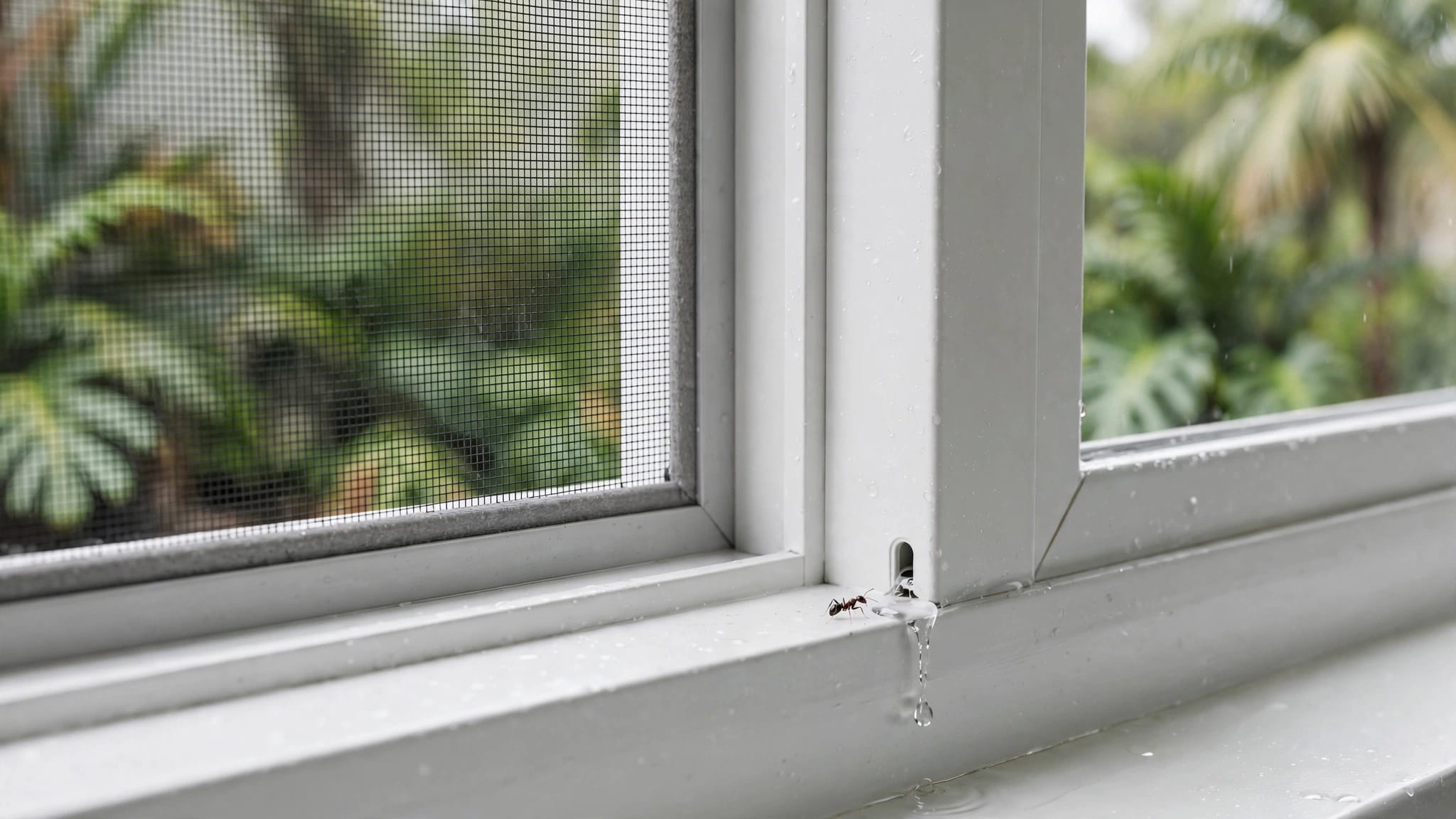
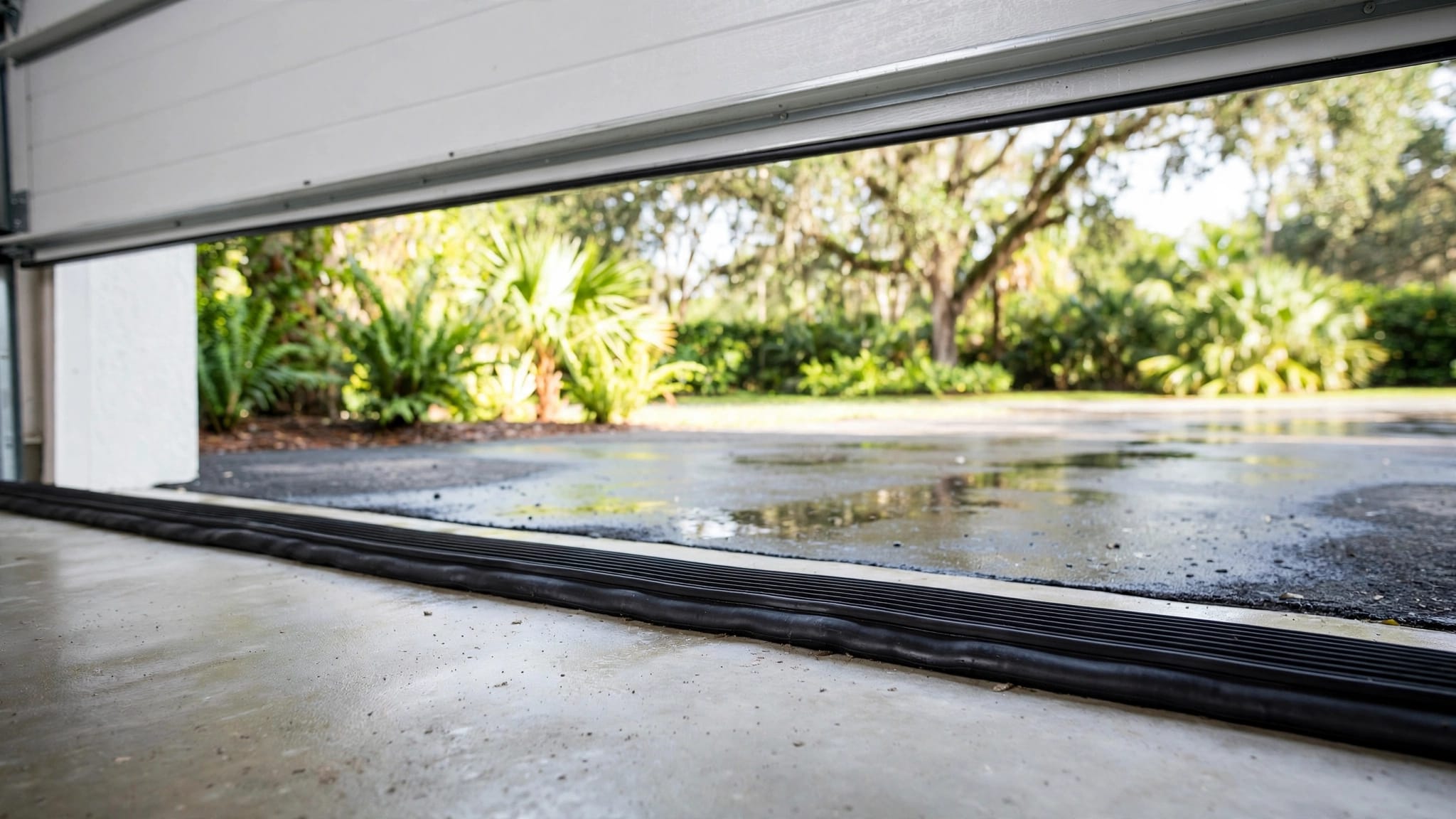
Inspect exterior doors, window screens, pipe penetrations, and utility openings. Damaged sweeps, loose screens, and unsealed gaps give pests routes indoors.
Also, keep delivery doors closed between trips. A secure entrance offers little protection when staff prop it open during food deliveries.
Rodent exclusion needs durable materials suited to the opening. Have a professional assess suspected entry points and existing activity so repairs support the control plan rather than overlook animals already inside.
Reduce shelter beside the building
Remove leaf piles, unused lumber, and clutter near exterior walls. Trim vegetation that blocks inspection access, and keep stored outdoor equipment organized.
Mulch can hide activity when it piles against a foundation or covers inspection areas. Our guide to mulch choices around Florida foundations explains how landscaping affects pest pressure.
After heavy rain, look for washouts, damaged barriers, and new moisture problems. Playground staff should also report ant activity near climbing equipment, seating, and outdoor storage before children use affected areas.
Make Kitchens and Classrooms Harder to Infest
Remove food residue where children eat
Snack crumbs don't stay at tables. They collect beneath chair legs, along baseboards, and inside classroom storage furniture.
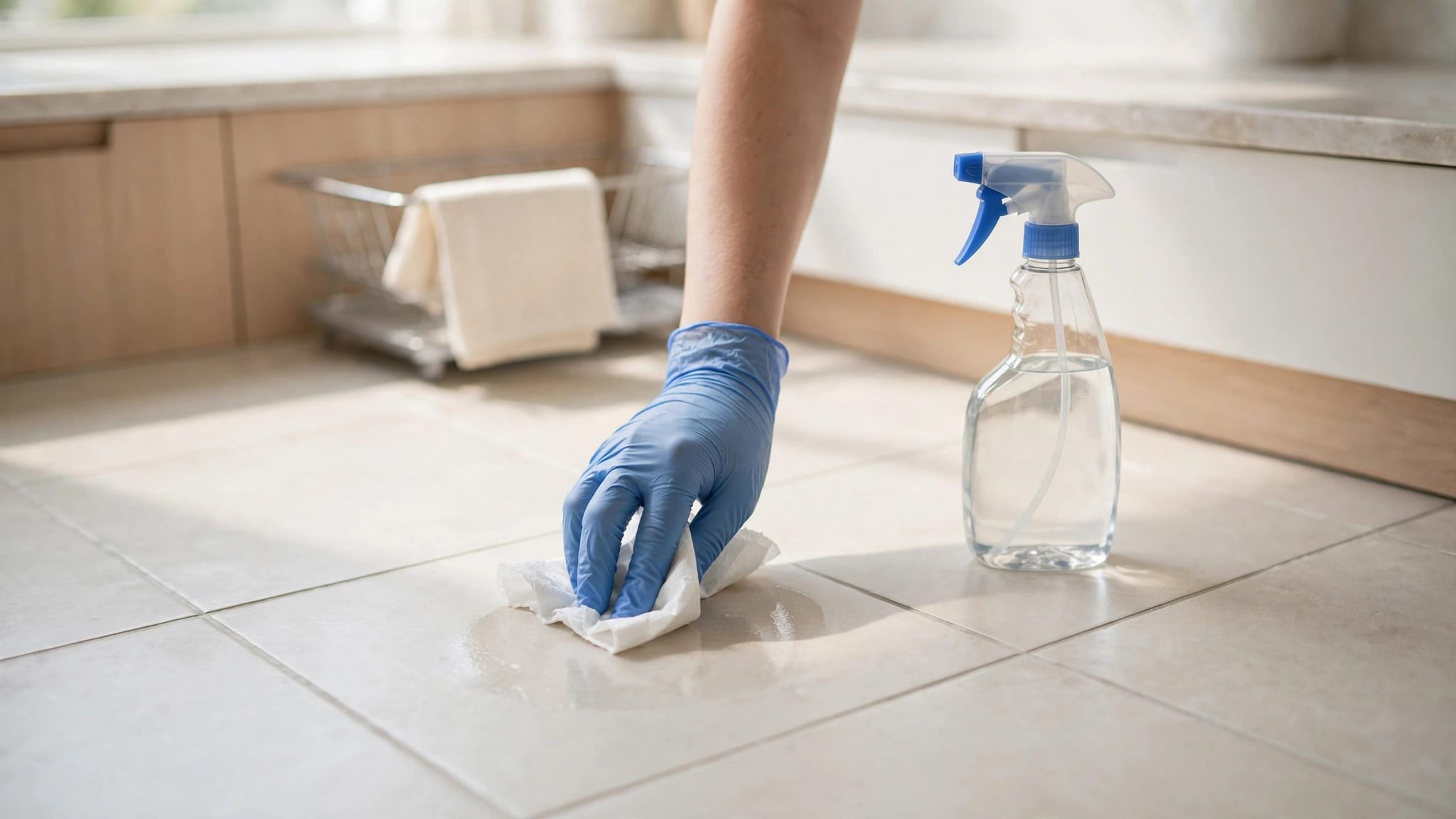
Clean eating areas after use, including spaces beneath movable equipment. In kitchens, pay attention to refrigerator edges, appliance undersides, and cabinet corners where grease or crumbs accumulate.
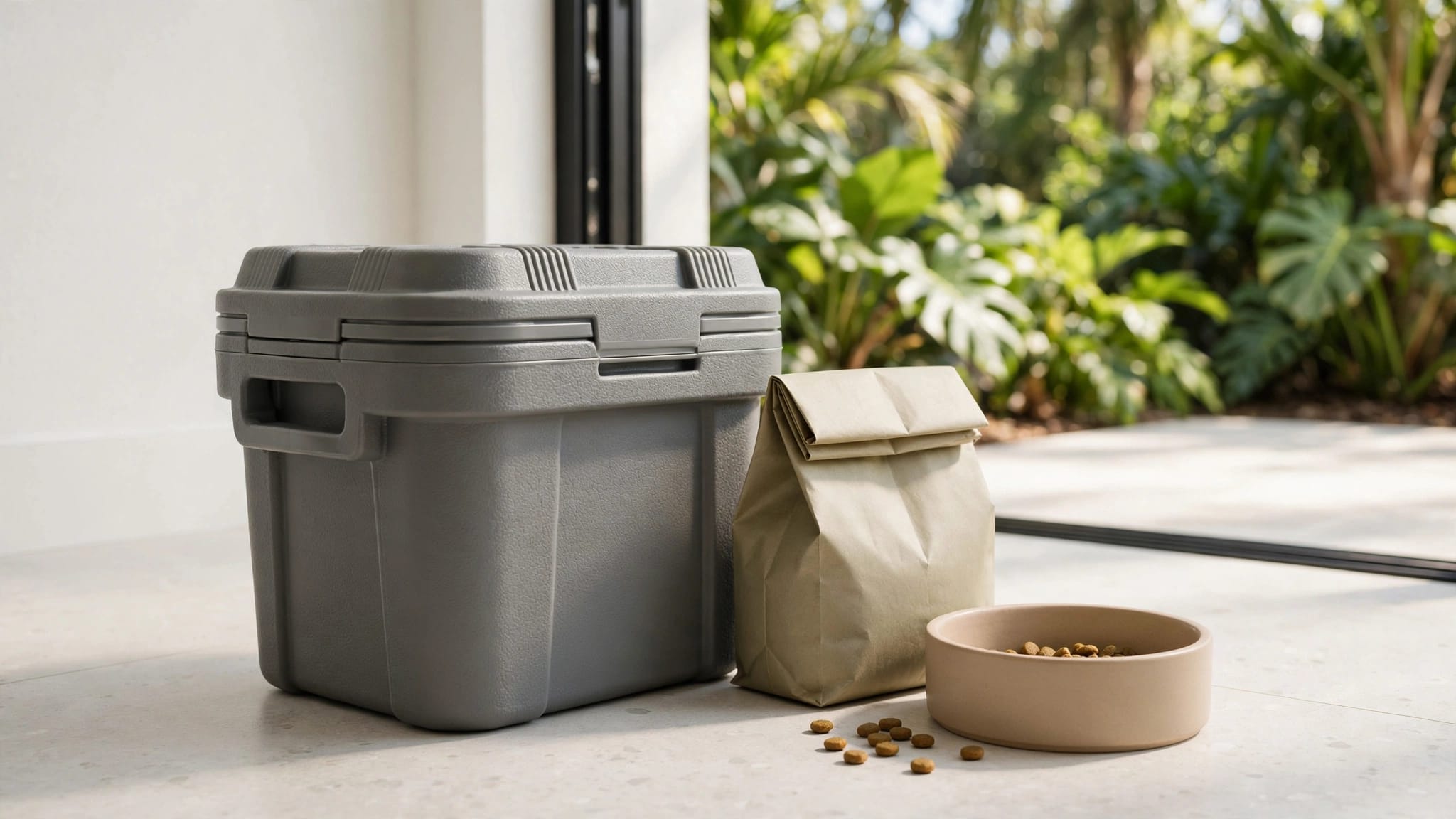
Store opened dry foods in sealed containers. Inspect incoming packages for damage or insects before placing them beside existing supplies, and remove unnecessary cardboard that creates hiding places.
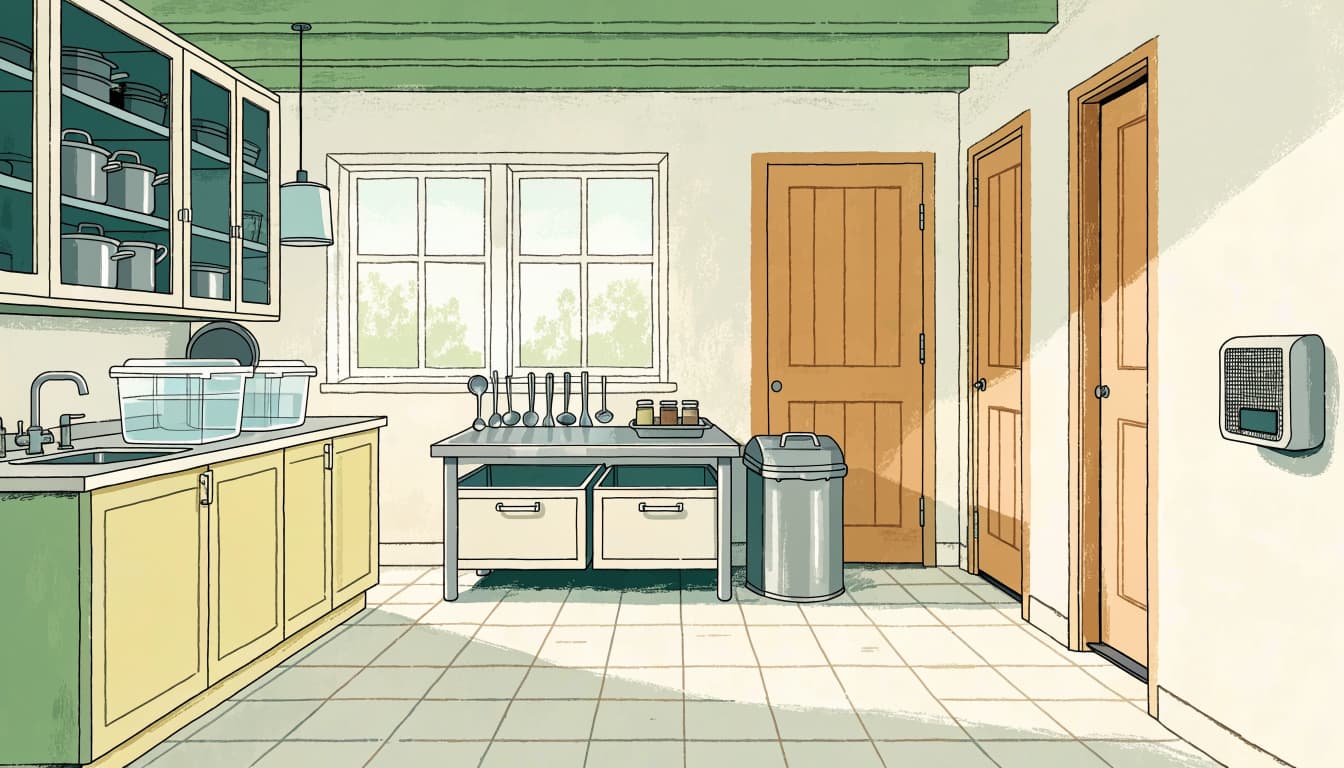
Manage moisture, drains, and waste
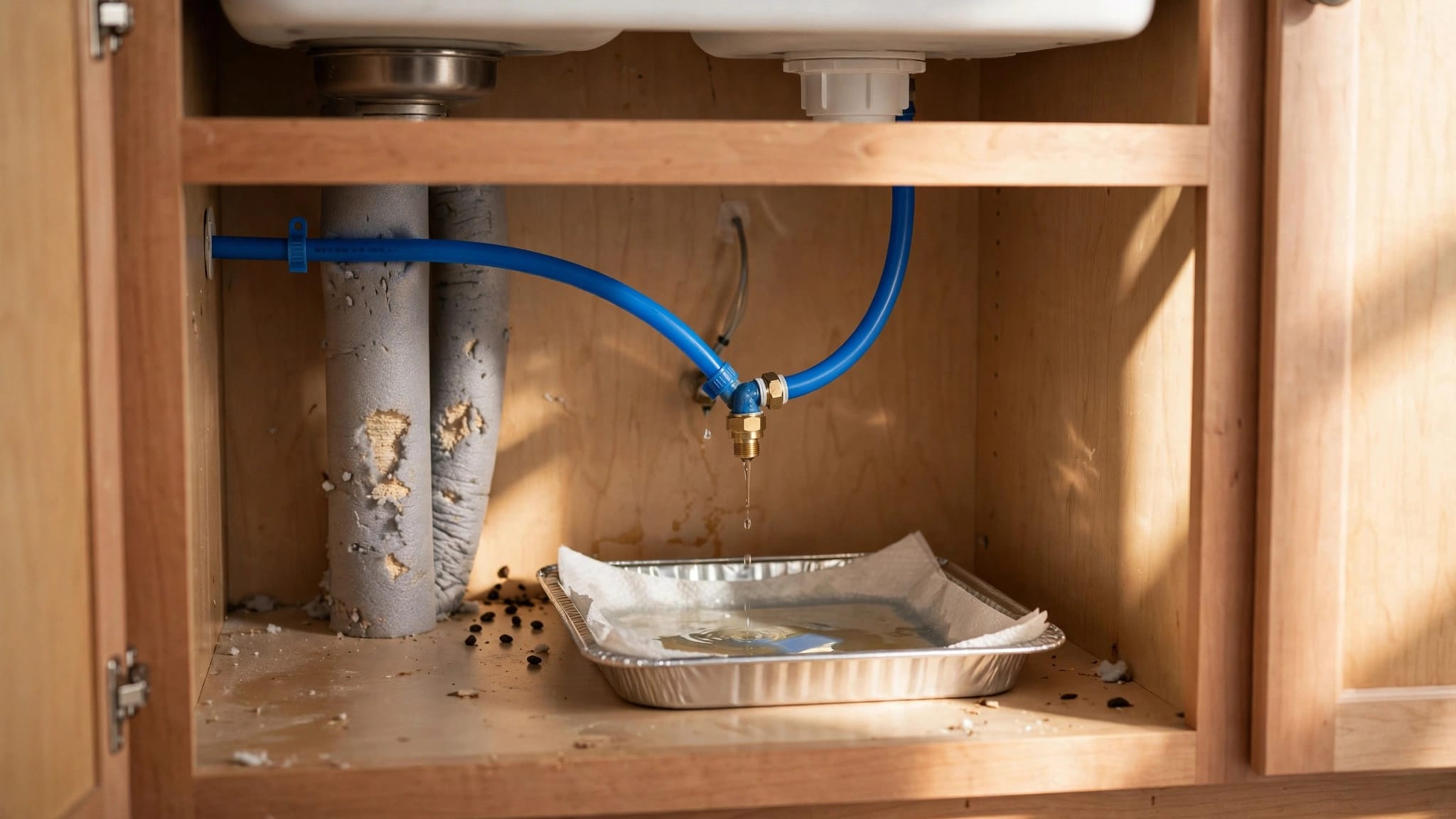
Repair leaking faucets and plumbing connections. Dry wet storage areas promptly, and avoid leaving dirty dishes or food waste overnight.
EPA childcare guidance recommends removing garbage at the end of the day and regularly cleaning floor drains. Address organic buildup in drains rather than relying on fragrance or surface cleaning.
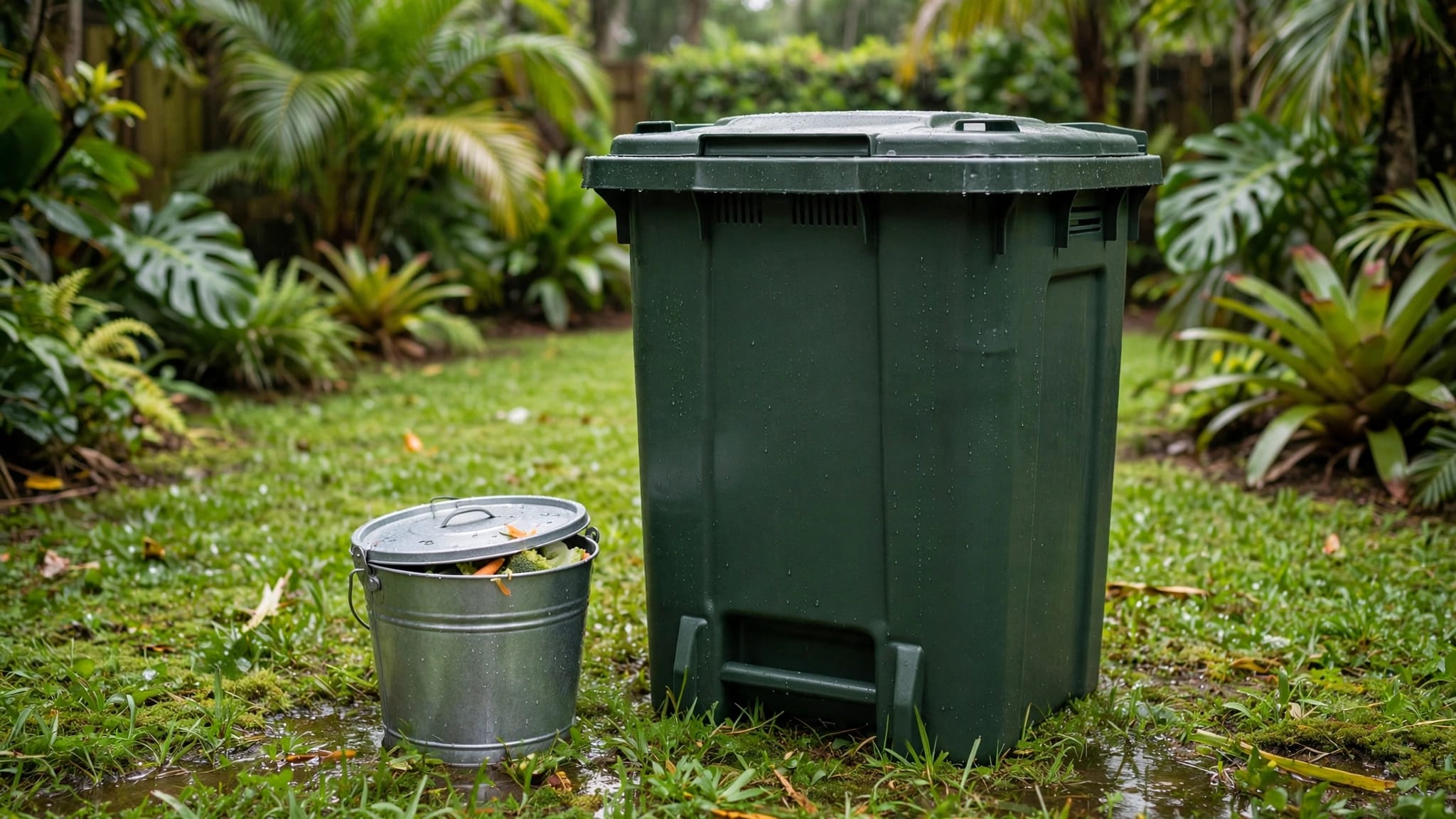
Outside, waste containers need intact lids that close fully. Overflowing bags keep food available between collections, even when indoor cleaning is thorough. Our advice on wildlife-proof business trash storage covers this often-overlooked source of pest pressure.
Assign responsibility for the waste area as well as the classrooms. Otherwise, an outdoor spill can remain untouched because each team assumes someone else handles it.
Match the Response to the Pest
Ants and cockroaches need identification
Ant trails can point toward food, water, or an entry point. Remove accessible food, clean the trail area, and document where activity begins.
Cockroaches require a closer look behind appliances, beneath sinks, and inside storage areas. German cockroaches can establish indoors, so repeated sightings deserve prompt professional attention.
A technician can use sticky monitors to locate activity and track changes. Keep these devices inaccessible to children. EPA's childcare guidance cautions against over-the-counter sprays and foggers; improvised spraying can add exposure without resolving hidden activity.
Rodent signs require prompt attention
Droppings, gnawed packages, and damage around openings warrant an inspection. Keep children away from affected areas and remove compromised food from use.
Rodent control needs exclusion and sanitation , supported by an appropriate trapping or baiting plan. Traps belong where children cannot reach them. If rodent bait is necessary, EPA recommends child-resistant stations.
Leave suspected rodent contamination to staff or professionals following appropriate cleanup procedures. Don't dry sweep or vacuum droppings, which can send contaminated particles into the air.
Flies and pantry pests need source removal
Persistent flies can indicate food waste, dirty drains, or another nearby breeding source. Killing visible adults won't remove that source.
For pantry insects, inspect dry goods and remove infested products. Clean affected storage areas before restocking, and keep replacement food sealed.
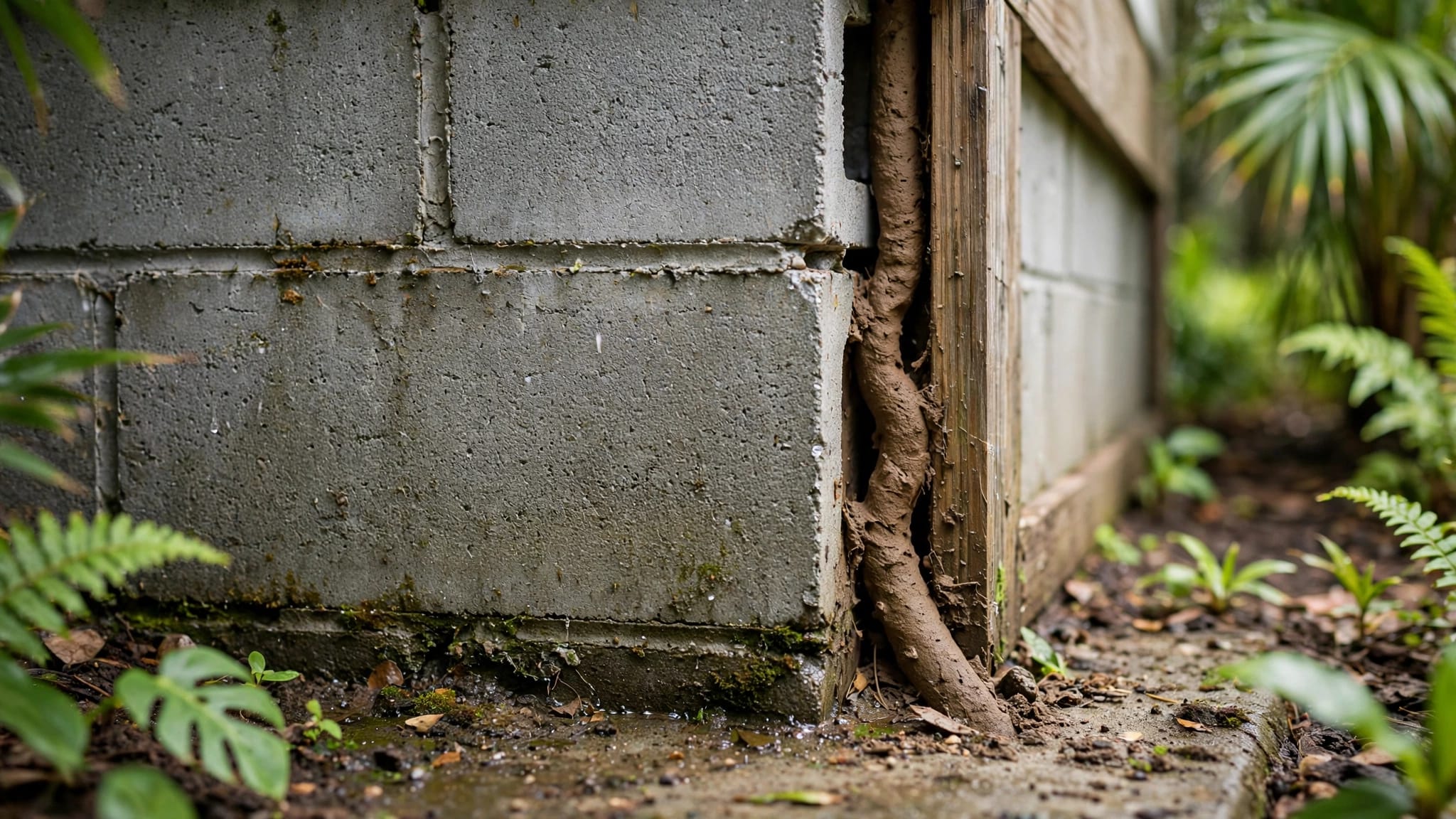
Also, distinguish nuisance insects from possible structural pests. Suspected termite activity needs its own inspection; routine ant or cockroach treatment isn't a termite-control plan.
Keep Pesticide Decisions Out of Classrooms
Childcare staff shouldn't improvise with aerosols, foggers, loose bait, or products brought from home. A product's availability doesn't establish that it's appropriate for a particular childcare setting.
When treatment is necessary, a qualified pest professional should select the product and placement. Application must follow the label, including site restrictions, precautions, and any re-entry directions.
There isn't one universal waiting period that fits every treatment. Scheduling should account for the actual product, application method, treated area, and children's access.
A treatment location that children can't reach today may become accessible after classroom furniture moves.
Tell the technician about crawling infants, floor-level play, nap mats, and furniture rearrangements. These details affect where monitoring devices and treatments can go.
EPA registration also doesn't mean a pesticide is harmless. Keep toys, food-contact items, and children's belongings protected according to the treatment instructions, and communicate any required preparation to staff before service. Someone responsible for reopening the area should receive those instructions directly.
Give Staff a Clear Reporting Routine
A useful pest report includes the date, room, exact location, and what staff observed. A photograph can help identification when someone can take it without approaching a hazardous area.
Record repeated sightings in the same log. An ant near an exterior doorway and recurring cockroaches beneath a kitchen sink call for different investigations.
Then assign each correction to someone: a leaking pipe needs maintenance, while food-storage changes belong with kitchen staff. Record when the work finishes so unresolved repairs don't disappear between service visits.
Keep inspection findings, service reports, treatment information, and follow-up recommendations together. Our discussion of pest prevention and business compliance explains why documented pest management matters to facility operations.
Use EPA recommendations as prevention guidance, without treating them as Florida childcare regulations. The service record should describe what happened at your center, including areas inspected and corrections still pending.
Share relevant information with substitute staff, too. They need to know whom to notify and which devices must remain undisturbed.
Frequently Asked Questions
How often should a childcare center receive pest service?
The schedule should reflect inspection findings, pest activity, building conditions, and the facility's use. Daily staff observations support professional visits, but neither replaces the other. Recurring sightings call for follow-up and reassessment rather than waiting for the next routine appointment.
Can treatment happen while children are present?
That depends on the product label, application method, location, and access restrictions. Plan treatment so children cannot enter affected areas during restricted periods. An empty classroom doesn't automatically make every application appropriate, especially if food, toys, or bedding remain exposed.
When should a center request professional help?
Request help promptly for rodent signs, recurring cockroaches, stinging pests near play areas, or insects contaminating stored food. Repeated activity after cleaning also needs investigation because the source may be hidden.
We offer commercial pest control, rodent services, and free inspections in Cape Coral, Fort Myers, Punta Gorda, Bonita Springs, and Sanibel. An inspection provides a starting point for deciding which problems need treatment and which need repairs.
Build Prevention Into the Childcare Day
Effective pest prevention connects daily cleaning with building maintenance and pest-specific professional care. Mosquito management remains part of that work, while indoor pests require their own attention.
Focus on removing the conditions pests need and responding early to documented activity. A sealed doorway, a repaired leak, and a clear reporting process make targeted treatment more useful and recurring problems easier to address.
Start with the areas where children eat, rest, and play, then extend the same attention to storage rooms and the building perimeter.
Schedule a Free Inspection: