Can Termites Damage Concrete Block Homes in Florida?
The phrase concrete block termite damage can be misleading: termites don't eat concrete, but they can pass through openings to reach wood in or around a home. That wood may include framing, trim, roof components, or built-in cabinets.
Florida's warm, humid conditions support termite activity year-round. Knowing where termites can enter and what signs to watch for helps you respond before damage spreads.
Key Takeaways
- Termites don't consume concrete block. They use cracks, joints, and utility gaps to reach cellulose-based materials.
- Subterranean termites often leave mud tubes; drywood termites may leave small piles of hard pellets.
- Reduce moisture near the foundation, keep wood debris away, and make the home's perimeter easier to inspect.
- A termite inspection can identify the type of activity, its location, and whether wood has been affected.
How termites reach wood in concrete block homes
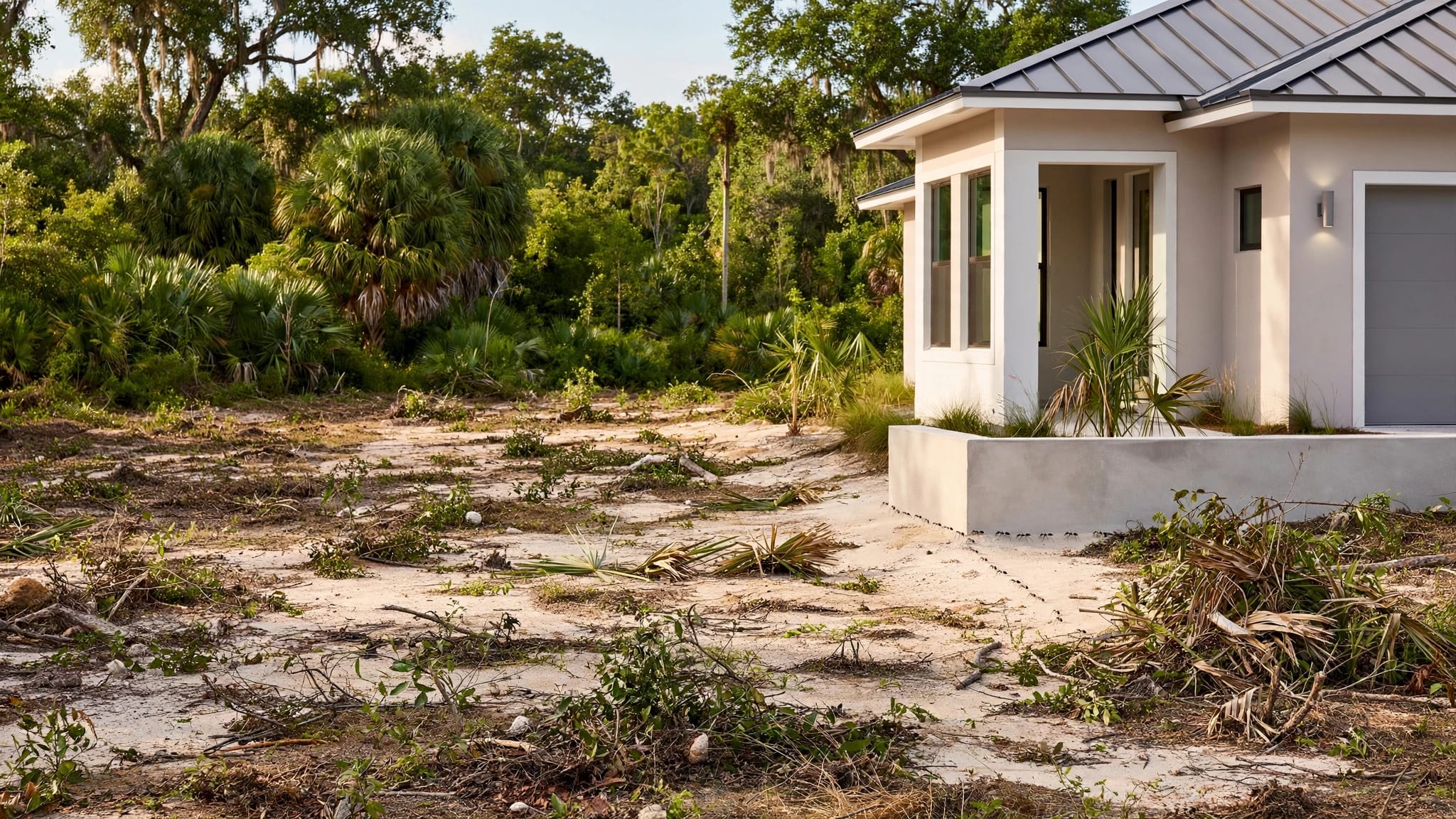
Concrete masonry is not food for termites, but it doesn't make a home termite-proof. Termites can travel around or through openings in a foundation and reach wood hidden behind walls or above the block.
Entry points around the foundation
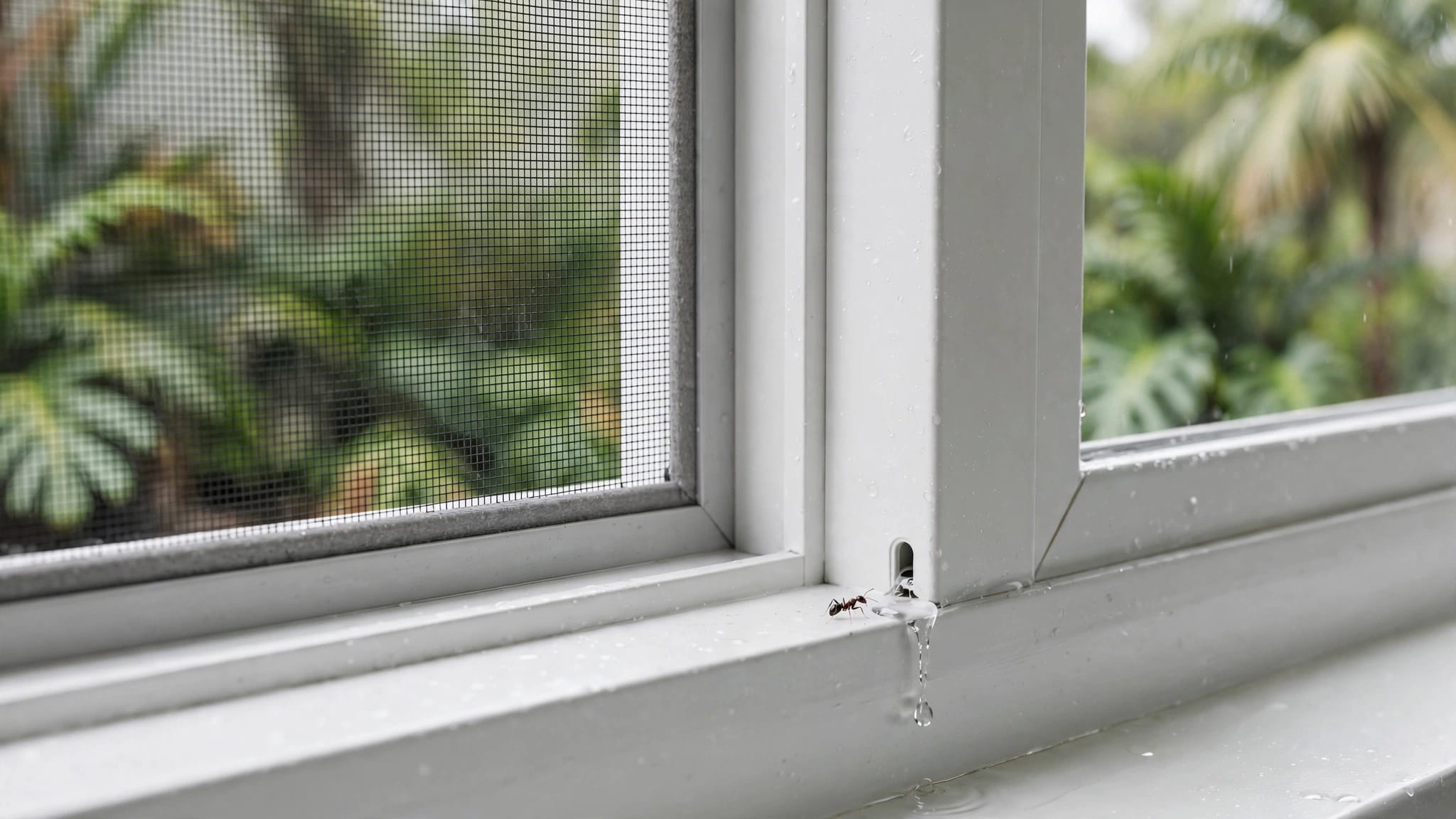
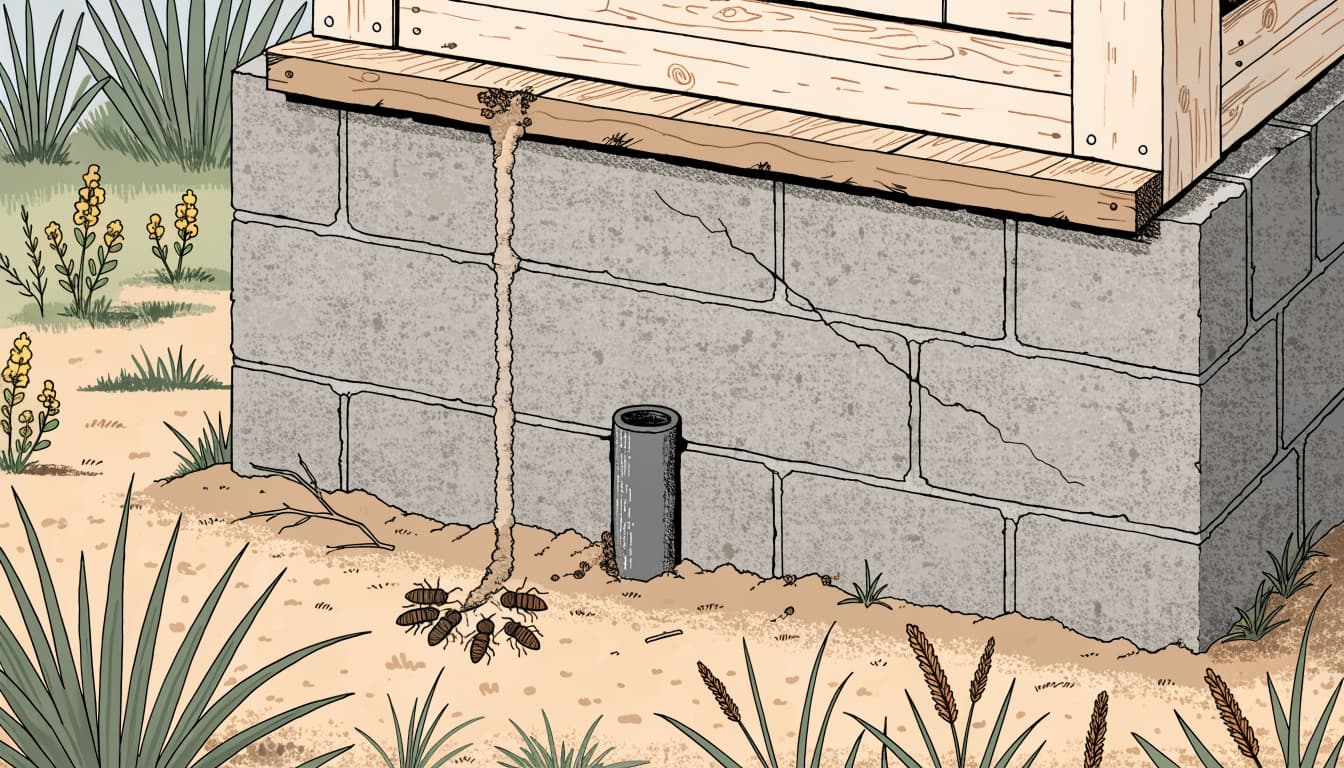
Subterranean termites live in soil and build protected mud tubes as they move toward wood. They may enter through foundation cracks, slab edges, expansion joints, or gaps around plumbing and utility lines. An opening can be difficult to spot once it's behind stucco, flooring, cabinets, or stored items.
In a concrete block home, wood may sit at the roofline, inside finished walls, or where framing connects to the masonry. Termites can damage those materials without chewing through the block. See what termite signs near your slab foundation mean for more on common routes and clues.
Concrete openings aren't the only route
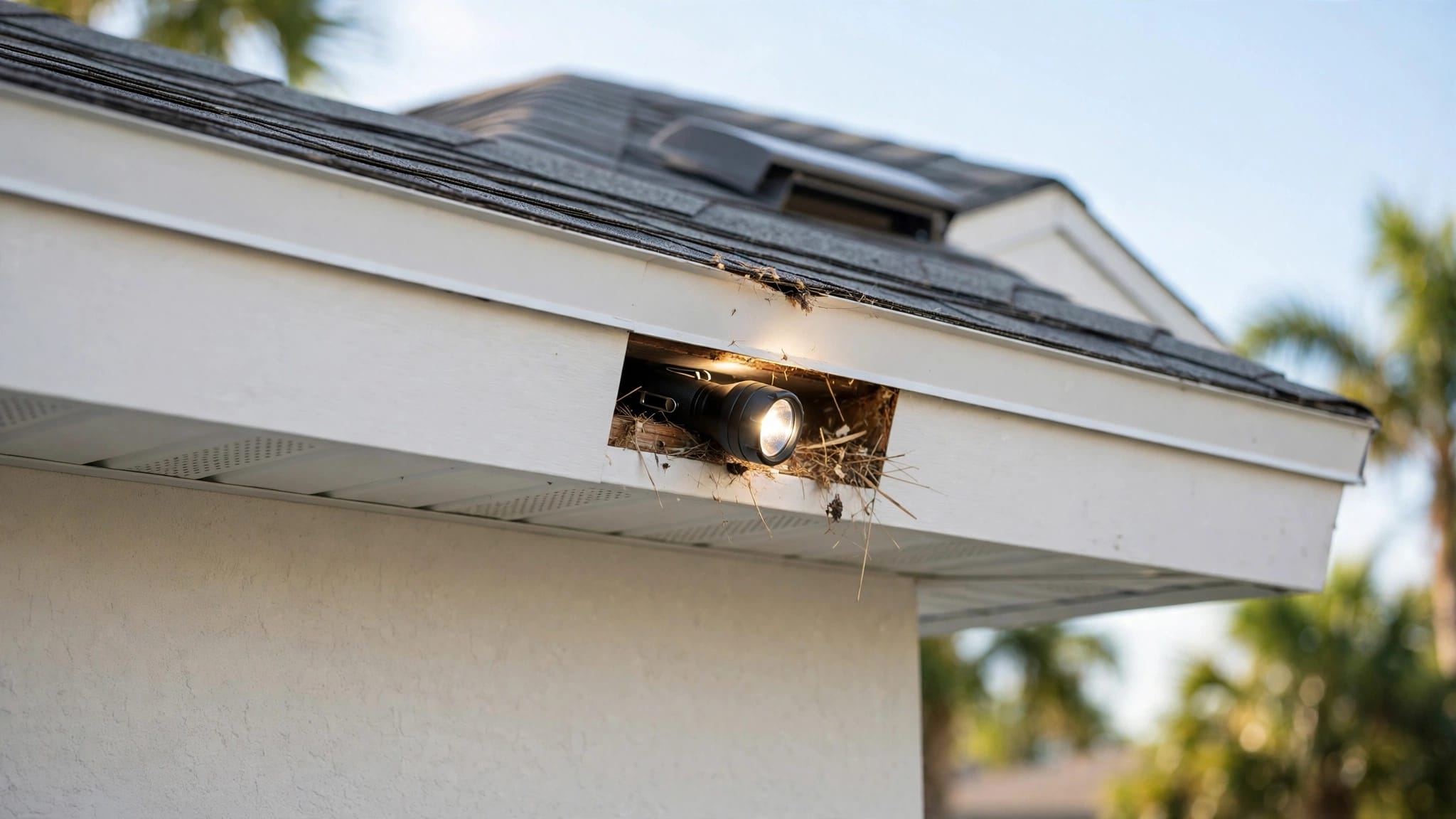
Not every termite needs a path from the soil. Drywood termites can infest dry wood directly, including roof framing, fascia, window frames, and furniture. Their presence doesn't depend on cracks in a slab or contact with soil.
The damage risk depends on where the termites are and what wood they can reach. A block wall may look sound while termites affect a wood component behind it.
Signs of termite activity to look for
Termite evidence may appear along a block wall, near a garage, around plumbing, or on exposed wood. Since some clues can have other causes, a sign is a reason to investigate, not a diagnosis by itself.
Mud tubes, wings, and damaged wood
Look for narrow, earthen tubes along the foundation, slab edges, or block surfaces. Subterranean termites use these shelter tubes to move between soil and food while staying protected. Swarmers or piles of discarded wings near windows and doors can also indicate activity.
Wood that sounds hollow, feels soft, or shows visible galleries may have been damaged. Blistered paint or thin lines in drywall can have other causes, including moisture, so consider the location and nearby evidence. Avoid covering a tube or damaged area before it can be inspected.
Dry pellets can point to a different termite type
Small, hard, sand-like pellets below a tiny hole in wood may be drywood termite frass. Unlike subterranean termites, drywood termites live inside wood and don't need to travel from the soil. A lack of mud tubes doesn't rule out termite activity.
The distinction matters because drywood and subterranean termites differ in where they live and the signs they leave. A professional can identify the likely type and inspect the areas that fit its behavior.
Practical ways to reduce termite risk in Florida
Start with moisture control. Repair plumbing leaks, fix irrigation overspray, and keep water from collecting beside the foundation. Drainage problems and persistent damp soil can support subterranean termite activity; learn more about how irrigation leaks increase termite risk.
Keep mulch, soil, firewood, and untreated wood debris from contacting wood components of the home. Store firewood away from the structure, remove dead wood near the foundation, and trim dense plants that block the view of lower walls. These steps don't guarantee a home will stay termite-free, but they make conditions less favorable and signs easier to spot.
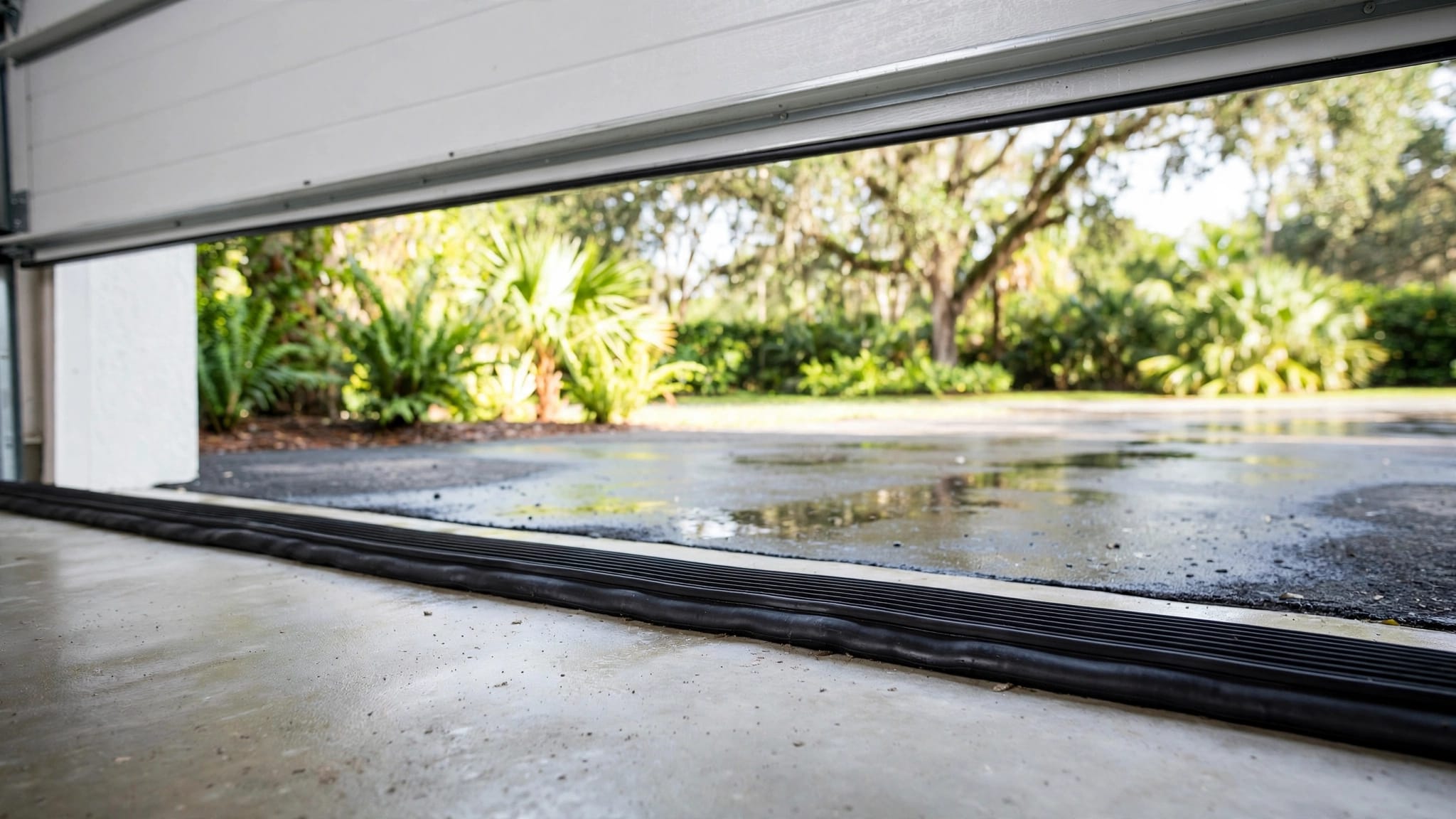
Also keep cracks and utility openings in good repair where practical. Don't seal drainage routes or openings that need to remain accessible. A clear perimeter helps homeowners and pest professionals inspect foundation edges, plumbing areas, garages, and other likely entry zones.
When to arrange a termite inspection
If you see mud tubes, discarded wings, pellets, or damaged wood, arrange an inspection with a licensed termite professional. An inspection can help distinguish termite activity from moisture damage and identify the affected areas. In some homes, the most important clues are concealed behind finishes or near plumbing.
Treatment depends on the termite type, access, and property conditions. A visible tube alone doesn't show how far activity extends, and treating only the visible spot may not address its source. For homeowners in Cape Coral and nearby Southwest Florida communities, local conditions make regular inspections useful. Our Cape Coral homeowner's termite guide covers additional prevention and control considerations.
FAQ
Can termites break through concrete?
No. Termites don't eat concrete. They may use existing cracks, joints, or gaps around utilities to reach wood, then damage that wood.
Can a concrete block home still have termite damage?
Yes. Concrete block can form part of the exterior while wood remains in framing, trim, roof structures, or other components. Termites can reach those materials through openings or infest wood directly, depending on the termite type.
Protect the wood, not the block
A concrete block wall isn't termite food, but nearby and concealed wood can still be vulnerable. Keep the foundation area dry and visible, watch for signs of activity, and arrange an inspection when you find evidence. Early identification helps clarify whether termites are present and which parts of the home need attention.
Schedule a Free Inspection: