Florida Termite Treatment Records: What Homeowners Should Keep
A termite treatment invoice alone rarely tells the full story. Florida homeowners should keep the contract, inspection and treatment reports, warranty terms, and records of repairs together, so they can understand what work took place and what protection remains.
Florida law sets reporting and recordkeeping duties for pest-control businesses, but that doesn't make every company record a document homeowners automatically receive. The practical goal is to keep a clear history of your property's termite service. Start with the documents that explain the agreement and the work performed.
Which termite treatment records should you keep?
Keep a permanent home file for termite treatment records. Retaining them is a practical homeowner habit, not a general legal retention duty established by the rules discussed below.
Contract and warranty paperwork
Save the signed service contract, amendments, renewals, cancellation notices, and any transfer documents. Keep the warranty or termite bond with them, even if it's part of the contract. These documents show which structure and termite species are covered, how long coverage lasts, and what the provider agrees to do.
Also keep written explanations of exclusions, maintenance conditions, inspection schedules, and claim procedures. A plan may include inspection and retreatment but not repair of termite damage. Read about Florida termite warranty coverage before treating the word "warranty" as a promise to pay for every repair.
Reports, receipts, and repair records
Keep signed inspection and treatment reports, invoices, proof of payment, and important messages with the company. Add reports from later inspections or retreatments, too. If termite damage is found, save photographs and repair estimates, invoices, and receipts.
These records help establish a timeline: what the professional observed, what treatment occurred, and what repairs followed. If you're uncertain about a contract obligation, a licensed pest-control professional can explain the service terms. A Florida real estate attorney can advise on a legal dispute or sale-related question.
What should the termite contract spell out?
A written agreement provides the clearest account of the service you purchased. Florida Statutes section 482.051(3) requires written contracts for termite and other wood-destroying-organism pest-control services. The contract should let you identify the scope and obligations without relying on a salesperson's summary.
Covered property and service
Look for the property address and the structures included. A detached garage, shed, dock, or pool house may not be included just because the main house is covered. The agreement should also describe the treatment or service, any scheduled inspections, and the steps the company will take if covered termite activity returns.
Keep the initial inspection findings with the contract. The report may identify visible activity or damage and areas that were inaccessible. That context matters later, especially if a dispute concerns whether damage existed before coverage began.
Warranty limits and homeowner duties
Check which termite species the agreement covers, whether it provides retreatment, and whether it includes any repair coverage. If repairs are covered, the contract should explain limits, exclusions, and the process for making a claim. A contract can also set requirements for access, timely payment, or reporting suspected activity.
Don't assume coverage transfers automatically when you sell the house. Keep any transfer request, approval, fee information, or notice that coverage ended. The written agreement, rather than a verbal description, establishes the actual service terms.
What should a signed inspection or treatment report show?
Under Florida Statutes section 482.226(3), a licensed pest-control business must provide the owner or authorized agent with a signed report after an inspection or treatment covered by a wood-destroying-organism prevention or control contract.
Presence, treatment, and pesticide information
The report must state whether covered organisms were present or absent, whether treatment took place, and the pesticide's common or brand name. Keep the report with the contract, since the two documents answer different questions: the contract describes the agreement, while the report records findings and work for a particular visit.
The report is useful even when it records no termite activity. It documents what the inspection found on that date. It doesn't promise that termites won't appear later or guarantee payment for future damage.
Reports after scheduled follow-up
If the contract calls for periodic reinspections or retreatments, section 482.226(3) also requires a signed report after each of those services. Keep each one in date order. The rule is tied to covered inspections, treatments, and contract-specified follow-up, not a blanket requirement to issue a report after every pest-control visit.
When you need an inspection or treatment in Cape Coral, keep the report as part of the service file; learn what to expect from a professional termite inspection.
What records matter for new construction?
New-construction termite pretreatment creates a separate paper trail. It's worth keeping with the home's permits, inspection documents, and closing records, since later owners may need to understand what protection was applied during the build.
Treatment details and retention period
Florida Statutes section 482.051(5) and Florida Administrative Code rule 5E-14.106 address records of preventive subterranean termite treatment in new construction. The pest-control business must keep these records for three years. Required details include the treatment date, property location, structure square footage, pesticide or treatment type, mixture concentration, and amount or volume applied.
That three-year period applies to the business's records. It isn't a general homeowner retention deadline, and it doesn't by itself establish that a company must deliver its complete application file to the homeowner.
Pretreatment proof and later coverage
Save any certificate or treatment record you receive, along with the builder's paperwork and any separate service agreement. A certificate showing that pretreatment occurred doesn't automatically provide continuing inspections, retreatment, or damage repair coverage. Those benefits depend on a separate written agreement.
For a new home, keep pretreatment documents alongside warranties and inspection reports. These questions about Florida termite pretreatment can help distinguish proof of construction treatment from an ongoing warranty.
How long must pest-control companies keep records?
Florida Administrative Code rule 5E-14.142(1) requires pest-control businesses to retain business records, including contracts, for at least two years. The records must remain at the licensed business location or at the Florida address specified in the business-license application, and they must be available for inspection by the Florida Department of Agriculture and Consumer Services (FDACS).
Restricted-use pesticide application records also have a two-year retention period. The required information includes the applicator's name, pesticide type and amount, use, date, and place of application.
These are provider recordkeeping rules, not a homeowner's deadline for discarding paperwork. They also don't mean the company must hand over every underlying application log or internal file. The signed report required under section 482.226(3) is a distinct document. Keep copies of the reports and contracts you receive rather than assuming the business retention period preserves your own file.
When can a complete termite file help?
A well-kept file can answer practical questions when ownership changes, a warranty claim arises, or repair work begins. It gives you dates and documents to discuss with the appropriate professional.
Selling, buying, or transferring a home
A buyer may ask whether the home has a current termite agreement, what treatment was completed, and whether the contract transfers. Provide relevant reports and written terms, not a verbal summary. If you're buying, request the available treatment and warranty paperwork as part of the property's records. The history can help distinguish a one-time pretreatment from an active service plan.
For broader maintenance context, see our guide to termite prevention and control in Cape Coral.
Repairs, damage, or a warranty question
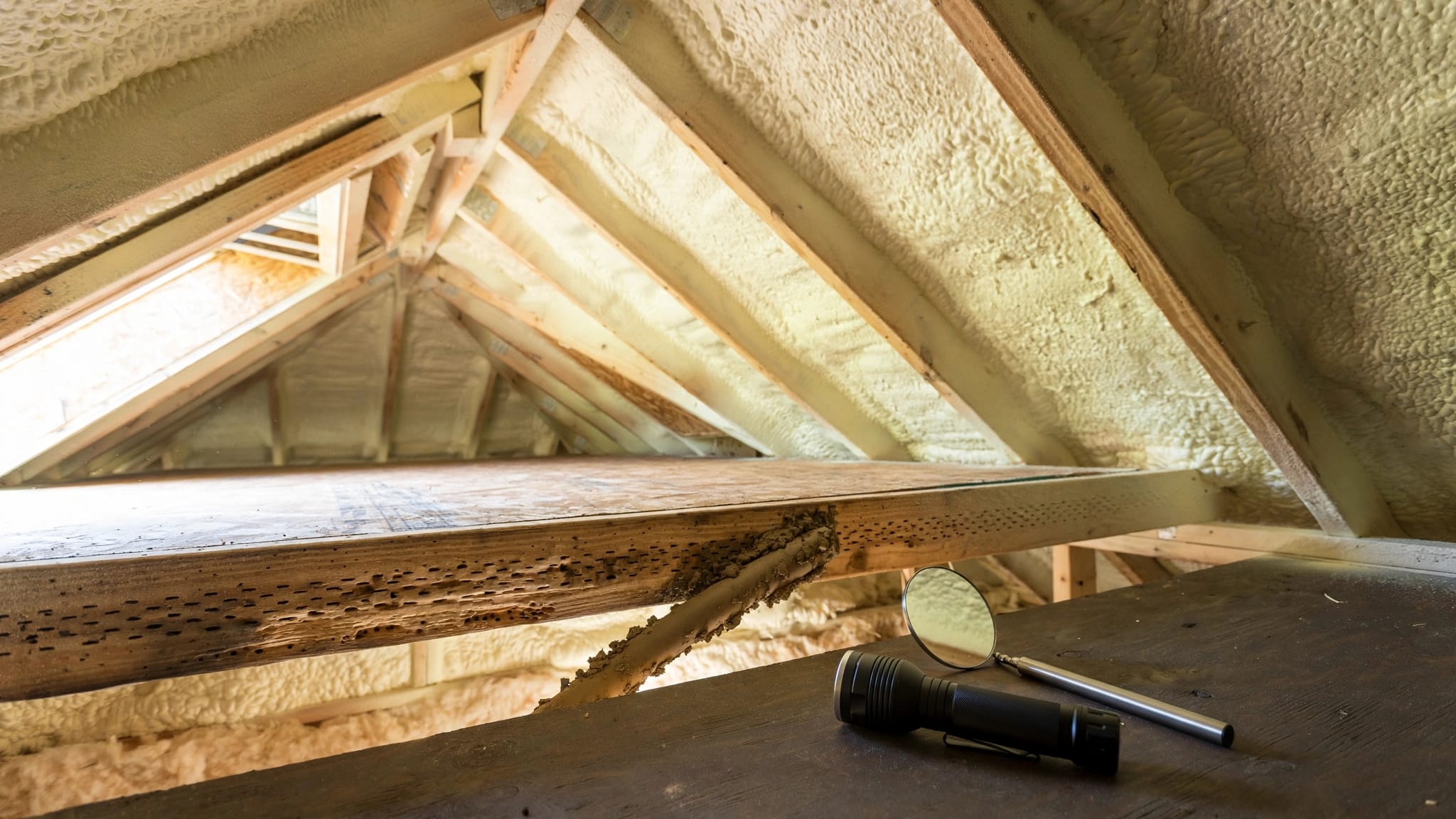
If you find suspected termite damage, photograph the area before repairs when it's safe to do so. Save the inspection report, the company's written findings, repair estimates, and invoices. If a claim is involved, follow the contract's reporting process and preserve related messages.
Keep termite damage and water-related repair records together when the cause is unclear. A licensed pest-control professional can assess termite activity, while a contractor can document repair scope. For disagreements over contract duties or property disclosures, consult a Florida real estate attorney.
How to organize termite records at home
A simple system makes records easier to find years later. Use a folder labeled with the property address, and keep paper originals in a dry, secure place.
Sort by date and document type
Arrange documents chronologically, with the newest report on top, or divide the file into sections for contracts, inspections, treatments, warranties, payments, and repairs. Keep every renewal and amendment with the agreement it changes. Add dates to photographs and identify the room or area shown.
If you have a vacation home or rental, include tenant reports and service access notes when relevant. These can help explain when a concern arose and when the company inspected.
Keep a digital copy
Scan signed documents and receipts, then store copies in a secure account you can access if the paper file is lost. Use clear filenames, such as "2026-06-12 termite inspection report" or "warranty renewal." Keep the original signed papers when available, and update the digital file after each service or repair.
Frequently asked questions
How long should I keep termite records?
The cited Florida business-retention rules don't set a general homeowner deadline. As a practical measure, keep the file while you own the property, along with any documents needed to explain active coverage, past treatment, or repairs. Retain relevant records when you sell or transfer a warranty.
Does an inspection report guarantee the home is termite-free?
No. A report describes findings at the time and areas of inspection. Termites can remain hidden, and a later report may differ. The report is a record of that visit, not a promise about future conditions.
Does every termite warranty cover structural repairs?
No. Coverage depends on the written contract. Some agreements focus on inspections and retreatment; repair coverage, if offered, can have specific limits and exclusions.
Can I get every pesticide record from the pest-control company?
The required signed report includes whether treatment occurred and the pesticide's common or brand name. The company's separate record-retention duties don't automatically require it to provide every underlying pesticide log or internal record.
Keep a clear record of the work
The strongest homeowner file connects the written agreement to the reports and receipts for each service. Keep those documents together, note changes to coverage, and preserve repair records. When termite concerns arise, a clear history helps you ask better questions and understand what the contract actually promises.
Schedule a Free Inspection: