Florida Grocery Store Pest Control: A Prevention Plan
One damaged delivery carton can bring a pest problem into an otherwise well-run supermarket. Effective grocery store pest control starts with daily prevention , supported by professional inspection and treatment when needed.
Florida's warmth and humidity keep pressure on receiving docks, food storage, and waste areas throughout the year. You need routines that catch problems before they reach merchandise or food preparation spaces.
Start by addressing the conditions that give pests access, food, water, and shelter.
Why grocery store pest control is a year-round job
Southwest Florida stores can't rely on winter to interrupt pest activity. Warm conditions support insects through much of the year, while cooler weather can push some pests toward sheltered indoor spaces.
Rain adds another challenge. Wet cardboard, standing water near compactors, and leaks behind equipment create conditions that deserve attention. Indoors, refrigeration condensation and plumbing problems can keep small areas damp even when the sales floor looks dry.
Integrated pest management (IPM) combines inspection, monitoring, sanitation, exclusion, and targeted intervention. Prevention removes conditions that support pests. Treatment addresses identified activity and belongs in a plan developed with a licensed pest management professional.
These responsibilities overlap, but they're different. A treatment visit won't repair a failed door sweep, remove spilled flour, or correct a leaking drain connection.
Inspect deliveries before pests reach the shelves
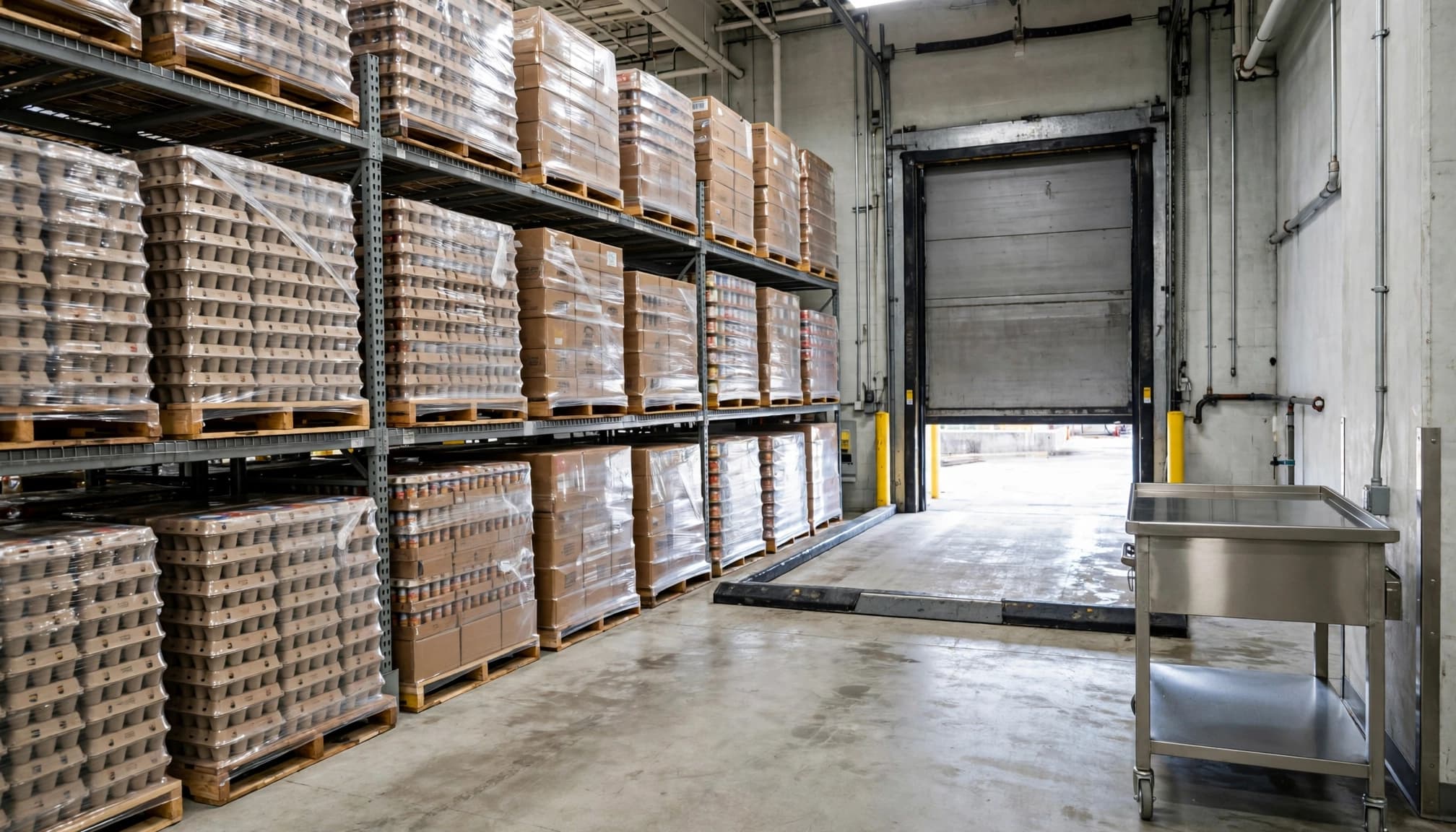
Check incoming goods and packaging
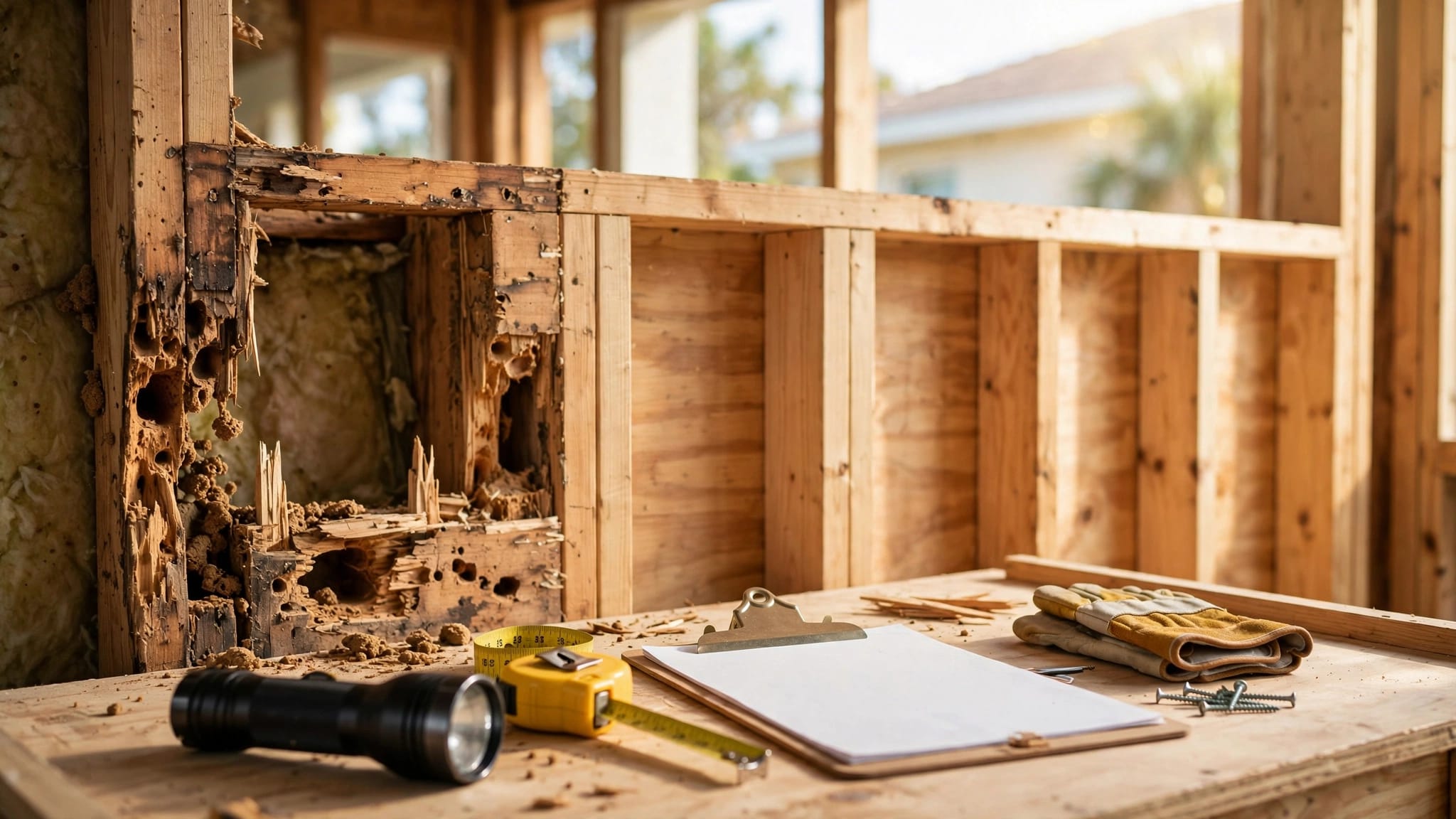
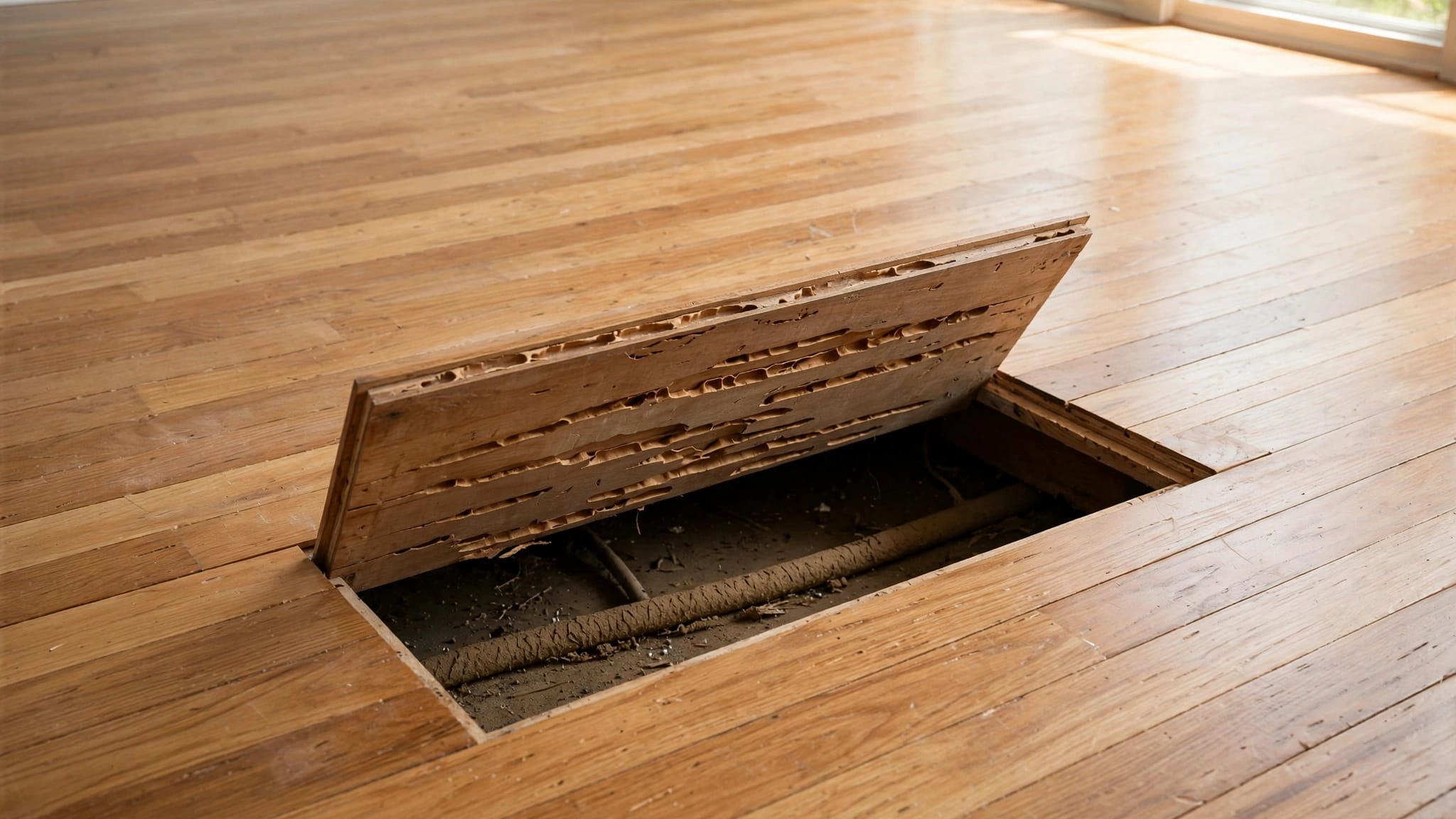
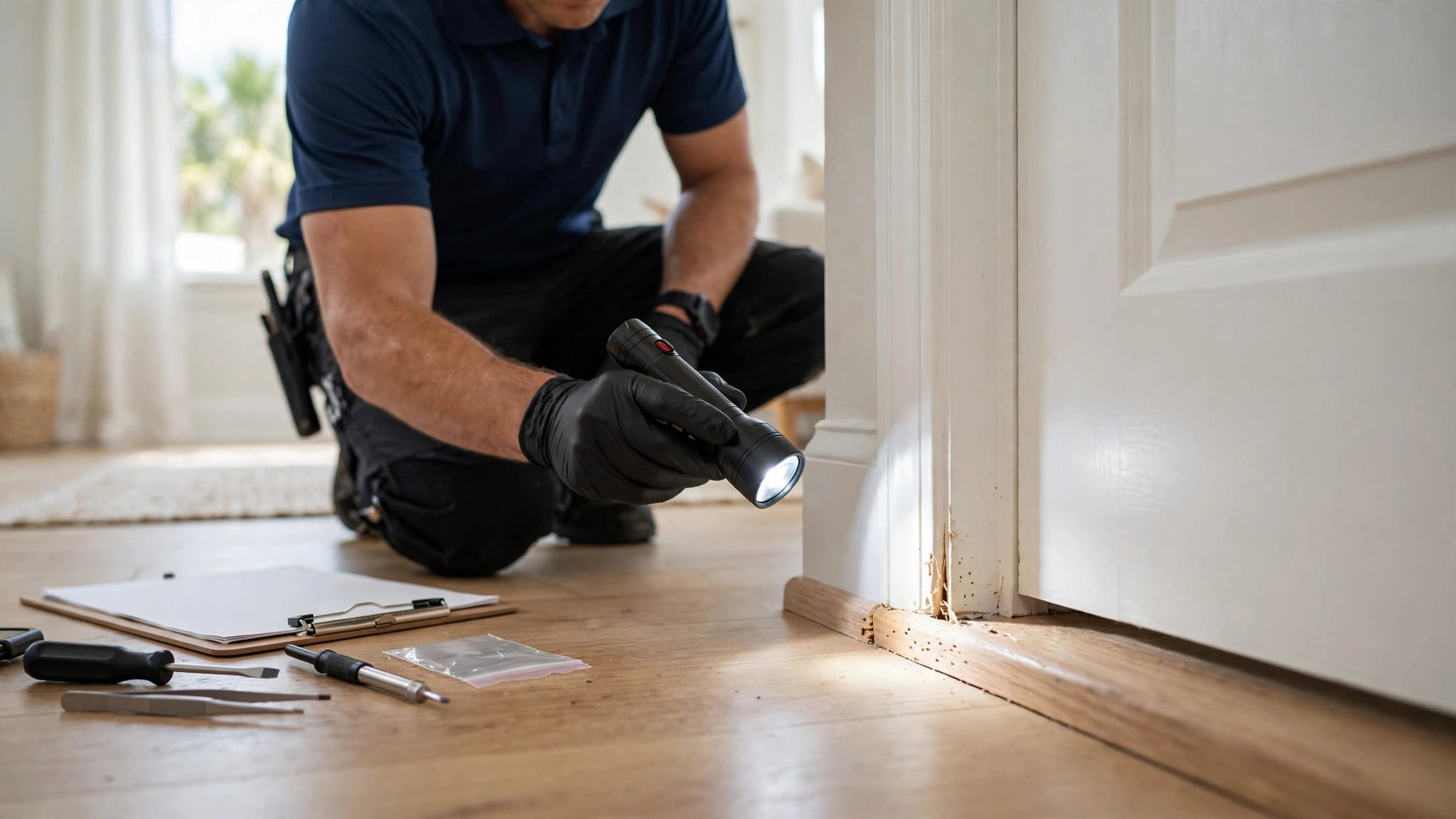
Train receiving staff to examine cartons, pallet surfaces, and accessible packaging before goods enter storage. Look for insects, droppings, gnawing, torn bags, webbing, or unusual powder around package openings.
Dry products deserve attention alongside produce. Flour, cereal, spices, nuts, and pet food can support stored-product insects, including flour beetles and Indianmeal moths.
When a shipment shows pest evidence, keep affected goods separate from clean inventory. Document the supplier, delivery date, product, and lot information. Then follow the store's rejection or hold procedure rather than shelving questionable stock.
The FDA Food Code 2022 calls for routine inspection of incoming shipments. It's a model code, so confirm the requirements that apply to your store.
Keep the dock closed between deliveries
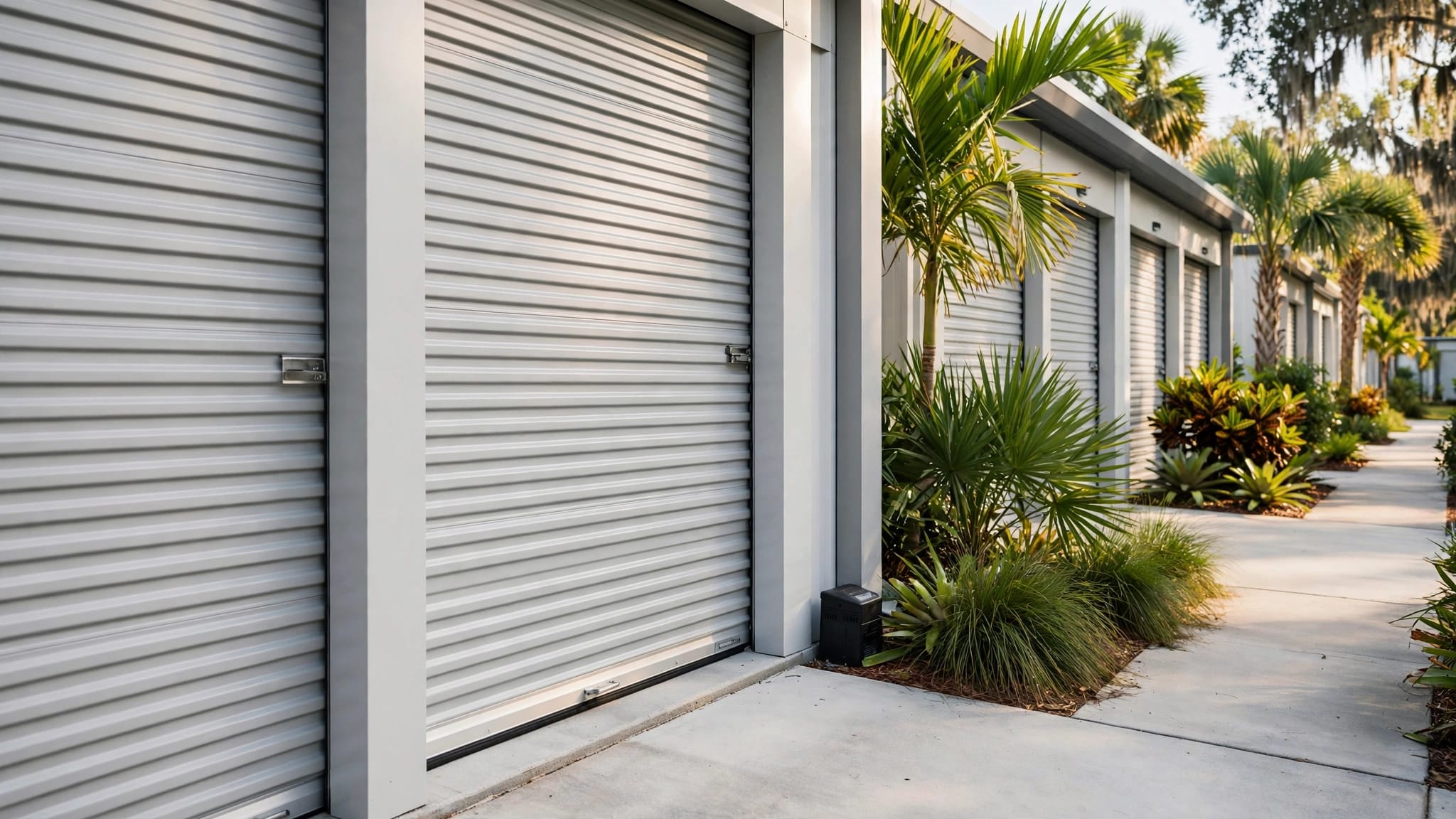
An open receiving door gives pests direct access to the building. Close it when unloading stops, and check that dock seals, thresholds, and door sweeps remain intact.
Inspect returns and reusable containers, too. Empty totes and pallets can conceal residue or insects. Remove unnecessary packaging promptly instead of building a cardboard pile beside the dock.
Make storage easy to inspect and clean
Rotate stock and remove hiding places
Organize inventory so employees can inspect beneath shelving and reach spills without dismantling the stockroom. Keep products on suitable racks or pallets rather than directly on the floor.
Follow the store's date-rotation system. Older, slow-moving products need attention because damage can remain unnoticed behind newer stock.
Include damaged-goods areas in routine inspections. Torn pet-food bags, leaking syrup containers, and bakery returns can provide food even when saleable inventory stays clean. Hold these items in designated, cleanable containers and process them promptly.
Avoid retaining unnecessary cardboard, especially when it's damp or food-soiled.
Repair entry points with suitable materials
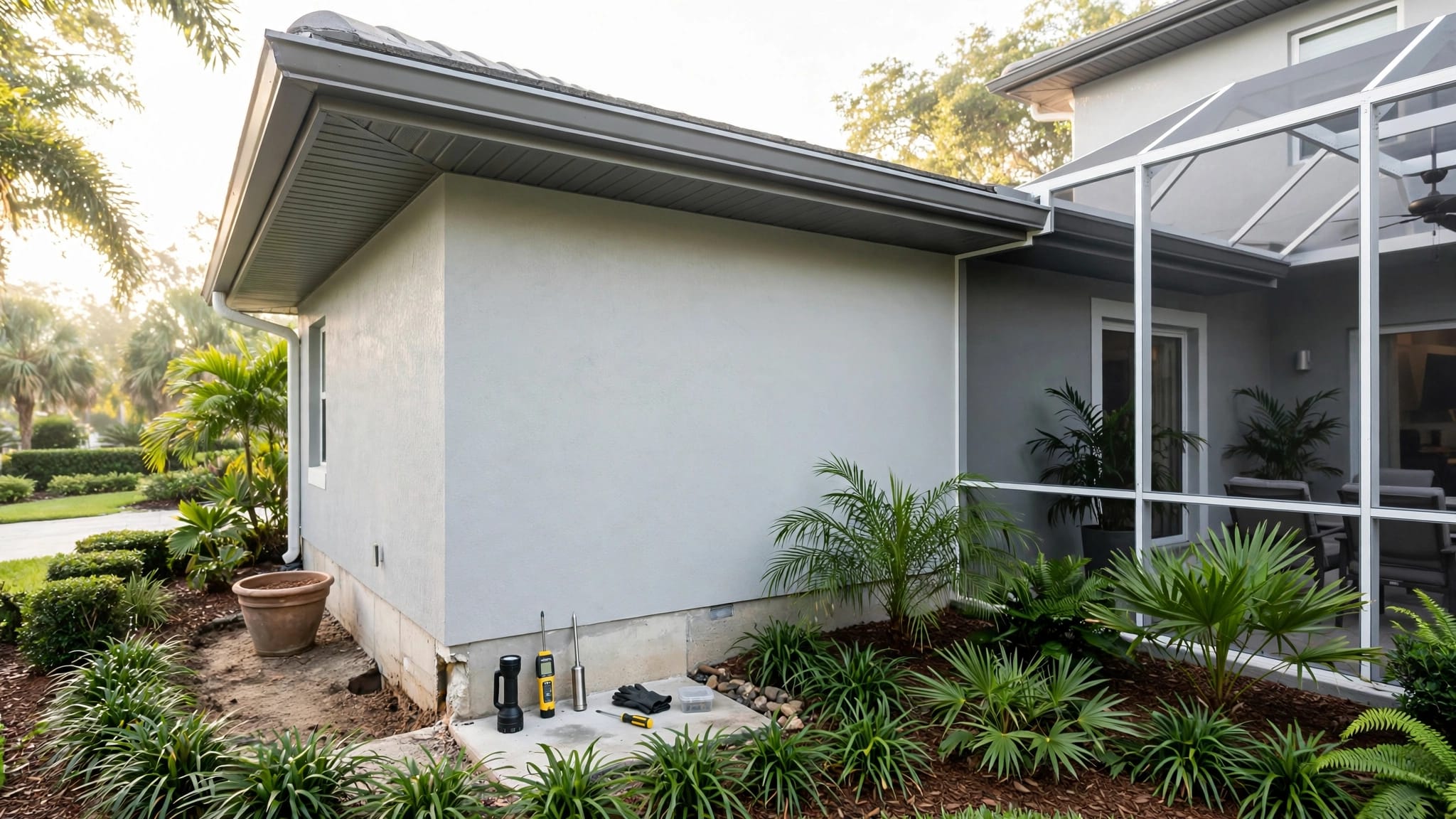
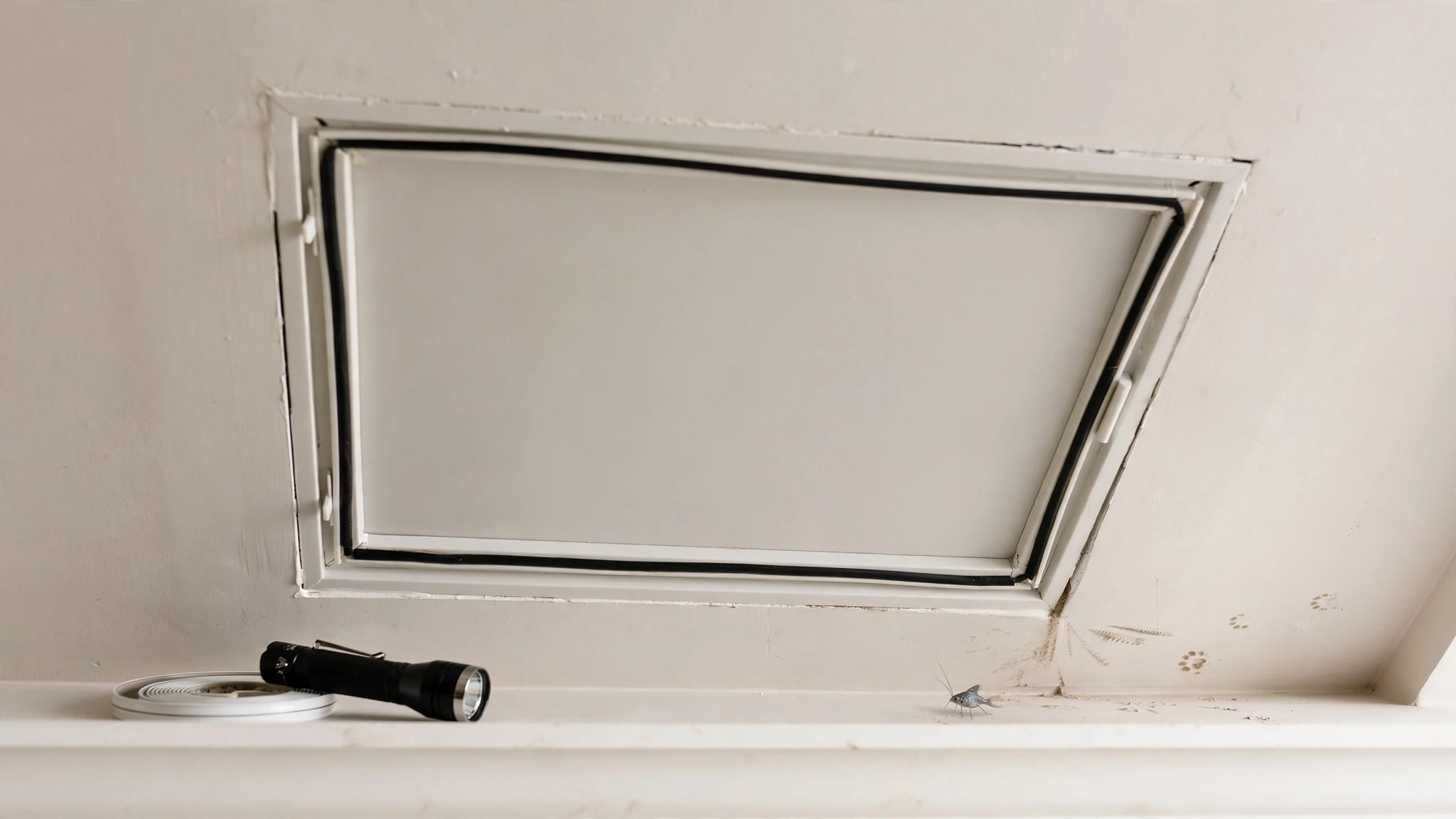
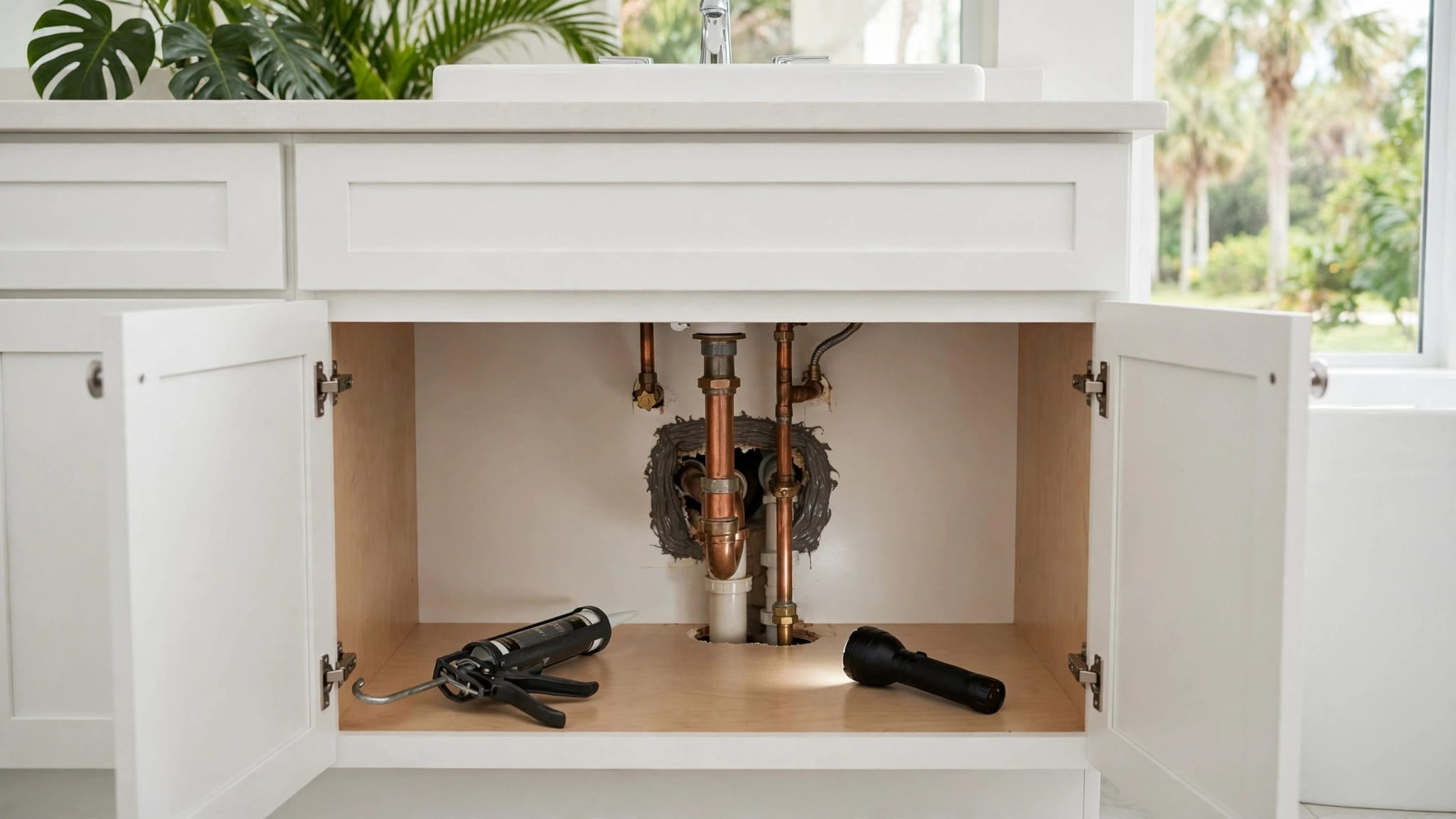
Inspect gaps around exterior doors, pipes, cables, and wall penetrations. Check roof access points and utility rooms as part of the building inspection, not only customer entrances.
Rodent exclusion requires durable repairs. Ask the pest professional and maintenance team to specify suitable materials rather than treating ordinary expanding foam as a complete solution.
Also keep landscaping and stored materials from obscuring exterior inspection areas. After storms or building work, recheck repaired openings. Construction can create new access routes, and storm damage can reopen old ones.
Clean beyond the visible surfaces
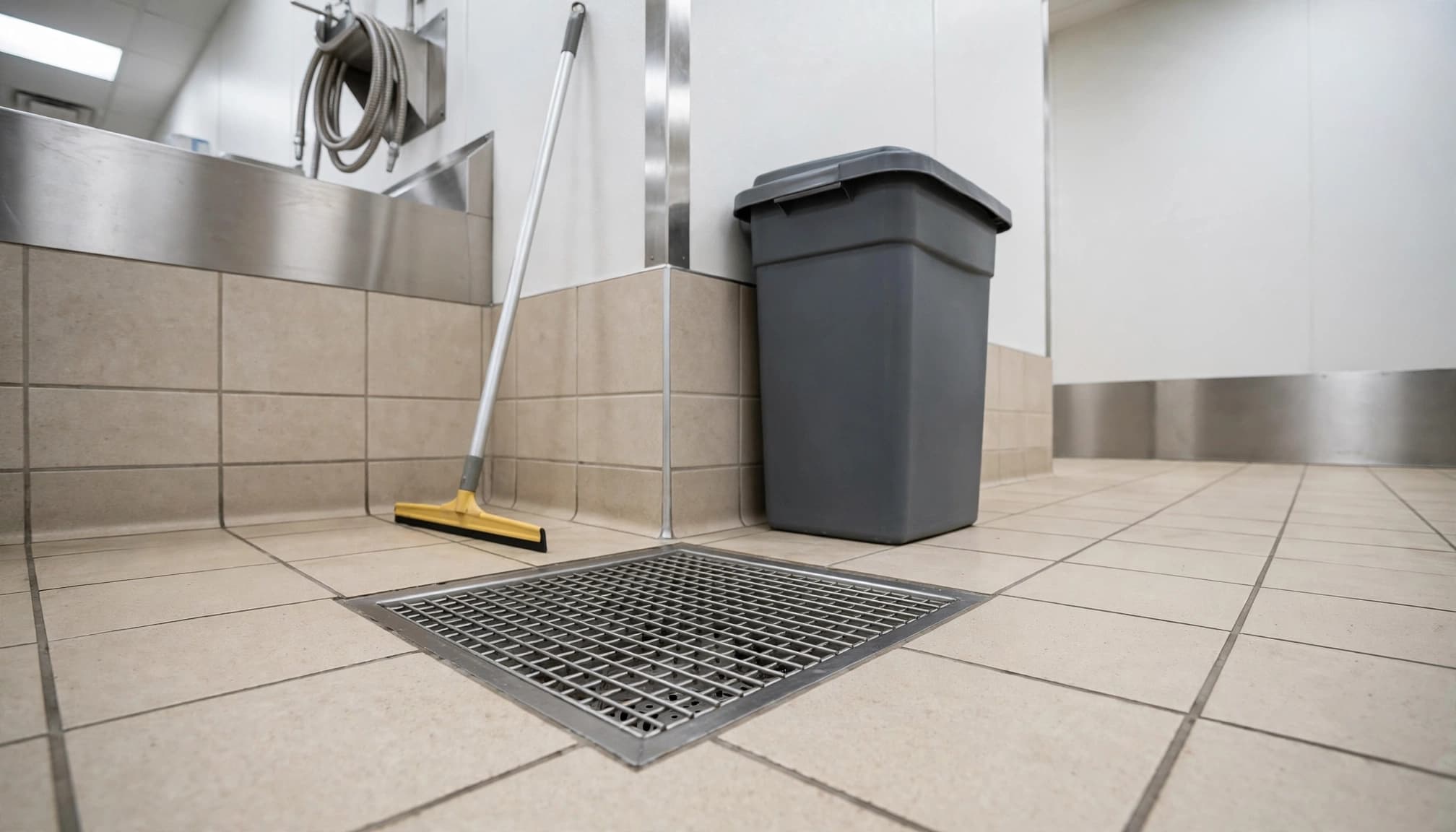
Remove food residue beneath equipment
Closing cleanup should include spill-prone areas beneath bakery racks, produce displays, beverage equipment, and deli fixtures. Flour dust, grease, and sticky liquids can remain after employees wipe the visible surfaces.
Assign responsibility for hard-to-reach spaces. Otherwise, housekeeping may assume maintenance handles them while maintenance assumes department staff do.
Use cleaning procedures appropriate for the equipment and food-contact surfaces. Staff shouldn't move heavy fixtures or open electrical equipment without authorization.
Include employee break rooms and lockers in the plan. Unsealed snacks and forgotten food can support activity away from the sales floor.
Address drains and persistent moisture
Floor drains and floor sinks can collect organic residue below the visible opening. Small flies near a drain need identification because the actual breeding source may be elsewhere.
Have trained staff clean accessible drain components under the store's sanitation procedure. Ask a professional to investigate recurring fly activity rather than assuming disinfectant alone will solve it.
Repair dripping pipes and refrigeration leaks. Maintain air-conditioning drainage, too, because condensate problems can create persistent damp spots.
After cleaning, remove pooled water where practical. A dry-looking aisle doesn't rule out moisture beneath equipment or behind a wall.
Keep waste areas from feeding pests
Produce trimmings, meat packaging, bakery waste, and damaged food can make a compactor area attractive to rodents and flies. Prevent overflow, keep receptacles closed, and adjust collection arrangements when waste volume increases.
Clean spilled liquids and residue around containers, not only inside them. Check lids, doors, seals, and surrounding pavement for damage or standing water.
The FDA Food Code 2022 recommends storing refuse so insects and rodents can't access it. It also addresses drain plugs in waste receptacles and handling units. These are useful inspection points, but they don't establish a universal Florida pickup schedule.
Include recycling and bottle-return areas in cleanup. Residual beverages and food-soiled containers still provide food sources.
For exterior planning, Shield's guidance on wildlife-proof trash storage for businesses addresses the waste conditions that attract animals around Southwest Florida properties.
Give employees a clear reporting and response routine
Record evidence by exact location
Staff monitoring works when reporting is quick and consistent. Give employees one reporting route, such as a manager-maintained log, and explain which observations need immediate attention.
Record the date, time, exact location, and what the employee saw. Photographs can help identification when staff can take them without touching pests or disturbing food.
Record the specific shelf, bay, or fixture rather than only "back room." That detail helps distinguish a delivery problem from recurring indoor activity.
Review reports alongside the professional's monitoring records. Employees should leave installed devices in place and report damage or interference.
Protect food and escalate promptly
Live rodents, droppings near food, chewed packaging, and cockroach activity in preparation areas require prompt management attention. Prevent the sale or use of potentially contaminated products while the responsible manager follows food-safety procedures.
Don't ask staff to spray a sighting and return to work. Treatment decisions need pest identification, food protection, and appropriate professional oversight.
Contact a provider offering commercial pest management and rodent control to assess the source and response. Then assign corrective repairs and cleaning tasks to named employees, with follow-up dates.
Choose licensed support with food-retail experience
A grocery store pest control agreement should explain inspection coverage, reporting, emergency response, and responsibilities between visits. Ask whether the provider has experience with supermarkets, exposed food, receiving operations, and restricted preparation areas.
Florida regulates structural pest control under Chapter 482, Florida Statutes. Section 482.071 requires licensing for pest-control businesses, including each business location. Verify the provider's current licensing through the Florida Department of Agriculture and Consumer Services (FDACS).
Ask which certified operator oversees the work and whether the credentials cover the proposed services. Also request current insurance information and a sample service report.
Professional documentation should identify findings, actions, sanitation concerns, and recommended repairs. A service receipt alone doesn't show whether someone corrected the conditions supporting pests.
For local stores, Shield Home & Pest Control Services offers commercial pest control in Cape Coral and serves nearby Southwest Florida communities. Discuss your supermarket's layout and food-handling operations directly rather than assuming a general commercial package covers every department.
Key Takeaways
- Inspect deliveries and damaged goods before they enter clean inventory, and keep receiving doors closed between unloading periods.
- Remove food residue and excess moisture, including hidden buildup around equipment, drains, recycling, and waste containers.
- Give staff a precise reporting process, protect potentially affected food, and consult a licensed professional for treatment decisions.
A workable prevention program connects these tasks to responsible employees and documented follow-up.
Frequently Asked Questions
How often should a supermarket receive pest service?
Base the schedule on the building, pest history, monitoring findings, and operating conditions. A licensed professional should recommend an inspection and service schedule. The cited Food Code provisions don't establish one universal interval for every Florida supermarket.
Do clean stores still need pest monitoring?
Yes. Pests can arrive in deliveries or enter through damaged openings even when sanitation is strong. Monitoring helps detect activity that employees may not see during normal operations. Cleaning, exclusion, and monitoring work together.
Which pest rules apply to a Florida grocery store?
Confirm the store's licensing category and regulator. Florida's Chapter 64E-11 addresses covered food-service establishments, but it shouldn't be assumed to govern every supermarket. Likewise, the FDA Food Code is a model, not automatic proof of binding Florida requirements.
Build Prevention Into Every Shift
A supermarket's strongest protection is consistent follow-through on receiving checks, sanitation, moisture correction, and building repairs. Those habits reduce the conditions that allow pests to settle in.
When employees report evidence early, a licensed professional can assess activity and recommend treatment without guesswork. Start with a walkthrough of your receiving dock, storage rooms, drains, and waste area, then assign the corrections that need attention.
Schedule a Free Inspection: