Do Ultrasonic Rodent Repellers Work in Florida Attics?
For rodent activity in a Florida attic, choose an inspection, targeted trapping, and exclusion rather than relying on ultrasonic rodent repellers alone. A sound device won't identify the animal or repair the openings it uses to get inside.
If you're hearing scratching above the ceiling, you need a plan that addresses active rodents and their entry routes . Start by understanding what a repeller is designed to do.
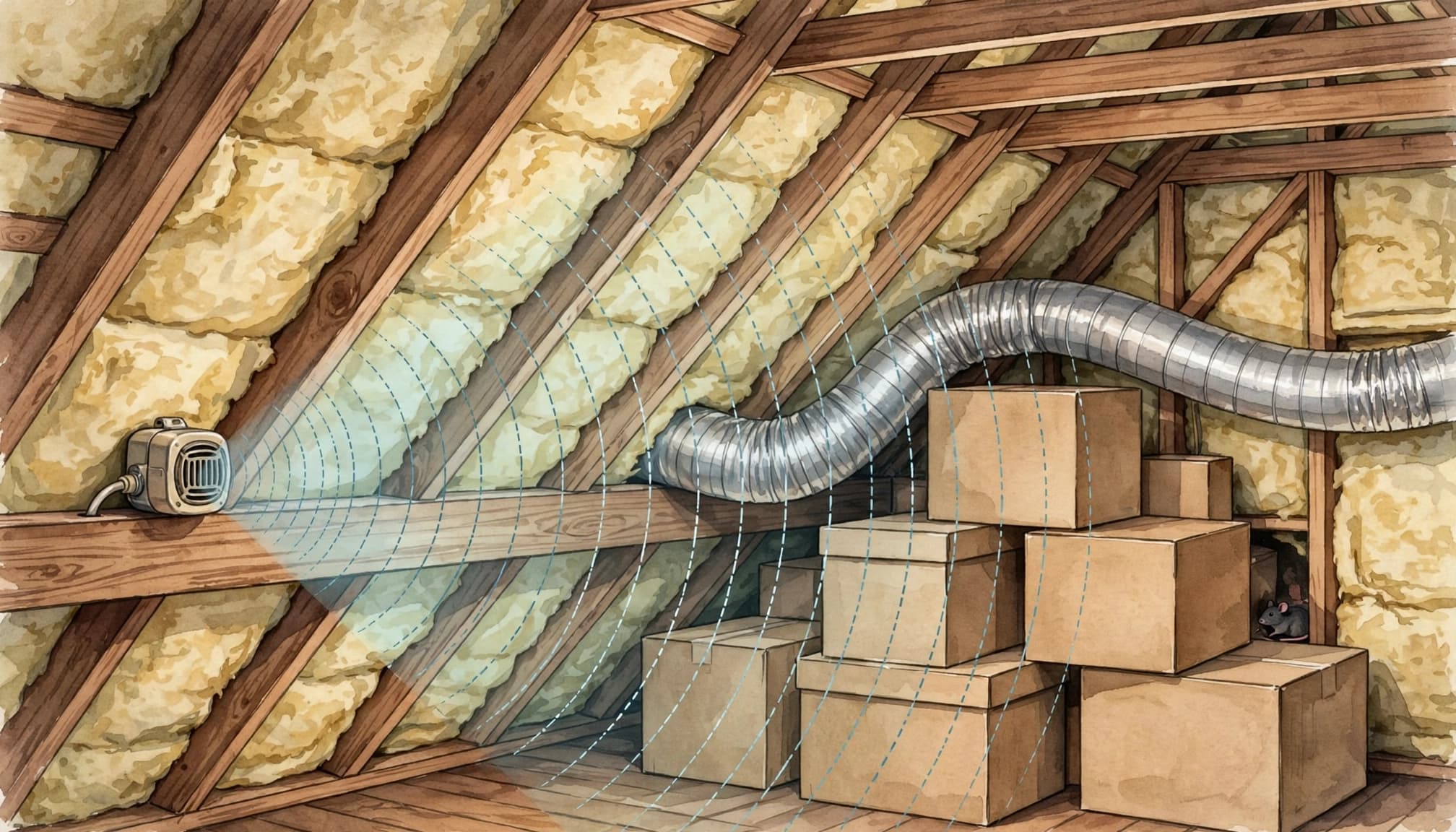
How Ultrasonic Rodent Repellers Are Intended to Work
Ultrasonic rodent repellers produce high-pitched sound intended to discourage rodents from staying in an area. They don't involve placing poison in the attic, which can make them appealing to households concerned about pets and wildlife.
A plug-in device also leaves the physical conditions around your home unchanged. Roof rats and mice may have access to shelter, nesting materials, and openings around the roofline.
For a complete rodent-control plan, look beyond the device itself. The animal needs to be identified, its routes located, and the conditions allowing access addressed.
Why Florida Attics Need a Closer Look
Southwest Florida homes often have several places where an animal can reach the attic. An inspection helps connect the activity you notice indoors with possible routes outside.
Rooflines offer several access points
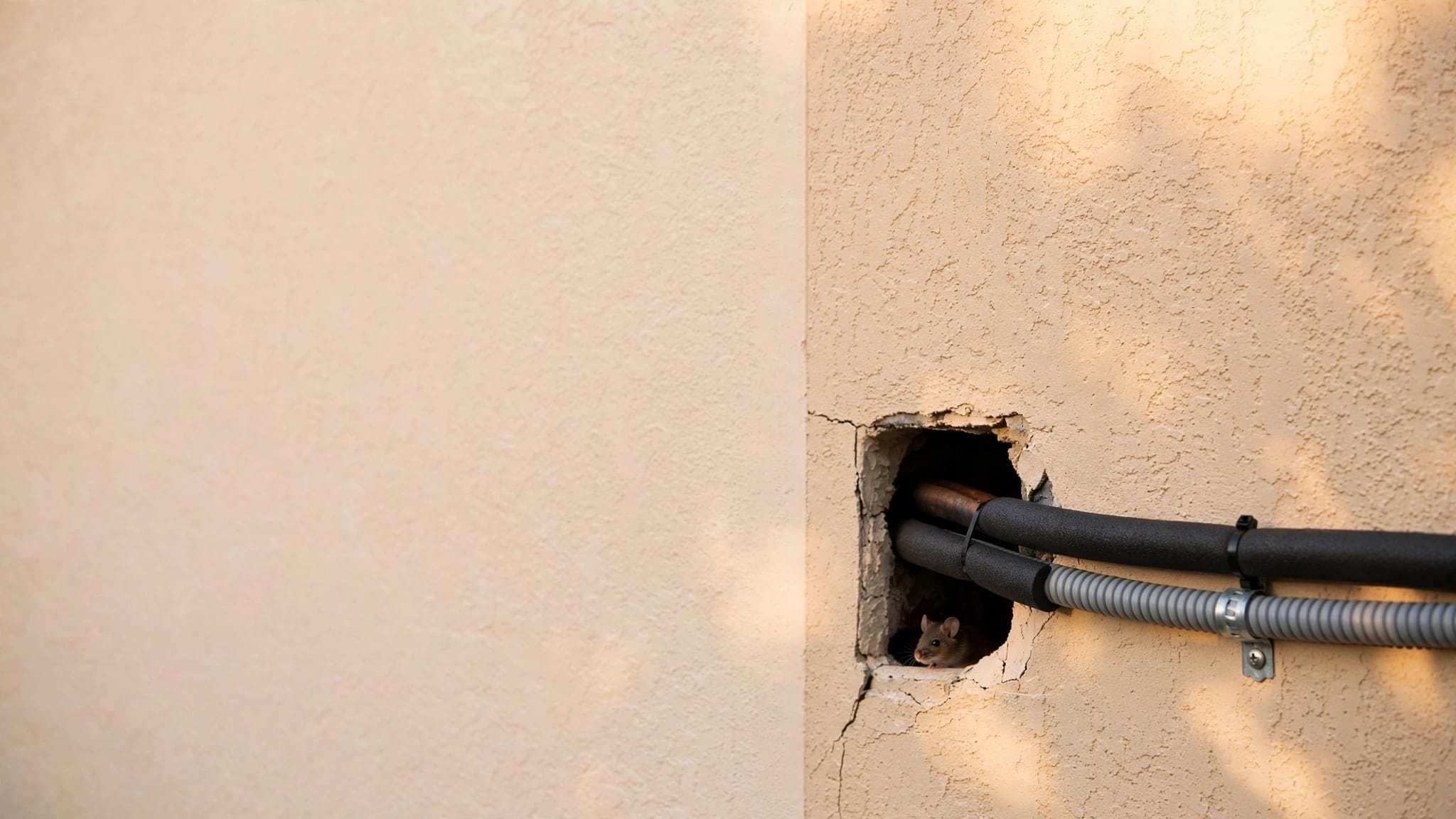
Roof rats can travel along branches or palm fronds that touch a roof. Once there, they may find an opening near a soffit, roof vent, damaged screen, or pipe penetration.
The opening you spot may not be the only one. A professional inspection looks for both active routes and other gaps that could allow rodents to return. Our guide to attic rodent signs and entry points covers common places to look.
The animal may not be a rodent
Scratching in the ceiling doesn't confirm that you have rats or mice. Squirrels, birds, bats, and other animals can also enter parts of a Florida home.
Identifying the animal matters because different species need different handling. Don't place poison or seal an active opening before you know what's inside. A wildlife professional can help when the animal isn't a rat or mouse.
Signs of Rodent Activity to Take Seriously
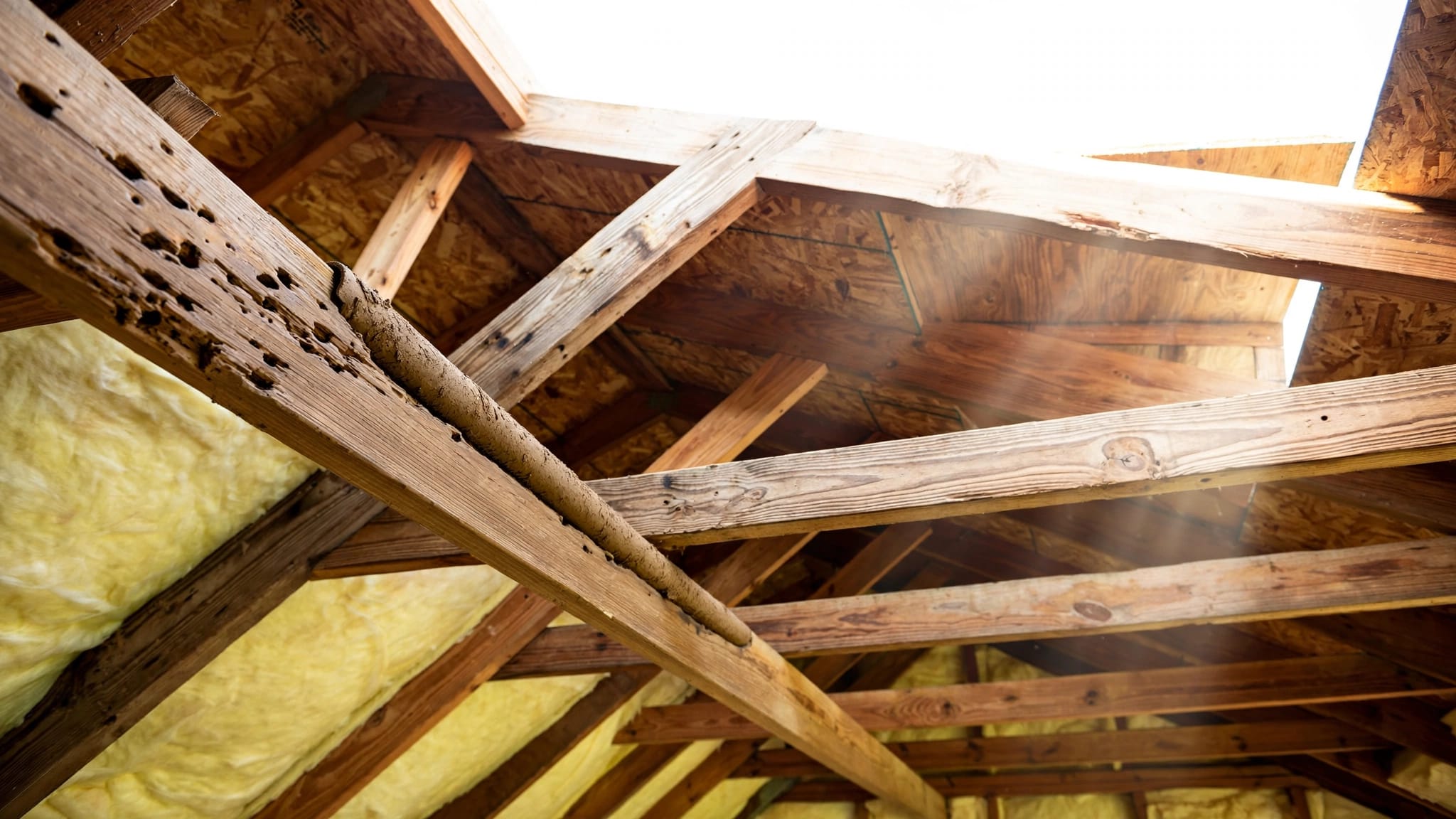
Droppings are one clue, especially when they appear near attic access points, beams, or roof edges. Their color and condition can vary, so appearance alone won't identify the animal.
You may also notice gnawed boxes, shredded insulation, dark rub marks, or an ammonia-like odor. Scratching after dusk is useful information to share with a technician, but the sound alone can't confirm a species.
Repeated signs deserve attention even if you haven't seen a rodent. Avoid climbing through the attic or moving insulation piles to investigate. If you notice damaged wiring, keep clear of it and contact a qualified electrician.
What to Do Instead of Relying on a Repeller
A practical plan starts with the activity you have now and ends with repairs that make re-entry harder. The order matters because sealing animals inside can push them into a wall or another inaccessible space.
Inspect first, then target active routes
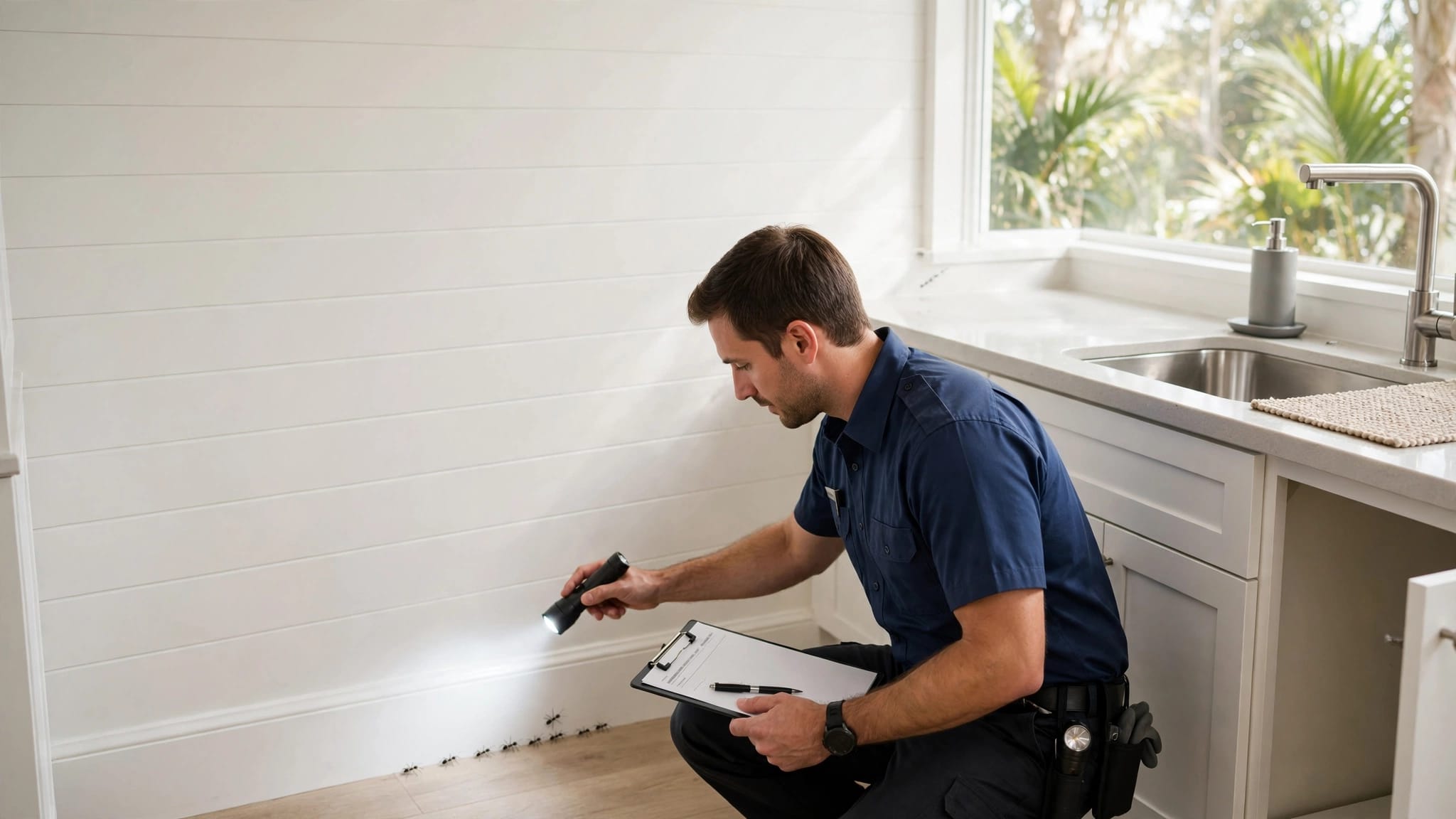
Tell your pest-control technician where you've found droppings or heard movement. An inspection can connect those clues to travel paths, nesting areas, and likely entry points.
For confirmed rodents, targeted traps can reduce the active population without placing poison throughout the attic. Traps need careful placement and regular attention, especially where children or pets could reach them. A professional can select locations suited to the activity and handle removal.
Close openings after active animals are addressed
Once the animals are removed and active rodents are controlled, repair the openings they used. Depending on the location, durable materials can include secured metal screening, flashing, or replacement vent parts.
Soft expanding foam alone isn't a reliable rodent barrier because rodents can chew it. At the same time, don't block attic airflow while repairing vents. Protected ventilation should remain functional.
Clean Up Safely and Reduce Attractants
Removal and repairs address the infestation. Cleanup and yard maintenance help you deal with contamination and make the property less inviting.
Leave extensive attic contamination to professionals
Rodent waste can collect in insulation and other hard-to-reach areas. Don't sweep or vacuum dry droppings, which can stir contaminated particles into the air.
When waste is widespread or mixed into insulation, professional cleanup is the safer choice. Our article on cleaning rodent-contaminated attic insulation explains why covering soiled material with new insulation isn't a substitute for addressing contamination.
Remove food and roof access
Trim branches and palm fronds away from the roof where practical. Also, pick up fallen fruit and spilled birdseed, bring pet food indoors, and keep garbage lids secure.
These steps don't replace repairs to the home. They reduce nearby food and make it harder for rodents to reach the roof.
When to Call a Rodent-Control Professional
Call for an inspection when scratching continues, droppings return, or you find nesting material or gnaw marks. Professional help is also appropriate when activity is near wiring, ductwork, or areas you can't safely reach.
At Shield Home & Pest Control Services, we offer free inspections and estimates in Cape Coral and surrounding Southwest Florida communities. For households seeking an approach without traditional poisons, our ECO Rodent Shield service uses a deterrent system designed for the property.
Protect Your Attic at the Source
Ultrasonic rodent repellers don't address the openings or attractants around your home. An inspection gives you a clearer picture of the animal, its activity, and the repairs your property needs.
Focus on safe removal and exclusion , then clean up contamination and reduce food sources. That plan addresses the conditions that brought rodents into the attic.
Schedule a Free Inspection: