Cleaning Rodent-Contaminated Attic Insulation in Cape Coral
A few droppings near the attic hatch can point to a much larger problem above your ceiling. Rodent contaminated attic insulation can hold urine residue, nesting material, odor, and dust long after rats or mice leave.
Cape Coral's heat can make attic work miserable, while humidity can make odors linger in porous materials. The safest response is to stop disturbing the insulation, address the rodent activity, and plan a controlled cleanup before fresh insulation goes in.
Signs Your Attic Insulation May Be Contaminated
Rodents rarely keep their activity in one tidy spot. Roof rats and house mice often travel along framing, ducts, utility lines, and the edges of insulation.
A quick look from the attic opening may reveal enough to call for an inspection. Avoid climbing through the attic or moving insulation piles to look for more evidence.
Look for activity beyond visible droppings
Fresh droppings are one clue, but they are not the only one. Watch for shredded paper, leaves, fabric, or insulation gathered into nests. Flattened insulation trails can also show where rodents have moved repeatedly.
Other common signs include gnawed boxes, chewed wiring insulation, greasy rub marks near openings, and a sharp ammonia-like odor. A persistent smell often means urine has soaked into insulation or nearby building materials.
If you hear movement at night, see new droppings, or find recent damage, treat the attic as an active rodent area. Cape Coral attic rodent control should begin with identifying the animal and its entry route.
Why the material matters
Fiberglass batts and loose-fill insulation trap contamination beneath the surface. Urine can soak through layers, while droppings and nesting debris settle into the material. Disturbing those layers can release contaminated dust into the attic.
In other words, an attic can look mostly normal from the hatch while the insulation below holds widespread evidence. Odor alone does not prove the full extent, but it is a good reason to have the area checked.
Why Rodent Contaminated Attic Insulation Should Not Be Cleaned in Place
Rodent-contaminated attic insulation is generally not a material to freshen with deodorizer, spray, or a household vacuum. It is porous, difficult to disinfect throughout, and easy to disturb.
Once contamination is embedded, trying to clean the insulation in place can spread dust farther through the attic. Replacement is often the more dependable solution when droppings, urine, nests, or strong odor affect the material.
Disturbing dry debris creates the main hazard
The Centers for Disease Control and Prevention advises against sweeping or vacuuming rodent urine and droppings before disinfection. Dry cleanup can put fine particles into the air, where they are easier to breathe in.
That is why sweeping, brushing, leaf-blowing, and using a shop vacuum are poor attic cleanup methods. Household fans are also a bad idea because they can move contaminated dust through a confined space.
A clean-looking path across attic insulation may still hold contamination below the surface. Surface deodorizing does not remove what has soaked into the material.
CDC guidance calls for wetting rodent waste with a disinfectant before handling it. The disinfectant needs time to work, commonly at least five minutes unless the product label gives a different contact time.
Heat and humidity make DIY work harder
Cape Coral attics can become intensely hot. Disposable coveralls, gloves, eye protection, and respiratory protection add heat stress, especially during long cleanup sessions.
Humidity also keeps odors noticeable when contaminated material remains in place. Opening an attic without a plan can make the work area hotter without solving the contamination problem. For widespread attic evidence, controlled removal is safer than a weekend cleanup attempt.
What to Do Before Attic Cleanup Begins
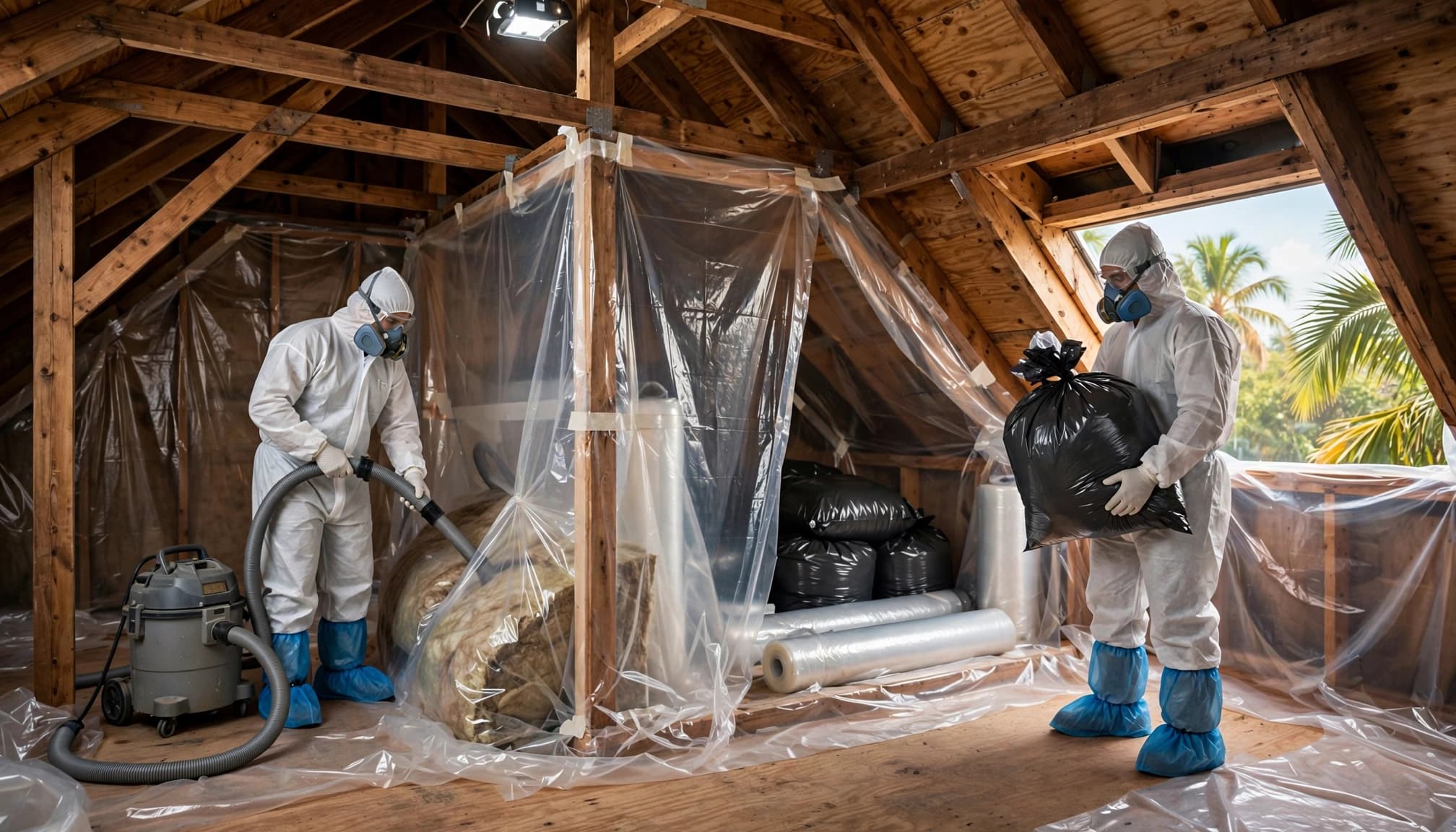
The first goal is simple: do not stir up insulation or trap rodents inside the home. A careful inspection can identify the source, the affected materials, and the safest order for removal and exclusion.
Keep children, pets, and stored belongings away from the attic hatch until the area has been assessed. If you must open the hatch, do so briefly and avoid reaching into the insulation.
Document signs without handling them
Take clear photos from a safe position. Capture droppings, nest material, damaged vents, chewed ductwork, and gaps around soffits or utility lines. Those details help a rodent professional determine where activity started.
Also note when you first noticed scratching, odors, or droppings. Fresh signs in the attic often include recently moved insulation and droppings that have not faded or broken down.
Do not press on fragile ceiling drywall or step on attic surfaces unless you can see secure framing. An attic inspection involves more than pest evidence. It also needs safe footing, working clearance, and a look at electrical or duct damage.
Remove the rodents before replacing insulation
New insulation will not solve an open-entry problem. Rodents can return through a damaged roof vent, loose soffit, plumbing penetration, AC line opening, or gap at a roof return.
Still, do not rush to seal an opening when you suspect animals are inside. A professional should confirm activity and use the right trapping or exclusion sequence. Closing every gap too early can leave an animal trapped in the attic, wall, or duct chase.
What Professional Attic Remediation Should Include
A quality attic cleanup follows a controlled sequence. It starts after rodent activity is addressed, then limits dust movement while contaminated materials come out.
The scope should match what the inspection finds. One nest in a small area may need targeted removal. Broad urine staining, droppings across travel routes, or a strong attic-wide odor can call for a larger removal area.
Containment, PPE, and controlled removal
Professionals use protective equipment suited to the job, often including gloves, disposable coveralls, eye protection, and respiratory protection. For more extensive contamination, CDC guidance identifies a half-mask air-purifying respirator with a HEPA filter as appropriate respiratory protection.
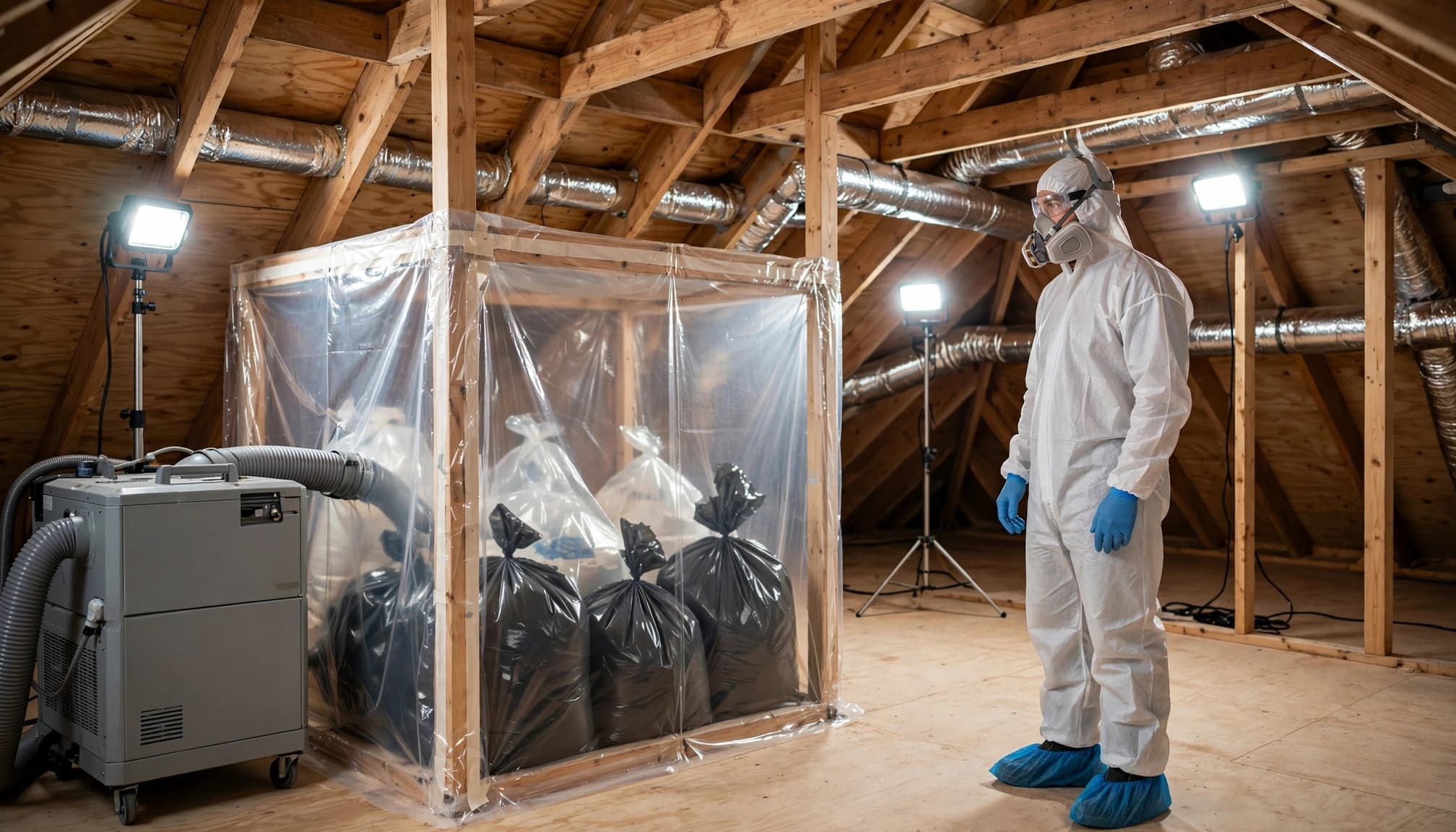
Crews should set containment around the work zone and move waste in securely sealed bags. They should also avoid dry agitation that sends dust into the home.
HEPA-filtered air scrubbers can help control airborne particles during a contained remediation job. However, air filtration does not make dry sweeping or dry vacuuming safe. Contaminated waste still needs to be wetted, handled carefully, and removed without spreading debris.
Cleaning the attic after removal
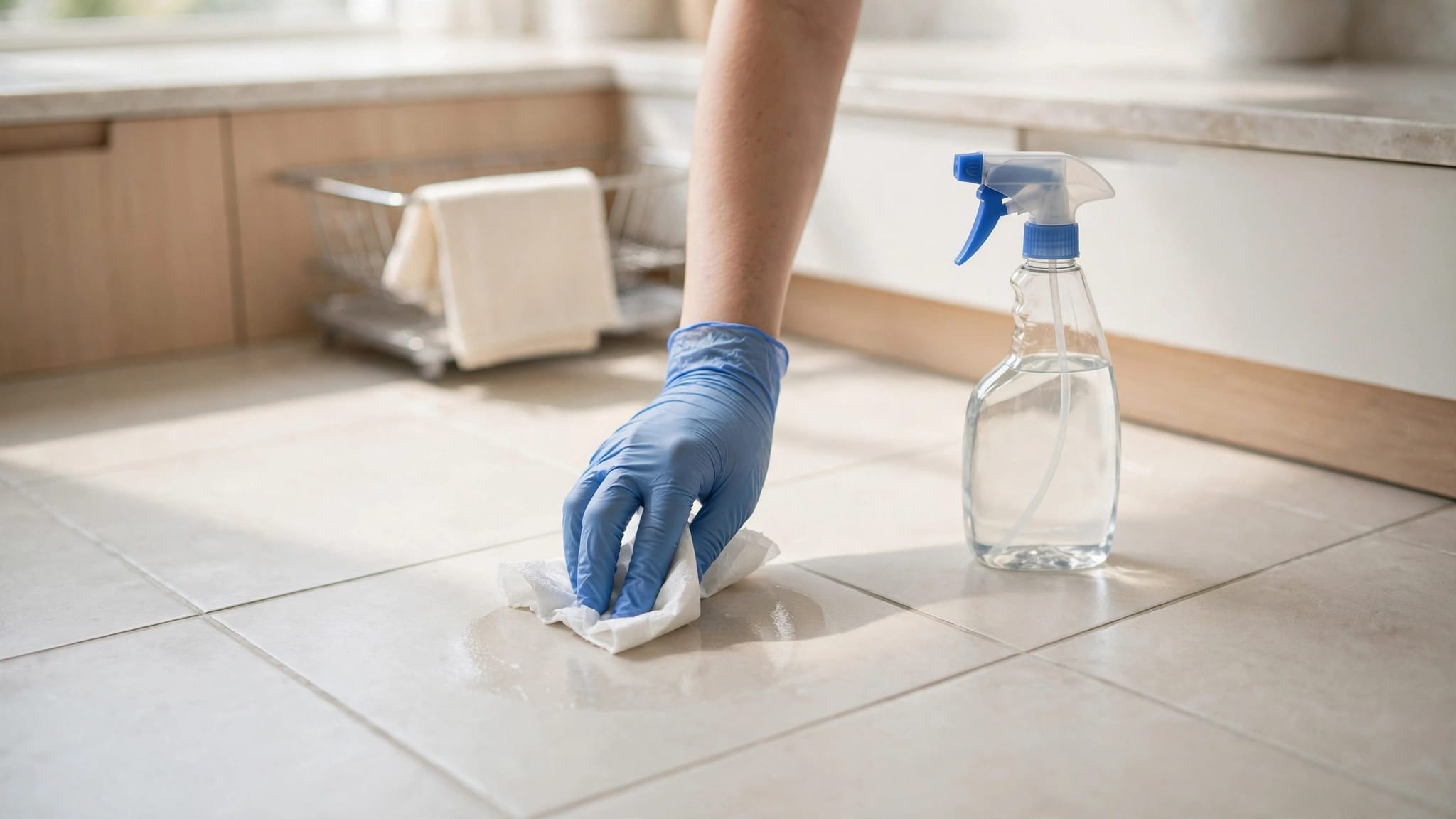
After soiled insulation, nests, and rodent debris are removed, accessible attic surfaces need careful cleaning. Professionals typically apply an appropriate disinfectant to affected areas, allow the required contact time, then wipe up material without aggressive brushing.
Structural surfaces, duct exteriors, and accessible framing may need separate attention if staining or odor remains. The work area should be checked before new insulation is installed, because replacement material should not cover an unresolved odor source or active entry point.
Replacing Insulation and Checking Nearby Systems
Once rodent-contaminated attic insulation is out, the attic can be evaluated as a whole. The replacement plan depends on the insulation type, the cleaned area, access, and the home's ventilation needs.
Fresh insulation can improve comfort and energy performance, but only after the contamination source has been removed. Adding new material over soiled insulation can trap odor and hide future rodent evidence.
Check ducts, wiring, and damaged materials
Rodents may chew flexible ductwork, wiring jackets, vapor barriers, and stored items. If you see exposed or damaged wiring, stay clear of it and arrange for a qualified electrician to inspect the area after rodent removal.
Ductwork deserves attention as well. A nest near a return, a damaged duct connection, or contamination around air-handling components can affect odor concerns. Rodent odor removal from HVAC systems may involve source removal first, then a practical review of the affected equipment.
Drywall or wood that remains stained, soft, or strongly odorous may need a restoration professional's assessment. A new layer of insulation should never become a cover for wet or damaged building materials.
Choose replacement based on the attic's condition
Ask what insulation type and depth fit your attic after cleanup. The answer may depend on existing material, attic access, duct layout, and the areas that required removal.
A written scope helps prevent misunderstandings. It should identify the affected zones, materials being removed, sanitation steps, rodent exclusion repairs, and the planned insulation replacement. Photos before and after work are useful records for your home file.
Keeping Rats and Mice Out of a Cape Coral Attic
Cleanup works best when it is paired with durable exclusion. A rat that finds the same roofline gap next month can undo the entire project.
Cape Coral roof rats often use palms, dense shrubs, fences, and utility lines as travel routes toward a house. Their entry points can be surprisingly small, especially around vents and soffits.
Focus on entry points, not only traps
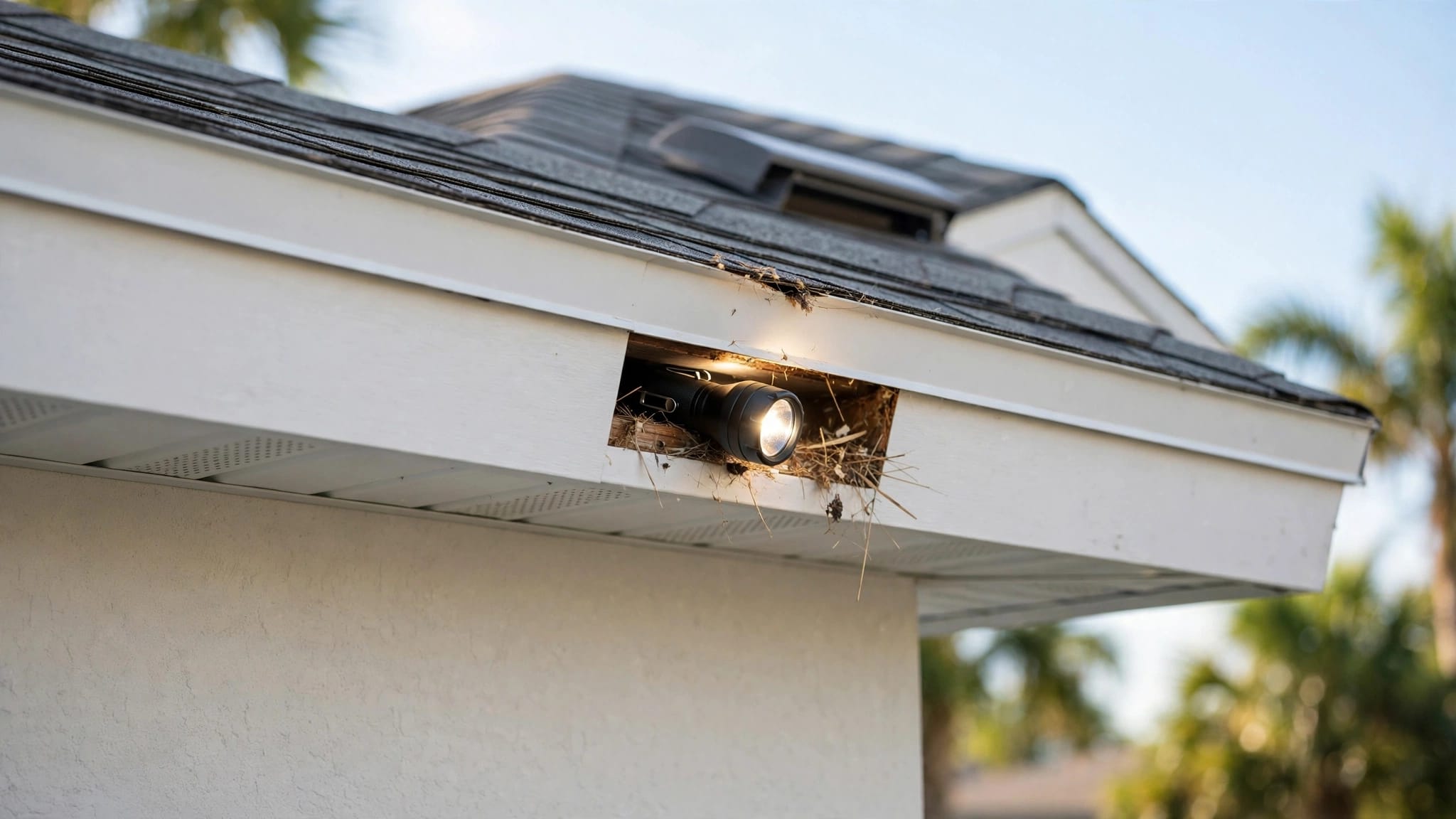
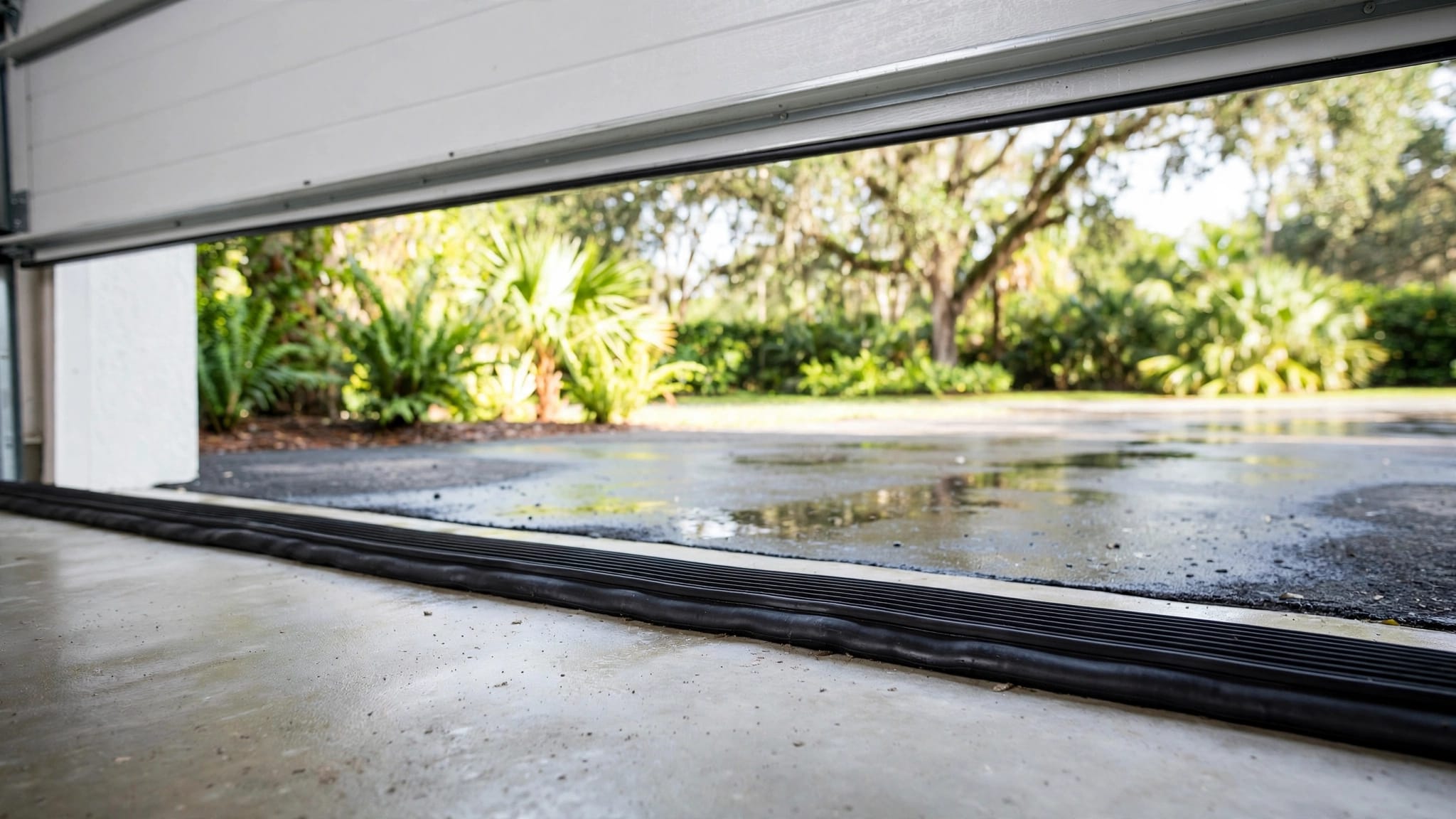
Trapping can reduce the current population, but exclusion prevents repeat visits. Common inspection points include attic vents, gable vents, soffit corners, roof returns, pipe penetrations, AC line openings, garage corners, and damaged screens.
Repairs should protect the opening without blocking needed attic ventilation. Durable materials may include properly secured metal screening, flashing, replacement vent parts, and corrosion-resistant fasteners.
For homes with roofline activity, preventing repeat roof rat visits also means trimming branches away from the roof and reducing outdoor food sources.
Keep the property less inviting
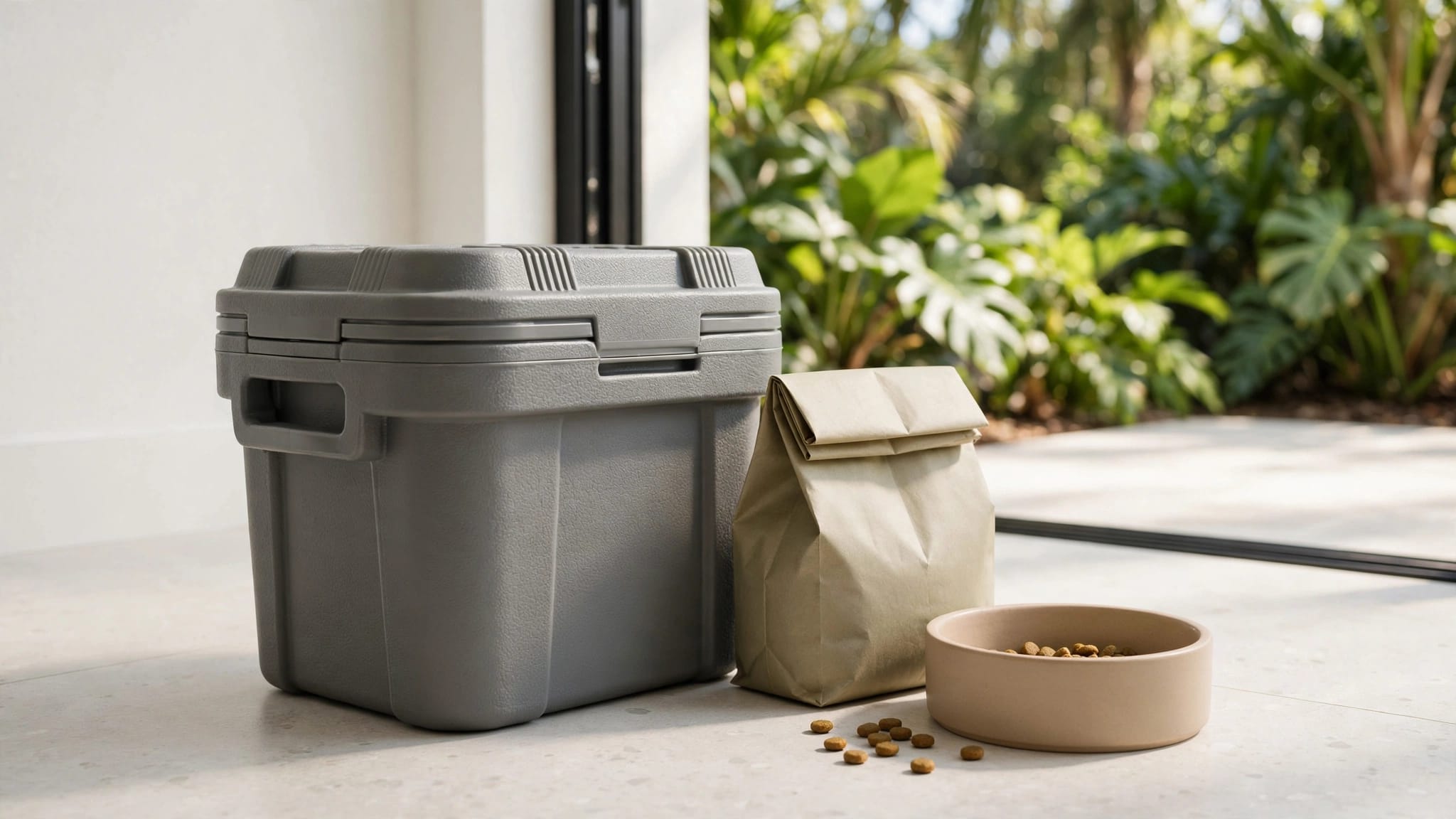
Secure trash lids, avoid leaving pet food outside, and clean up fallen fruit or bird seed. Store garage and patio items off the ground where possible, because clutter gives rodents hidden travel lanes.
Check attic spaces periodically after the repairs are complete. You do not need to dig through insulation. A flashlight scan from the hatch can reveal new droppings, displaced material, or signs near vents before the problem grows.
A Clean Attic Starts With Complete Removal and Exclusion
Rodent contamination is more than an unpleasant attic odor. Rodent-contaminated insulation can hold waste and dust that should not be swept, shop-vacuumed, or covered with new material.
Controlled removal, careful cleaning, proper PPE, sealed bagging, and HEPA-filtered containment protect the home during the work. Once rodents are out and entry points are repaired, clean replacement insulation gives your Cape Coral attic a genuine fresh start.
Schedule a Free Inspection: