Do Termites Come Back After Treatment in Florida Homes?
Yes, termites can appear after treatment in Florida homes, but that doesn't always mean the treatment failed. Termites after treatment may point to a colony that wasn't fully controlled, a brief swarmer event, or a separate infestation that started elsewhere.
Florida's warm temperatures, heavy rain, and humid soil keep termite pressure high for much of the year. The right response is a prompt inspection that identifies the species, the location, and whether the signs are current.
Why Termites After Treatment May Still Appear
Termite work is rarely a one-size-fits-all event. A liquid barrier, bait system, localized drywood treatment, or fumigation each works differently and covers a defined area. The service visit may be short, while control and follow-up can take longer.
A termite colony can also stay hidden behind trim, inside wall voids, below flooring, or near plumbing lines. Finding evidence later calls for a closer look, not an automatic assumption.
Active termites may not have been fully eliminated
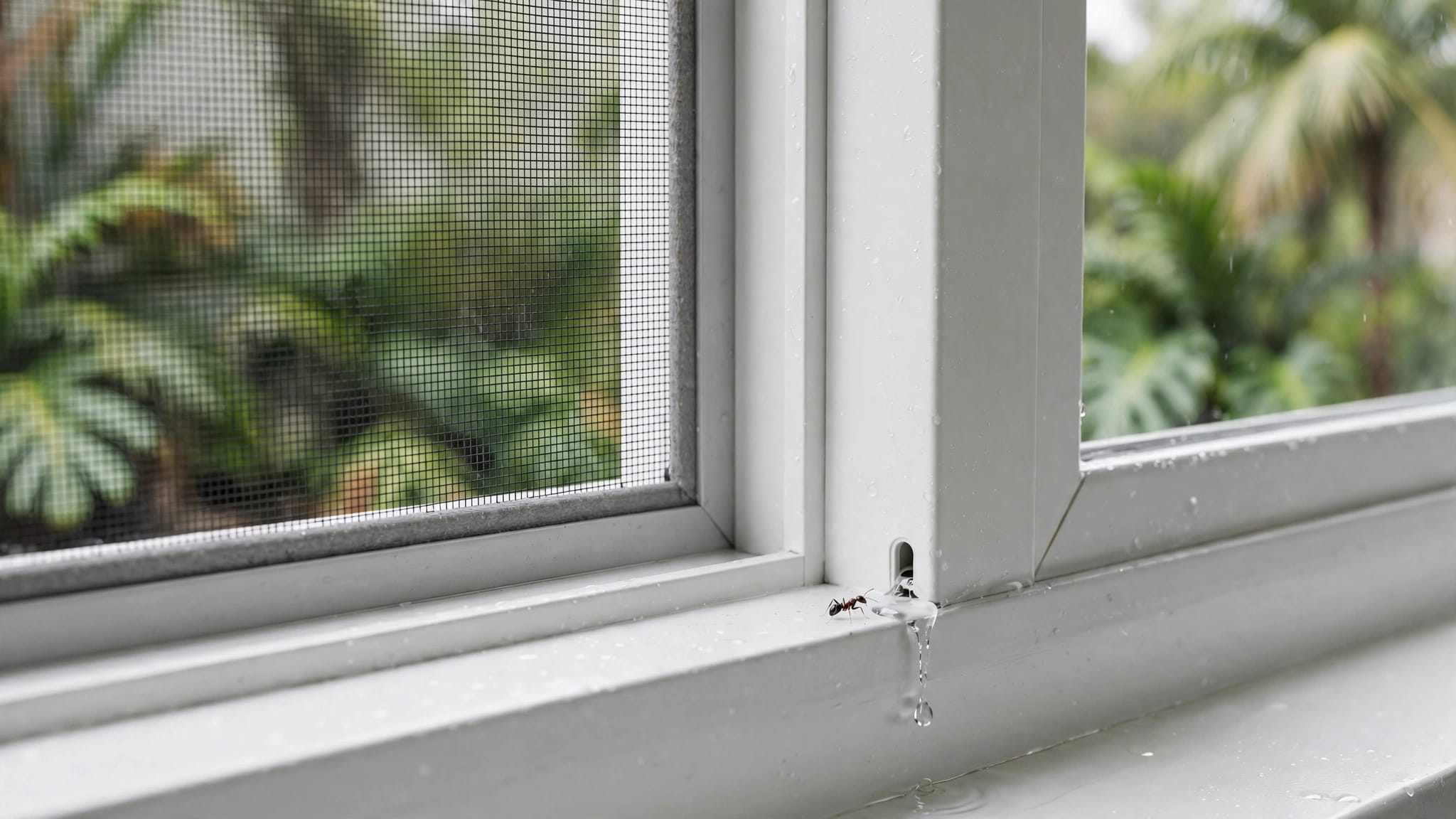
Subterranean termites travel underground and enter through tiny slab cracks, expansion joints, utility openings, and porch connections. If an active route was inaccessible or outside the original treatment area, termites may remain active.
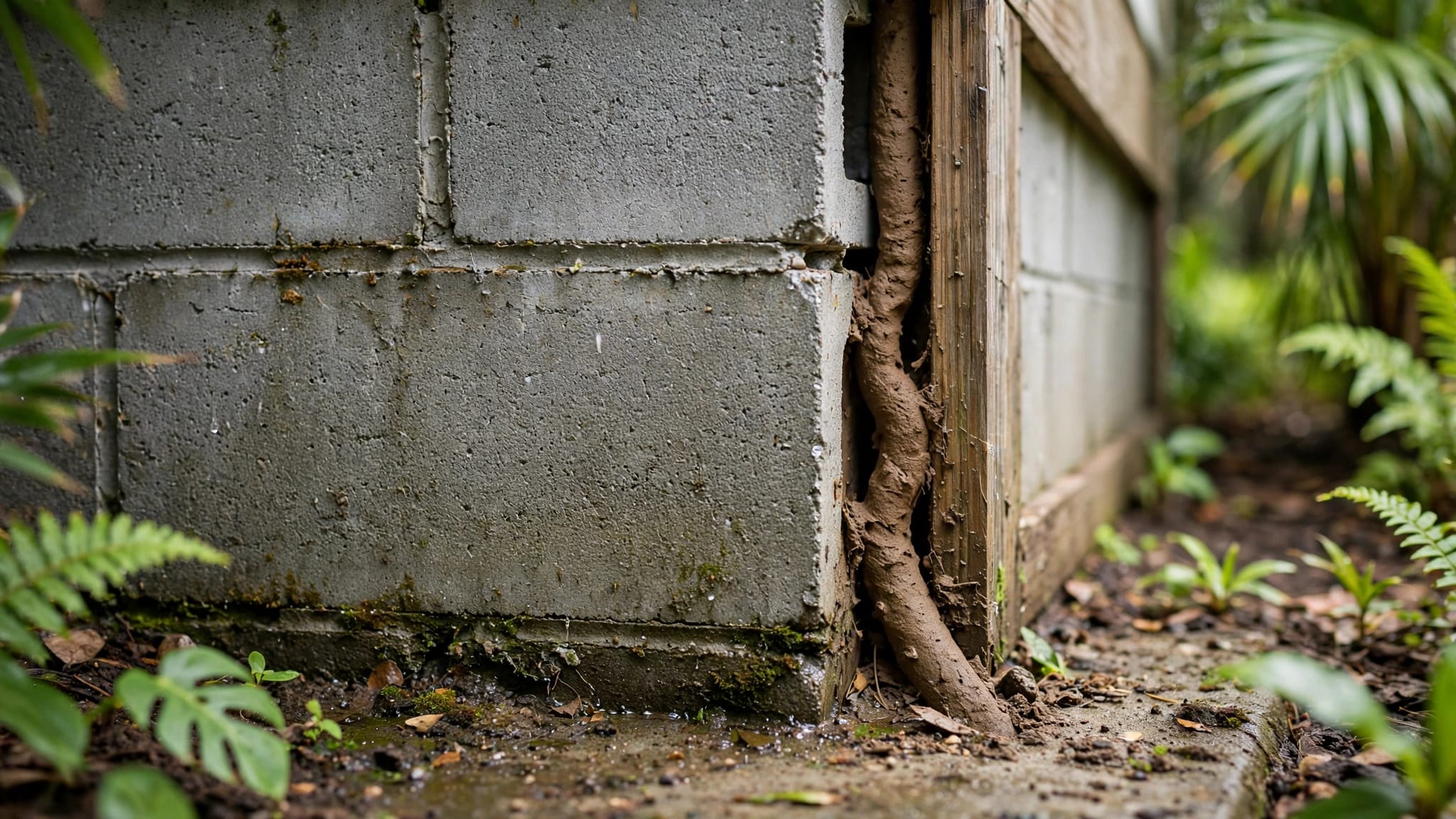
Fresh mud tubes, pale worker termites, or wood that continues to show new damage deserve attention. However, old tubes and damaged wood can remain visible long after activity has stopped. A technician needs to check whether the material is fresh and whether live termites are present.
Swarmers After Treatment Don't Always Mean Failure
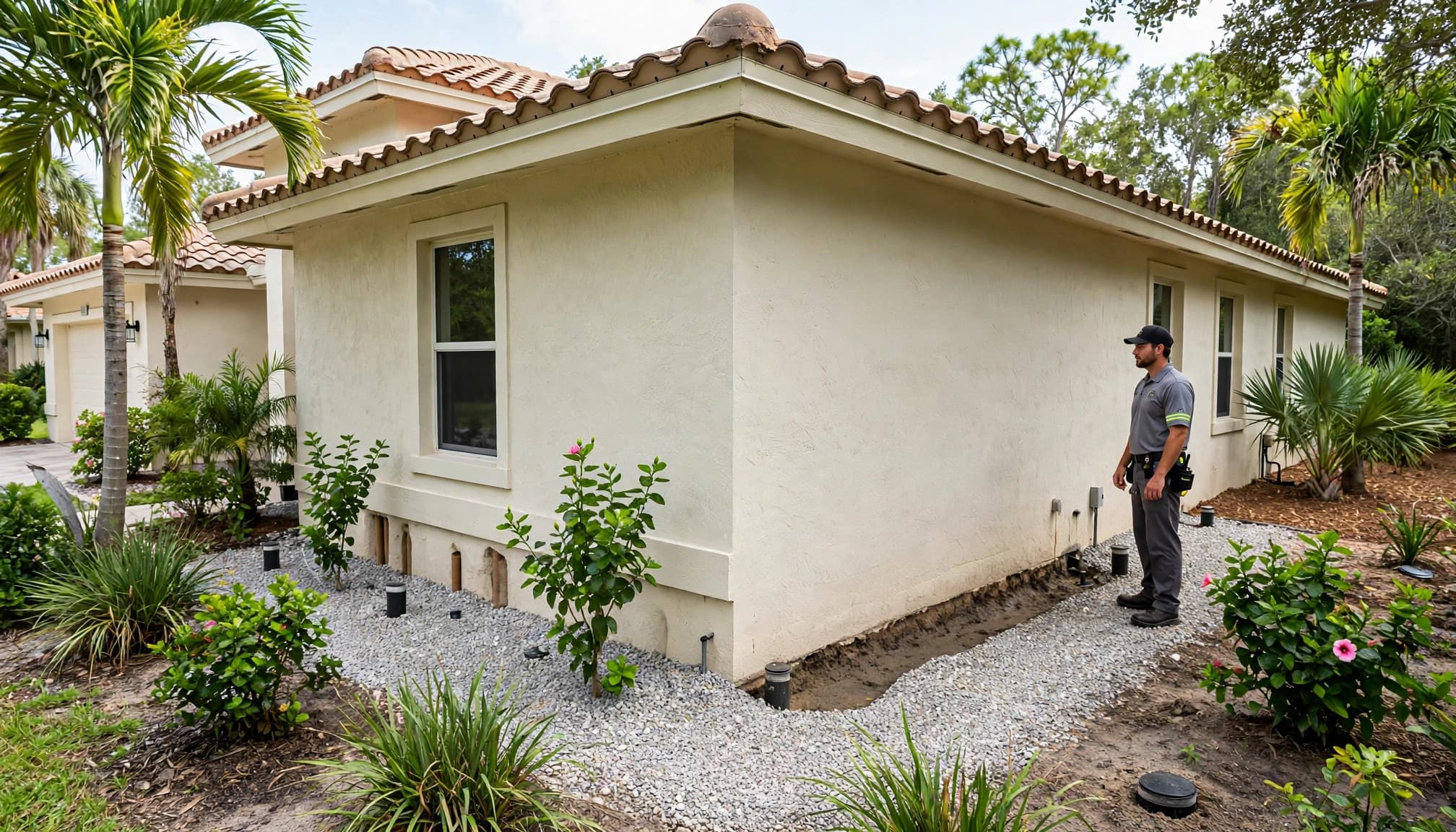
Winged termites, often called swarmers, can be alarming when they appear near windows, lights, or sliding doors. Yet a swarm alone doesn't confirm that termites are active inside the home.
In Southwest Florida, swarmers may emerge from a colony already affected by treatment. They may also fly in from a colony outside, especially if windows or doors are open. Discarded wings show that swarmers were present, but they don't reveal where the colony is located.
Look for the pattern around the swarm
A few dead swarmers near one exterior light may have come from outdoors. On the other hand, a large indoor swarm, piles of wings from several rooms, or insects emerging from a wall or trim area need a timely inspection.
Drywood termites live inside the wood they eat. Their signs can include small pellet-like droppings beneath a kickout hole, blistered paint, or hollow-sounding trim. Subterranean termites more often leave mud tubes along foundations, garage walls, or plumbing penetrations.
A swarmer event tells you to inspect, but it doesn't identify the colony or prove the previous treatment failed.
A New Infestation Can Start in Another Area
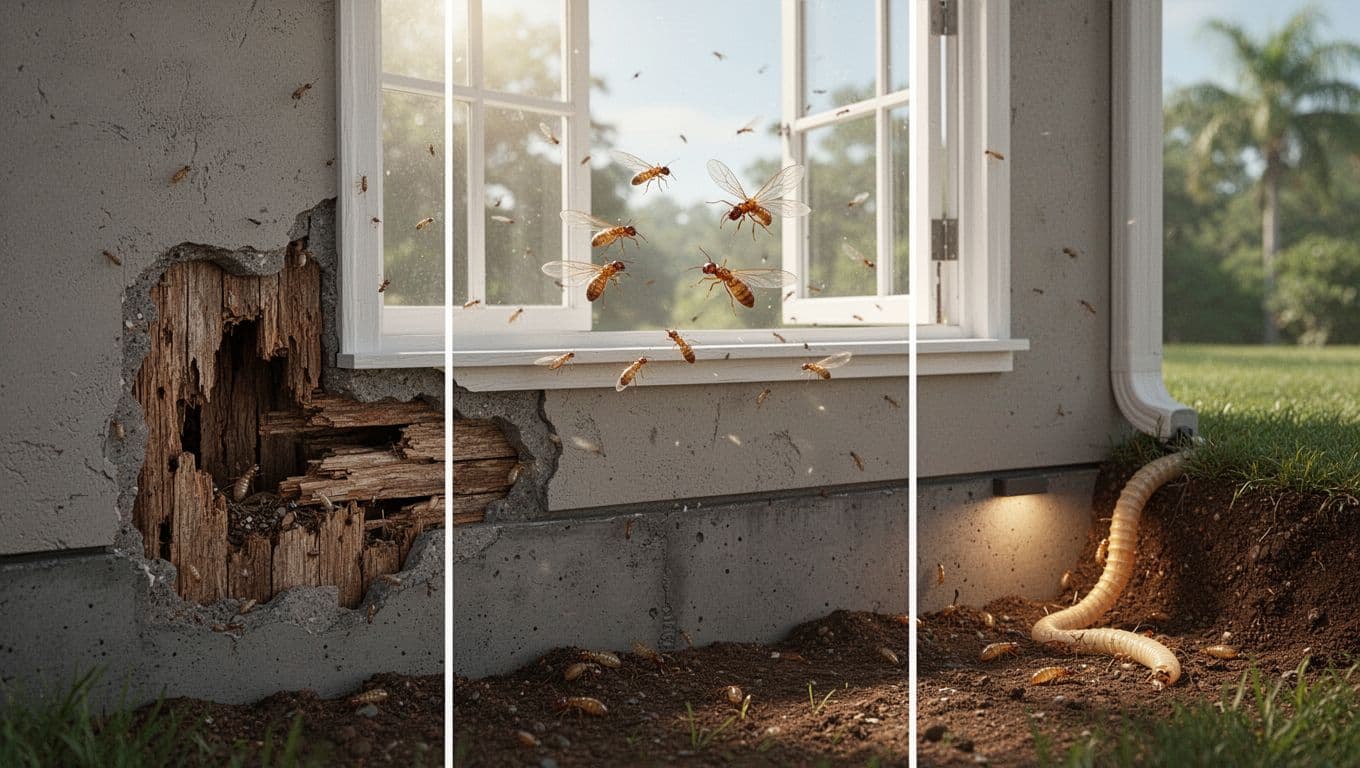
Florida homes can face more than one termite colony over time. A previous treatment may have handled documented activity, while another colony later finds a different path into the structure.
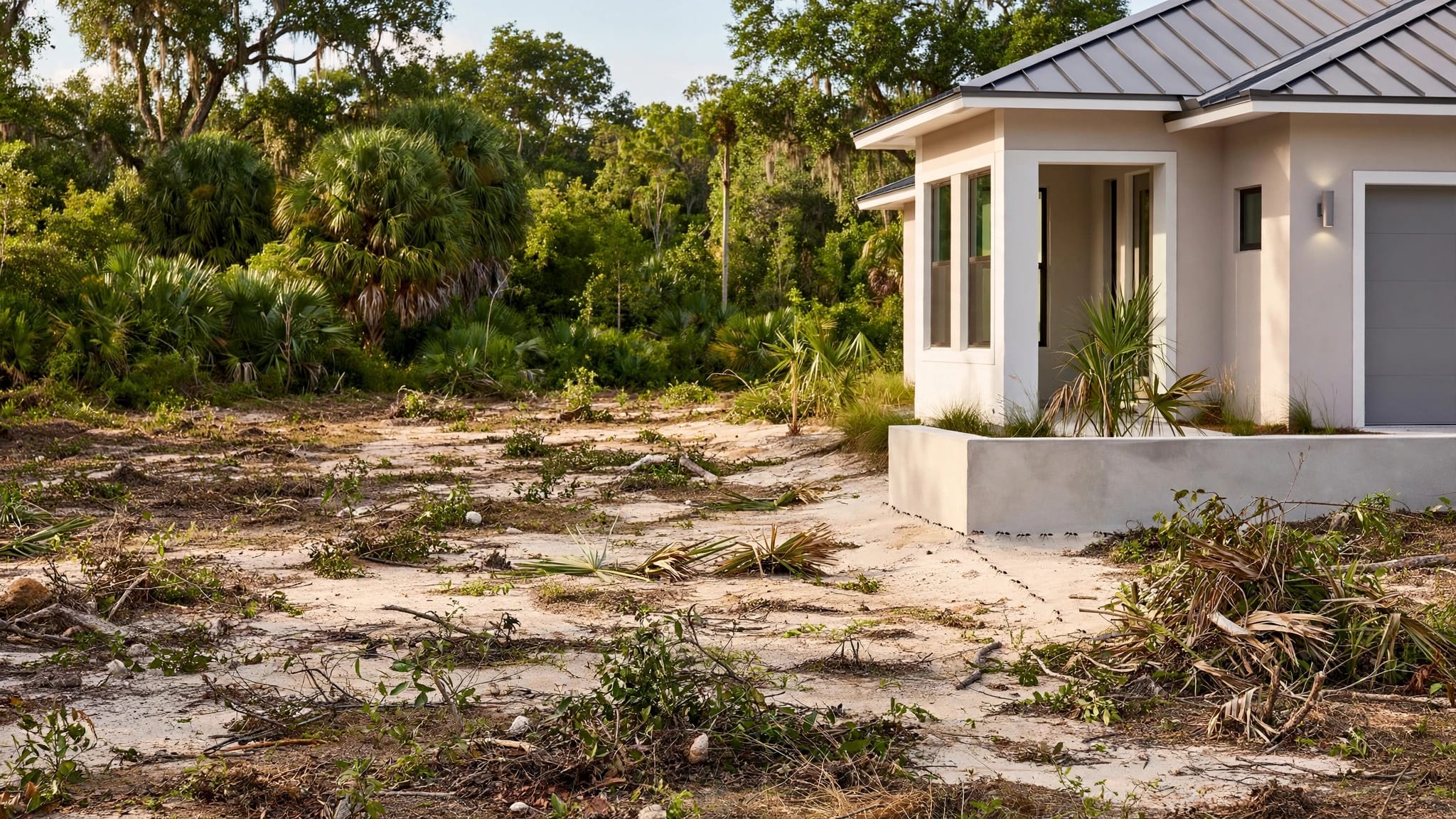
This is more likely when landscaping hides the slab edge, irrigation wets the wall daily, or wood and mulch sit close to the home. Pool decks, lanais, additions, attached garages, and pavers can also limit access to important inspection areas.
Treatment scope matters as much as the method
Ask where treatment occurred and what areas weren't accessible. A localized drywood termite treatment may not address a separate colony in another section of framing. Likewise, a perimeter treatment needs inspection access around the foundation.
Homeowners comparing approaches can review termite bait stations versus liquid treatments to understand how the two methods differ. The best option depends on termite species, construction, active evidence, and the areas a technician can reach.
What to Do When You See New Termite Signs
Avoid spraying, scraping away mud tubes, or sealing an opening before the inspection. Those steps can remove evidence and make it harder to trace activity. Take clear photos, note the room and date, and save any wings or pellets in a small container if practical.
Then contact the company that performed the treatment. Provide the service date, inspection report, warranty paperwork, and photos. Ask for a written explanation of what the technician found, what follow-up is recommended, and whether the proposed work falls within your agreement.
Check the conditions around your home
You can't remove every termite risk in Florida, but a few maintenance habits help keep inspection points visible:
- Keep mulch, leaf litter, firewood, and untreated lumber away from exterior walls.
- Direct downspouts away from the slab, and repair leaking hose bibs or irrigation overspray.
- Leave termite stations, drill plugs, cleanouts, and drainage features accessible.
- Schedule periodic inspections, especially after renovations, patio work, or a moisture problem.
For more local maintenance guidance, see these Cape Coral termite prevention and control tips.
Townhome owners should also report signs to their association or property manager. Termites can move through connected walls and shared building areas, while governing documents may assign inspection, treatment, and repair duties differently.
Know What the Evidence Means
Seeing termites after treatment deserves a careful response, but it doesn't automatically mean your home has the same problem again. Old damage, outdoor swarmers, missed activity, and a new colony can look similar at first.
A thorough inspection separates those possibilities and gives you a clear next step. In Florida, ongoing observation and accessible inspection areas are often as important as the original treatment.
Schedule a Free Inspection: