How to Keep Rodents Out of Florida Compost Bins
Keep rodents out of Florida compost bins by keeping the container closed, containing food scraps, cleaning spills, and removing nearby shelter. A rodent-proof compost routine depends on consistent maintenance , especially after heavy rain.
Florida's warmth, humidity, and dense vegetation make outdoor pest prevention a year-round responsibility. Even careful composting needs support from clean trash storage and tidy feeding areas.
Start with the container, then work outward through the yard to remove the conditions that keep rodents nearby.
Key Takeaways
- Keep the compost container closed between uses, and repair damage that leaves openings.
- Clean up dropped scraps promptly, contain other outdoor food sources, and inspect the area after rain.
- If rodents are already present, pause compost additions and address the activity before resuming your routine.
Prevention works best across the whole property. An overflowing trash cart, spilled birdseed, or unattended pet food can undermine an otherwise careful compost routine.
Build a Rodent-Proof Compost Routine
A secure container needs daily attention. Wear, debris, and rushed handling can leave openings that weren't there when you first set it up.
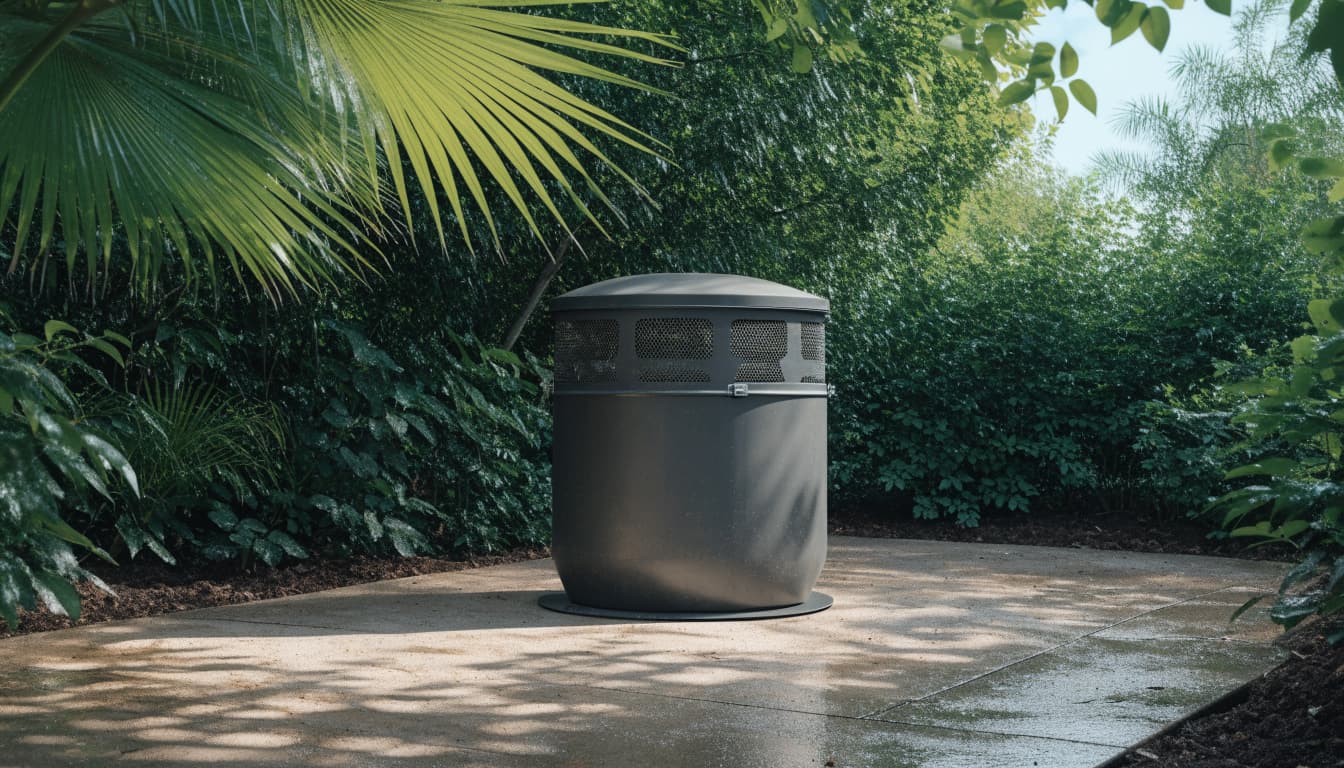
Close the container after every use
Make closing the lid part of each trip outside. Don't leave the container open while you finish another garden task.
Clear debris from the rim so the lid can sit fully in place. Also, avoid overfilling the container to the point that its cover stays partly open. If you can't close it, stop adding material until there's room.
Before walking away, look around the opening for scraps that landed outside during emptying.
Inspect damage and nearby access routes
Look for cracks, separated components, worn edges, and fresh chewing. Repair or replace damaged parts rather than treating a partly closed container as secure.
Then inspect the surrounding property. Dense groundcover, stored materials, and gaps around building utilities deserve attention. Keep the compost area accessible so you can inspect it without moving a pile of belongings.
For waterfront properties, our guidance on rodent prevention around seawalls covers nearby routes and shelter that can complicate yard-wide prevention.
Plan for Florida Rain and Humidity
Heavy rain can scatter debris, hide spills, and leave water around outdoor storage areas. Meanwhile, fast-growing vegetation can make an inspection spot difficult to reach.
You need a location you can maintain throughout the rainy season.
Keep the area visible and accessible
Choose a spot where you can reach the container easily and see its exterior. Avoid surrounding it with stored pots, unused fencing, or dense brush.
Trim vegetation that prevents you from inspecting the ground and nearby structures. Also, keep access clear enough to carry a scrap container without spilling it.
Good visibility makes new damage easier to notice. It also helps you distinguish fresh activity from older marks or ordinary garden debris.
Add a post-rain inspection
After a downpour, look for displaced material, uncovered trash, and water collecting in buckets or unused containers. Remove those water sources where practical.
Pay attention to runoff that carries waste into less visible corners. Clean those areas rather than rinsing the mess farther into the yard.
Following a storm, inspect the compost container before adding more material. A shifted cover or newly damaged component needs attention first.
Handle Food Scraps Without Leaving a Trail
Food handling matters before you reach the compost bin. A leaking kitchen pail or spilled transfer can leave accessible waste along the route.
Keep collection, transport, and cleanup part of the same routine.
Contain scraps until you're ready
Use a closed collection container indoors, and empty it deliberately rather than leaving an uncovered pail outside for later.
If you can't finish the trip, keep scraps contained indoors. Refrigerating or freezing collected scraps can help when outdoor handling must wait.
Bring only what you can transfer without overfilling. Afterward, clean the collection container, including residue around its rim and underside. Don't leave the dirty pail beside the compost area overnight.
Keep finished compost handling separate from scraps waiting to be added. That separation also makes accidental spills easier to spot and remove.
Remove competing food sources
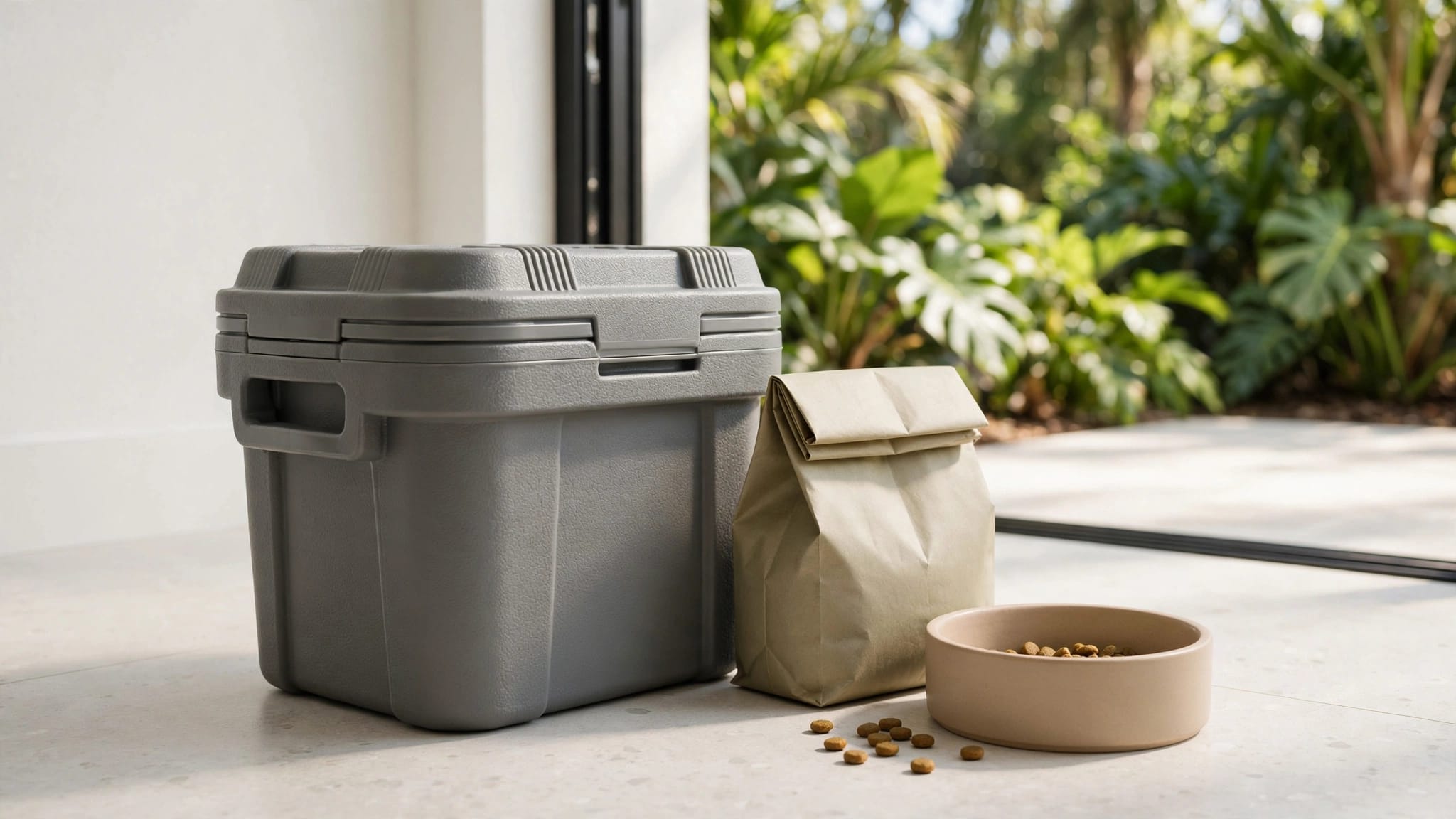
Pick up fallen fruit, clean spilled birdseed, and bring pet food indoors after feeding. Store dry pet food in a closed container.
Trash needs the same attention. Keep cart lids closed, contain food waste, and clean residue between collections. A lid held open by overflowing bags leaves waste exposed.
Outdoor cooking areas also deserve attention. Our outdoor kitchen pest prevention guidance addresses grill residue and other food sources near patios.
Clean Spills Before They Become a Routine Food Source
Clean up dropped scraps when they happen. Waiting until the next compost trip gives animals more time to reach them.
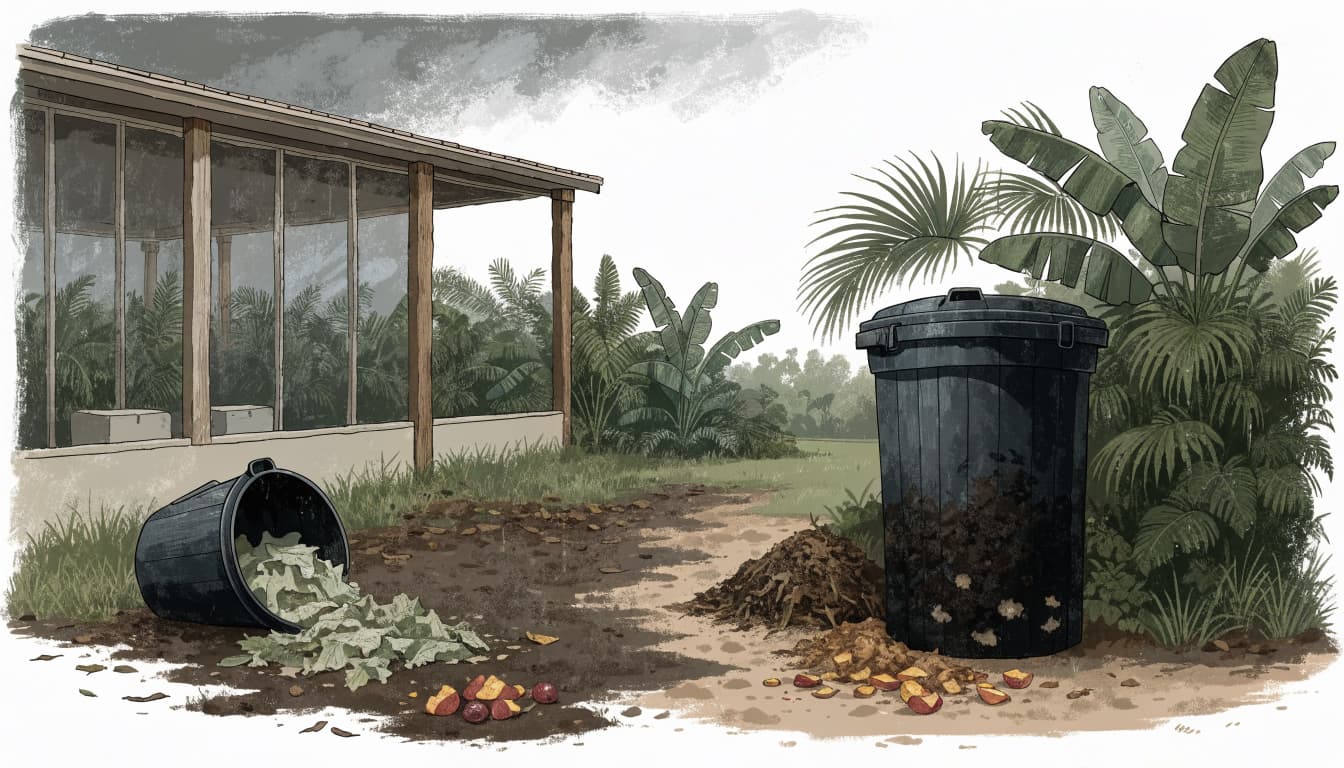
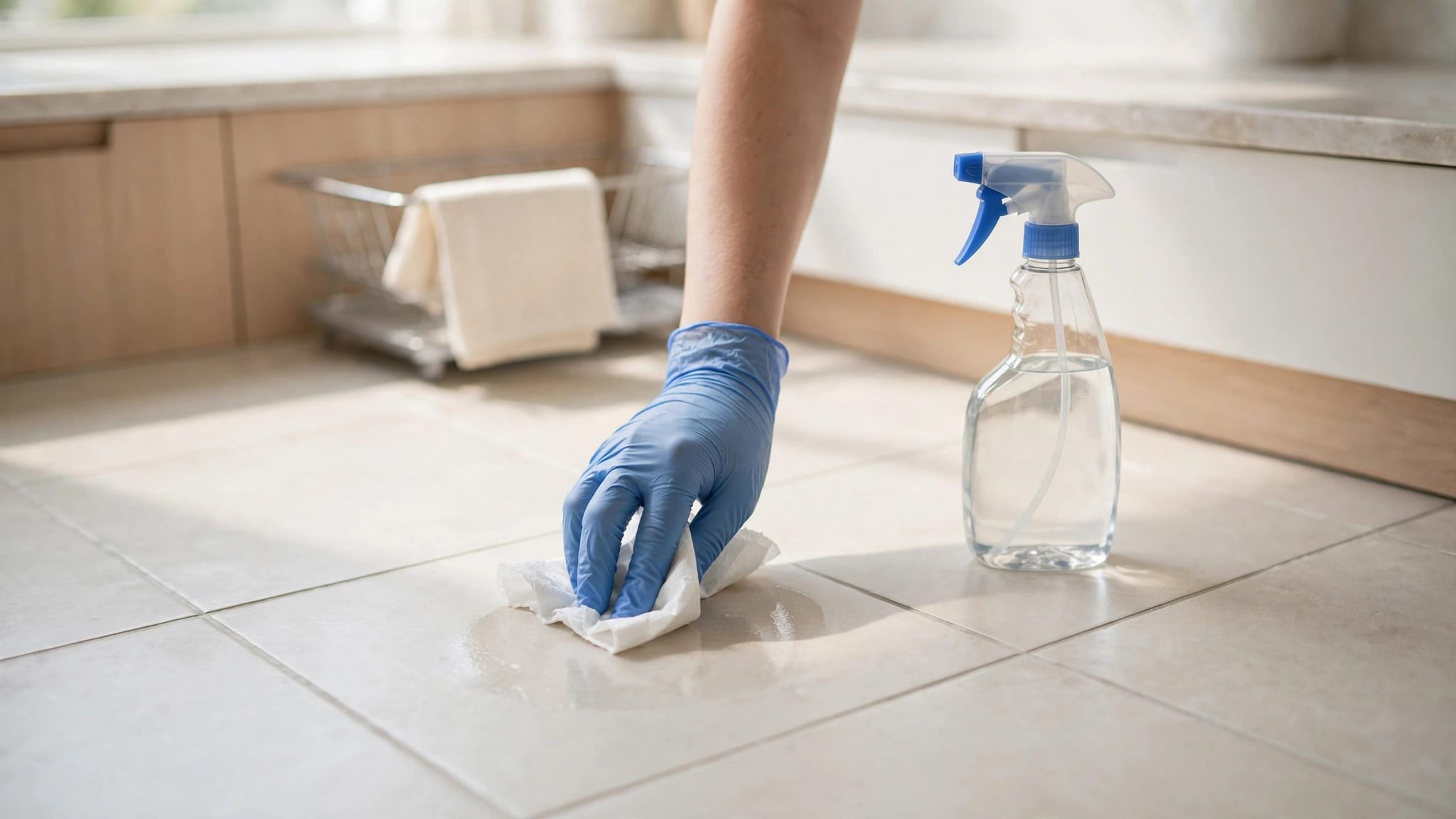
Pick up solid material first. Then clean residue from washable collection containers and surrounding hard surfaces. Don't hose scraps into mulch, storm drains, or a nearby planting bed.
Include the places you touch during the trip. Residue can remain on handles, tools, or the outside of a collection pail.
However, rodent droppings require a different cleanup method . Keep children and pets away, wear gloves, and wet droppings on hard surfaces with an appropriate disinfectant before removal. Follow the product's contact time and surface directions.
Never dry-sweep or vacuum rodent droppings. Disturbing dry waste can release contaminated particles into the air.
Don't pour disinfectant into compost or garden soil. Extensive contamination calls for professional cleanup guidance.
Distinguish Rodents From Other Backyard Visitors
A disturbed container doesn't identify the animal responsible. Several Florida backyard visitors investigate outdoor waste areas, and their signs can overlap.
Look for patterns rather than making a diagnosis from one scattered scrap.
Rats, mice, and squirrels
Rats and mice can leave droppings, gnaw marks, and repeated travel routes. Greasy rub marks may appear along surfaces they regularly contact.
Roof rats climb well, so activity above ground doesn't rule out rodents. Likewise, ground-level activity alone doesn't identify a Norway rat.
Squirrels are rodents too. Their daytime visits can differ from the nighttime activity homeowners often associate with rats and mice. Missing scraps by themselves won't distinguish these animals.
Photograph signs without touching them. Note where and when you see activity so a professional has useful information to assess.
Raccoons, opossums, and compost organisms
Raccoons and opossums aren't rodents, although both may investigate outdoor waste. Larger disturbances can suggest a bigger visitor, but they don't prove its identity.
Meanwhile, worms and insect larvae belong to a different category. Their presence doesn't establish a rodent problem.
A motion-activated camera can help identify nighttime visitors without approaching them. Position it toward the container and surrounding approach, while respecting neighboring properties.
Don't handle wildlife or corner an animal inside the container.
What to Do if Rodents Are Already Present
Fresh droppings, repeated sightings, or an active nest deserve more than another round of tidying. Take a measured approach that protects people, pets, and wildlife.
- Pause food-scrap additions. Keep new scraps contained indoors while you address the activity.
- Remove accessible food elsewhere in the yard, including spilled seed, fallen fruit, and exposed trash.
- Keep people and pets away from suspected nests or heavily contaminated areas.
- Arrange an inspection if activity continues, animals are nesting, or signs extend toward the home.
Don't stir a suspected nest, flood a burrow, or seal an occupied opening. Those actions can injure animals or force them into another location.
Avoid casually moving an occupied compost container. Disturbing it can expose you to contaminated material or bring you close to a cornered animal.
Address the whole property
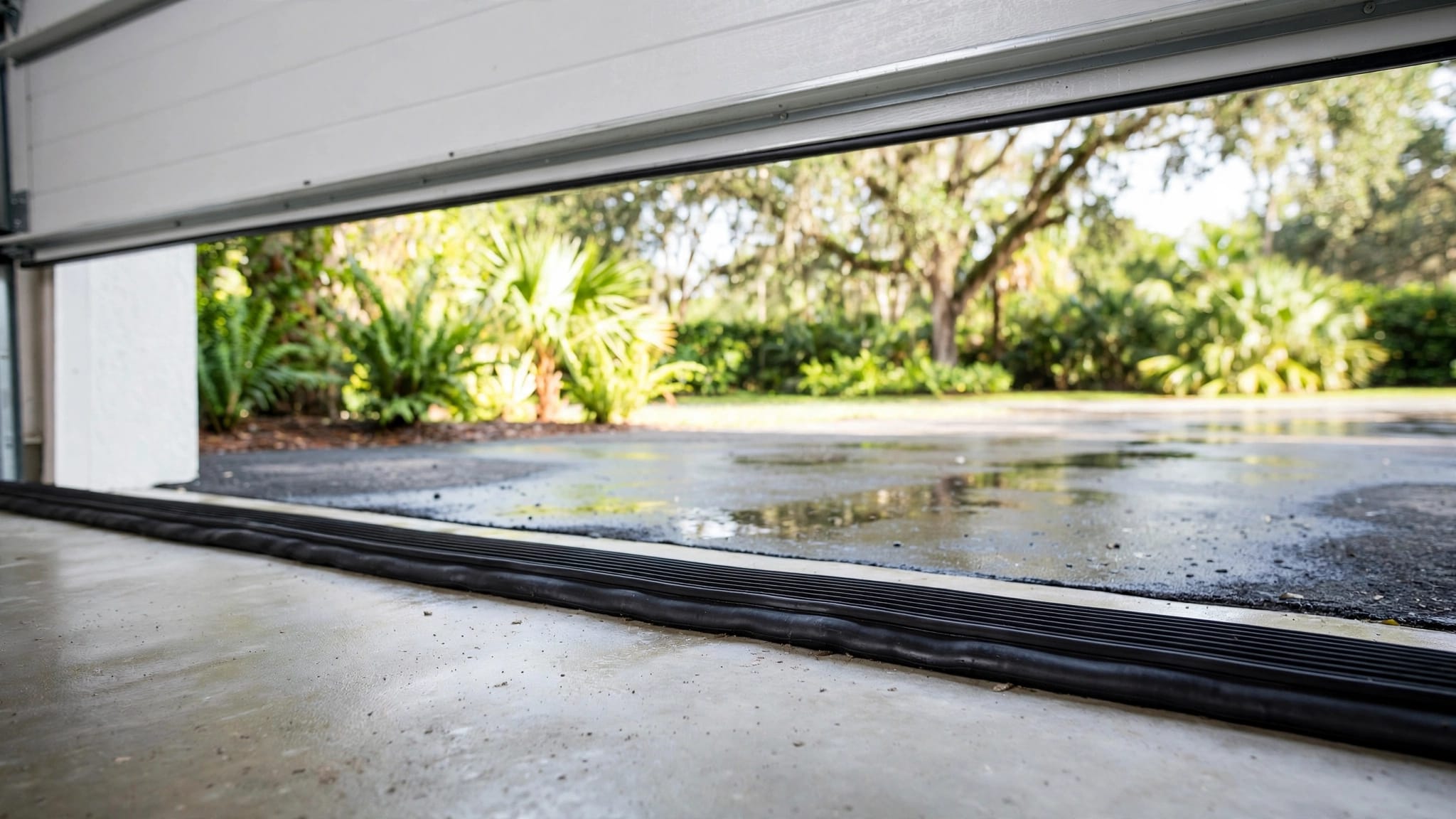
An inspection should cover travel routes, hiding places, and building entry points. Droppings near a garage or utility opening may indicate a problem beyond the compost area.
Our ECO Rodent Shield service includes inspection, exclusion, and sanitation as part of a poison-free rodent-control approach.
Resume after the problem is addressed
Before resuming normal use, address damaged components, remaining spills, and nearby food sources. Keep watching for fresh signs afterward.
Avoid poison around the compost area. It can expose pets and wildlife to harm, and it doesn't repair openings or remove the conditions supporting rodent activity.
Frequently Asked Questions
Does a closed compost bin guarantee no rodents?
No container guarantees a rodent-free yard. Keeping it closed reduces access, but surrounding food sources, damage, and nearby shelter still matter. Continue inspecting even when you haven't seen an animal recently.
Should I move the bin after seeing a rat?
Moving it alone won't address other food sources or shelter. First determine whether the animal was passing through or whether repeated activity is occurring. If you suspect an occupied nest, leave the container undisturbed and seek professional help.
Can I rely on peppermint oil or ultrasonic repellents?
Don't make either one your main prevention method. They don't remove food, repair damage, or block entry routes. Put your effort into containment, sanitation, and exclusion, with professional help for ongoing activity.
Does one sighting mean an infestation?
One sighting doesn't establish an infestation. However, repeated sightings, fresh droppings, gnawing, or nesting material warrant closer attention. Record the location and timing rather than assuming the compost container is the only problem area.
Keep Composting Without Supporting Rodent Activity
The strongest prevention routine combines a closed container with clean surroundings . Prompt spill cleanup and post-rain inspections help you catch problems before they become harder to manage.
If rodents are already present, pause additions and address their access, food sources, and shelter. A well-maintained compost area belongs within a yard-wide prevention plan that protects your home, pets, and local wildlife.
Schedule a Free Inspection: