Norway Rats in Cape Coral Seawalls and Dumpster Areas
Norway rats in Cape Coral show up where water, shelter, and food come together. That makes seawalls, dumpster pads, alleyways, dock edges, and service lanes a strong match for them.
For homeowners, HOAs, marina-adjacent properties, restaurants, and other businesses, the pattern is familiar. A few signs appear near the water or trash area, then the activity spreads along the same route night after night.
The good news is that these rats follow habits. Once you understand those habits, you can cut off food, shelter, and access in a practical way.
Why seawalls and dumpster areas attract Norway rats
Norway rats are ground-level animals. They prefer cover, easy food, and a path that keeps them close to a wall, fence, or edge. In Cape Coral, seawalls and canal banks give them all three.
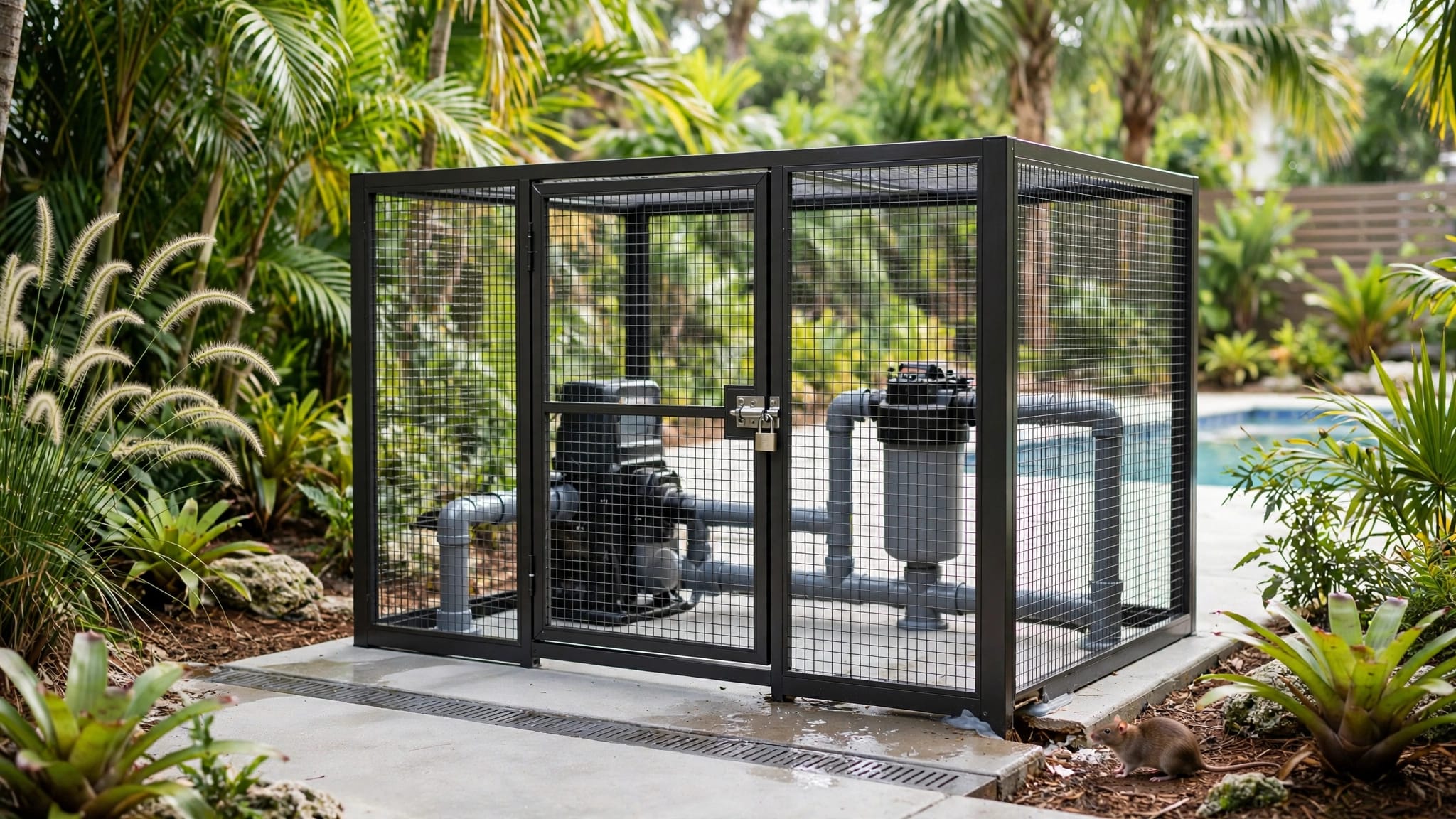
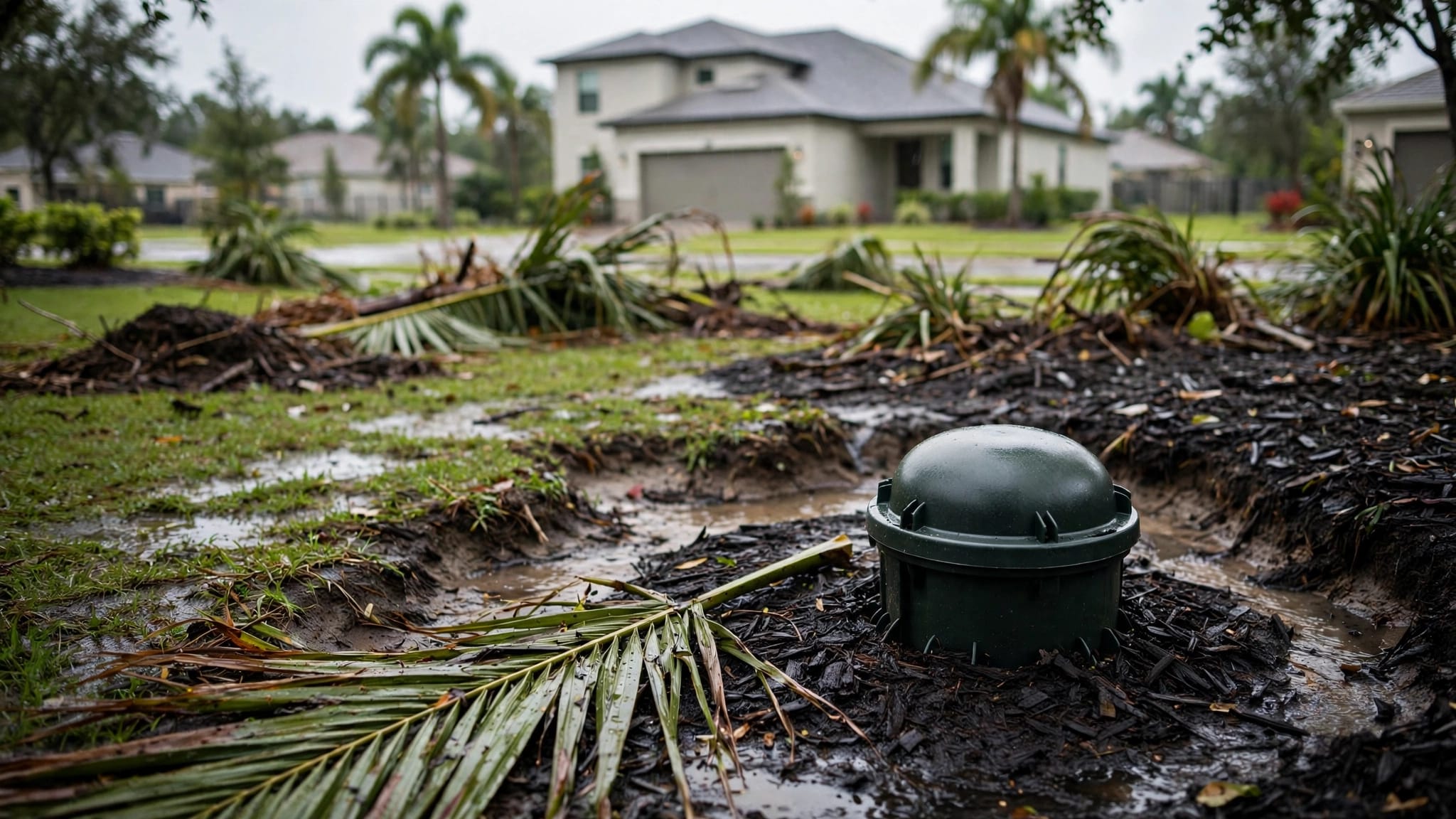
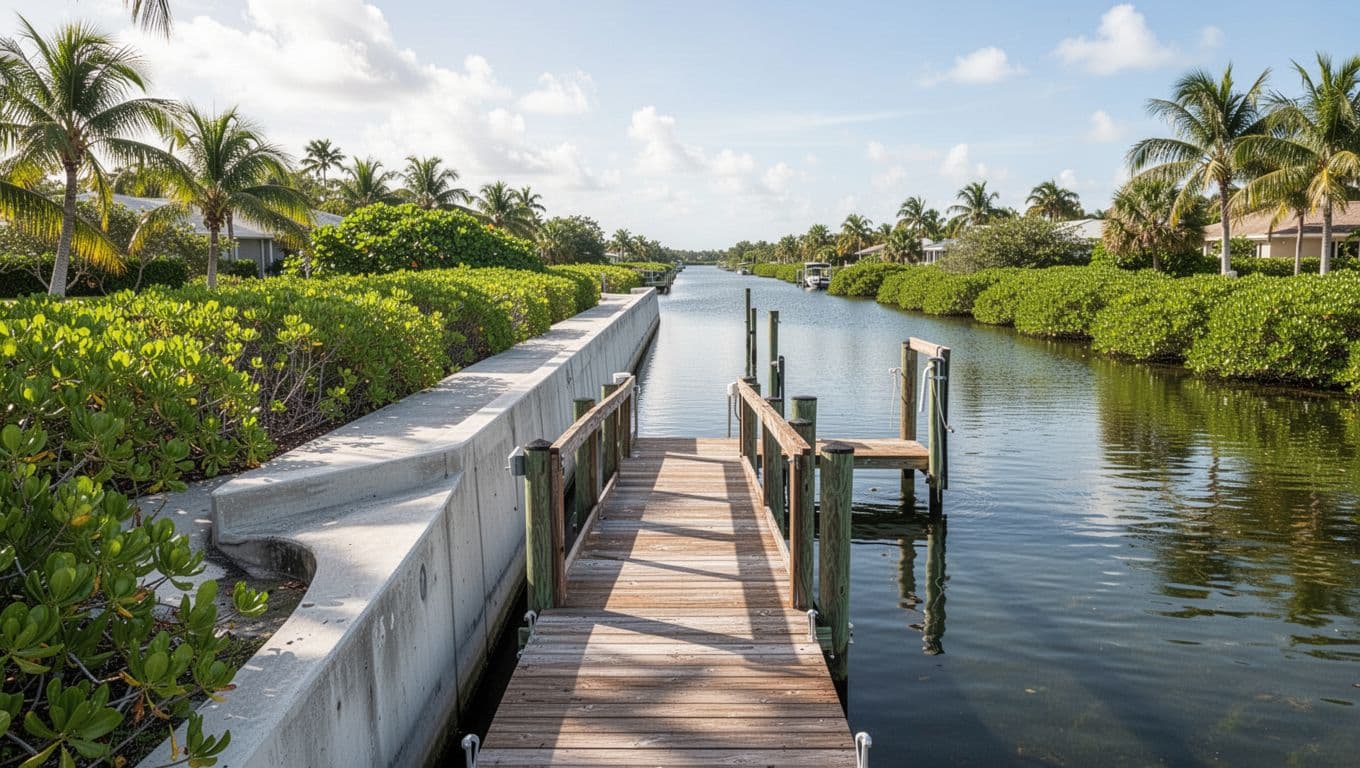
Along a seawall, they can move beside roots, riprap, stored materials, or thick plants. A dock or bulkhead adds even more cover. If there's a gap, burrow, or loose edge, they may use it as a nest site or travel lane.
Dumpster areas draw them for a different reason. Food waste, grease, cardboard, and spilled liquids can keep a site active long after closing time. Restaurants and fish-handling businesses often see this first, but homes and HOAs can have the same issue if trash sits out too long.
If a rat can travel, feed, and hide without crossing open space, the area becomes easy for it to use.
That's why perimeter problems matter so much. A rat behind a dumpster may not live there full-time. It may simply use the spot as a stop on a larger route between food and shelter.
Signs the rats are using docks, alleyways, and building edges
Early signs often show up where people don't look first. That includes the back of the property, the base of a seawall, or the space beside a dumpster enclosure.
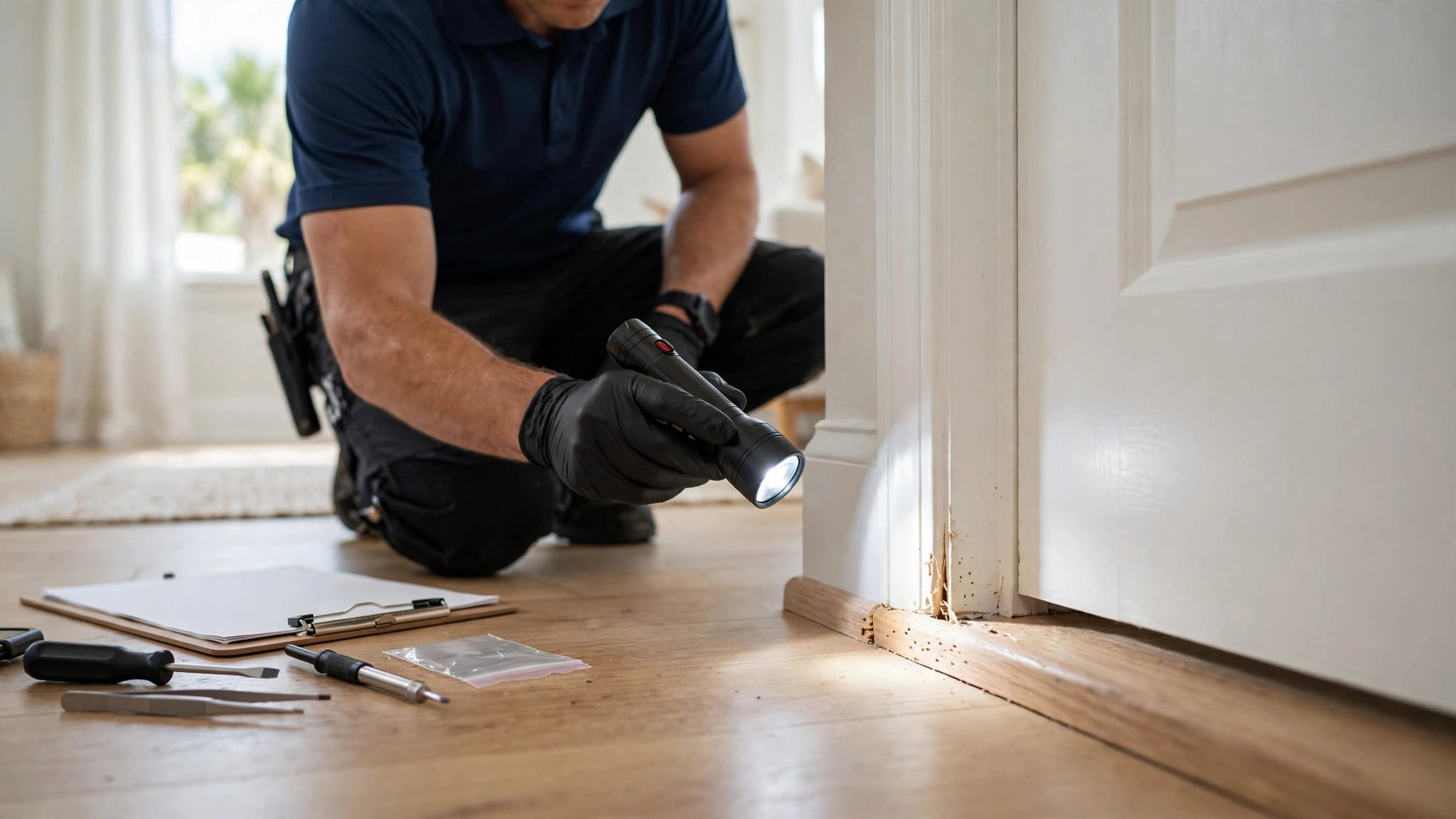
Watch for dark, pellet-shaped droppings near walls, under pallets, or around dock corners. Fresh gnaw marks on trash bags, hoses, wood trim, or bin lids also point to active feeding. Greasy rub marks along pipes or wall edges are another clue, because rats leave body oils behind as they travel the same route.
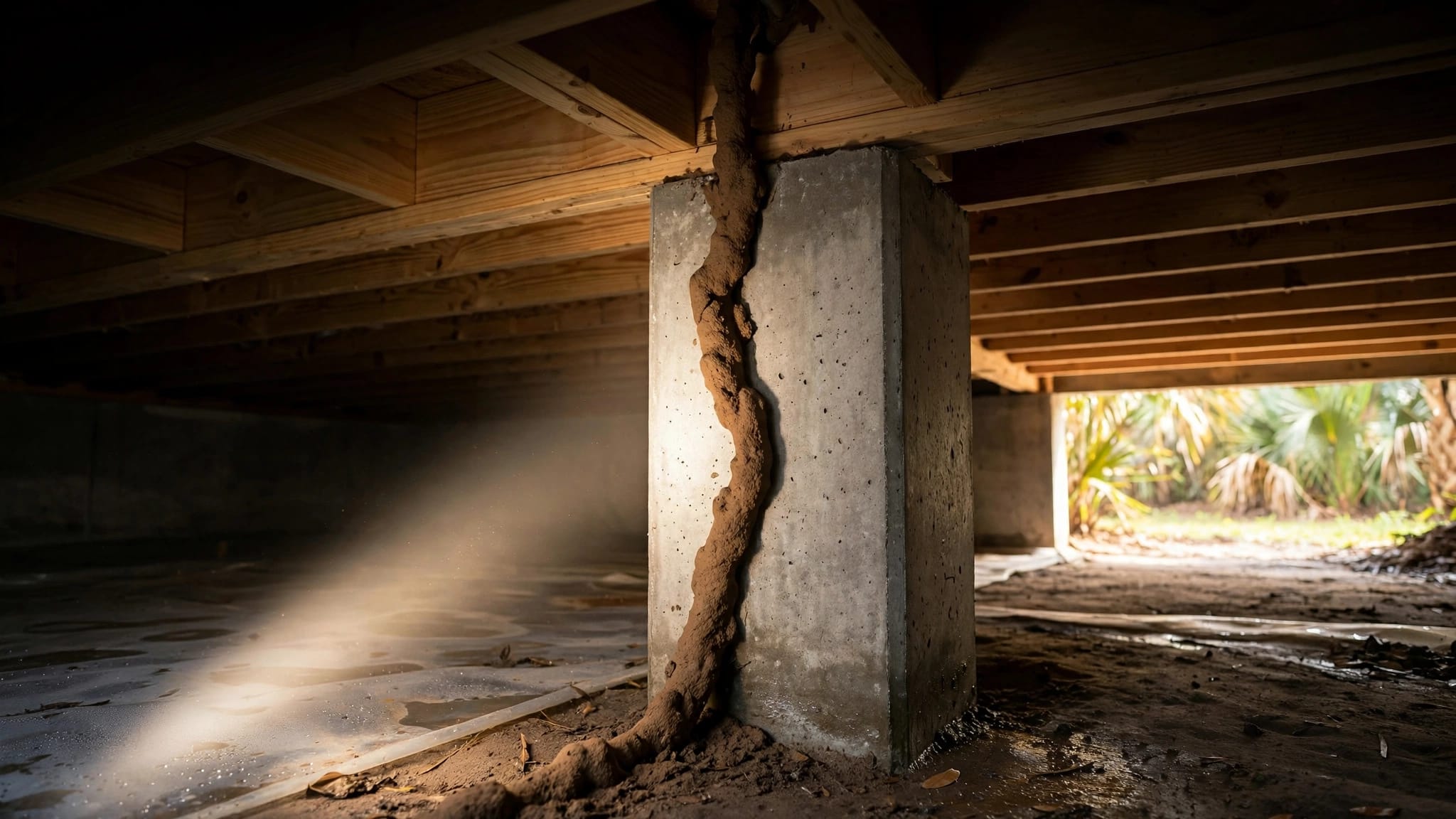
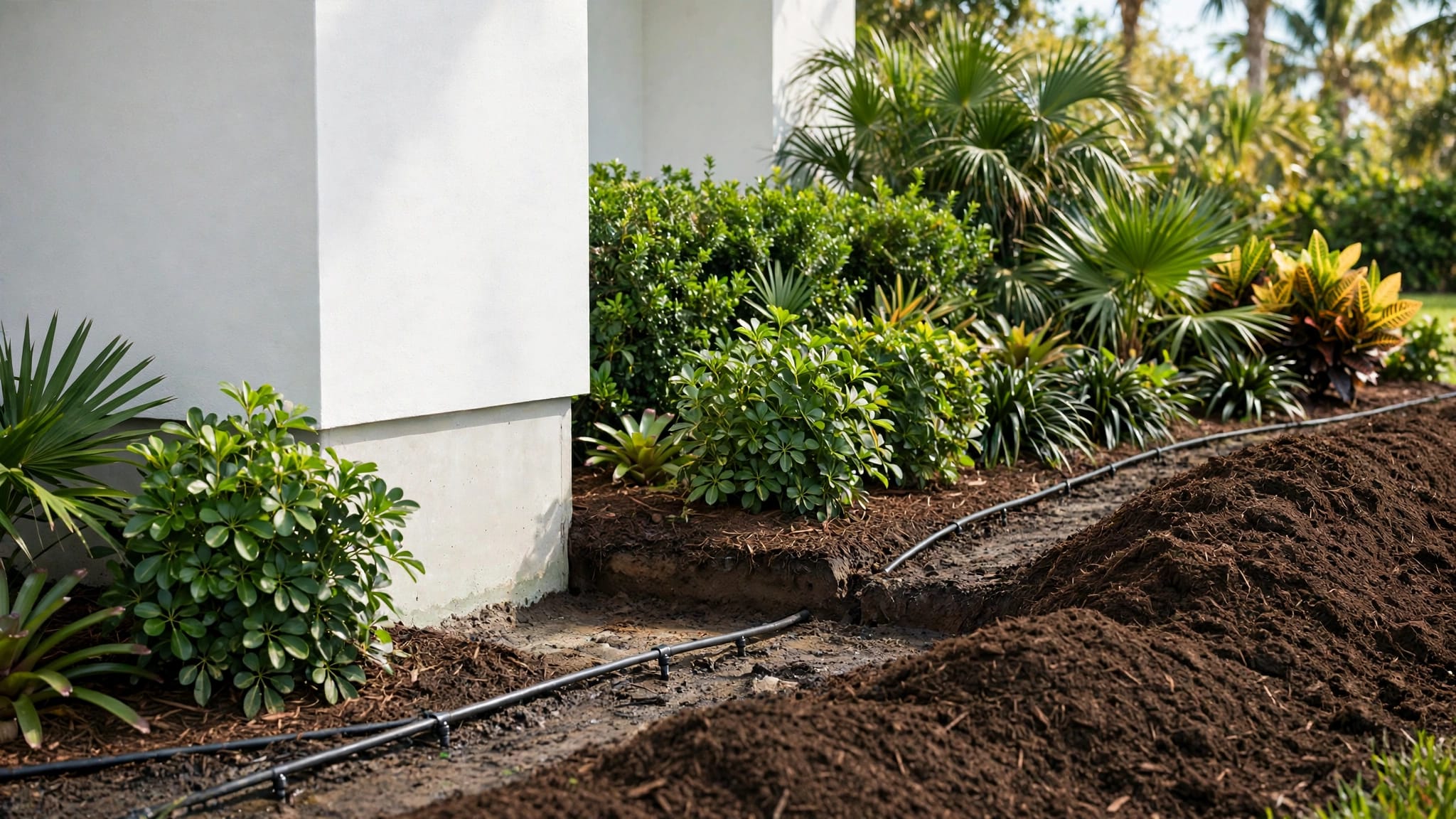
Burrow holes are a bigger concern. Norway rats often dig into soft soil near retaining walls, planters, stored materials, or cluttered fence lines. Around canals, they may use the protected soil near the back edge of the seawall or a landscaped strip next to it.
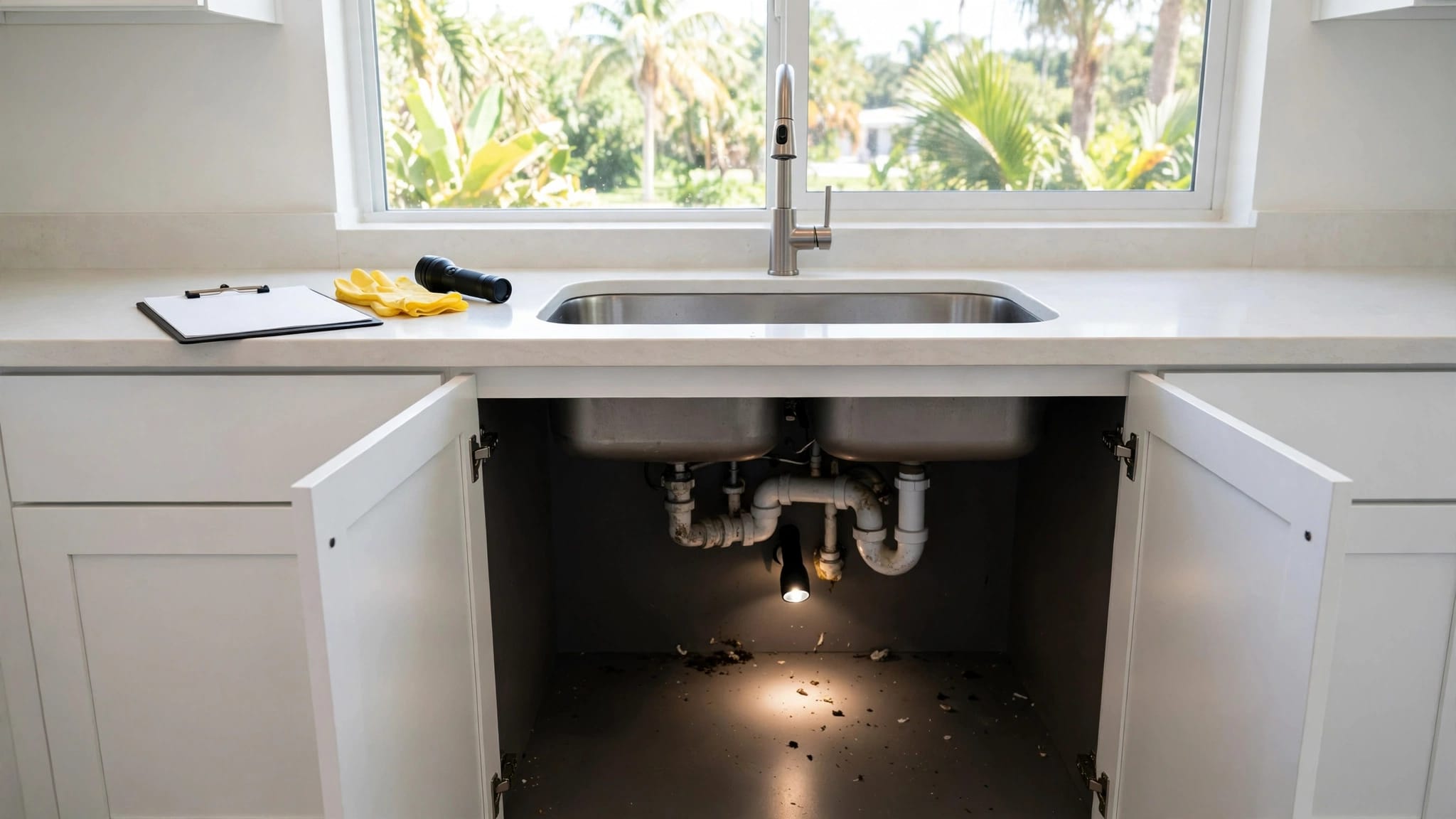
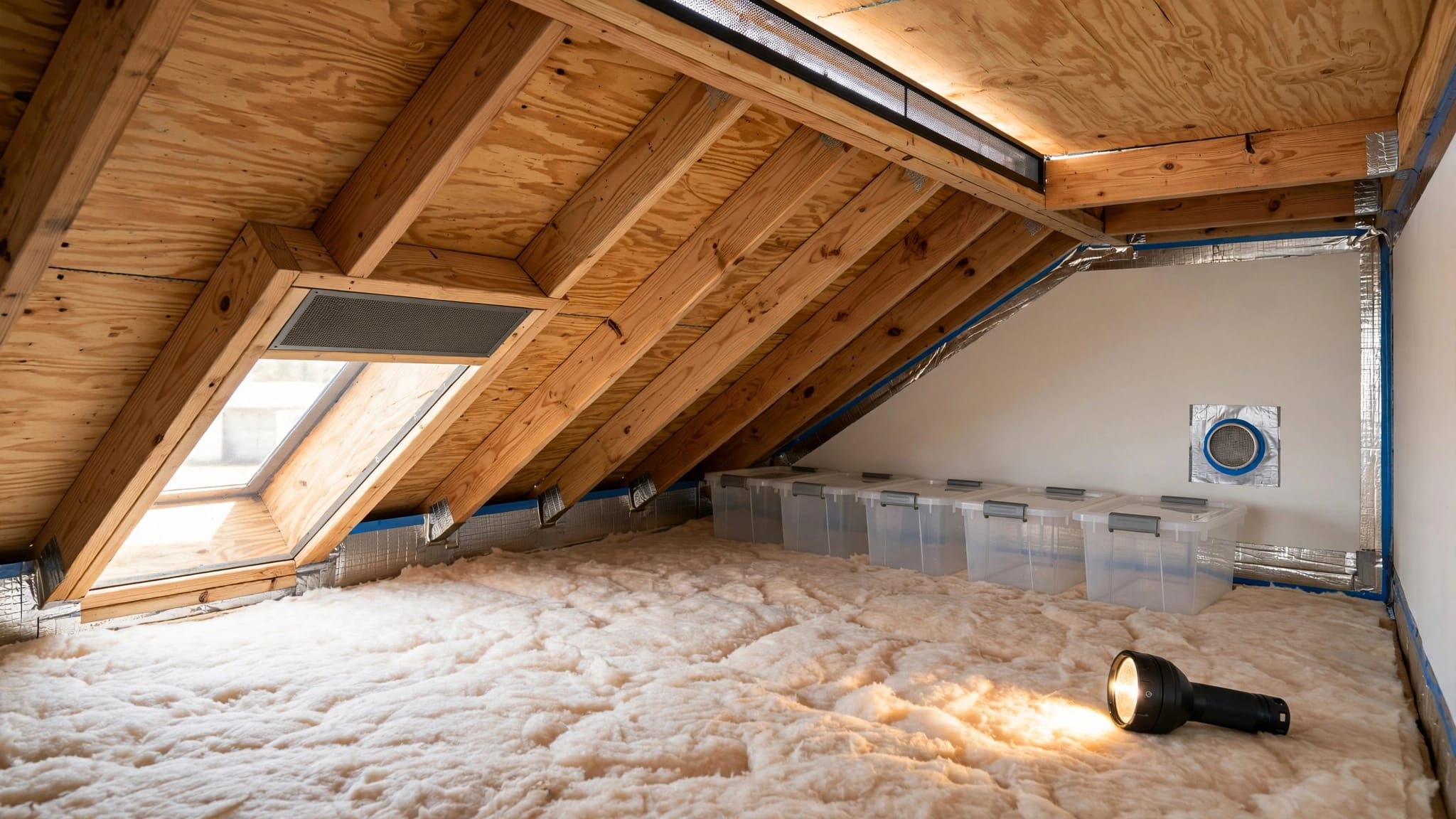
Noises can help too. Scratching after dark, movement in ceiling voids, or activity near utility runs often means the rats are using the structure, not just passing through it.
The key is to look for patterns, not one-off signs. A single droplet of waste or one loose bag is a nuisance. Repeated activity in the same corner means the route is active.
Sanitation habits that make a big difference
Food reward is the easiest thing to remove. When trash, grease, and leftovers are managed well, rat pressure drops fast.
Start with the dumpster area. Lids should close tightly, and the dumpster should not overflow. Spills need cleaning before the next pickup, not days later. Grease around compactor pads or loading areas should get scrubbed on a set schedule.
For homes and smaller properties, the same idea applies to pet food, bird seed, outdoor grills, and produce scraps. Even a little food left out overnight can keep rats coming back. Restaurant patios, fish-cleaning stations, and outdoor prep areas need even tighter control.
A few habits help most:
- Keep dumpster lids closed and repair broken hinges.
- Move trash out on schedule, not early.
- Clean spills around bins, pads, and loading zones.
- Store food, feed, and recyclables in sealed containers.
- Rinse and dry bins when spills happen.
- Keep cardboard and loose materials off the ground.
For properties that want a poison-free approach, eco-friendly rodent control services can fit well with strong sanitation and exclusion. That works best when the food source is already under control.
Closing the gaps around seawalls and building perimeters
Sanitation removes the reward, but exclusion cuts off the path. That matters around seawalls, docks, alleyways, and building perimeters.
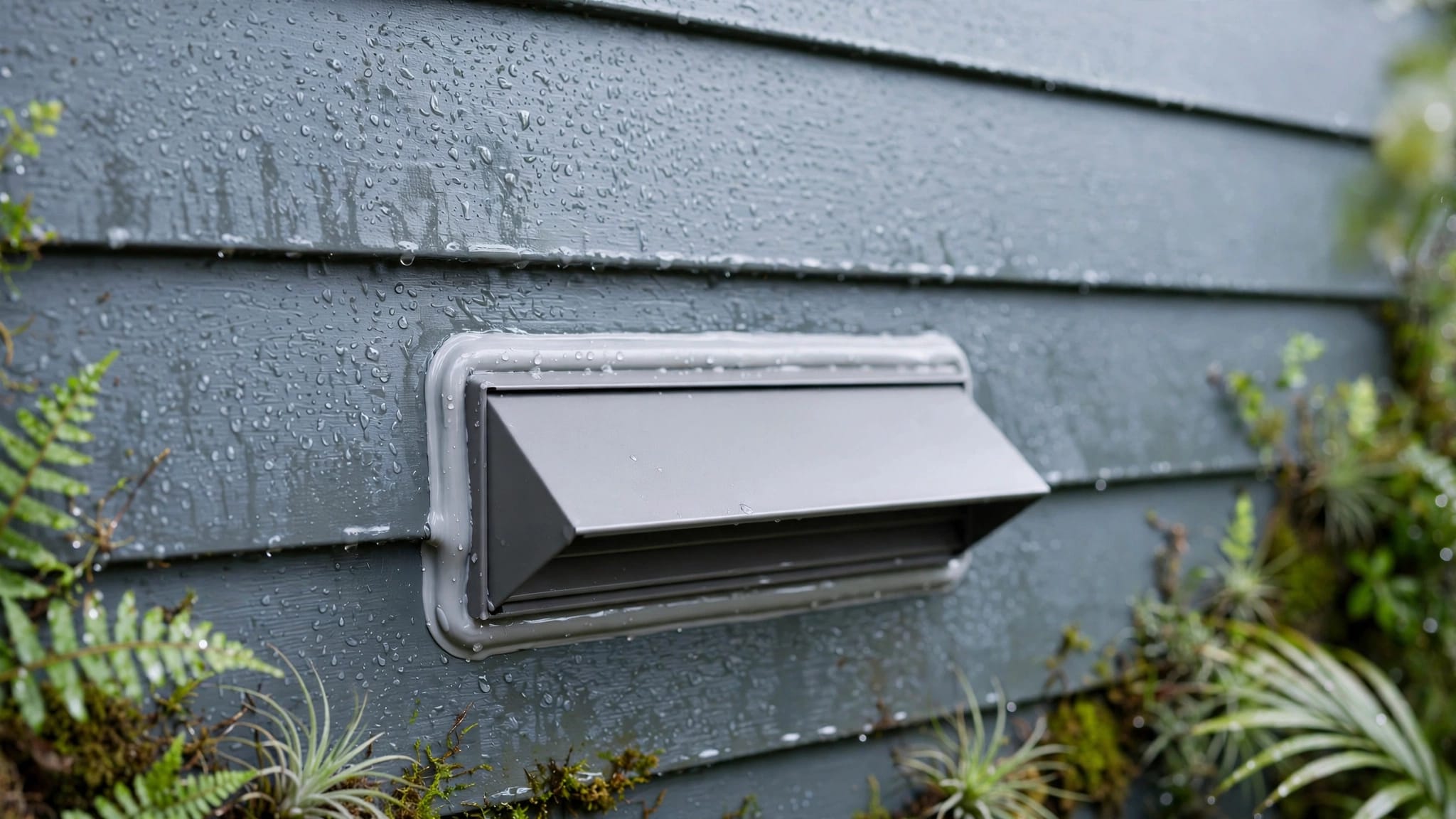
Look for openings where pipes, cables, and conduits enter the building. Check door sweeps, threshold gaps, vent screens, and utility chases. Around docks and seawalls, inspect spaces where settling, erosion, or wear has created a hidden entry point. Even a small gap can matter if the rat can squeeze through or widen it.
Vegetation also plays a role. Dense shrubs, groundcover, and stacked items give rats cover. Keep plants trimmed back from walls, fences, and storage areas. Clear out unused wood, old pots, broken pallets, and anything else that gives them a shaded hideout.
A strong exclusion plan is plain and steady. Seal openings with durable materials, maintain door and vent hardware, and keep the base of the structure visible. In other words, remove the hidden hallway.
For owners dealing with repeat activity, professional pest control and rodent removal services can help sort out where the rats are entering and where they're nesting.
A simple monitoring plan for different property types
Different properties face different pressure points, so the inspection routine should match the site. The same rat can use a home, a marina, and a restaurant in very different ways.
| Property type | Main risk area | Best weekly check |
|---|---|---|
| Homeowners | Seawall edges, yard clutter, pet food | Look for burrows, droppings, and gaps near the foundation |
| HOAs | Dumpster pads, common-area plantings, utility runs | Check trash enclosures, shrubs, and perimeter openings |
| Marina-adjacent properties | Docks, bait waste, storage corners | Inspect under dock surfaces, around hoses, and near bait or feed areas |
| Restaurants and businesses | Grease, back doors, loading zones | Review bins, delivery areas, and alleyways after closing |
The takeaway is simple. High-risk areas need a repeatable walk-through, not a one-time glance. A short weekly check catches fresh burrows, torn bags, and new entry points before they turn into a bigger job.
When the problem needs professional help
Some rat problems stay small. Others keep resetting because the source is still there. If you keep seeing fresh droppings, new burrows, or rats moving in daylight, the issue has likely moved past a cleanup task.
That's also true when the same alleyway, seawall section, or dumpster corner keeps producing signs after sanitation improves. At that point, trapping, exclusion, and a close inspection of the perimeter matter more than guesswork. The goal is to find the route, close it off, and reduce the pressure around it.
This is where a full inspection helps. A technician can check the dock line, seawall base, building edge, dumpster pad, and storage areas as one connected system. That matters because rats use the entire property, not just the one spot where you notice them first.
Conclusion
Cape Coral's seawalls, dumpsters, and service areas give Norway rats the three things they want most, food, cover, and a steady path. Once those pieces line up, they keep using the same route.
The best control plan is simple and steady. Cut off food waste, keep trash areas tight, trim cover, seal openings, and watch the edges of the property more closely than the center.
When you treat the perimeter as the main issue, the problem becomes easier to manage. That's the shift that makes a rat problem smaller instead of letting it spread.
Schedule a Free Inspection: