Palmetto Weevils in Cape Coral: Porch Lights and Palm Tree Risks
A big weevil at your porch light can feel like a random nuisance, but it may be a warning worth watching. In Cape Coral, adult palmetto weevils can show up around lights at night, while the bigger problem is often a palm tree that's already stressed, wounded, or declining.
That matters because the insect you see on the wall is only half the story. The real concern is usually the palm nearby, especially if it has been transplanted, over-pruned, storm-damaged, or hit by mower blades. A single sighting does not prove an infestation, so the best next step is a calm inspection from the ground.
Why porch lights bring adult palmetto weevils close
Porch lights attract more than mosquitoes and moths. They also pull in a wide mix of night-flying insects, including large beetles that may wander in from nearby palms.
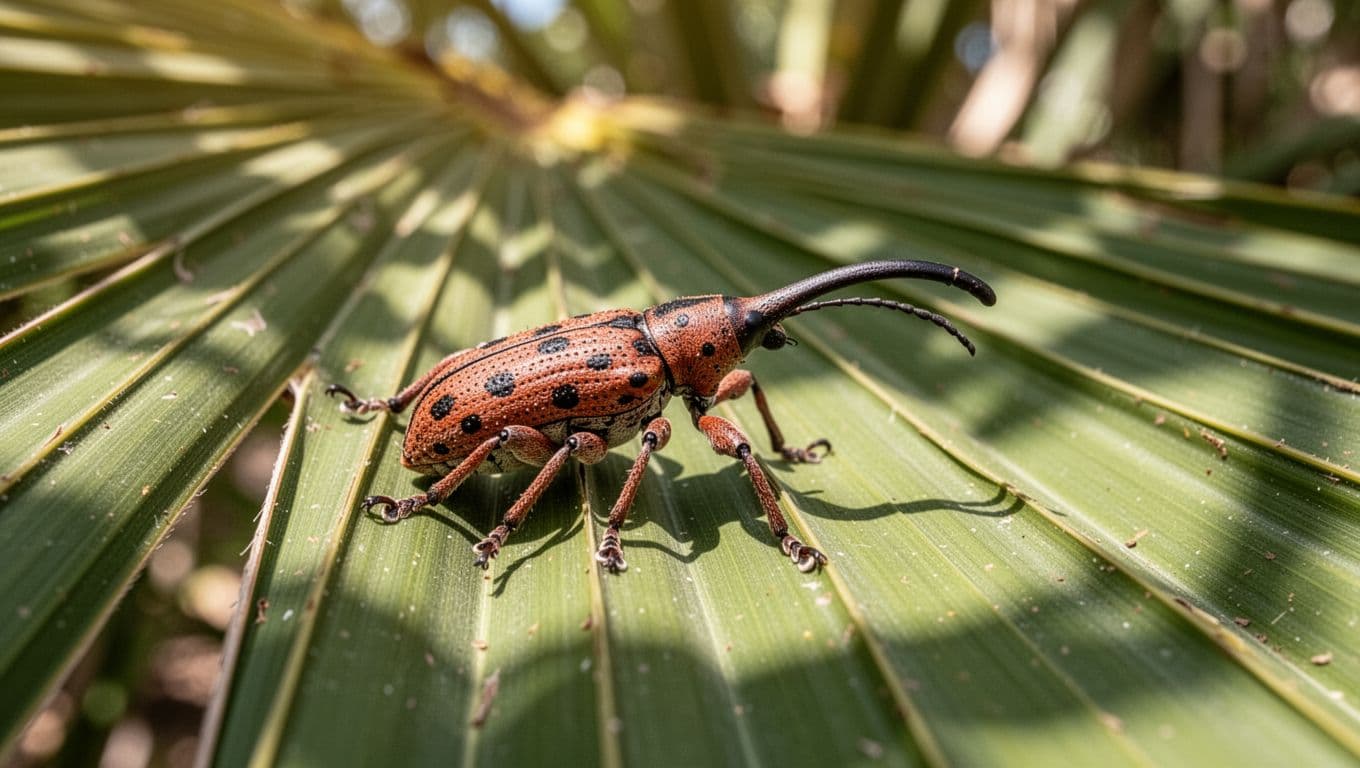
Adult palmetto weevils are easy to notice because they're large, dark to reddish-brown, and shaped differently from the smaller pests people usually see indoors. They have a long curved snout, and they can look dramatic under a bright light. That's part of why homeowners notice them so fast.
Still, the light itself is not the root problem. If a weevil is showing up at your porch, it may be coming from a nearby palm that needs attention. In other words, the porch light is often the spotlight, not the source.
If the insect seems smaller, flatter, or more oval, it may be something else entirely. For a quick side-by-side look at common look-alikes, see homeowner cockroach ID tips.
The real risk starts with stressed palm trees
Palmetto weevils usually target palms that are under stress. Healthy palms are less attractive, while injured or weakened trees are easier targets. That includes palms that have been recently transplanted, badly pruned, struck by equipment, or left with open wounds.
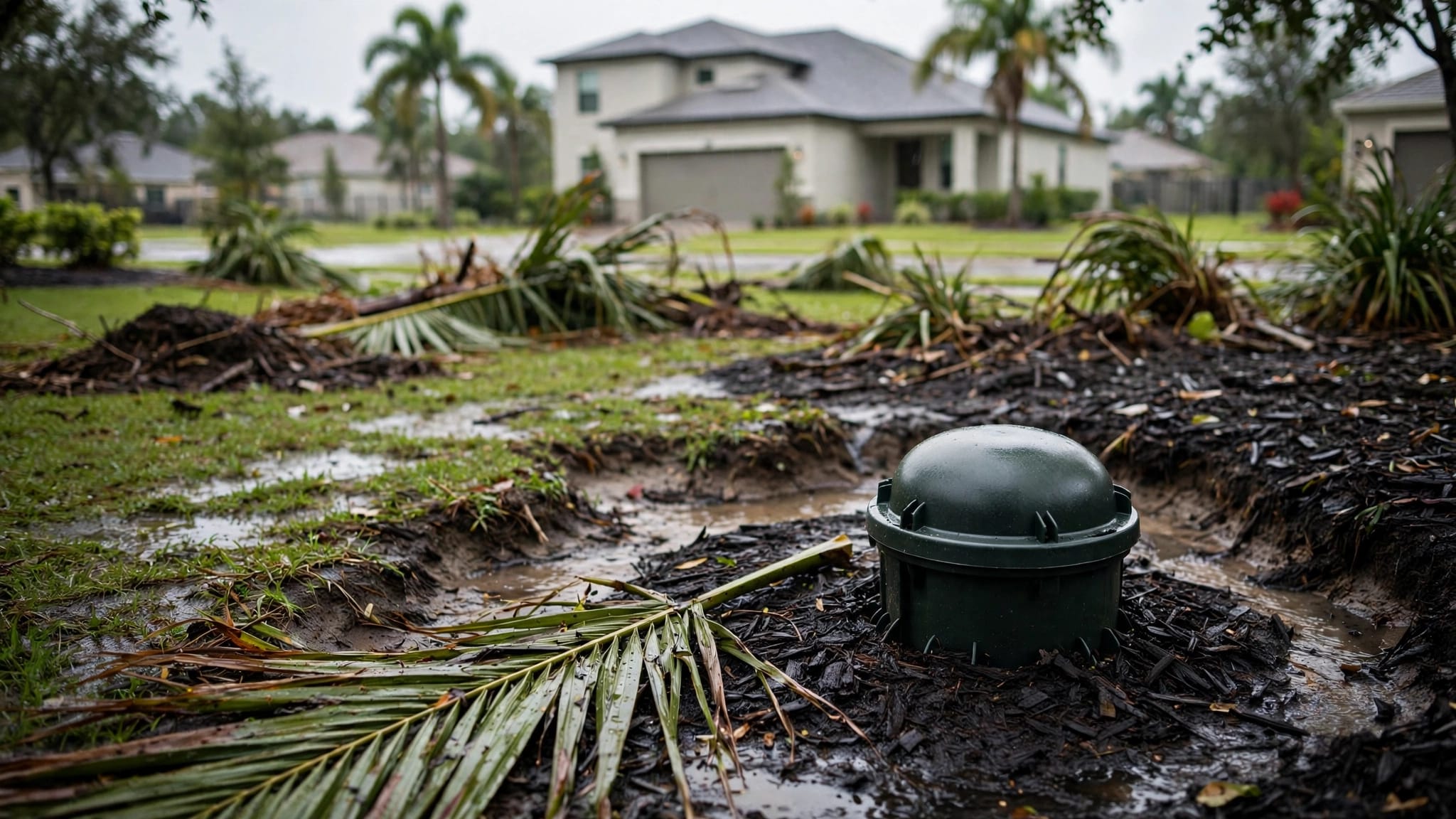
Cape Coral yards often have the right conditions for stress. Strong sun, wind, storms, compact soil, and irrigation problems all take a toll. Add a trunk scrape from a weed trimmer or a rough pruning job, and the palm becomes an easier target.
The female weevil lays eggs in wounded areas, often near the crown. The larvae then feed inside the tree, where you can't see them. That hidden damage is why the problem can move fast.
If the crown looks bad, the tree may already be past the easy-rescue stage.
UF/IFAS guidance puts a lot of weight on palm health. Proper pruning, good nutrition, and avoiding trunk wounds all help lower risk. Once a palm starts to collapse, though, the options narrow.
Signs a palm may be in trouble
A porch-light sighting matters most when the nearby palm starts showing stress. The clearest clues are often subtle at first, then more obvious later.
The table below gives a quick ground-level check.
| What you notice | What it may mean | Why it matters |
|---|---|---|
| Large weevil near a light | An adult may have flown from a nearby palm | It's a clue, not proof of infestation |
| Browning or drooping top fronds | The crown may be under stress | Internal damage can already be underway |
| Soft, dark, or foul-smelling tissue | Possible rot or feeding damage | This often points to serious decline |
| Sawdust-like material or fibers near the crown or trunk base | Possible larval activity or wound debris | It's a reason to inspect more closely |
| Recent transplant, over-pruning, or trunk injury | Higher risk for weevil attack | Stressed palms need faster attention |
The main point is simple. A single insect at the porch light may be harmless on its own, but the palm tells the deeper story.
Safe inspection steps you can do from the ground
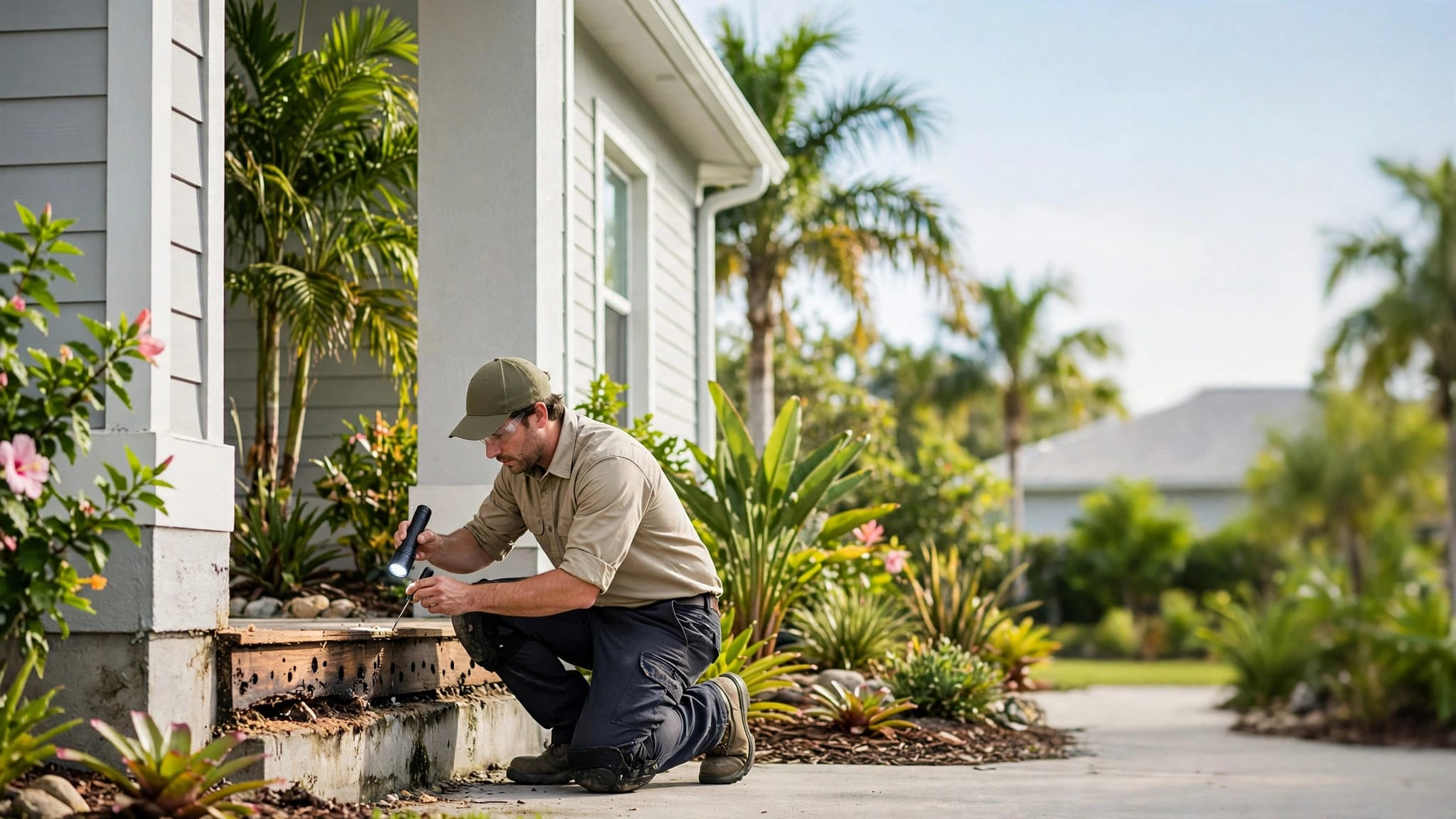
You do not need a ladder to catch early warning signs. In fact, climbing the tree or cutting into the crown can create more problems.
Here's a safe way to inspect:
- Stand back and look at the whole palm. Check whether the top fronds are drooping, thinning, or turning brown faster than the rest of the tree.
- Walk around the trunk base. Look for fresh wounds, soft spots, loose fibers, or anything that looks wet and dark.
- Watch for odd smells. A sour or rotten odor near the crown can be a bad sign.
- Check for recent stress. Storm damage, transplant shock, over-pruning, irrigation hits, and mower damage all raise the risk.
- Take a photo. If you call for help later, it's useful to show what changed and when.
If you see a large weevil and the palm is already struggling, get it looked at soon. A local residential pest control in Cape Coral visit can help sort out whether the issue is limited to one palm or part of a bigger property concern.
How to reduce attractants around your home
Porch lights don't cause palmetto weevil damage, but they do make adult insects easier to spot. They can also draw them closer to your home.
A few small changes can help:
- Use warmer porch bulbs instead of bright white lights.
- Add shielded fixtures so the light points downward.
- Turn off lights you don't need overnight.
- Switch some lights to motion sensors.
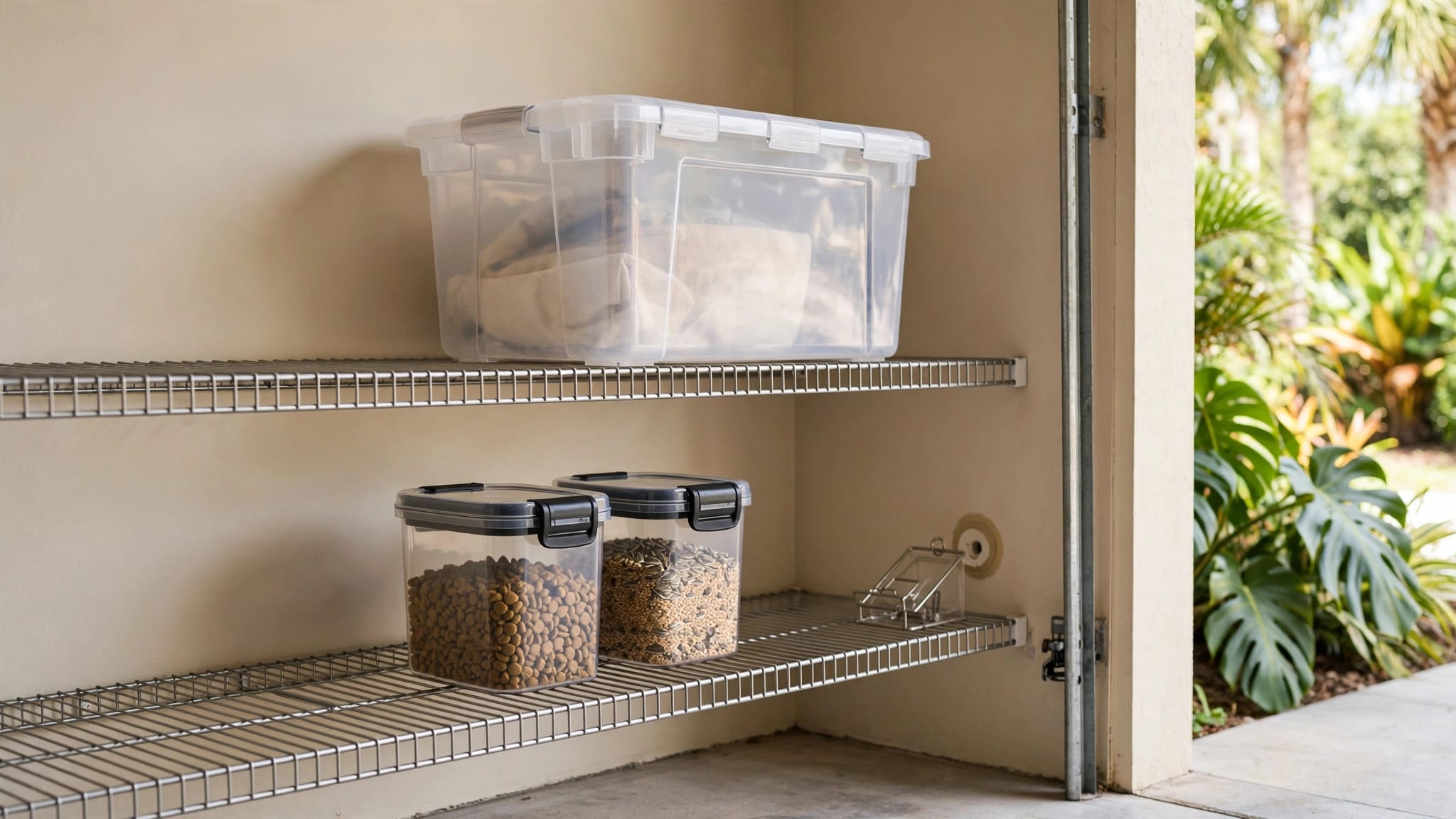
- Keep porch areas clear of fallen palm fronds and yard debris.
- Trim palms correctly, and avoid over-pruning.
- Protect trunks from trimmers, mowers, and other yard tools.
- Keep irrigation from soaking the base of the trunk every day.
These steps won't cure an infested palm. They do help lower stress and cut down on night-time insect activity around the house. That matters because a stressed palm is easier to attack, and a bright porch makes flying adults easier to notice.
When treatment or removal makes sense
If a palm is only lightly affected, a professional may recommend treatment based on the tree's value, age, and condition. That decision depends on what's happening inside the palm, not just what you can see outside.
However, once the crown is badly damaged, the odds get worse. Curative treatment is limited when larvae have already done major internal harm. In those cases, removal may be the safest option, especially if the tree is declining quickly or could spread more weevils to nearby palms.
That's why fast inspection matters. A palm that looks tired today may still be salvageable. A palm that smells rotten, drops fronds, or shows severe crown collapse may need urgent action.
If you want help sorting out the damage, use a company that checks the whole property, not just the obvious insect. That can help separate a palm problem from other pest issues nearby.
Conclusion
A large weevil at your porch light is often a signal, not a certainty. In Cape Coral, the real concern is usually the palm tree nearby, especially if it's stressed, wounded, transplanted, or already declining.
The best response is simple. Look at the palm from the ground, reduce light attractants, and act fast if you see crown decline, trunk damage, or a bad odor. When palmetto weevils in Cape Coral show up near porch lights, the smartest move is to check the tree before the damage gets worse.
Schedule a Free Inspection: