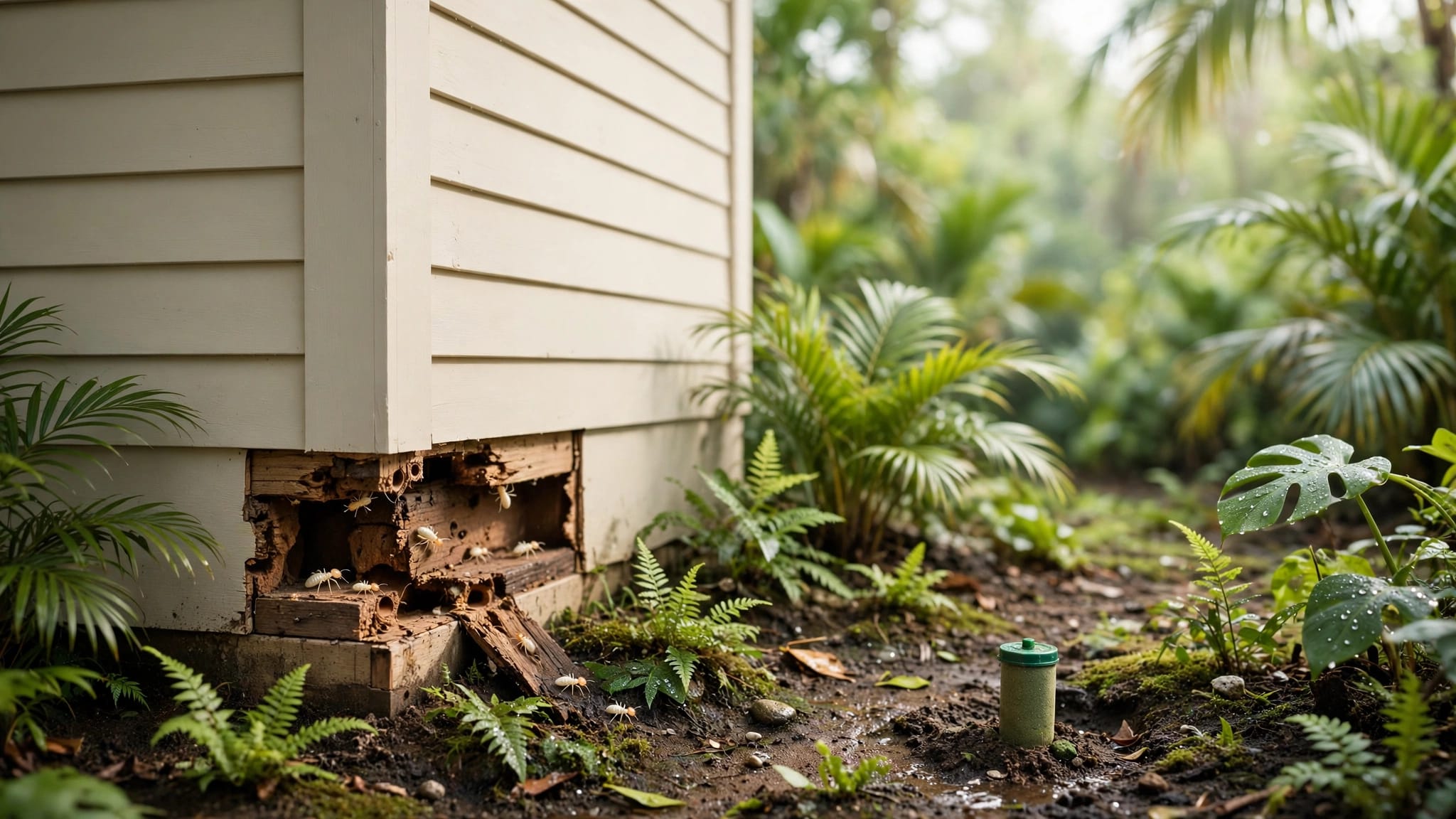
Firebrats in Cape Coral Attics and Water Heater Closets
Firebrats in Cape Coral homes usually show up where heat and moisture meet. If you spot them in an attic or a water heater closet, those spaces are already giving them what they want.
Cape Coral's warm, humid weather makes this worse. Attics can hold trapped heat, while utility closets often stay warm and a little damp. That mix gives firebrats a quiet place to feed, hide, and spread out of sight.
Why Cape Coral Homes Attract Firebrats
Firebrats are drawn to warm indoor spots, especially when humidity stays high. Southwest Florida gives them plenty of that. Long hot days, afternoon rain, and constant moisture in the air create the kind of conditions they like.
They also hide well in places people do not inspect often. Boxes, storage bins, paper piles, and old fabrics give them shelter. Once they find a protected area, they can stay tucked away for a long time.
Attics trap heat and hold food sources
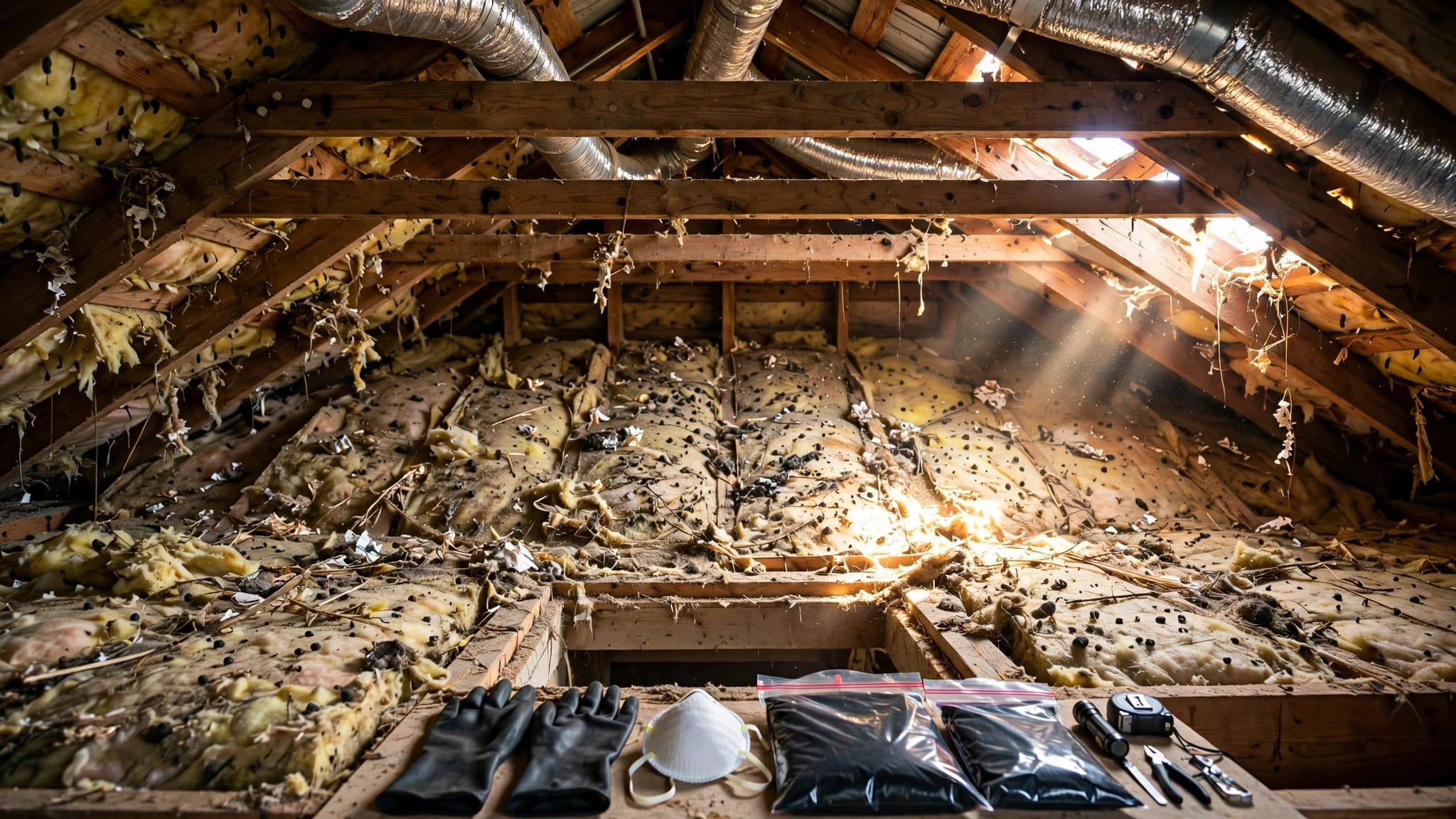
Attics in Cape Coral get hot fast. Roof temperatures rise, insulation holds warmth, and poor airflow keeps the space from cooling off. That makes an attic feel safe to a firebrat.
Stored items make the problem easier for them. Cardboard boxes, magazines, books, wrapping paper, and extra clothing all offer food or cover. Firebrats feed on starchy materials, glue, and paper-based products, so an attic full of forgotten stuff can become a steady source of food.
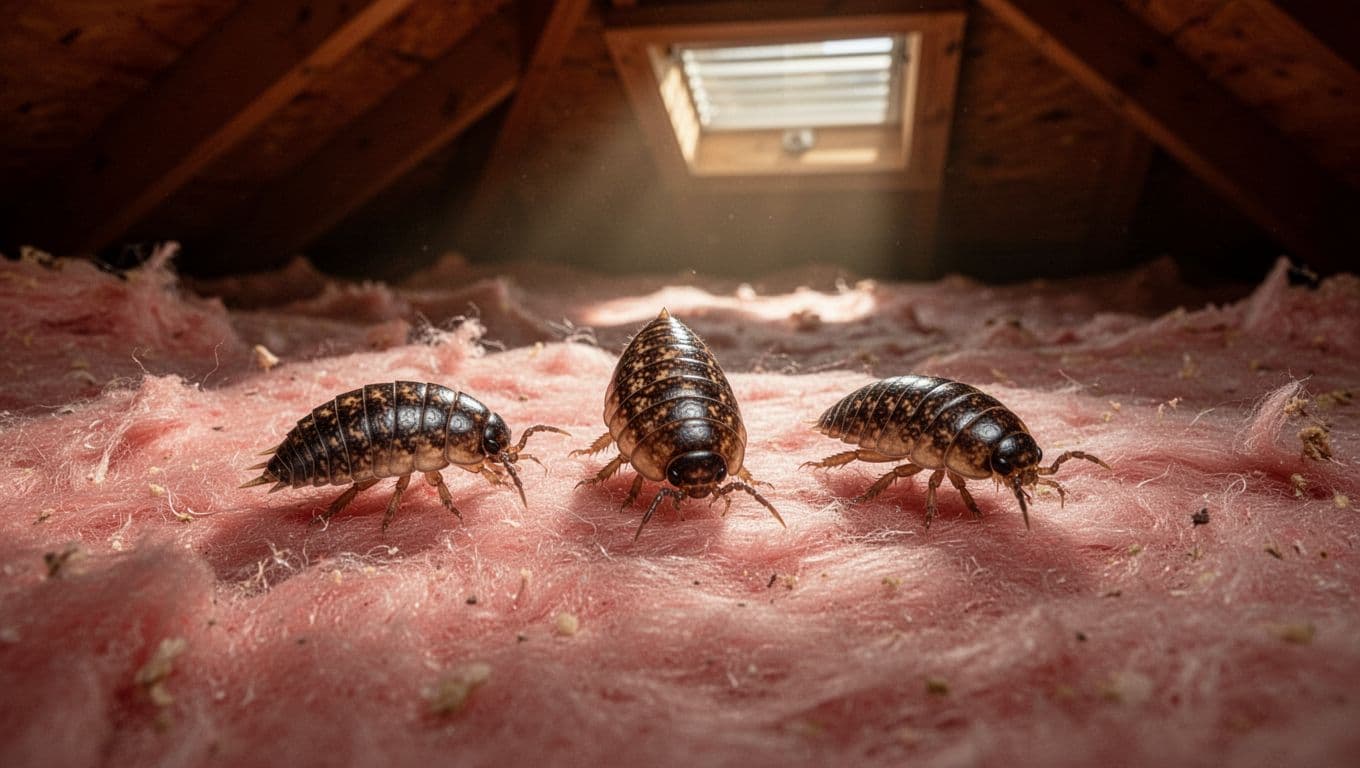
Poor ventilation makes the space even better for them. When warm air has nowhere to go, moisture hangs around longer. A small roof leak can make the problem much worse.
Water heater closets stay warm and damp
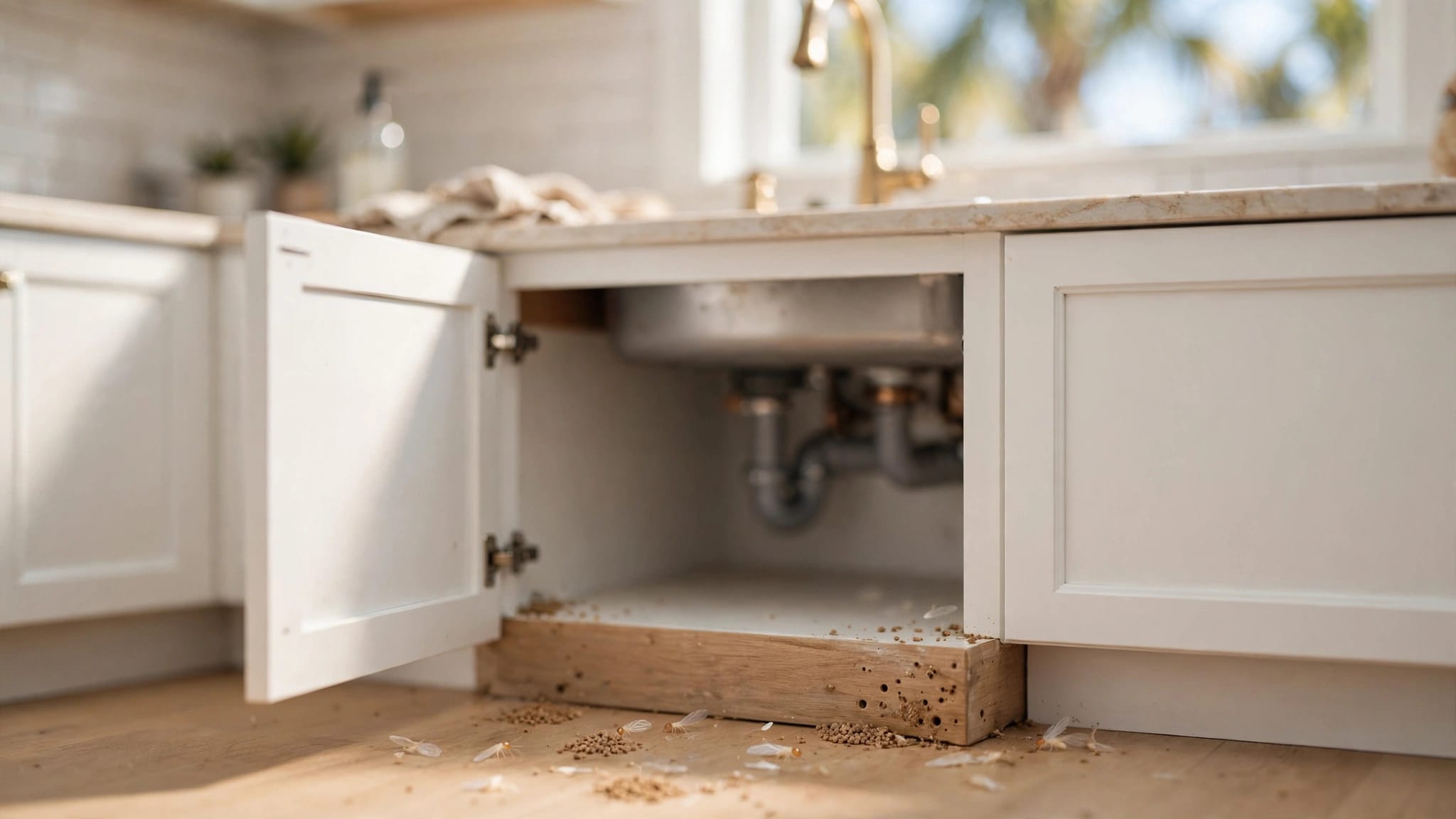
Water heater closets are another favorite hiding place. The unit gives off steady heat, and the closet itself is usually tight and enclosed. Add condensation, pipe sweat, or a slow leak, and the space becomes very inviting.
These closets also collect the kind of debris firebrats like. Paper labels, lint, cardboard packaging, and nearby fabrics can give them food and shelter. Because the door stays shut most of the time, a small group can go unnoticed for weeks.
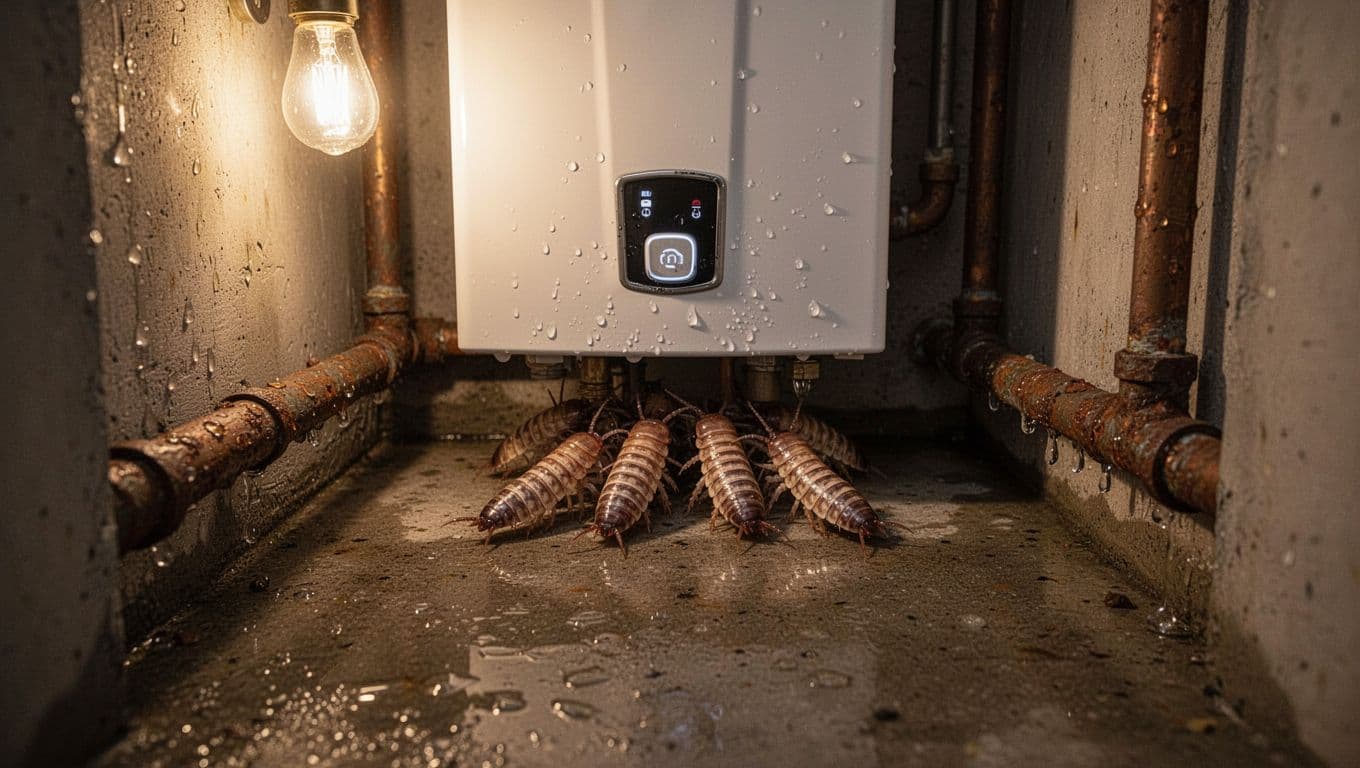
If a closet stays warm and damp, it can keep feeding the same problem over and over.
Signs Firebrats May Be Hiding Indoors
Firebrats are small, fast, and easy to miss. Still, they leave clues behind. If you know what to watch for, you can catch the problem before it spreads deeper into the house.
Common signs include:
- Tiny, quick insects near baseboards, attic access points, or utility doors, especially after dark.
- Shed skins or pale, paper-thin remains in corners, along shelves, or near stored items.
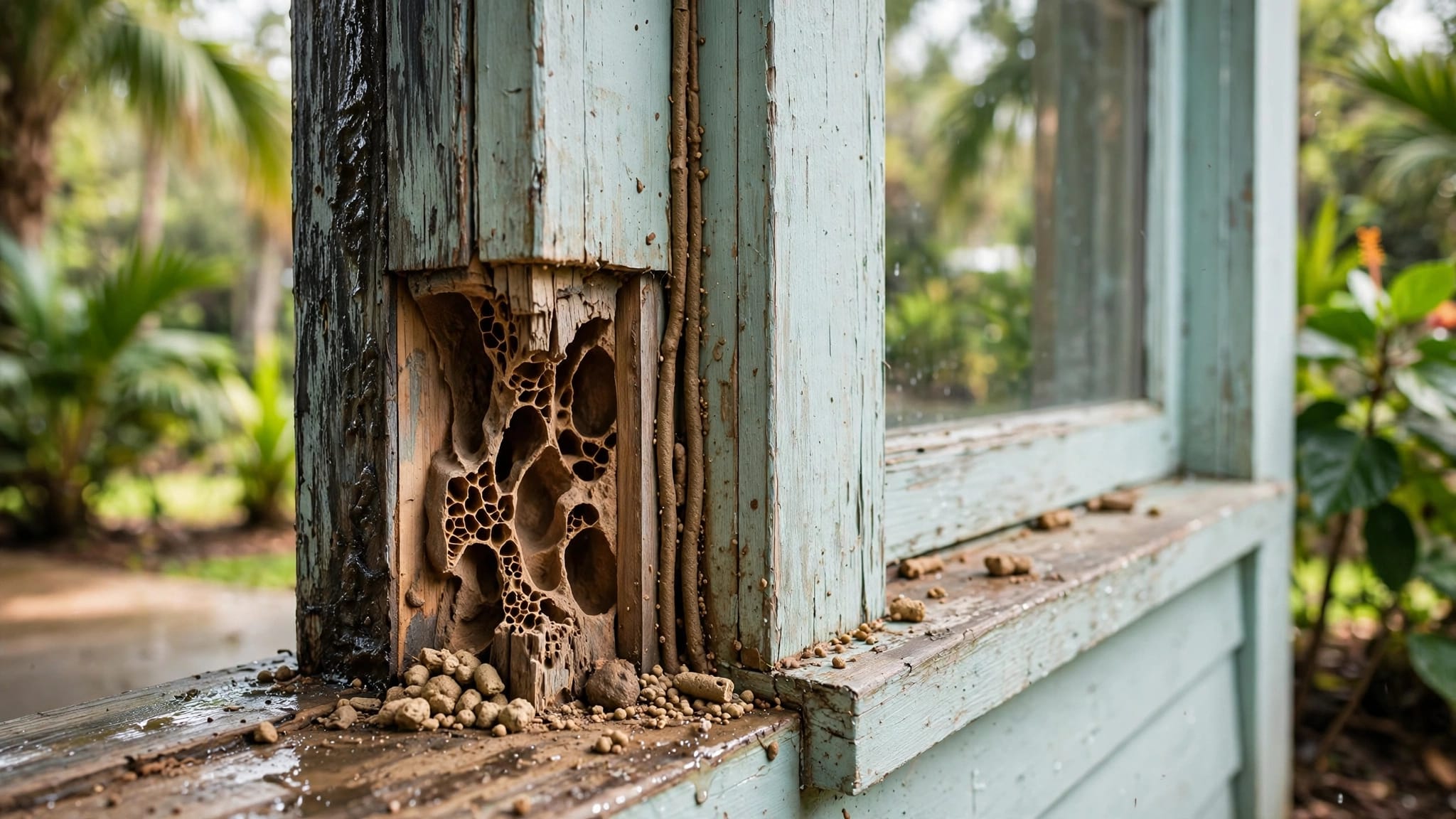
- Small damage to book bindings, cardboard, wallpaper paste, glue, or fabric edges.
- Insects showing up around sinks, closets, or laundry areas when lights come on.
- Repeated sightings in the same warm room, which often means a hidden source is nearby.
One sighting does not always mean a large infestation. Repeated activity in the same place matters more. If you keep seeing them in the attic or the utility closet, the insects are probably nesting close by.
How to Make Attics and Closets Less Welcoming
The best control starts with the conditions firebrats need most. Remove moisture first, then take away hiding places and food sources. That makes the space far less appealing.
- Lower the moisture. Fix leaks right away, and check for pipe condensation around the water heater. If the closet feels damp, a dehumidifier or better airflow can help.
- Improve ventilation. Make sure attic vents are open and working. In closets, leave room for air to move around the water heater and pipes.
- Seal entry points. Caulk around pipe openings, gaps near baseboards, and cracks around attic access panels. Small openings are enough for firebrats to move between spaces.
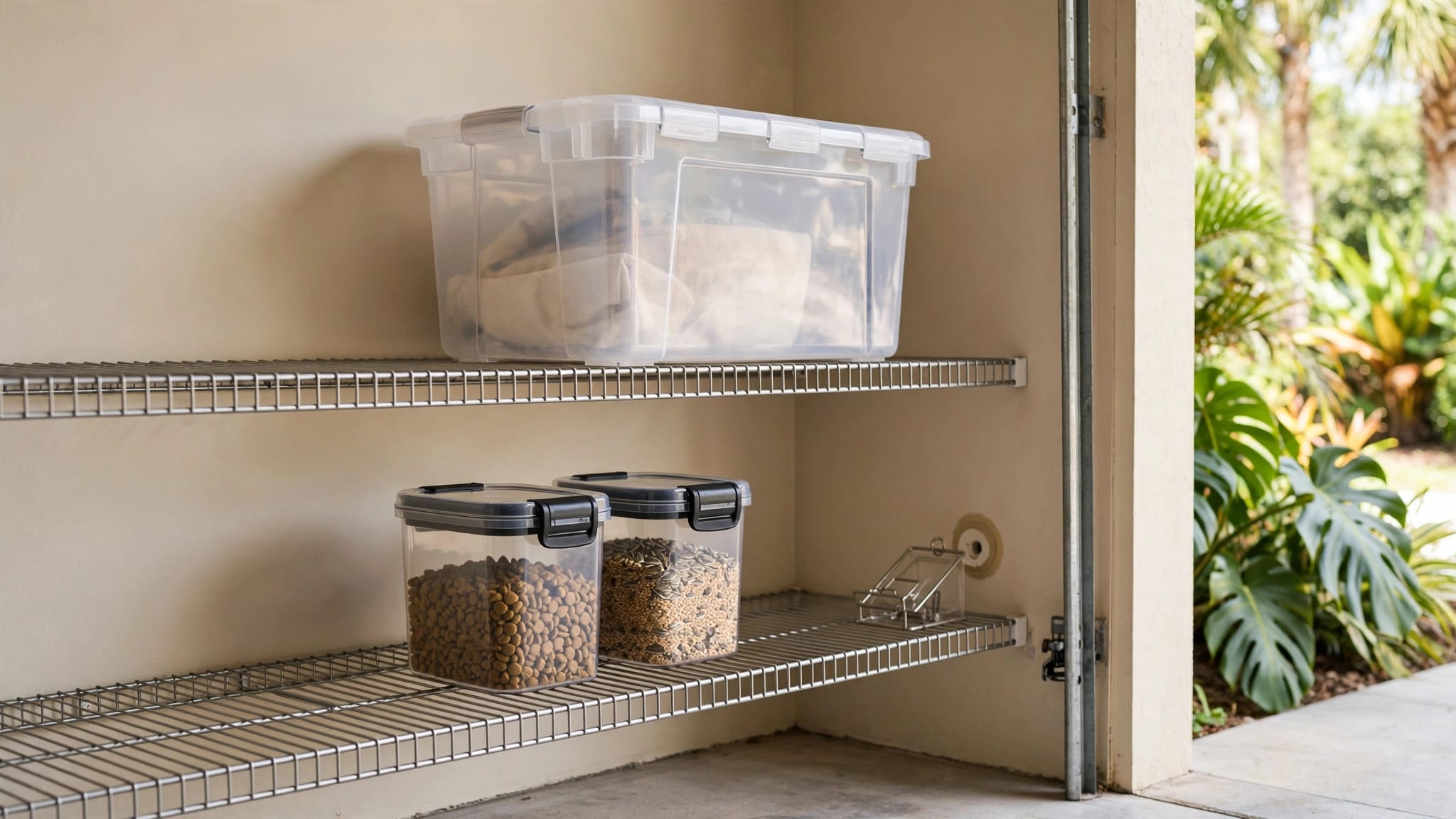
- Cut clutter. Move cardboard boxes, old papers, and fabric storage out of warm, hidden areas. Sealed plastic bins work better than open boxes.
- Remove food sources. Vacuum dust, glue residue, crumbs, and paper scraps. Check stored books, craft supplies, and holiday decorations, since firebrats will feed on starchy materials and paper products.
- Inspect stored items. Look through boxes before putting them back. A forgotten stack of books or fabrics can keep the problem alive.
Cardboard and paper are a bigger deal than many homeowners realize. They do not just sit there, they give firebrats shelter and food in the same spot.
When DIY Steps Aren't Enough
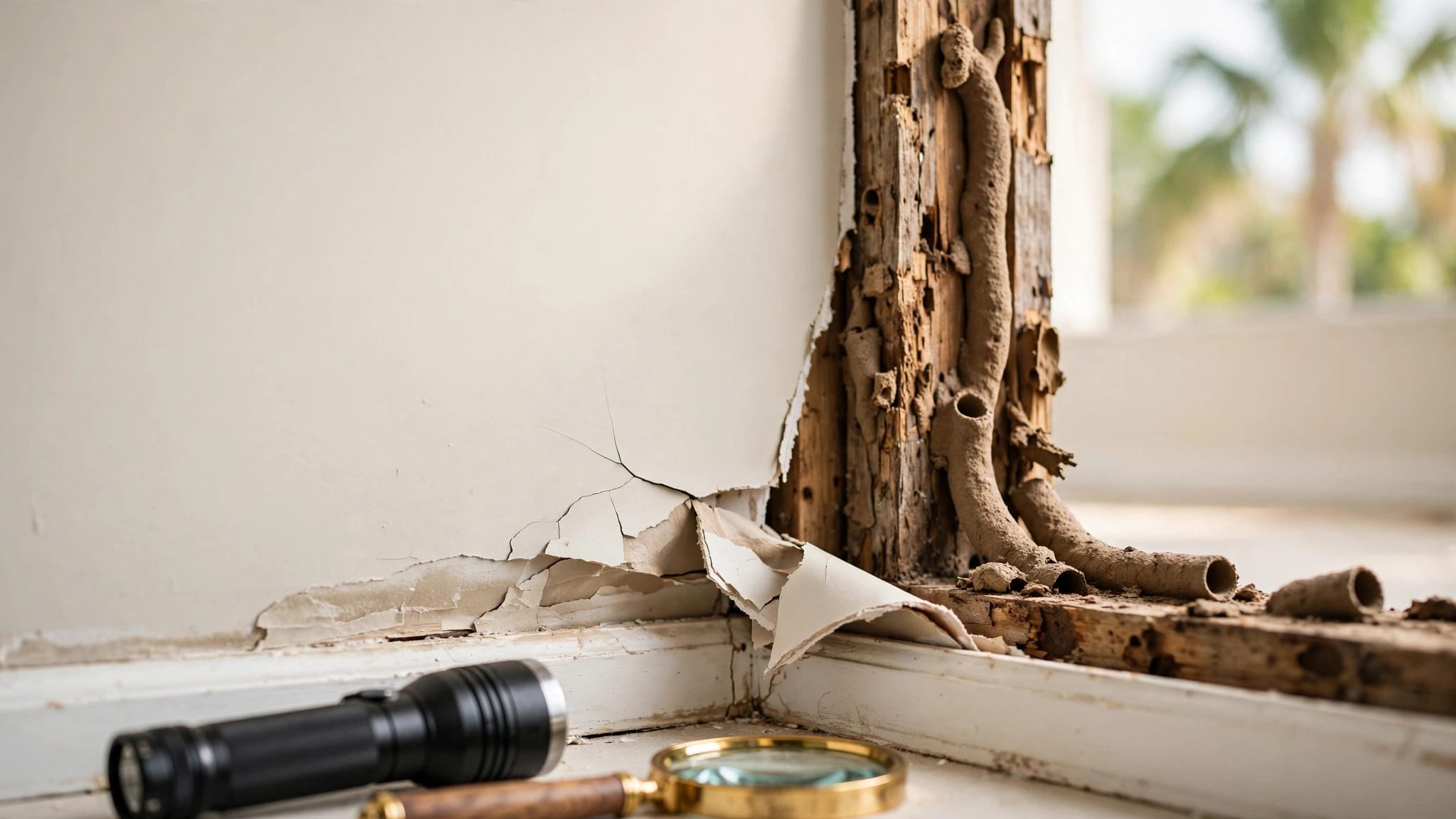
Home fixes can help, but they do not always solve the whole issue. If you keep seeing firebrats after cleaning, sealing, and drying the area, there may be a hidden nest in insulation, wall voids, or another warm pocket you cannot reach.
That is when residential pest control Cape Coral can make sense. A professional inspection can find the damp spots, cracks, and storage problems that let the insects keep coming back.
If you want a better idea of how a visit works, what to expect from Cape Coral pest control breaks down the process in plain language. That can help you know what happens during an inspection and why certain areas get extra attention.
Professional help is especially useful when the problem keeps returning, when the attic is hard to access, or when a water heater closet has repeated moisture issues. In those cases, the insects are usually a symptom of a larger space problem, not just a few stray bugs.
Conclusion
Firebrats in Cape Coral attics and water heater closets are usually a sign of warmth, moisture, and hidden clutter. Those spaces give them exactly what they need, which is why simple cleanup sometimes falls short.
If you reduce humidity, seal gaps, improve airflow, and remove paper, glue, and fabric sources, you can make your home much less inviting. When the insects keep showing up in the same warm spots, a closer inspection is the smartest next step.
Schedule a Free Inspection: