Cane Toads in Cape Coral Yards: Protect Your Dogs Now
Picture this: your dog bounds into the backyard at dusk, spots something interesting near the patio, and gives it a quick sniff. Seconds later, it's drooling and pawing at its mouth. Cane toads in Cape Coral yards cause this nightmare for pet owners every rainy season.
These invasive amphibians thrive in Southwest Florida's warm, wet climate. They hide in moist spots around homes, drawn to dog bowls and standing water. Dogs face real risks from their potent toxins.
You can cut those dangers with simple yard changes. Let's cover how to spot them, respond fast, and prevent trouble.
What Cane Toads Are and Why They Thrive Here
Cane toads, also called bufo toads, arrived in Florida decades ago. They grow large, up to six inches, with warty brown skin. Unlike native frogs, they poison threats from glands behind their eyes.
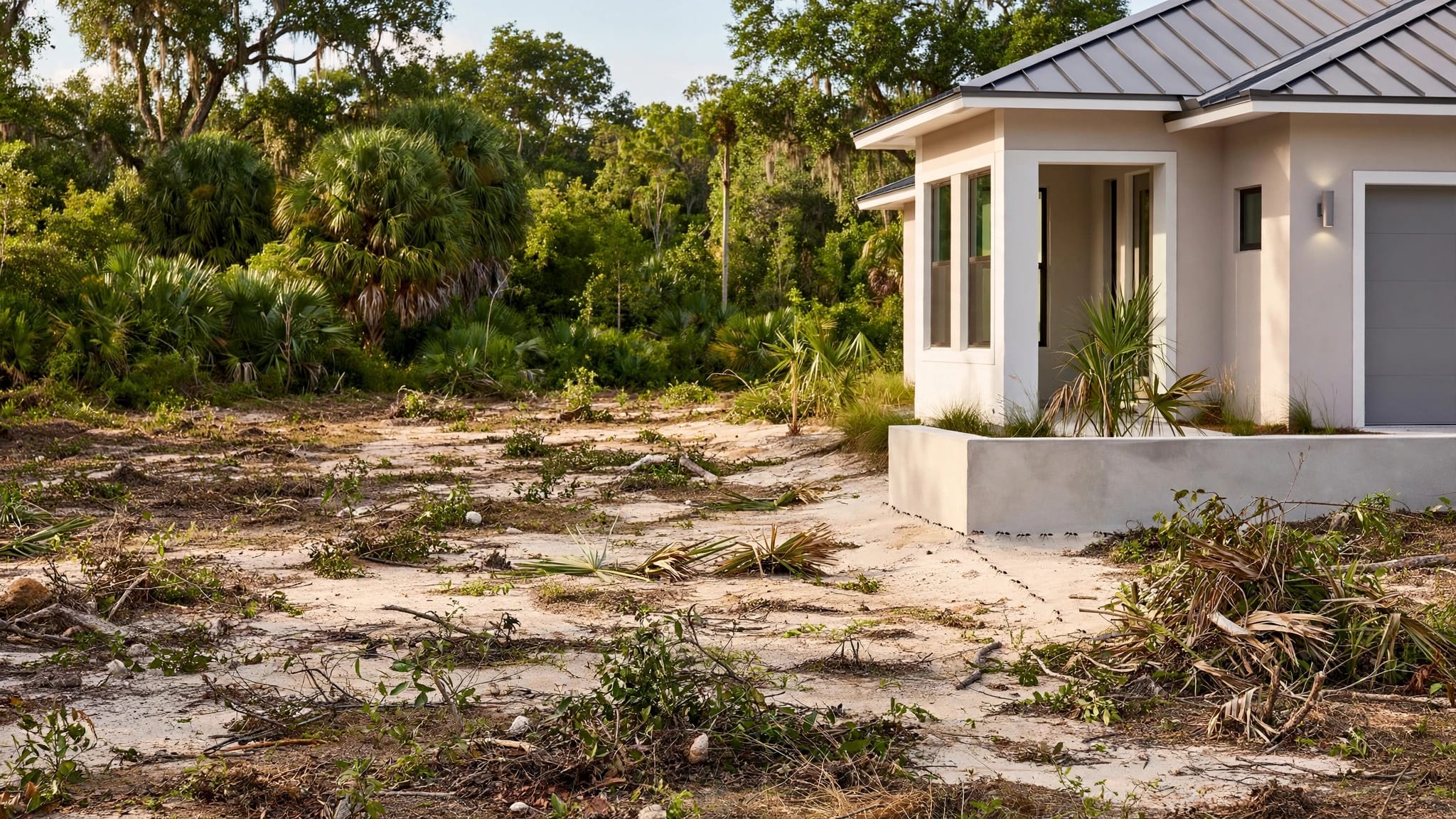
Cape Coral's canals, ponds, and yards suit them perfectly. Rain creates breeding spots in low areas. New developments add lights and water features that pull them in. They hop out at night to hunt bugs near patios and lanais.
Local reports show their numbers rise after storms. They stick to damp grass, mulch beds, and shaded corners. Homeowners notice more in backyards bordering canals.
Pet owners spot them most around dog bowls or leaky hoses. These toads eat insects but pose huge risks to curious dogs. Their spread worries vets across Southwest Florida.
Spotting Cane Toads in Your Cape Coral Yard
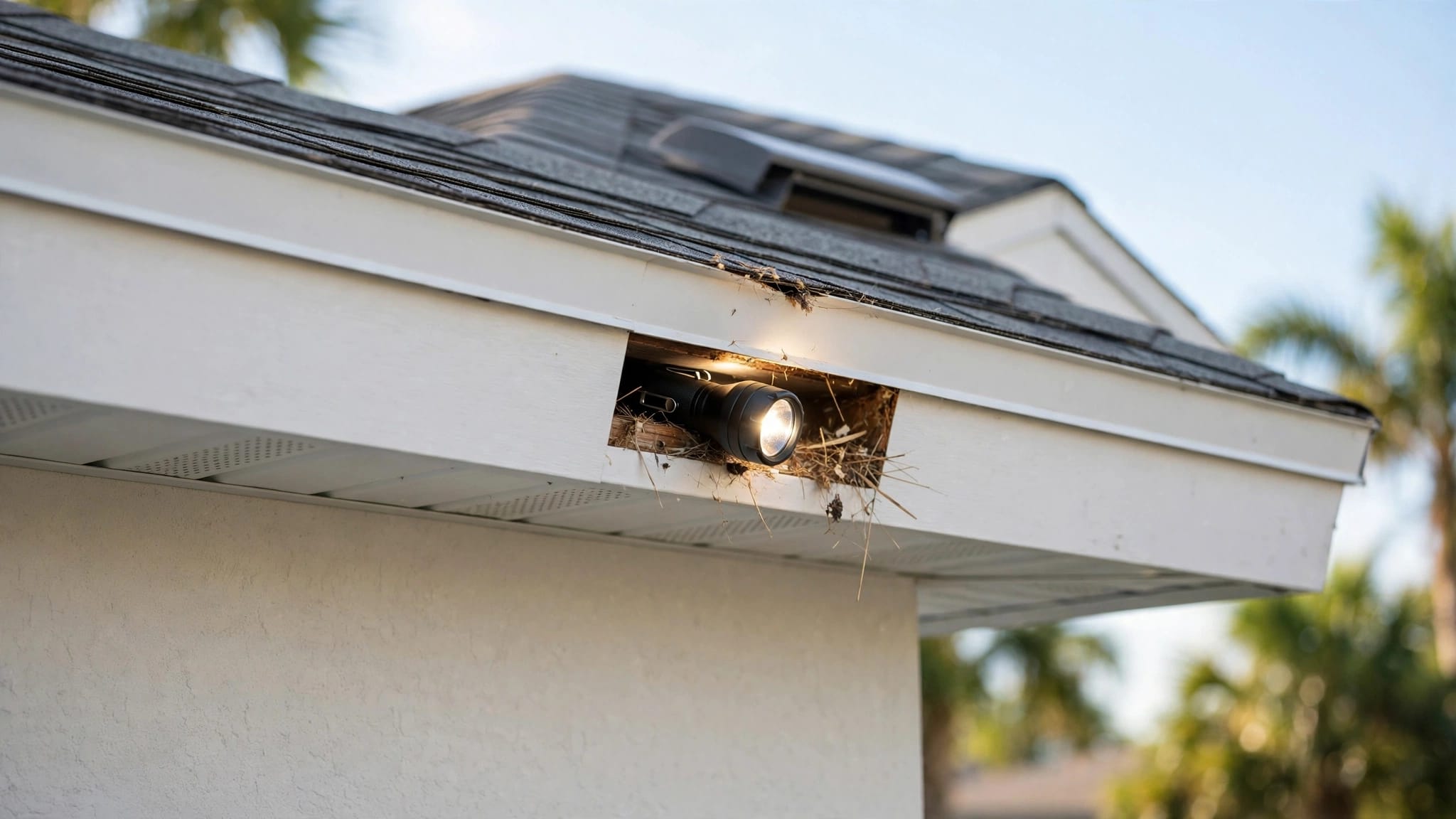
Look for big, bulky toads with dark spots and rough skin. They sit still during the day under bushes or near fences. At night, flashlights reveal them hopping slowly.
Check these common hideouts:
- Edges of pavers and concrete slabs.
- Mulch piles or leaf litter.
- Under AC units or lanai screens.
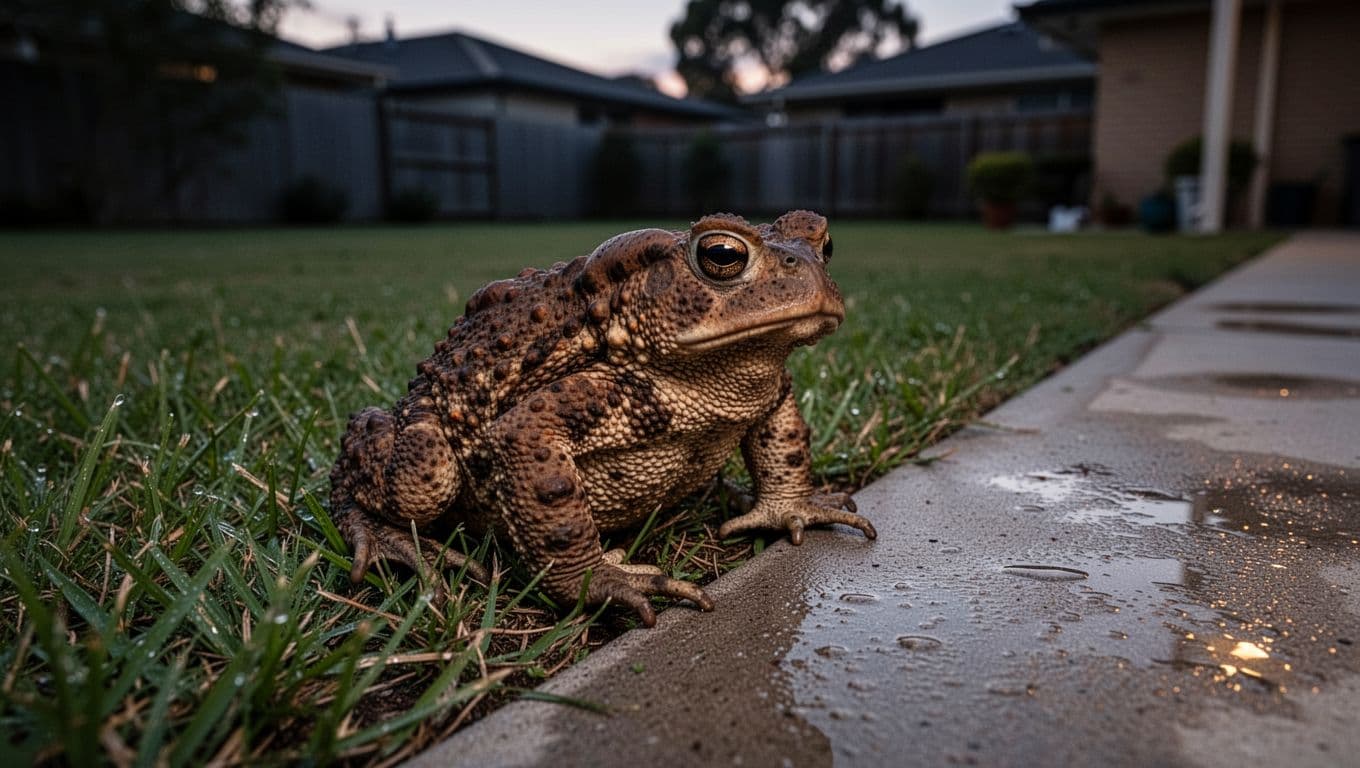
They love moisture, so inspect after rain. Shine a light low to the ground before letting dogs out. Kids might mistake them for frogs, so teach them to steer clear.
In Cape Coral, they cluster near standing water in yards. Trim bushes to expose them. A quick nightly patrol spots them early.
Dangers to Dogs and What to Do in an Emergency
Cane toad toxin hits dogs fast. Even a brief lick or bite absorbs enough to cause harm. It attacks the nervous system, leading to drooling, vomiting, and seizures.
Symptoms start within minutes:
- Foaming at the mouth.
- Red gums or heavy pawing.
- Stumbling or collapse.
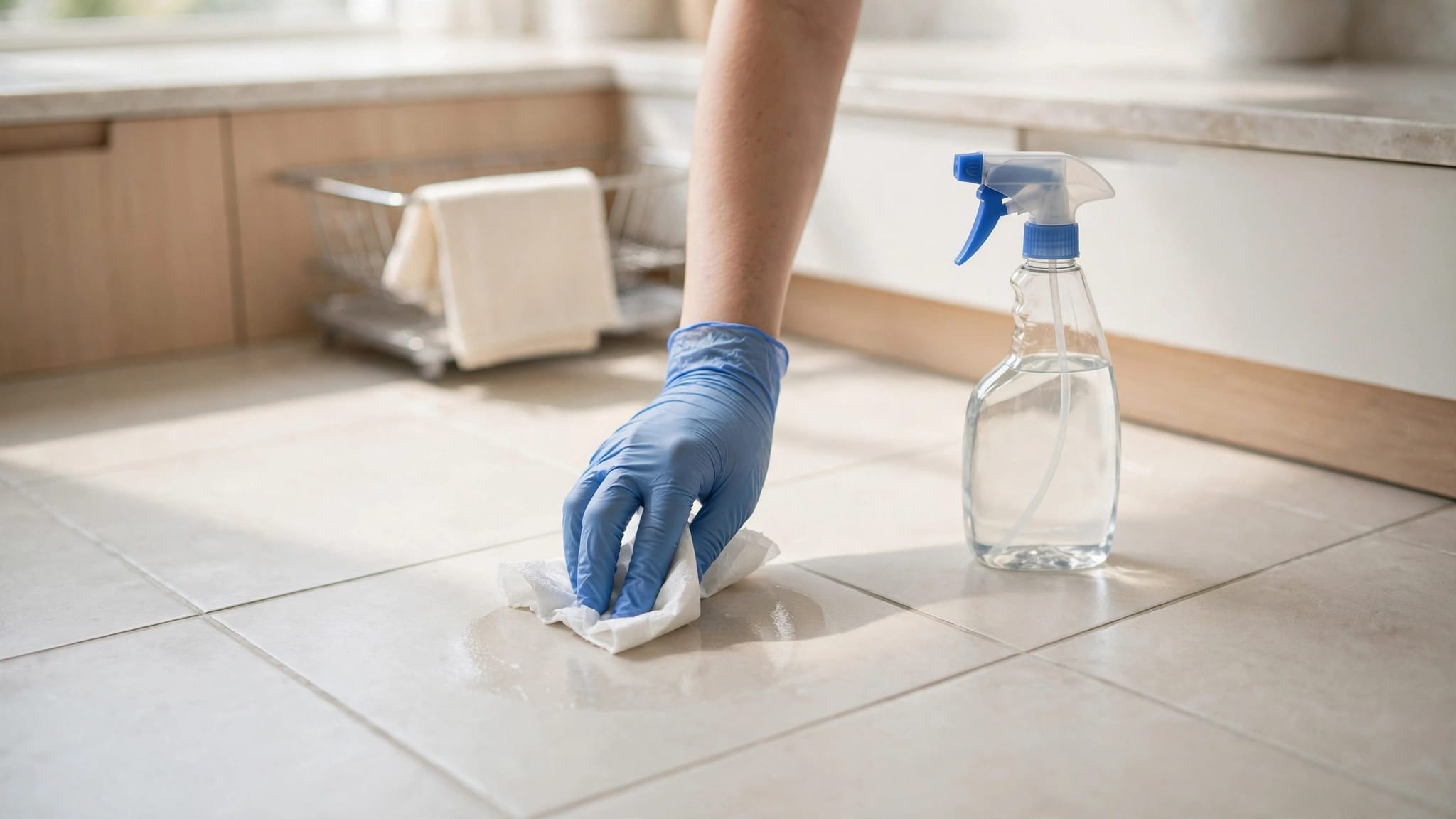
If you suspect exposure, call your vet right away. Wipe the mouth gently with a damp cloth, but skip rinsing. Rush to an emergency clinic; time saves lives.
This article offers info, not vet advice. Always contact a professional for your pet. Local Cape Coral vets see these cases often, especially post-rain.
Prevention Tips for Dog Bowls, Lanais, and Yards
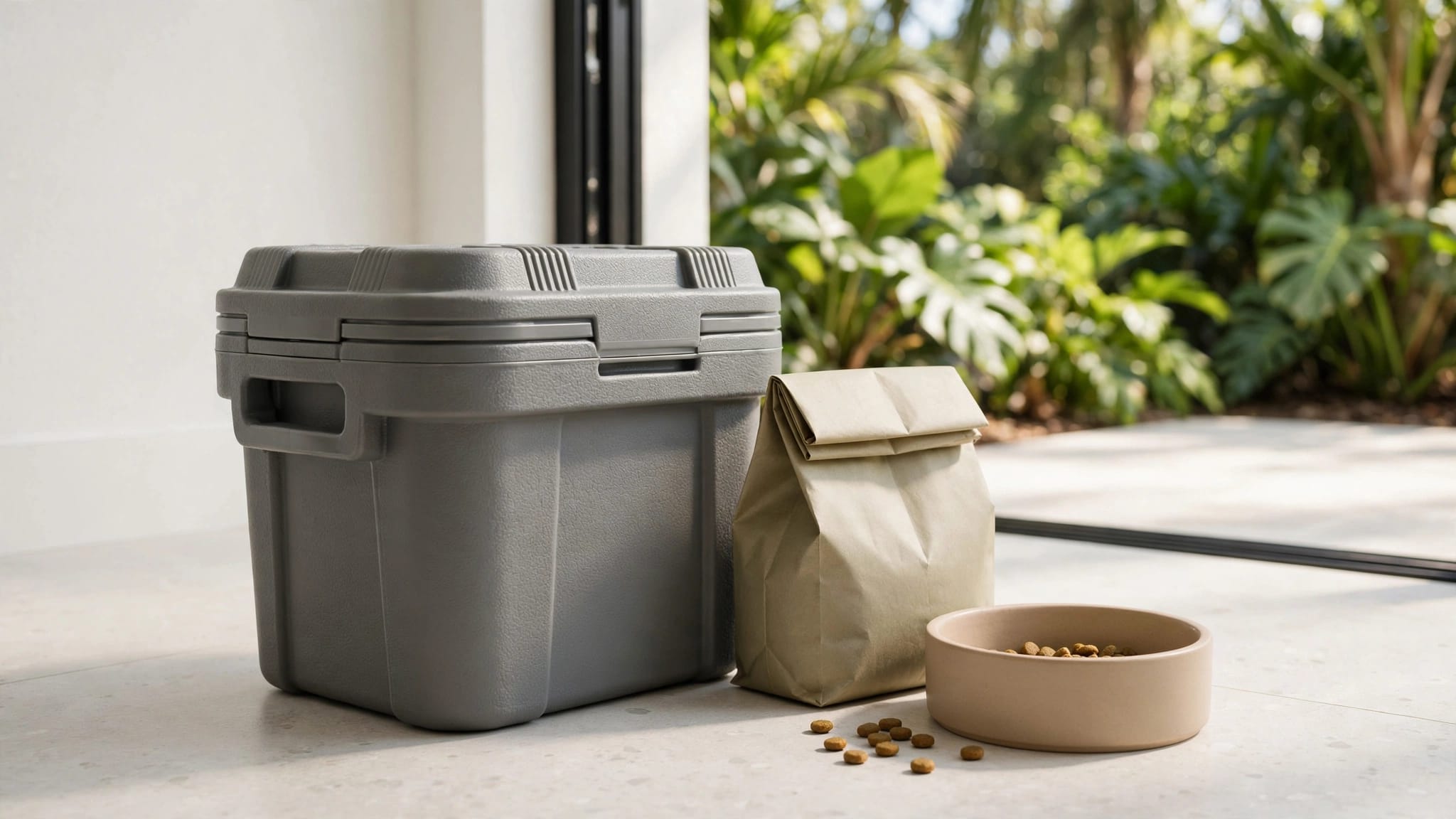
Keep dog bowls elevated on stands, away from ground level. Empty them nightly or use auto-fill timers that shut off. Place them inside screened lanais when possible.
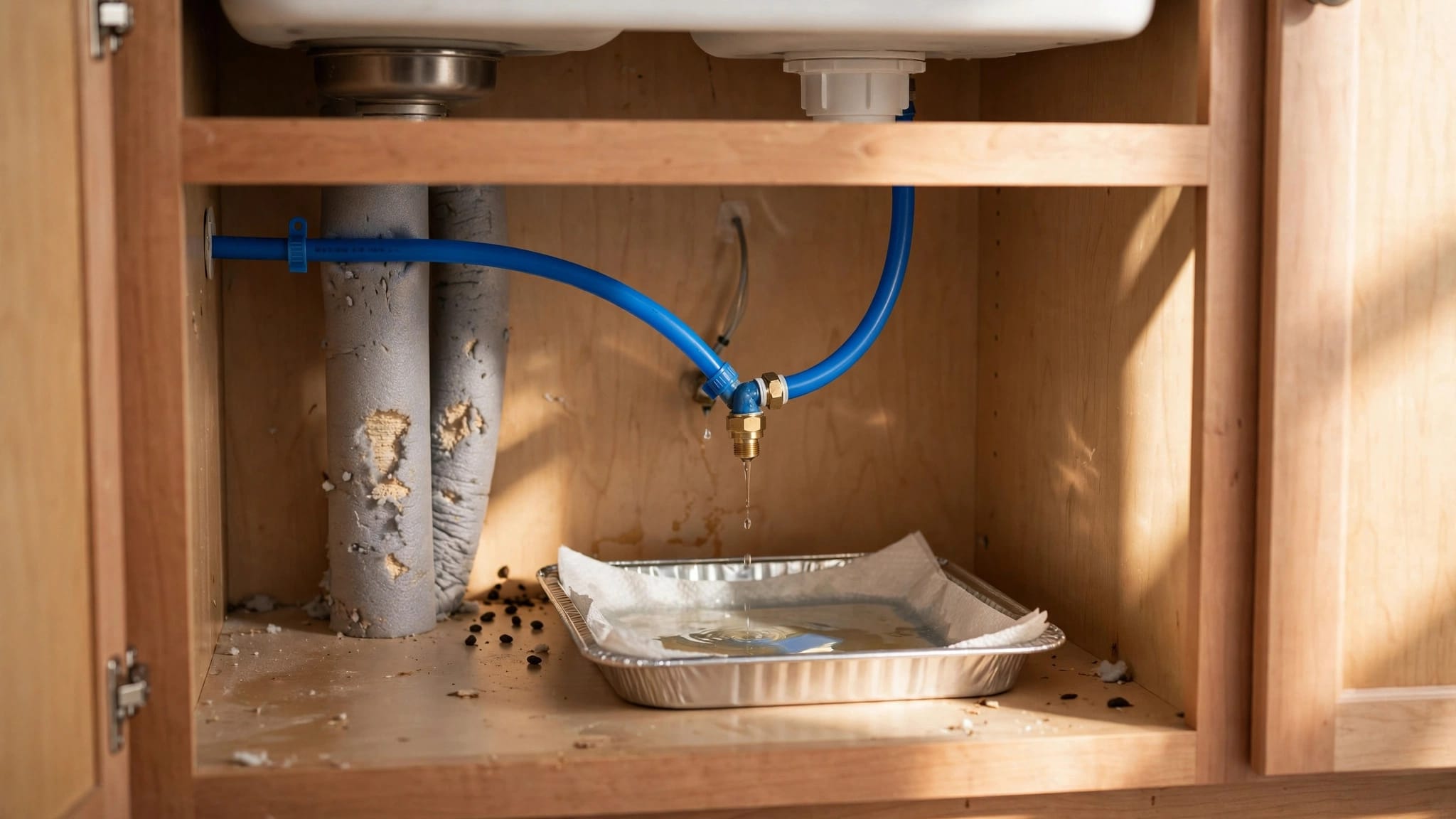
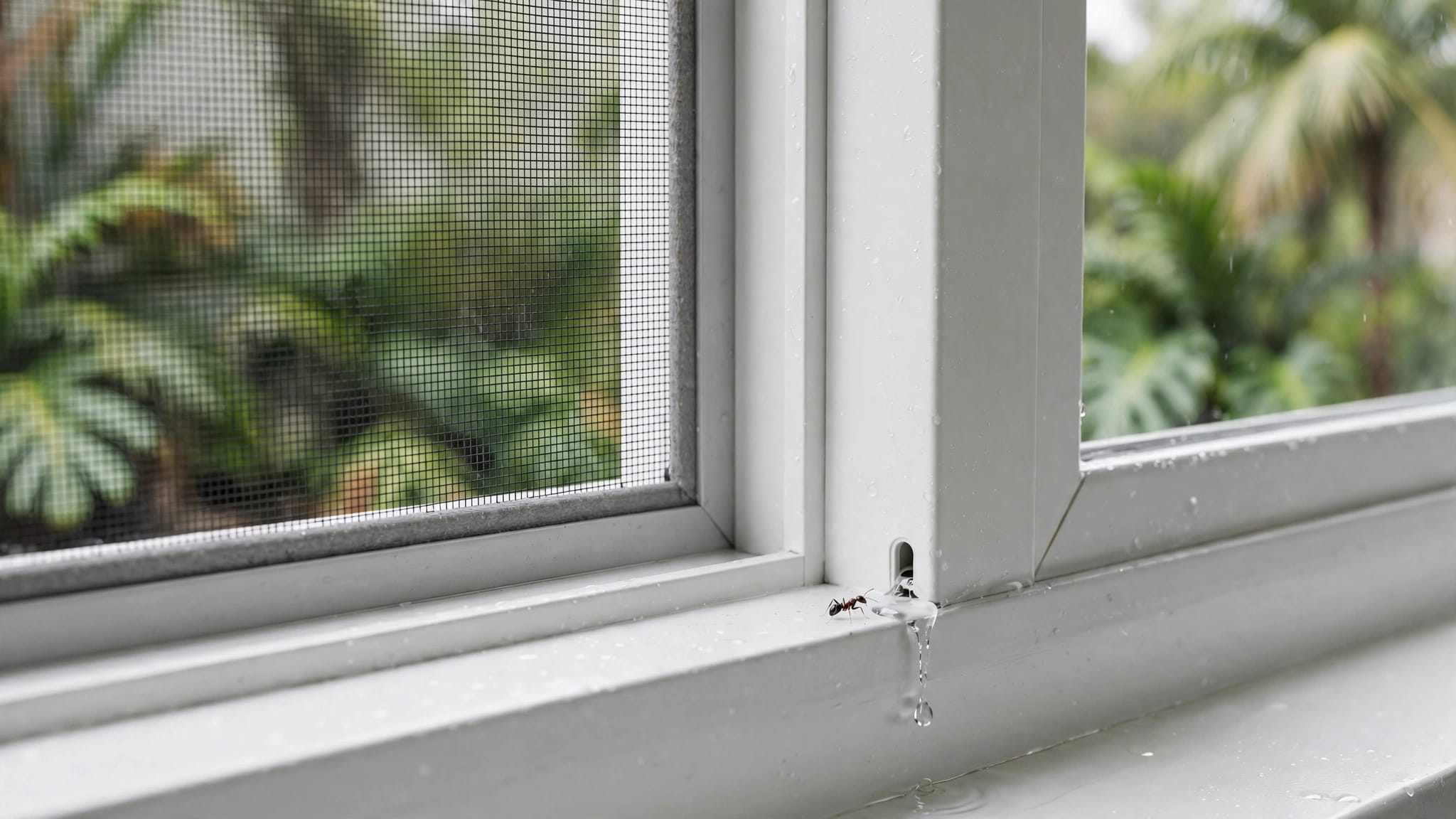
Clear standing water from patios and pavers. Fix leaks under faucets or hoses. Trim landscaping to remove shade and debris.
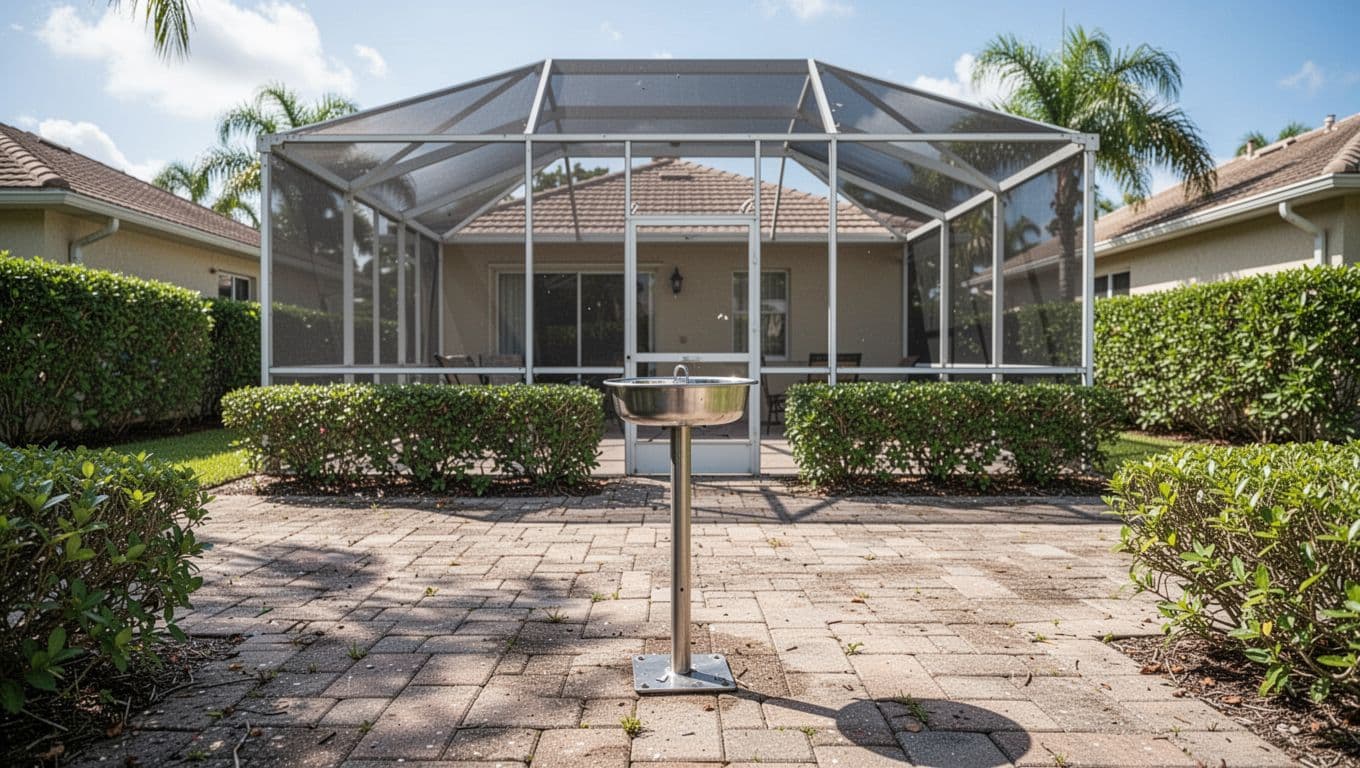
For yards, focus on edges and pet zones. Follow steps like those in tick control in Cape Coral yards to reduce hiding spots overall. Limit outdoor lights at night; bugs draw toads.
Supervise dogs outside, especially dusk or dawn. Leash walks near canals help too.
Safe Removal and When to Call Pros
Don't touch toads bare-handed. If you must remove one, wear gloves and goggles. Double-bag it, then freeze overnight before trash disposal. Wash hands well after.
Check Florida rules; humane euthanasia follows state guidelines. For big infestations, pros handle it safely.
Contact local pest control for ongoing plans. They target breeding sites without yard harm.
Conclusion
Cane toads threaten Cape Coral dogs, but smart yard tweaks keep them at bay. Elevate bowls, clear water, and patrol nightly. Act fast on symptoms.
Your pet's safety starts with prevention. Stay vigilant this season.
FAQ
How do I know if my dog got poisoned by a cane toad?
Watch for drooling, red gums, or seizures. Call the vet immediately.
Are cane toads active all year in Cape Coral?
Yes, but more after rain and at night.
Can I use chemicals to kill them in my yard?
Stick to pro services; DIY risks pets and water.
What's the best dog bowl setup?
Elevate on a stand inside a lanai, empty daily.
Schedule a Free Inspection: