Rodent Mites In Cape Coral Homes After Rat Removal
You finally got the rats out of your attic. Peace returns, right? Then the itching starts. Red welts appear on your skin at night. Rodent mites in Cape Coral homes often surge right after rat removal. These tiny pests lose their furry hosts and hunt humans instead.
Rats carry thousands of mites that feed on their blood. When rats die or leave, mites scatter. They quest for new meals in Southwest Florida's warm homes. Bites feel like pinpricks and itch fiercely. Don't panic. You can handle this with smart steps.
This guide covers why it happens, how to check your home, and what works best. Let's stop those mites fast.
Why Rodent Mites Show Up After Rat Removal
Rat removal feels like victory. However, it triggers a mite wave. Rodent mites live on rats and mice. They rarely bite people until hosts vanish.
In Cape Coral, roof rats thrive in attics and palms. Removal leaves mites behind in nests or insulation. Without rats, mites roam walls, floors, and beds. They survive weeks without blood but bite to feed.
Humidity here keeps them active. One dead rat hosts up to 10,000 mites. They spread quick in cluttered spaces. Successful control pairs exclusion with mite treatment. Skip one, and problems return.
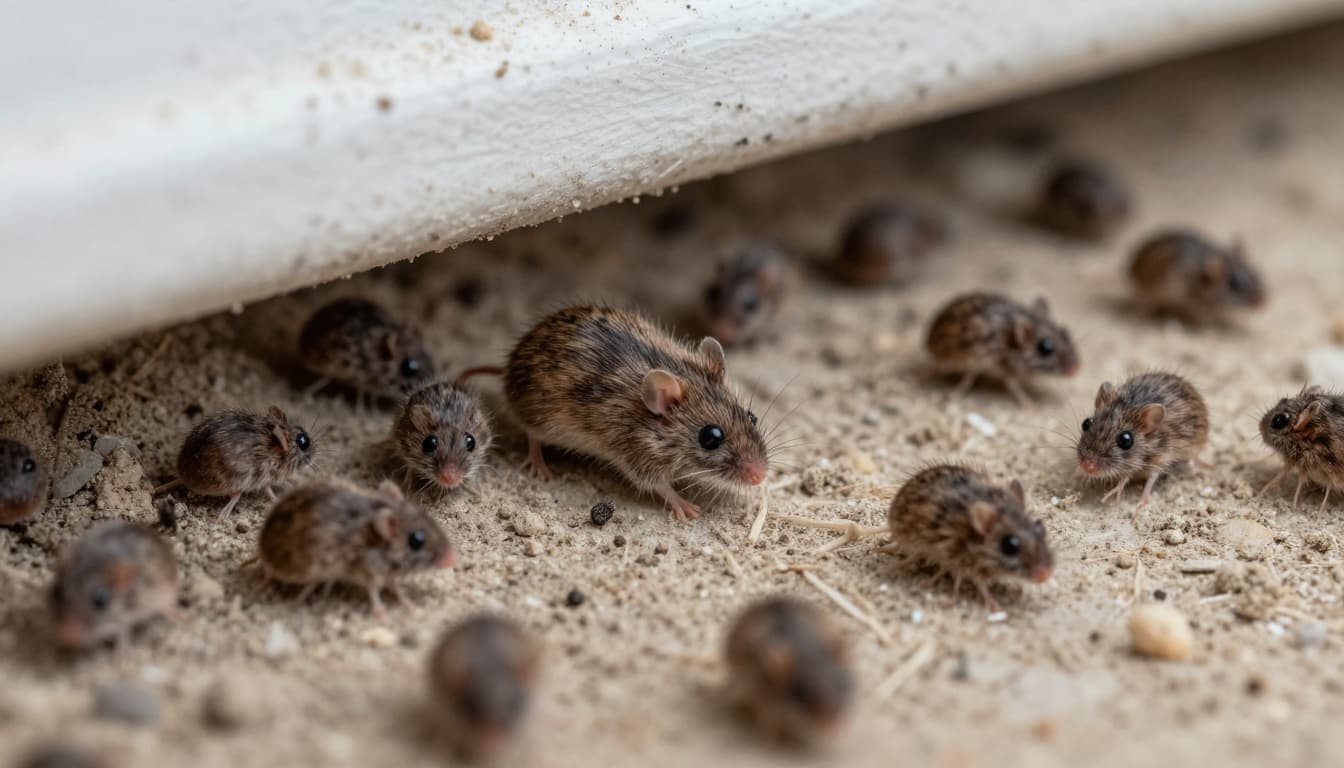
Dust and debris hide them well. Fresh bites signal the shift from rodent-only pests.
Key Signs of Rodent Mites in Your Home
Bites cluster on arms, legs, or neck. They look like small red dots with white centers. Itch builds over hours. Unlike allergies, bites follow mite paths.
Check for tiny black specks on sheets or clothes. Mites leave no visible trails like ants. People report bites worsening at night. That's when mites hunt.
Droppings mimic dust. Inspect skin folds or furniture seams. No nests show indoors. Mites follow old rat runs from attics to living areas.
Cape Coral homes see this post-removal often. Warm attics speed spread. Track bites to one room? Mites cluster nearby.
Rodent Mites vs. Bed Bugs and Fleas
Many mix up rodent mites with other biters. Bed bugs leave blood spots and sweet smells. They hide in mattress tags. Fleas jump and target ankles from pets.
Rodent mites don't jump or fly. Bites lack bed bug welts or flea tracks. No eggs show on tape tests. Mites tie to recent rat activity.
Use sticky tape on bites. Rodent mites stick flat and pale. Bed bugs curve and drop blood. Fleas stay dark and active.
Doubt lingers? Pros confirm fast. Wrong treatment wastes time.
How to Inspect Your Home for Rodent Mites
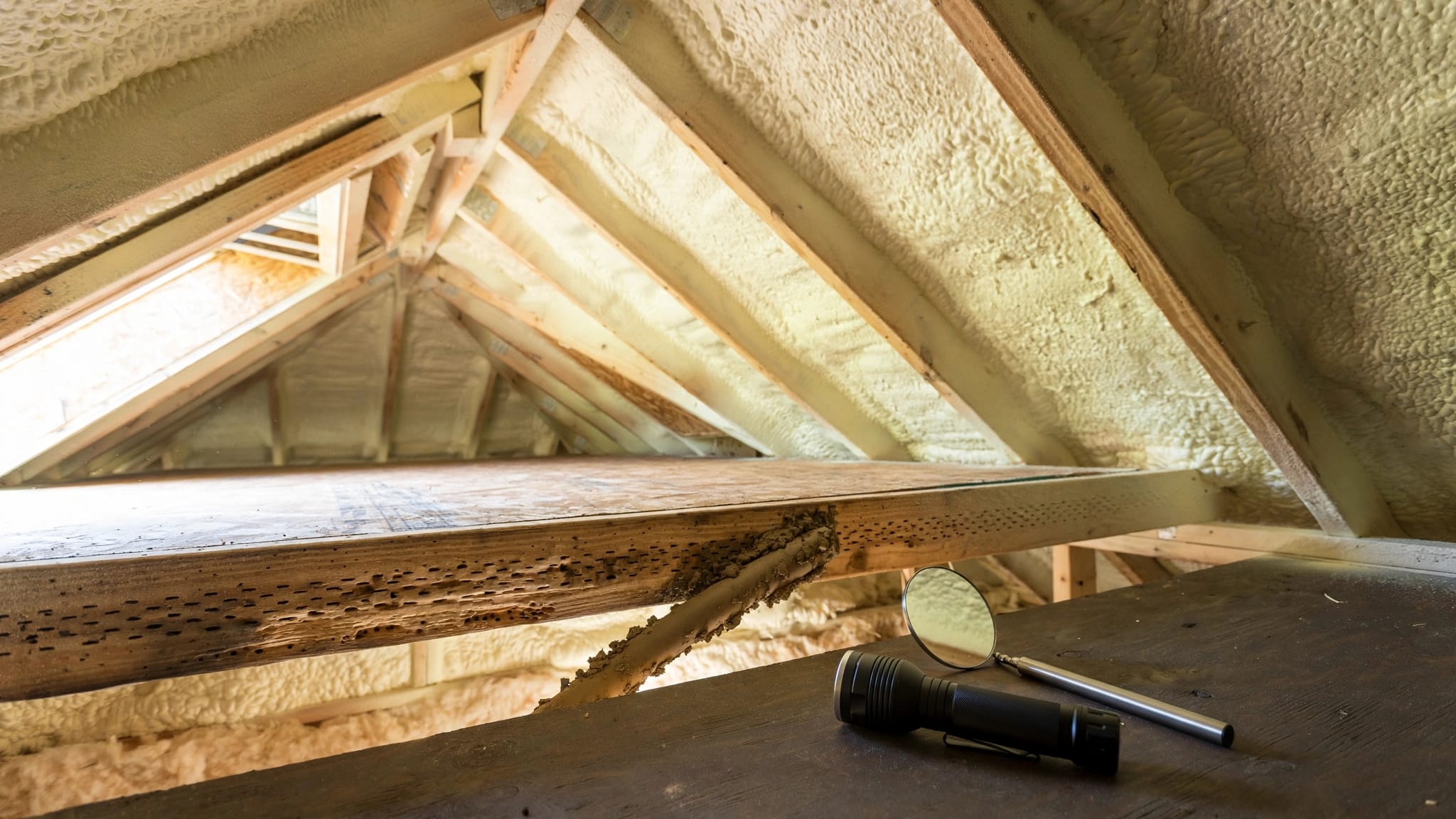
Start in the attic. Rats nest there most. Use a flashlight at dusk. Look for greasy rub marks, droppings, or shredded insulation.
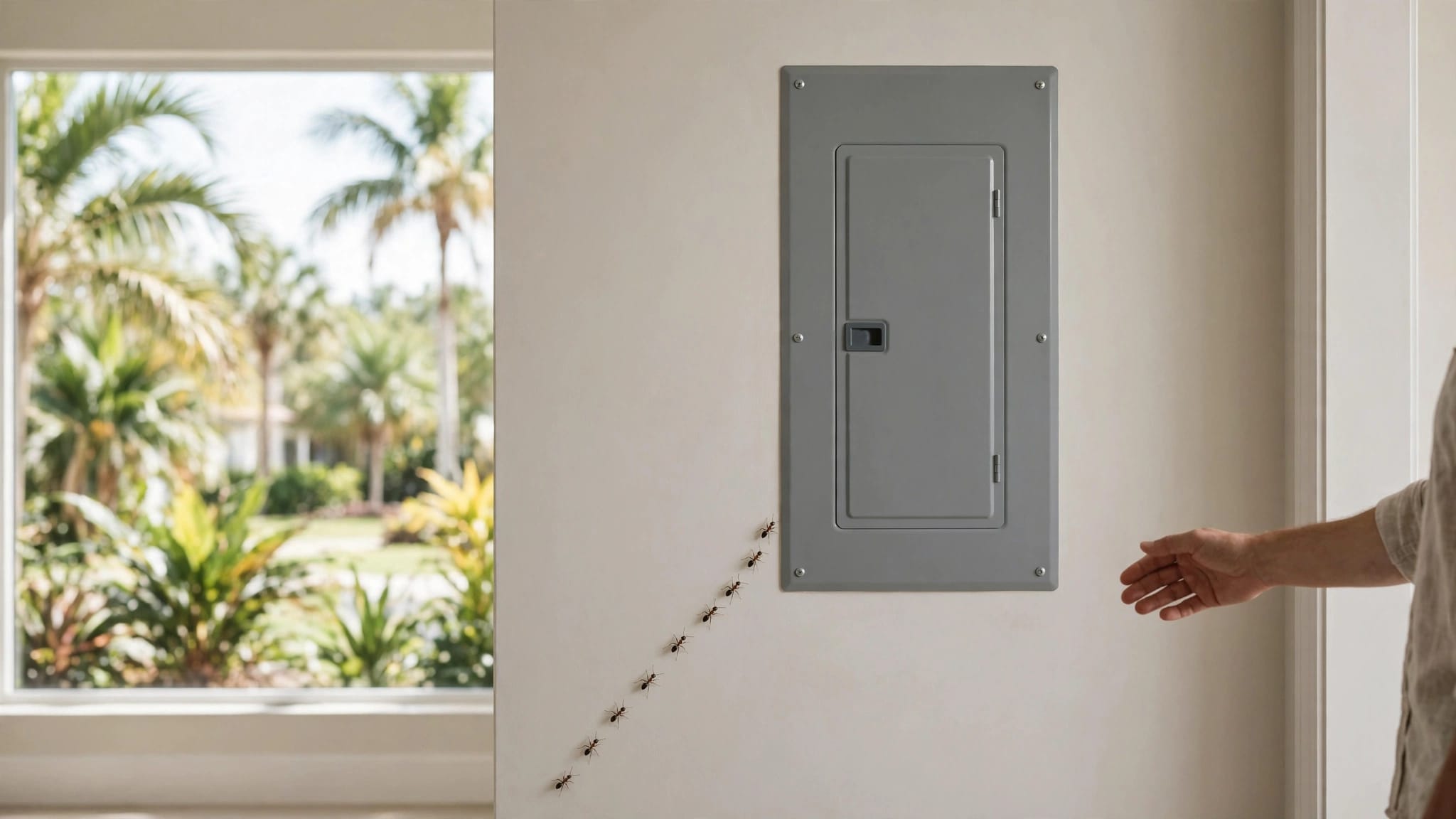
Follow rat paths. Check wall voids behind outlets. Pull back baseboards gently. Probe nests with a stick; mites scatter.
Examine fabrics next. Shake pillows outdoors. Watch for falling specks. Crawl spaces and garages hold remnants too.
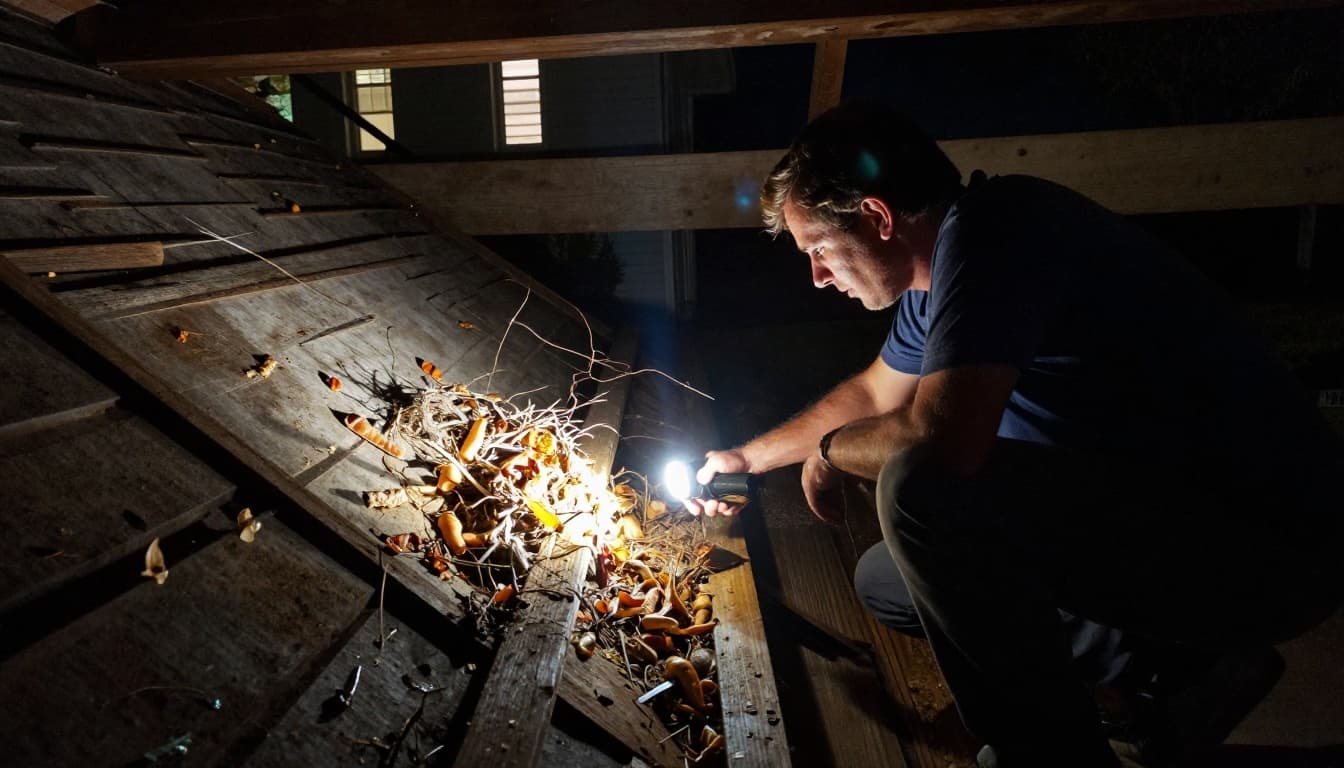
Wear gloves and a mask. Mites irritate lungs. Document spots for pros. For full rodent checks, see roof rats in Cape Coral.
DIY Cleaning Steps to Eliminate Mites
Vacuum daily. Hit floors, furniture, and cracks. Empty bags outside right away. Mites die from suction.
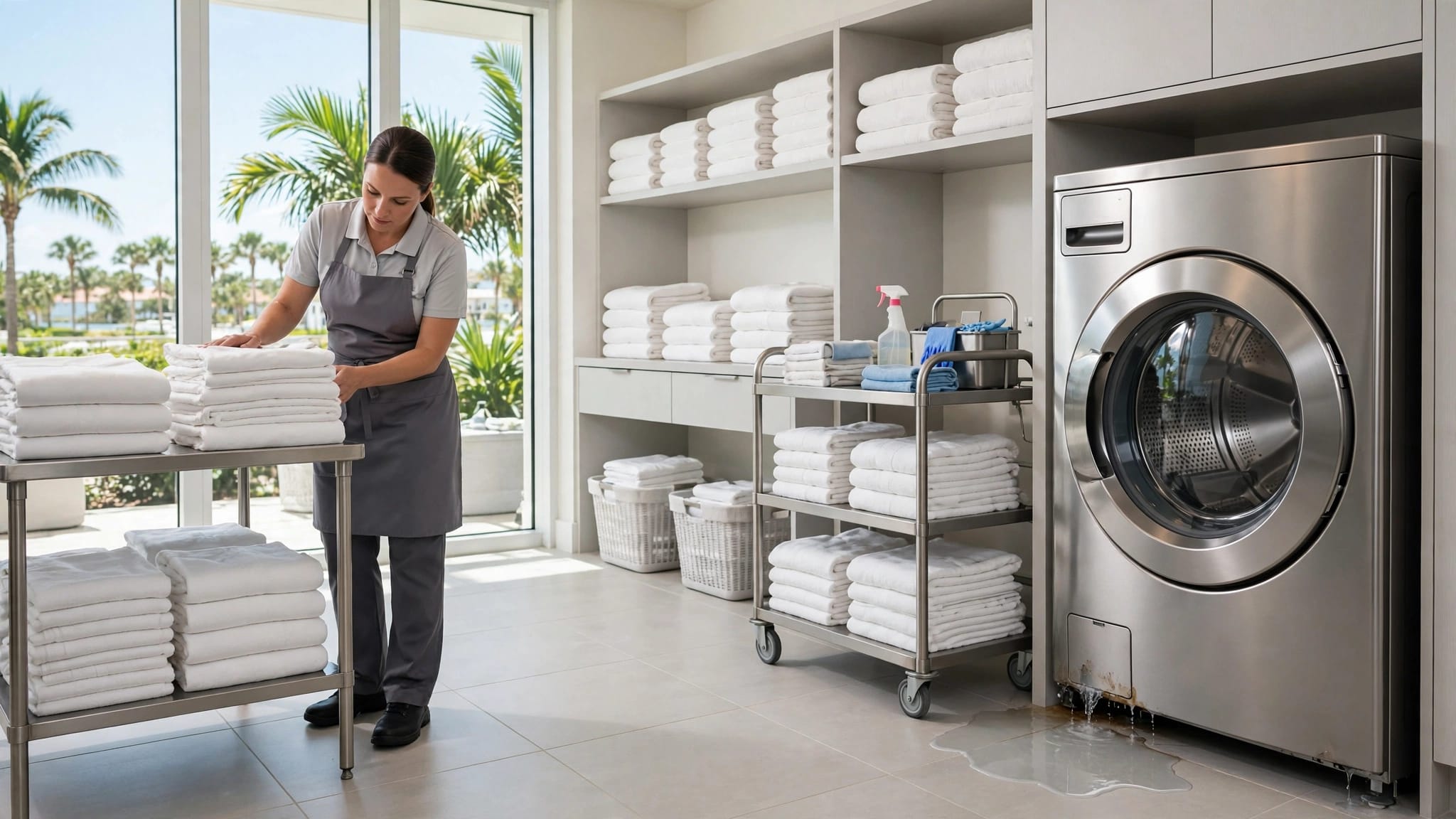
Wash fabrics hot. Bedding, clothes, and curtains go in 130-degree water. Dry on high heat. Steam kills mites too.
Declutter attics. Bag insulation clumps. Toss nests sealed. Wipe surfaces with soapy water.
Seal gaps. Use steel wool on holes. Caulk follows. Reduce humidity with fans.
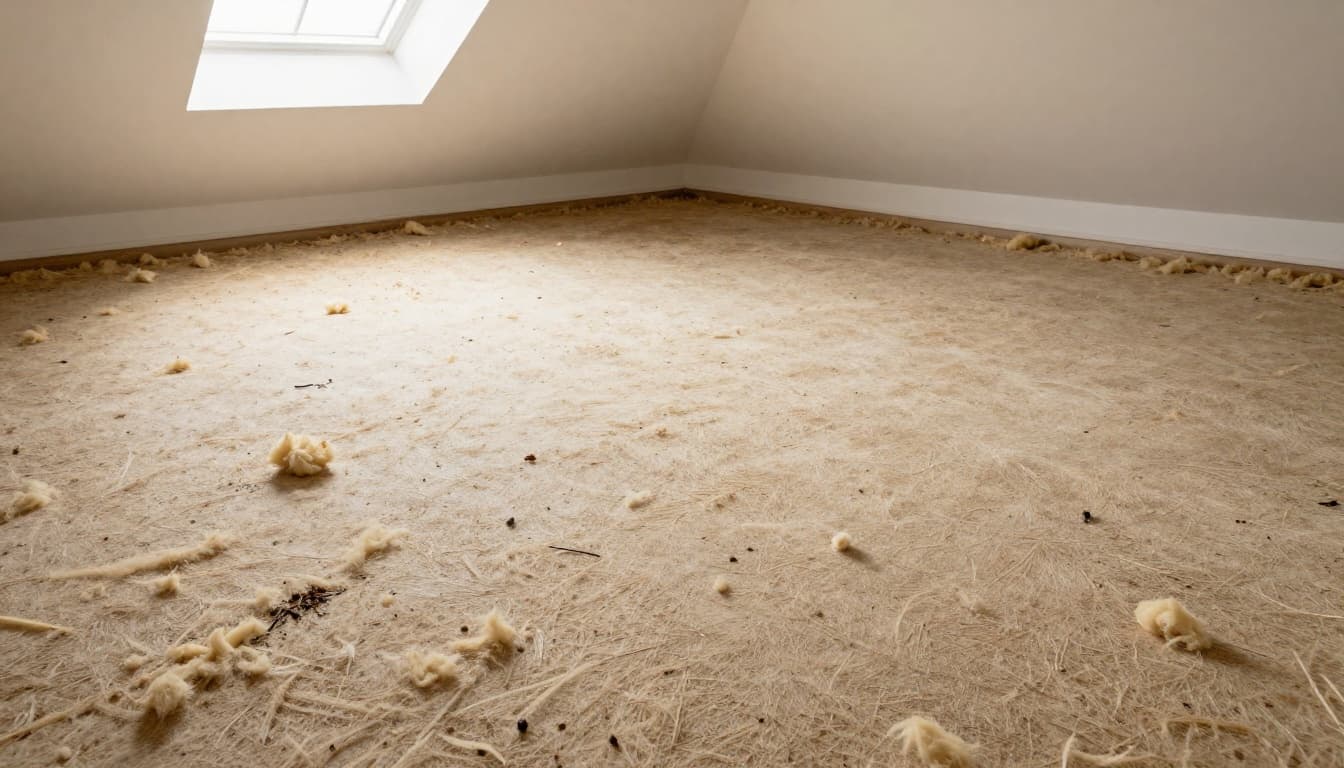
Repeat weekly. Results show in days. Pair with eco-friendly rodent control for prevention.
When Professional Treatment Makes Sense
DIY works mild cases. Bites persist? Call experts. Pros use targeted sprays safe for homes.
They inspect hidden voids. Dusts last months. Follow-up checks confirm kill.
In Cape Coral, full service includes exclusion. Rats stay out; mites follow. Schedule pest control services if needed.
One treatment often clears it. Monitor bites after.
Rodent mites hit hard after removal but fade with action. Inspect attics, clean thorough, and seal paths. Bites stop when hosts lack. Pros finish tough jobs. Your home stays comfortable again.
Schedule a Free Inspection: