Foam Insulation and Termite Inspections in Florida
A foam-insulated attic can look clean while the wood behind it remains impossible to inspect. In Florida, foam insulation and termite inspections need careful coordination because covered surfaces can hide damage, shelter tubes, or other evidence.
The main concern is inspection visibility , not a blanket claim that foam attracts termites. Your home's risk depends on the installation, termite activity, moisture conditions, and access to structural wood.
Start by understanding what foam conceals, then ask a qualified pest professional how those limitations affect your home's inspection and protection plan.
Key Takeaways
- Foam can cover termite evidence and provide concealed travel routes, but its presence doesn't prove an infestation.
- A visual inspection cannot confirm the condition of wood hidden behind insulation.
- Florida clearance requirements help preserve exterior inspection access, but they don't expose covered attic framing.
- Have a licensed termite professional evaluate concealed areas before changing insulation or relying on an inspection report.
How Foam Insulation Affects Termite Inspections
Foam changes an inspection when it covers surfaces the technician would otherwise examine. The effect depends on where installers place it and how much wood or foundation remains visible.
Covered wood can hide familiar warning signs
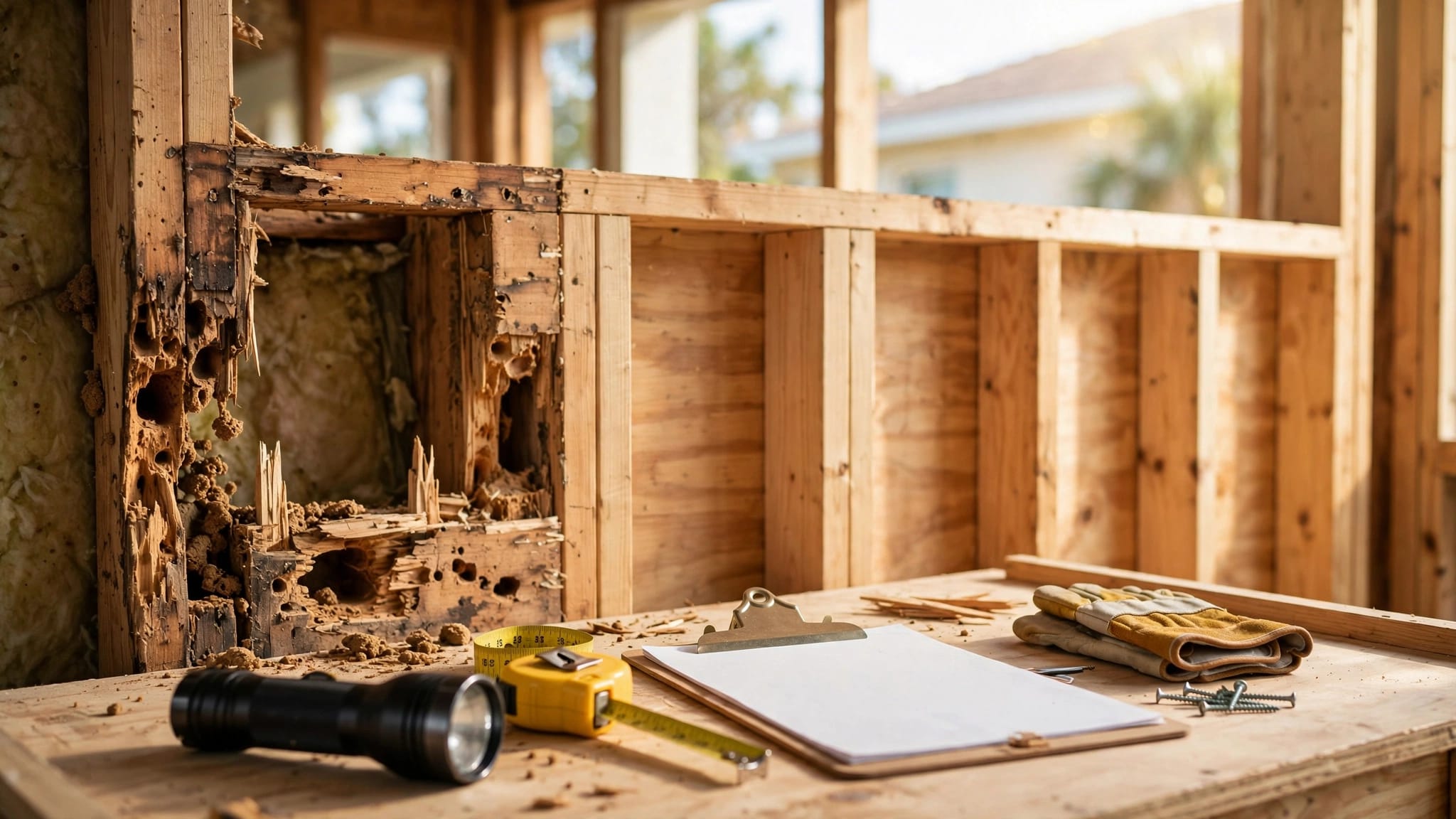
Spray foam applied over roof decking, framing connections, or other wood can obscure the surface. An inspector may lose access to discoloration, galleries, small exit holes, or weakened areas.
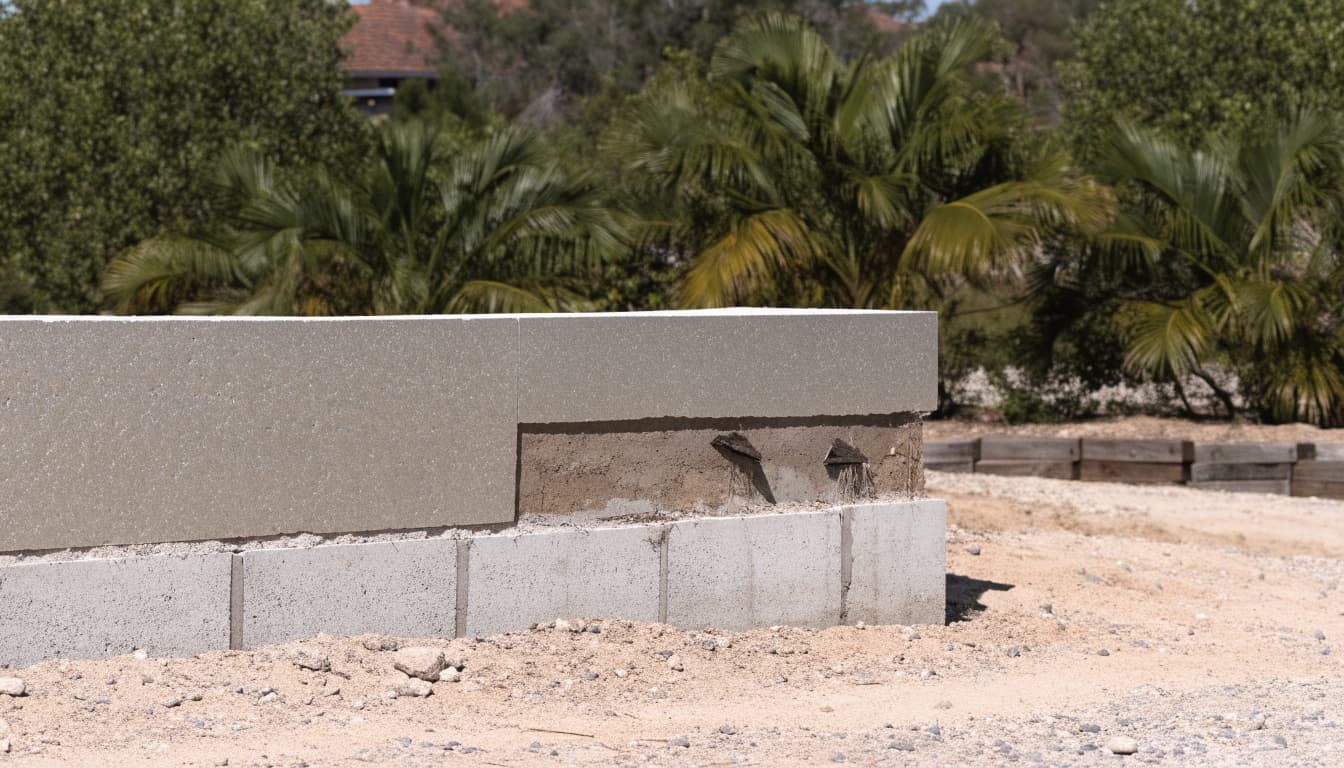
Rigid foam board can also conceal foundation surfaces and entry points. A clean-looking insulation face tells you little about the material behind it.
Coverage varies between homes. Exposed trusses may remain inspectable even when the roof deck is covered. However, seeing one member doesn't establish the condition of every concealed connection.
Tunneling and attraction are different issues
UF/IFAS guidance on termite prevention explains that termites can tunnel through rigid foam board and spray foam insulation. Foam may conceal their route to wood and complicate inspection or treatment.
That finding doesn't establish that foam attracts termites or causes an infestation. Nor does it mean every foam-insulated home has termites.
The practical concern is delayed detection. When insulation hides the path or evidence, a colony may remain unnoticed longer. A pest professional should evaluate the installation rather than judge risk from the insulation material alone.
Florida Termite Types Leave Different Clues
Southwest Florida homes can face both subterranean and drywood termites. Their habits affect where inspectors look and which concealed areas deserve attention.
Subterranean termites often approach through foundations
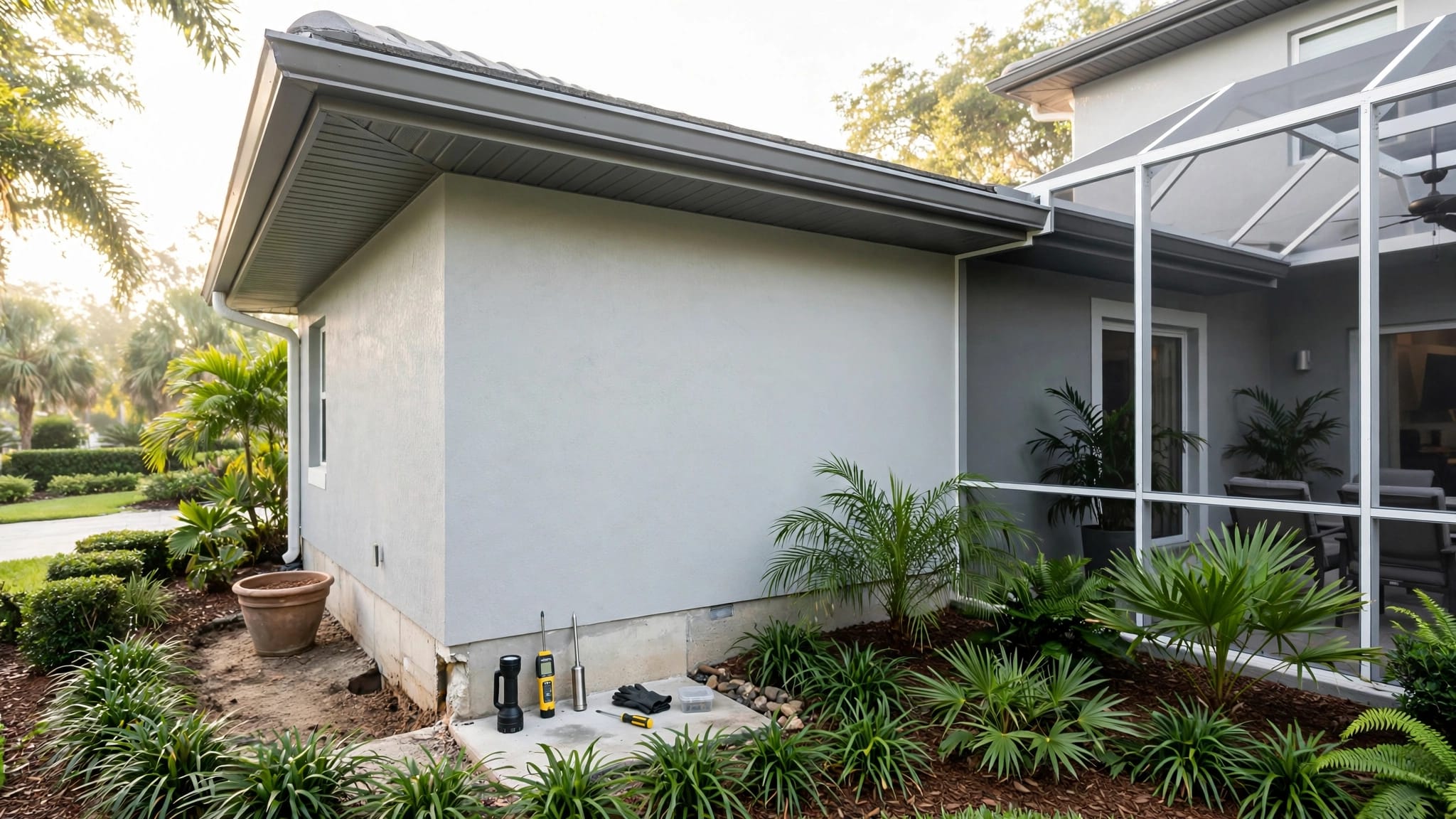
Subterranean termites commonly travel through soil-connected routes and build protective mud tubes. Inspectors check accessible slab edges, foundation walls, plumbing penetrations, and garage wall bases.
Foam near these areas can cover tubes or conceal transitions between masonry and wood. Landscaping, stored items, and wall finishes can further restrict the view.
Moisture conditions also matter. Irrigation overspray, plumbing leaks, and drainage problems deserve attention alongside the insulation. Concrete-block construction doesn't eliminate risk because termites can reach wooden components through hidden paths.
An old, dry tube still deserves evaluation. Its appearance alone doesn't establish whether activity continues elsewhere.
Drywood termites can remain above ground
Drywood termites live within wood and don't require soil contact. Consequently, roof framing, fascia, window trim, and other above-ground components can need inspection.
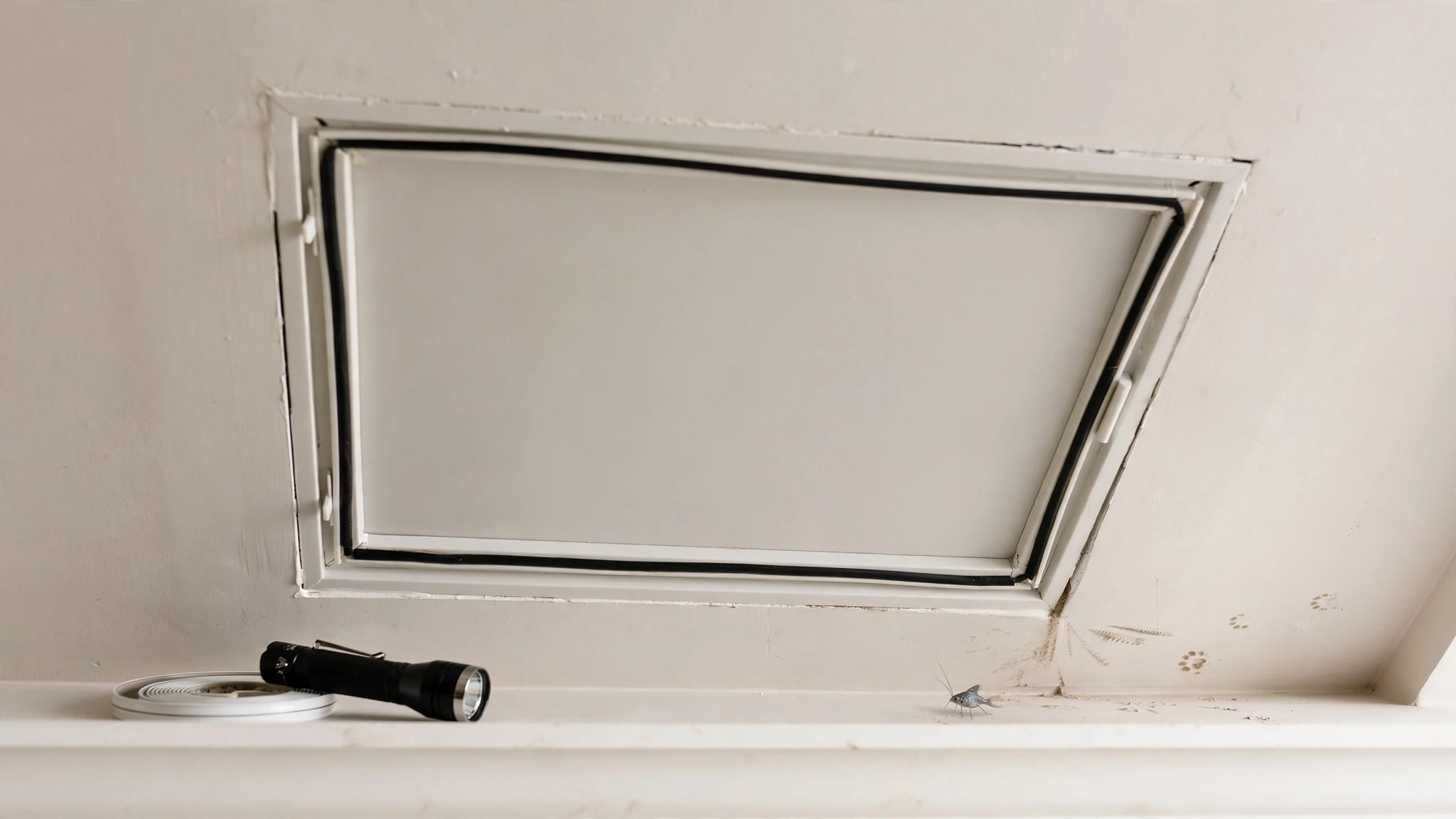
Their evidence often includes hard, sand-like fecal pellets beneath small kick-out holes. Foam covering infested wood may obscure those openings or make the source harder to locate.
A lack of mud tubes doesn't rule out termites. Likewise, pellets, wings, or damaged wood need professional identification before treatment. The termite type affects both the inspection strategy and the control method.
What a Florida WDO Report Can Confirm
A wood-destroying organism inspection, commonly called a WDO inspection, documents findings within its stated scope. It doesn't provide unrestricted access to every part of your home.
The standard inspection is visual and limited
The Florida Department of Agriculture and Consumer Services requires Form 13645 for WDO inspections covered by section 482.226(1). Rule 5E-14.142(2)(c) governs that reporting requirement.
FDACS inspection guidance describes an inspection based on visible, accessible areas. Concealed surfaces and areas requiring removal or defacement of building materials fall outside the ordinary visual scope.
Therefore, don't assume a routine inspection includes cutting away spray foam or removing rigid insulation. Any additional access work needs separate planning.
Read the limitations alongside the findings
The report should identify visible, accessible areas that weren't inspected and explain why. Ask the inspector to describe foam-related limitations clearly enough that you understand their location and extent.
A finding of no visible termite evidence doesn't confirm that framing hidden behind foam is termite-free.
A WDO report describes conditions at the inspection date. It isn't a guarantee that organisms or damage are absent unless it expressly states a guarantee and its extent.
For a purchase, renovation, or refinancing decision, discuss significant concealed areas before relying on the report. Uncertainty about hidden wood may call for further evaluation.
Florida Clearance Rules Preserve Exterior Visibility
Florida's building requirements recognize the importance of leaving inspection space. However, clearance at the ground doesn't solve every foam-related access problem.
Exterior coverings need separation from grade
The 2023 Florida Building Code, Eighth Edition , Residential section R704.1 requires at least 6 inches (152 mm) between exterior wall coverings and final earth grade to permit termite inspection.
That space helps expose the lower wall for inspection. Raised soil, accumulated mulch, or later landscaping changes can reduce visibility even if the original installation provided clearance.
Ask your pest professional about the condition of the exposed foundation. For construction compliance, confirm the applicable requirements with the local building department or a qualified contractor.
Foam has additional placement restrictions
Residential section R318.8 addresses foam plastics in areas designated as having a "very heavy" termite infestation probability. It restricts specified foam installations on exterior faces or beneath below-grade foundation walls or slabs, subject to listed exceptions.
The provision also requires at least 6 inches between above-grade foam and exposed earth. Project details and applicable exceptions need review before installation.
These requirements concern construction placement and exterior access. They don't make foam-covered roof decking visible or certify a home as termite-free.
Before adding foam, verify the code edition and local amendments that apply to your project.
What a Qualified Termite Inspection Should Include
A licensed termite professional should evaluate accessible evidence and explain what remains concealed. The inspection should address the building's layout, not simply the visible face of the insulation.
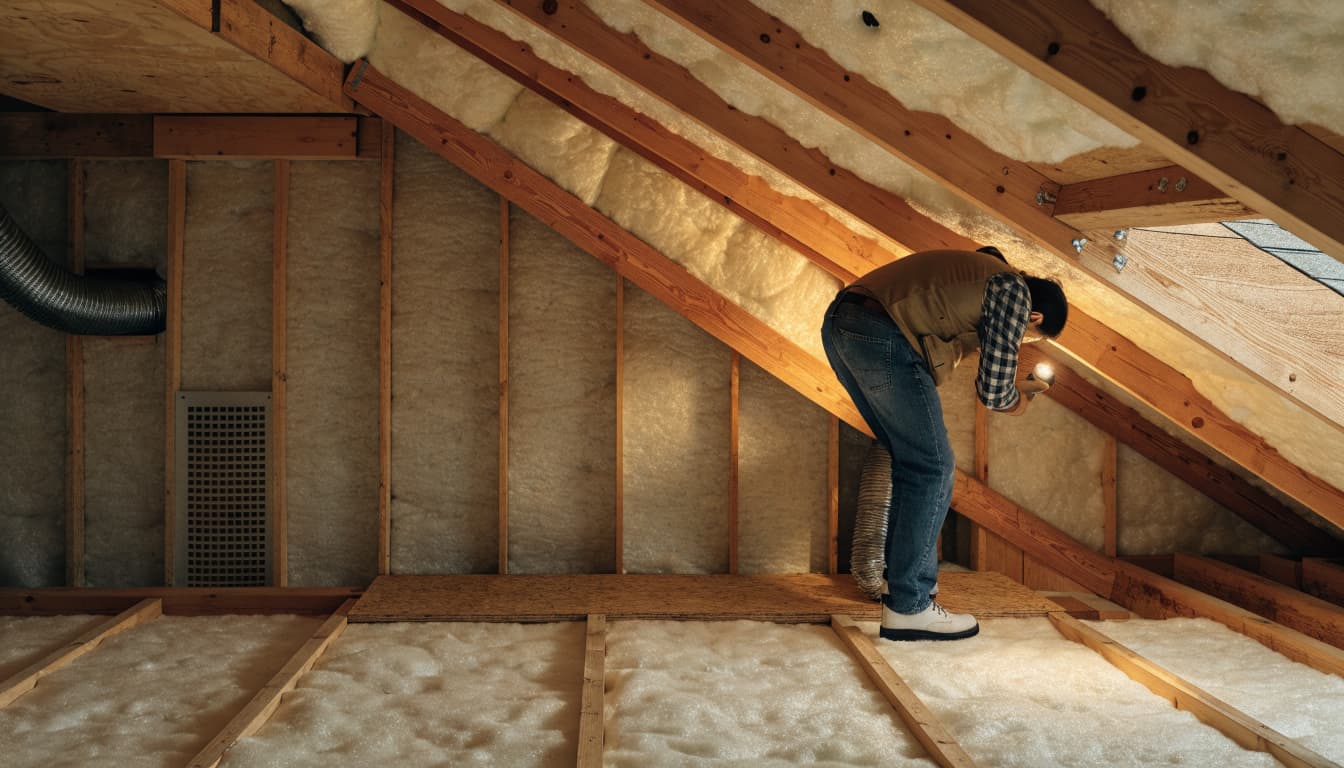
Show the technician where foam was installed. Also provide previous termite reports, treatment records, installation photographs, and information about roof or plumbing leaks.
The technician should examine accessible attic framing, foundation edges, garage areas, utility penetrations, and other relevant locations. Moisture readings or probing exposed suspect wood may support the evaluation. However, no single tool establishes the condition of every concealed surface.
If the professional finds pellets, mud tubes, or suspicious damage near foam, ask whether additional access is necessary. Any proposed opening should have a defined location and purpose.
Soft wood and blistered finishes can have several causes. Understanding termite versus water damage helps explain why appearance alone isn't a reliable diagnosis.
Treatment should follow identification and inspection findings. Subterranean infestations may call for baiting or liquid treatment, while drywood activity requires a different assessment. Comparing bait stations and liquid treatments is useful once the technician understands the species, access, and property conditions.
Coordinate Insulation Work With Termite Protection
The easiest time to protect inspection access is before installers cover it. Existing foam requires a measured response rather than automatic removal.
Before installation, establish a visible baseline
Arrange a termite inspection while the relevant wood and foundation surfaces remain accessible. Address any confirmed activity and investigate moisture problems before insulation work begins.
Then have the insulation contractor and pest professional discuss which surfaces and connections need future inspection access. Photograph exposed areas and retain the installation specifications with your home records.
Also contact your current termite provider before changing the building. Ask whether the proposed work affects inspections, treatment access, or contract eligibility. Get the answer in writing rather than relying on a verbal assumption.
With existing foam, review access and coverage
Don't strip insulation from an entire attic simply because someone raises a termite concern. First, ask a qualified pest professional to evaluate the visible evidence and identify the inspection limitations.
Targeted access may be appropriate, but the scope should reflect actual findings. Coordinate removal and restoration with the relevant building professionals.
Warranty decisions vary by company and contract. Some providers may limit or decline coverage where spray foam restricts inspection. Review Florida termite warranty coverage and ask about exclusions, retreatment obligations, and any repair provisions.
A completed insulation project shouldn't leave you guessing about your protection agreement.
Frequently Asked Questions
Does foam insulation mean my Florida home has termites?
No. Foam's presence doesn't confirm termite activity or establish that it attracted termites. The concern is whether the installation conceals evidence or restricts access. A licensed professional should assess visible clues, construction details, moisture, and inspection limitations together.
Should I remove foam before scheduling an inspection?
Usually, the professional should assess the home first. Don't cut or peel insulation without a defined reason and a plan for restoration. If additional access is necessary, ask which specific area needs opening, what the inspector expects to learn, and who should perform the work.
What should I do if I find pellets or mud tubes?
Photograph the evidence and note its location before cleaning, painting, or disturbing it. Contact a licensed termite professional for identification. Avoid DIY foggers or off-label chemical applications, which can complicate evaluation without addressing the colony. Mention nearby foam, leaks, and previous termite treatments when scheduling.
Keep Inspection Access Part of Your Protection Plan
Foam insulation can conceal termite evidence and limit access without proving an infestation. The most useful inspection identifies what the professional can see and clearly documents what remains hidden.
Protect inspection access before installation whenever possible. If foam already covers important areas, schedule a qualified evaluation and review any warranty limitations.
A clean insulation surface offers limited reassurance. Clear findings, documented limitations, and a property-specific protection plan give you a stronger basis for decisions.
Schedule a Free Inspection: