Compare Commercial Pest Control Estimates in SW Florida
To compare commercial pest control estimates, match the covered pests, treatment areas, scheduled visits, and follow-up terms before comparing prices. In Southwest Florida, the strongest proposal connects those services to your building's pest activity, moisture problems, and entry points.
A low recurring charge can cost more overall when corrective work or return visits fall outside the agreement. Focus on service fit , then use the same comparison period and scope for every estimate.
Start with what the inspection found, because those findings should explain the proposed work.
Start With Inspection Findings, Not a Package Name
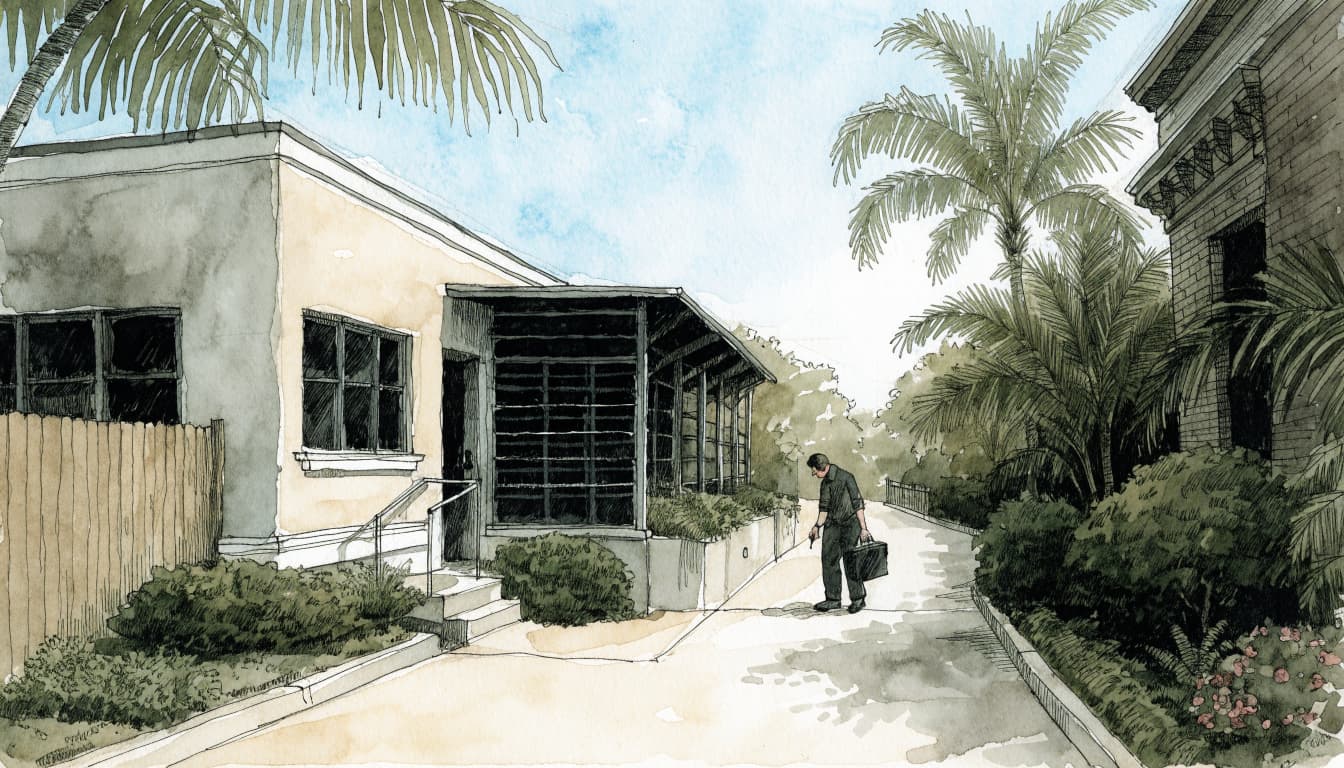
An estimate should explain why your property needs the recommended service. A package name alone doesn't establish that connection.
Connect the proposed work to actual evidence
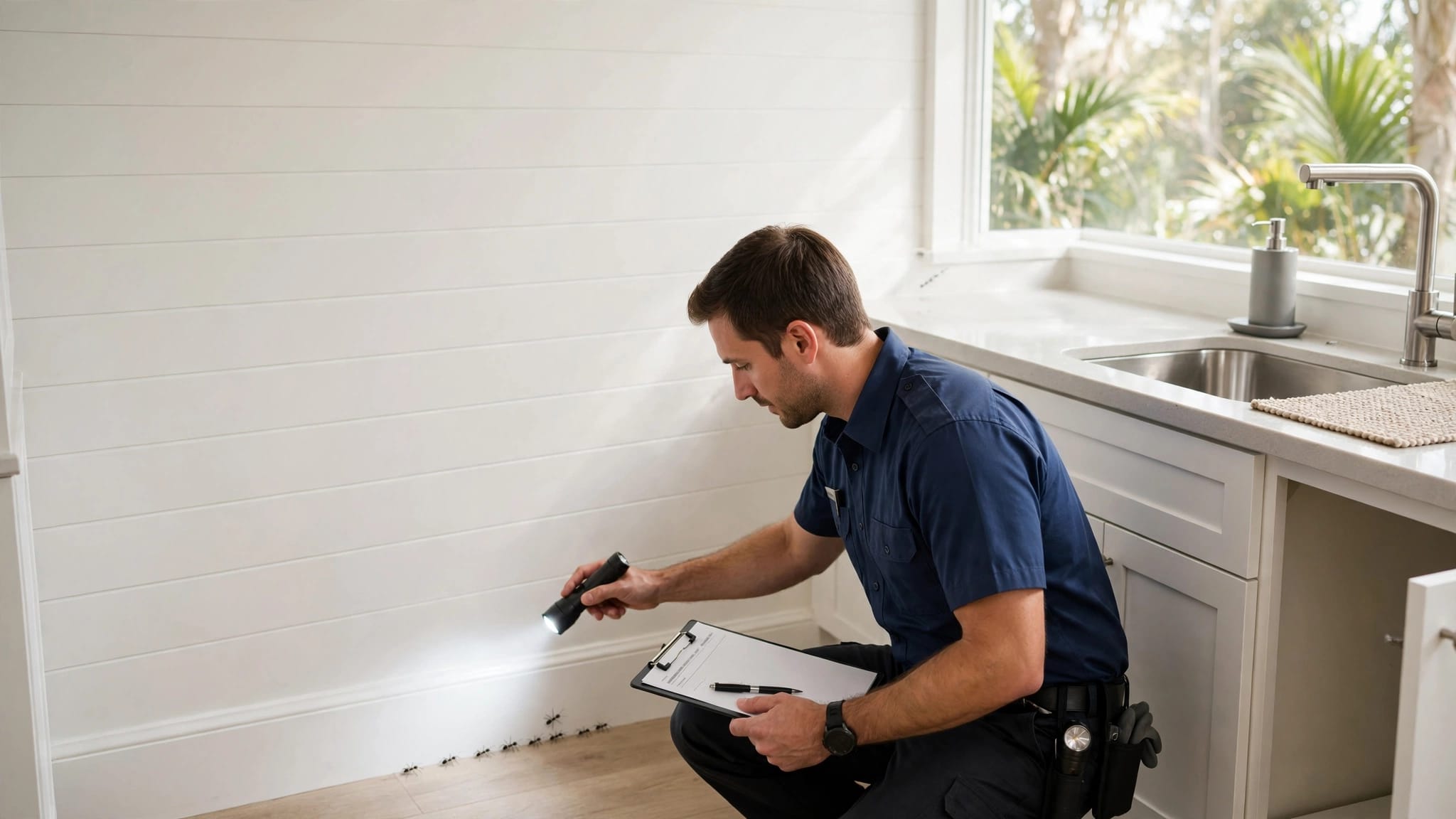
Useful findings distinguish observed activity from conditions that could attract pests. Droppings, damaged packaging, and insect sightings describe a different situation than a damp utility room without confirmed activity.
The proposal should connect each finding to treatment, monitoring, exclusion, or a maintenance recommendation. Otherwise, you can't tell whether you're buying prevention or correction of an existing infestation.
Our commercial pest control services address interior and exterior concerns across business properties, including workspaces, kitchens, storage areas, and utility rooms.
Separate pest control from building maintenance
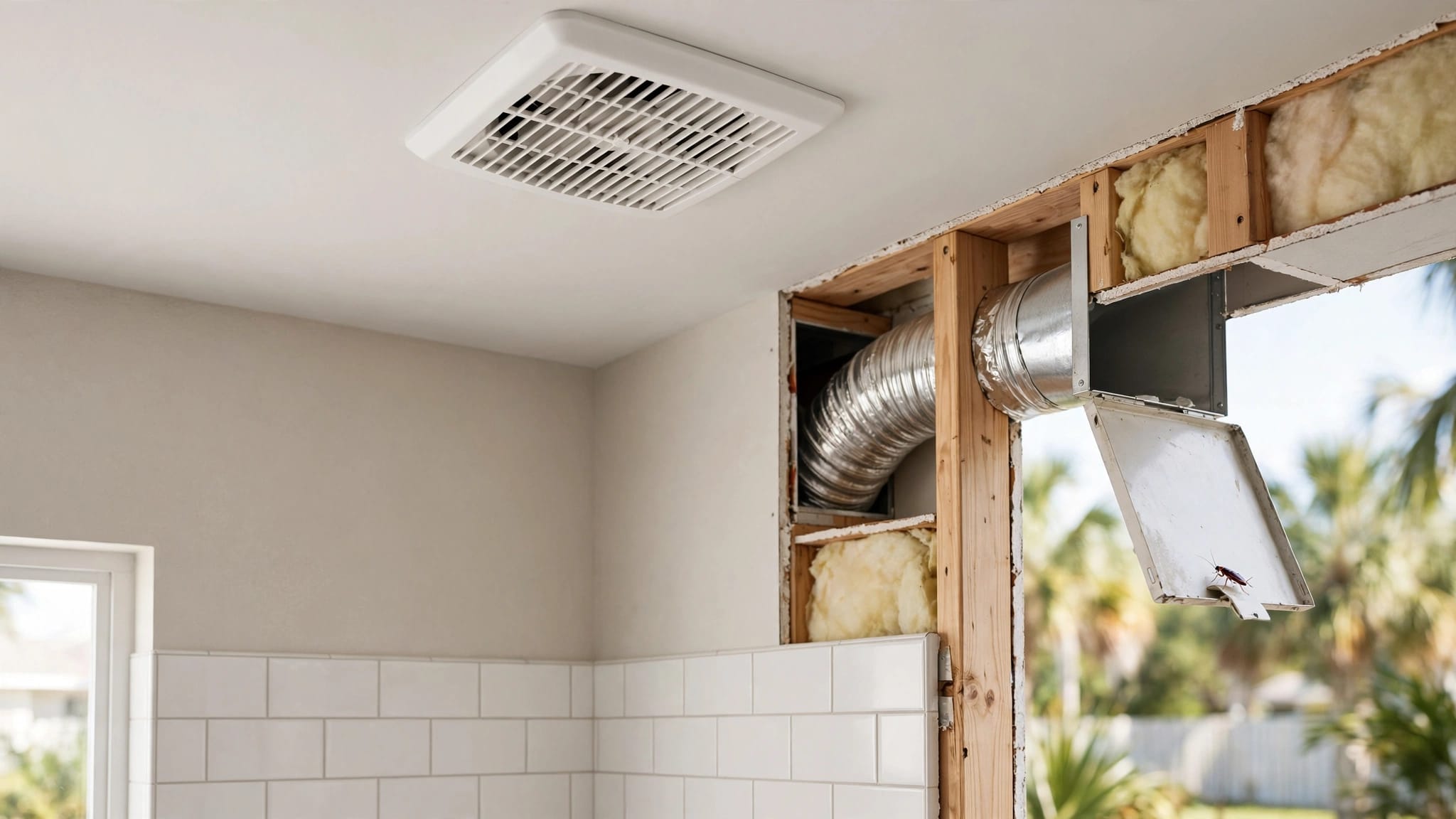
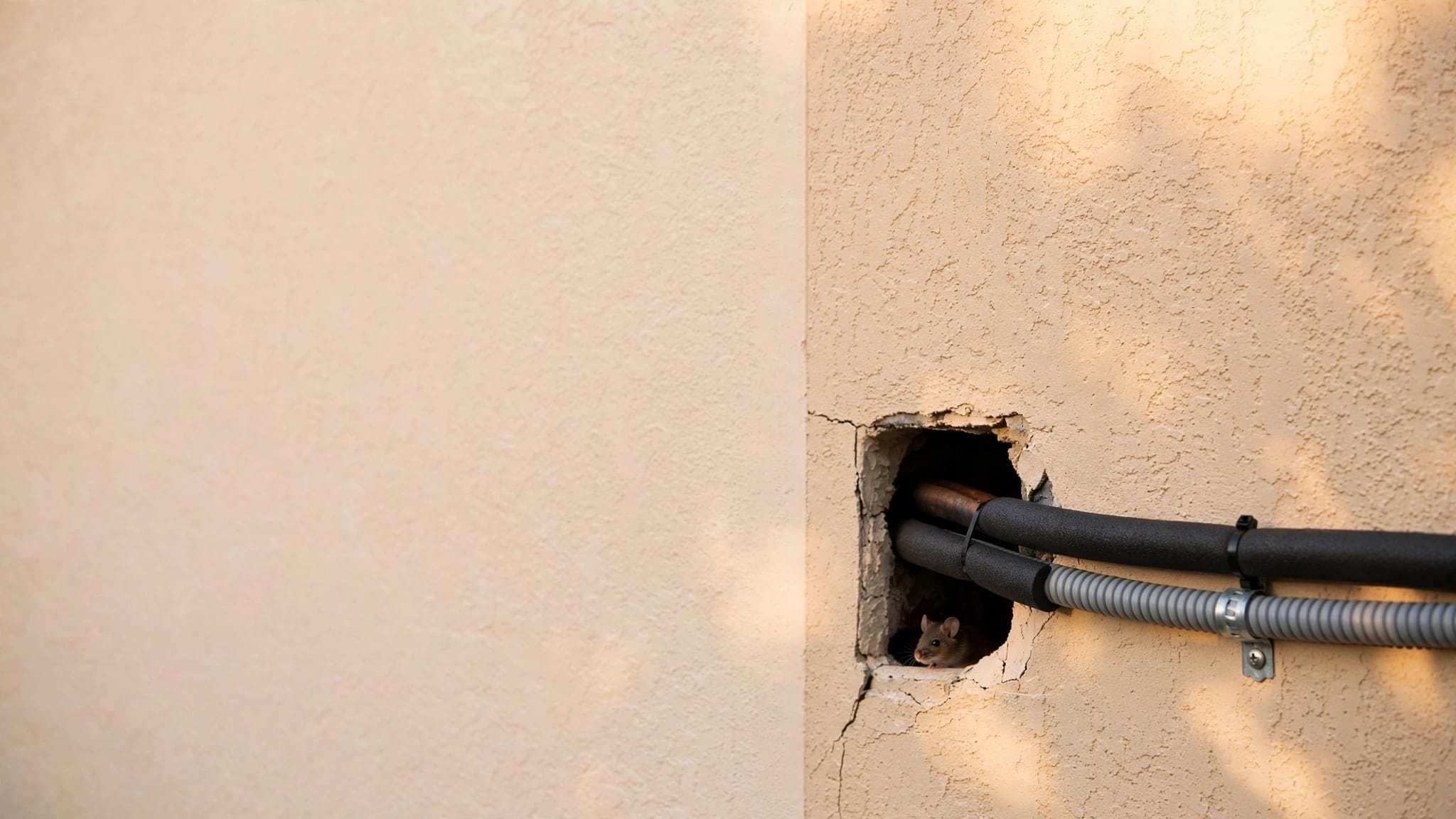
A leaking pipe, damaged door sweep, or open utility penetration can keep supporting pest activity after treatment. The estimate should identify these conditions and assign responsibility for correcting them.
Ask: "Which findings does your price address, and which repairs remain our responsibility?"
That distinction matters when tenants, property managers, and building owners share maintenance duties. A recommendation to seal an opening isn't the same as including that repair in the quoted work.
Compare Covered Pests and Treatment Areas
Two estimates can describe "commercial pest control" while covering different problems. Both the pest list and the property boundaries need clear definitions.
Require a clear list of included pests
Ants, cockroaches, spiders, mosquitoes, termites, rats, and mice can affect Southwest Florida properties. However, their presence in a provider's service lineup doesn't mean every pest belongs in one agreement.
The written scope should distinguish routine insect management from specialty services. Rodent trapping, exclusion, termite work, bed bug treatments, and mosquito control may require separate work.
Ask: "Which pests does this estimate cover, and which would require another proposal?" Broad phrases such as "general pests" leave too much room for misunderstanding.
Define the property's covered spaces
Interior coverage should identify relevant rooms, while exterior coverage should describe the building perimeter and other included areas. Loading entrances, dumpster pads, outdoor dining spaces, and detached storage buildings deserve clear treatment.
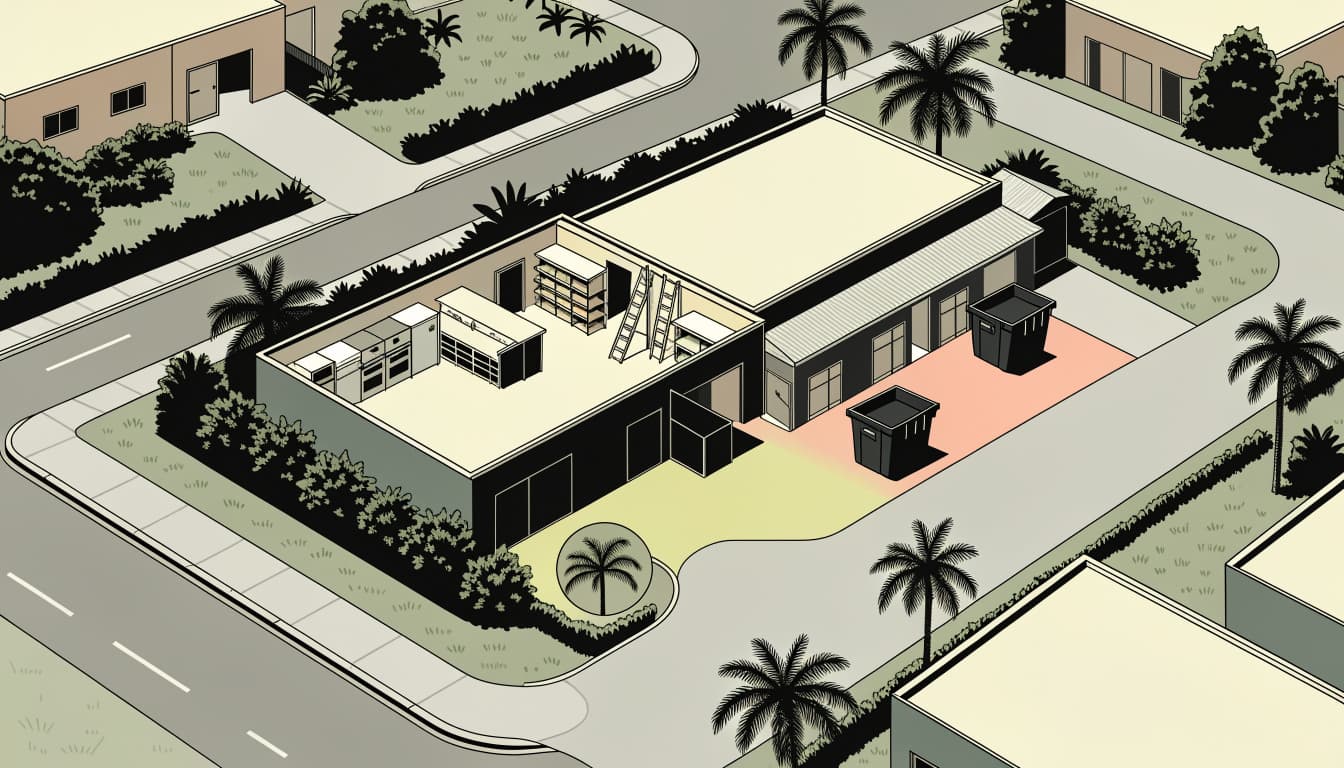
For facilities with restricted access, our guidance on pest prevention for self-storage managers explains why access arrangements and assigned responsibilities matter.
Ask whether tenant-controlled spaces, locked rooms, roof areas, or outbuildings fall outside the proposed scope.
Match Visit Frequency With Follow-Up Support
Service frequency should follow the property's risks and findings. It shouldn't substitute for an explanation of what each visit accomplishes.
Distinguish scheduled service from billing
An estimate should state the planned visit schedule and the work included during those visits. Inspection, monitoring, device maintenance, and treatment are separate activities, even when one appointment includes several.
Also separate initial corrective work from ongoing prevention. A plan for active cockroach activity needs a different explanation than maintenance for a property without current evidence.
A billing schedule tells you when you pay. The service schedule tells you when someone inspects or treats the property.
Compare the actual service commitments rather than the payment arrangement.
Read callback terms alongside the schedule
Follow-up support determines what happens when activity continues between scheduled visits. The agreement should identify covered callback situations, possible charges, response arrangements, and any conditions attached to that support.
Ask: "If the same covered pest remains active, what happens next, and does that visit cost extra?"
The response should include reassessment where needed. Repeated activity can point to an overlooked entry route, unresolved moisture, or incomplete corrective work. Another application alone may leave the cause untouched.
Compare Total Costs, Including Separate Work
Price matters, but the recurring fee tells only part of the story. Compare what each proposal actually buys over the same period.
Separate startup costs from ongoing charges
Organize each estimate into initial treatment, recurring service, equipment, and separately priced corrective work. Then compare the total for a consistent period, such as 12 months.
That period is a budgeting tool, not an assumed contract length. Keep contract duration and cancellation obligations separate from the cost calculation.
Also distinguish a required charge from an optional recommendation. A proposal can look inexpensive when necessary work appears elsewhere without a price. The financial risks of commercial infestations also extend beyond the treatment bill, so service gaps deserve attention.
Identify the likely add-on categories
Look for separate charges involving rodent exclusion, cleanup, specialty treatments, monitoring equipment, after-hours access, and unscheduled visits. Don't assume these services are included or automatically necessary.
Ask: "What work could create an additional charge, and how do you obtain approval before performing it?"
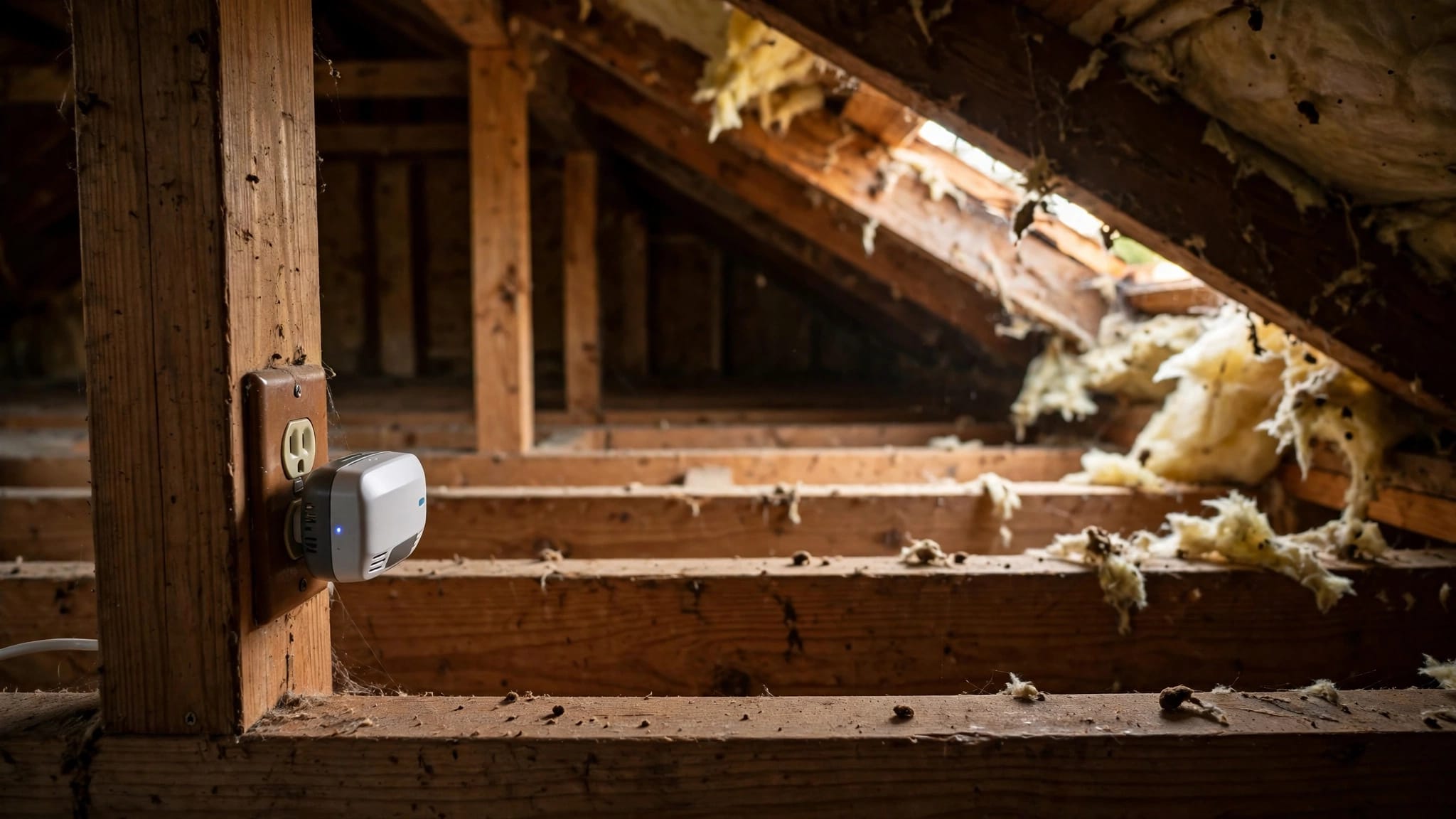
Equipment terms also matter. The proposal should explain whether devices remain the provider's property and what happens when service ends.
Finally, read renewal and cancellation language alongside the price. Those terms affect your ability to change service when the property's needs change.
Evaluate Experience With Southwest Florida Properties
Local experience should show up in the proposed solution. A nearby address alone doesn't explain how a provider will manage your building.
Look for a plan that addresses local pressures
Southwest Florida's warmth, humidity, irrigation, and stormwater can support pest activity around businesses. Landscaping against walls, standing water, and frequently opened service doors add property-level concerns.
Ask: "Which conditions around our building are contributing to this problem, and how does your plan address them?"
A useful answer connects the surroundings to specific recommendations. It should also account for your operations. A restaurant's food handling, a storage facility's restricted access, and an auto shop's open bays create different service needs.
Assess the rodent strategy beyond bait placement
A commercial rodent proposal should consider travel routes, hiding places, entry openings, and food sources. Monitoring and exclusion belong in that discussion alongside any proposed trapping or baiting.
Our guidance on preventing rodents around waste areas explains how sanitation and access control support the broader plan.
Ask: "How will you track activity, address entry routes, and decide whether the approach is working?"
If the plan includes rodenticides, it should describe secured placement and professional management rather than treating bait as the entire solution.
Use One Framework to Compare Estimates Equally
Put each provider's written proposal beside the same comparison sheet. Record what the estimate includes, not what a package name suggests.
Use these fields to expose meaningful differences.
| Comparison field | Information to record |
|---|---|
| Inspection findings | Pest evidence and contributing conditions |
| Covered pests | Named pests and specialty exclusions |
| Treatment areas | Interior rooms, exterior zones, access limits |
| Scheduled service | Visit frequency and included work |
| Corrective work | Treatment, exclusion, repairs, assigned duties |
| Follow-up | Callback coverage, charges, response arrangements |
| Total cost | Startup, recurring, equipment, required extras |
| Agreement terms | Duration, renewal, cancellation, equipment ownership |
The strongest comparison makes missing coverage visible before you select a provider.
First, eliminate proposals that don't address the identified problem. Next, compare scope-equivalent totals . Finally, weigh the remaining differences against your operations, access restrictions, and need for documentation.
If one proposal includes rodent exclusion and another includes only monitoring, keep those differences visible. Comparing their headline prices alone would treat different services as equal.
Service records also contribute value. Written findings, device locations, treatment notes, and assigned maintenance actions give your team something useful to act on. Ask: "What written record will we receive after each visit?"
Key Takeaways
Commercial pest control estimates become easier to compare when each provider addresses the same property conditions and service needs.
- Match covered pests, treatment areas, and initial corrective work.
- Compare scheduled visits, callback support, and maintenance responsibilities.
- Evaluate total cost alongside local experience and operational fit.
The lowest price deserves consideration only after you understand what it includes and what your business would still need to purchase.
Frequently Asked Questions
Is the lowest estimate usually the best value?
Only when it covers the work your property needs. A lower price can offer good value, but omitted areas, specialty services, or chargeable callbacks can change the overall cost. Compare equivalent scopes first.
Should rodent control be included in general pest service?
The written agreement determines coverage. Rodent management can involve monitoring, trapping, exclusion, and sanitation recommendations. Those tasks shouldn't be assumed simply because a proposal mentions general pest control.
Does more frequent service always mean better protection?
Frequency alone doesn't establish value. Visits need a defined purpose, and the schedule should address the pest activity and property conditions. Effective follow-up also depends on access, documentation, and completion of recommended corrections.
Choose the Estimate That Fits Your Property
The strongest estimate connects inspection findings to clearly defined work and dependable follow-up. Its price reflects a scope you can understand and compare.
Prioritize complete, relevant coverage over an attractive recurring charge. That approach makes the decision easier to explain and helps avoid paying separately for work you expected upfront.
We offer free inspections for Southwest Florida businesses ready to identify their pest concerns and discuss an appropriate service scope.
Schedule a Free Inspection: