Can Termites Damage Roof Trusses in Florida Homes?
Termites can reach attic framing in Florida homes, so signs near roof trusses deserve a prompt inspection . Activity can remain concealed behind walls, insulation, and roof components long before a homeowner notices a problem.
A pile of pellets or a mud tube doesn't tell you how much of the home is affected. The location of the evidence, the condition of the wood, and an inspection help determine the next step.
How Termites Reach Roof Framing
Florida's warm, humid conditions support termite activity, while heavy rain and roof leaks can add moisture around a home. Moisture doesn't create termites, but it can make some areas more hospitable.
Routes Through the Foundation and Walls
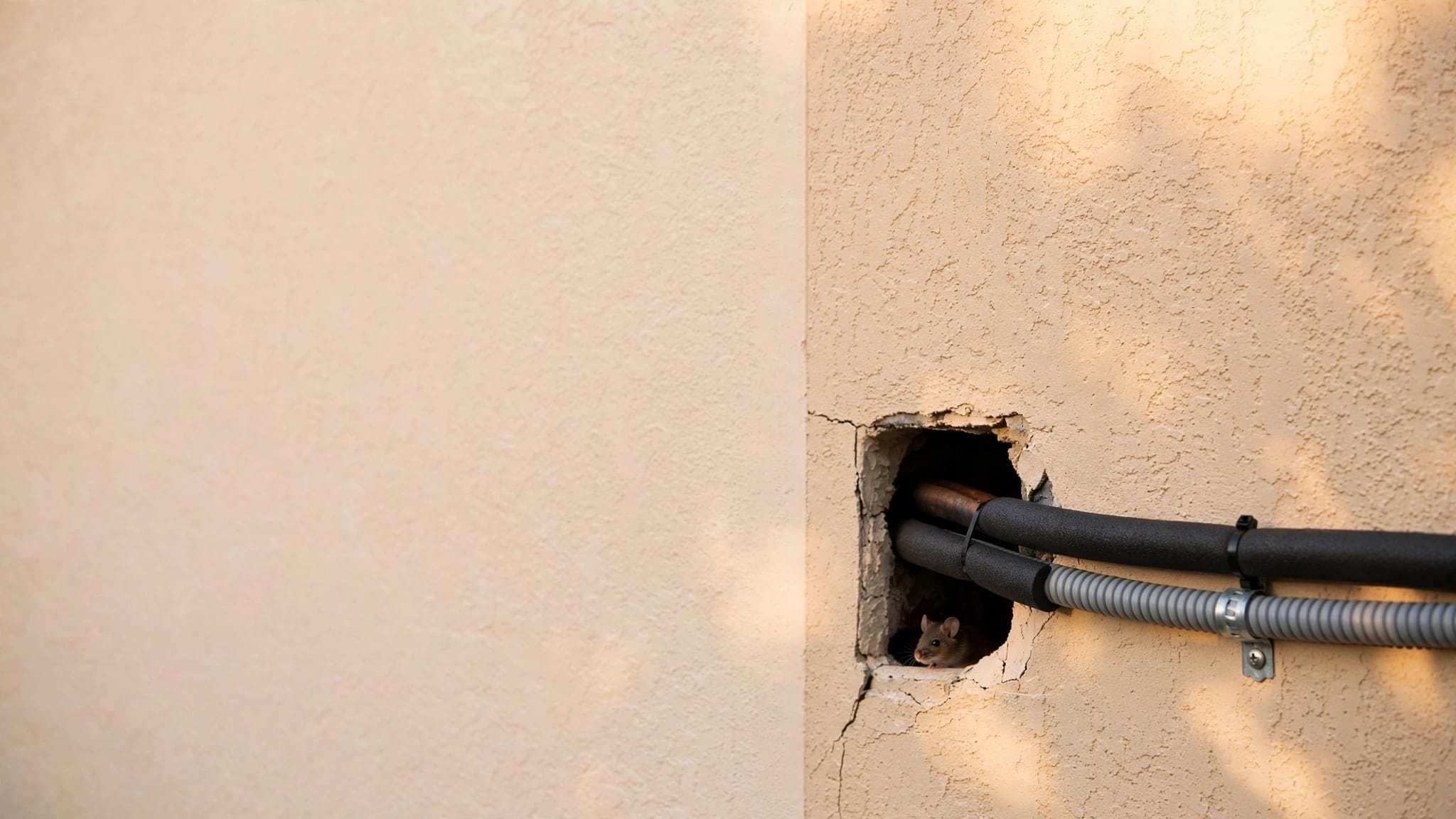
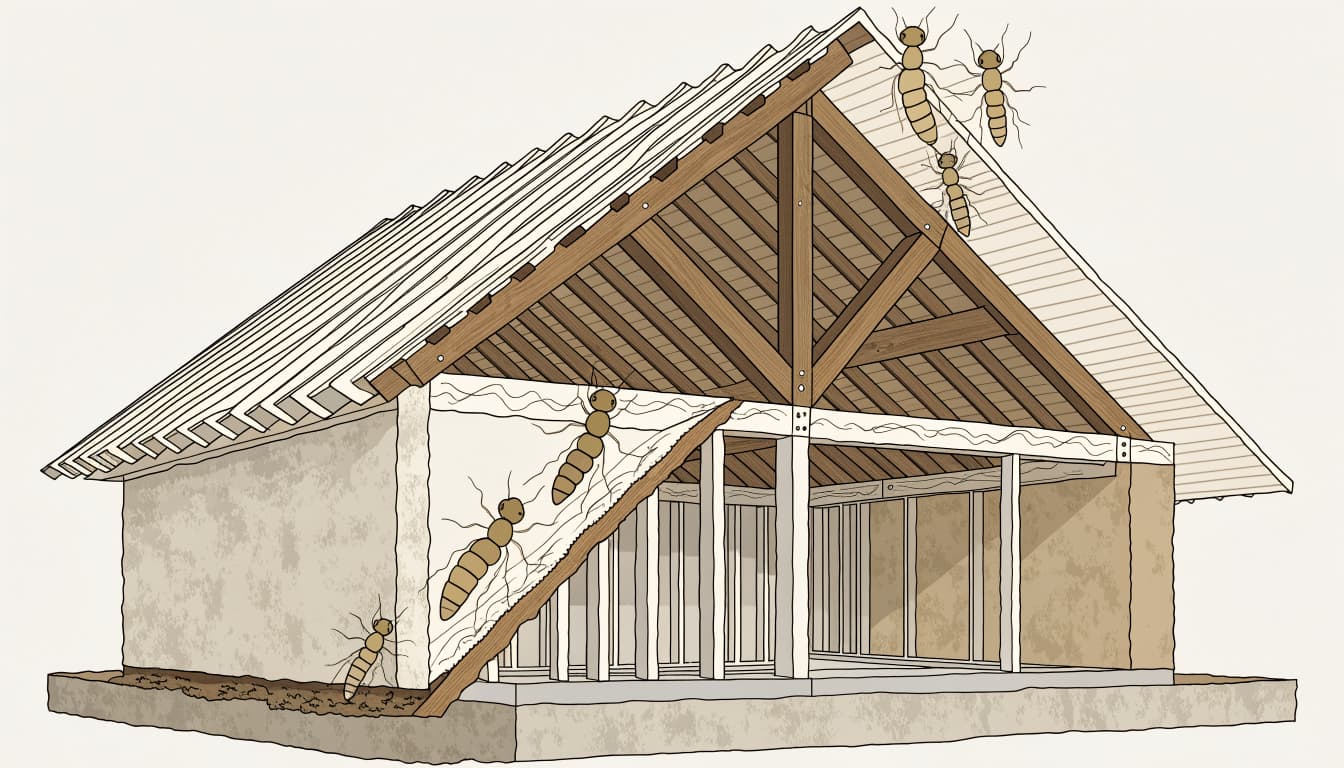
Concealed gaps around slab edges, plumbing penetrations, and construction joints can give termites access to a home. Once inside, activity may extend through wall cavities toward framing above.
Wood touching soil or damp debris can make these routes harder to spot. Mud tubes along a foundation or masonry surface are a reason to arrange an inspection, even when the attic looks clear.
Openings Around the Roofline
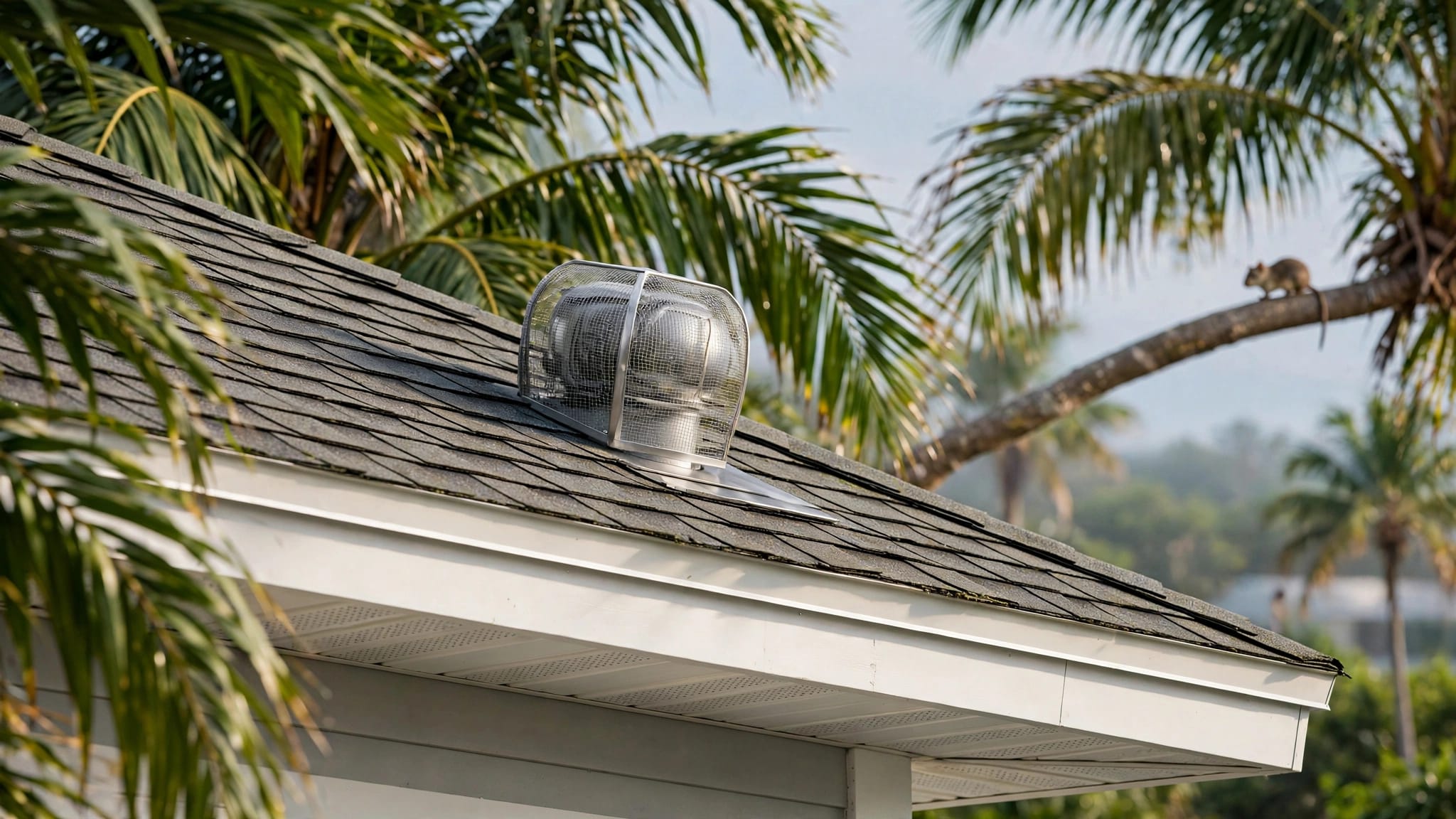
Roof edges contain wood behind fascia, soffits, and other finishes. Gaps near vents and roof penetrations can expose those areas, while insulation and finished surfaces can limit what you can see.
Roof or soffit replacement may uncover old activity that was hidden before the work began. A new roof alone doesn't establish that the surrounding wood is free of termites. Our guide to termite risks after roof or soffit replacement covers signs to watch for after a project.
Signs to Look for Near Roof Trusses
Termite evidence can appear in the attic or on the exterior below the roofline. Because much of the framing is concealed, an absence of visible signs doesn't rule out a problem.
Pellets, Wings, and Mud Tubes
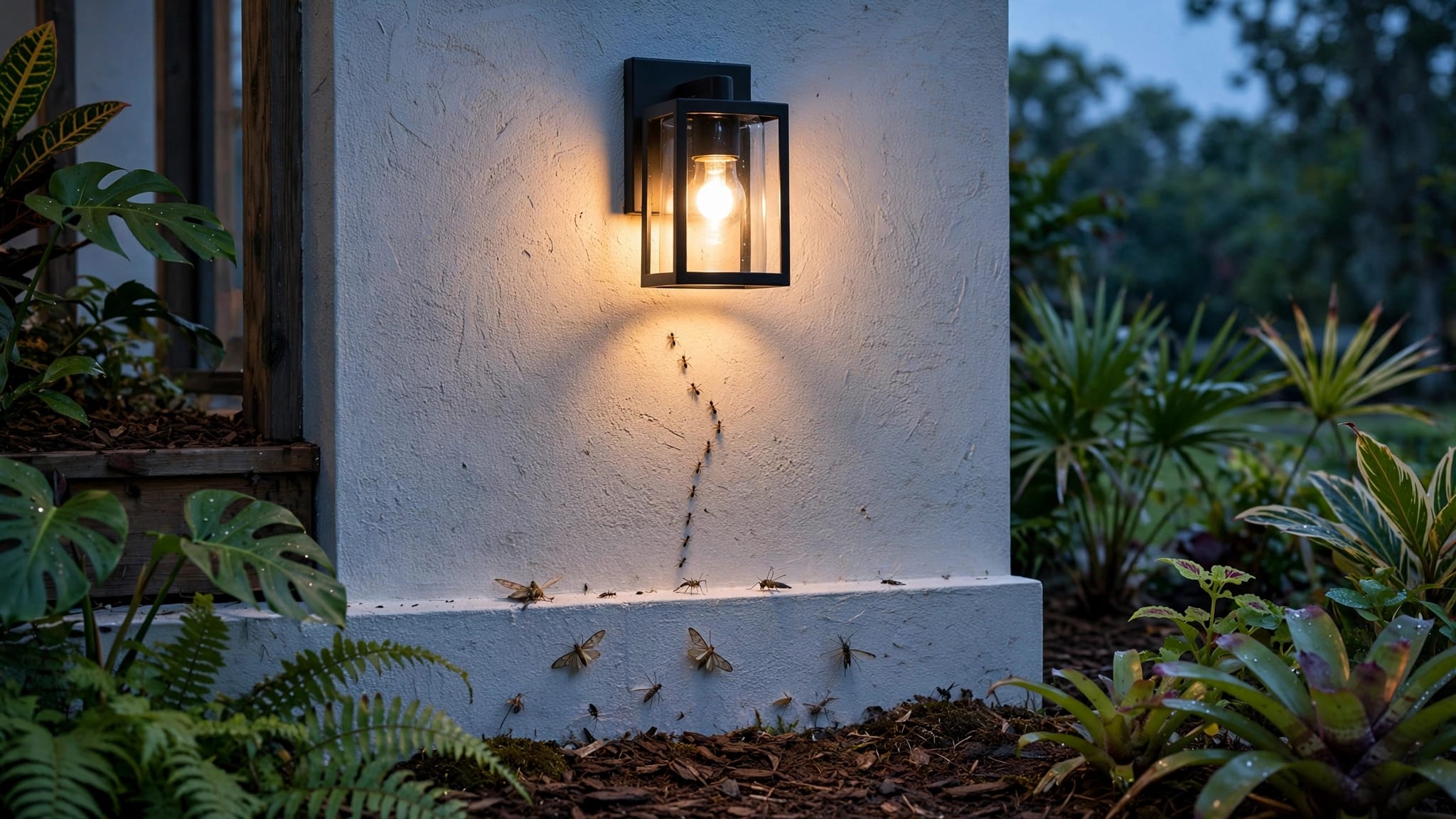
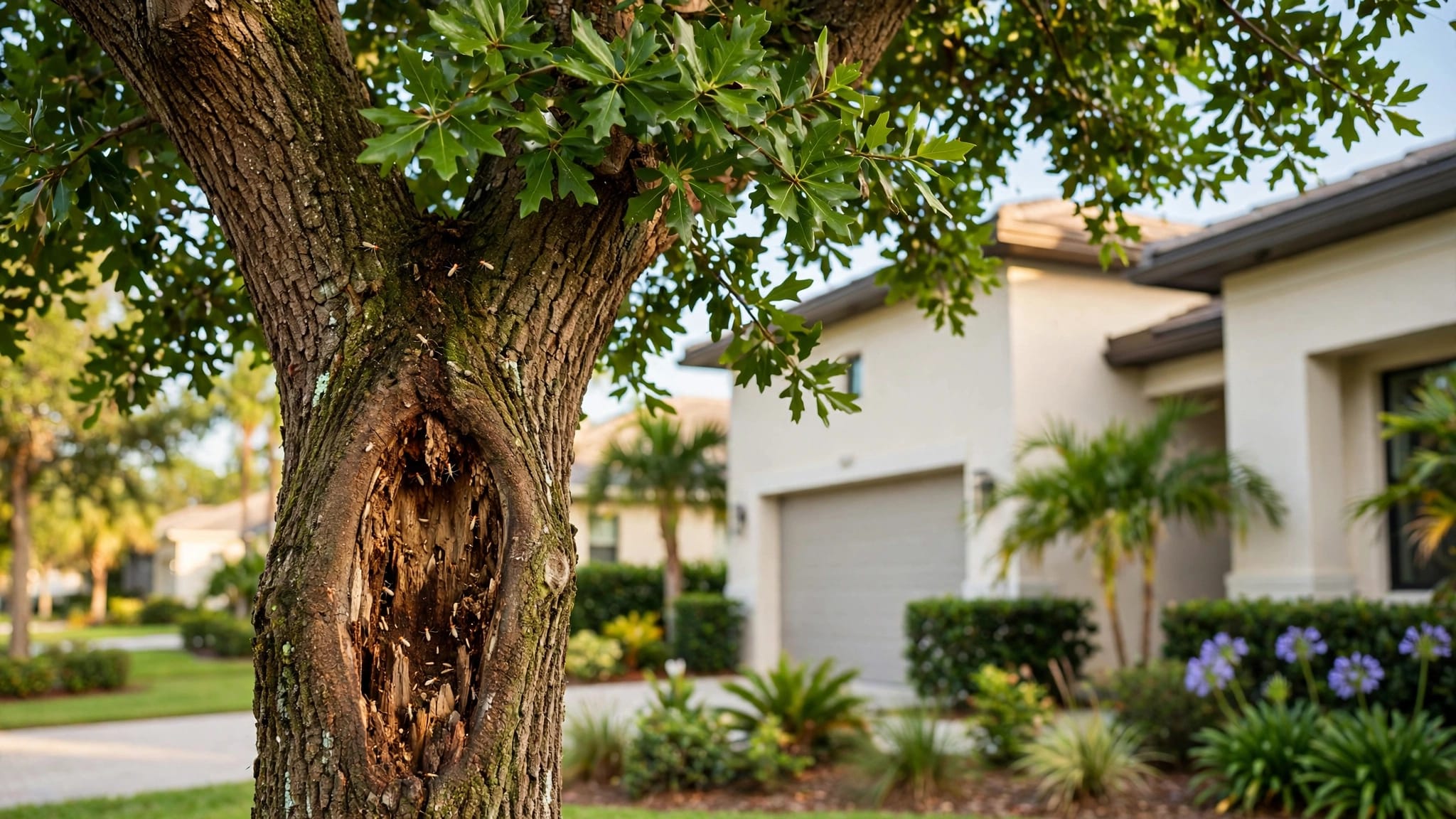
Small, hard pellets beneath a wood member or opening deserve attention. You might also notice discarded wings near a window, vent, or other opening. Mud tubes can appear along masonry, wood, or foundation edges.
Record where you find the evidence and take a clear photo. Leave pellets and tubes in place for the inspection when possible. Their location can help a technician trace activity. Wings or old tubes alone don't establish that an infestation is active.
Changes in Wood and Nearby Finishes
Hollow-sounding wood, small holes, damaged trim, or visible channels in wood may point to insect activity. Stains, soft wood, and bubbling paint also deserve attention, although a leak or wood decay can produce similar signs.
Termites and moisture problems can occur in the same area. Our comparison of termite damage and water damage explains the clues that can help distinguish them.
Why Roof Truss Conditions Need a Closer Look
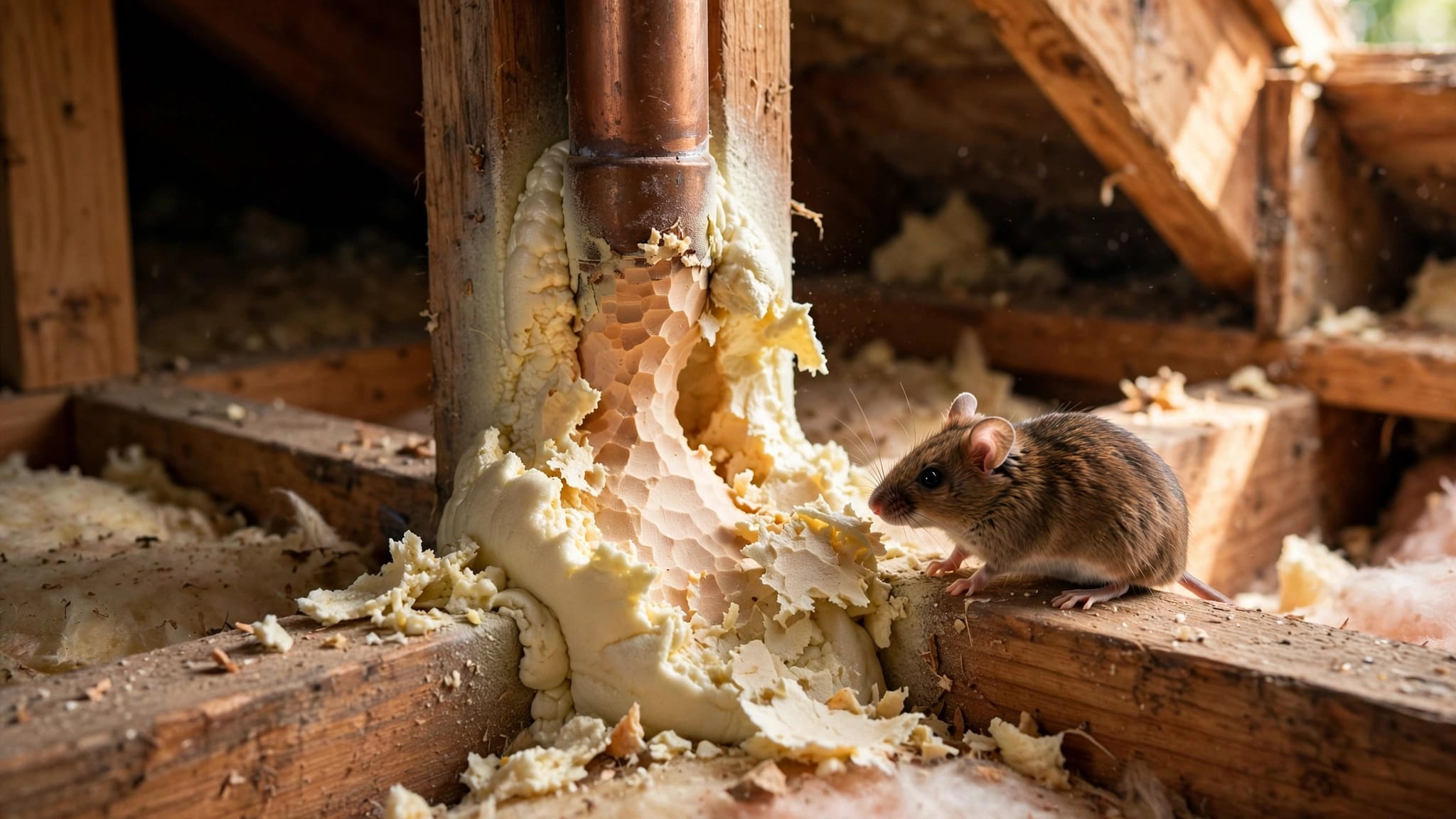
Roof trusses are engineered assemblies that support roof loads. Their connected wood members and metal plates work together as part of the roof structure.
A surface view may show only part of what is happening inside a piece of wood. Insulation, stored items, and finished surfaces can also limit an inspection. A pest professional can document visible evidence and identify areas that weren't accessible.
If a truss member or connection appears damaged, a qualified structural professional can assess it and recommend a repair plan. Avoid cutting or replacing a member based on appearance alone. Pest treatment addresses an infestation; it doesn't repair wood that has already deteriorated.
What to Do When You Find Possible Termite Evidence
A useful response addresses the source of the evidence before damaged areas are covered. It also separates pest activity from any leak or other condition that needs repair.
Arrange a Pest Inspection
Ask for an inspection of the accessible attic framing, roofline, exterior walls, and foundation. Point out the exact locations where you found pellets, wings, tubes, or damaged wood.
The inspection can help identify the likely termite type, whether visible activity appears old or active, and where further access may be needed. Don't spray into a wall or roof cavity, fill suspected holes, or seal mud tubes before the inspection. Those actions can make the evidence harder to evaluate.
Coordinate Treatment and Repairs
Treatment depends on the findings. A concern at one roof component doesn't automatically mean every part of the home needs the same approach. The inspection should identify where activity is visible and explain the proposed treatment and follow-up.
If there's a roof leak, arrange for a roofer to address it as well. A pest treatment won't stop water intrusion, and repairing the leak won't eliminate termites. Where wood or connections need structural attention, coordinate that assessment before covering the affected area.
Reduce Termite Risk Around Your Florida Home
Start with moisture control. Keep gutters clear, direct downspouts away from the foundation, and repair damaged flashing or roof penetrations that let water reach wood. After heavy rain, look for recurring stains around ceilings and roof edges.
Outside, keep mulch, stored lumber, and firewood away from direct contact with exterior wood. Maintain accessible space around the foundation so signs such as mud tubes are easier to notice. Remove loose construction debris rather than leaving it against the house.
Seal practical gaps around vents and utility openings with materials suited to the location. However, sealing alone isn't a substitute for an inspection or termite treatment. Our Cape Coral termite prevention guide has more ways to protect local homes.
Take Suspected Roof Activity Seriously
Evidence near roof framing calls for a closer look, even if the visible area seems small. A pest inspection can identify the signs and help separate active concerns from old evidence or moisture damage.
At Shield Home & Pest Control Services, we offer free inspections for Southwest Florida homeowners. If you've noticed possible termite evidence, arrange an inspection before the area is cleaned up or covered.
Schedule a Free Inspection: