Can Rodents Chew Through Spray Foam in Florida Homes?
Yes, rats and mice can chew through spray foam. The foam can fill an opening around a pipe or wall, but it isn't a dependable barrier against rodents.
If you've spotted damaged foam or heard scratching in your attic, the repair needs more than another layer of insulation. Durable exclusion materials and a plan for any rodents already inside can help prevent repeat activity.
Start by understanding what foam can and can't do.
Why Spray Foam Alone Doesn't Stop Rodents
Expanding spray foam fills irregular gaps and helps limit air movement. However, rodents can gnaw through soft foam to reach shelter, food, or a route they've used before.
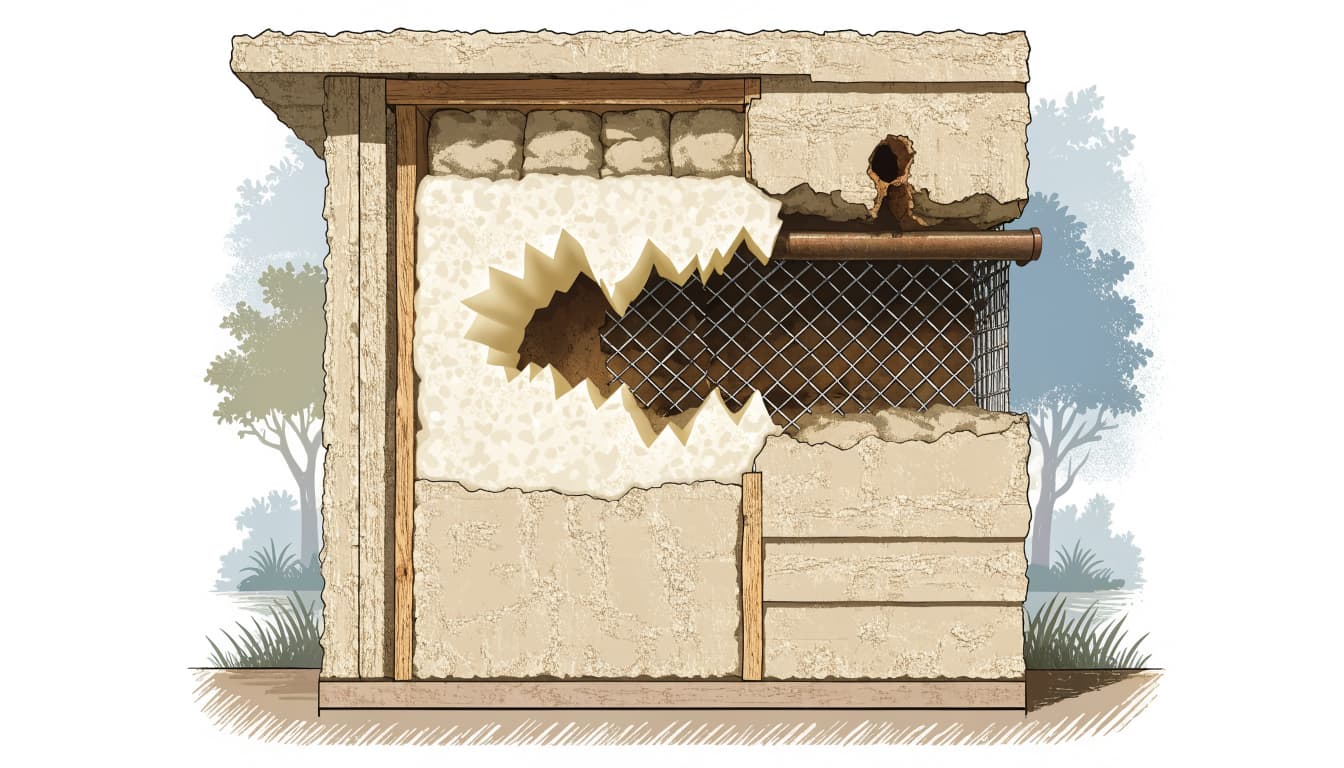
A foam-filled opening may look closed from the outside while hiding a chewed passage. Rodents may also work around the edge of a patch if the surrounding opening hasn't been secured.
Some products are marketed for pest resistance, but foam shouldn't be the only material protecting an opening. Use it as a filler or support alongside a durable barrier suited to the location.
Where Rodents Enter Florida Homes
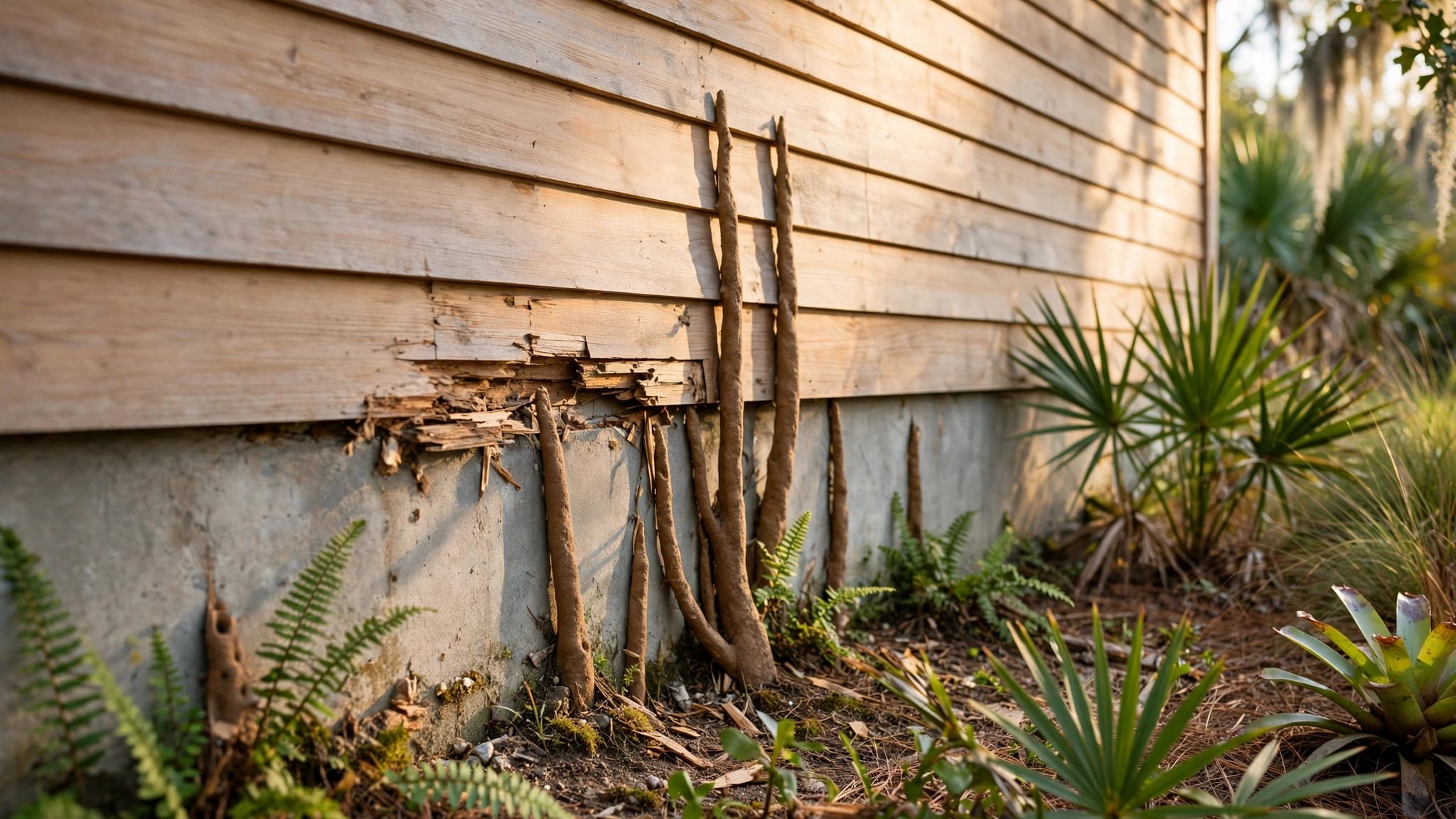
Florida's warm weather, heavy rain, and dense landscaping can create favorable conditions for pests around a home. Moist areas, available food, and vegetation close to the building can give rodents reasons to stay nearby. Those conditions don't mean every home has an infestation.
Pipes, doors, and outdoor kitchens
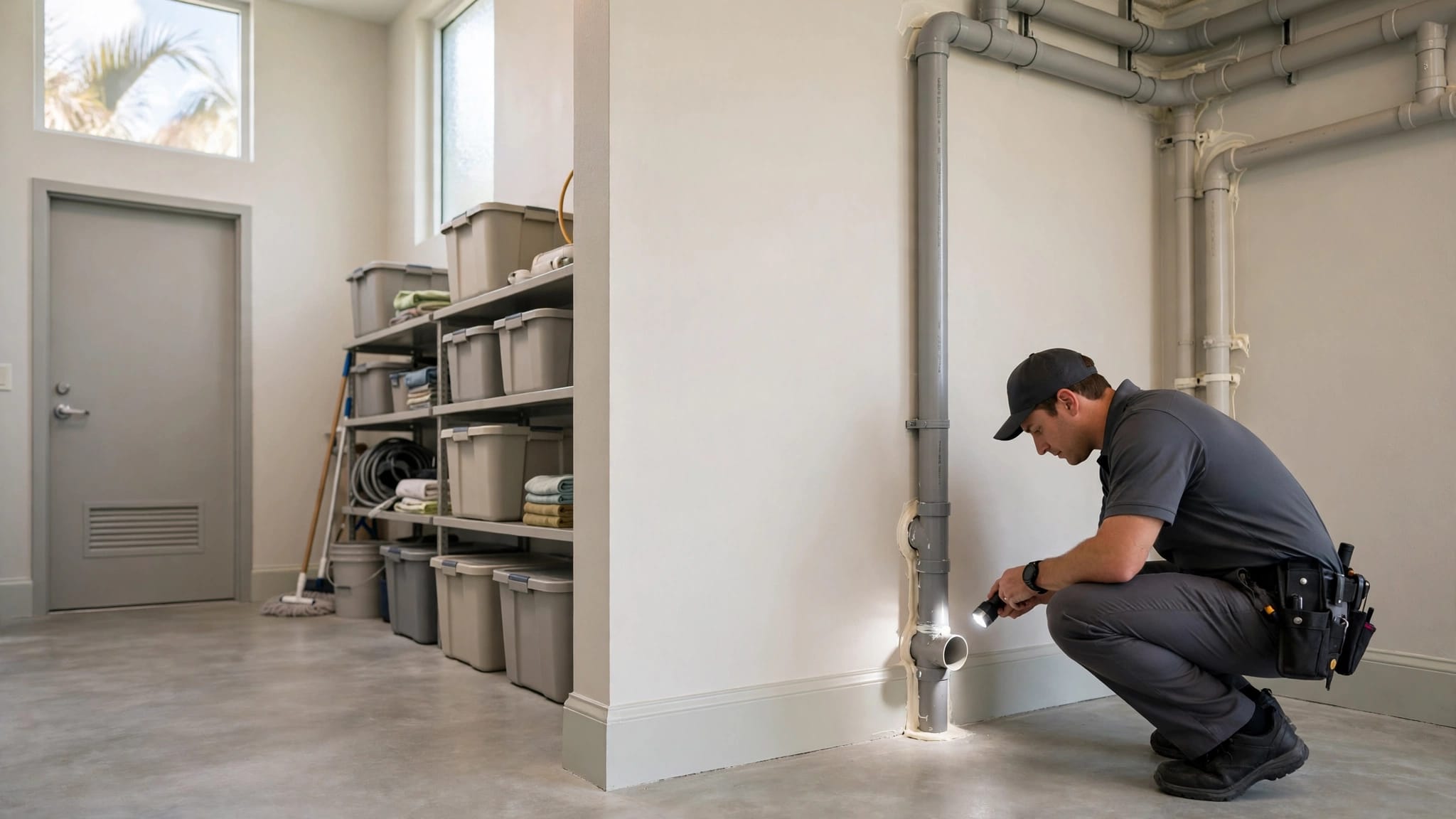
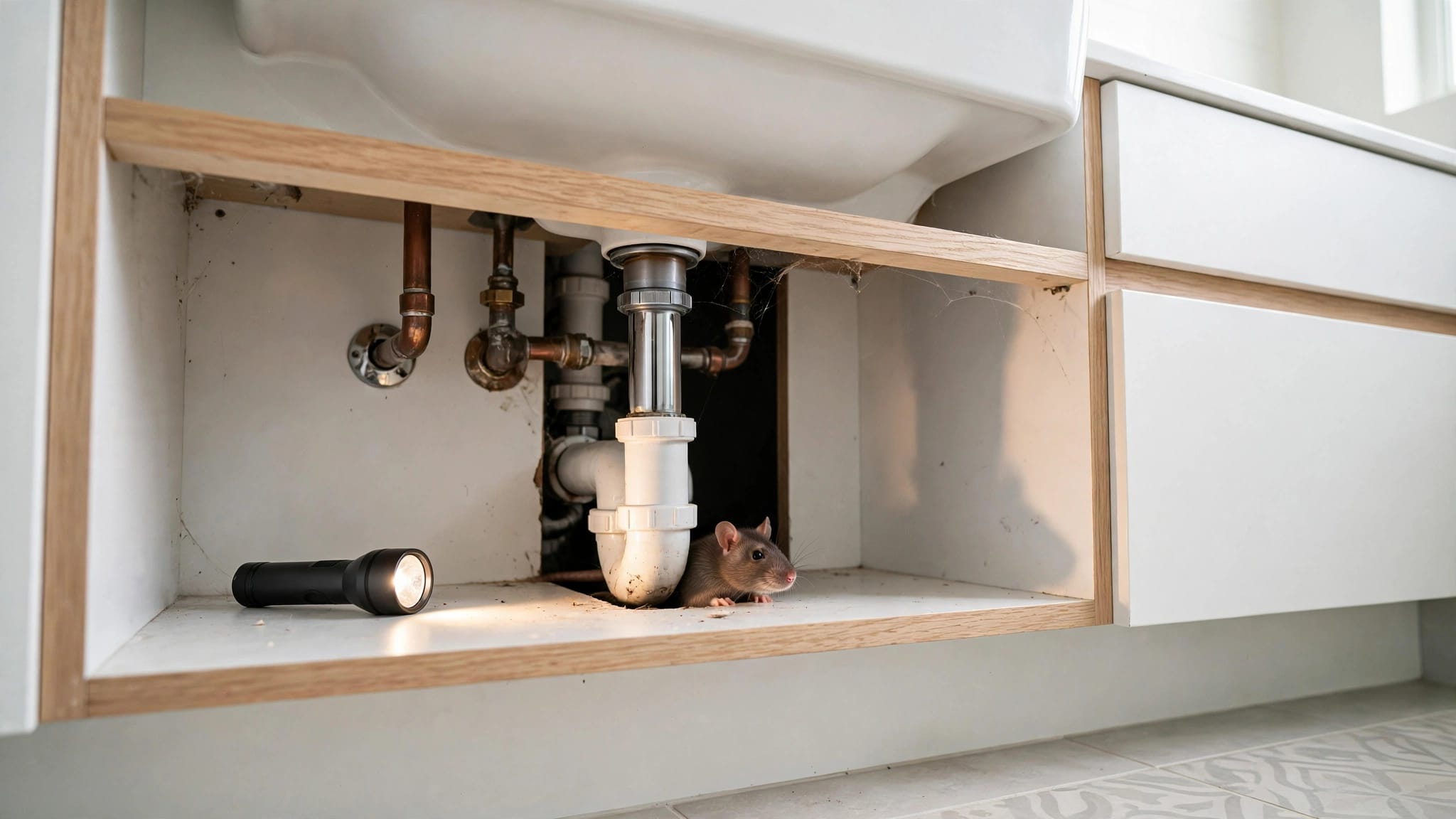
Look around plumbing and utility lines where they pass through exterior walls. Openings near pool equipment, irrigation controls, and outdoor kitchen cabinets can also provide access.
At ground level, inspect garage door corners and door sweeps. A cracked garage seal may leave a gap even when the door is closed. Our guide to pest entry points in Florida slab homes covers other places to inspect.
Rooflines and attic vents
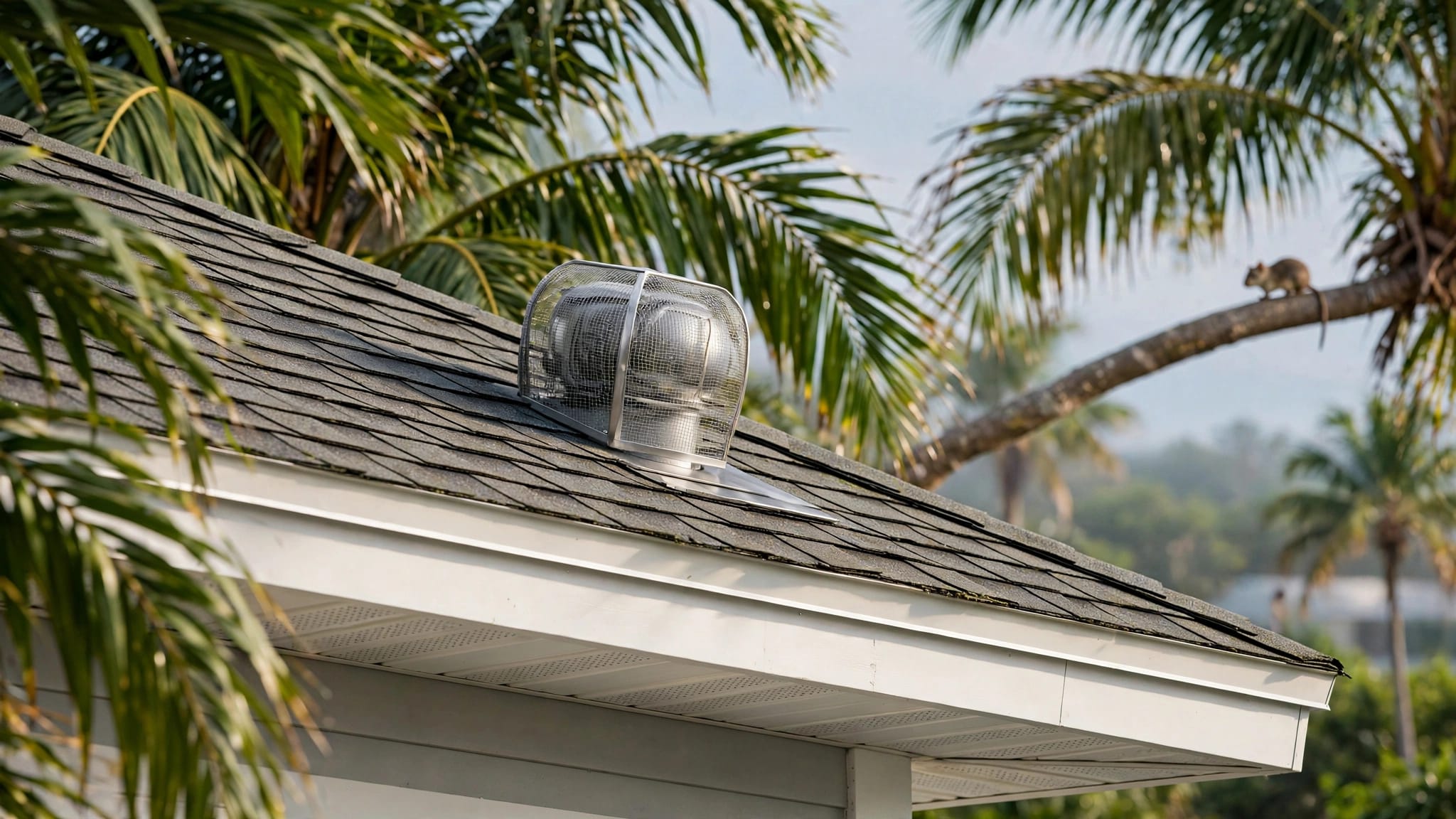
Roof rats can reach a house by climbing vegetation. Palm fronds or branches touching the roof can give them a route to soffits, roof returns, and damaged vents.
Trim vegetation away from the roof where practical. Also look for loose screening and gaps at roof intersections. These roof rat signs and entry points can help you recognize a problem near the attic.
Signs of Rodent Activity Around Foam
Chewed foam is one clue, but it doesn't tell you how many rodents are present or whether they're still active. Look for other signs along walls, near stored food, and around attic edges:
- Droppings near pipes, cabinets, or garage storage.
- Scratching sounds in walls or ceilings, especially at night.
- Gnaw marks on packaging, wood, foam, or other materials.
- Compressed insulation, nesting material, or dark rub marks along travel routes.
- A persistent odor near a wall, attic, or enclosed space.
Other animals can make noises in an attic, so sound alone doesn't identify a rat or mouse. Repeated signs call for an inspection of both the interior and exterior.
How to Seal Gaps Against Rats and Mice
A lasting repair depends on the opening, the material around it, and whether animals are still inside. If you suspect active rodents, arrange an inspection before closing every possible exit. Sealing too early can trap them in a wall or ceiling.
Choose a durable barrier
For suitable openings, copper mesh can fill irregular gaps beneath sealant. Larger openings may need metal flashing or securely fastened 1/4-inch hardware cloth . Mortar can work for some masonry gaps.
Foam can fill spaces around a stronger barrier, but the metal or masonry should provide the resistance to chewing. Small gaps may also be sealed with an exterior-grade polyurethane or hybrid sealant where appropriate.
Protect ventilation and utilities
Secure screening over damaged vent openings without blocking the airflow the attic needs. Likewise, leave window weep holes and other drainage openings clear.
Don't remove electrical covers or disturb wiring to reach a gap. A licensed electrician should handle unsafe openings around electrical equipment. For more detail, see our guide to attic rodent entry points and cleanup.
What to Do If Rodents Are Already Inside
Begin by identifying the likely entry routes and activity areas. A targeted trapping plan can then address rodents inside while exclusion work closes routes at the right time. A pest professional can coordinate those steps and identify openings that are difficult to reach.
Keep traps where children and pets can't reach them. Avoid scattering poison in an attic: a rodent may die inside a wall, leaving an odor and a difficult cleanup. Rodenticides can also harm pets and wildlife.
After activity has stopped, clean droppings carefully. Don't sweep or vacuum them dry. Wear gloves, wet the material with a disinfectant according to its label, and use paper towels to remove it. A large accumulation or contaminated insulation may need professional cleanup.
Reduce the Reasons Rodents Return
Repairs work better when food and shelter are limited. Store pet food and birdseed in hard-sided containers with tight-fitting lids, and bring outdoor pet bowls inside after feeding.
Keep trash lids closed and pick up fallen fruit and spilled seed. Repair leaking plumbing, remove unnecessary cardboard, and keep vegetation from pressing against the house. These steps won't replace exclusion, but they can make the area less attractive to rodents.
Make the Repair Last
Rats and mice can chew through spray foam, so a foam-only patch can leave your home vulnerable. A durable barrier and an inspection for active rodents give the repair a stronger foundation.
At Shield Home & Pest Control Services, we offer free inspections for homes in Cape Coral and surrounding Southwest Florida communities. If you've found repeated droppings, gnawing, or damaged foam, we can help identify the entry routes and recommend a rodent-control plan.
Schedule a Free Inspection: