Do Bird Feeders Attract Rats in Florida Yards?
Yes, bird feeders can attract rats in Florida yards when spilled or accessible seed provides a dependable food source. However, a feeder doesn't automatically create an infestation.
The biggest concern is food left behind , especially near sheltered routes that rodents already use. Reducing that food supply and addressing nearby access can lower the risk. Start with what lands beneath the feeder and what surrounds it.
Key Takeaways
- Spilled birdseed can give rats a reason to return, even when they can't reach the feeder itself.
- Nearby palms, vines, fences, and cables can provide climbing routes.
- Cleanup, contained food storage, and attention to other yard attractants should accompany any changes to feeder placement.
How Bird Feeders Attract Rats
Spilled seed creates a recurring meal
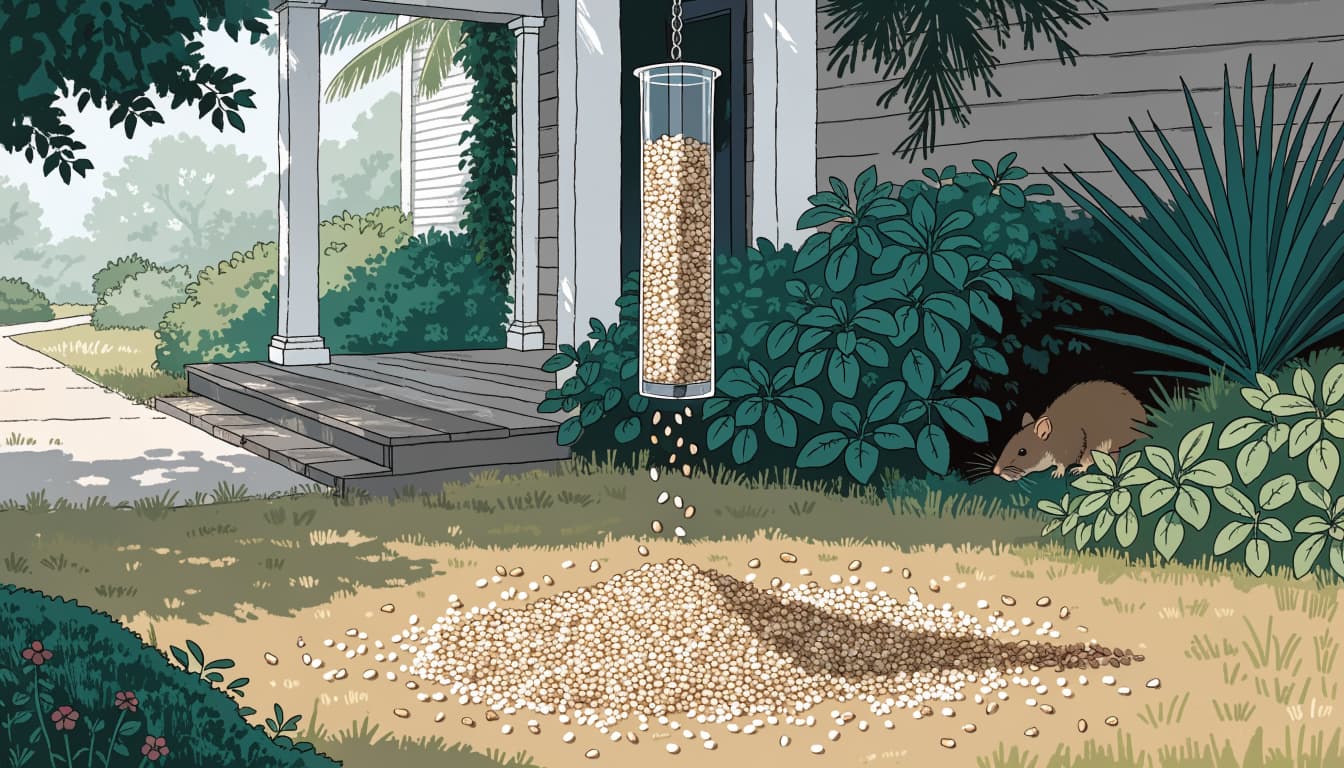
Birds don't keep every seed inside a feeder. Dropped seed can collect underneath, along patio edges, or among nearby plants. When that food remains available, rats have a reason to revisit the area.
The important distinction is between owning a bird feeder and maintaining an accessible food source. A feeder with recurring spills presents a different situation than one whose surrounding area stays clear.
Also, look beyond the most visible patch beneath it. Seed scattered into groundcover can escape notice during an otherwise thorough yard cleanup.
Nearby climbing routes affect access
Roof rats are common in Florida, and they can climb palms, vines, fences, and cables. Hanging a feeder above the ground therefore doesn't automatically keep its contents beyond reach.
Placement matters because the surrounding yard may provide access as well as shelter. A feeder beside climbing vegetation or a fence deserves closer attention than its height alone suggests.
Consider the entire area when looking for rodent activity. Food beneath the feeder, nearby cover, and climbing routes can all contribute to the same problem.
Reduce Rat Risk Around Your Feeding Area
Make food cleanup a daily habit
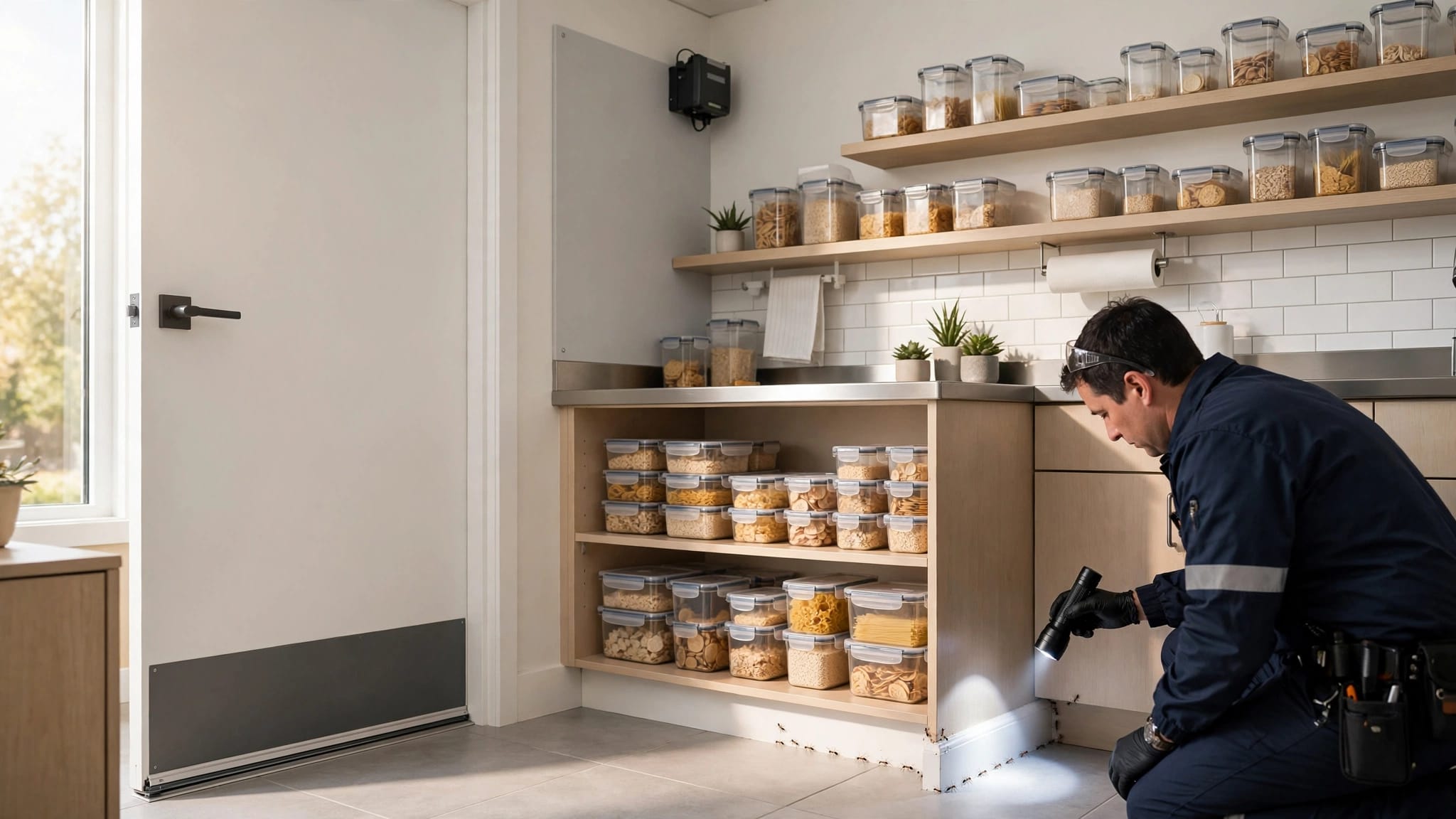
Remove spilled seed before it becomes an ongoing food supply. Include the ground beneath the feeder and surrounding edges where debris collects. Keep stored birdseed contained rather than leaving an open bag accessible in a garage or patio storage area.
Then address competing food sources. Fallen fruit, outdoor pet food, and food waste can keep attracting rodents even after birdseed disappears.
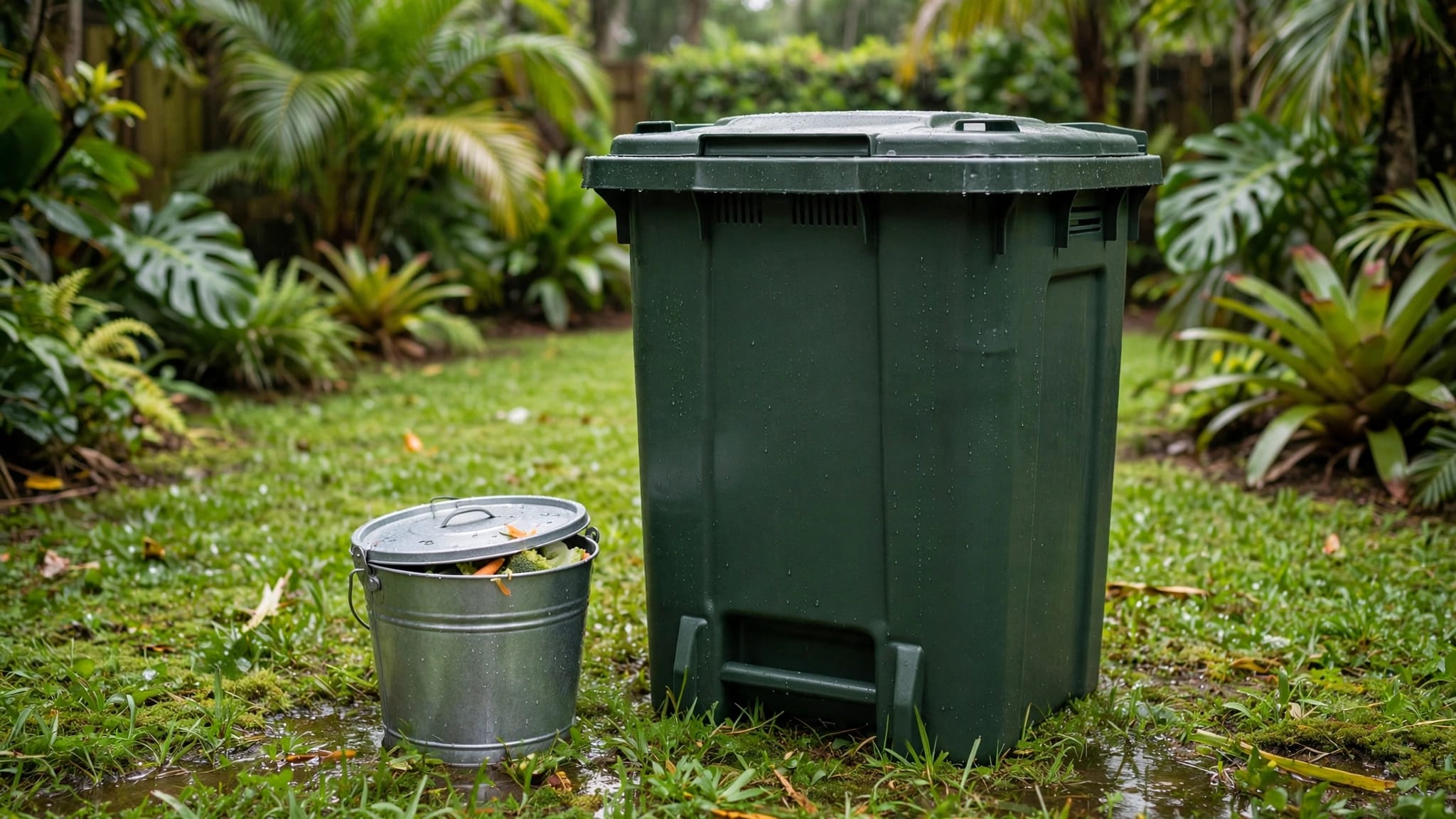
Trash-cart care belongs in this routine, too. Keep food waste contained, close the lid completely, and remove spills around the cart between pickups. An overflowing or partly open cart can undermine cleanup elsewhere.
Also remove food residue around grills and counters, another concern in outdoor kitchen rodent prevention.
Review placement alongside yard maintenance
Consider whether you can easily see and clean the feeding area. If scattered seed disappears into dense planting, routine maintenance becomes harder. An accessible location makes it easier to notice spills and changes in activity.
Next, examine nearby palms, vines, fences, and cables as possible climbing routes. Don't judge access solely by how far the feeder hangs above the ground.
Also address nearby shelter and water sources. Reduce clutter, maintain overgrown vegetation, and repair leaking hoses. These steps support food cleanup rather than replacing it.
No placement guarantees a rat-free yard. Moving a feeder while leaving spilled seed, open trash, or accessible pet food nearby leaves other reasons for rodents to return.
When Yard Activity Needs Professional Rodent Control
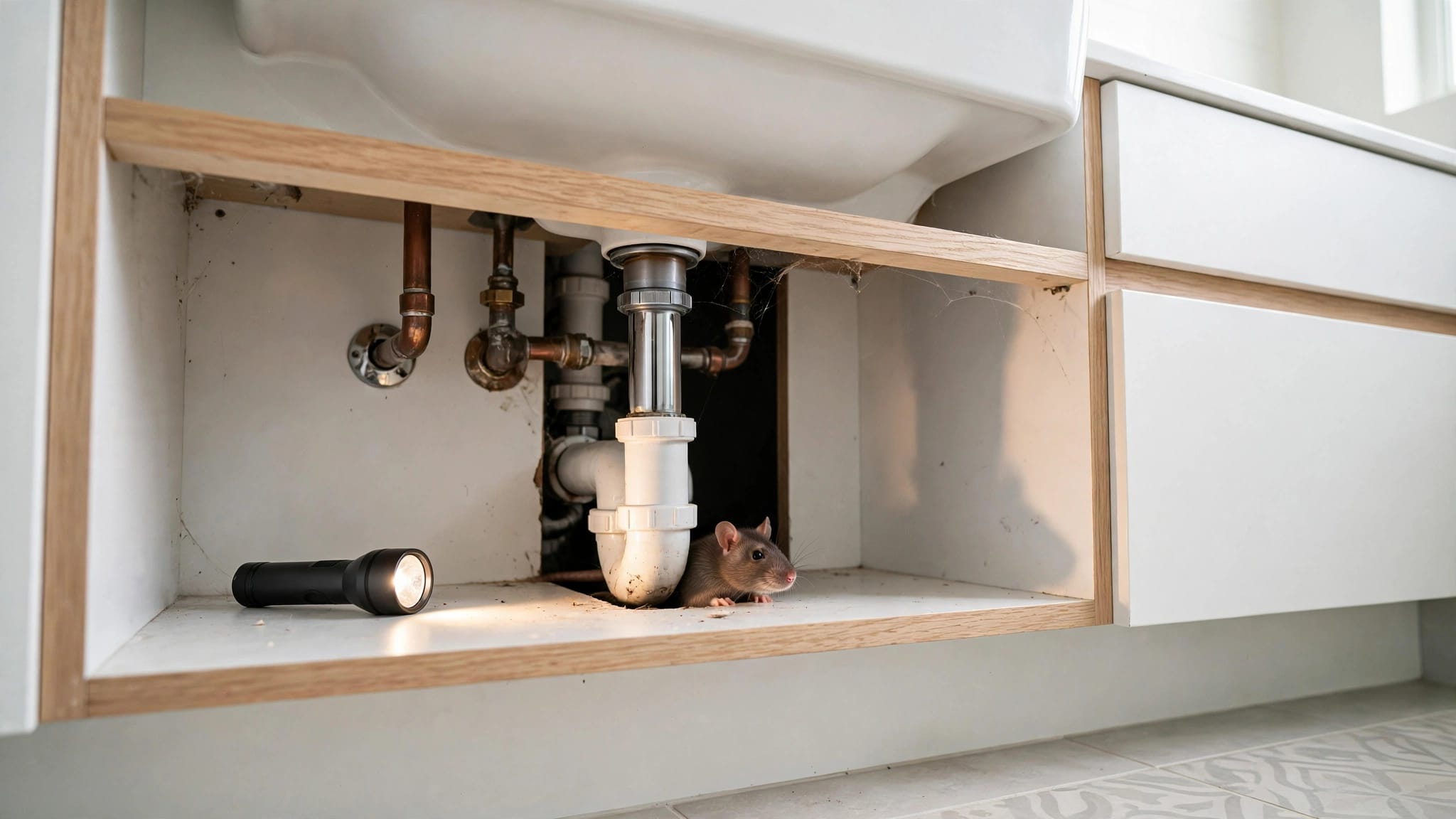
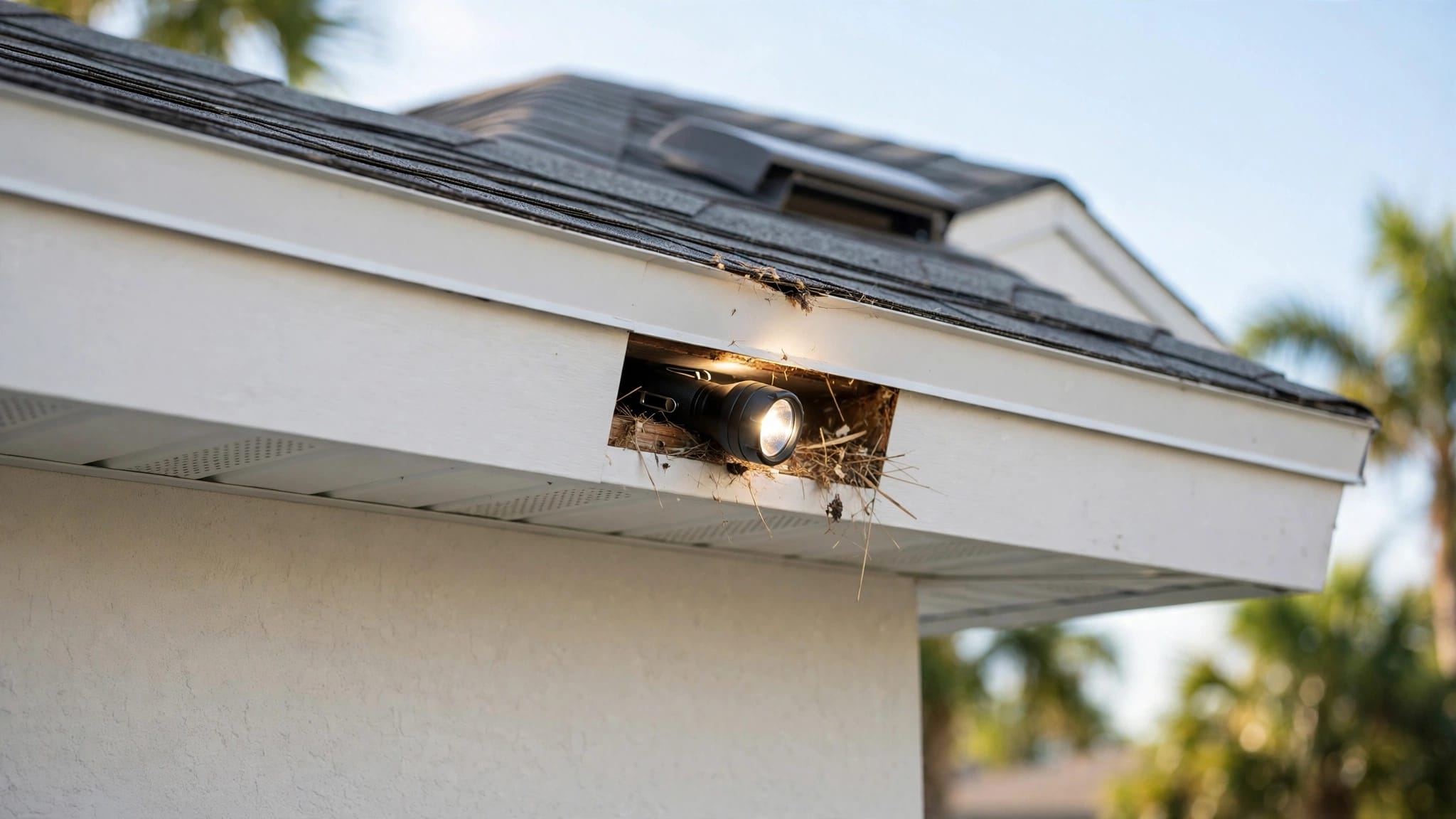
A rat near a feeder doesn't prove rodents have entered your home. However, repeated sightings, gnaw marks, recurring droppings, or scratching around the building deserve attention beyond feeder maintenance.
Droppings can also cause confusion in Florida yards and homes. Our explanation of the difference between rat and lizard droppings covers useful identification clues. Avoid treating an unidentified dropping as proof of a particular pest.
If activity continues after food cleanup, a professional inspection can assess the broader property. Rodent control may require trapping and exclusion alongside sanitation. Removing a food source doesn't repair an opening or remove rodents already inside.
We offer free inspections and rodent services that include trapping, baiting, and exclusion. For homeowners seeing repeated activity near the house, an inspection provides a practical next step without assuming the bird feeder is the only cause.
Frequently Asked Questions
Will moving the feeder solve the rat problem?
Moving it may address one access concern, but it won't remove other food sources or building openings. Start by clearing spilled seed and assessing the surrounding yard. If rats continue appearing, the situation needs a broader response than another change of location. Include trash storage and nearby structures in that assessment.
Can I get rodent control without traditional poisons?
Our ECO Rodent Shield service uses a professionally designed, installed, and maintained deterrent system without traditional poisons. Food cleanup and property maintenance remain important alongside the service. A deterrent system doesn't replace removing accessible birdseed, containing trash, or addressing other conditions that encourage rodents around a home.
Keep the Birds, Reduce the Food Left for Rats
Bird feeders can contribute to rat activity when seed remains accessible. The most useful starting point is consistent food cleanup , supported by attention to climbing routes and other yard attractants.
You don't need to assume every feeder causes an infestation. However, repeated rodent activity near your home calls for an inspection and a response that addresses more than the feeder alone.
Schedule a Free Inspection: