Keep Rodents Out of Florida Boat Engine Compartments
Keeping rodents out of a Florida boat's engine compartment starts with removing nearby food and shelter, then addressing confirmed activity. Effective boat rodent prevention combines sanitation, inspection, and exclusion , with deterrents as backup.
A clean boat can still sit beside an overflowing trash cart, cluttered dock, or storage area that supports rodents. Start with those surrounding conditions, and leave engine damage or equipment changes to a marine technician.
Key Takeaways
- Remove food waste, loose nesting materials, and unnecessary clutter aboard the boat and around its storage area.
- Have active rodent problems assessed before closing suspected access points. Sealing too soon can trap animals inside.
- Keep chemicals away from wiring and engine components, and involve a marine technician when you find damage.
The strongest prevention plan covers both the boat and its surroundings. Repeated droppings or gnawing call for professional control rather than another round of cleaning alone.
Start With Inspection Before Sealing Anything
Document signs without disturbing them
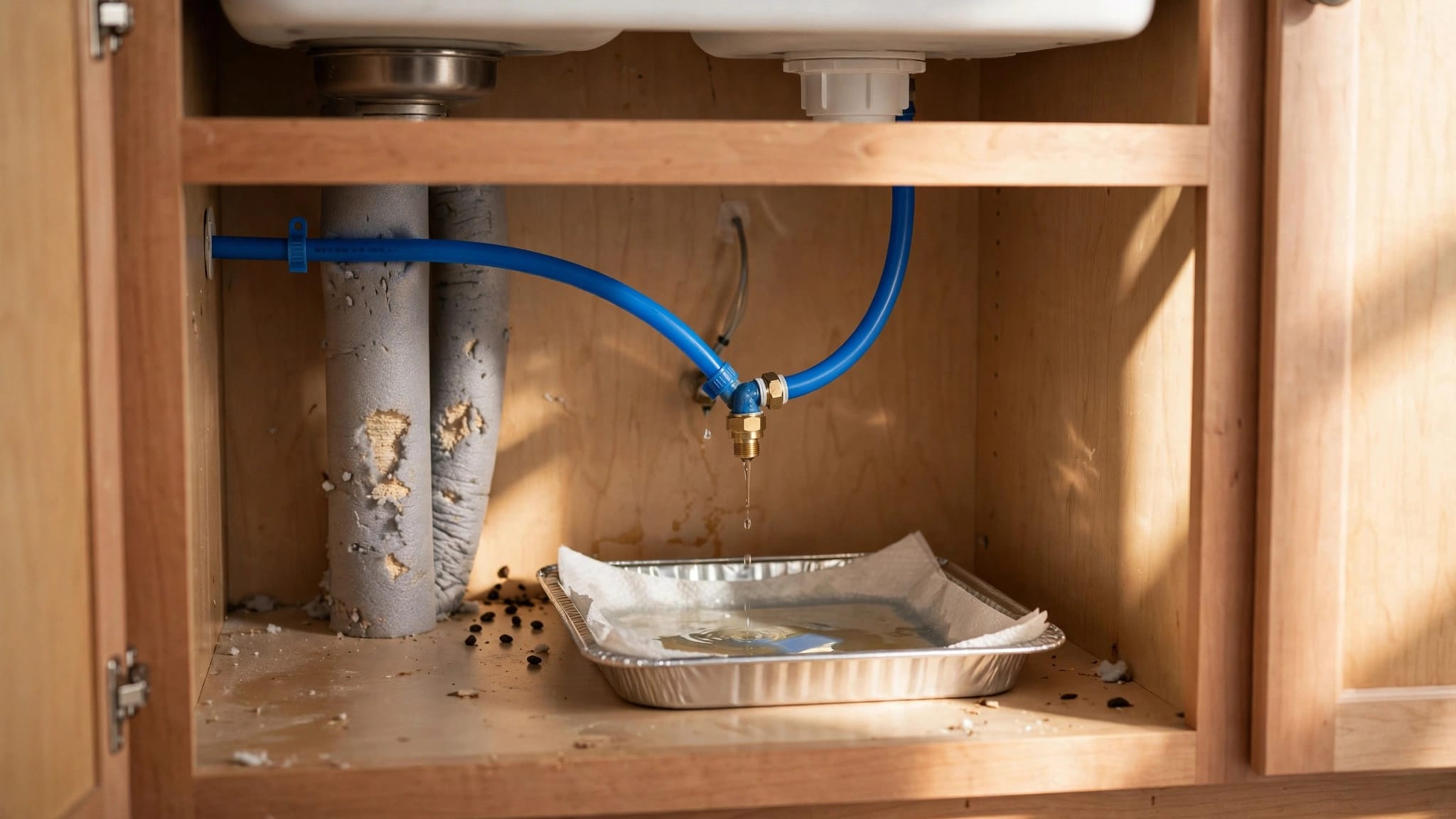
Look for droppings, shredded material, gnaw marks, and unexplained odors in accessible areas. Photograph what you find before cleanup so a pest professional can understand where activity occurred.
Avoid reaching into hidden spaces or pulling apart unfamiliar equipment. If you notice damaged wiring, hoses, or other engine components, stop and involve a marine technician before operating the boat.
Also note whether signs occur in one location or several. That distinction helps separate an isolated discovery from a broader problem requiring coordinated treatment.
Include the surrounding property
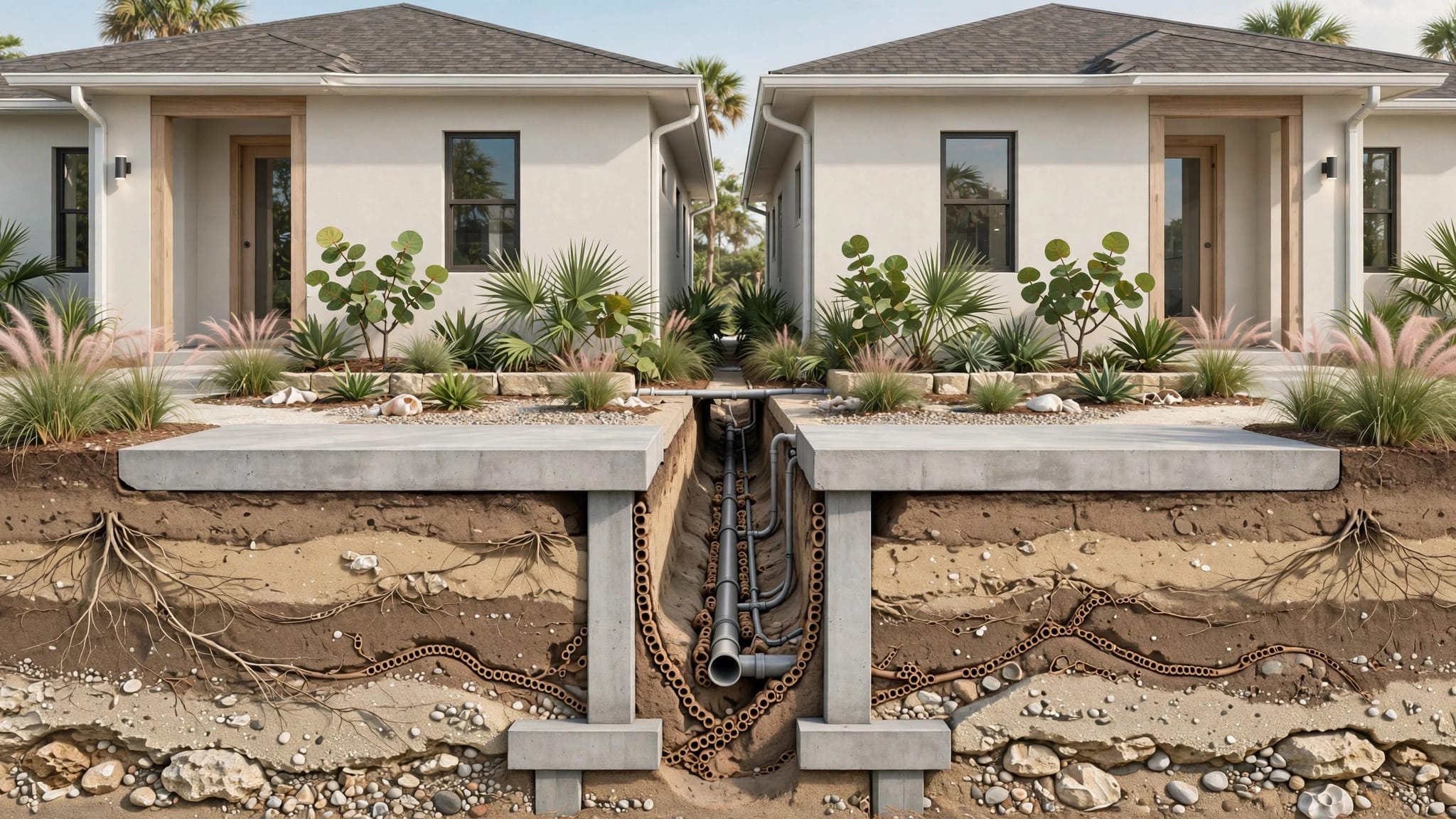
A useful inspection extends beyond the boat. Rodents can move through canal-side properties, seawall areas, utility routes, and neighboring storage spaces.
A technician should assess likely travel routes, hiding places, exterior openings, and nearby sanitation problems. Marina staff or storage managers may need to address shared areas.
Control active rodents before sealing confirmed access points. Closing openings too early can trap animals inside.
Keep pest-control work and marine repair coordinated. Each professional addresses a different part of the problem.
Remove Food Around the Boat and Dock
Clear provisions and food residue
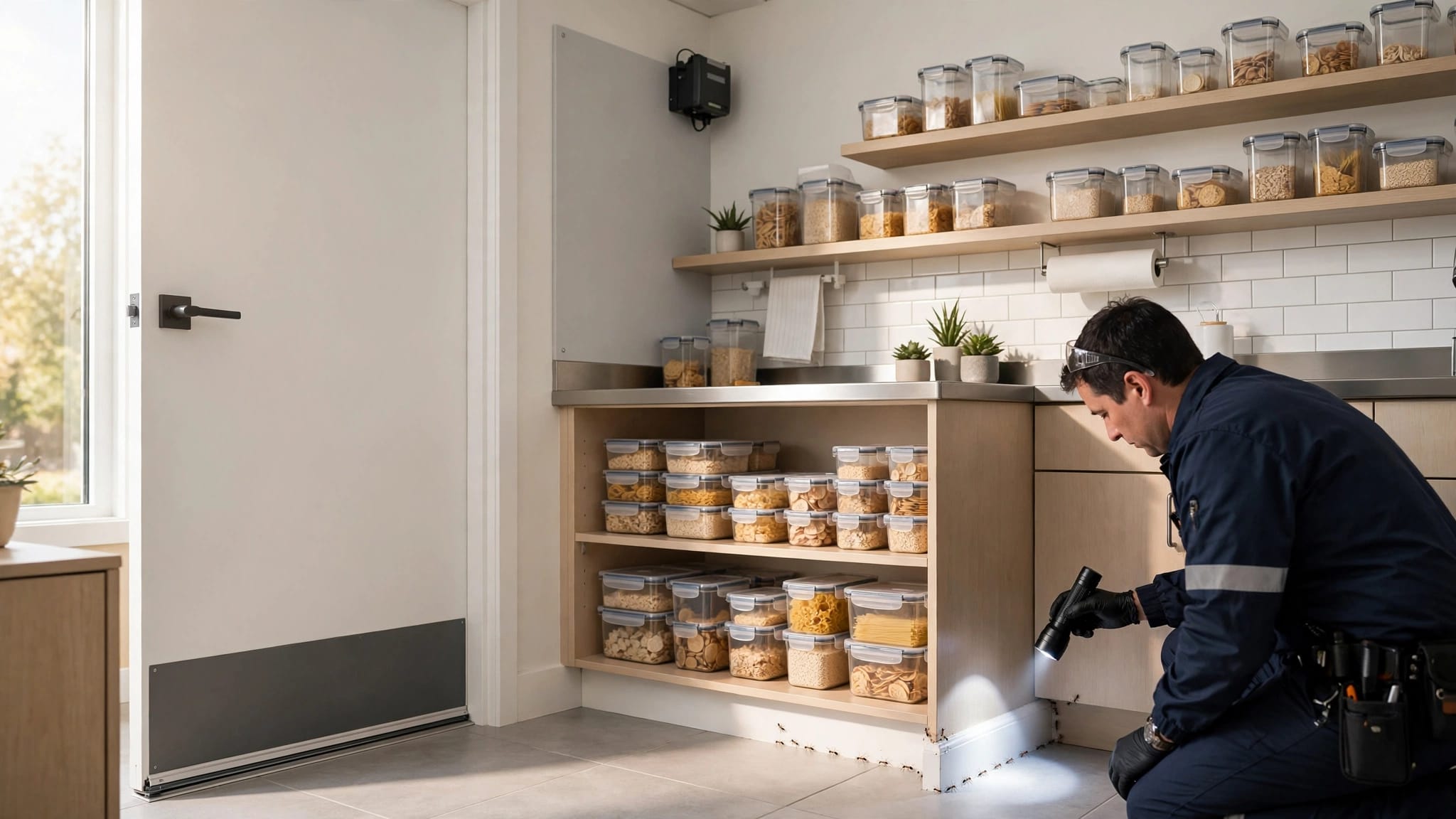
Remove leftovers, snack wrappers, spilled drinks, and forgotten provisions when the boat isn't being used. Food stored in a soft bag or cardboard package remains accessible to pests.
For provisions that stay aboard, use durable containers with tight-fitting lids. Keep their exteriors clean, too. A closed container sitting in spilled food doesn't solve the sanitation problem.
Pet food deserves the same attention. Remove unfinished portions and clean the feeding area rather than leaving food available near the boat.
Also address bait residue and fish-cleaning waste around nearby work areas. Bagging waste helps only when it goes into a properly closed receptacle.
Fix the nearby waste problem
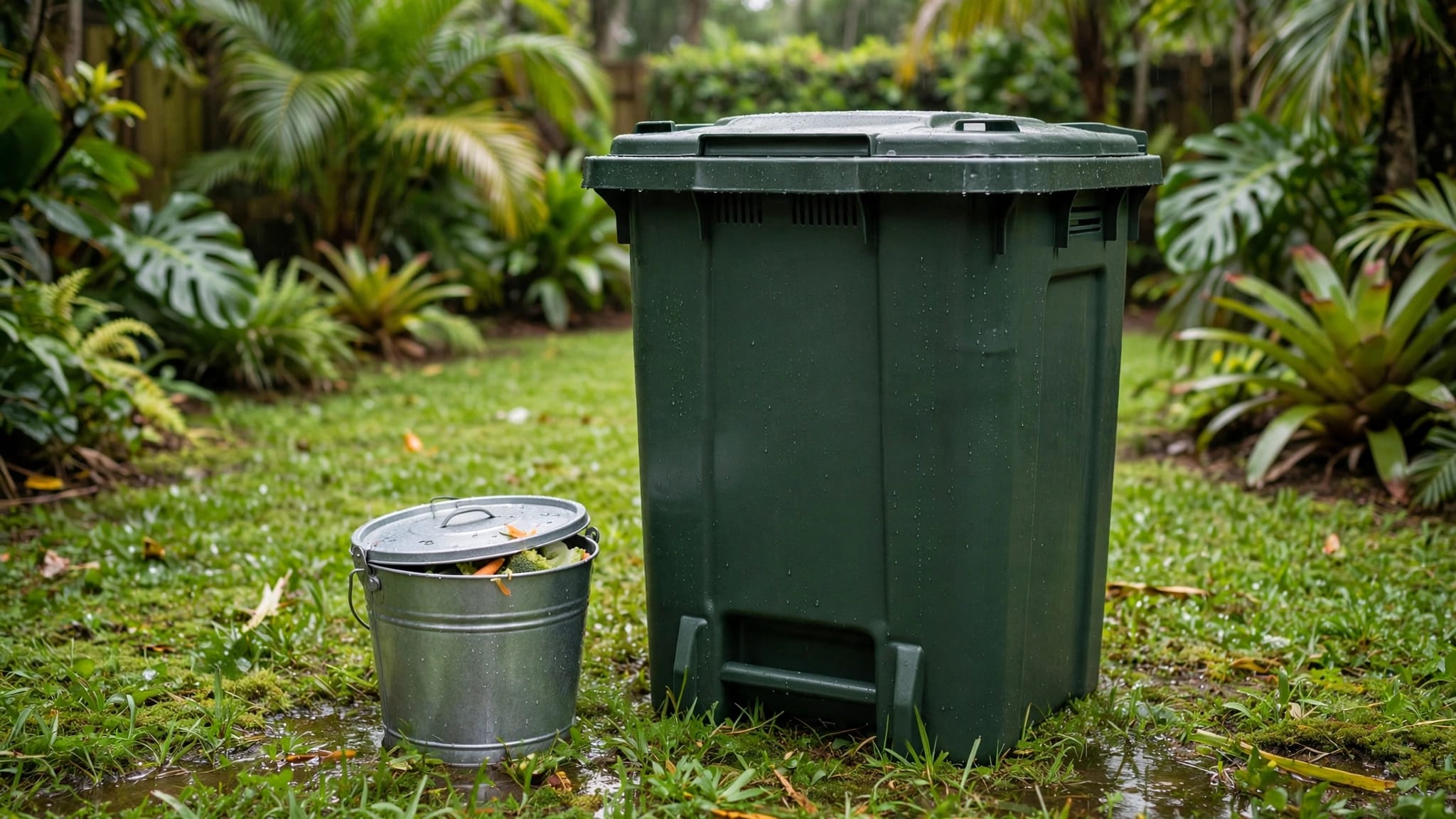
Trash, grease, bird seed, and fallen produce can keep rodents returning to the surrounding property. Clean spills and keep garbage lids fully closed.
Our guidance on rat activity around seawalls and dumpsters covers these nearby food sources. A clean compartment cannot compensate for an overflowing waste area beside it.
If a patio kitchen adjoins the dock, include it in the same effort. Greasy surfaces and stored food need the same attention described in our outdoor kitchen rodent prevention guidance.
Reduce Clutter and Nesting Materials
Loose paper, cardboard packaging, and unnecessary fabric create avoidable clutter. Remove what you don't need, and store necessary supplies neatly in suitable containers.
Keep required safety equipment aboard and accessible. Prevention should never mean removing essential gear or packing it somewhere you cannot reach during an emergency.
Outside the boat, look beneath nearby patios, sheds, and docks. Stacked materials and neglected storage areas give rodents places to hide.
Clear brush piles and unnecessary debris on property you control. Around shared facilities, report clutter to the responsible manager instead of moving someone else's belongings.
Separate ordinary storage cleanup from engine work. Don't pull out installed insulation, protective coverings, or unfamiliar materials because they resemble nesting material. A marine technician can distinguish damaged equipment from debris and handle repairs without creating another problem.
Handle Droppings and Contaminated Materials Safely
Don't dry-sweep or vacuum rodent droppings. Those methods can put contaminated particles into the air.
For small amounts on ordinary, non-electrical surfaces, wear gloves and wet the contamination with an appropriate disinfectant. Follow the label's contact time before wiping it up. Bag the waste, clean the surface, and wash your hands after removing gloves.
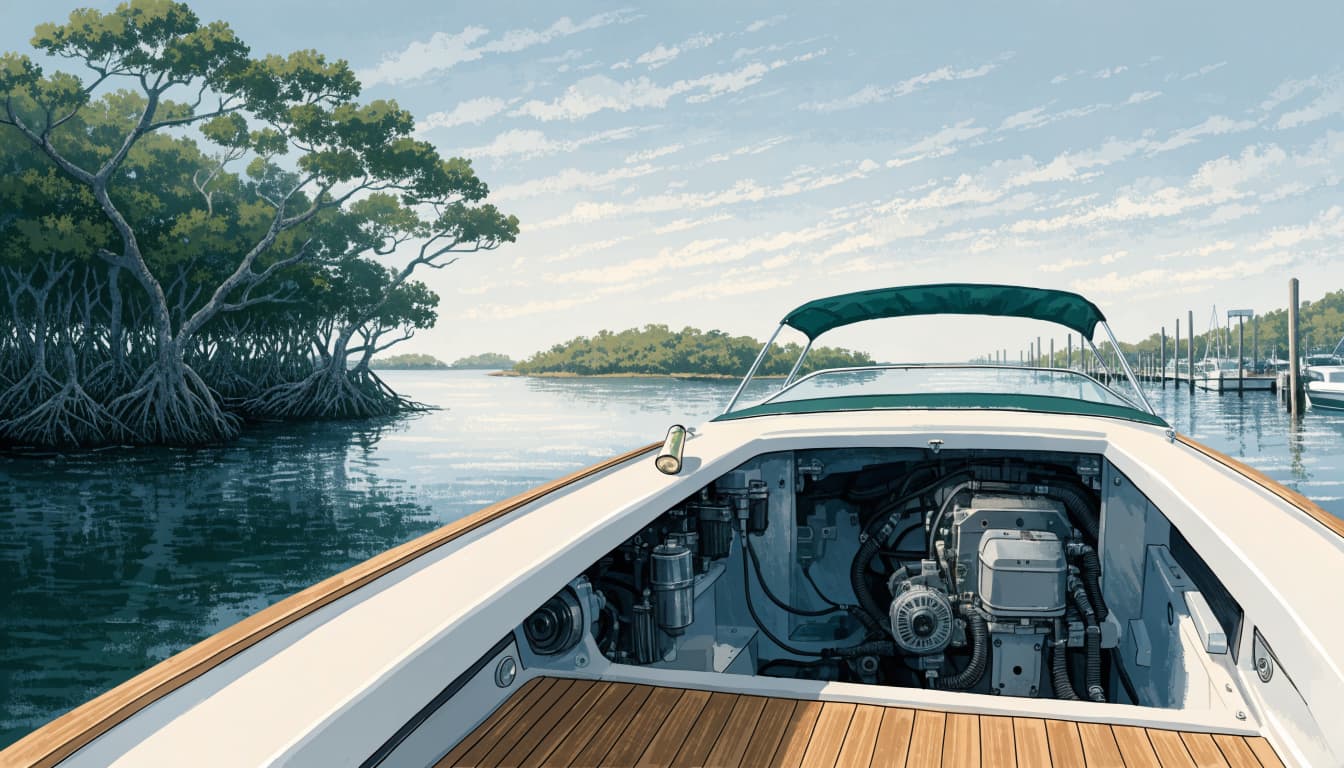
An engine compartment needs extra caution because disinfectants and moisture can affect equipment. Don't spray wiring, connectors, or engine components. If contamination involves those areas, have a marine technician and pest professional determine the cleanup approach.
Avoid rinsing contaminated waste into the bilge, dockside water, or storm drains. Cleaning should remove contamination rather than move it somewhere else.
Heavy contamination, inaccessible nesting material, strong odors, or repeated discoveries warrant professional help. Someone with limited mobility or a health condition shouldn't squeeze into a confined space to attempt cleanup.
Choose Deterrents Without Adding New Risks
Treat repellents as backup
A repellent doesn't replace food removal, clutter reduction, or professional exclusion. Buying another product while leaving nearby attractants untouched rarely addresses the whole problem.
Use pesticides only as their labels allow. Don't assume a product suitable for a garage, yard, or attic belongs around marine equipment.
Mothballs are pesticides, not general-purpose rodent repellents. Don't scatter them in the boat or use them outside their labeled directions.
Likewise, don't spray scented mixtures onto wiring or engine components. A homemade treatment can leave residues without addressing the source of activity. Keep pest-control products away from children, pets, and stored food.
Keep poison decisions with professionals
Unsecured rodenticides create risks for pets and wildlife. When baiting forms part of a control plan, trained professionals should manage secured stations and document placement.
Poison also raises concerns beyond the treated property. Birds of prey can encounter rodents that have consumed certain rodenticides. Our explanation of rat poison risks to local wildlife covers that concern.
Don't scatter bait or place loose poison in the engine compartment. A professional plan should target confirmed activity while accounting for people, animals, and the surrounding property.
Make Boat Rodent Prevention Part of Maintenance
Treat prevention as part of ordinary boat care rather than a one-time treatment. Keep a simple record of discoveries, cleanup, professional visits, and repairs.
Photographs help show whether signs recur in the same place. However, a photo alone cannot establish that an area is clear. Use it to support an inspection, not replace one.
Keep the responsibilities distinct: pest professionals assess activity and control, while marine technicians handle engine damage and equipment changes. Pest prevention must preserve the boat's normal operation and safety systems.
Don't improvise alterations around the engine to solve a pest problem. Instead, coordinate any proposed work with the appropriate professional.
If the boat sits at a shared marina or storage facility, report repeated activity. Property-wide sanitation and monitoring may matter as much as work on an individual boat, particularly when neighboring waste or storage areas remain untreated.
Know When Professional Help Is Necessary
Repeated droppings, fresh gnaw marks, nesting material, or scratching indicate an unresolved control problem. Cleaning removes evidence, but it doesn't remove the animals or explain why they return.
Arrange pest-control help when activity persists or you cannot safely assess the affected area. If several nearby properties show signs, the response should account for those surrounding conditions.
Engine damage requires a marine technician. Suspected chewing on wiring or hoses is a safety issue, even when the boat appears to operate normally. Avoid starting the engine until the technician assesses the damage.
We offer free inspections to help identify rodent activity and the conditions supporting it. Our ECO Rodent Shield service uses a professionally designed and maintained deterrent system without traditional poisons.
A property-level rodent plan and a marine repair assessment serve different purposes. Coordinate both when infestation and equipment damage occur together.
Frequently Asked Questions
Should I seal every opening as soon as I find droppings?
No. Droppings establish that rodents have been present, but they don't show whether animals remain inside.
Have the activity assessed first. A pest professional can identify the control needed before exclusion work proceeds. Any work involving the boat's equipment should also involve a marine technician.
Can I rely on a repellent instead of professional control?
Repellents are backup measures. They don't remove accessible food, eliminate hiding places, or resolve confirmed activity on their own.
If signs continue, stop switching products and arrange an inspection. A useful plan addresses the surrounding property, controls active rodents, and coordinates appropriate repairs. Never apply a product to engine components simply because its packaging mentions rodents.
Keep Prevention Focused on the Whole Property
Keeping rodents away from a boat starts with removing the conditions that support them nearby. Clean storage and controlled food waste give professional rodent management a stronger foundation.
Use professional help for persistent activity and a marine technician for engine damage or equipment changes. That combination addresses the pest problem while protecting the boat's safety and operation.
Schedule a Free Inspection: