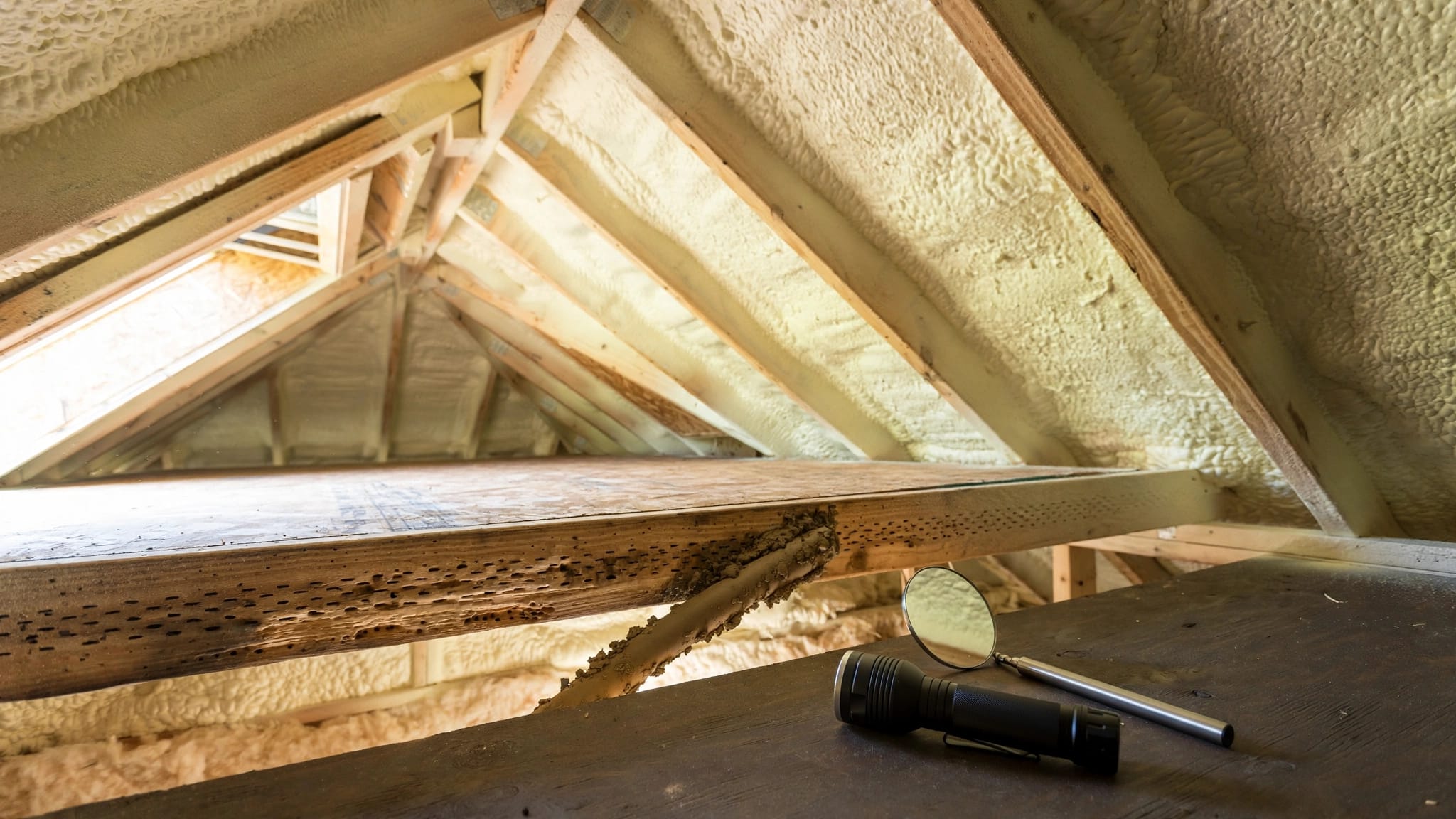
How to Seal Florida Garage Door Gaps Against Pests
A worn garage door seal can give ants, roaches, crickets, mice, and rats a direct path indoors. A Florida garage door gap seal needs to withstand heat, humidity, sun, and wind-driven rain while letting the door move and the threshold drain properly.
Start by finding where the door fails to meet the floor or frame. Then choose a weather-resistant seal, fit it without interfering with the tracks, and keep the surrounding area clean. A tight door helps, but it works best alongside sensible food storage and attention to other pest entry points.
Key Takeaways
- Replace a bottom seal that's cracked, hardened, or no longer touching the floor evenly.
- Use an exterior-rated, moisture-resistant seal suited to the door's retainer and threshold.
- Keep sealant, threshold material, and debris out of tracks and drainage paths.
- Store pet food, birdseed, and trash in closed containers, and keep the garage door closed when possible.
- If pest activity continues after a repair, check for other entry routes around the garage and home.
Why Garage Door Gaps Matter in Florida
Florida's heat and sun can make a low-quality seal brittle. High humidity and frequent rain also put stress on the materials and fasteners around a garage entrance. When a seal pulls loose or loses flexibility, the door may appear closed while leaving an opening at the bottom or sides.
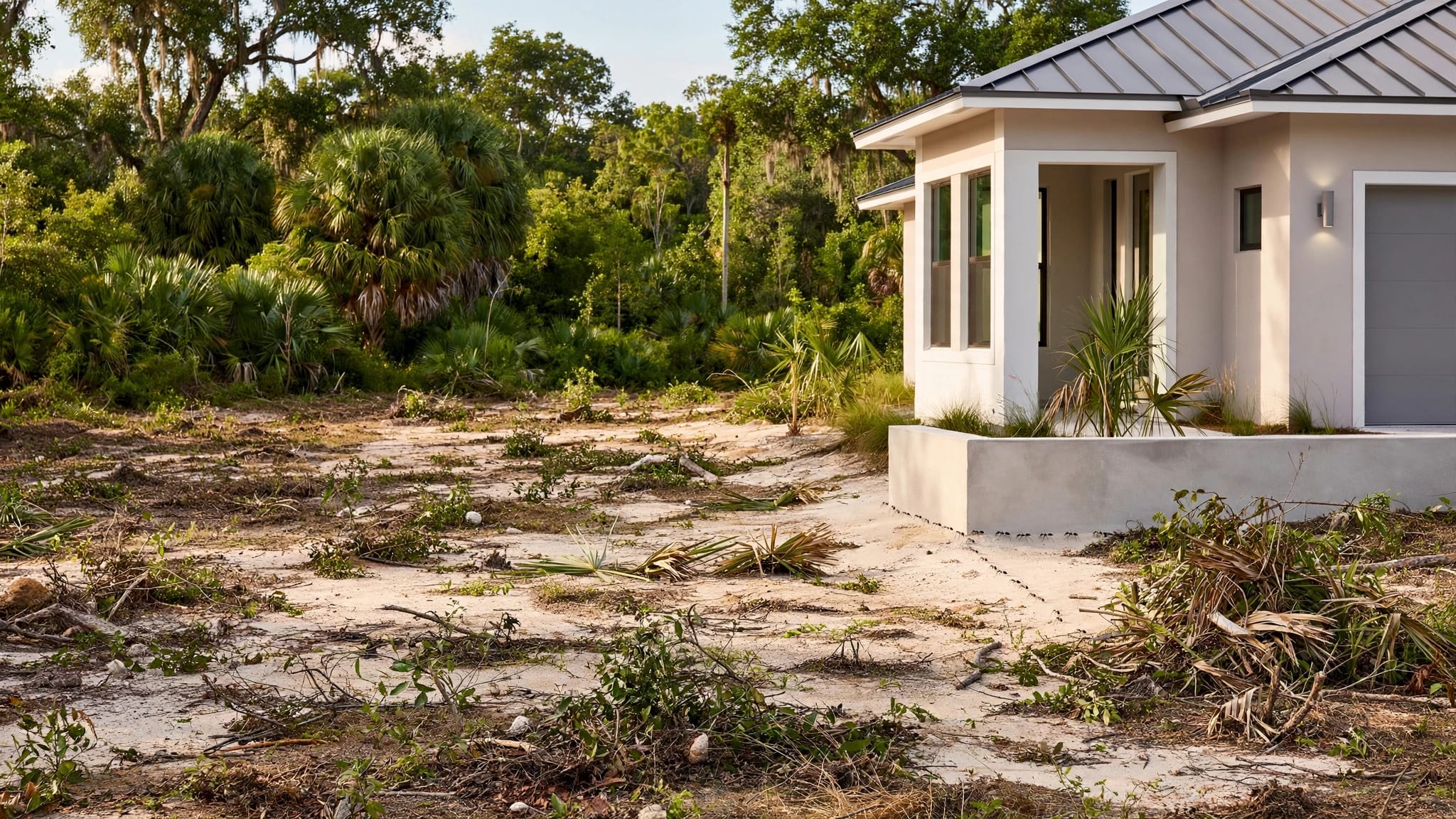
That opening can admit insects and rodents, but it can also let in rain splash, windblown leaves, and dirt. In Southwest Florida, a seal should block pest access without trapping water against the garage or forcing the door out of alignment.
The bottom edge deserves close attention because it spans the width of the opening. A cracked or hardened seal may leave enough room for common pests to enter. For other routes around a Florida home, see these Florida home pest entry points to seal.
How to Find Gaps Around the Garage Door
Inspect the door when it's fully closed. Look at the entire bottom edge, both lower corners, and the side and top weatherstripping. A gap can be easy to miss when you only check the center of the door.
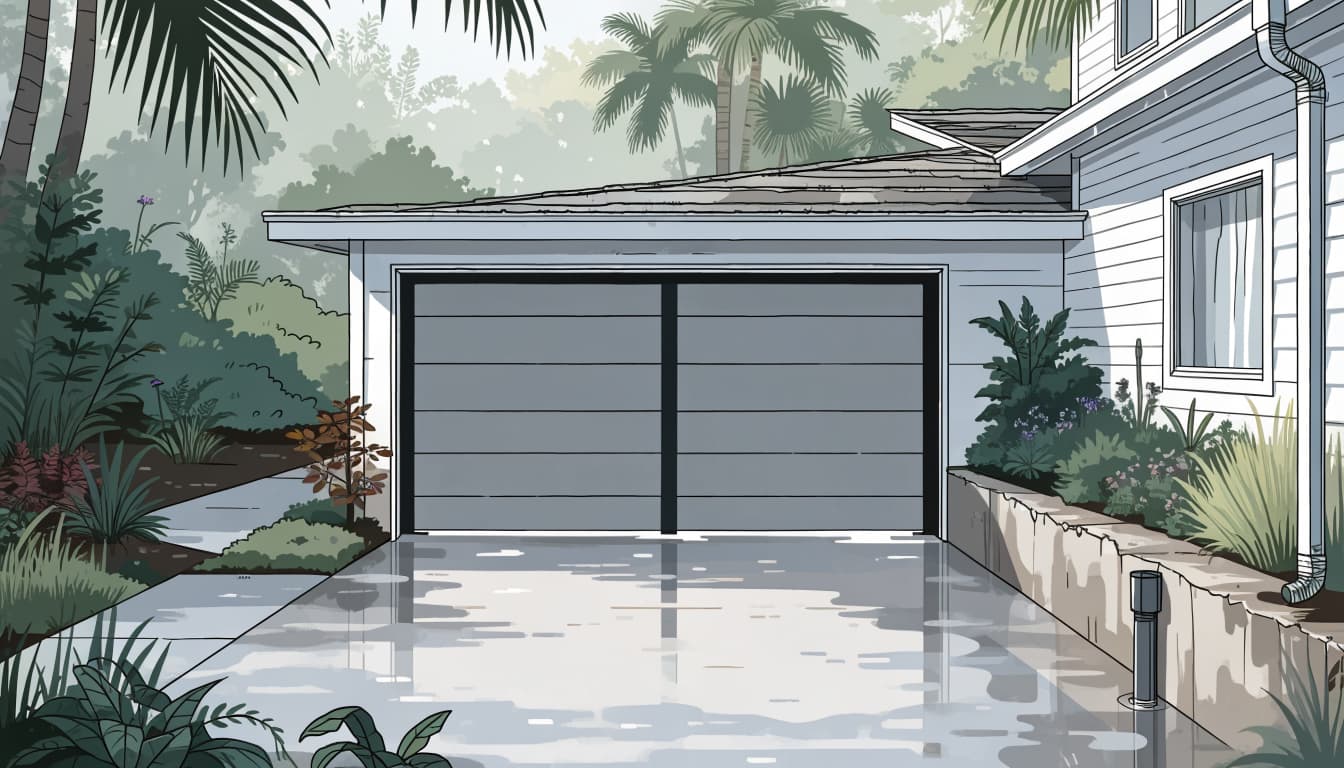
Check the seal from inside and outside
Look for daylight around the closed door, especially at the corners and where the floor rises or dips. Dirt trails, insect remains, droppings, or damaged material near the threshold can also point to a route pests are using. Check after a heavy rain, when water marks may reveal where wind-driven rain passes the seal.
A bottom seal should press against the floor evenly. If it's cracked, flattened, stiff, or hanging loose, replace it rather than trying to patch a long worn section.
Inspect the frame and nearby openings
The door's bottom seal won't close gaps around the jamb, trim, utility lines, or the separate door leading into the house. Check these areas for loose weatherstripping and cracked exterior sealant. Keep the garage's ventilation openings clear, and don't seal drainage openings that are meant to let water escape.
Choose a Weather-Resistant Florida Garage Door Gap Seal
Choose a replacement that fits the door's existing retainer and closes the gap without dragging. Flexible rubber or vinyl seals designed for exterior use are common options. Look for a product intended to handle moisture and sun exposure, and match its shape to the retainer already attached to your door.
A Florida garage door gap seal should make steady contact with the threshold, not press so hard that the door strains. If the floor is uneven, a compatible threshold may help the seal meet the slab. Keep any threshold low enough that it doesn't create a trip hazard or block drainage.
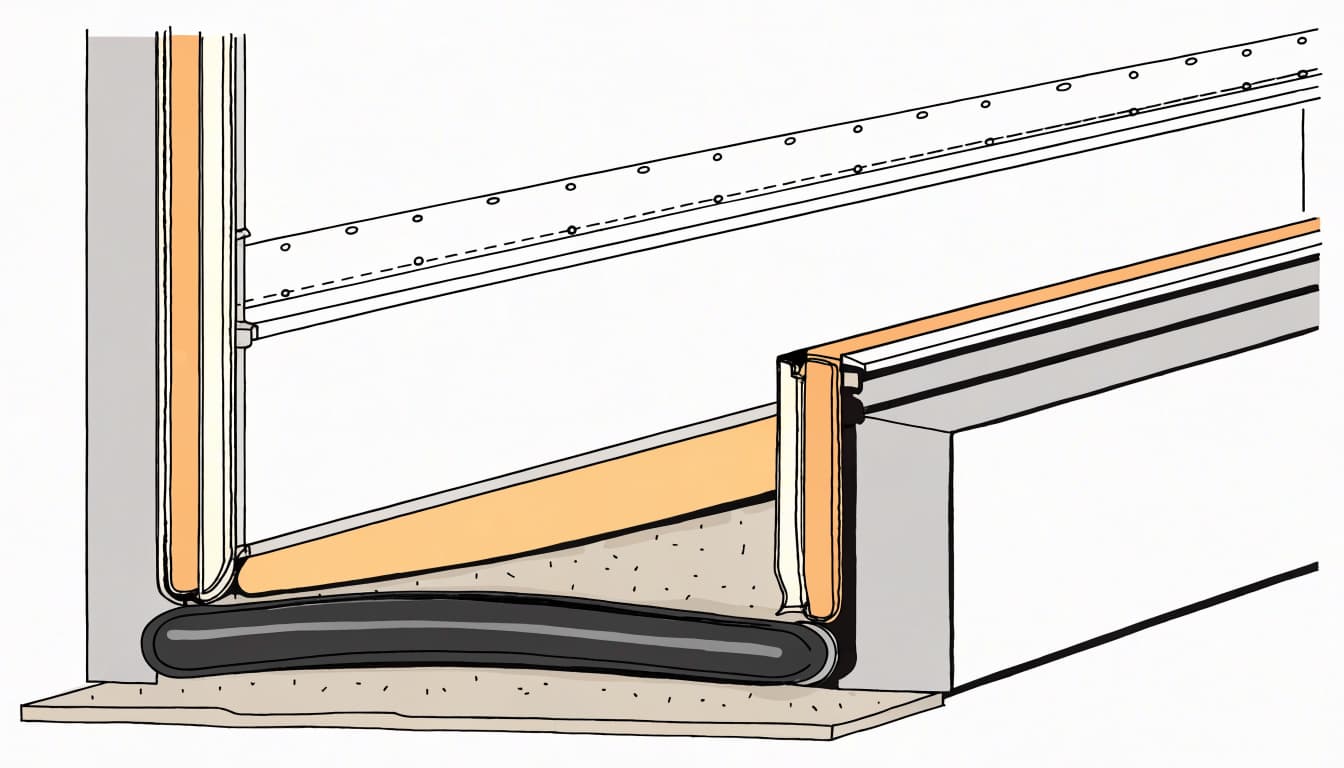
Separate moving-door seals from fixed cracks
The bottom seal and the side or top weatherstripping are made for door contact. A crack in stationary trim or masonry needs a different repair. For small, fixed gaps, use an exterior-rated sealant compatible with the surface. Where rodents are active, soft foam alone isn't a dependable barrier because rodents can chew it.
Don't fill the door's moving track with caulk or foam. Keep the track clear, and avoid covering a gap that is part of a drainage route.
Replace side and top weatherstripping when needed
Inspect the flexible trim around the frame. If it's stiff, split, pulled away, or no longer meets the closed door, replace it with weatherstripping intended for exterior use. Fit it so it contacts the door without rubbing against the moving hardware or obstructing the tracks.
Install the Seal Without Affecting Door Operation
Garage door designs vary, so follow the instructions for the specific seal and retainer. Before buying, measure the door and identify how the existing seal attaches. Some seals slide into a channel, while others use a different mounting method.
Remove the old material without bending or damaging the retainer. Clear dirt and debris from the channel, then fit the new seal as directed. Trim it only as the product instructions specify, and make sure it lies flat rather than bunching at the corners.
Test the closed door and its movement
Open and close the door several times after installation. The seal should make even contact with the floor, while the door still opens, closes, and latches normally. Watch the bottom corners and check that the seal doesn't fold under itself or catch on the threshold.
If the door binds, sits crooked, or strains during operation, stop using it and arrange a repair. Don't adjust springs, cables, or tracks as part of a seal replacement. Those components can create serious injury risks.
Keep hardware and tracks clear
Keep sealant, loose screws, tools, and cut-off material away from the tracks and rollers. Don't attach weatherstripping where it interferes with moving parts. If the gap appears to come from a misaligned door rather than a worn seal, a garage door technician can address the mechanical issue.
Keep Rain Drainage and Thresholds Clear
A seal should close the pest pathway without damming water against the garage. Check how water moves across the driveway and threshold during rain. Remove leaves and grit, and make sure any designed drainage channel stays open.
If water regularly enters under the door, a seal alone may not solve the cause. The floor may be uneven, the threshold may be damaged, or water may be flowing toward the garage. Avoid raising or stacking materials along the door in a way that blocks drainage or stops the door from closing fully.
Florida's humidity can also leave damp debris near the threshold. Clear it out instead of sealing over it. Persistent moisture can attract pests and damage stored items, while wet cardboard gives insects and rodents cover.
Reduce Food and Shelter Near the Door
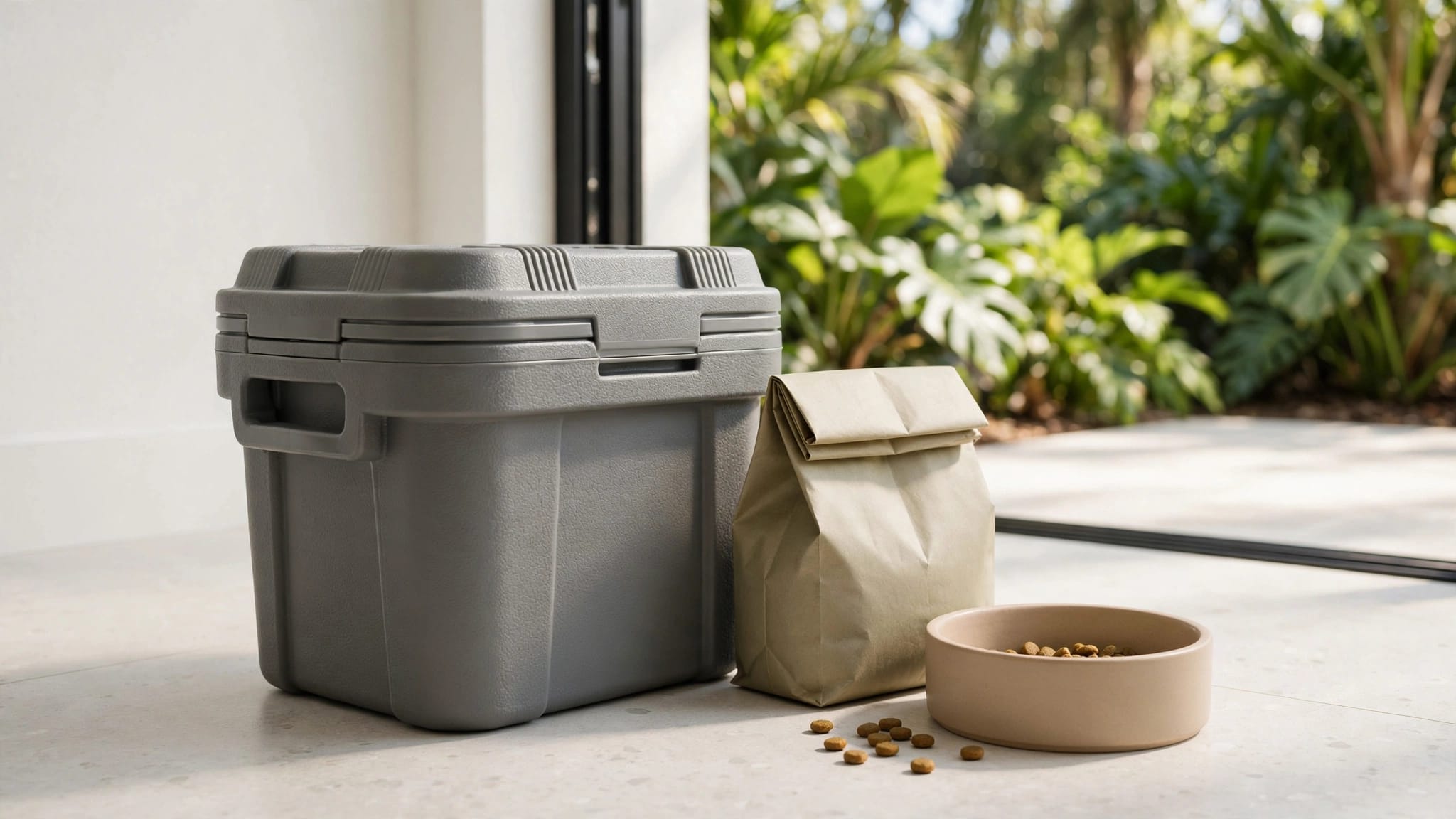
A well-fitted seal can't compensate for food or clutter that attracts pests to the garage. Keep pet food, birdseed, and trash in tightly closed containers. When possible, keep the garage door closed, especially after dark, and avoid leaving food or waste near the entrance.
Cardboard piles, yard debris, and clutter along the walls give pests places to hide. Remove unnecessary boxes and sweep the floor and perimeter. If you see smokybrown cockroaches, review these garage cockroach prevention and exclusion tips.
Also inspect the garage entry door, windows, utility openings, and attic access. Rodent activity can point to a route elsewhere in the structure, so sealing the garage door may be only one part of the repair. This guide to rodent entry points in Cape Coral attics covers openings beyond the garage threshold.
Maintain the Seal Through the Wet Season
Check the bottom seal every few months and after major storms. Look for cracks, flattened sections, loose ends, dirt buildup, and fasteners that have worked free. A quick inspection before Florida's wetter months can reveal damage before wind-driven rain tests the door.
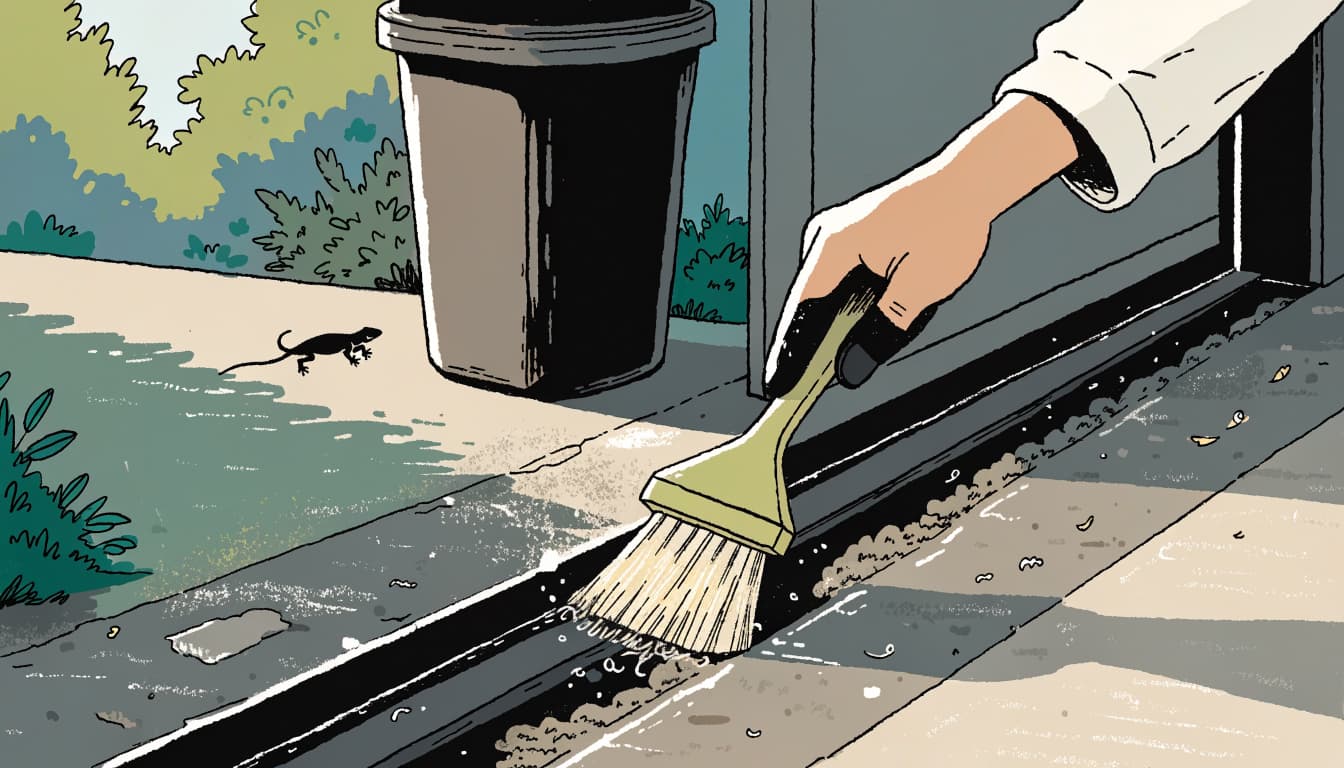
Clean gently and preserve drainage
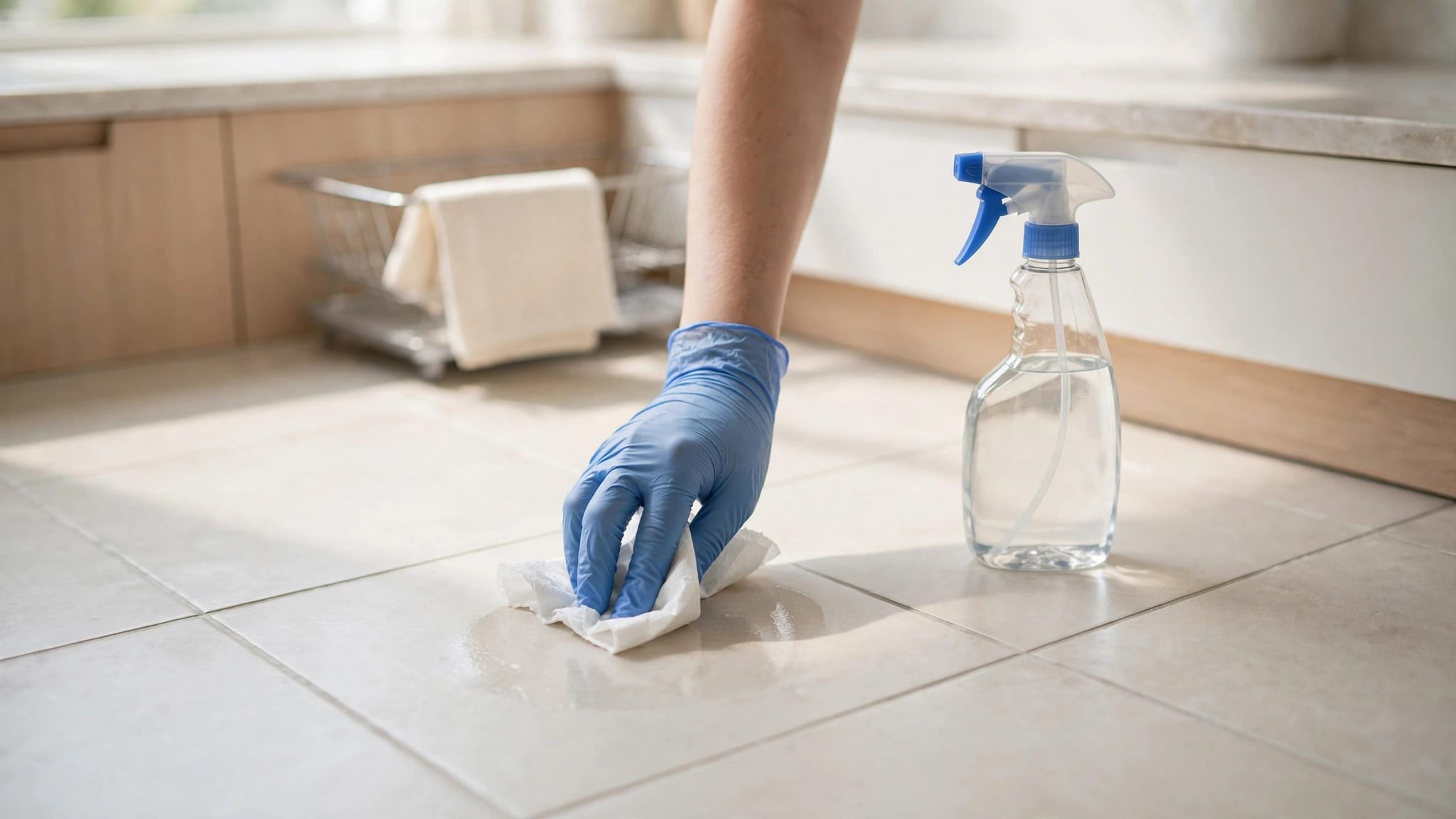
Brush away leaves, grit, and insect debris from the seal and threshold. Use a mild cleaning approach that won't damage the seal material, and let the area dry. Don't coat the seal with a product unless its instructions say it's suitable.
Keep drainage channels open during every cleanup. A buildup of dirt can hold moisture at the threshold or prevent the seal from sitting flat.
Respond to signs that the barrier isn't working
Replace the seal if it no longer presses evenly against the floor or has hardened, split, or pulled away. If the seal remains intact but pests keep appearing, check the sides, top, and nearby wall openings. Droppings, gnaw marks, or repeated insect activity may point to a broader pest issue rather than one gap at the door.
Frequently Asked Questions
Will a new bottom seal keep out every pest?
No single seal can block every route into a home. A sound bottom seal closes the gap beneath the garage door, but pests may still enter through side weatherstripping, utility openings, vents, or other doors.
Can expanding foam replace the bottom seal?
No. The bottom seal must move with the door and make contact with the floor. Foam is not a suitable moving-door seal, and rodents can chew soft foam used alone around stationary openings.
Should I seal a gap if water drains through it?
Don't block a designed drainage path. Clear debris and identify how water is moving before applying sealant or adding a threshold. If the door or floor needs adjustment, have the cause addressed rather than trapping water inside.
What if pests remain after the seal is replaced?
Inspect nearby entry points and look for signs such as droppings, gnaw marks, or insect activity. If activity continues, a pest professional can help identify whether the source is inside the garage or elsewhere around the home.
A Tight Seal Starts at the Threshold
In Florida, the right garage door seal has to handle sun, humidity, and rain while allowing normal door movement and water drainage. Inspect the full perimeter, replace worn material, and keep tracks and thresholds clear.
A door repair reduces one route inside, but persistent pest signs call for a broader look. We serve homeowners in Cape Coral and Southwest Florida who need help with pest and rodent concerns.
Schedule a Free Inspection: