Poison-Free Rodent Control in Cape Coral: What to Expect
In Cape Coral, poison-free rodent control combines inspection, deterrence, trapping when needed, entry-point repairs, and monitoring without traditional rodent poisons. The goal is to address both the animals already present and the conditions that let them return.
For your household, that means a plan built around access, food, and shelter , with attention to children, pets, and nearby wildlife. Understanding the steps helps you prepare for service and recognize what progress looks like.
Key Takeaways
- A thorough inspection connects rodent evidence with possible entry points, hiding places, and food sources.
- Poison-free service can include lethal mechanical traps, so protected placement still matters.
- Exclusion, sanitation, and follow-up support control beyond the initial removal.
- Cape Coral's warm weather, heavy rain, and canal-side cover make ongoing prevention important.
What Poison-Free Rodent Control Includes
A poison-free plan avoids rodenticides. However, it can involve several tools because deterring outdoor activity and removing rodents inside a building are different jobs.
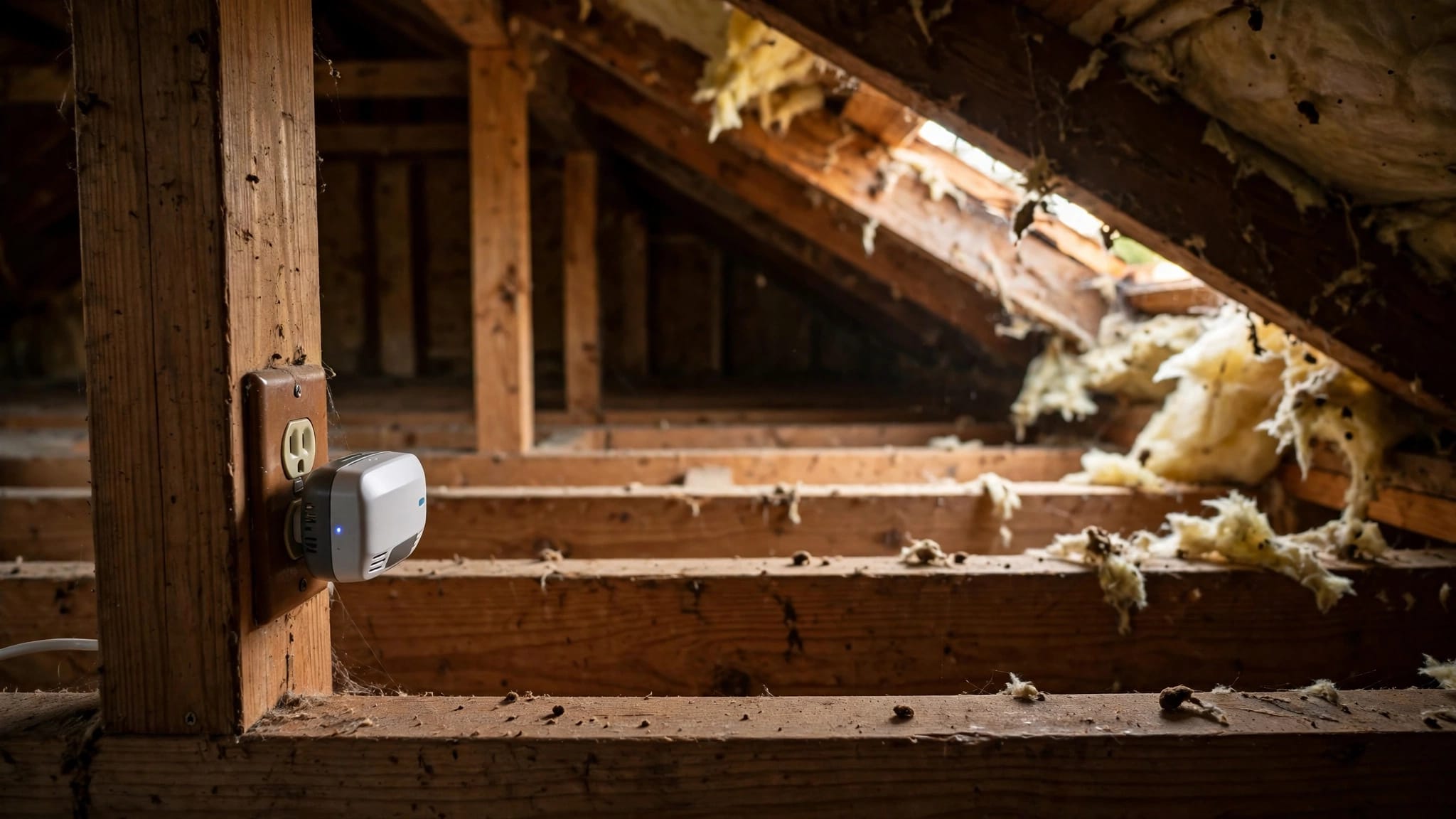
Our ECO Rodent Shield service uses a non-toxic deterrent system that we design, install, and maintain. Inspection findings guide device placement and identify where trapping, sealing, or cleanup also belongs in the plan.
The service involves more than placing equipment. Food left outdoors, an open garage corner, or a damaged soffit can keep a property attractive to rodents.
Avoiding rodenticides also removes a source of poisoning risk for pets and wildlife. Hawks and owls can encounter poisoned rodents while hunting, including around canals and open lots. Mechanical traps still require careful placement and handling, so poison-free service includes safety planning.
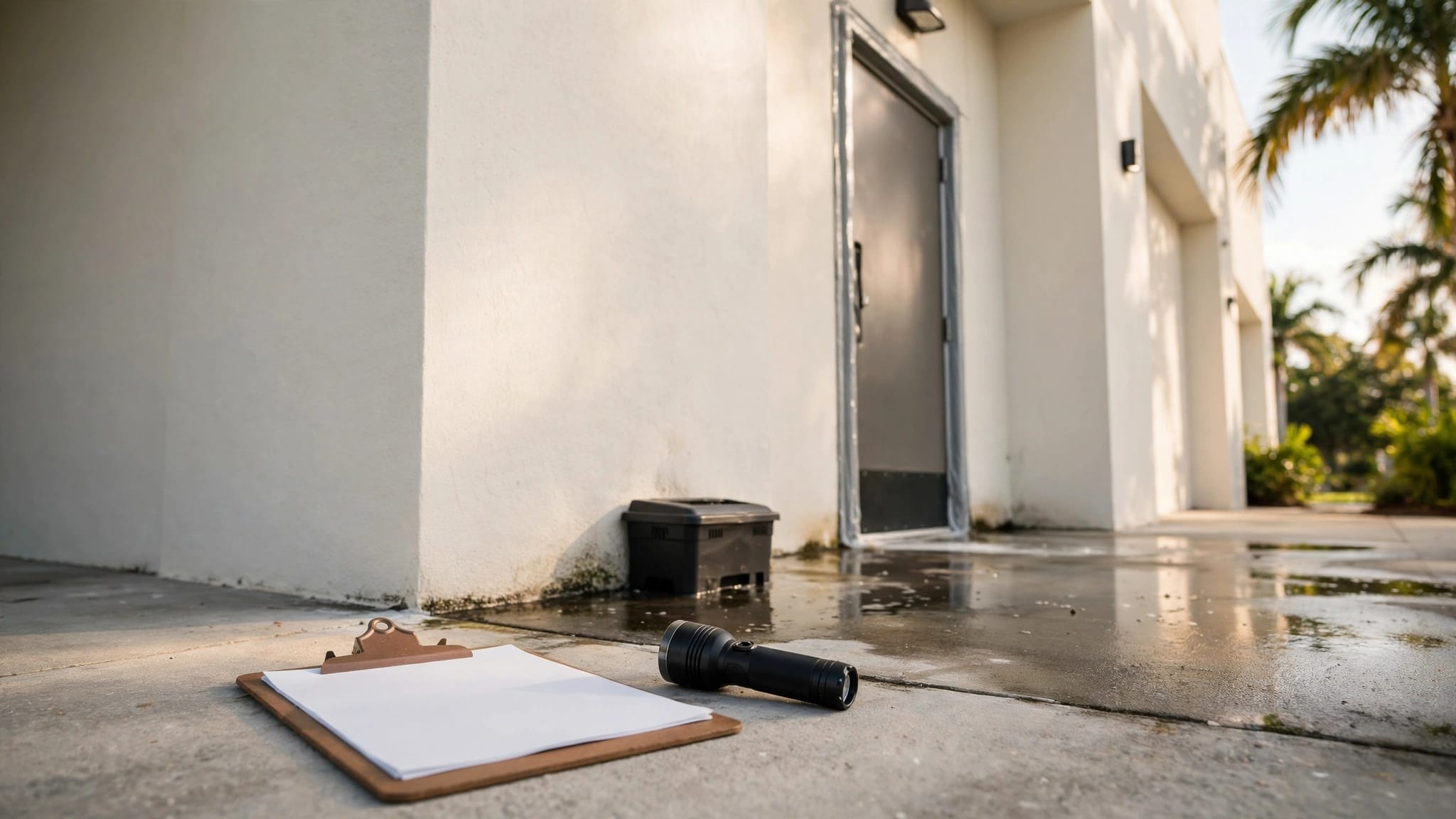
What Happens During the First Inspection
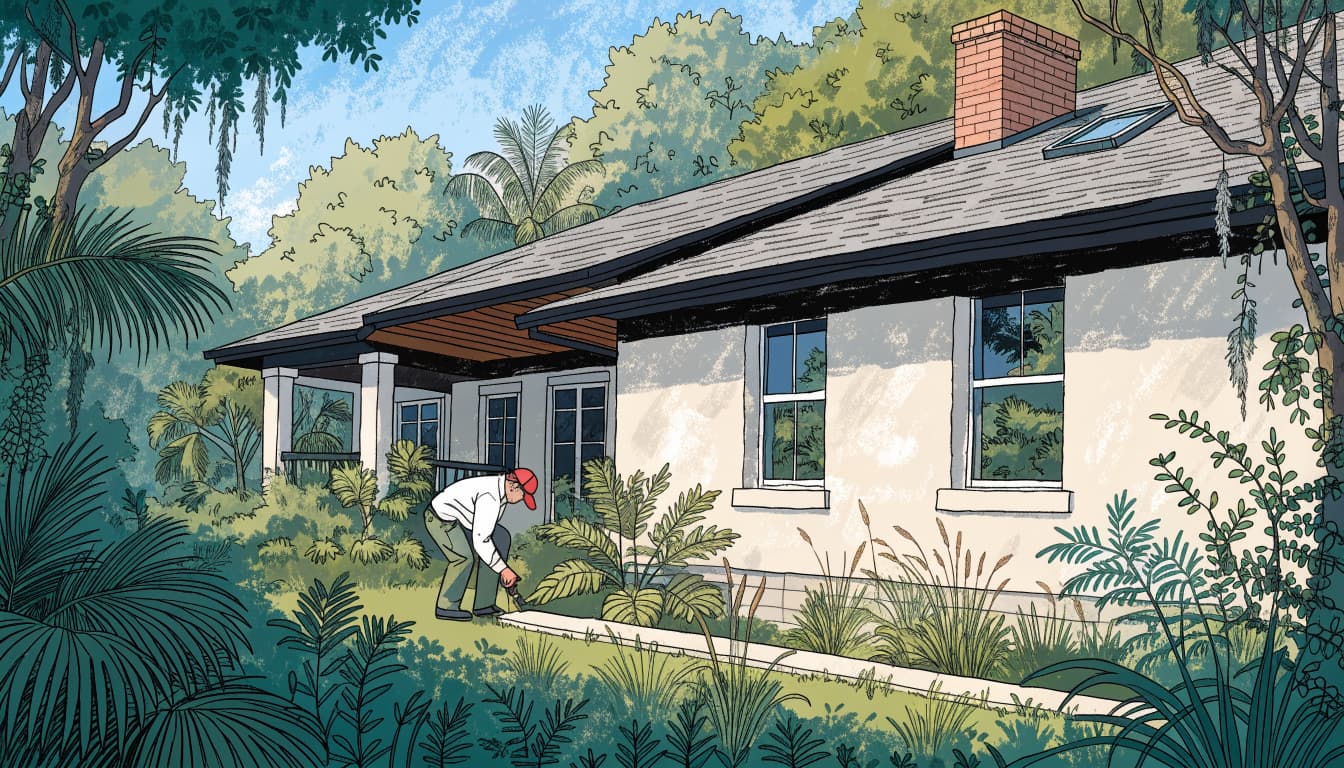
Connecting signs with likely activity
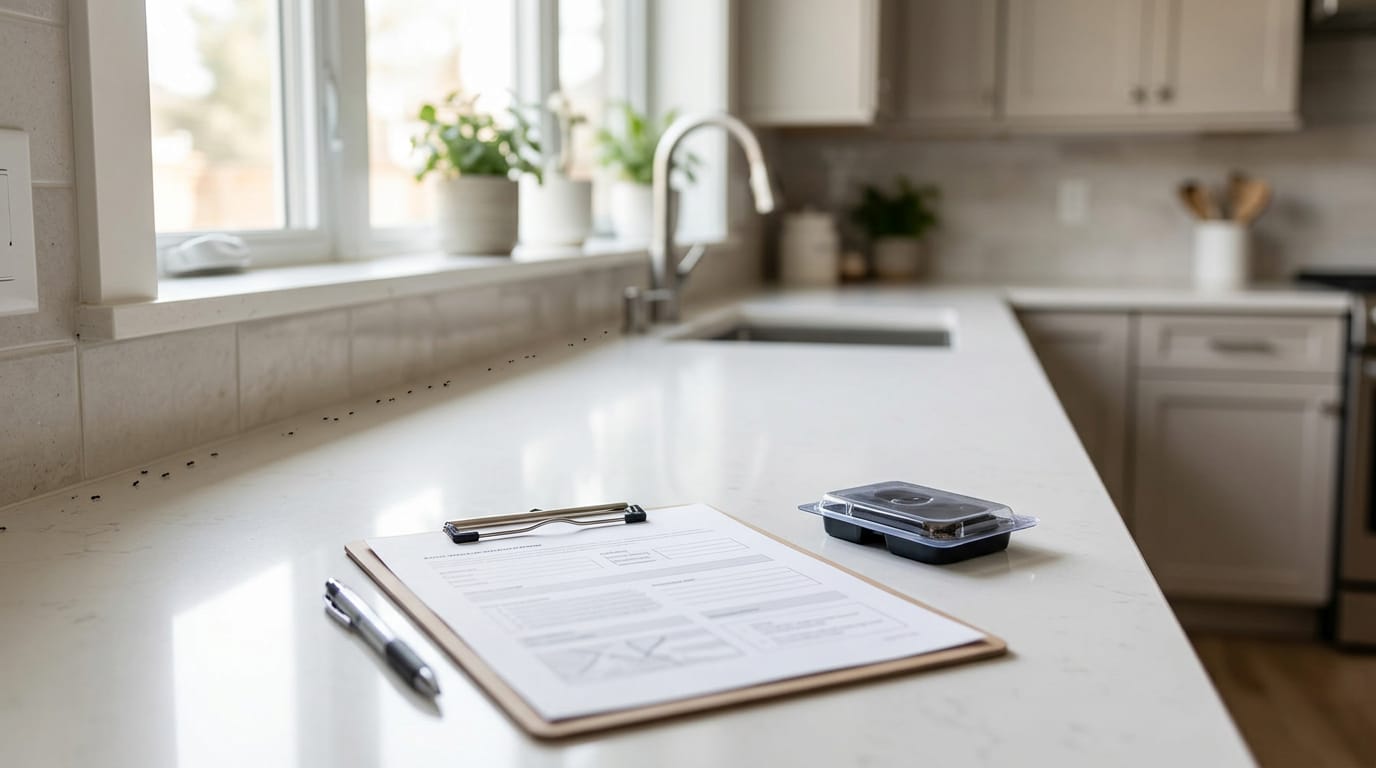
Expect the inspection to begin with where you noticed scratching, droppings, chewing, or odors. The location and timing of those observations help direct attention.
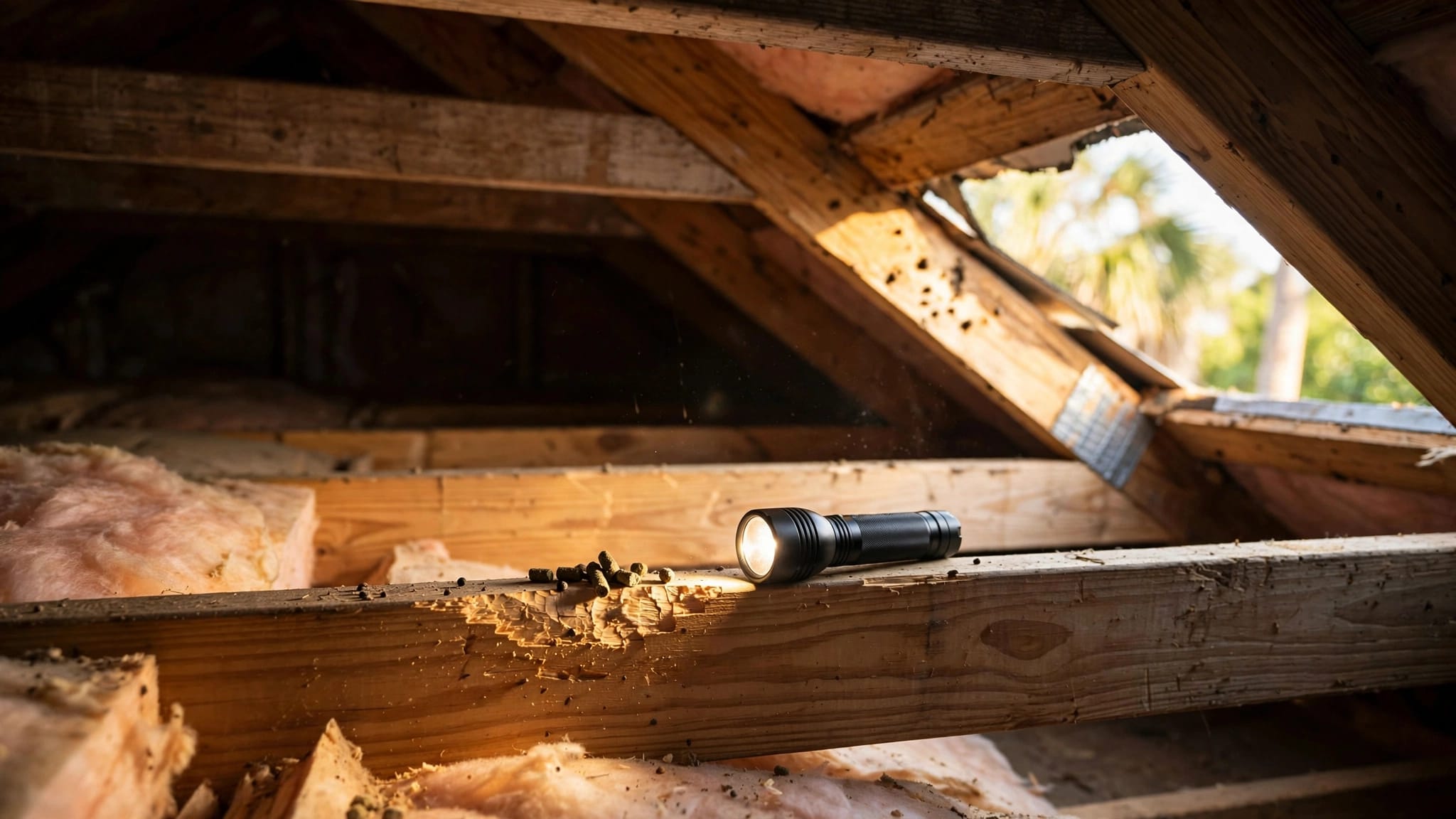
A technician compares those reports with evidence such as gnaw marks, greasy rub marks, nesting material, and damaged packaging. Droppings offer clues, but they don't establish the species or entry route on their own.
Accessible attics, garages, storage areas, and exterior walls may all need attention. Stored belongings, insulation, or unsafe access can limit what is visible.
Identifying access and defining the work
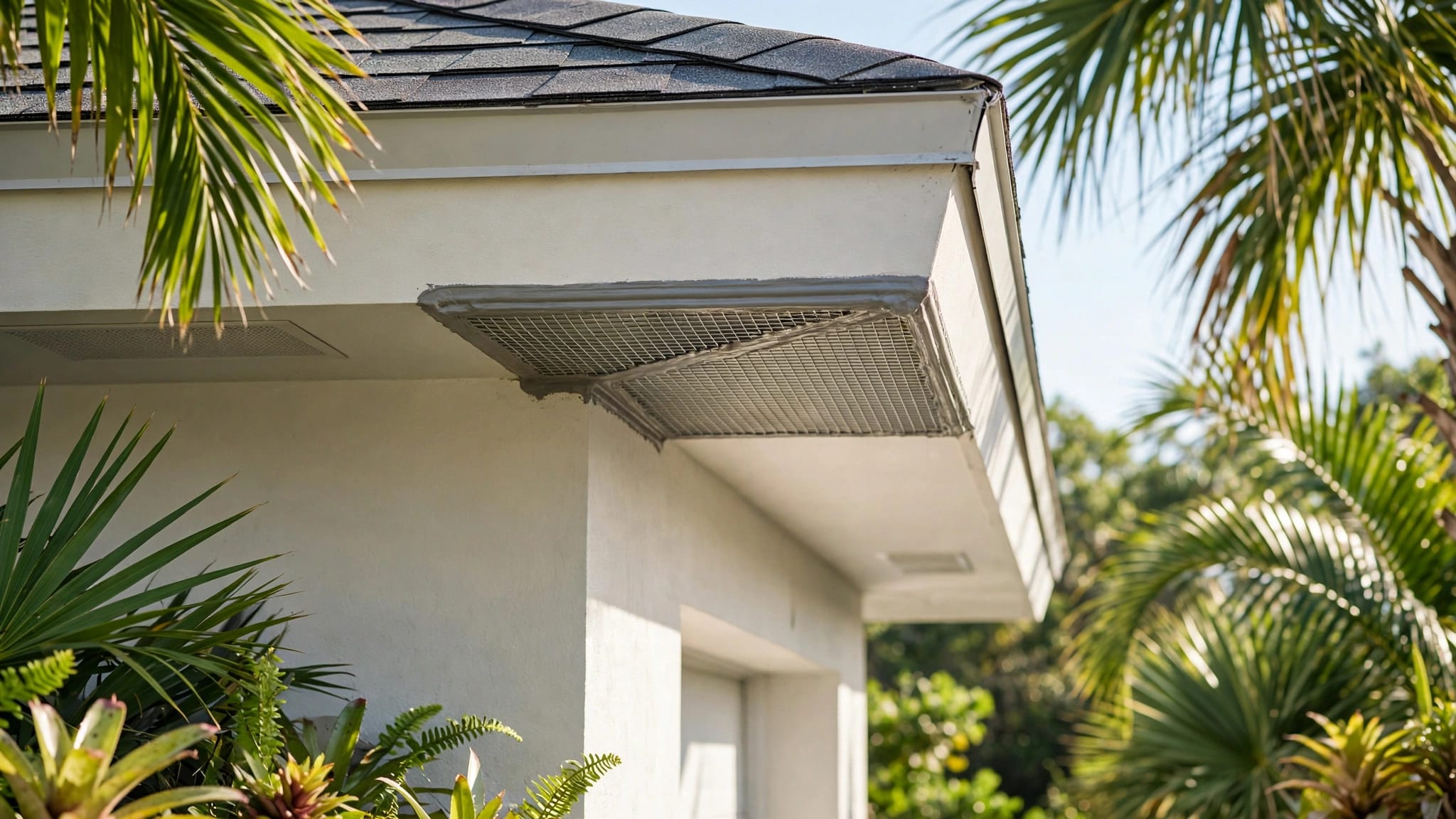
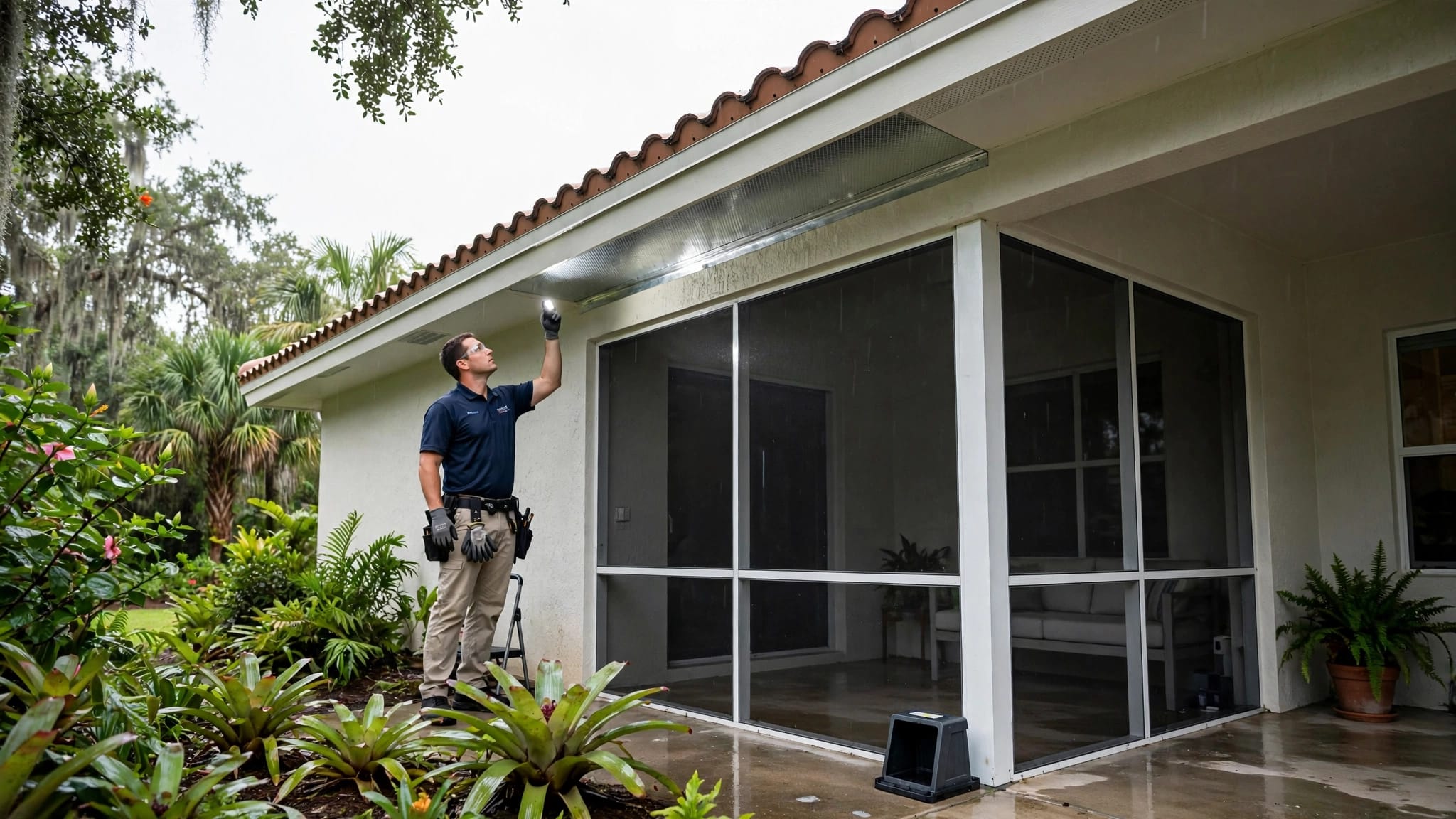
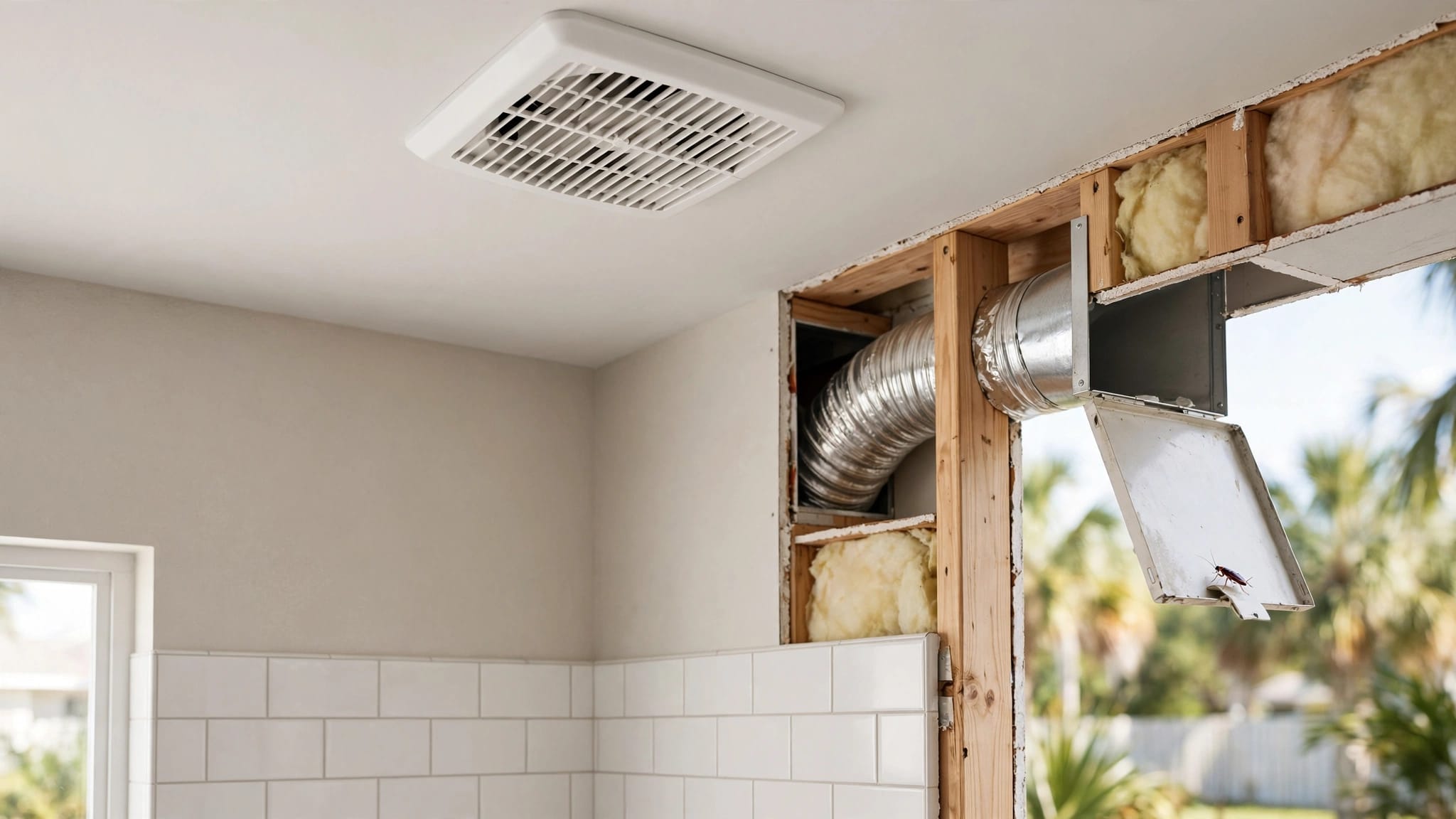
Common inspection areas include roof returns, soffits, attic vents, garage corners, door bottoms, and openings around pipes or cables. Landscaping and stored materials can conceal defects.
Our rodent exclusion inspection process considers both activity and access. A damaged vent near attic droppings deserves attention, but that combination doesn't automatically prove the vent is the active entrance.
Inspection and repairs are separate steps. Expect findings to distinguish observed damage, suspected routes, removal needs, and recommended repairs. An opening may need to remain temporarily accessible while rodents inside are addressed.
How Cape Coral Conditions Affect Rodent Activity
Warm weather and heavy rain
Southwest Florida's warmth allows rodents to remain active throughout the year. Outdoor food and sheltered nesting areas can support activity even when northern communities experience winter slowdowns.
Heavy rain can flood low hiding places or change the routes animals use. Elevated, sheltered spaces such as garages and storage areas may become more attractive. Rain alone doesn't prove why rodents appeared, but it belongs in the assessment.
Storm damage can also loosen screening or expose construction gaps. Meanwhile, irrigation leaks can maintain damp conditions after rainfall ends.
Canal-side properties and connected cover
A canal-side inspection should look beyond the house itself. Seawall edges, docks, fences, dense groundcover, and storage areas can connect rodent hiding places with the building.
Fishing supplies, spilled feed, fallen fruit, and clutter beneath outdoor structures deserve attention. Palm fronds or branches touching the roof can also provide access.
Living beside a canal doesn't automatically mean an infestation. The important issue is whether nearby travel routes connect with food, shelter, and an opening into your home.
How Trapping and Exclusion Work Together
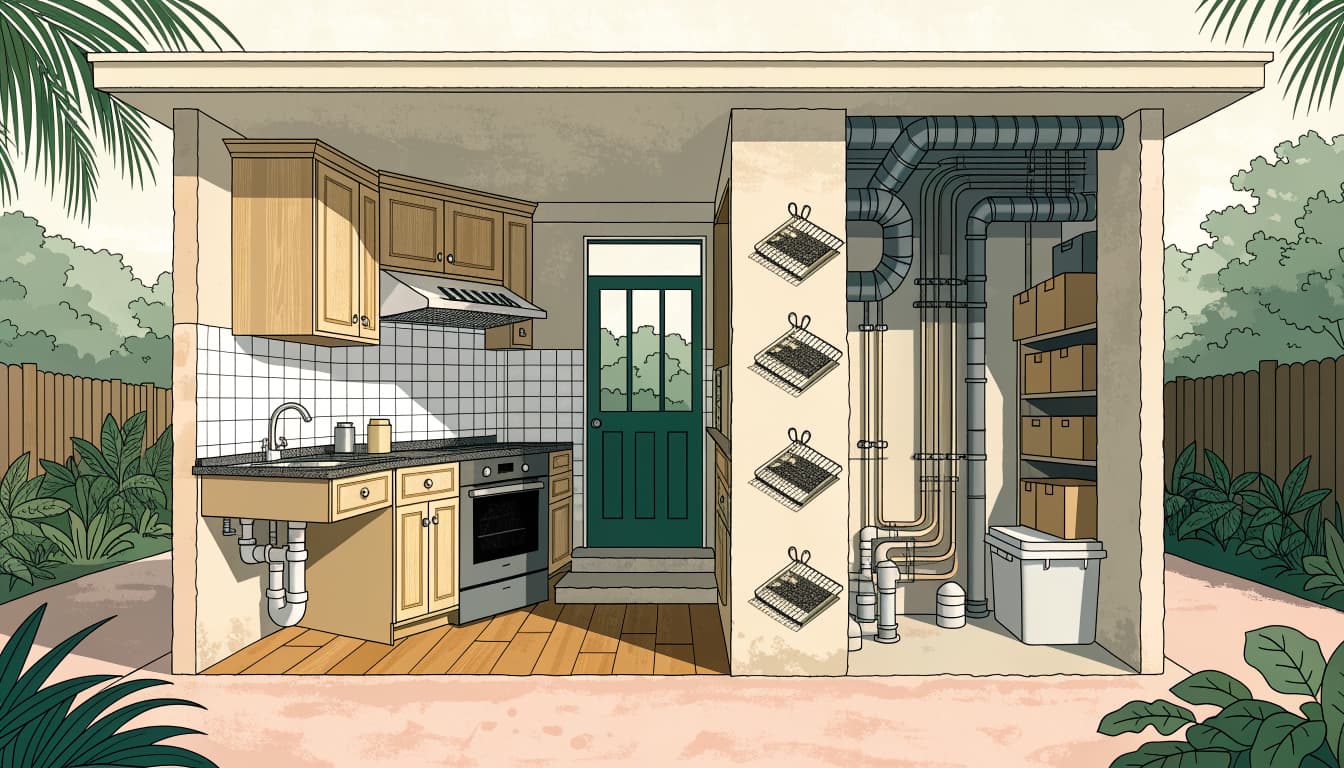
Addressing rodents already inside
When the inspection finds indoor activity, targeted trapping may be necessary. Technicians place traps near confirmed travel routes rather than scattering them throughout the property.
Mechanical snap traps kill rodents without rodenticide. Therefore, poison-free service doesn't necessarily mean live capture. Traps need protected placement away from children, pets, and non-target wildlife, followed by regular attention and prompt removal of captured animals.
Deterrent equipment has a different role. It supports prevention around selected areas, while trapping addresses animals already using the structure. Our approach to protecting owls near canals connects targeted control with habitat and access improvements.
Closing routes with suitable materials
Exclusion means repairing openings so rodents have fewer ways inside. Depending on the location, suitable materials include securely fastened metal mesh, flashing, mortar, and exterior-rated sealant. Ordinary expanding foam alone isn't a dependable rodent barrier.
Repairs must preserve ventilation, drainage, and equipment access. Roof damage, electrical concerns, or structural defects may require the appropriate trade professional.
Timing matters because sealing an active entrance too early can trap an animal in a wall or ceiling.
An opening can need repair without being ready for immediate closure. Removal and exclusion must follow the evidence inside the home.
Sanitation Recommendations Should Be Specific
Expect recommendations tied to what the inspection finds. A useful plan identifies the food source, storage problem, or sheltered area supporting activity.
For example, an outdoor kitchen may need grease removed beneath equipment and food residue cleaned from cabinets. A garage may need pet food moved indoors and stored securely. Fallen citrus or mangoes, spilled birdseed, and loose trash can also reward repeat visits.
Shelter matters too. Removing unused pots, cardboard, and stacked materials can expose travel routes and make inspection easier. Trimming vegetation away from walls also reduces concealed cover.
Cleanup requires a separate safety decision. Don't dry-sweep or vacuum rodent droppings , because that can put contaminated particles into the air. For small, accessible areas on hard surfaces, wear gloves and wet the waste thoroughly with an appropriate disinfectant before wiping it up. Follow the product label's contact time.
Heavy contamination, nesting material in insulation, inaccessible carcasses, or suspected wiring damage calls for professional assessment. Deodorizing alone doesn't remove contaminated material or repair damage.
How to Prepare and Protect Children and Pets
Preparation should improve access without disturbing evidence or creating exposure. Before the appointment:
- Record where you noticed activity. Photos taken from a safe distance can help show locations without handling droppings or nesting material.
- Clear a path to the garage, utility areas, attic hatch, and affected rooms. Leave suspected nests and contaminated insulation undisturbed.
- Secure food, pet kibble, birdseed, and trash. Keep food in sturdy, tightly closed containers and clean feeding spills.
- Arrange a separate space for children and pets during service. Include fenced yards and outdoor runs when planning access.
Tell the technician where animals roam and where children play. Existing traps, bait stations, or loose rodenticide also need to be identified before work begins.
After placement, keep traps and deterrent equipment where the technician installed them. Don't let pets investigate carcasses. Leave ladders, roof access, electrical panels, and tight crawl areas to qualified professionals.
What Follow-Up Visits Should Accomplish
Follow-up gives the initial findings a point of comparison. We look for new evidence, assess activity, and adjust deterrent placement or other non-toxic tools where appropriate.
When trapping is part of the plan, follow-up also supports removal and decisions about remaining indoor activity. Exclusion work needs attention too, particularly if weather or building repairs create new openings.
Progress should reflect several observations together: fewer fresh signs, reduced reported activity, and repaired access points. One quiet night doesn't establish that the problem has ended.
Homeowners also have a role between visits. Keep recommended food and storage changes in place, and report new evidence with its location. For vacation homes, a caretaker can pass along observations and provide access.
Monitoring helps separate continued activity inside from a new problem around another part of the property.
Frequently Asked Questions
Will poison-free service remove rodents already in the attic?
It can include targeted trapping for indoor activity, alongside exclusion and cleanup recommendations. Deterrence and removal have different roles, so the inspection determines the combination. Attic access and safety conditions affect what can be inspected and treated.
Should I seal a hole before the appointment?
Leave a suspected active entrance undisturbed if rodents may still be inside. Premature closure can trap animals in concealed spaces. The inspection helps establish which routes need attention and how repairs should fit with removal.
Does a poison-free plan protect pets automatically?
Avoiding rodenticide removes that poison exposure source, but mechanical traps and contaminated areas still need safeguards. Keep pets away from equipment, droppings, and carcasses. Protected placement and clear household instructions remain part of the service.
Will trapping prevent rodents from returning?
Trapping removes individual animals. Lasting prevention also depends on closing entry routes and reducing accessible food and shelter. Follow-up helps identify missed openings or changed conditions before recurring activity becomes established.
A Plan That Addresses Why Rodents Return
Effective poison-free rodent control connects removal with lasting prevention . The inspection identifies activity and access, while trapping, exclusion, sanitation, and monitoring address different parts of the problem.
For Cape Coral homes, that plan should account for rain, roof access, landscaping, and canal-side cover. Each recommendation should relate to conditions found at your property.
Call us at (239) 910-1133 to schedule a free inspection and start with a clear assessment of what your home needs.
Schedule a Free Inspection: