What Should a Residential Pest Control Agreement Explain?
A residential pest control agreement should explain which pests and services are covered, what you'll pay, and what happens if pests return. It should also spell out your responsibilities, safety instructions, and options for ending the service.
The details matter because a general pest plan may not include rodent control or other specialty treatments. A clear agreement helps you understand what you're buying before the first visit.
Which pests does the agreement cover?
The agreement should name the pests included in your plan. Broad phrases such as "household pests" can leave you unsure whether a particular insect or rodent qualifies for treatment or a return visit.
The list should be detailed enough to match the problem you're trying to solve. If you've seen ants near the kitchen window or heard activity in the attic, the agreement should make clear whether the service addresses those concerns.
General household pests
A general plan may cover common insects found in and around the home. Coverage can vary by pest and by the service you select, so the written list matters more than a general description of the plan.
For example, a treatment for ants around the exterior doesn't necessarily include every ant species or every location on the property. The agreement should identify any limits that affect your situation.
Rodents and specialty pests
Rodents, termites, bed bugs, mosquitoes, and wildlife often require different methods and separate pricing. A general insect plan shouldn't be assumed to include them.
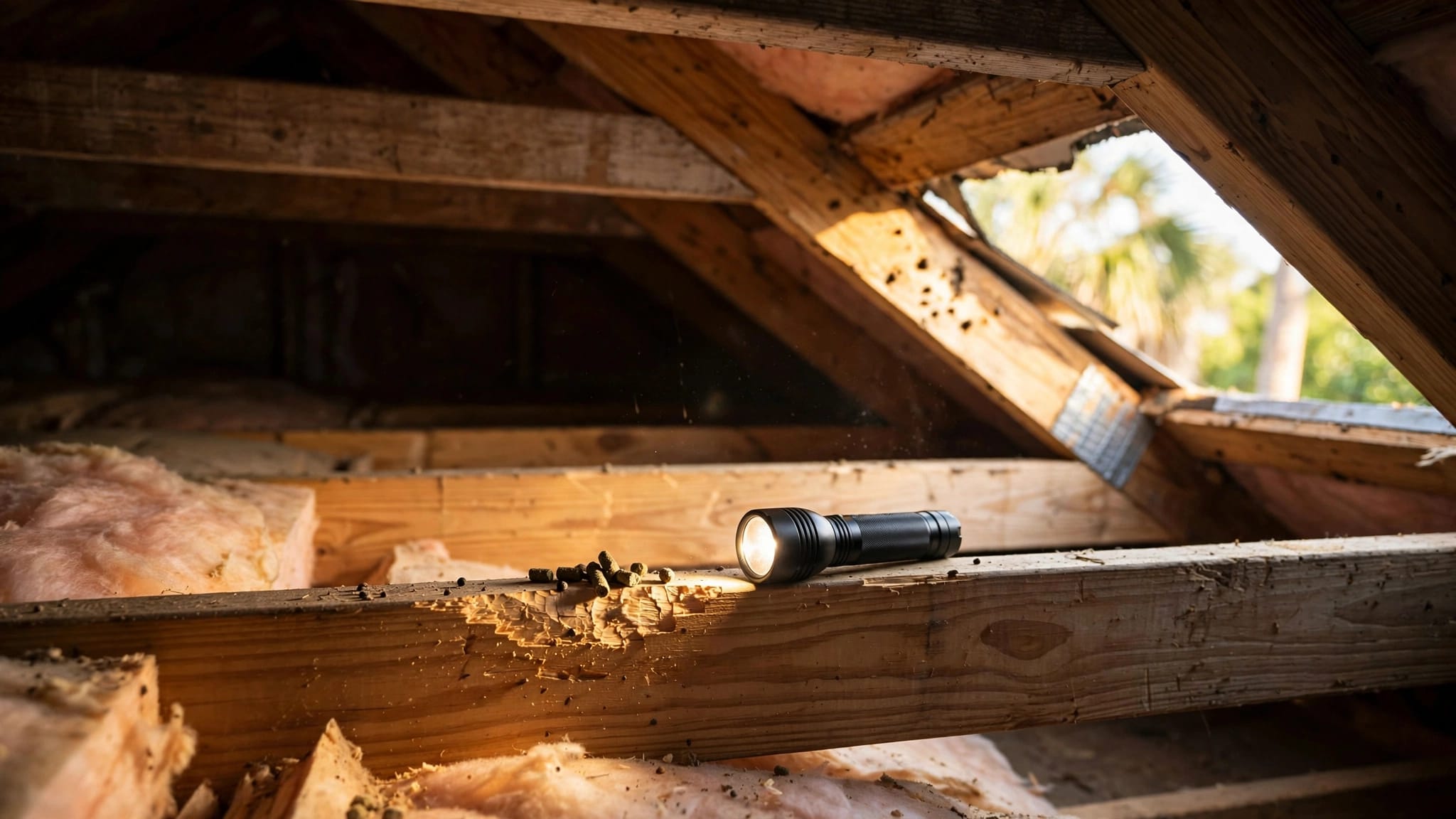
If rodents are covered, the agreement should describe the work involved. Inspection, monitoring, trapping, and sealing entry points are distinct services. A plan that includes one doesn't automatically include all of them.
What work will the technician perform?
A useful agreement describes the service, not only the pests. It should identify where work takes place and whether the plan includes inspection, monitoring, treatment, or recommendations for prevention.
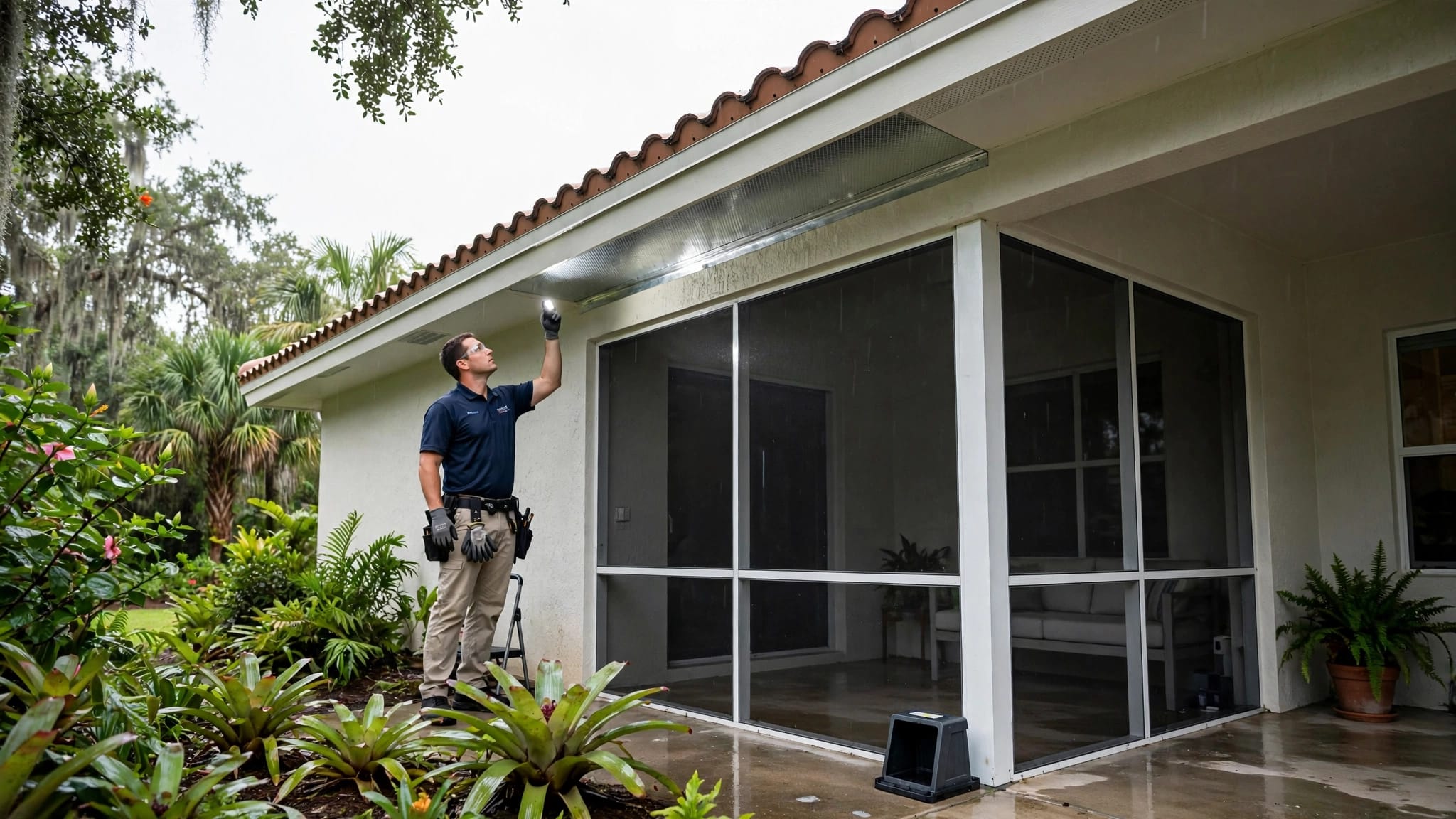
For a Florida home, relevant areas may include the foundation, garage, lanai, doors, windows, and plumbing openings. The agreement should also explain whether interior service is included or provided when activity calls for it.
Methods matter, too. Integrated pest management combines inspection and prevention with targeted treatment when needed. Our residential pest control services in Cape Coral include prevention recommendations, such as sealing entry points and reducing conditions that attract pests.
The written scope should separate recommendations from work included in the price. Finding a gap around a pipe, for example, doesn't necessarily mean that sealing it is part of the visit.
How often are treatments scheduled?
The agreement should state how often routine service takes place and what each visit generally includes. It should also distinguish the initial visit from later appointments, since the first inspection may involve a different amount of work.
Quarterly service generally means a visit about every three months. During recurring visits, a technician can look for new activity and adjust the approach to the conditions found. Our guide to how quarterly pest service works explains how that schedule compares with a one-time treatment.
The schedule should explain what happens when weather, access problems, or another issue prevents a planned visit. It should also make clear whether you need to be home for exterior work and how interior appointments are arranged.
A recurring schedule provides opportunities to monitor the property. It doesn't mean the same product must be applied in the same places at every visit.
What will you pay, including extra charges?
A pest control agreement should show the initial charge, recurring charge, and billing schedule. It should also identify taxes, fees, and any optional work that costs extra.
That information makes it easier to compare plans with different visit schedules. A lower recurring payment may cover fewer services than a higher-priced plan, so compare the work included along with the cost.
Initial and recurring charges
The first visit may have a separate price from ongoing service. The agreement should show both amounts and explain when payments are due. If the plan bills monthly but visits occur quarterly, the billing and service schedules should be clear.
For context, our guide to Cape Coral pest control costs describes monthly service estimates of $30 to $75 per visit and quarterly estimates of $100 to $200 per session. Those figures are estimates, not a quote for your property.
Services outside the plan
Rodent exclusion, attic cleanup, termite inspections, mosquito treatments, and repairs are examples of work that may carry an additional charge. The agreement should distinguish included services from optional or separately quoted work.
It should also explain how additional work is authorized. That way, you know whether a technician's recommendation is included in the plan or requires a separate decision.
What preparation and follow-up are required?
Some treatments require preparation before a technician arrives. The agreement or accompanying service instructions should explain what you need to do, which areas must be accessible, and when you'll receive any treatment-specific directions.
For exterior service, preparation may involve clearing access to the foundation or moving items away from treatment areas. Our tips for preparing your home's exterior for pest control cover practical steps for a visit.
Interior or specialty treatments may require different preparation. Written instructions should identify any steps involving food, dishes, bedding, furniture, or pets when those steps apply to the treatment.
Follow-up responsibilities matter as well. A technician may identify moisture, food sources, clutter, or openings that contribute to pest activity. The agreement should distinguish recommendations from requirements tied to continued service or a retreatment guarantee.
Keep the service instructions and records together. If activity continues, the record gives you a way to describe where pests appeared and what work has already been completed.
What safety and access instructions apply?
Your agreement should explain how you'll receive safety instructions for the treatment being performed. It should also address access to the home, including areas that need attention when you aren't present.
Treatment and re-entry instructions
Instructions should identify any steps you need to take before treatment and any restrictions afterward. These may concern people, pets, food-contact surfaces, or treated areas, depending on the product and application.
Follow the product label and the technician's directions, including any re-entry instructions that apply. If someone in your household has a health concern related to treatment, discuss it with the provider before work begins and consult a medical professional when appropriate.
Access to the property
The agreement should identify where the technician needs access and how appointments work. A locked gate, secured pet, occupied room, or inaccessible attic can affect what a technician can inspect or treat.
It should explain how you'll be notified if part of the property couldn't be serviced. For rodent work, access matters because inspection and monitoring may involve areas beyond the places where you've seen activity.
What happens if pests return?
A guarantee or retreatment provision should describe what service is available if a covered pest returns. Look for the covered pests, the period of coverage, and whether a return visit carries a charge.
The agreement should also explain how to request service between scheduled visits. A retreatment provision is most useful when you understand what it covers and what you need to do to use it.
Retreatment and results
Retreatment means additional service under the agreement's stated conditions. The document should describe whether that service involves inspection, another treatment, or a change in approach.
A guarantee of retreatment is different from a promise to reimburse you for damage. The wording should make that distinction clear rather than leaving you to assume both are included.
Conditions and limitations
Some guarantees depend on access, scheduled inspections, or other conditions. They may exclude pre-existing damage or structural repairs. Those limits belong in the written terms alongside the coverage.
If the agreement requires you to address a condition, such as an opening or sanitation issue, the responsibility should be clear. Keep any related service recommendations with your agreement so you know which steps apply.
Which exclusions could affect your coverage?
Exclusions describe what the agreement doesn't cover. They may apply to a pest, a location, a type of damage, or work outside the stated service. Read them alongside the coverage list because both shape what you're purchasing.
For rodent control, a plan may distinguish treatment or monitoring from exclusion work that seals entry points. It may also treat cleanup and repairs as separate services. Similarly, a general pest plan can exclude termite damage even when it covers other household pests.
An exclusion should be clear enough to understand before you sign. If a service you need isn't included, it can be addressed through a separate scope and price rather than left uncertain in the original agreement.
How do cancellation and renewal work?
An agreement should explain how long the initial commitment lasts and what happens when that period ends. It should also describe the process for ending service.
Ending the agreement
Look for the required notice, how to submit it, and whether an early cancellation charge applies. The terms should explain what happens to any remaining balance or scheduled service when the agreement ends.
If service changes or you move, clear cancellation language helps you understand your options. Keep a copy of any written notice with your agreement and billing records.
Automatic renewal
Some plans renew automatically unless the homeowner gives notice. The agreement should state whether renewal is automatic, how the renewed service is billed, and how to stop renewal.
It should also explain how you'll be informed of changes to the recurring price or service terms. Renewal language deserves the same attention as the initial price because it affects what happens after the first commitment ends.
Questions to ask before signing
A written agreement is easier to compare when it answers the questions that matter to your home. These are useful starting points:
- Which pests are covered, and which require a separate service?
- Does the price include rodent inspection, monitoring, trapping, or sealing entry points?
- What happens during the initial visit and during routine follow-up visits?
- Which charges apply beyond the initial and recurring price?
- What preparation, access, and safety instructions apply to the proposed treatment?
- If a covered pest returns, what retreatment is available and under what conditions?
- How do cancellation and automatic renewal work?
Our list of questions to ask a Florida pest control company offers more detail for comparing providers and their service terms.
Choose an agreement you understand
A residential pest control agreement should give you a clear picture of the work, the cost, and the limits of coverage. Pay particular attention to specialty pests and services that may need a separate plan.
Before signing, use the written terms to match the service to your home's needs. Clear expectations make it easier to plan for routine visits and know what happens if pests return.
Schedule a Free Inspection: