9 Questions to Ask a Florida Pest Control Company
A low monthly price can become expensive when it leaves the source of an infestation untouched or locks you into a contract you didn't understand. Choosing a Florida pest control company takes more than comparing a number on a flyer.
Florida's humidity, warm temperatures, irrigation, and year-round pest activity create ideal conditions for ants, roaches, mosquitoes, termites, and rodents. Ask the nine questions below, then judge the quality of each answer before anyone treats your home.
Questions to Ask a Florida pest control company Before Service
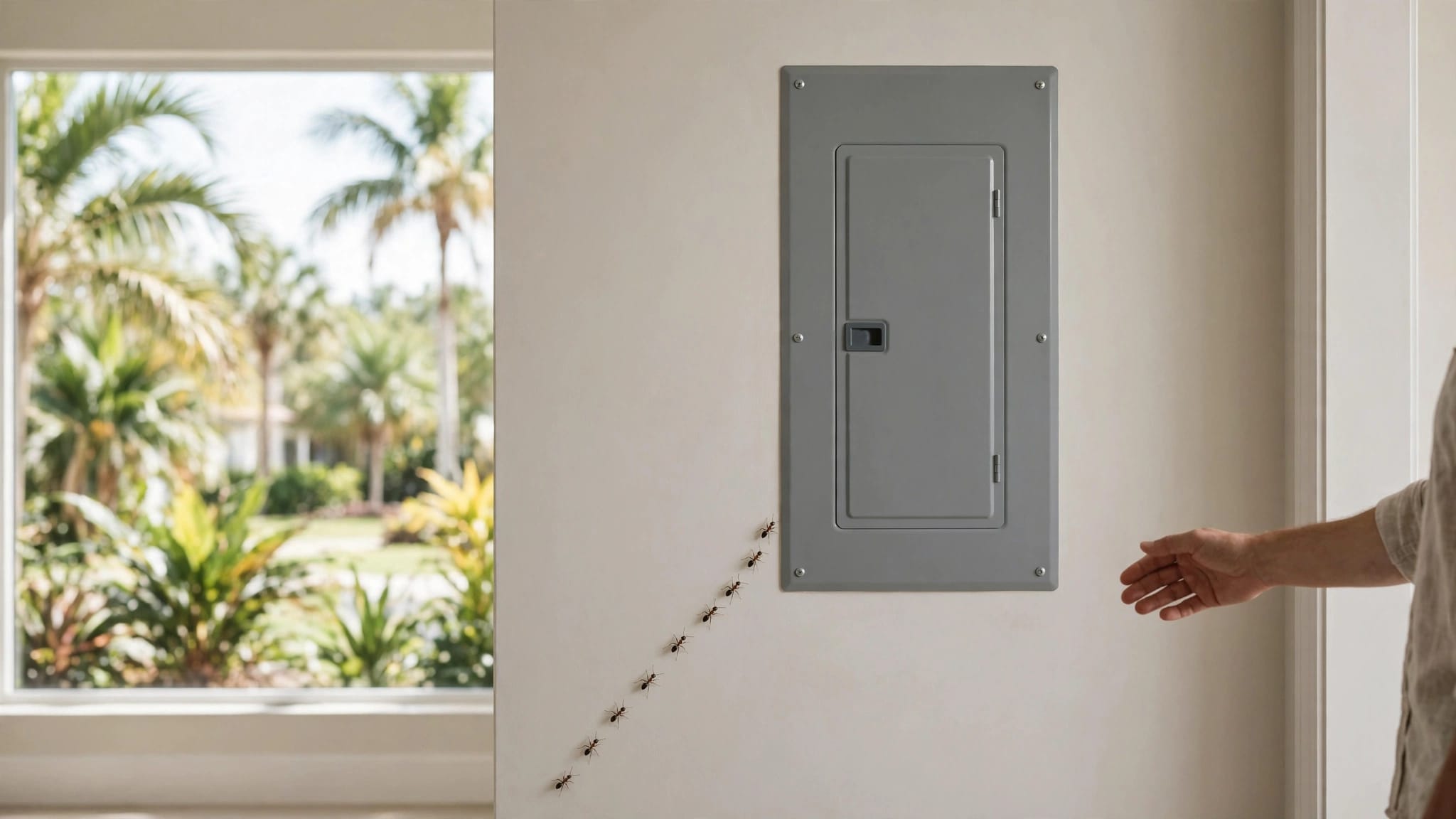
Florida pest problems often start outside the room where you see them. A few ants on the counter may point to moisture, an established trail, or an entry gap near a window. A useful inspection looks at the cause as well as the pest.
1. What pests did you find, and what is attracting them?
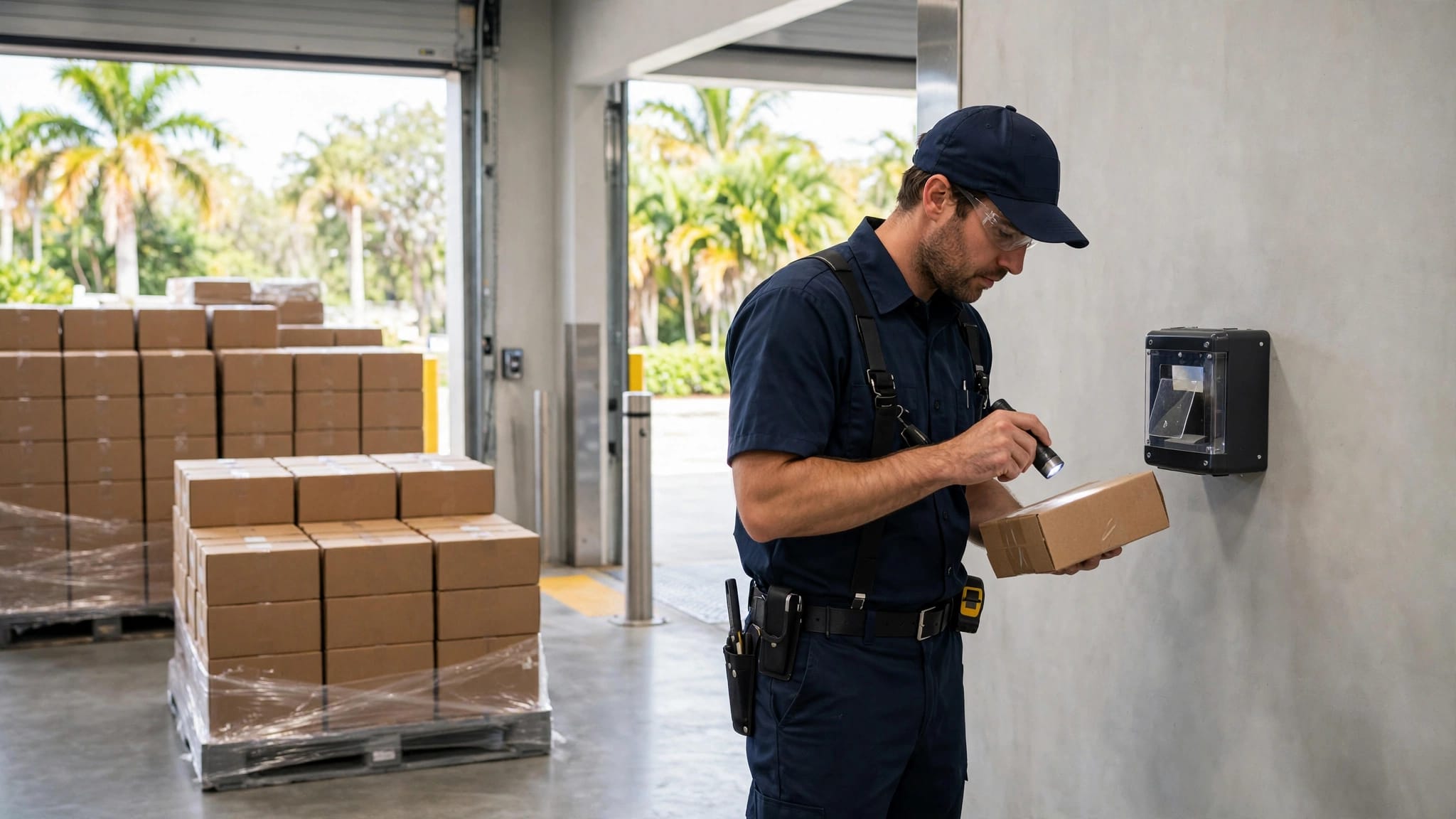
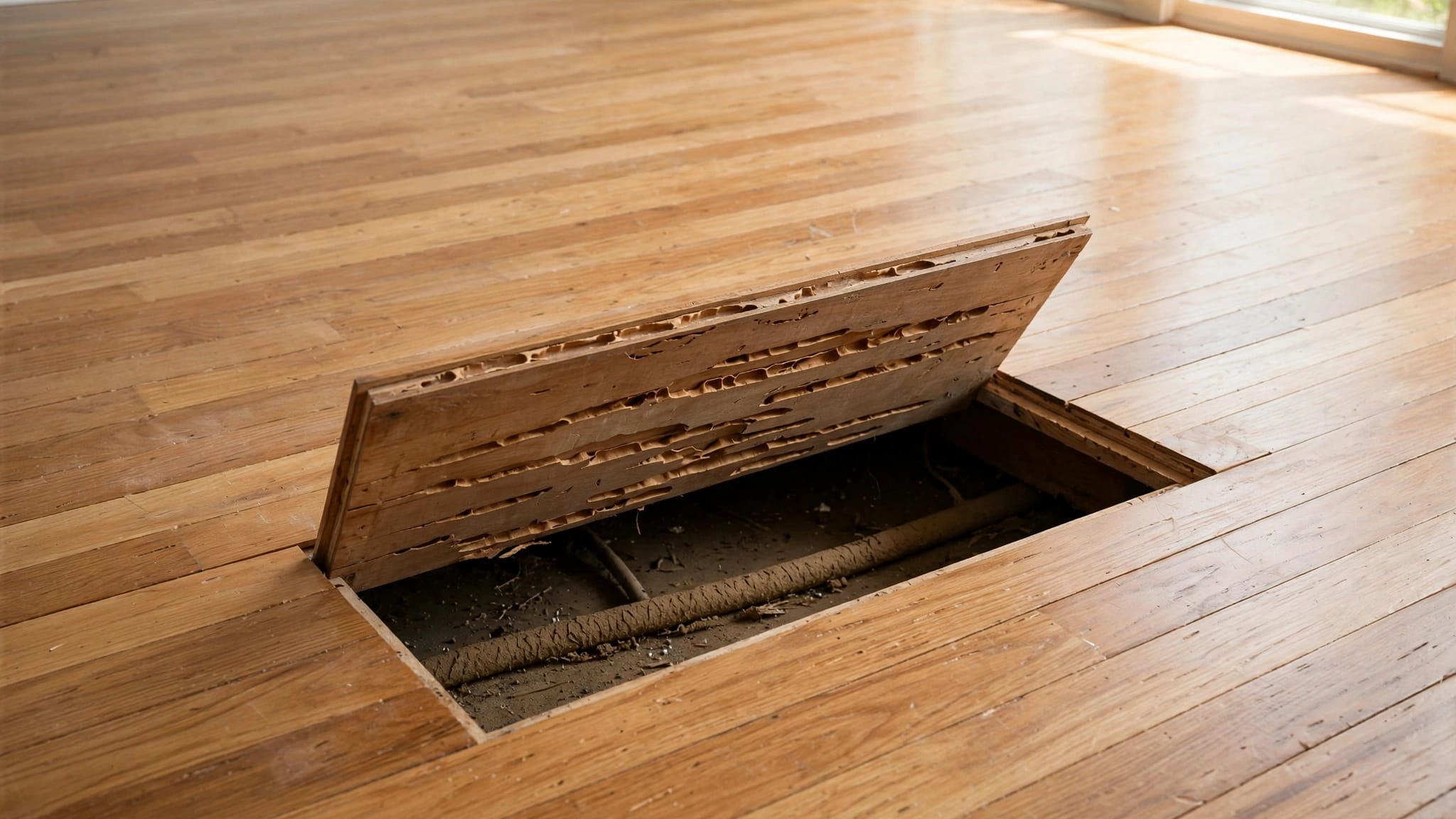
Ask the technician to identify the pest and show you the evidence. Depending on the problem, that evidence could include insect trails, droppings, damaged wood, nesting material, gnaw marks, or moisture around plumbing and walls.
A strong answer connects the pest to conditions around your property. The technician may point out gaps around doors, vegetation touching the structure, standing water, roofline openings, leaking outdoor fixtures, or damp areas under sinks. Those details help you understand why the problem started and what could keep bringing pests back.
Be cautious if the company recommends treatment without inspecting the interior, exterior, attic, garage, or other areas related to your complaint. A vague promise to "spray everything" doesn't tell you what was found.
2. What service do you recommend for this exact problem?
Ask what the proposed service includes and which pests it covers. General pest control may address common insects around a home, but termites, bed bugs, mosquitoes, rodents, and wildlife usually need different methods and separate pricing.
Find out whether the plan includes interior treatment, exterior applications, follow-up visits, monitoring, or recommendations for repairs and exclusion. Review the provider's service categories, including termite, mosquito, and rodent services, then ask which one matches your issue.
A good Florida pest control company will explain why the service fits your home. It won't add unrelated treatments without showing you a reason.
Verify Licensing, Insurance, and Technician Credentials
Credentials matter because a technician may enter your home, apply pesticides, inspect structural wood, or work in an attic. Ask for documentation before the first appointment, not after a problem occurs.
3. Are you licensed for the work in Florida?
Florida structural pest control is regulated by the Florida Department of Agriculture and Consumer Services, commonly called FDACS. Ask for the company's legal name, current business licensing information, and the credentials of the person who will inspect or treat your property.
You can verify licensing information through FDACS. Also ask which credentials cover the work you need. General insect treatment, termite work, wood-destroying organism inspections, and specialized services may involve different qualifications.
A dependable Florida pest control company won't treat a licensing question as an inconvenience. It should provide clear information and explain who will perform each part of the service.
4. Do you carry current insurance?
Ask whether the company carries general liability insurance and workers' compensation coverage when applicable. Liability coverage can matter if treatment damages property, while workers' compensation addresses injuries involving employees on your property.
Request a certificate of insurance if the job involves attic access, crawl spaces, ladders, wildlife removal, or extensive exclusion work. If the company uses subcontractors, ask whether those workers have their own coverage.
The answer should identify what is covered and who is performing the work. Avoid relying on a verbal statement that the company is "fully insured" without any supporting documentation.

Ask What the Treatment Will Actually Include
A treatment plan should describe actions, products, locations, and follow-up. That information helps you prepare your family and compare one quote with another.
5. What will the treatment include?
Ask where the technician will apply products and whether the plan uses more than a routine perimeter spray. Depending on the pest, the work may include targeted crack-and-crevice treatment, baits, monitoring, nest removal, exclusion recommendations, or moisture control.
Request the names of the products or active ingredients. The technician should explain where each product will go, how much preparation you need to complete, and when people and pets can return. Mention fish tanks, birds, reptiles, vegetable gardens, and other concerns before treatment begins.
A responsible company won't describe every product as completely risk-free. Instead, it will explain label directions, application areas, ventilation needs, food-storage precautions, and re-entry instructions in plain language.
The plan should also state what the company won't do. For example, sealing roof gaps, replacing damaged wood, repairing plumbing, or cleaning contaminated insulation may be separate services.
6. What should we expect after treatment?
Ask when you should expect activity to decline and what happens if you continue seeing pests. Results depend on the pest, the size of the infestation, weather, nearby properties, and conditions that allow pests to enter.
A strong answer includes a follow-up schedule and a clear contact process. It may explain when the company will return, what signs require a reinspection, and whether follow-up visits cost extra.
Florida's warm climate can support pest activity throughout the year, so recurring service may make sense for some homes. Still, each visit should have a defined purpose, such as checking known entry points, refreshing bait, reviewing moisture conditions, or treating areas where activity has returned.
Ask whether the technician documents findings with notes or photographs. Written records make it easier to track changes and discuss unresolved activity.
Termite and WDO Services Need Separate Answers
General pest control and termite work are different services. A routine insect plan doesn't automatically include a structural inspection or protection against wood-destroying organisms.
7. Is this general pest control, termite treatment, or a WDO inspection?
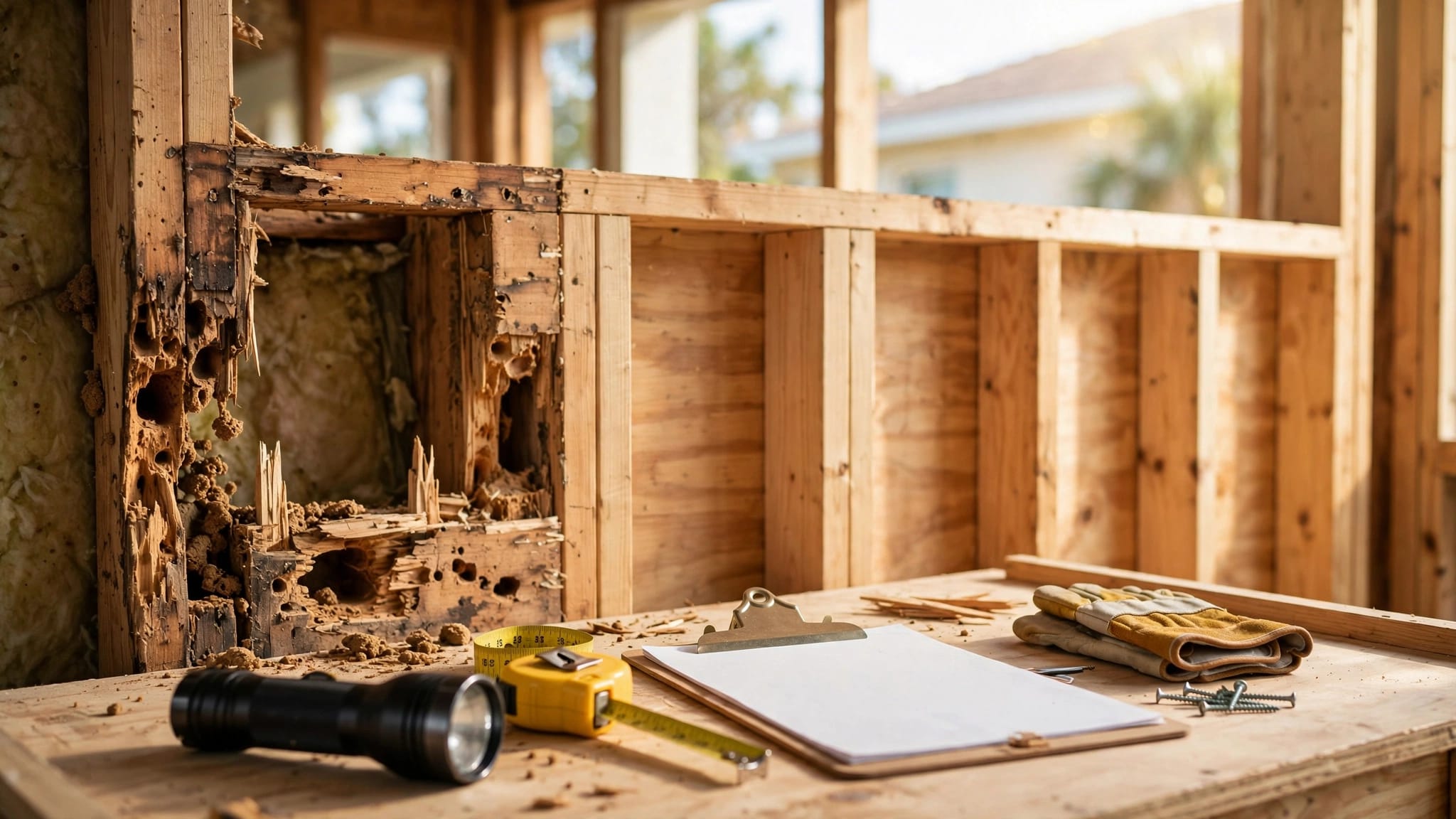
WDO means wood-destroying organisms. A WDO inspection is a defined inspection that may identify termites and other organisms that damage wood. It isn't the same as a standard visit for ants or roaches, and it may involve a separate report and fee.
Ask what the inspection covers, whether it is visual, who will perform it, and when you will receive the report. If the company finds termite evidence, ask which species it suspects, where activity appears, whether damage is visible, and what treatment options fit the situation.
Liquid soil treatments, bait systems, localized treatment, and fumigation have different preparation requirements, costs, and time frames. The company should explain the selected method rather than presenting every termite problem as identical.
You should also ask whether the service includes monitoring, annual inspections, retreatment, or repair of termite damage. Many homeowners insurance policies exclude termite damage, so the written agreement matters. For background on common methods, review this guide to protecting Southwest Florida homes from termites.
Ask How Rodents, Mosquitoes, and Wildlife Are Handled
Rodent control, mosquito management, and wildlife removal each require a different plan. A company that treats them as one basic add-on may not be addressing the source of the problem.
8. How will you handle rodents, mosquitoes, or wildlife?
For rats and mice, ask whether the technician will inspect the roofline, soffits, vents, attic, garage, utility penetrations, and other likely entry points. Effective work may involve trapping or baiting, sealing openings, removing attractants, and discussing cleanup after contamination.
Ask who performs exclusion work and whether sealing repairs are included in the quote. If you suspect palm rats in an attic, review the steps involved in Cape Coral attic rodent control, including inspection and re-entry prevention.
Mosquito service should address breeding conditions as well as adult mosquitoes. Ask whether the plan includes standing-water checks, treatment of larval areas, vegetation treatment, or scheduled barrier applications. Outdoor fogging can provide short-term relief for an event, but it doesn't remove every breeding source.
Wildlife concerns may involve squirrels, raccoons, opossums, or other animals. Ask whether the company handles species-specific removal and exclusion or refers those cases to a licensed wildlife provider. Also confirm who repairs openings after removal.
Review Price, Warranty, and Cancellation Terms
The cheapest quote may cover less work. Compare the full agreement, including services that appear outside the advertised monthly rate.
9. Can I review the full price and service agreement?
Ask for the initial price, recurring price, service frequency, taxes, fees, and optional charges in writing. Confirm whether termite inspections, rodent exclusion, attic cleanup, mosquito fogging, wildlife removal, and repairs cost extra.
Published local estimates can provide context, but they aren't promises. One Cape Coral pricing guide places termite treatment around $500 to $2,000 and rodent removal around $200 to $600, depending on the method, property size, and work required. You can compare those factors in this overview of Cape Coral pest control pricing.
Read the warranty or re-service language carefully. Ask which pests it covers, how long it lasts, whether inspections are required, and what conditions void it. Some agreements cover retreatment but exclude structural repairs or damage that existed before service.
Check the cancellation policy, initial commitment, notice period, and automatic renewal terms. A trustworthy company will let you review the agreement before treatment and answer questions without rushing your signature.
Compare the Answers Before You Sign
Write down each company's answers while the details are fresh. The strongest proposals usually have a clear scope, named services, realistic expectations, and written terms.
| Area | Clear answer | Warning sign |
|---|---|---|
| Diagnosis | The technician identifies the pest and contributing conditions. | The quote arrives without an inspection. |
| Credentials | The company provides current licensing and insurance details. | Staff avoid direct questions about qualifications. |
| Treatment | Products, locations, preparation, and follow-up are explained. | The plan only says "spray" without details. |
| Agreement | Price, warranty, and cancellation terms appear in writing. | Important charges are described as add-ons later. |
Compare the work being offered, not only the monthly payment. A lower price may reflect fewer visits, limited pest coverage, no exclusion work, or a warranty with strict conditions. If two companies recommend different treatments, ask each one to explain the evidence behind its plan.
Choose Clarity Over Pressure
A Florida pest control company should help you understand the problem before asking you to approve treatment. Look for clear answers about species, licensing, insurance, products, follow-up, termite and WDO scope, rodent or wildlife work, pricing, and contract terms.
Florida's heat and humidity keep many pests active throughout the year, so the right service is the one that matches your property and the pest involved. When the work is clearly defined in writing, you can compare providers with confidence and avoid paying for protection you didn't ask for.
Schedule a Free Inspection: