Dead Rodent in Wall: Safe Steps for Florida Homes
The smell of a dead rodent in wall cavities can spread through outlets, trim gaps, and air leaks before you see any sign of the animal. Florida's heat and humidity can make the odor stronger, while flies may gather near the hidden source.
If you suspect a dead rodent in wall space, avoid cutting into drywall or adding poison. Protect people and pets, improve airflow carefully, and arrange an inspection when the location or species isn't clear. Start with these steps.
What to do when you suspect a dead rodent in wall space
Limit exposure immediately
Move children and pets away from the strongest odor. Keep doors closed when possible, and open nearby windows if outdoor conditions allow. A fan can move stale air toward an open window, but don't aim it at droppings, nesting material, or a hole in the wall. Avoid heating the room, since warmth can intensify odors.
Don't touch the wall opening, droppings, or insects with bare hands. Also avoid dry sweeping, vacuuming, air-blowing, or spraying fragrance into the cavity. These actions can spread contaminated dust or mask the source.
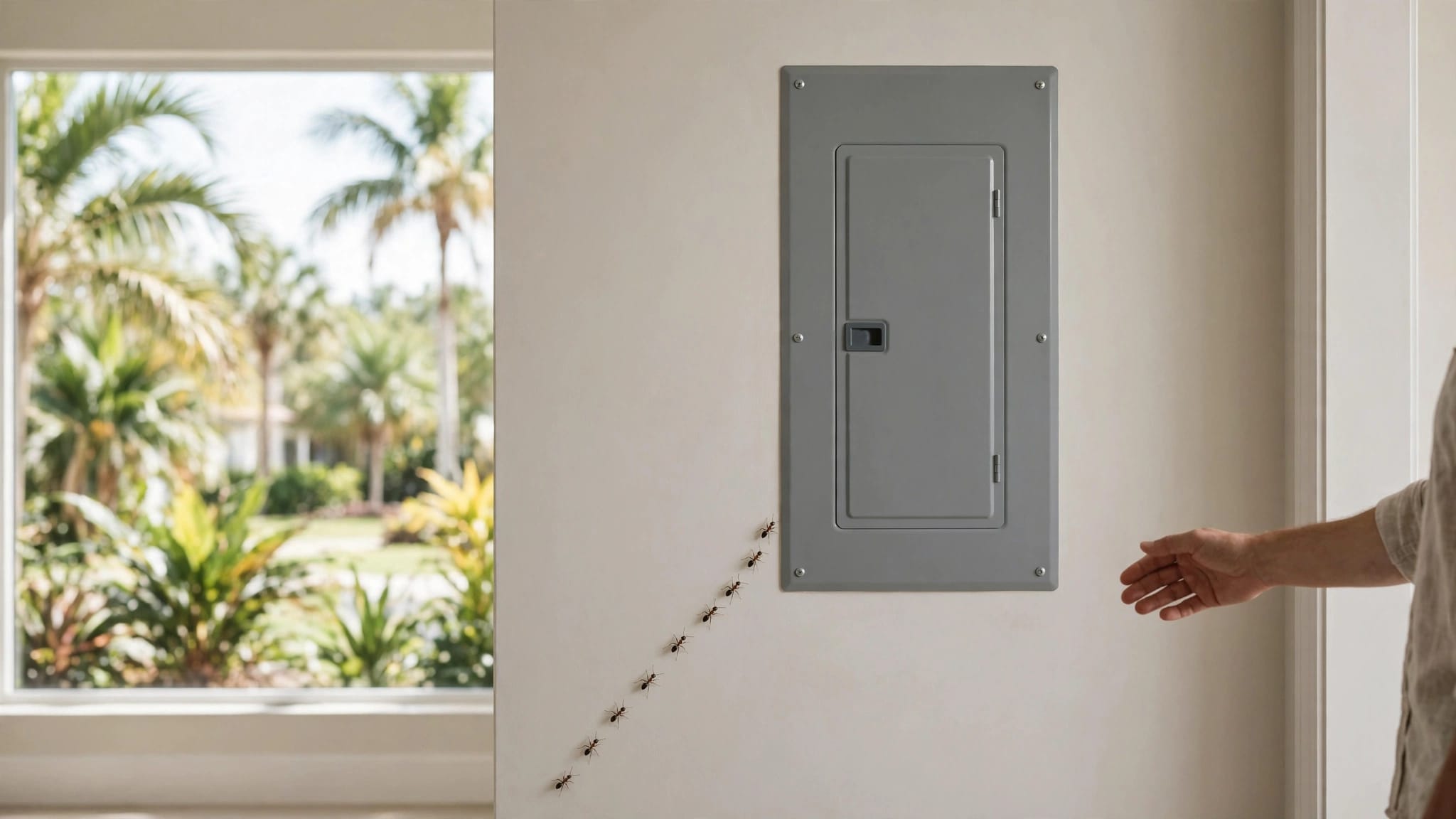
If the smell comes with a burning odor, flickering lights, warm outlets, tripped breakers, or visible chewed wiring, stop using the affected circuit if you can do so safely. Call a licensed electrician and a pest professional. Rodent damage near electrical components needs more than odor treatment.
Confirm the source without opening the wall
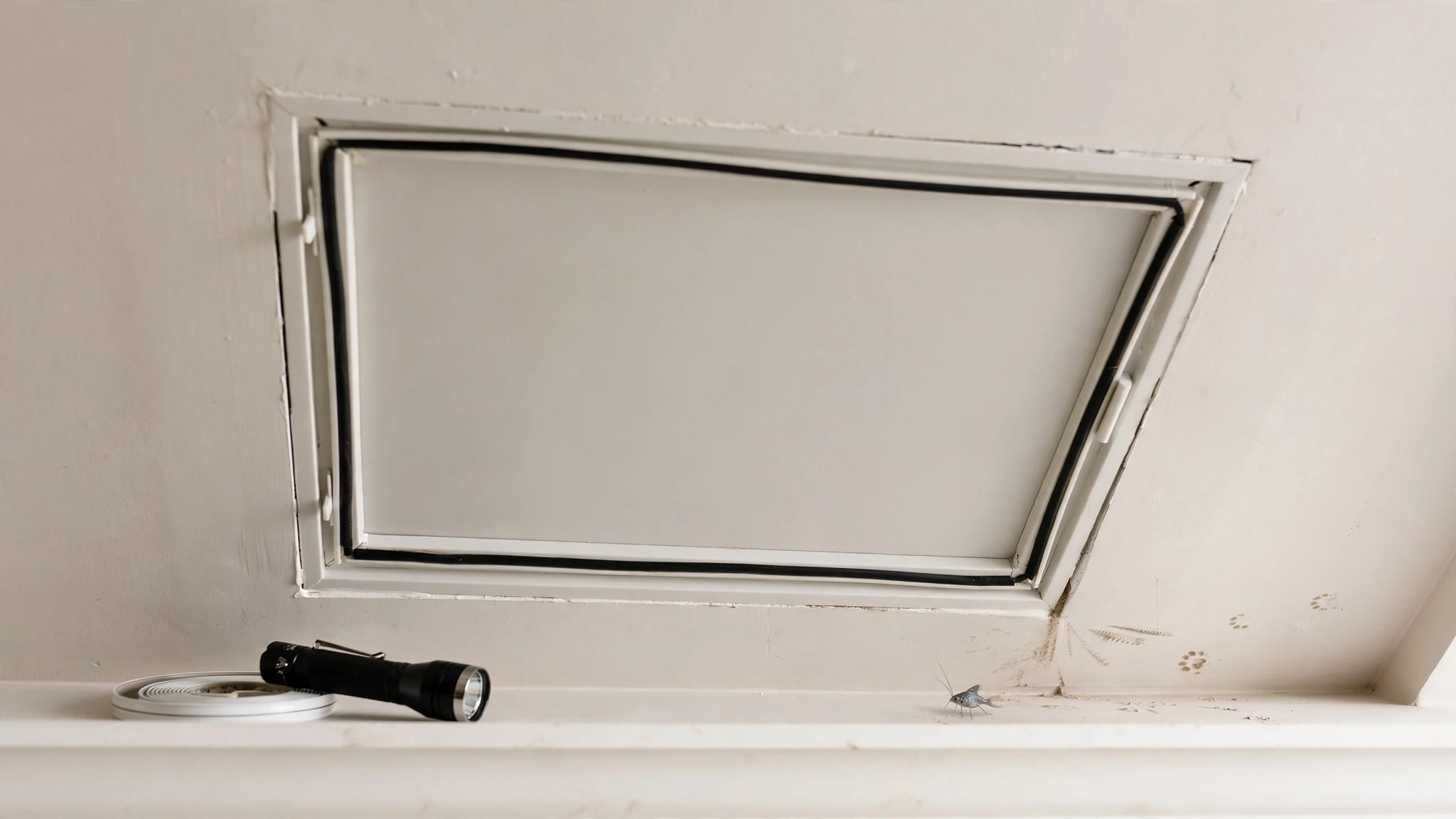
Odor alone doesn't prove that a rat or mouse died inside the wall. Plumbing leaks, mold, sewage problems, and an animal in an attic or soffit can smell similar. Look without disturbing anything. Check for flies near an outlet or baseboard, grease marks, droppings, scratching, or a stronger odor at one section of wall.
Odor can travel along framing and utility penetrations, so the strongest smell may not be directly above the carcass. A technician can inspect the adjacent attic, crawlspace, cabinets, and exterior entry points.
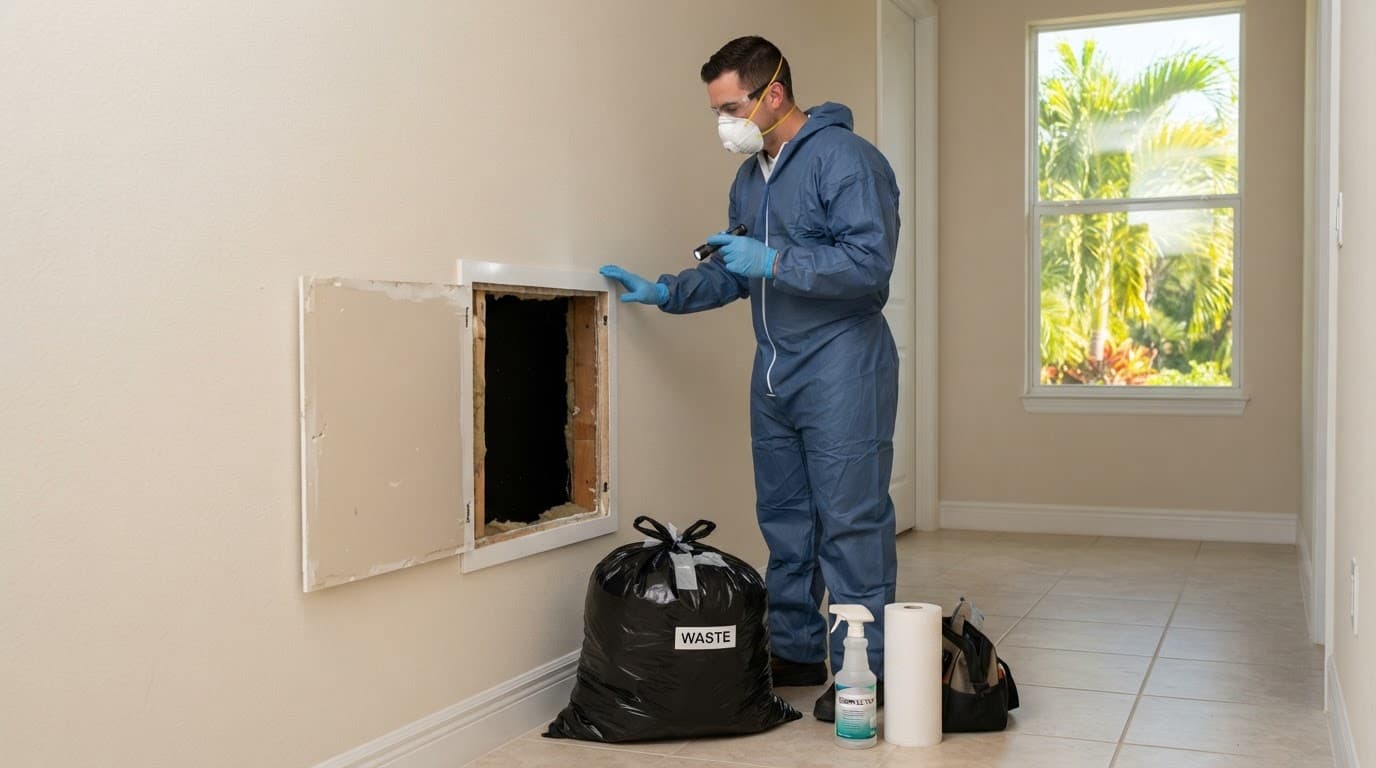
They may use a borescope or make a small access opening after checking for pipes and wiring. Avoid punching holes based only on your nose. Guessing can create unnecessary drywall repairs and still leave the carcass behind.
Why Florida heat and humidity intensify odor
Odor timing is unpredictable
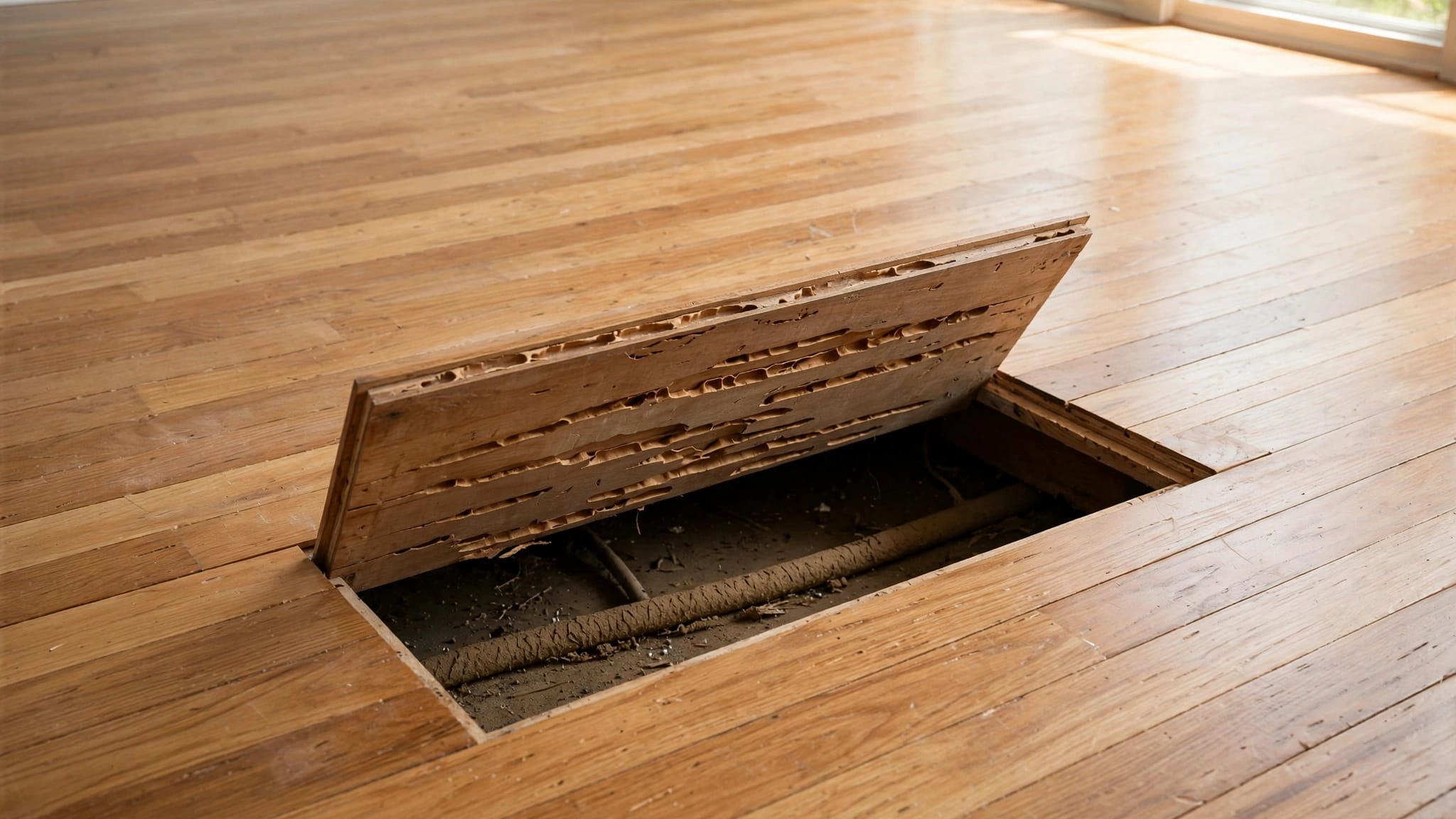
Decomposition doesn't follow a dependable calendar. A small carcass in a warm, enclosed cavity may produce noticeable odor for several days or a couple of weeks, but the smell can last longer if fluids reach insulation, wood, or drywall. The exact duration depends on the animal's size, wall temperature, airflow, moisture, and whether insects can reach it.
Removing the source usually helps, but odor may remain afterward because porous materials absorb contamination. Ventilation can reduce the smell in the room. It won't clean an affected cavity or guarantee that the odor disappears.
Florida's summer conditions can speed biological breakdown. Humidity also limits drying, so damp insulation or drywall may hold odor longer. Closed windows, rain, and air conditioning can change how far the smell travels through a home. Treat any timeline as an estimate, not a promise.
Flies are a useful warning sign
Blow flies and other insects may appear around outlets, ceiling joints, attic openings, or windows when they can reach a carcass. A sudden cluster of flies, buzzing inside a wall, or larvae near a gap supports the need for an inspection, but it doesn't prove the animal's exact location.
Don't fog the room or pour insecticide into the wall. Killing visible flies without removing the source leaves the odor problem in place. If flies continue after removal, the cavity or nearby insulation may still need cleaning. For more local context, see this guide to dead animal odor removal in Cape Coral.
Safe cleanup if you can reach the carcass
Clean a dead rodent yourself only when it's fully accessible, the area is small, and contamination is limited. If you see extensive droppings, nesting, stained insulation, or multiple carcasses, stop and call a professional.
Use wet cleanup, gloves, and double-bagging
The CDC recommends a wet method:
- Put on rubber or plastic gloves. Keep your face away from the material, and don't touch your phone, door handles, or other clean items.
- Spray the carcass, droppings, nesting material, and nearby contaminated surface with an appropriate disinfectant. Follow the product label, and keep the material wet for five minutes unless the label gives a different contact time.
- Pick up the carcass and contaminated nesting material with disposable tools or paper towels. Place them in a plastic bag, seal it, then place that bag inside a second bag and seal it.
- Put the sealed waste in a covered trash container, subject to local disposal rules. Disinfect reusable tools and the surrounding hard surface.
- Wash your gloved hands before removing the gloves. Then wash your bare hands with soap and water.
The CDC's rodent cleanup guidance also warns against sweeping or vacuuming, which can send contaminated particles into the air.
Know when cleanup is beyond a homeowner task
A simple dust mask isn't the same as respiratory protection for heavy contamination. CDC and OSHA guidance calls for stronger PPE in heavy infestations, including eye protection, coveralls, shoe covers, gloves, and a properly selected respirator. Respirator use may require medical clearance and fit testing.
Don't mix bleach with ammonia, acids, or other cleaners. Never use ozone generators, open flames, or harsh chemicals inside a wall. Don't spray disinfectant into an inaccessible cavity, where it can soak materials or contact wiring. If you already used a product, tell the technician exactly what it was before cleanup begins.
When professional rodent removal is the right call
Strong signs mean the job needs help
Call a licensed pest-control or qualified wildlife professional when the smell is strong, the carcass is behind drywall, flies keep returning, or you see contamination beyond a small hard surface. Professional help also makes sense when the wall is near an attic, duct, crawlspace, roofline, or electrical wiring.
A dead rodent in wall space can be impossible to reach without opening the right section. A trained technician can trace the odor, inspect for active rodents, identify entry points, and plan removal before anyone cuts drywall. Ask what the visit includes: inspection, carcass removal, disinfection, insulation assessment, exclusion, and repair recommendations.
People with asthma, chronic lung disease, or a weakened immune system should avoid contaminated cleanup. Keep them away from the area until the source and affected materials are handled.
Insulation and drywall may hold contamination
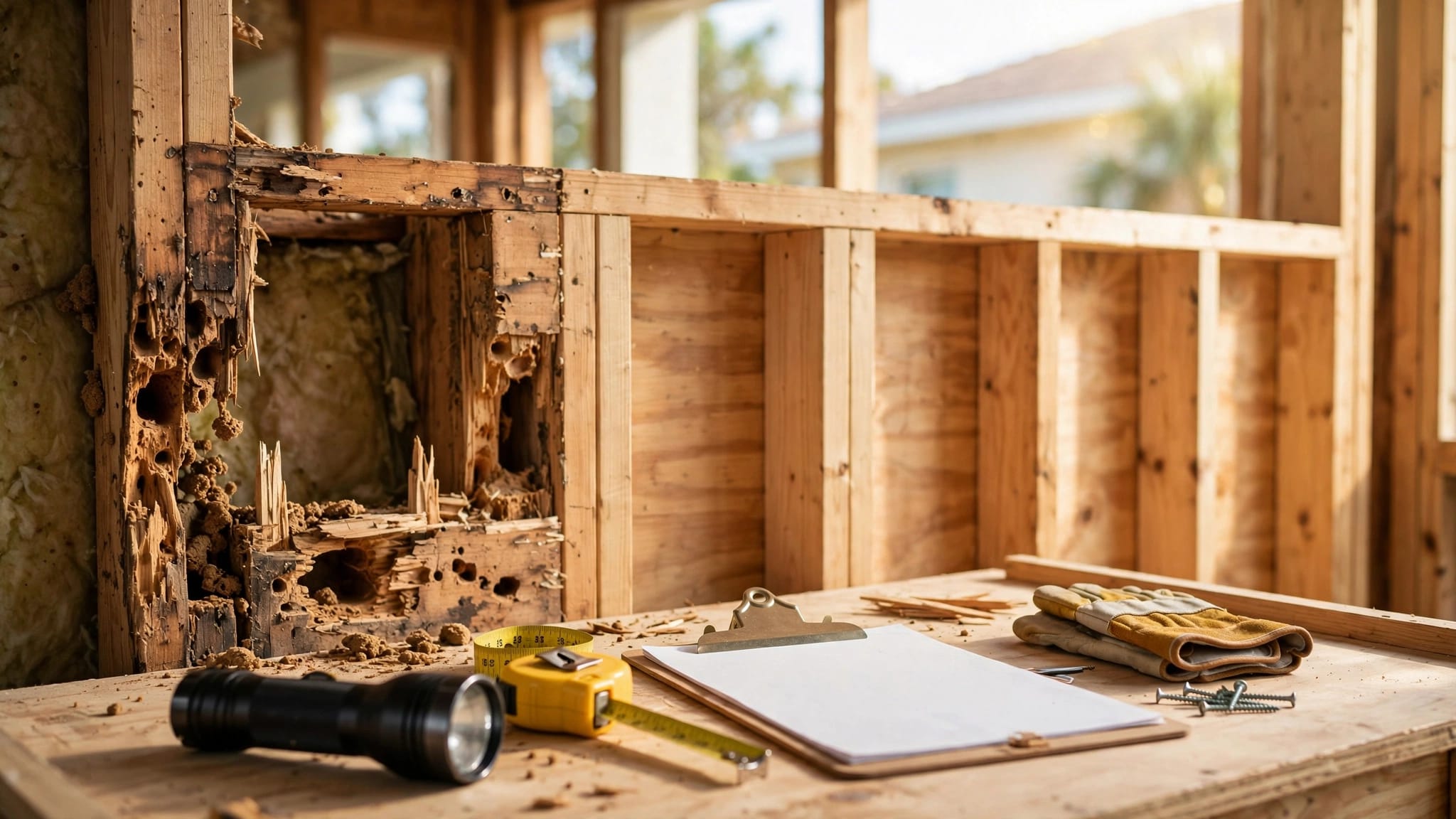
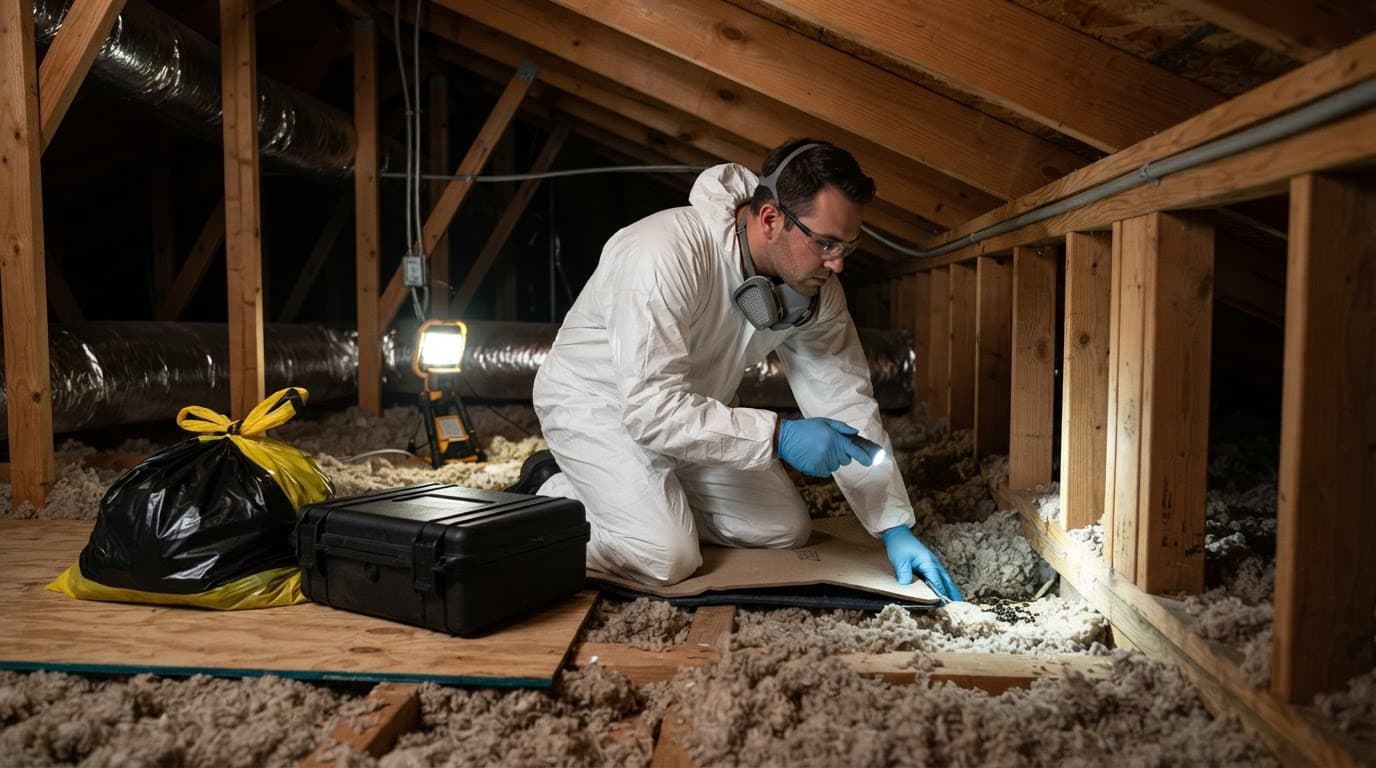
Fiberglass or blown-in insulation can trap nesting material, urine, droppings, and fluids. Drywall, wood framing, and vapor-barrier materials can also retain odor when they become wet or stained. A professional may remove only the affected section, but broad contamination may require a larger controlled cleanup.
Don't close the wall with fresh drywall before the source is removed and the cavity is dry. Sealing odor and moisture inside can cause the problem to return. If drywall has visible staining, soft spots, or a persistent smell after removal, ask whether a restoration contractor should replace it.
A useful inspection report should identify the affected area, materials that need removal, and openings that require sealing. That information helps prevent a cosmetic repair from hiding an ongoing rodent problem.
Avoid poison and fix the entry point
Poison can create the same problem again
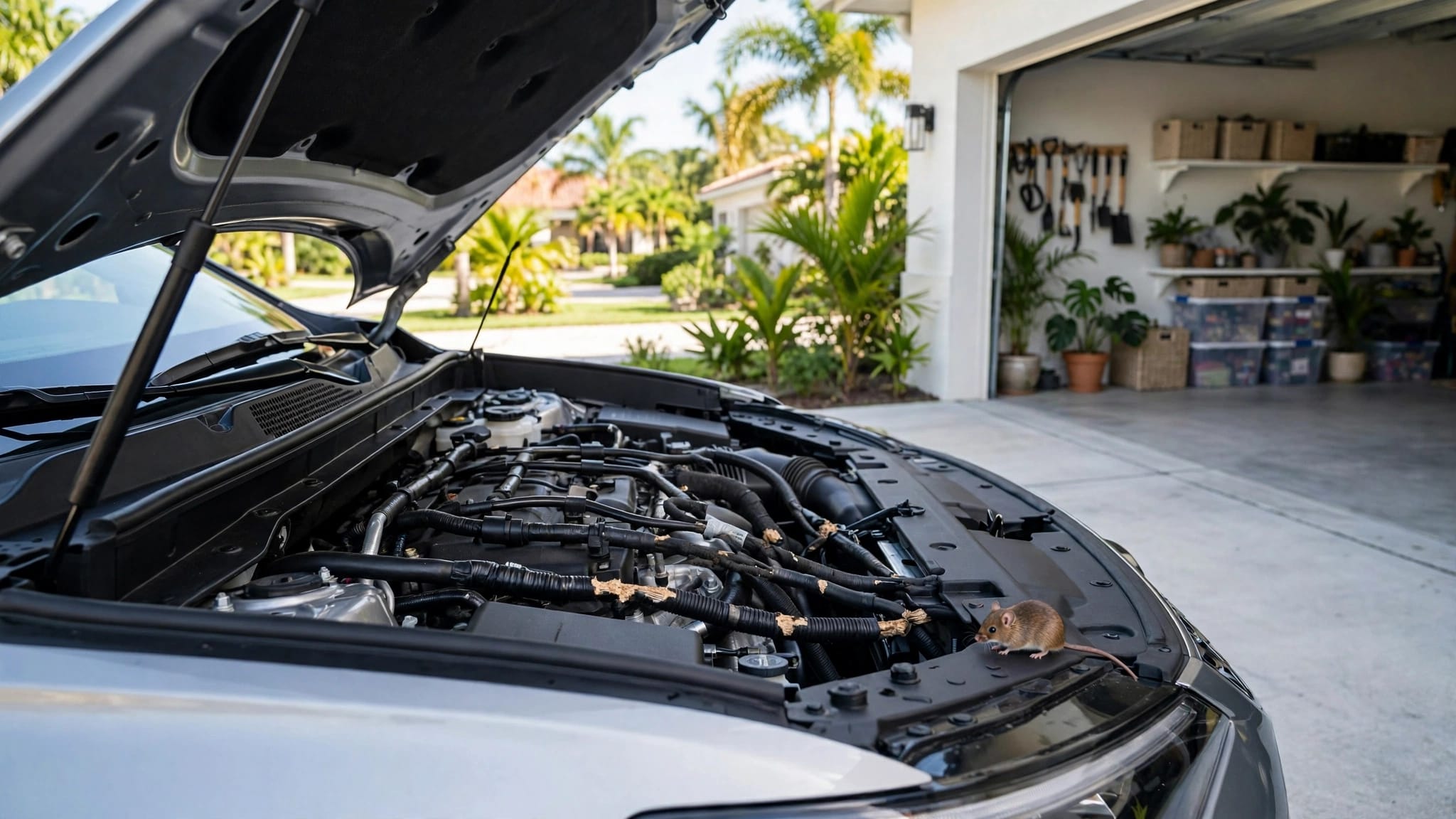
Never place rodent poison when you suspect an animal is already inside a wall. A rodent may eat the bait, retreat into a void, and die where no one can retrieve it. Rodenticides can also harm pets, children, hawks, owls, and other wildlife if they are reached or if a poisoned rodent is eaten.
Poison doesn't close the gap that allowed the rodent inside. It can also leave you unsure whether the odor comes from a new carcass or an older one. If control is needed, a professional can choose a method based on confirmed activity and keep it away from people, pets, and wildlife. Families seeking a non-poison option can review poison-free rodent control in Cape Coral.
Exclusion comes after inspection
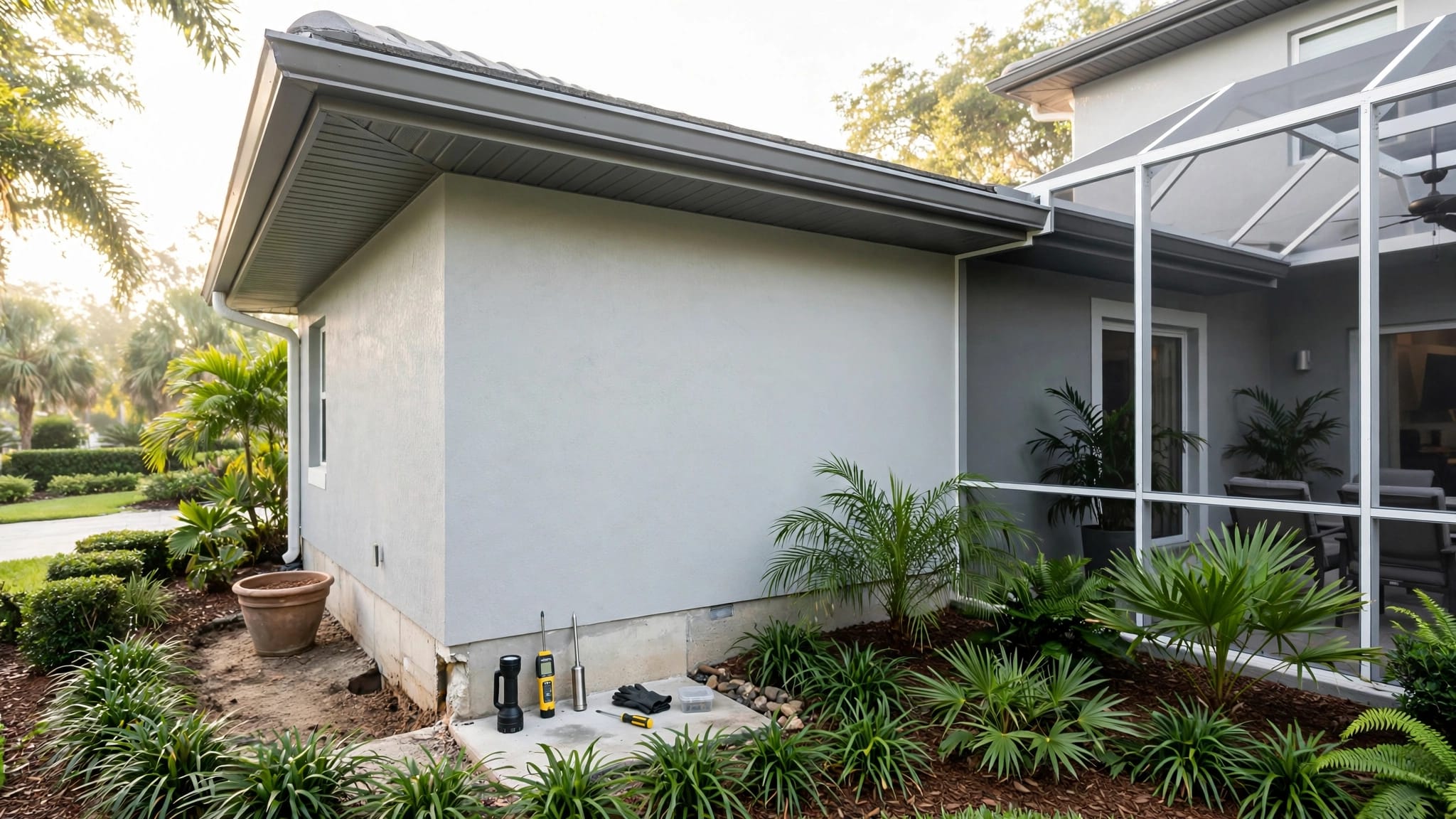
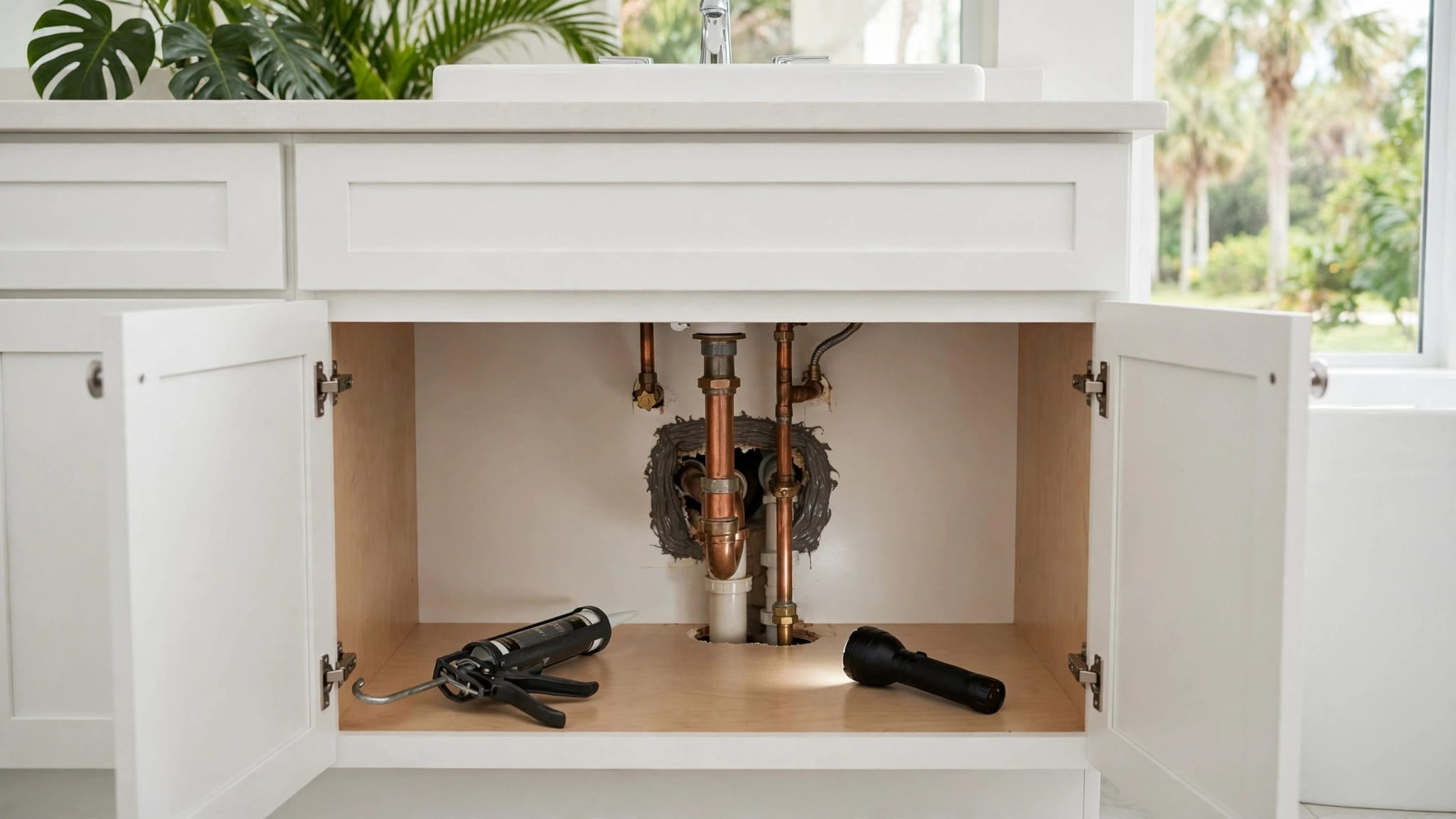
Once the animal is removed and active rodents are addressed, seal entry points with durable materials suited to the location. Common inspection areas include soffits, roof returns, attic vents, garage corners, utility penetrations, doors, and gaps around pipes or cables.
Food, pet kibble, fallen fruit, bird seed, and loose trash can also keep rodents returning. Store food in sealed containers, secure garbage lids, and reduce clutter around patios, sheds, garages, and outdoor kitchens.
Don't seal every opening before an inspection if rodents may still be inside. That can trap an animal or push it into a harder-to-reach part of the structure. For homes with attic activity, this overview of safe attic rodent removal covers entry-point checks and cleanup planning.
Rodents, bats, and other Florida wildlife need different handling
Identify the animal before you act
Rats and mice are common nuisance rodents, but an unseen animal may also be a bat, bird, squirrel, or another species. Scratching sounds, droppings, entry size, and location can offer clues, yet smell alone can't identify the animal.
That distinction matters. A pest company usually handles rats and mice under its rodent-control process. Native wildlife may require a wildlife professional who knows humane exclusion and species-specific rules. Don't use poison against an animal you haven't identified, and don't block an opening if an animal may still be inside.
If you find a carcass but can't identify it, photograph it from a safe distance for the professional. Don't handle it to get a better view.
Protected wildlife requires care
Florida law restricts intentionally killing or wounding species designated by the Florida Fish and Wildlife Conservation Commission as endangered, threatened, or of special concern. It also protects certain nests and eggs under applicable rules. Florida's wildlife regulations can change by species and situation, so don't assume a dead or living animal in a wall is legally the same as a rat or mouse.
Bats deserve extra caution because improper exclusion can trap live animals inside a structure, especially during periods when young may be present. If you see a bat, hear bat activity, or find an unfamiliar carcass, stop work and contact a qualified wildlife professional or FWC for current guidance. A professional can separate wildlife questions from the cleanup work without asking you to handle the animal.
Conclusion
A dead rodent in wall space needs a controlled response, not a hurried repair. Keep children and pets away, ventilate without stirring dust, avoid poison and unsafe chemicals, and use wet cleanup only for a small, accessible mess.
Strong odors, returning flies, visible contamination, electrical damage, or an unreachable carcass are clear reasons to call a licensed pest or wildlife professional. Florida's heat may make the smell fade slowly, but careful inspection and proper removal address the source instead of covering it up. When the opening is repaired, combine it with exclusion so the next rodent doesn't die in the same wall.
Schedule a Free Inspection: