Florida Pest Prevention for Food Trucks and Mobile Kitchens
Florida pest prevention for food trucks starts with daily cleaning, secure food storage, moisture control, and a truck that's sealed against pests. Regular monitoring helps you catch problems before they spread through a small kitchen.
Florida's heat, humidity, and heavy rain can make food residue and standing water more attractive to pests. A mobile kitchen also encounters different parking areas, dumpsters, and delivery sites throughout the week.
The most reliable approach is to build pest prevention into each shift, then address signs of activity promptly.
Key Takeaways
- Clean food spills during service and reach under equipment at closing.
- Store ingredients in sealed, pest-resistant containers and inspect deliveries before bringing them aboard.
- Repair worn seals and gaps, but keep required equipment vents clear.
- Keep trash covered, manage wastewater properly, and fix leaks promptly.
- Record sightings and repairs so your team and pest-control provider can follow up.
Know Which Pests to Watch For
Food trucks offer the food, water, and shelter that several common Florida pests need. Warm weather can keep insects active, while rain can leave wet areas around parking spaces and service equipment.
Cockroaches can hide in tight spaces near warm equipment, plumbing, and stored supplies. Watch for live roaches, small dark droppings, egg cases, and activity around refrigerators or electrical equipment. German cockroaches can also arrive with deliveries, especially in cardboard packaging.
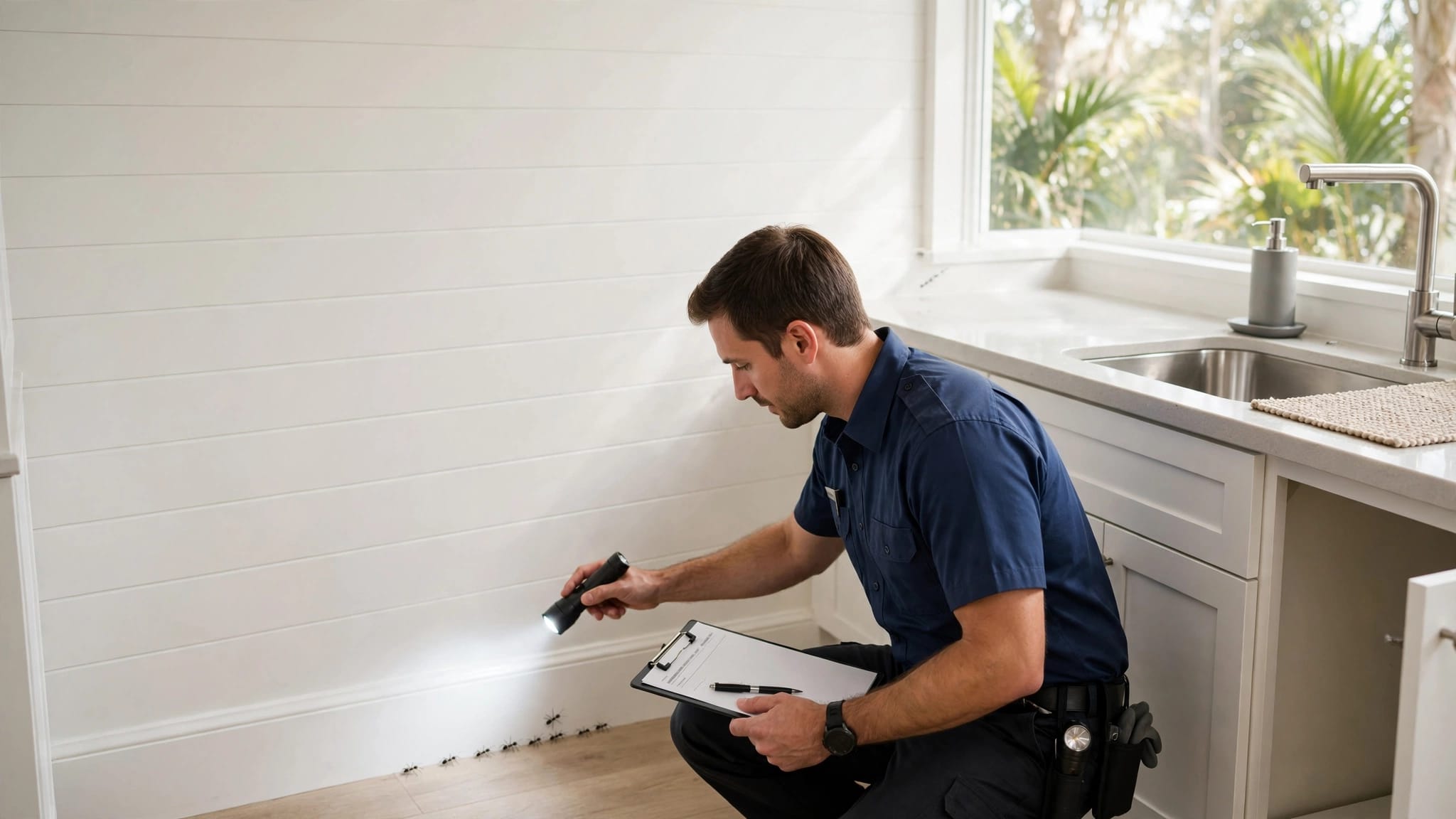
Ants often follow food residue or sweet spills. Flies are drawn to garbage, food waste, and buildup around drains. Rodents may investigate dumpsters and storage areas, then enter through openings around the truck or supplies brought inside.
A sighting is useful information even if you find only one pest. Record its location and the time you saw it. That detail helps identify where to inspect and whether activity returns.
Seal the Truck and Inspect Its Exterior

A mobile kitchen moves, vibrates, and gets exposed to rain and road wear. Seals that fit well when the truck was new can loosen or deteriorate with use.
Check Doors, Hatches, and Openings
Inspect door sweeps, service-window seals, storage hatches, and access panels. Look for daylight around closed openings, torn weatherstripping, and panels that no longer latch tightly.
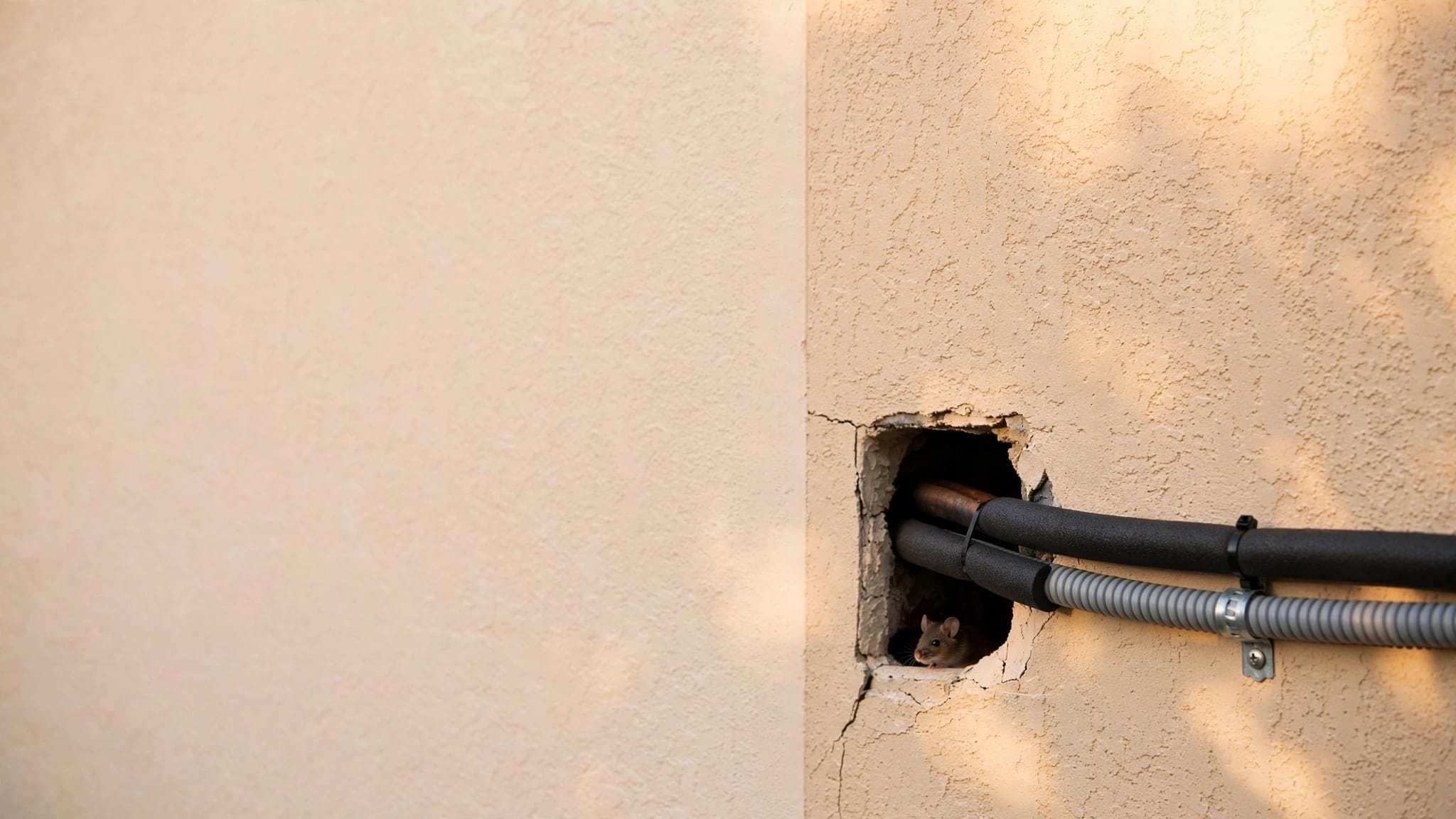
Check areas where plumbing, electrical lines, or cables enter the vehicle. Replace damaged seals and repair gaps with materials suited to the location. Keep doors and service windows closed when they aren't needed, especially after dark.
Protect Equipment and Ventilation
Inspect the underside of the truck and areas around mounted equipment for damage or openings. A flashlight can help you see behind panels and along floor edges, where food debris and pest evidence may collect.
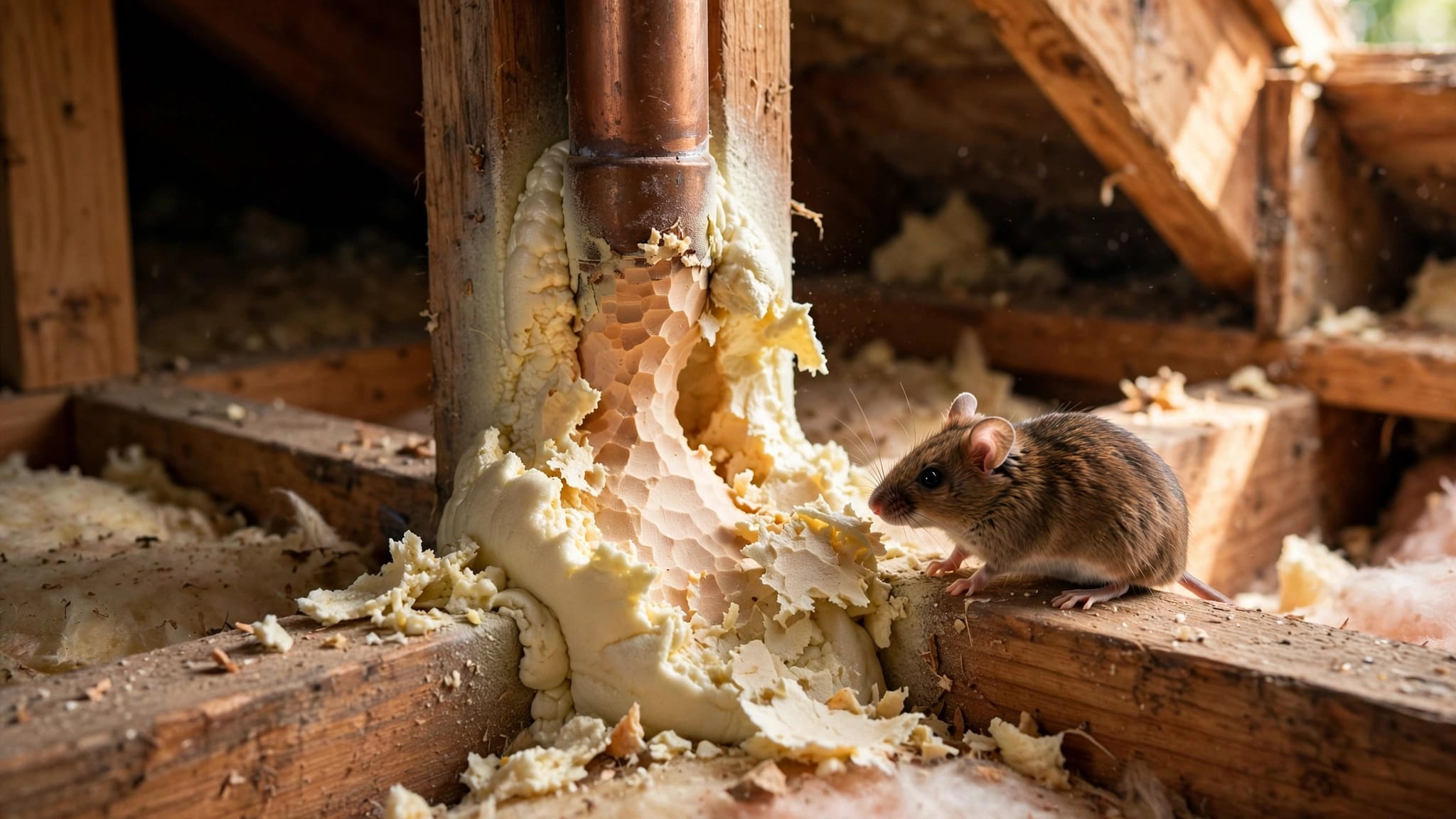
Don't block vents or alter gas, electrical, or exhaust equipment to close a gap. Use qualified repair help when an opening involves those systems. If rodents may already be inside a cavity, arrange an inspection before sealing it; you don't want to trap them inside.
Store Food to Deny Pests Access
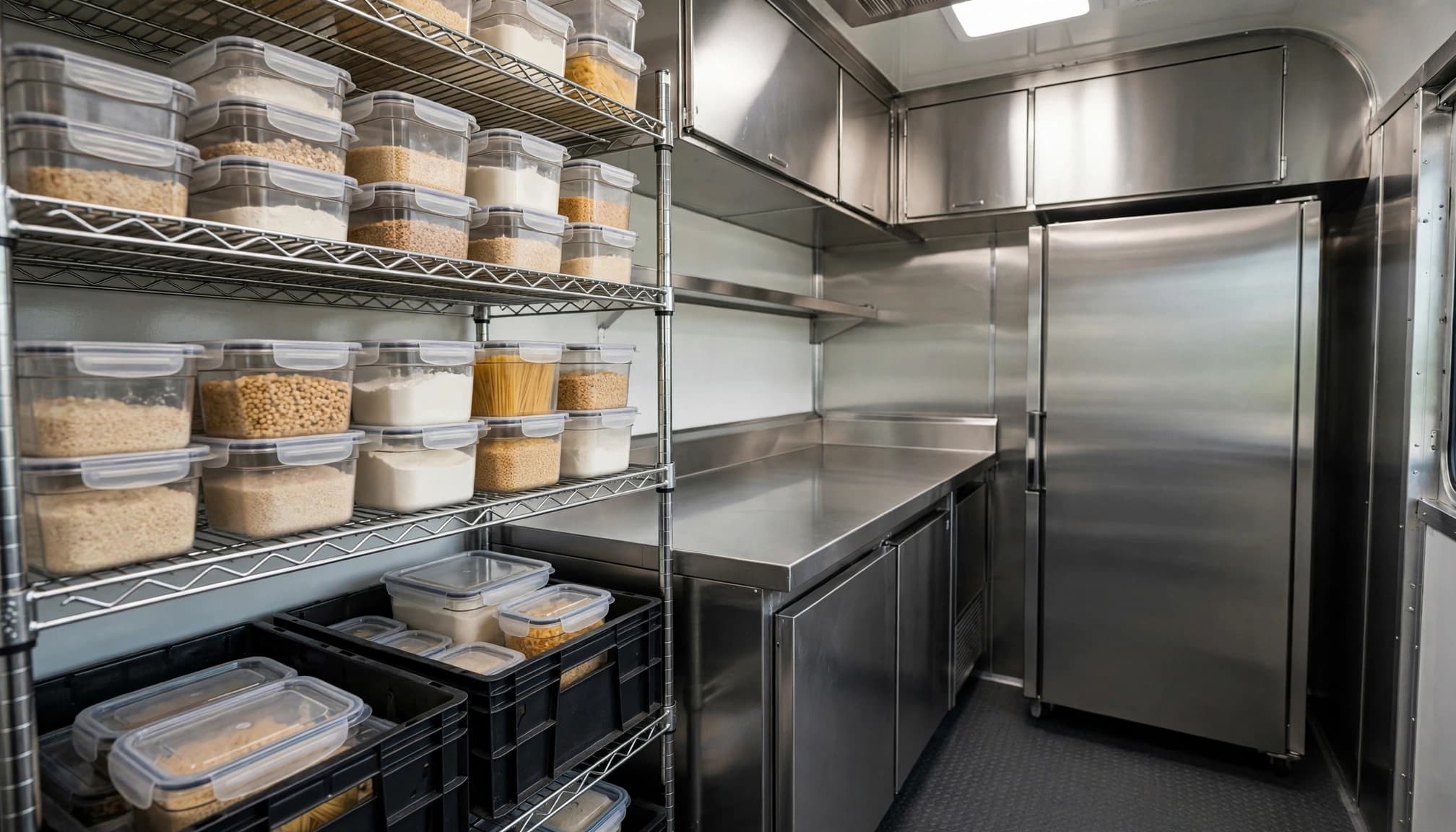
Good storage protects ingredients between stops and makes signs of pest activity easier to spot. Keep food covered during prep and return unused ingredients to storage promptly.
Choose Containers That Close Tightly
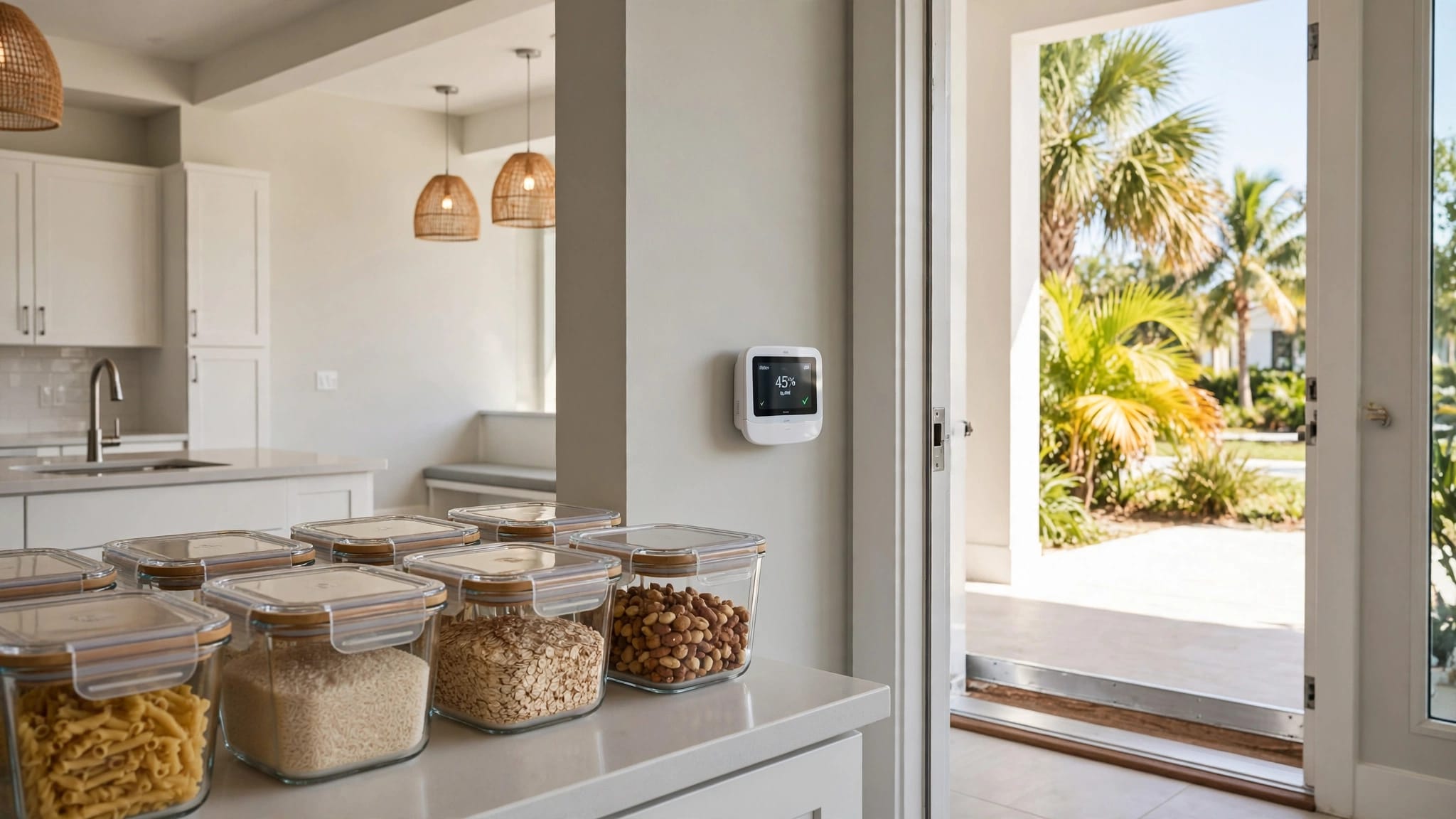
Transfer opened dry ingredients into durable, food-safe containers with tight-fitting lids. Flour, rice, sugar, and other dry goods are easier to protect when bags aren't left open overnight.
Keep containers off the floor and arrange supplies so staff can clean beneath and behind them. Wipe residue from the outside of syrup bottles, sauce containers, and dispensers before putting them away.
Inspect Supplies Before Loading
Look over produce boxes, beverage cases, and other deliveries for insects, droppings, gnaw marks, or damaged packaging. Set questionable items aside rather than placing them next to clean inventory.
Remove unnecessary cardboard after unpacking. It can hide cockroaches and makes cramped storage areas harder to inspect. If food or single-use items show signs of contamination, discard them rather than trying to save them.
Clean Beyond the Visible Countertops
A spotless counter helps, but pests can feed on residue where staff rarely look. Build those hidden areas into your closing routine.
During Service
Wipe spills as they happen, especially around drink stations, condiment containers, and prep surfaces. Sweep up dropped food before it gets pushed beneath equipment.
Keep wiping cloths and cleaning supplies in their designated places. Clean and sanitize food-contact surfaces as appropriate for the task, using products intended for those surfaces and following their directions.
After the Last Order
Move removable equipment when it's safe to do so, then clean underneath and behind it. Pay attention to fryer edges, refrigerator gaskets, floor corners, and the space where counters meet walls.
Empty and clean crumb trays and removable drip pans. Wash reusable containers before refilling them, and leave cleaned areas dry where possible.
Assign these tasks to a named shift role rather than assuming someone else will handle them. Our advice on restaurant cockroach prevention covers more places where residue and moisture can support activity.
Control Trash, Water, and Drains
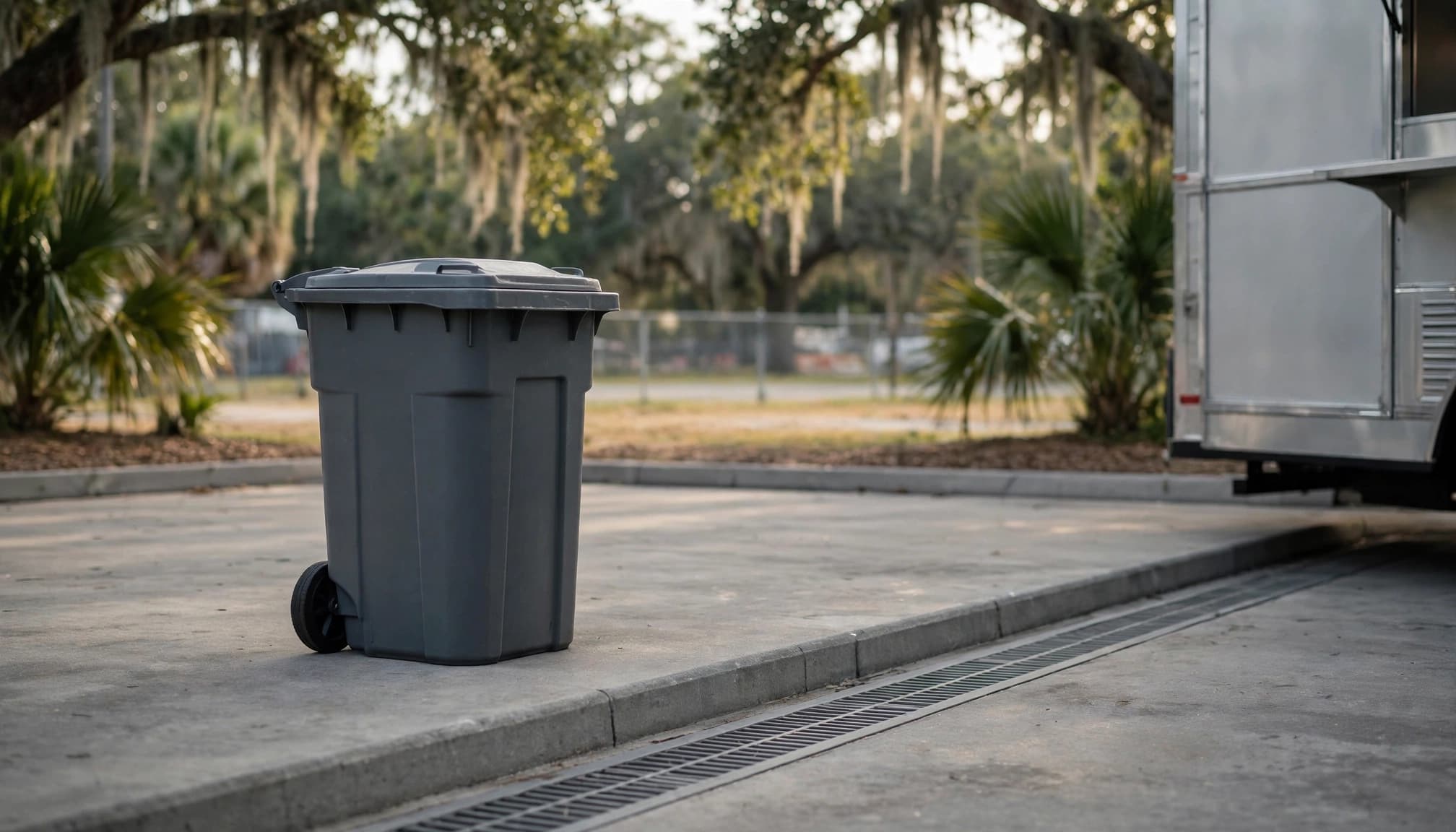
Waste and moisture need attention throughout the shift. In humid weather, a sticky bin or damp floor can become a persistent attraction if it stays dirty overnight.
Keep Waste Contained
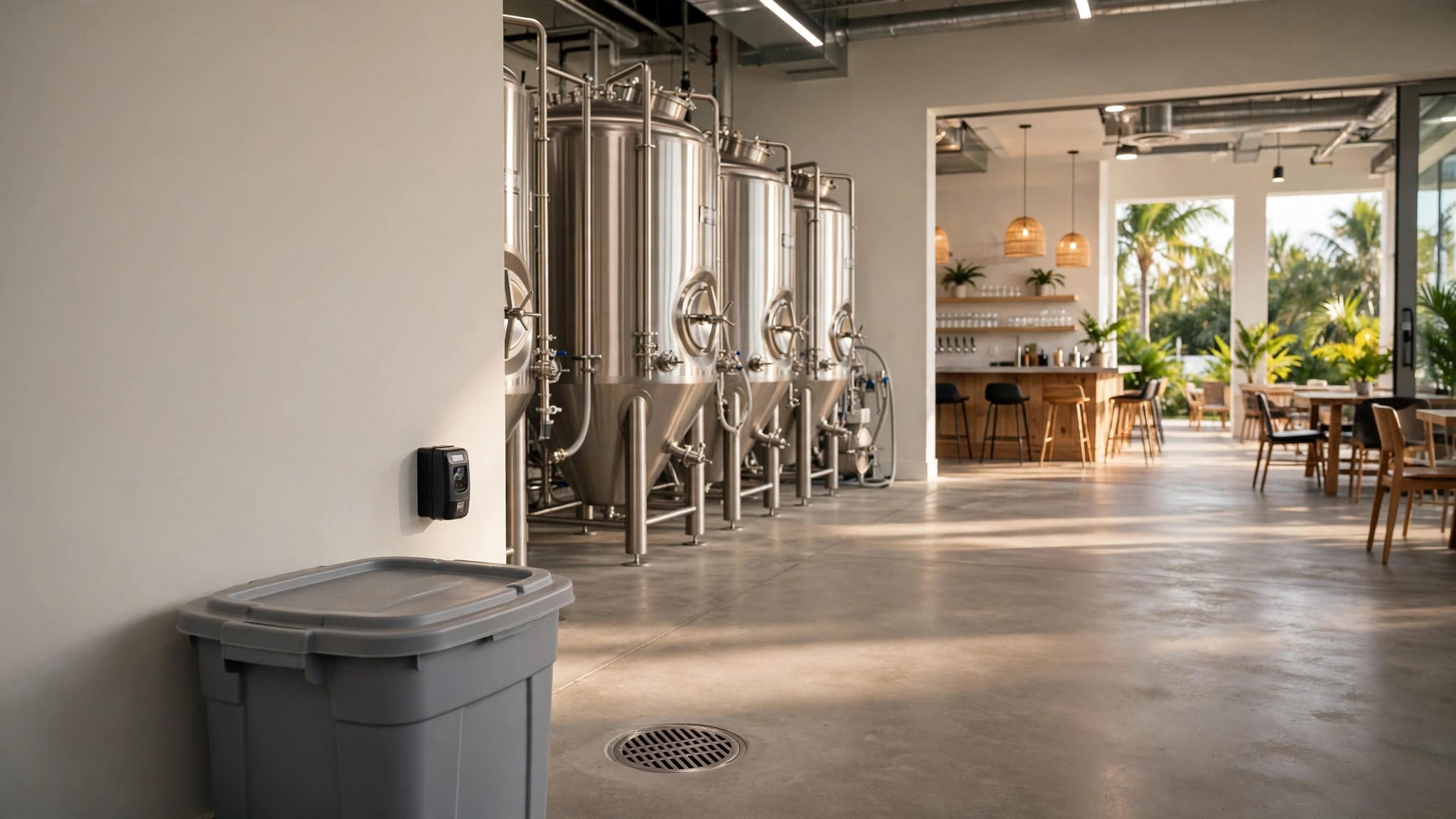
Use lined containers with lids that close fully. Empty them before they overflow, and clean spills inside the bin and around its base. At the end of service, remove food waste from the truck and place it in the designated disposal container.
Keep dumpster lids closed when possible. A partly open container can give rodents and flies access to food waste between pickups. If the shared dumpster area is dirty or overflowing, report it to the property or event manager and avoid leaving extra bags beside it.
Find and Fix Moisture
Inspect sink connections, hoses, refrigerator drip pans, and wastewater equipment for leaks. Clean spills promptly and repair the source rather than relying on towels or a bucket to catch water.
Clean accessible drain openings and surrounding surfaces to remove food residue. Dispose of wastewater and grease at an appropriate designated facility, rather than onto pavement or into a storm drain.
After heavy rain, look for pooled water near the truck and its utility connections. Standing water and damp debris near a parking area can support insects and make the site harder to keep clean.
Choose Parking and Loading Areas Carefully
Your truck can be clean inside and still pick up problems at a poorly maintained stop. Before setting up, look around the parking space for overflowing bins, spilled food, standing water, and signs of rodents.
Give dumpsters and discarded materials as much practical distance as the site allows. If you use a shared commissary or storage location, inspect the area where you load supplies, too. Pests can move into a truck through deliveries or equipment even when its doors and seals are in good condition.
Keep hoses, power cables, and outdoor equipment organized so staff can see and clean the ground around them. After an event, look beneath the truck for dropped food or packaging before leaving.
For businesses near docks or commercial waste areas, our guide to rodent control around dumpsters explains how sanitation and entry-point repairs work together.
Keep Records and Respond to Pest Activity
An inspection-ready routine makes it easier to show what your team found and what happened next. It also helps a pest-control professional distinguish a one-time sighting from a recurring problem.
Keep a Simple Pest Log
Record the date, location, pest or evidence seen, and action taken. Include notes about damaged seals, leaks, cleaning, and repairs. Keep pest-control service reports and employee instructions with those records.
Use the same process at opening and closing. At opening, look for overnight droppings, damaged packaging, or live pests. At closing, note conditions that need attention before the next shift. Staff should know who receives the report and who follows up.
Act Without Contaminating the Kitchen
If you find pest activity, protect food and utensils immediately. Set aside affected supplies, discard contaminated food and disposable items, and clean and sanitize affected food-contact surfaces. Stop using an affected prep area until it's safe to use.
For rodent droppings, don't sweep or vacuum them dry. Wet them with an appropriate disinfectant and follow its label directions before wiping them up. Use gloves and dispose of cleanup materials safely.
Avoid foggers, loose bait, or household sprays around food and equipment. A pest-control professional can identify the source and recommend targeted treatment alongside cleaning and repairs.
Food Truck Pest Prevention FAQ
How Often Should Staff Inspect a Food Truck?
Look for pest evidence at opening and closing, with a closer inspection of seals, equipment, and storage areas built into the regular maintenance routine. Add an exterior check after heavy rain or when the truck has spent time at a site with visible pest activity.
Can a Clean Food Truck Still Get Pests?
Yes. Pests can arrive in deliveries, enter through a damaged seal, or move in from a nearby dumpster. Cleaning removes food sources, but secure storage, exclusion, and monitoring are also important.
When Should You Call a Pest-Control Professional?
Call when you find recurring activity, rodent evidence, cockroach egg cases, or pests in areas you can't safely inspect. Professional help is also useful when an entry point involves vehicle equipment or you suspect pests are inside a wall or enclosed cavity.
Make Prevention Part of Every Shift
Florida food trucks face changing conditions at every stop. A consistent routine helps your crew protect food and catch small problems before they become harder to manage.
Start with the areas staff can control each day: clean up residue, close containers, remove waste, and report damage. Keep the records where the team can use them.
For help in Cape Coral, our commercial pest control service includes free inspections and estimates.
Schedule a Free Inspection: