Restaurant Cockroach Prevention Before a Health Inspection
A single cockroach sighting can turn a routine health inspection into an urgent business problem. Effective restaurant cockroach prevention starts weeks before an inspector arrives, with daily sanitation, documented pest monitoring, and fast action when you find evidence.
Cockroaches hide in warm, damp areas near food, water, and equipment. By the time someone sees one during service, the population may already have access to wall voids, drains, storage areas, or machinery. A focused inspection-preparation plan helps you find those risks before they become visible violations.
Key Takeaways
- Start with a documented inspection of kitchens, storage rooms, restrooms, receiving areas, and exterior entry points.
- Treat live cockroaches, droppings, egg cases, and harborages as signs that require prompt professional service.
- Correct sanitation, moisture, clutter, and structural problems at the same time as pest treatment.
- Keep monitoring records, service reports, corrective actions, and employee instructions available for review.
- Never apply pesticides outside the label or use products that could contaminate food, utensils, or food-contact surfaces.
Why Restaurant Cockroach Prevention Matters Before Inspection Day
Health inspectors look at conditions that can support pests, not only at whether a cockroach appears during the visit. Food residue under equipment, standing water, overflowing trash, damaged door sweeps, and unsealed wall openings can all point to poor pest control and sanitation practices.
Inspectors may also notice evidence that remains after the insects leave. Cockroach droppings can look like pepper-like specks or dark smears. Egg cases, called oothecae, may appear in protected cracks near appliances, shelving, or storage materials. Shed skins, live or dead insects, and a stale odor can also indicate activity.
These findings deserve immediate attention because cockroaches can move through tight spaces and contaminate surfaces. They may spread bacteria mechanically as they travel between drains, garbage, floors, and food-preparation areas. The risk increases when employees store cardboard, leave food debris overnight, or overlook leaking plumbing.
A strong restaurant cockroach prevention program combines pest control with operational discipline. Your team should know where signs commonly appear, who reports them, and what happens after a report. Waiting until the morning of an inspection leaves too little time for a licensed professional to identify the source and recommend safe corrective steps.
For Florida restaurants, restaurant health inspection compliance depends on more than a clean dining room. The kitchen, storage areas, waste handling, building envelope, and pest-control records all matter.
A Prioritized Inspection-Prep Checklist
Begin the inspection at least several days before the expected visit. If you find evidence of cockroaches, call a qualified pest-control company immediately rather than trying to conceal the problem.
- Check food and equipment areas first. Pull out movable appliances where safe to do so. Inspect beneath cooking equipment, refrigerators, dishwashers, sinks, shelving, and prep tables. Look for droppings, egg cases, live insects, dead insects, grease buildup, and moisture.
- Inspect warm, dark harborages. Examine motor compartments, cabinet hinges, wall penetrations, pipe chases, floor drains, and gaps behind splash guards. Cockroaches often stay near heat and water, so these locations deserve careful attention.
- Review dry storage. Keep food in sealed containers and raise supplies off the floor where practical. Remove unnecessary cardboard and paper packaging. Check boxes and deliveries before they enter storage, since cockroaches and egg cases can arrive with shipments.
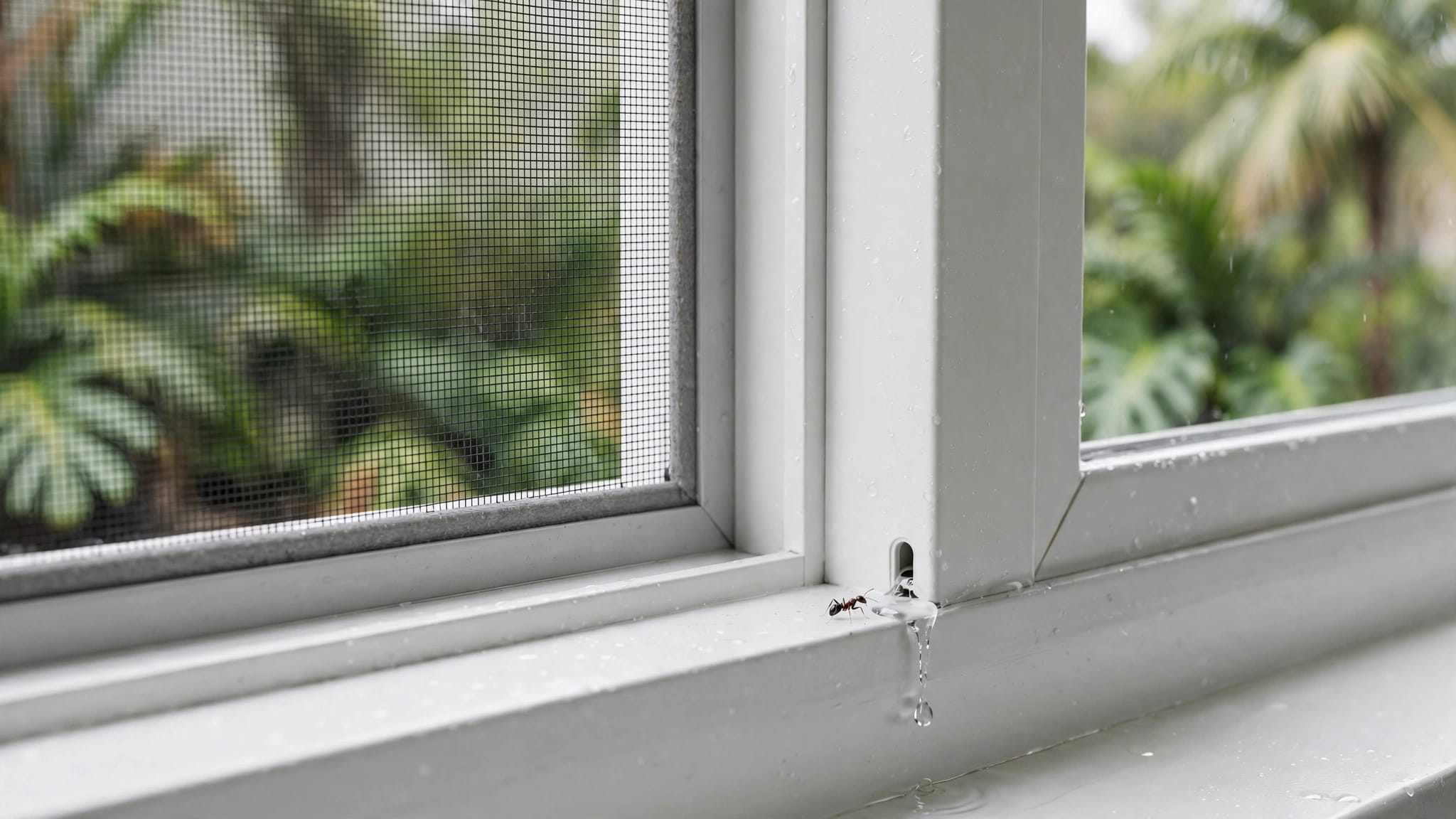
- Correct moisture problems. Repair leaking faucets, supply lines, drain connections, ice machines, and refrigeration units. Dry mop areas after cleaning and make sure floor drains function properly. Damp spaces can support pests even when the rest of the kitchen looks clean.
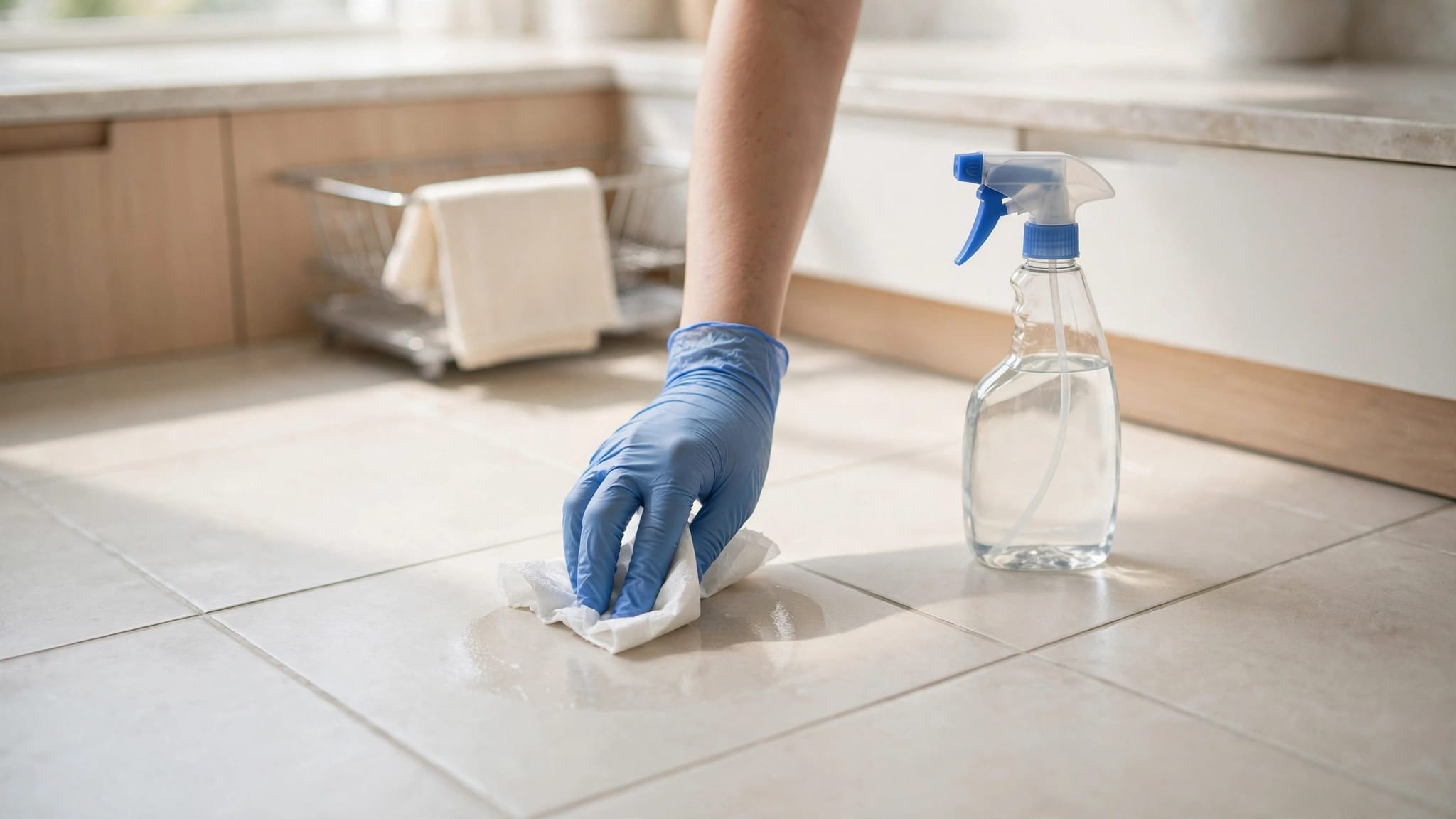
- Clean beneath and behind equipment. Remove grease, crumbs, food scraps, and residue from floors, casters, wall edges, and hard-to-reach corners. Follow the restaurant's approved cleaning and sanitizing procedures, especially around food-contact surfaces.
- Examine waste and recycling areas. Use tight-fitting lids, empty containers on schedule, and clean spills promptly. Keep outdoor dumpsters away from doors when site conditions allow, and ask the waste company to address leaking or damaged containers.
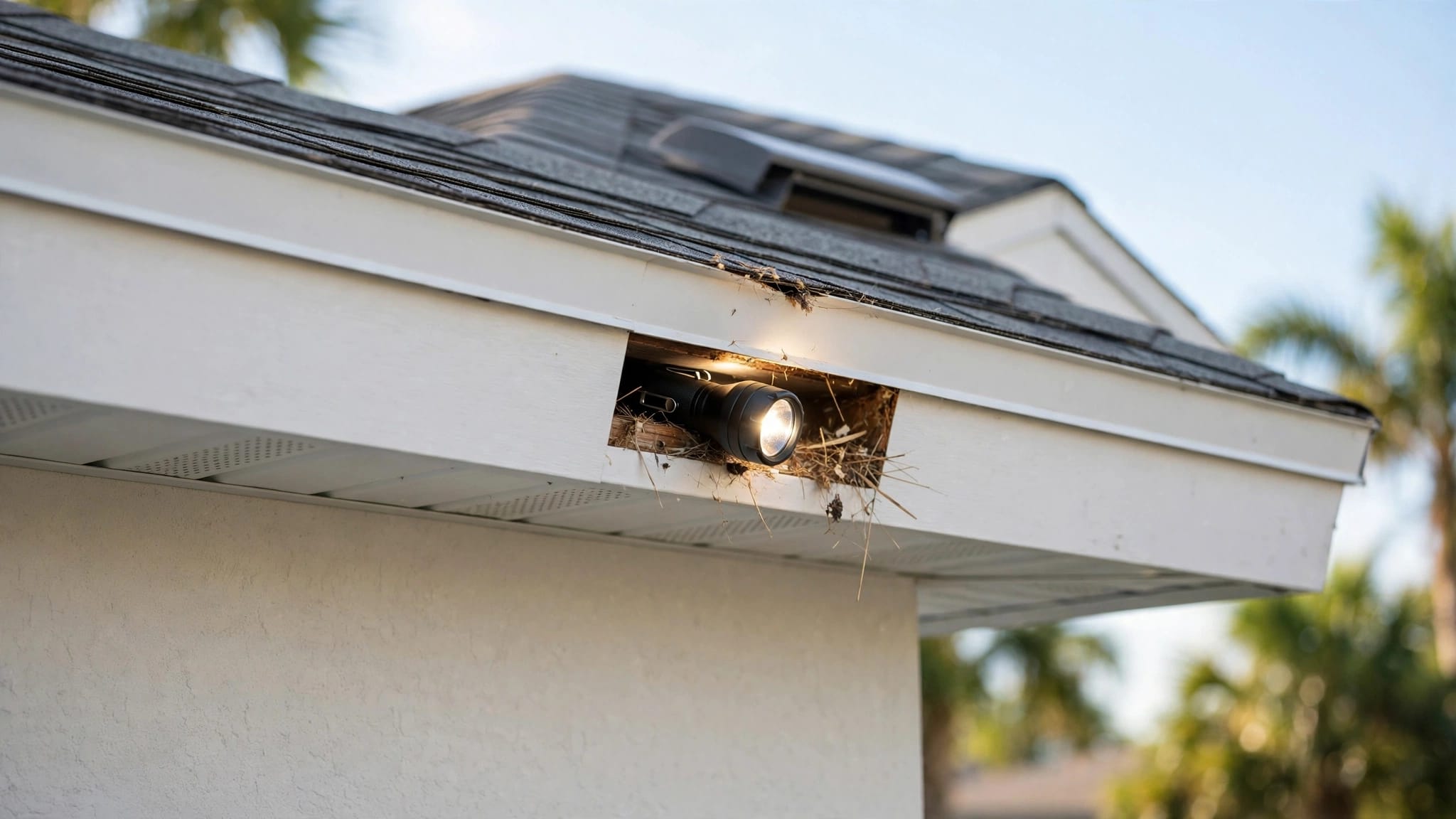
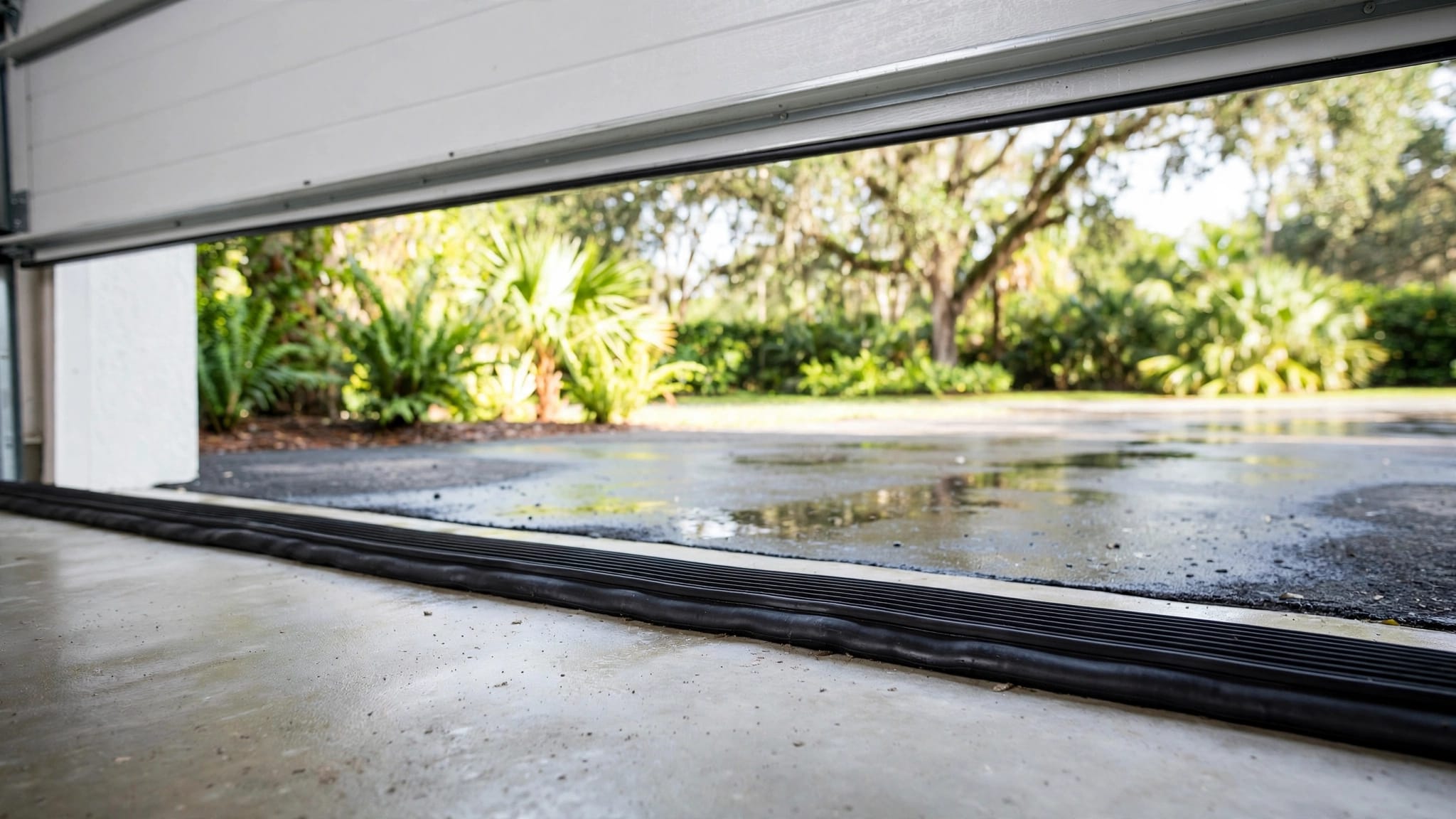
- Inspect doors, windows, and utility openings. Replace worn door sweeps, repair torn screens, and seal gaps around pipes and conduits. Exterior lights can attract insects toward entrances, so review lighting placement and keep doors closed when possible.
- Gather pest-control documentation. Keep recent service reports, monitoring records, treatment recommendations, corrective-action notes, and staff training records in one accessible location. Records should show what the provider found and how the restaurant responded.
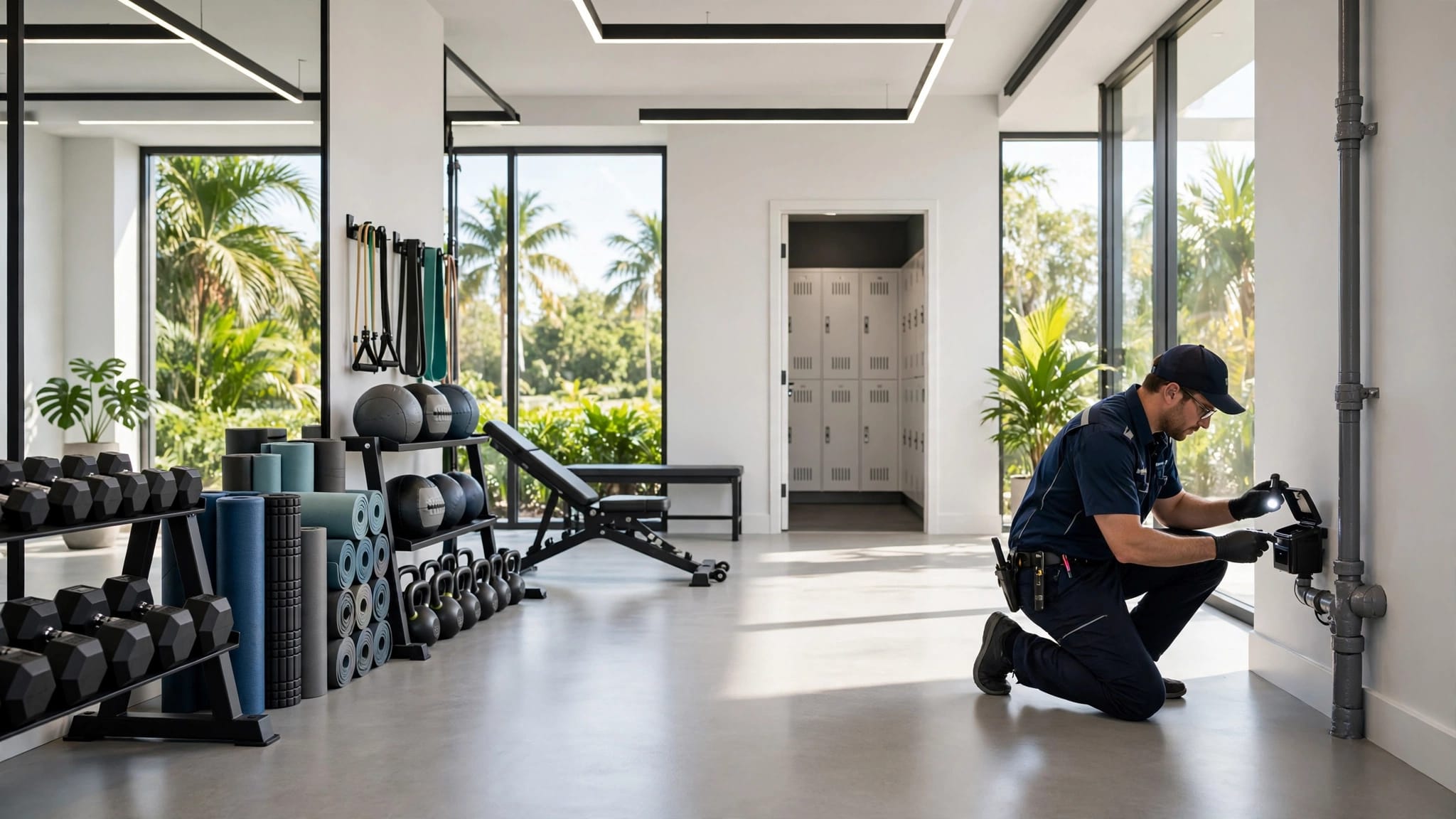
A rushed visual walk-through can miss the areas that matter most. Assign a manager to inspect with a flashlight and a written route, then record each finding, location, action, and completion date.
Sanitation Steps That Reduce Cockroach Harborage
Cleaning removes food sources, but the method matters. Sweep or vacuum crumbs before wet cleaning, and pay attention to seams where floors meet walls. Degrease areas behind cooking equipment according to manufacturer and workplace-safety instructions. Store cleaning tools so they dry between uses.
Keep ingredient containers closed during storage and service. Wipe spills as soon as they occur, especially syrup, cooking oil, sauces, and beverage residue. At closing, inspect under prep counters and remove food particles that could support overnight activity.
Clutter gives cockroaches protected travel routes. Reduce unused boxes, broken equipment, old menus, paper bags, and stored materials near walls. Maintain enough clearance to clean and inspect around appliances, shelving, and plumbing.
Drains need regular care, too. Follow the facility's approved drain-cleaning process and never mix chemical products. A drain issue can leave odors, moisture, and organic buildup that attract pests. If drains back up or stay wet, correct the plumbing problem instead of relying on surface cleaning.
Employees should report sightings without delay. A useful internal report includes the date, time, exact location, insect description, and nearby food or moisture conditions. Managers can then compare reports with monitoring devices and service records.
A clean floor does not prove that a kitchen is pest-free. Inspectors and pest professionals also look behind equipment, inside storage areas, around plumbing, and along wall-floor joints.
What to Do When You Find Cockroach Evidence
Visible cockroaches, droppings, egg cases, and harborages require prompt professional treatment and corrective sanitation measures . Each sign gives different information, but none should be ignored until after the inspection.
A live cockroach near food preparation or storage needs immediate reporting and professional evaluation. Dead insects can also indicate activity, especially when you find several in one area. Droppings around equipment, cabinets, or wall edges may show where insects are feeding or hiding.
Egg cases deserve special attention because they can contain multiple developing cockroaches. Avoid moving infested boxes or equipment through clean areas. Isolate affected storage materials when practical, protect food, and follow your pest-control provider's instructions.
Professional treatment should begin with an inspection. The technician may identify species, moisture sources, entry points, harborage conditions, and activity patterns. Treatment can include targeted applications, monitoring devices, baiting, exclusion recommendations, and follow-up visits, depending on the site.
Restaurants should use licensed professionals who understand food-service requirements. Never spray an unknown product near food, utensils, cooking equipment, or food-contact surfaces. Don't fog a kitchen, place pesticides in unapproved locations, or increase a product's dosage. Pesticide labels and local requirements control where and how products may be applied.
After treatment, the restaurant must complete the recommended sanitation and repair work. Removing a bait station or wiping away evidence without fixing leaks and gaps won't solve the source. Keep the service report and document each correction.
Build an Ongoing Restaurant Cockroach Prevention Program
Inspection preparation works best when it becomes part of normal restaurant operations. A recurring pest-control plan can pair scheduled professional visits with staff inspections and monitoring between visits.
Place monitoring devices only in approved, protected locations where they won't contact food or interfere with cleaning. Check them on a set schedule and record activity. A pattern near the dish area may point to moisture, while activity near receiving may suggest an issue with deliveries or exterior access.
Managers should review pest records after renovations, equipment changes, plumbing repairs, and changes in suppliers. New refrigerators, shelving, drains, and storage layouts can create gaps or hidden spaces that weren't present before.
Staff training can be short and practical. Show employees how to recognize droppings, egg cases, live insects, and common harborages. Explain that they should report evidence immediately, protect exposed food, clean the affected area according to policy, and avoid bringing personal pesticides into the workplace.
Commercial kitchens also benefit from a written response procedure. It should identify the manager on duty, the pest-control contact, food-protection steps, cleaning responsibilities, and documentation requirements. The procedure should cover both an after-hours discovery and an active sighting during service.
Consistent monitoring gives you time to correct small problems before they become widespread. It also creates a clear record that the restaurant takes pest prevention seriously every day, not only when an inspection is scheduled.
When to Call a Professional Pest-Control Company
Call promptly when you see a cockroach in a food area, find repeated activity, discover an egg case, notice droppings, or identify a likely harborage. Professional help is also appropriate when employees report sightings in more than one area or when sanitation changes haven't stopped the evidence.
A provider should inspect the full property, including kitchens, storage, break rooms, restrooms, receiving zones, waste areas, exterior walls, and likely entry points. Ask for a written treatment plan that explains the findings, recommended corrections, service schedule, and any required preparation or re-entry instructions.
The restaurant remains responsible for food protection and sanitation during treatment. Coordinate service around operating hours, secure or remove exposed food and utensils as directed, and follow all instructions before reopening treated areas.
Avoid providers who promise a guaranteed inspection result or recommend unsafe do-it-yourself pesticide use. No pest company can control every condition inside a restaurant or promise what an inspector will decide. A reliable provider gives clear findings, safe treatment instructions, and practical follow-up recommendations.
Conclusion
Cockroach prevention before a health inspection begins with a complete inspection of the places customers never see. Search for activity near heat, water, food residue, cardboard, drains, equipment, and structural gaps, then correct each condition you find.
Restaurant cockroach prevention is strongest when professional treatment, corrective sanitation, exclusion, employee reporting, and written records work together. If you find live insects, droppings, egg cases, or harborages, act promptly and use a qualified pest-control provider rather than risking food contamination or unsafe pesticide use. The best preparation starts long before an inspector walks through the door.
Schedule a Free Inspection: