Rodent-Proof Solar Panels for Cape Coral Homes
Solar panels can cut electric bills, but the space beneath them may give roof rats a dry, sheltered route into your home. Rodent-proof solar panels need more than a quick look from the ground. They require careful inspection, proper screening, and a plan that protects both the array and the roof.
Cape Coral's palm trees, warm weather, heavy rain, and dense neighborhoods can make roof access easy for rodents. Once rats reach the array, they may nest beneath panels, chew wiring, or move toward attic openings. A practical prevention plan starts with the solar system, then follows every possible path into the home.
Key Takeaways
- Solar panels create shaded gaps that can shelter roof rats and squirrels.
- Certified solar or roofing professionals should install panel-edge guards without damaging the array or roof.
- Homeowners can trim branches, remove food sources, and watch for signs from ground level.
- Never place poison or traps beneath solar panels, where they can create safety, odor, and access problems.
- Rodent exclusion works best when technicians inspect the panels, roofline, soffits, vents, and attic together.
Why Rodents Gather Beneath Solar Panels
Solar panels sit slightly above the roof on mounting rails. That gap allows air to move beneath the panels, but it can also provide shade and cover. Rodents may use the space to avoid heat, rain, predators, and household activity.
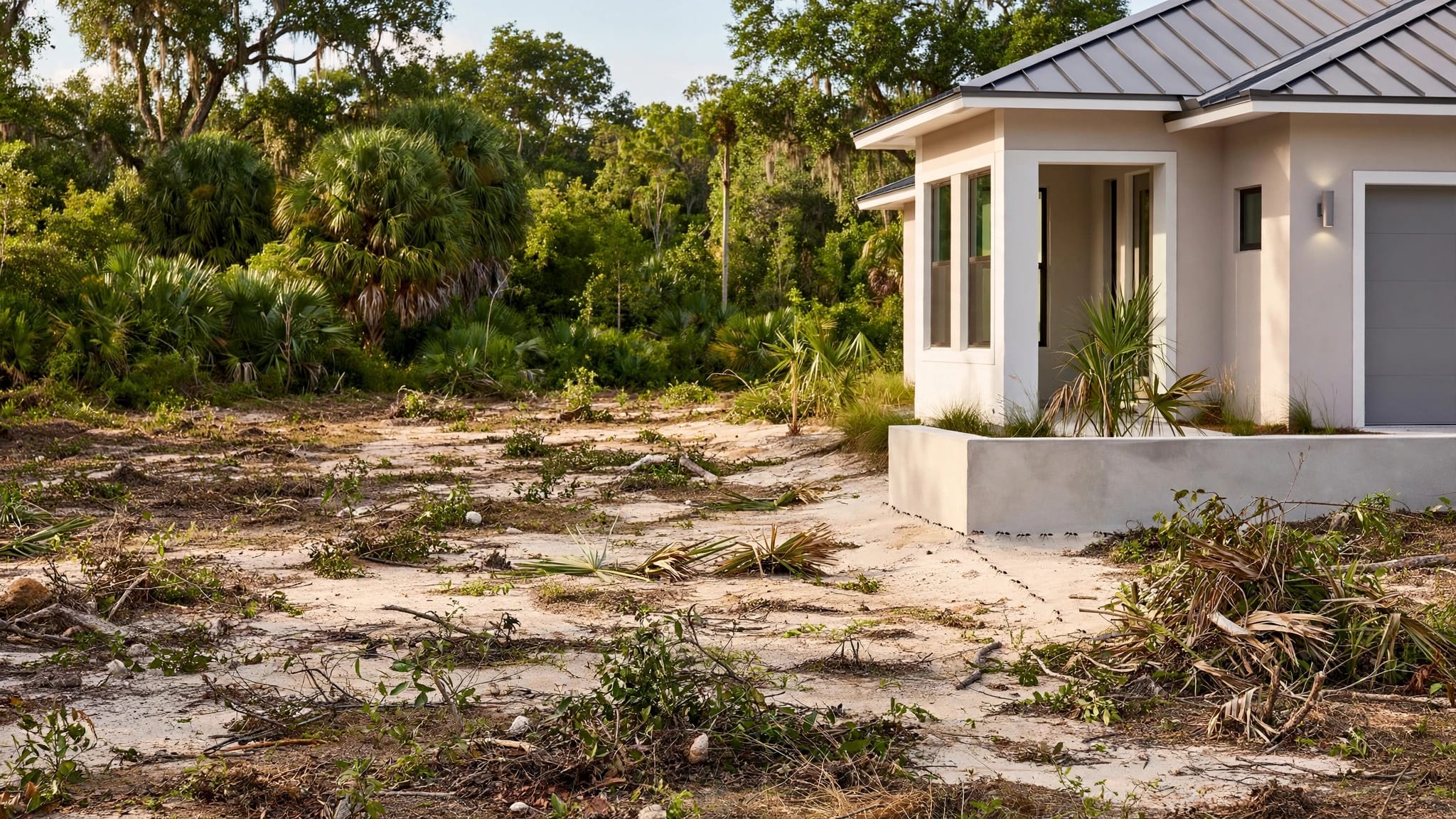
Roof rats are strong climbers. Palms, tree branches, fences, utility lines, and nearby structures can give them access to the roof. In Cape Coral, overhanging fronds and fruit trees may create a direct route to the solar array. Once a rodent finds shelter under the panels, it may remain there during the day and search for food after dark.
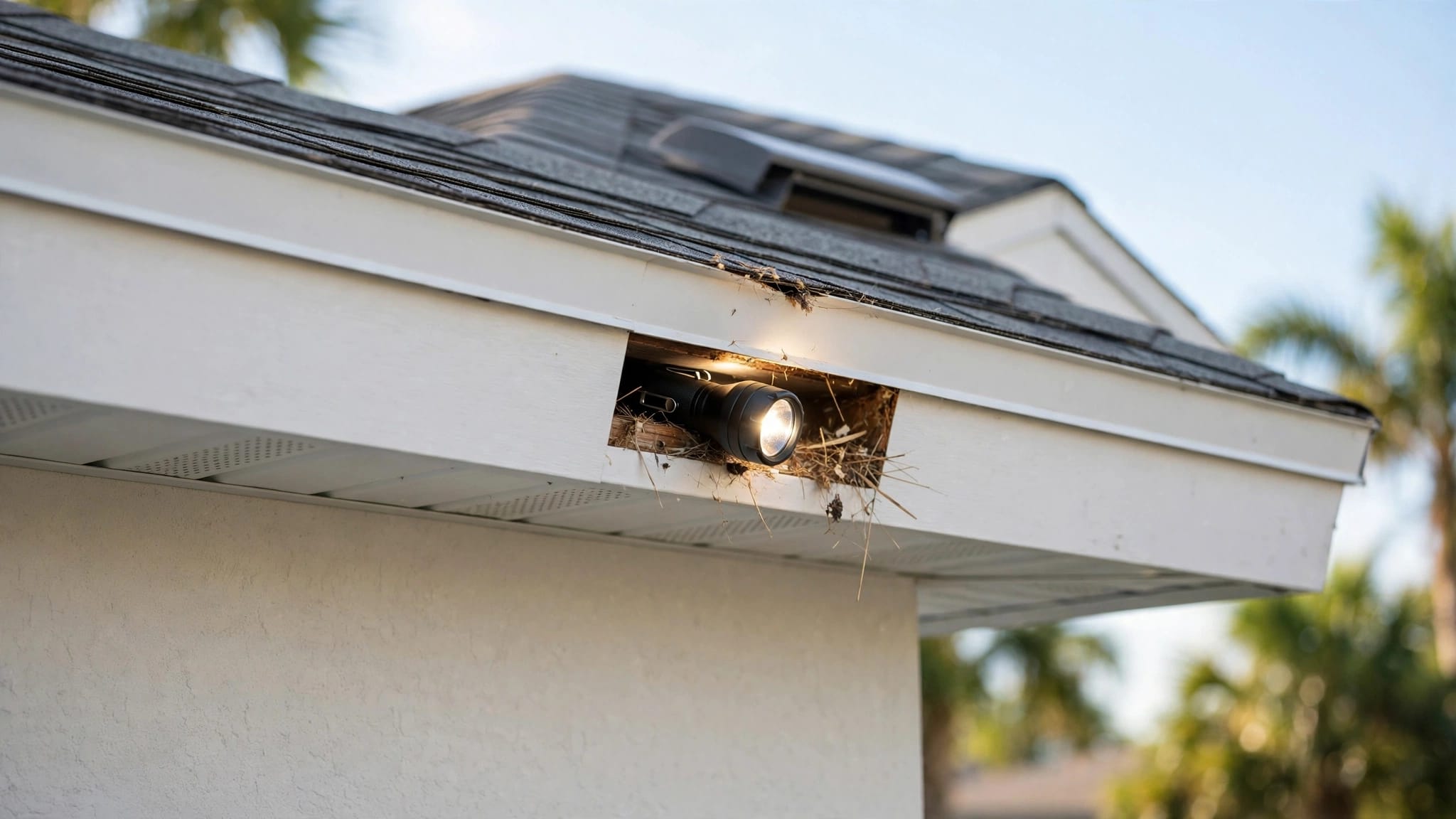
The array itself may not be the entry point into your home. Rats often travel along the roof before reaching a damaged soffit, roof return, gable vent, or opening around a plumbing stack. A loose screen or small construction gap can then lead into the attic.
Rodents also cause damage that may not appear immediately. They can chew insulation, nest near warm equipment, and damage wiring insulation. Scratching sounds, droppings, greasy rub marks, nesting material, and a stale odor may indicate activity. Keep in mind that solar wiring can sit in areas you shouldn't reach without proper training.
Homeowners who see rats around the roof should also check nearby palm trees and roofline openings. This guide to roof rats in Cape Coral covers common routes and signs that rodents are making repeat visits.
A panel gap can shelter a rodent without showing visible damage from the driveway. Ground-level sightings and attic noises may be the first warning signs.
Inspecting Your Solar Array for Pest Vulnerabilities
A useful inspection follows the rodent's likely route. Start at the yard, then examine the roofline, solar equipment, and attic. This approach helps separate an active infestation from a simple vulnerability.
Look for these conditions around the property:
- Palm fronds or tree limbs touching the roof
- Fallen fruit, birdseed, pet food, or unsecured trash
- Gaps at soffits, fascia corners, roof returns, and vents
- Damaged vent screens or open gable vents
- Droppings near the garage, attic access, or exterior walls
- Gnaw marks on cables, conduit, screens, or stored materials
From the ground, use binoculars to view panel edges and roof penetrations. Do not climb onto the roof to inspect the array yourself, especially after rain. Tile roofs can break under foot pressure, and solar panels may remain electrically active in daylight even when the home's power is turned off.
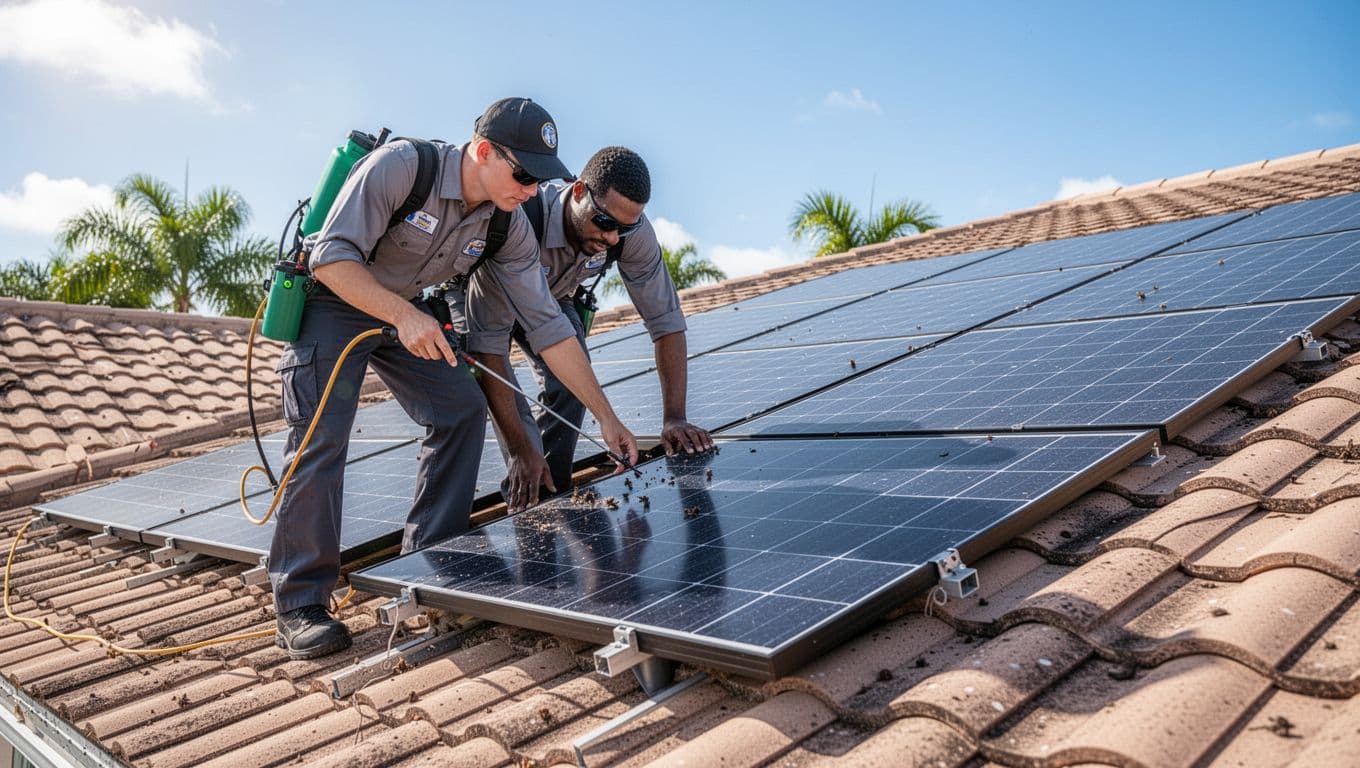
A qualified solar technician can check panel spacing, mounting hardware, cable management, and the condition of the roof surface. A pest-control professional can identify droppings, nesting, entry points, and signs that animals are moving beyond the array.
The two inspections should work together. Installing a guard over an active nest can trap an animal beneath the panels. Sealing the attic before removing rodents can also leave animals searching for another exit, which may lead to damaged vents, ceilings, or wiring.
For homes with attic signs, review these details on identifying rodent entry points. Roof returns, soffits, vents, and pipe penetrations often need attention along with the solar installation.
How to Install Rodent-Proof Solar Panels
Panel protection usually involves a solar panel critter guard. This system uses a durable mesh barrier around the exposed edges of the array. The barrier closes the gap without blocking needed drainage or airflow.
Materials vary by product, but installers commonly use coated metal mesh or corrosion-resistant hardware. In Southwest Florida, the guard should tolerate sun, rain, salt air, and storm conditions. The installer must select a system that fits the panel frame and mounting layout.
Proper installation matters more than the product name. A loose edge can create a new gap. Improper fasteners can damage the panel frame, roofing material, or mounting system. Drilling into the roof without an approved method can also create a leak path.
A qualified installer should:
- Confirm whether rodents are active before closing the panel perimeter.
- Inspect the panel edges, rails, cables, and roof surface.
- Remove nesting material through the appropriate pest-control process.
- Fit the mesh tightly around the array and around cable entry areas.
- Keep drainage paths, vents, and equipment clear.
- Check that the work doesn't conflict with the solar manufacturer's warranty.
- Photograph the finished barrier for future maintenance records.
A guard should cover vulnerable edges, but it shouldn't become a substitute for roof repairs. If rats can reach an open soffit nearby, they may ignore the protected array and enter through that opening instead.
Avoid adhesive-only fixes, plastic netting, and improvised chicken wire. These materials may degrade, sag, or leave openings large enough for small rodents. Foam can also fail outdoors when rodents chew through it or weather breaks it down.
Never place poison or snap traps beneath solar panels. Removing a dead animal from a tight panel gap can require roof access and may expose workers to contaminated nesting material. Poisoned rodents can also die inside walls or ceilings, creating odor and cleanup problems. Pest-control technicians can choose a safer control method away from electrical components and coordinate exclusion after activity decreases.
Shield Home & Pest Control offers an ECO Rodent Shield system for Cape Coral properties that need rodent management without traditional poisons. A site evaluation can determine whether the main issue is activity beneath the array, an attic entry point, or routes through the surrounding property.
What Cape Coral Homeowners Can Safely Handle
Homeowners can reduce rodent pressure without touching the solar equipment. The safest tasks happen at ground level and involve the yard, food sources, and routine observation.
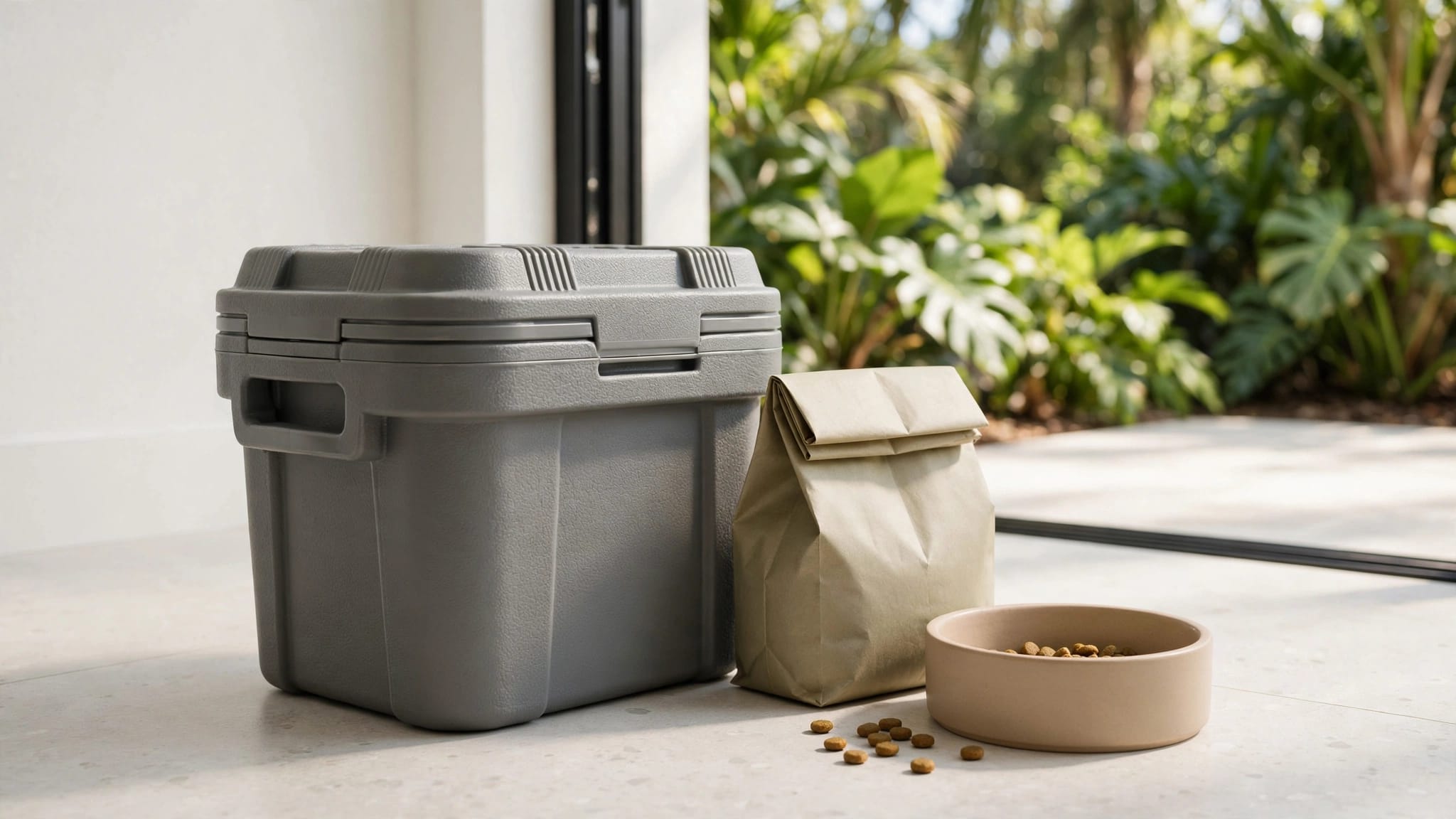
Trim tree limbs and palm fronds so they don't touch or overhang the roof. Keep pruning work away from panels, service wires, and the array itself. Remove fallen fruit, secure garbage lids, and store birdseed or pet food in hard-sided containers.
You can also inspect the attic access area, garage, and exterior walls for droppings or odors. Use a flashlight from a safe position, but don't enter a tight attic space if you see damaged wiring, extensive droppings, or nesting material. Rodent waste can carry health risks, and dry sweeping can spread contaminated dust.
A simple homeowner monitoring routine includes:
- Check the roofline from the ground after storms.
- Look for new palm contact or fallen fruit.
- Listen for scratching near the ceiling after dark.
- Note droppings without disturbing them.
- Photograph visible damage for the service technician.
- Report changes before sealing an opening.
Don't lift panels, remove guards, disconnect cables, walk on tile, or seal a suspected active entry point without an inspection. Roof work can cause falls and leaks. Solar equipment can produce electrical current during daylight, and damaged conductors may create shock or fire hazards.
When to Call Solar and Pest Professionals
Call a pest-control professional when you hear movement, find droppings, notice an odor, or see rodents entering the roofline. The technician can assess activity, recommend control methods, and identify openings that need exclusion.
Call a solar contractor or qualified roofer for panel-edge guards, cable inspection, mounting concerns, broken tiles, flashing, and roof penetrations. Solar companies understand the equipment layout and can work without compromising the system.
You may need both professionals when rodents have reached the panels and attic. The order matters: inspect first, address active animals, repair entry points, and then install or repair the panel barrier.
Ask each provider these questions before work begins:
- Who will access the roof and solar array?
- How will the team protect the panels and roof tiles?
- What material will close the panel gap?
- Will the installation affect drainage or the solar warranty?
- How will technicians handle nesting material and droppings?
- What areas will receive follow-up inspection?
Written photos and service notes can help future technicians locate guards, sealed openings, and cable routes. They also make storm damage easier to identify after a Cape Coral weather event.
Maintaining Protection After Installation
Rodent-proofing needs occasional checks because roofs, trees, and hardware change over time. Inspect the roofline from the ground after strong storms. Watch for bent mesh, lifted edges, new gaps, or debris caught along the panel perimeter.
Keep branches trimmed and food sources secured throughout the year. Schedule a professional inspection if you hear attic activity again or see a rodent traveling across the roof. Recurring signs often point to an overlooked soffit, vent, wall opening, or route that bypasses the solar guard.
Don't pressure-wash directly beneath panels or pull at mesh with a pole. Those actions can loosen fasteners and damage components. Let the solar or pest professional handle repairs that require roof access.
Conclusion
Rodent-proof solar panels protect more than the array. They help close a sheltered route that can lead rodents toward soffits, vents, wiring, and the attic. In Cape Coral, trimming palm access and correcting roofline openings matter just as much as screening the panel edges.
Homeowners can manage yard conditions and watch for warning signs safely. Qualified solar and pest-control professionals should handle active rodents, electrical areas, roof access, and panel guards. A careful inspection followed by proper exclusion keeps the space beneath your panels from becoming a starting point for a larger home infestation.
Schedule a Free Inspection: